The Bristol Hotel
On Prince Street in Bristol's harbourside district, The Bristol Hotel occupies one of the city's most direct waterfront positions. The hotel sits within walking distance of the Arnolfini arts centre, the ss Great Britain, and the independent restaurants that have made this quarter one of the more considered dining neighbourhoods in the South West. For visitors prioritising location alongside a harbour-facing stay, it warrants attention alongside Bristol's growing field of independent and design-led properties.
Pearl is the En Primeur Club membership app — saves, bookings, and concierge access live there. Same editors, same standards.
- Address
- Prince St, Bristol BS1 4QF, United Kingdom
- Phone
- +44 117 923 0333
- Website
- doylecollection.com
- Directions
- Get directions
 Saves & bookings on Pearl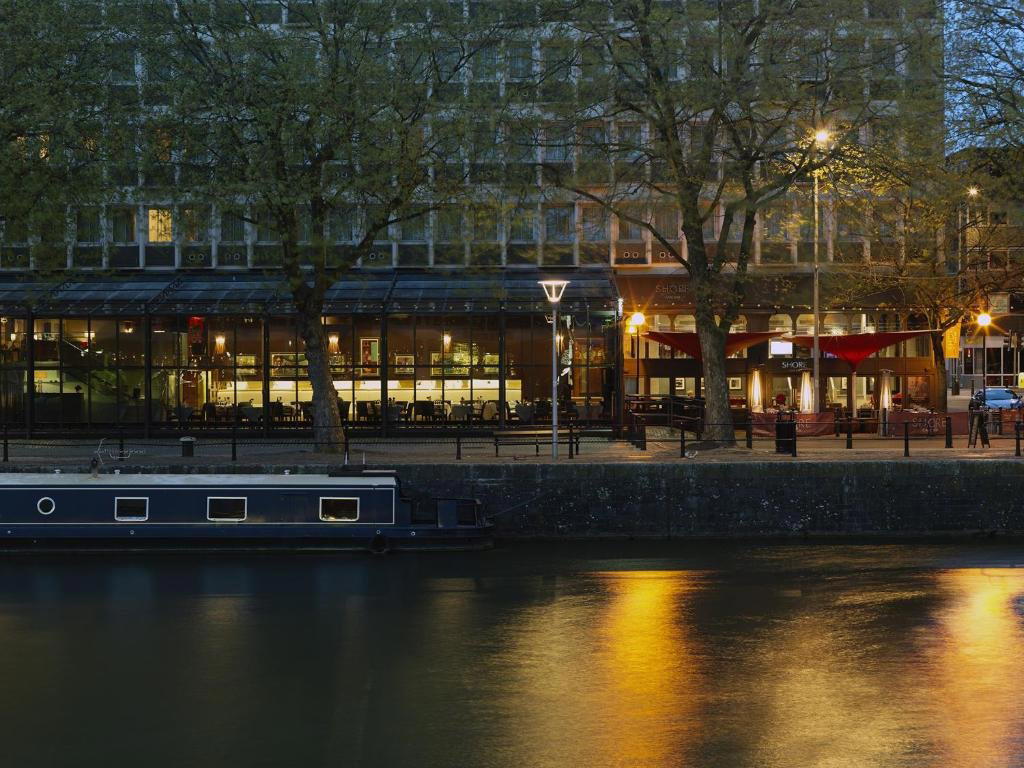
Harbourside Bristol and the question of responsible luxury
Bristol's hospitality scene has been reshaping itself around a question that other UK cities are only beginning to ask seriously: what does a responsible stay actually look like in practice? The city's strong independent streak, its long association with sustainability-led businesses, and its position as the UK's first European Green Capital (2015) have pushed hotels here to think harder about environmental commitments than their counterparts in, say, Manchester or Liverpool. In that context, a stay at a Prince Street address is less about a single property and more about the broader character of Bristol's harbour quarter, where converted warehouses, arts institutions, and waterfront dining now define the visitor experience.
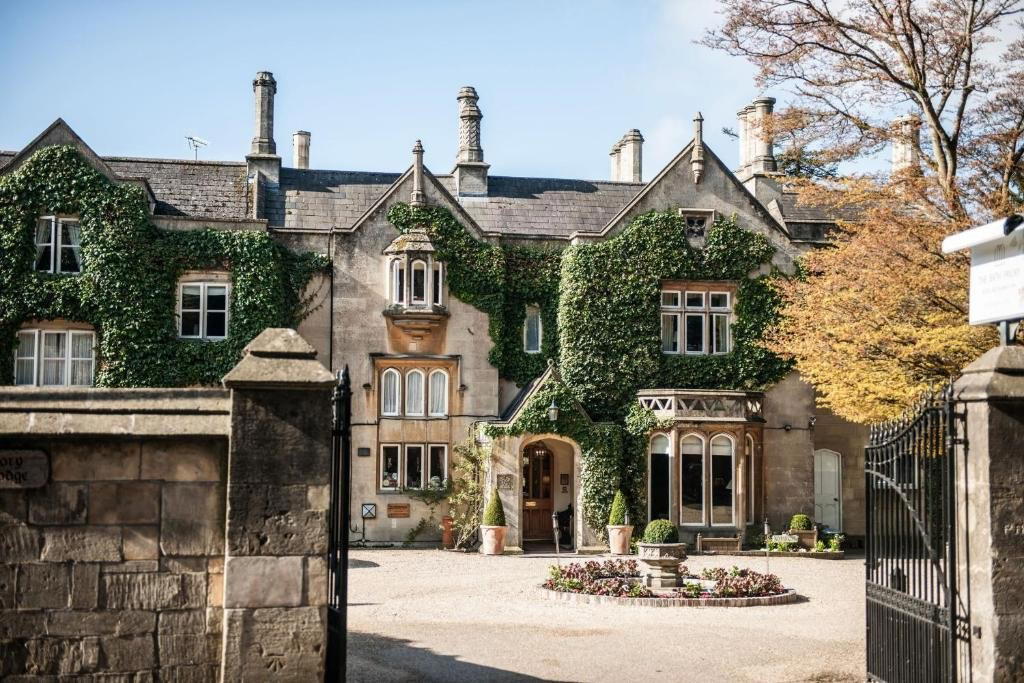
The Bristol Hotel sits on Prince Street, steps from the floating harbour that has anchored this city's identity since its medieval trading days. Approaching from the waterside, the harbour's working character remains visible: narrowboats, the occasional tall ship moored at the Pump House, and the Arnolfini arts centre directly opposite. This is a city that has held onto its industrial waterfront rather than sanitising it, and that gives the whole harbourside district a material texture that corporate hotel districts in other cities tend to lack.
Where The Bristol Hotel sits in the city's accommodation field
Bristol's hotel market has diversified considerably over the past decade. At one end, design-led independents like Artist Residence Bristol and Number 38 Clifton have built reputations on locally sourced interiors and strong neighbourhood connections. At the other, larger properties compete on location and amenity breadth. The Bristol Hotel occupies the larger-property end of that spectrum, with a Prince Street address that gives it one of the more direct harbour-facing positions in the city. For comparison, Harbour Hotel Bristol and Avon Gorge by Hotel du Vin each offer distinct trade-offs: the latter prioritises the Clifton elevation and gorge views, while the former leans into a more polished spa-and-dining format. The Bristol Hotel's value proposition rests substantially on its harbourside placement and the density of things to do within a short walk.
Across the UK, the hotels earning most consistent attention from sustainability-minded travellers tend to be the smaller, estate-style properties. The Newt in Somerset, roughly an hour south-east of Bristol, has set a high benchmark for integrated land stewardship and food provenance in the South West. Lime Wood in Lyndhurst has built a similar reputation within the New Forest. These are properties where the environmental commitment is structural, woven into the food programme, energy sourcing, and employment practices rather than communicated through a policy page. The Bristol Hotel's urban position means it operates on different terms, but the city context matters: Bristol's supply chain ecosystem for sustainably sourced food and drink is among the most developed outside London, which creates genuine opportunity for urban hotel restaurants to source well.
The harbourside as context for what you eat and drink
Bristol's dining scene around the harbour has moved a long way from the chain-restaurant density of the early 2000s. The waterfront now holds a genuine mix of independent operators, and the city's food culture draws on both its proximity to the South West's agricultural and fishing supply chains and its significant student and creative population, which sustains a broader range of price points than many comparable cities. Bristol Lido, a short walk away, represents one model for how Bristol hospitality has combined leisure, dining, and architectural character into something that functions as a neighbourhood anchor. Full Moon Inn takes a different approach entirely, oriented around live music and a more counter-cultural identity that has kept it distinct from the more polished end of the market.
For visitors based at The Bristol Hotel, the practical advantage of the Prince Street location is density of options within a short radius. The Wapping Wharf shipping container development to the west holds a concentration of independent food operators. Stokes Croft and Clifton are both accessible by a 15 to 20 minute walk, opening up a wider range of dining registers. For context on what the city's full hospitality range looks like, our full Bristol restaurants guide maps the leading options by neighbourhood and type.
Thinking about sustainability at an urban hotel: the honest picture
The sustainability conversation in UK hotels tends to be most substantive at properties with direct land connections. Nicewonder Farm and Vineyards, which combines accommodation with working vineyard and farm operations across the Bristol Channel in Virginia, demonstrates how integrated a property's environmental identity can become when land stewardship is the founding premise. Urban hotels work within different constraints and the honest measure of commitment at a city-centre property is less about carbon-zero claims and more about specifics: energy sourcing, food procurement policies, waste reduction programmes, and whether those commitments are independently verified.
Bristol's status as a Green Capital city, and the concentration of sustainability-led businesses in its supplier ecosystem, means that a hotel in this city has more to work with than equivalents in cities without that infrastructure. Whether any given property at this address takes full advantage of that context is a question visitors are well-placed to raise directly when booking. Among UK city properties worth comparing on this dimension, Hope Street Hotel in Liverpool and King Street Townhouse Hotel in Manchester each show how a city-centre independent can build a coherent identity that integrates heritage and contemporary responsibility.
Planning a stay: what to know before you book
The Bristol Hotel's Prince Street address (BS1 4QF) places it on the south edge of the floating harbour, within a few minutes' walk of Temple Meads station via the waterside path. Bristol Temple Meads connects to London Paddington in under two hours, making the hotel accessible for a weekend stay without flying. The harbourside's main attractions, including the Arnolfini, the Matthew replica ship, and the M Shed museum, are all within a ten-minute walk, which makes the location genuinely efficient for a short city break rather than requiring a car or taxi for most sightseeing. For those comparing options at the independent and design-led end of the Bristol market before committing to a larger property, Artist Residence Bristol and Number 38 Clifton both offer a different scale and character worth considering alongside. Visitors planning further afield in the South West might also use Bristol as a base before continuing to Lifeboat Inn in St Ives or the Somerset countryside around The Newt.
Budget Reality Check
| Venue | Price |
|---|---|
| The Bristol HotelThis venue — the venue you are viewing | This venue |
At a Glance
- Elegant
- Sophisticated
- Modern
- Classic
- Business Trip
- Romantic Getaway
- Weekend Escape
- Waterfront
- Historic Building
- Restaurant
- Fitness Center
- Room Service
- Concierge
- Waterfront
- Restaurant
- Fitness Center
- Room Service
- Concierge
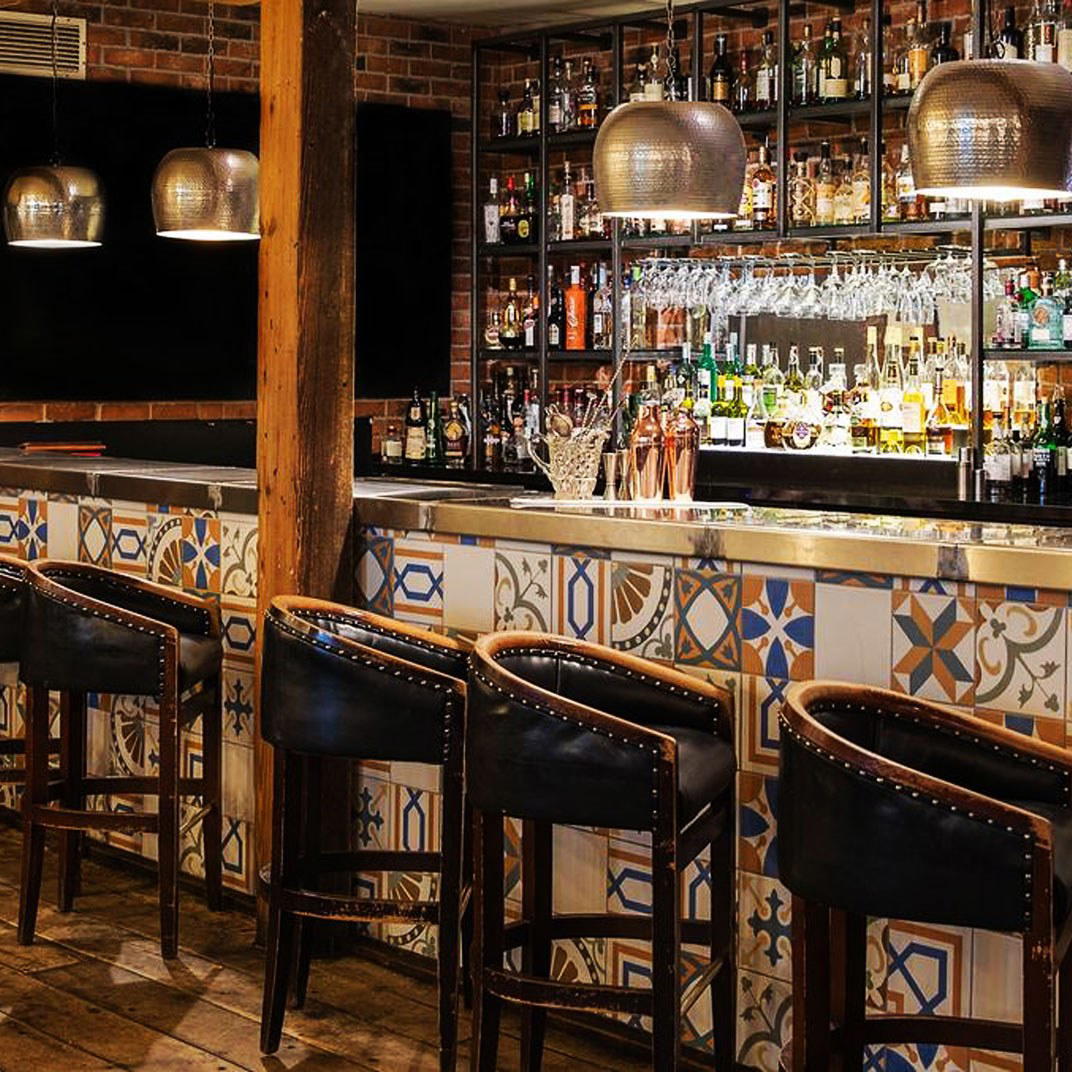
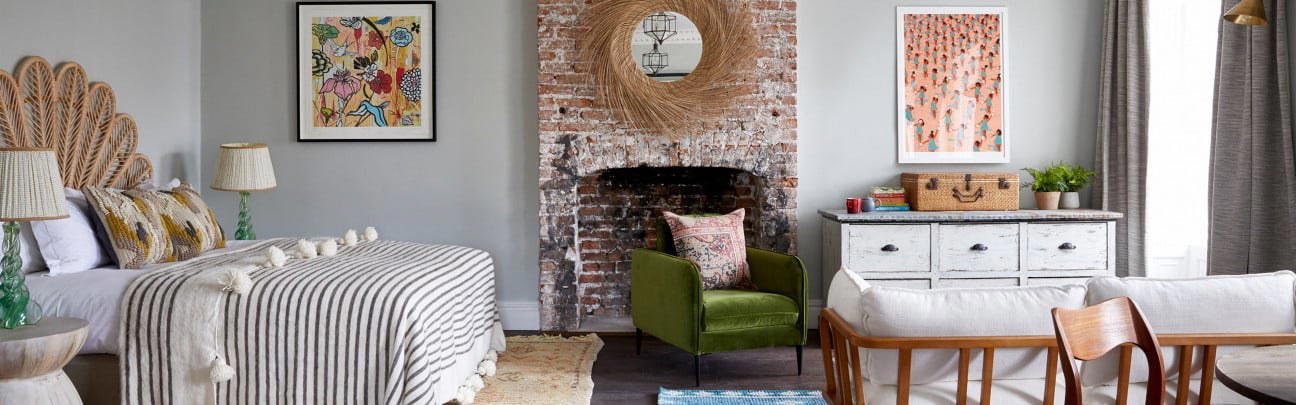
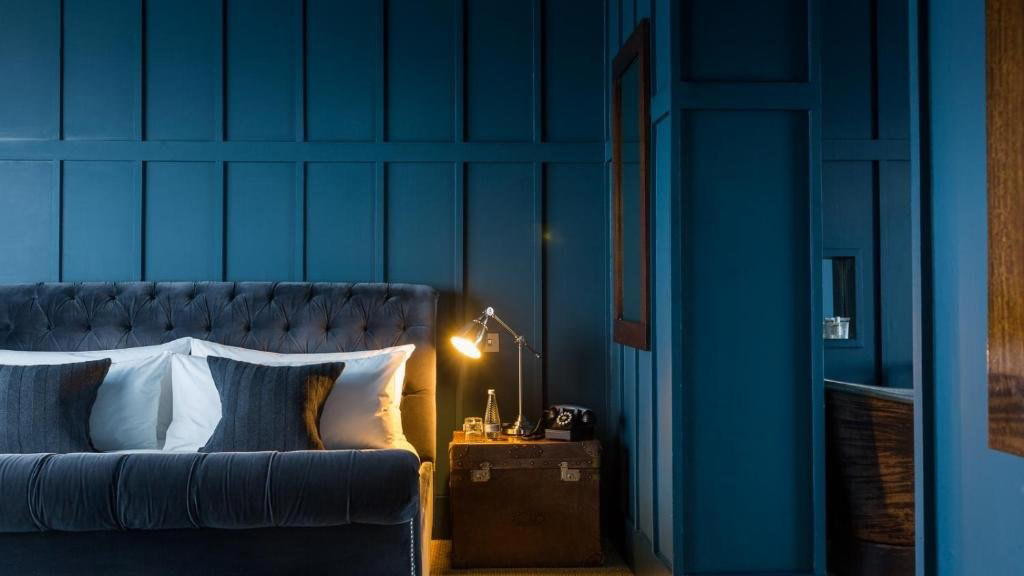
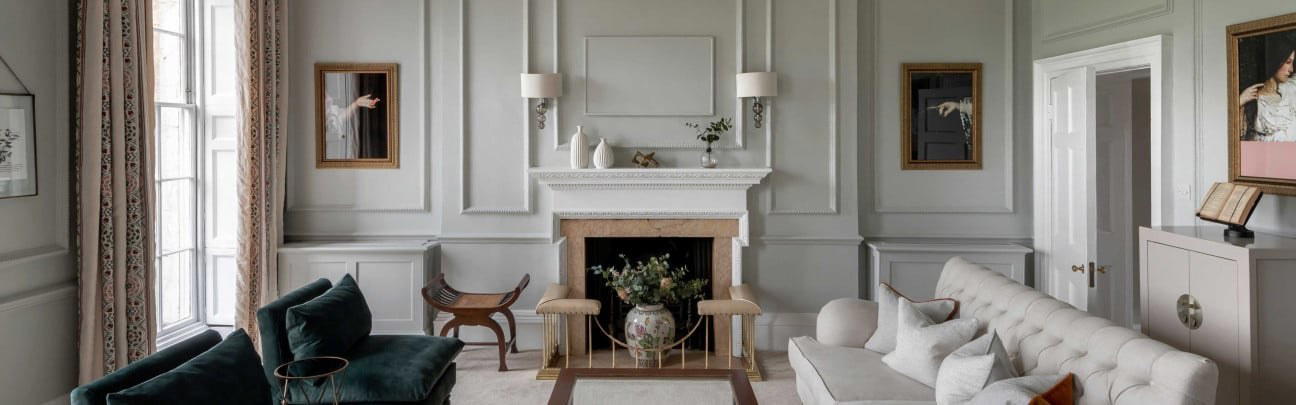
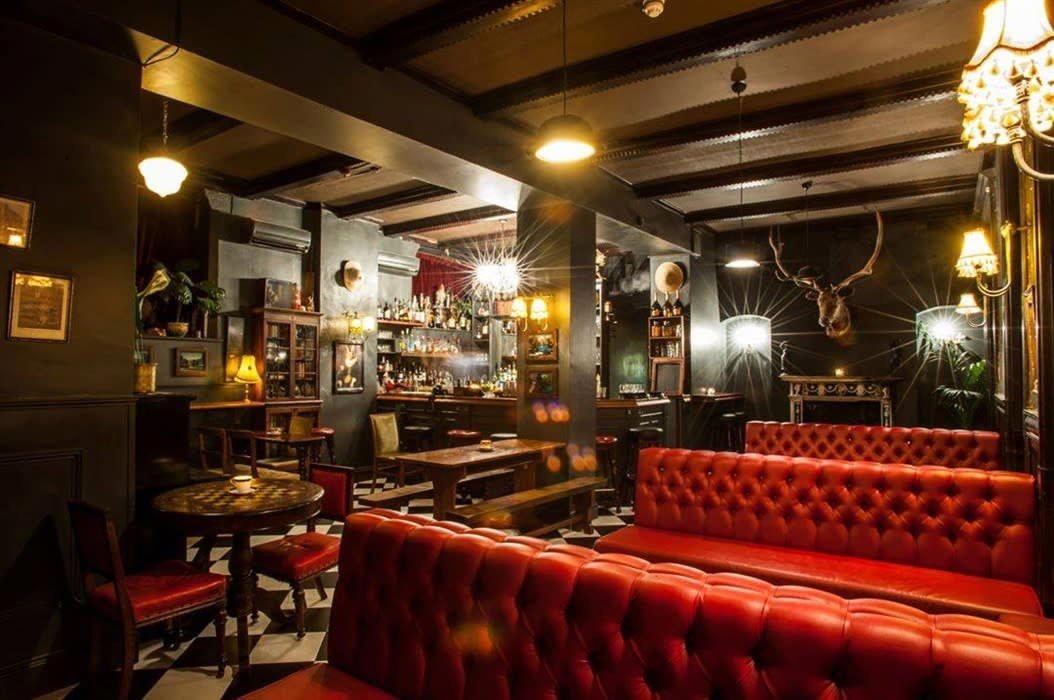
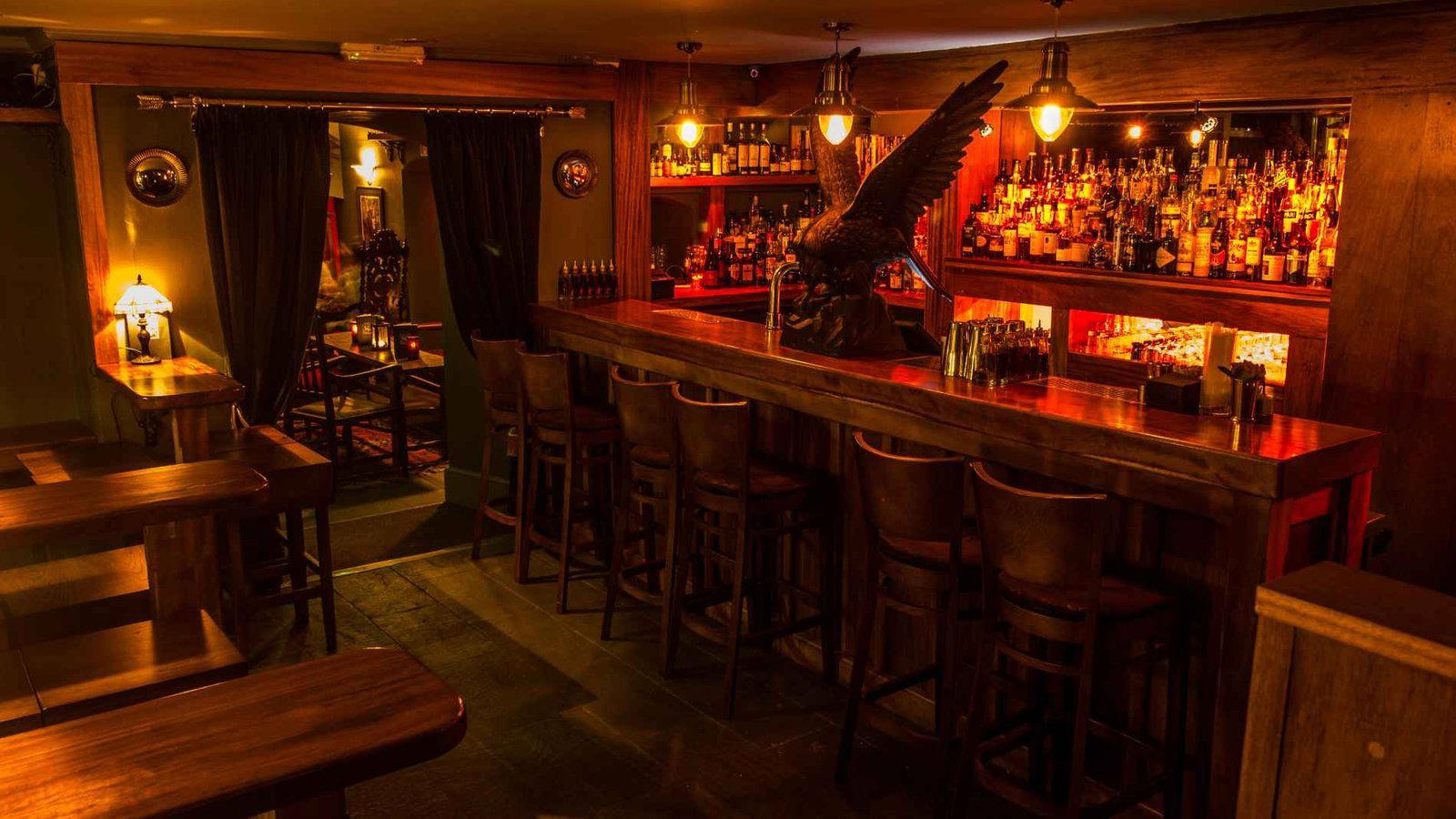
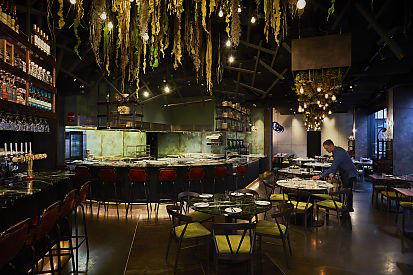
Calm and classy with modest tones of brown, maroon and grey, marble floors, cream leather, dark woods, subtle lighting, and rich fabrics.