Bodega Nanni sits at the quieter, more intimate end of Cafayate's winery circuit, where high-altitude Torrontés and Malbec meet a tasting format that rewards deliberate visitors over passing tourists.

Pearl is the En Primeur Club membership app — saves, bookings, and concierge access live there. Same editors, same standards.
- Address
- Silverio Chavarría 151, A4427ALC Salta
- Phone
- +54 3868 42-1527
- Website
- bodegananni.com
- Directions
- Get directions
Cafayate at Altitude: What the Valley Asks of Its Wineries
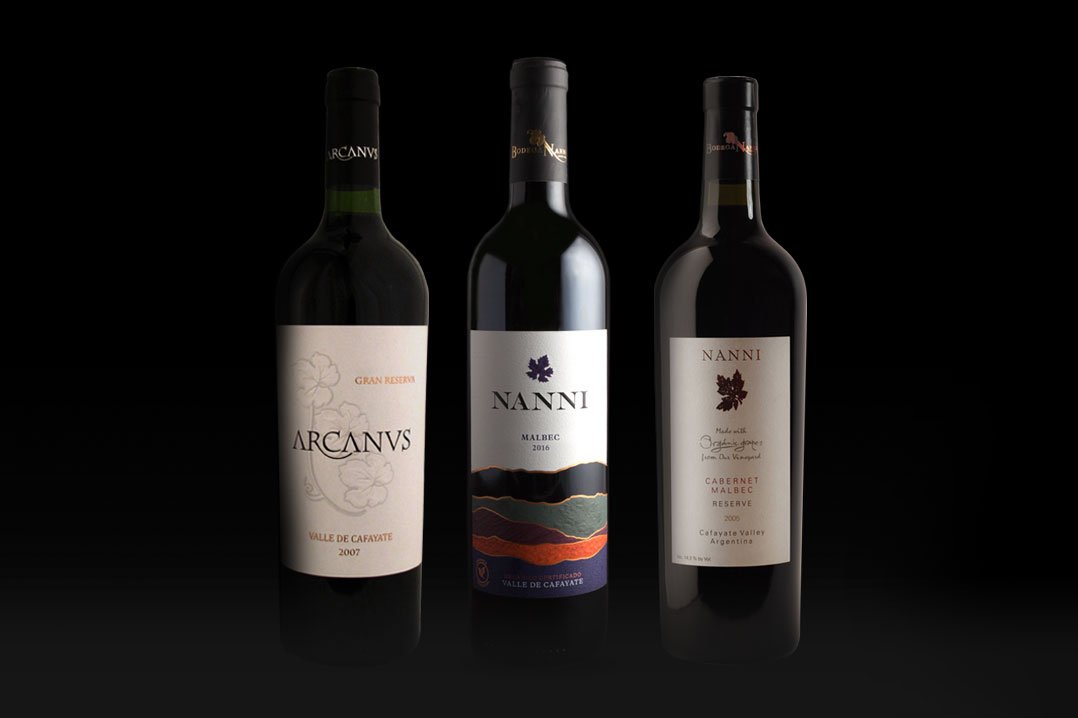
The Calchaquí Valley doesn't make wine the way most of Argentina does. At elevations approaching 1,700 metres, with nighttime temperatures that can fall 20 degrees below the afternoon peak, grapes here develop a tension that lower-altitude viticulture rarely achieves. Tannins resolve differently. Aromatics in Torrontés, the valley's signature white, read as floral without tipping into flabby sweetness. The conditions are demanding, and the wineries that have operated here long enough to understand the rhythm of the valley tend to express it most clearly.
Bodega Nanni is one of those properties. Located at Silverio Chavarría 151 in Cafayate, it occupies the kind of address that places it within walking distance of the town's central circuit while keeping enough physical remove to feel distinct from the more tourist-oriented stops. The building and grounds carry the aesthetic that characterises the valley's older operations: adobe-influenced walls, shade, and a sense of proportion that doesn't perform grandeur. What matters here is what happens once you're inside the tasting room.
The Tasting Room Format and What It Signals
Cafayate's winery circuit has split, over the past decade, into two recognisable tiers. The first is high-volume, with large tasting halls, tour buses, and menus that cover every price point. The second is more deliberate: smaller throughput, more structured tastings, and a staff-to-visitor ratio that allows for actual conversation about the wines. Bodega Nanni operates in the second category.
That distinction matters when you're planning a day of visits. In Cafayate, a tasting at a property like Nanni runs on a different clock than a walk-through at a volume operation. The pace is slower by design. Glasses arrive with context rather than just pours. The staff can draw distinctions between the valley's sub-zones, explain why the volcanic soil composition shifts the expression of Malbec here compared to Mendoza's alluvial plains, and talk through the decisions that went into the current vintage. This kind of visit doesn't suit every traveller, but for those who came to the valley specifically for the wine, it's the format that makes the most sense.
That award reflects assessed standards across production, presentation, and visitor experience, and it positions the bodega alongside rather than below the valley's larger and more internationally marketed names. For context, the Cafayate circuit includes properties with significant marketing infrastructure, including Bodega El Esteco and Bodega Amalaya, both of which operate at a different scale. Nanni sits in a smaller, more focused peer group, closer in character to Domingo Hermanos and El Porvenir de Cafayate, where the emphasis is on the wine itself rather than the visitor infrastructure around it.
Torrontés and the Question of What Cafayate Does That Nowhere Else Can
Torrontés Riojano from the Calchaquí Valley is one of Argentina's clearest expressions of terroir-driven white wine. The grape is widely planted across northern Argentina, but the combination of volcanic soil, extreme altitude, and intense UV radiation at Cafayate produces a version with structural acidity and aromatic precision that flatlands production cannot replicate. The floral profile, which can read as perfumed to the point of being one-dimensional in warmer, lower sites, stays taut here. It drinks like a wine with somewhere to go.
Any serious visit to the Cafayate valley should use Torrontés as its reference point. It is what the valley has that Mendoza, Patagonia, and the rest of Argentina's wine regions cannot straightforwardly offer. At Bodega Nanni, the tasting format is structured to show this, placing the white wines in context against the reds so that the altitude's effect on both can be read comparatively. The Malbec here tends to show darker fruit than the valley's lower-elevation Mendoza equivalents, with mineral grip from the volcanic base. It's a different expression, not a better or worse one, but clearly distinct.
For visitors comparing across the valley's offerings, Domingo Molina represents one reference point for how premium altitude viticulture translates to allocation-level production. Bodega Nanni doesn't operate at that price ceiling, which makes it accessible for visitors who want serious engagement with the wines without committing to a prestige tasting spend.
Placing Nanni in the Broader Argentine Wine Map
Argentina's wine story is often told through Mendoza, and for good reason: the province accounts for the majority of export volume and most of the internationally recognised names. But the northern provinces tell a different part of that story. Salta, and Cafayate specifically, represents high-altitude viticulture at its most geographically extreme, and the wines reflect that. Comparing a Cafayate Torrontés to a Mendoza Chardonnay, or a Calchaquí Malbec to a Luján de Cuyo Malbec from producers like Bodega Norton, reveals just how much elevation and volcanic soil shift a variety's expression.
Further afield, Argentina's wine geography includes Patagonian producers like Familia Schroeder in San Patricio del Chañar and single-vineyard Mendoza specialists like Bodega DiamAndes in Tunuyán. Each occupies a distinct position within the national wine conversation. Bodega Nanni's place in that map is clear: it is a Cafayate producer operating at assessed prestige-tier quality, working with the varieties and conditions that define the valley's identity. For visitors building a more complete picture of Argentine wine, it fits as a necessary data point, not an optional one.
Visitors who want to extend their Salta-region context can reference Bodega Colomé in Molinos, which operates at even higher elevations and offers a useful comparative lens for understanding how the Calchaquí Valley's altitude range produces different expressions across its own geography.
Planning a Visit: Practical Considerations
Cafayate is roughly 180 kilometres south of Salta city, connected by Route 68, which passes through the Quebrada de las Conchas, a drive that functions as geological context for everything you'll taste once you arrive. Most visitors base themselves in Cafayate town for one to three nights, which gives enough time to cover the valley's key producers without rushing.
Bodega Nanni's address at Silverio Chavarría 151 places it within the central Cafayate circuit, accessible on foot or by bicycle from the town's main accommodation options. The valley's winery visits are typically organised around the late morning to early afternoon window, before heat peaks in summer months. Cafayate's high season runs roughly from March to May and August to October, when temperatures are more moderate and the harvest and post-harvest rhythm gives the tasting rooms their clearest expression of the current vintage.
Booking for smaller prestige-tier properties in Cafayate is worth arranging in advance, particularly during peak season, to secure the kind of guided visit that makes the difference between a pour and an education. For a broader view of what the town's food and drink circuit offers beyond wineries, our full Cafayate guide covers the town's restaurants and the broader visitor context.
Those interested in comparing Bodega Nanni's approach to other recognised Argentine producers at different price tiers can also reference Escorihuela Gascón in Godoy Cruz and Rutini Wines (La Rural) in Tupungato, both of which operate within Mendoza's established prestige tier and provide useful reference for understanding where Cafayate's altitude-driven style sits relative to the country's more commercially dominant wine region.
Cuisine-First Comparison
Comparable venues nearby, for context on price, style, and recognition.
| Venue | Cuisine | Price | Awards | Notes |
|---|---|---|---|---|
| Bodega NanniThis venue — the venue you are viewing | Torrontés, Malbec | $10–20 | Not listed | Not listed |
| Bodega Amalaya | Malbec, Torrontés | Not listed | Falstaff Winery - Listed | Cafayate |
| Domingo Hermanos | Malbec, Torrontés | Not listed | Not listed | Cafayate |
| Finca Quara | Torrontés, Malbec | Not listed | Not listed | Cafayate |
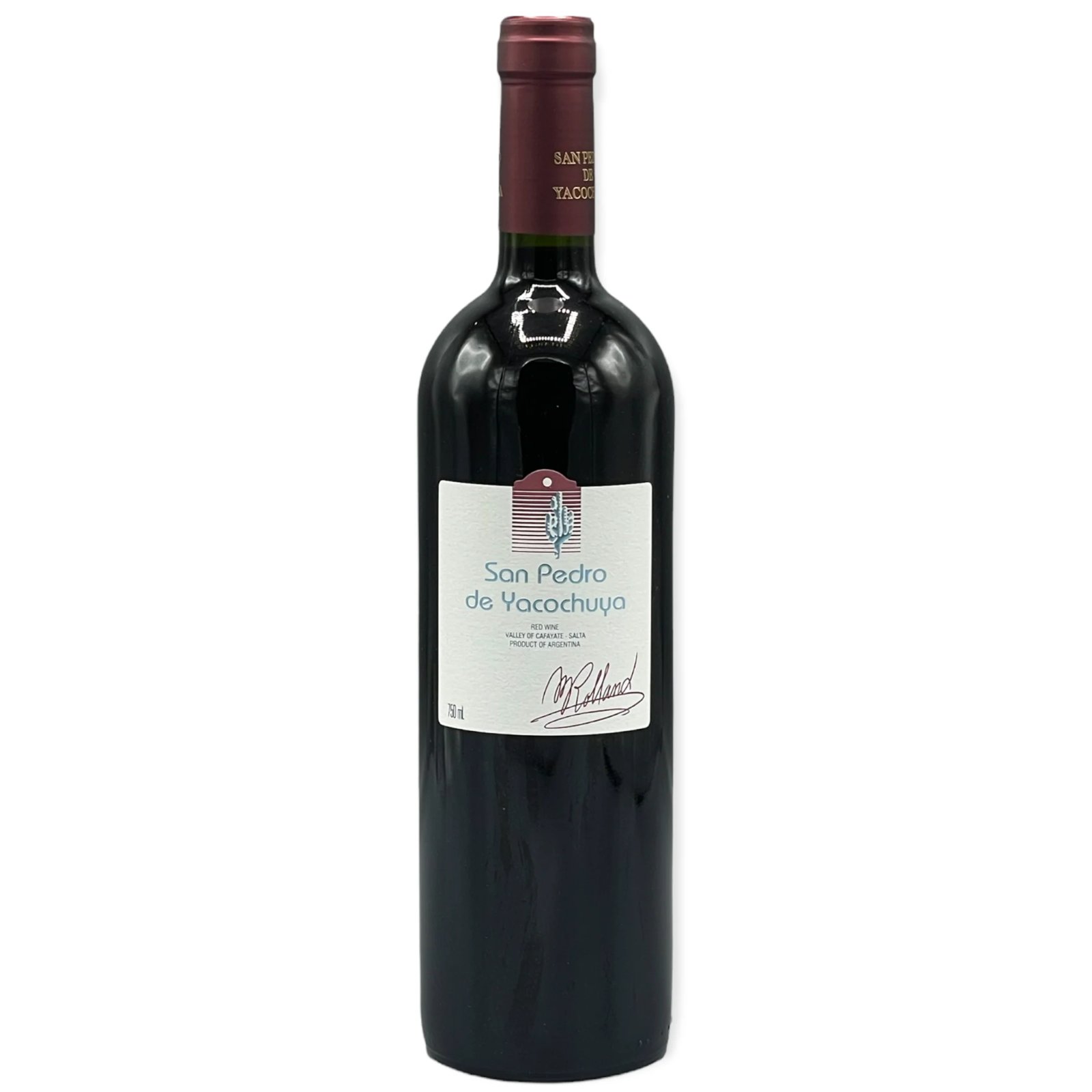
| San Pedro de Yacochuya | Malbec, Cabernet Sauvignon | Not listed | Not listed | Cafayate |
| Bodega El Esteco | Torrontés, Malbec | Not listed | Falstaff Winery - Listed | Cafayate |
Continue exploring
More in Cafayate
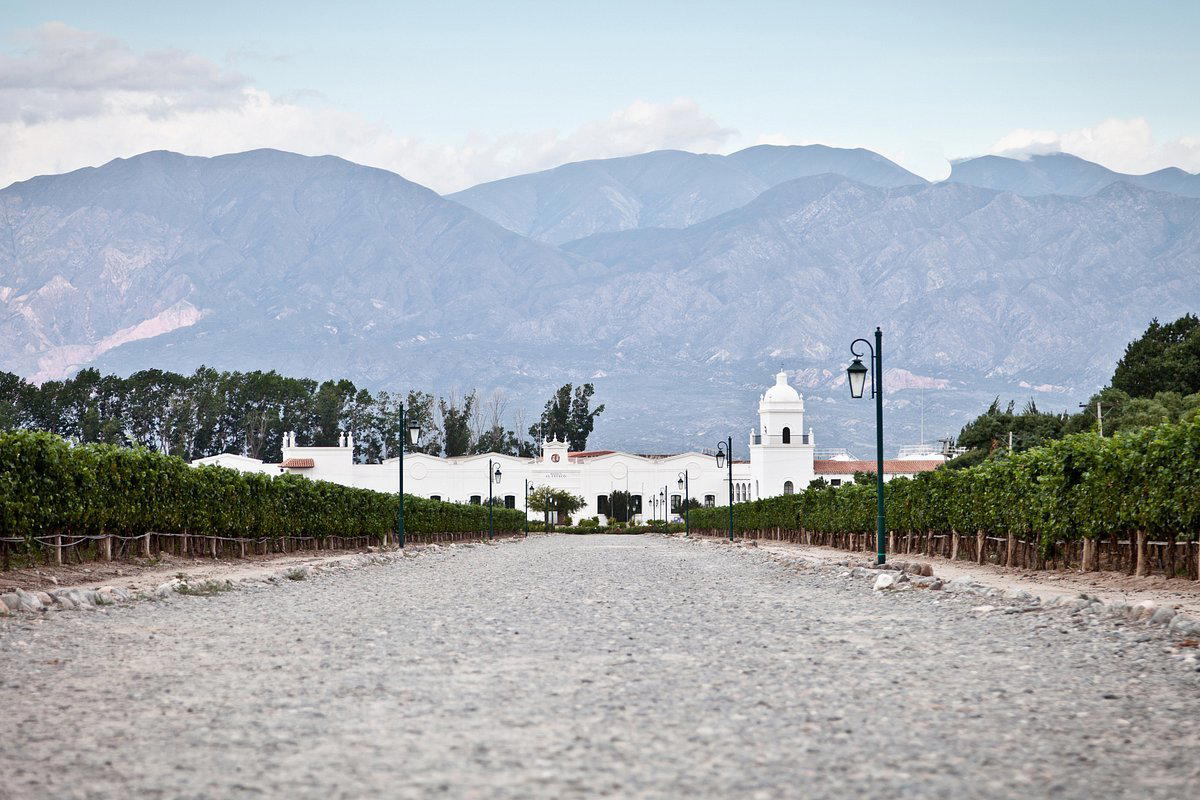
Wineries in Cafayate
Browse all →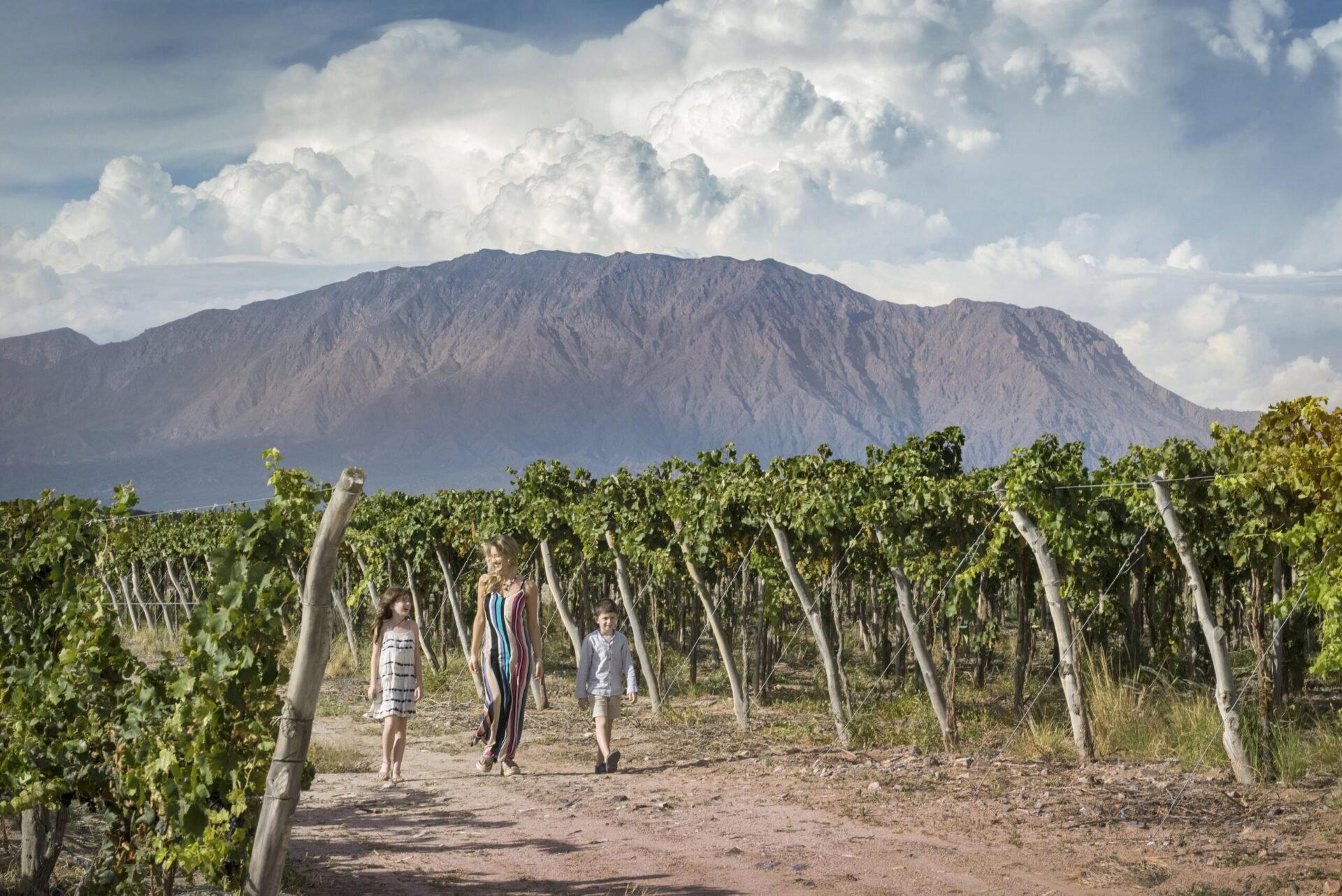
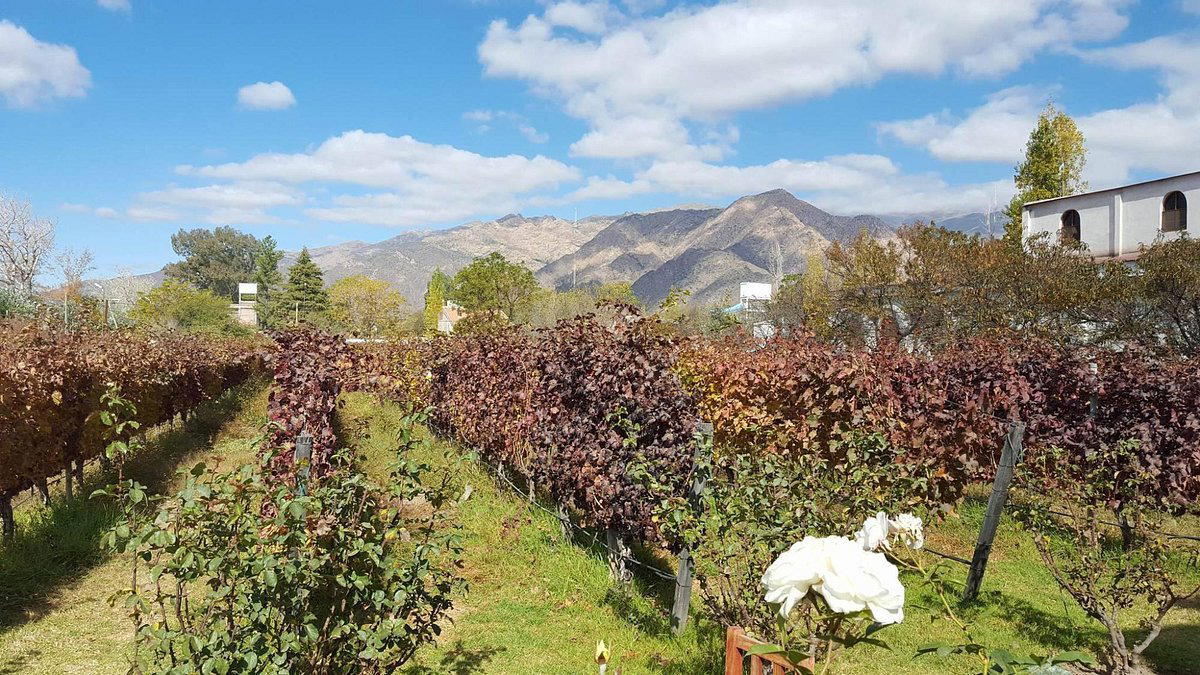
Bars in Cafayate
Browse all →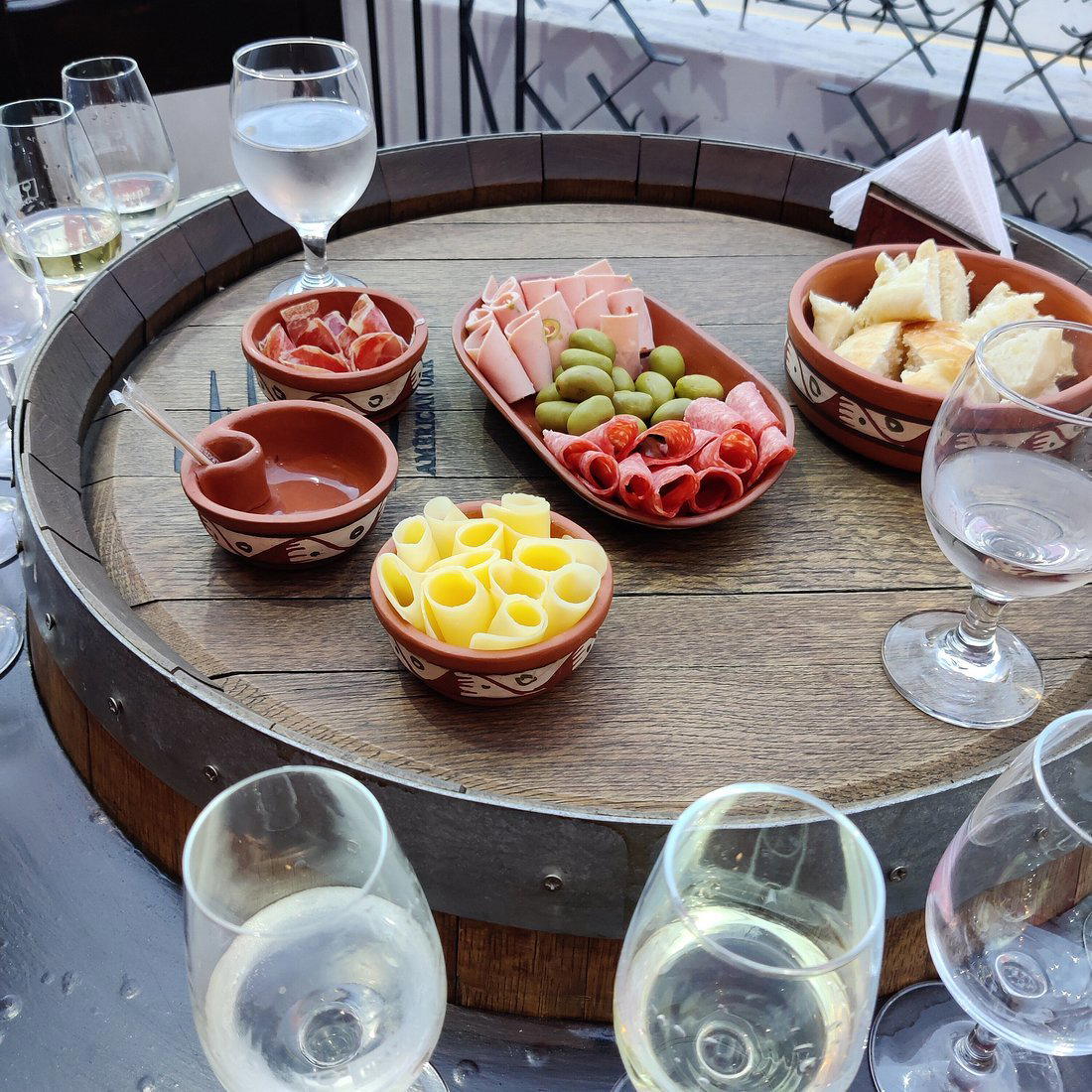
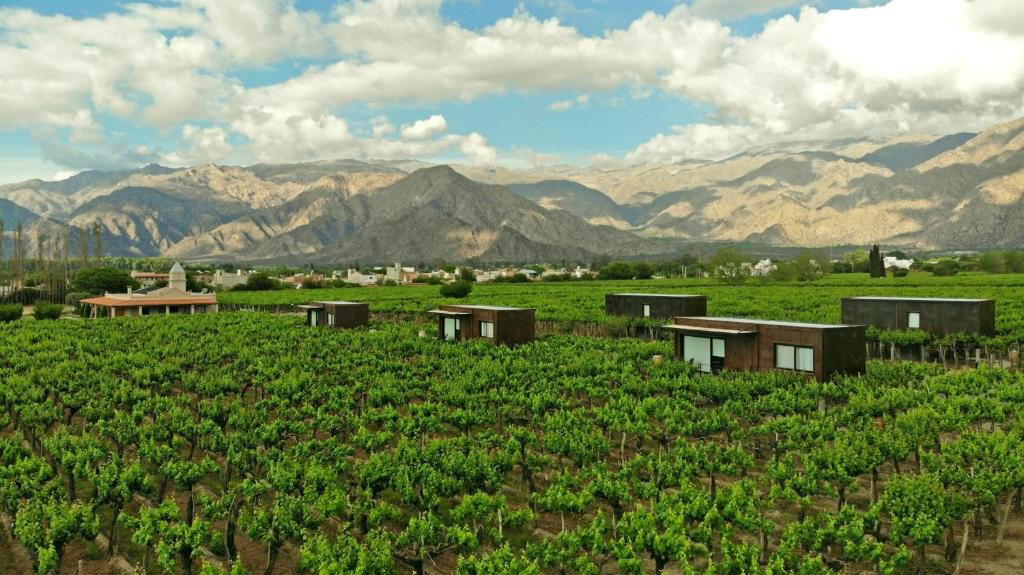
Hotels in Cafayate
Browse all →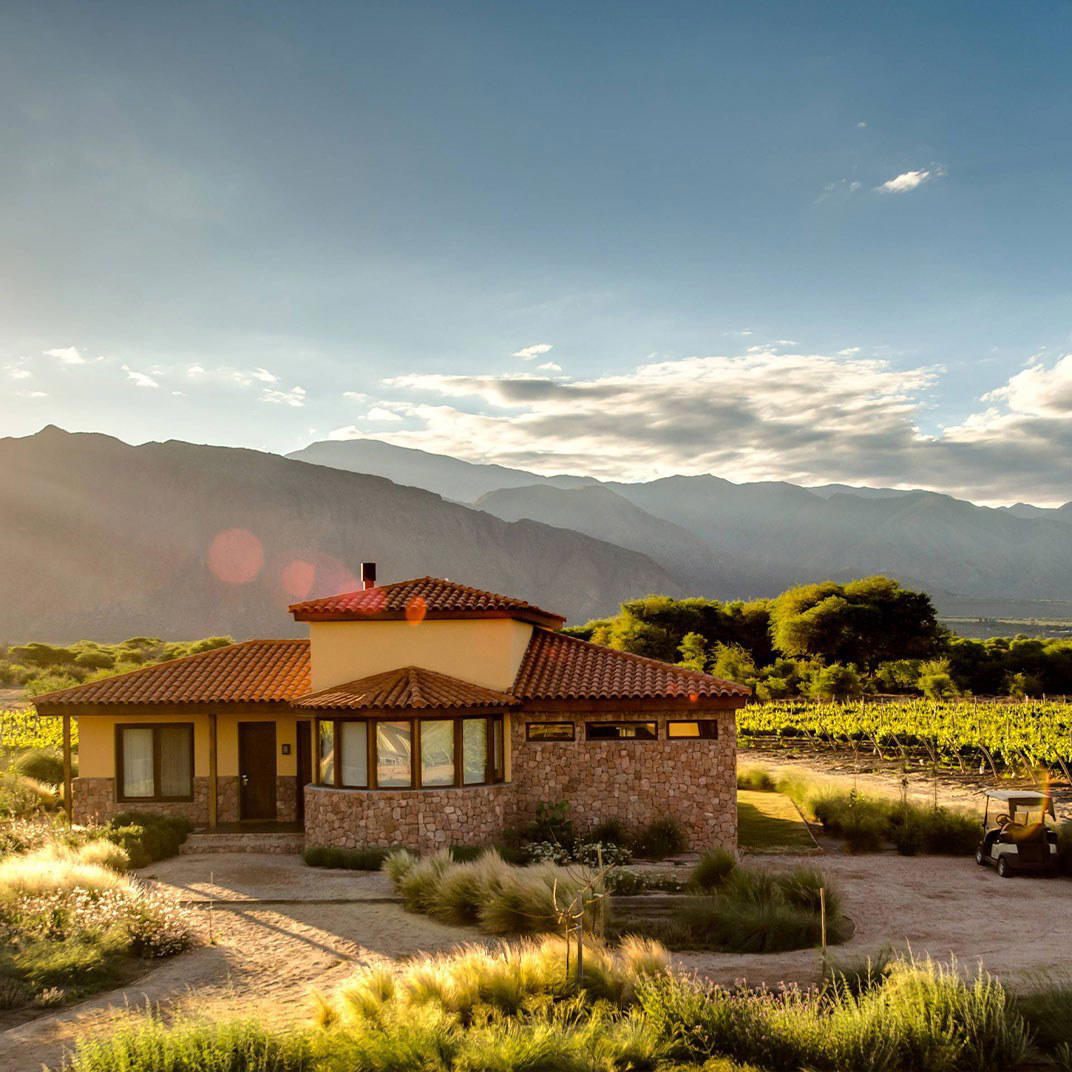
Details
- Rustic
- Intimate
- Scenic
- Cozy
- Classic
- Wine Education
- Romantic Getaway
- Group Outing
- Family
- Vineyard Tour
- Estate Grounds
- Garden
- Historic Building
- Terrace
- Organic
- Vineyard
- Garden
- Mountain
- Torrontés
- Malbec
- Tannat
- Cabernet Sauvignon
- Bonarda
- Still Red
- Still White
- Guided Tasting
- Self Guided Tasting
- Spanish
- English
Charming and rustic with a lovely courtyard garden setting; warm, welcoming atmosphere with natural lighting and a family-owned feel that evokes decades of winemaking tradition.