San Pedro de Yacochuya sits at altitude in the Calchaquí Valleys, producing Torrontés and Malbec from high-elevation vineyards outside Cafayate. It is a reference point for understanding what Cafayate can produce at its most serious.

Pearl is the En Primeur Club membership app — saves, bookings, and concierge access live there. Same editors, same standards.
- Address
- Ruta Provincial N°2 Camino a Yacochuya, CP: 4427, Cafayate, Salta, Argentina
- Phone
- +543868460101
- Website
- yacochuya.com.ar
- Directions
- Get directions
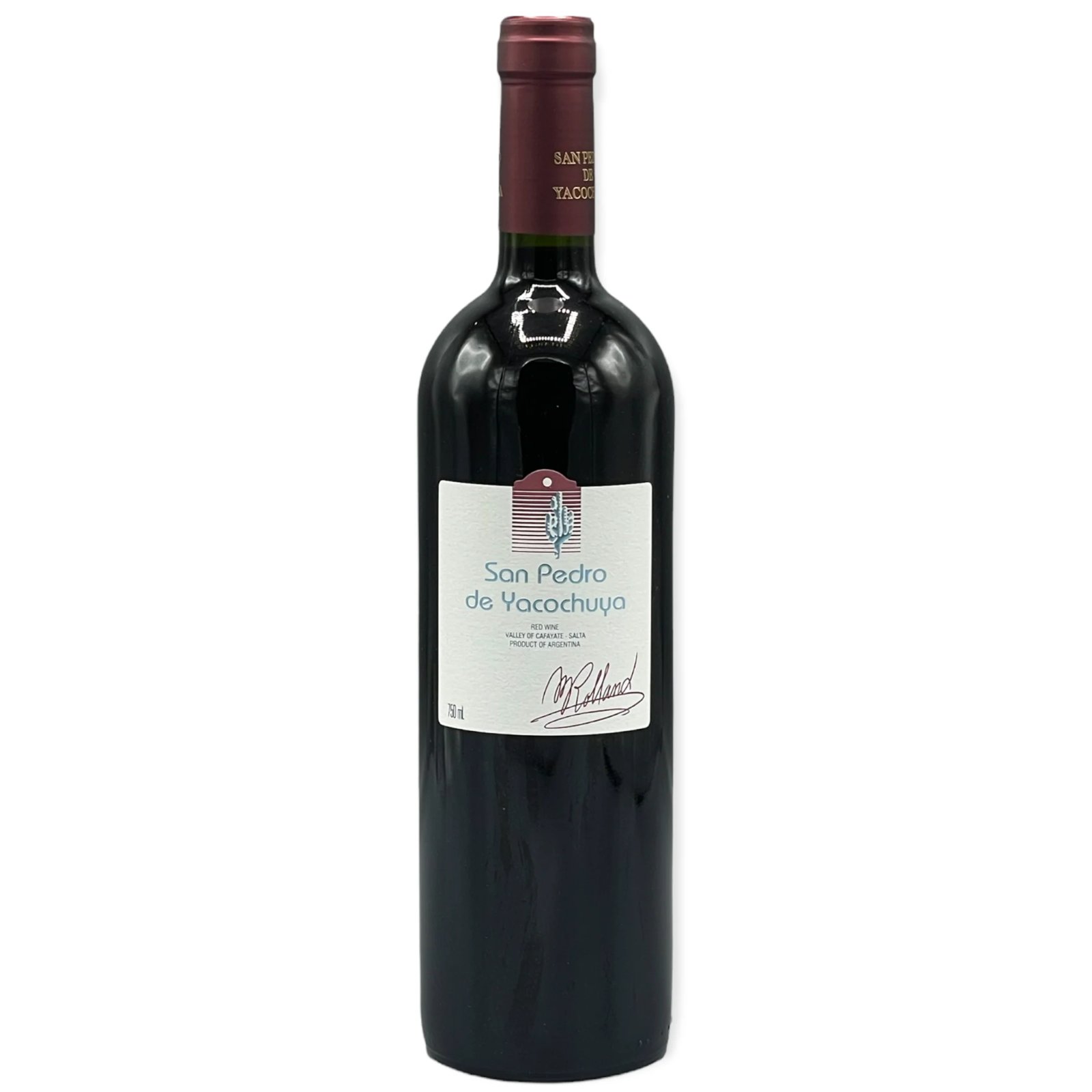
Altitude Before Anything Else
The road out of Cafayate toward Yacochuya climbs past terracotta slopes and dry quebrada walls before the vineyards come into view. At this elevation, in the northern reaches of Argentina's Calchaquí Valleys, the air is thinner, the sun more direct, and the diurnal temperature swings wide enough to define everything that ends up in the bottle. San Pedro de Yacochuya sits within that environment not as a decorative backdrop but as a functional condition of what the winery produces. High-altitude viticulture in Salta is not a marketing phrase — it is a set of measurable agronomic facts: higher UV exposure, lower humidity, more concentrated berry skins, and a longer growing season compressed into a narrower harvest window. The wines that come out of this address carry those variables in their structure.
This is a different proposition from the valley-floor operations clustered closer to Cafayate town. Peers like Bodega El Esteco and Bodega Amalaya work at lower elevations and broader commercial scales.
Where the Grapes Come From, and Why That Matters
The sourcing argument for Cafayate's serious producers hinges on altitude in a way that few other Argentine wine regions can replicate. While Mendoza's premium identity rests on the Uco Valley's alluvial soils and Andean runoff, Salta's Calchaquí Valleys operate at a different register entirely — vineyards planted above 1,700 metres in some cases, with the highest-altitude parcels in the country pushing past 3,000 metres elsewhere in the province. San Pedro de Yacochuya works with the mountain parcels around Yacochuya, where the combination of elevation, rocky soil, and minimal water stress produces fruit with the kind of concentration and aromatic intensity that the region's reputation is built on.
Torrontés is Cafayate's signature white grape, and understanding it through a producer like San Pedro de Yacochuya means understanding how altitude transforms what could otherwise be a simple aromatic variety into something more structured and precise. Lower-elevation Torrontés tends toward soft, floral excess. At altitude, the acidity firms, the floral notes compress into something more mineral, and the finish lengthens. The same logic applies to Malbec in this environment: where Mendoza Malbec tends toward plush, generous fruit, Calchaquí Malbec grown at serious elevation carries more tension and spice, with a tighter tannic frame. These are not abstract claims, they are the reasons producers outside the region, including some in Mendoza, have sought partnerships and fruit sourcing from this valley.
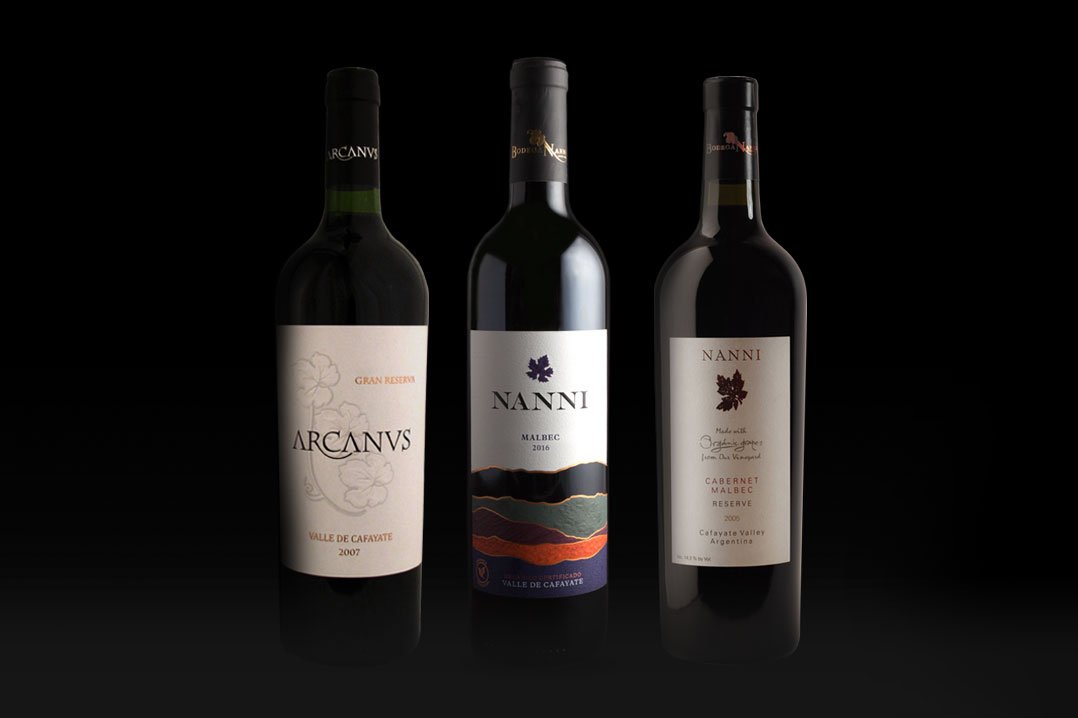
Compared to Cafayate producers working in a more accessible commercial style, such as Bodega Nanni or Domingo Hermanos, San Pedro de Yacochuya targets a narrower output with a tighter focus on the vineyard's specific character. That approach places it in the same conversation as Domingo Molina at the upper end of the Cafayate tier, where the distinguishing variable is always origin rather than winemaking intervention.
The Prestige-Tier Context in Northern Argentina
Argentina's prestige wine map has historically centered on Mendoza, particularly the Uco Valley, where operations like Bodega DiamAndes in Tunuyán and Rutini Wines in Tupungato anchor international attention. Salta, and Cafayate specifically, occupies a smaller slice of that prestige conversation, but it is a slice defined by geographic rarity. No other wine-producing country has a commercially serious region operating at this altitude.
For comparison, the prestige tier in Mendoza includes producers such as Bodega Norton in Luján de Cuyo and Escorihuela Gascón in Godoy Cruz, both of which operate with significantly larger production footprints and broader distribution. San Pedro de Yacochuya works at a smaller scale in a more remote geography, which is part of the point. The wines are not designed for the same market or the same occasion as high-volume Mendoza Malbec. They occupy a different shelf and speak to a different drinking decision.
Further afield, the Calchaquí Valley's altitude-driven model has more in common with producers pushing into extreme terroir elsewhere in South America than it does with the polished, commercially accessible style of, say, Familia Schroeder in San Patricio del Chañar in Patagonia, which trades on latitude and cold-climate character rather than elevation. The reference points are different; the underlying logic of place-first winemaking is the same.
Visiting Cafayate's Upper-Tier Producers
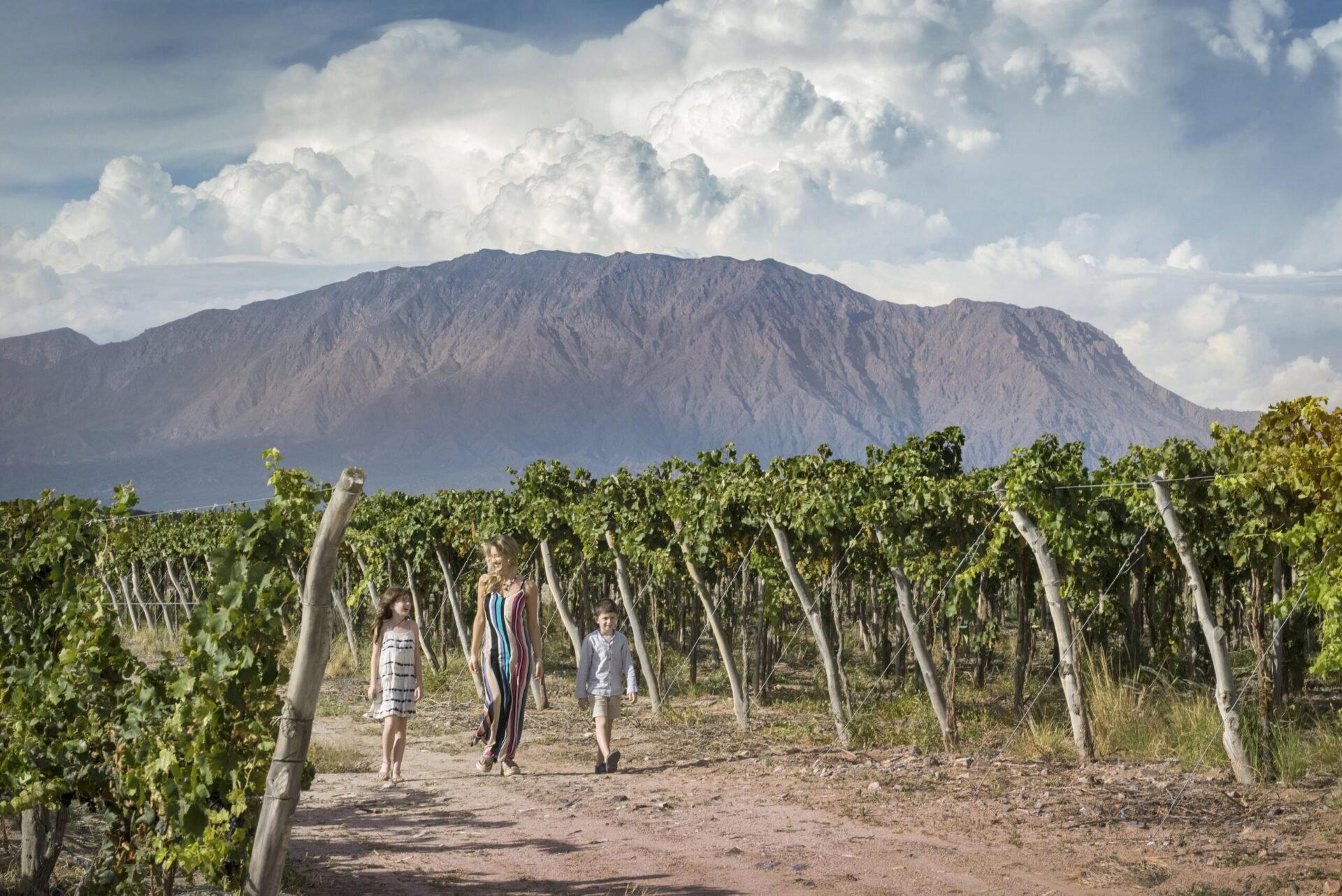
Cafayate is a five to six hour drive from Salta city, or accessible by small aircraft to Cafayate's airstrip for those with access to private aviation. The town itself is compact, and the route toward Yacochuya runs south via Ruta Provincial N°2. Timing matters: the harvest window in this region typically runs from late February into early April, when the combination of vineyard activity and cooler post-summer temperatures makes for the most substantive visit. The dry season, running roughly from May through October, keeps roads clear and the light on the quebrada walls at its most photogenic for those combining the visit with broader Calchaquí Valley exploration.
San Pedro de Yacochuya sits within a broader Cafayate circuit that rewards sequential comparison. Bodega Colomé in Molinos, further north along the valley, pushes the altitude argument even further and makes a useful counterpoint for understanding what different elevations within the same general region produce. For those building a full northern Argentina wine itinerary, the contrast between the Salta producers and operations farther south, such as those listed in our full Cafayate restaurants and winery guide, clarifies how geography rather than winemaking style drives the region's diversity.
San Pedro de Yacochuya does not publish booking details or visitor hours through publicly available channels, so direct contact through the bodega's address on Ruta Provincial N°2 is the practical starting point. Visits in this tier of Argentine winemaking are typically by arrangement rather than walk-in, and arriving with a prior connection or introduction through a local operator will produce a more substantive experience than showing up unannounced.
Award recognition in the Argentine wine context functions differently than in, say, European appellation systems where ratings correlate with legally defined production standards. This places it in a different bracket from the volume-focused regional players and signals to buyers and visitors that the wines carry the kind of specificity that justifies serious attention and serious pricing.
For the travelling wine drinker building a Cafayate visit, that signal is useful as a prioritisation tool. Cafayate has enough producers to fill several days of tasting, and not all of them operate at the same level of ambition or origin-specificity. San Pedro de Yacochuya, alongside the handful of other upper-tier Cafayate producers, represents the version of this region worth travelling for rather than simply passing through.
Cuisine Context
Comparable venues nearby, for context on price, style, and recognition.
| Venue | Cuisine | Price | Awards | Notes |
|---|---|---|---|---|
| San Pedro de YacochuyaThis venue — the venue you are viewing | Malbec, Cabernet Sauvignon | Not listed | Not listed | Not listed |
| Piattelli Vineyards | Malbec, Torrontés | Not listed | Not listed | Cafayate |
| Domingo Molina | Torrontes, Malbec | Not listed | Not listed | Yacochuya Norte |
| Bodega Amalaya | Malbec, Torrontés | Not listed | Falstaff Winery - Listed | Cafayate |
| Bodega Etchart | Torrontés, Malbec | Not listed | Not listed | Cafayate |
| Bodega Nanni | Torrontés, Malbec | $10–20 | Not listed | Cafayate |
Continue exploring
More in Cafayate
Wineries in Cafayate
Browse all →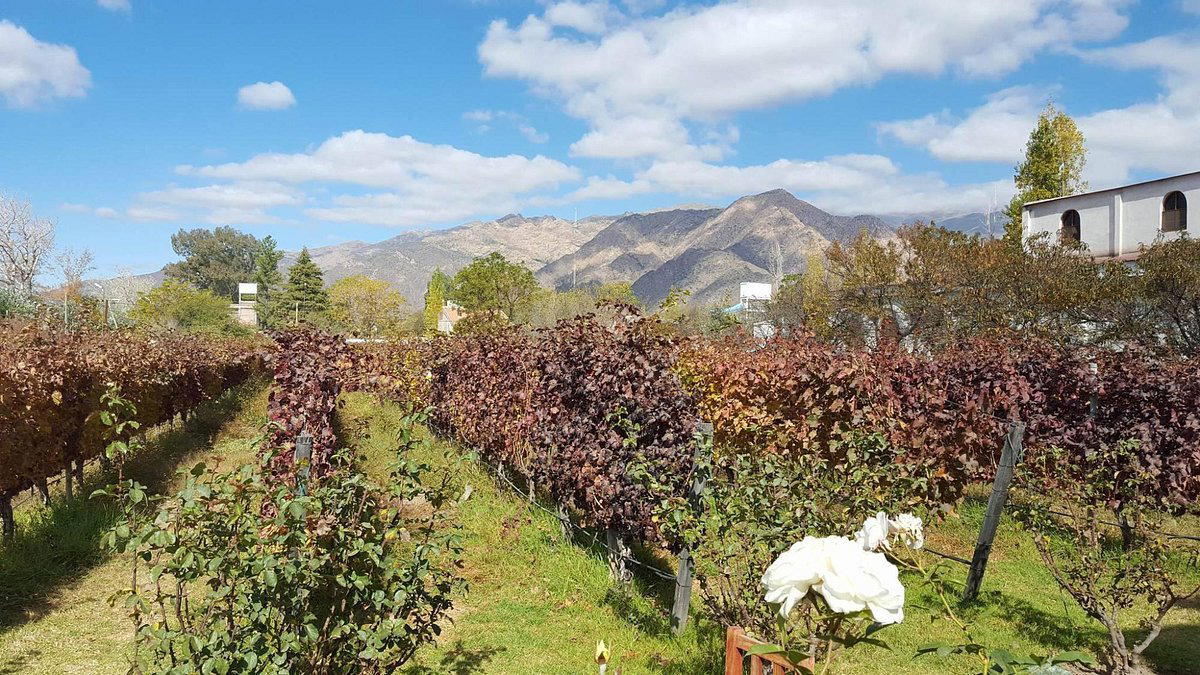
Bars in Cafayate
Browse all →
Hotels in Cafayate
Browse all →
Details
- Scenic
- Rustic
- Intimate
- Wine Education
- Solo Exploration
- Vineyard Tour
- Panoramic View
- Sustainable
- Mountain
- Vineyard
- Malbec
- Cabernet Sauvignon
- Torrontés
- Tannat
- Cabernet Franc
- Still Red
- Still White
- Wine Tasting
- Spanish
Scenic mountain vineyard views with a quiet, historic family-run atmosphere.