Glenmorangie House

1 Michelin Key
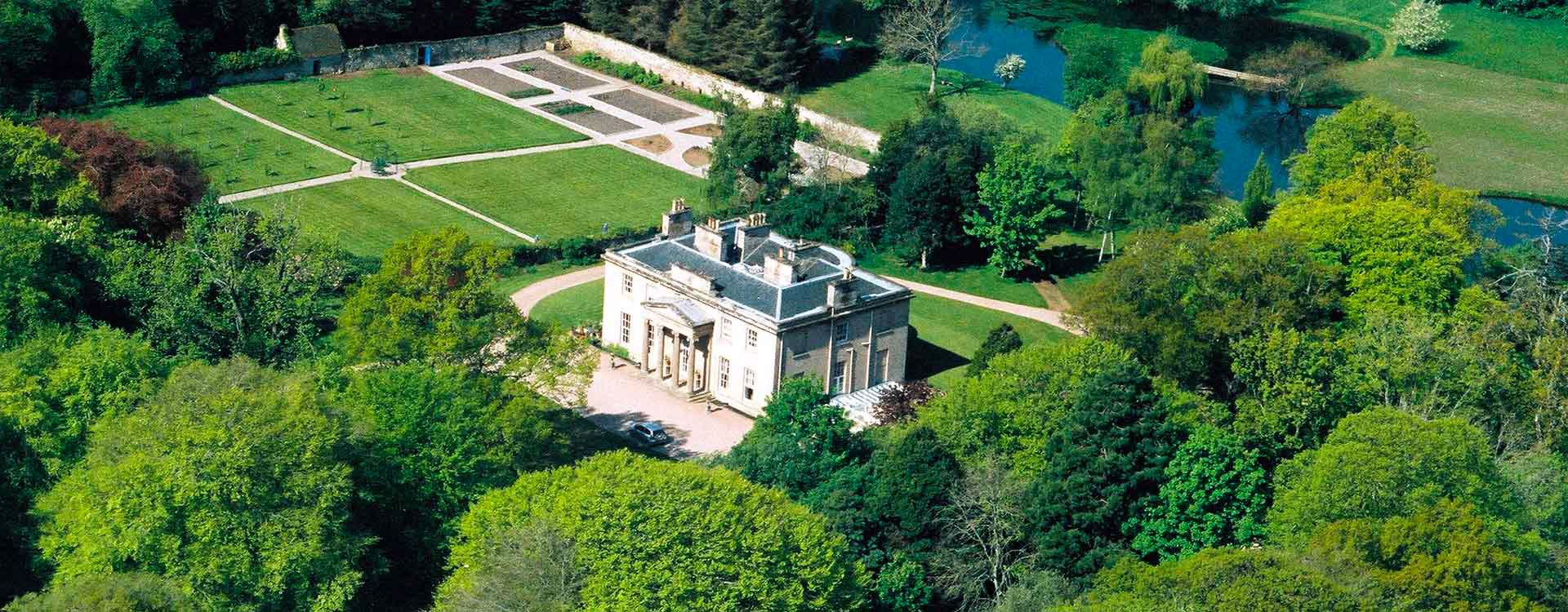
Glenmorangie House breaks from the muted, tartan-and-tweed conventions of Highland country house hotels with interiors by maximalist designer Russell Sage: nine individually styled rooms in theatrical colour, communal dining built around local Highland produce, and direct access to the Glenmorangie distillery's output. It occupies a specific niche in Scottish hospitality where whisky provenance and design ambition converge.

Pearl is the En Primeur Club membership app — saves, bookings, and concierge access live there. Same editors, same standards.
- Address
- Fearn by, Fearn by Tain, Tain IV20 1XP
- Phone
- +441862871671
- Website
- glenmorangie.com
- Directions
- Get directions
Where Highland Restraint Ends
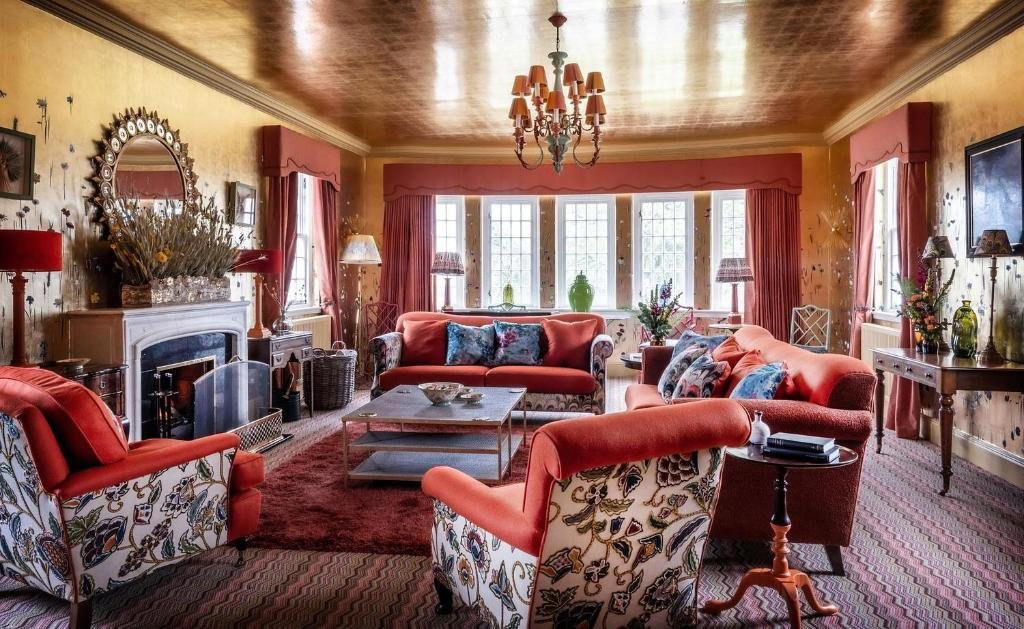
The country house hotels of the Scottish Highlands have long traded on a recognisable aesthetic: muted tartans, ancestral portraits, stone fireplaces, and a colour palette borrowed from the moorland outside. That register is coherent and often genuinely handsome, but it is also deeply predictable. Glenmorangie House, sitting near Fearn on the Tain peninsula of Easter Ross, takes a different position. Its interiors were designed by Russell Sage, whose sensibility runs to the theatrical and the maximalist, and the result is a nine-room property where each space is handled as a distinct design statement rather than a variation on a shared Highland vernacular. The question it poses to the broader Scottish country house category is whether bold interiors and serious whisky provenance can coexist with the landscape-rooted hospitality the region does so well. The answer, as the property's continued reputation suggests, is yes.
Russell Sage's Interior Logic
The design framework here matters because it is the defining differentiator from comparable properties in the Highlands. Where hotels like Gleneagles in Auchterarder operate at a grander, more institutional scale, and smaller properties like Monachyle Mhor Hotel in Stirling lean into a deliberately pared-back ruralism, Glenmorangie House occupies a middle position: intimate in scale, deliberate in decoration. Russell Sage is known for work that draws on layered historical references without becoming pastiche, and that sensibility serves the property well in a building that has its own deep roots in the Highland estate tradition.
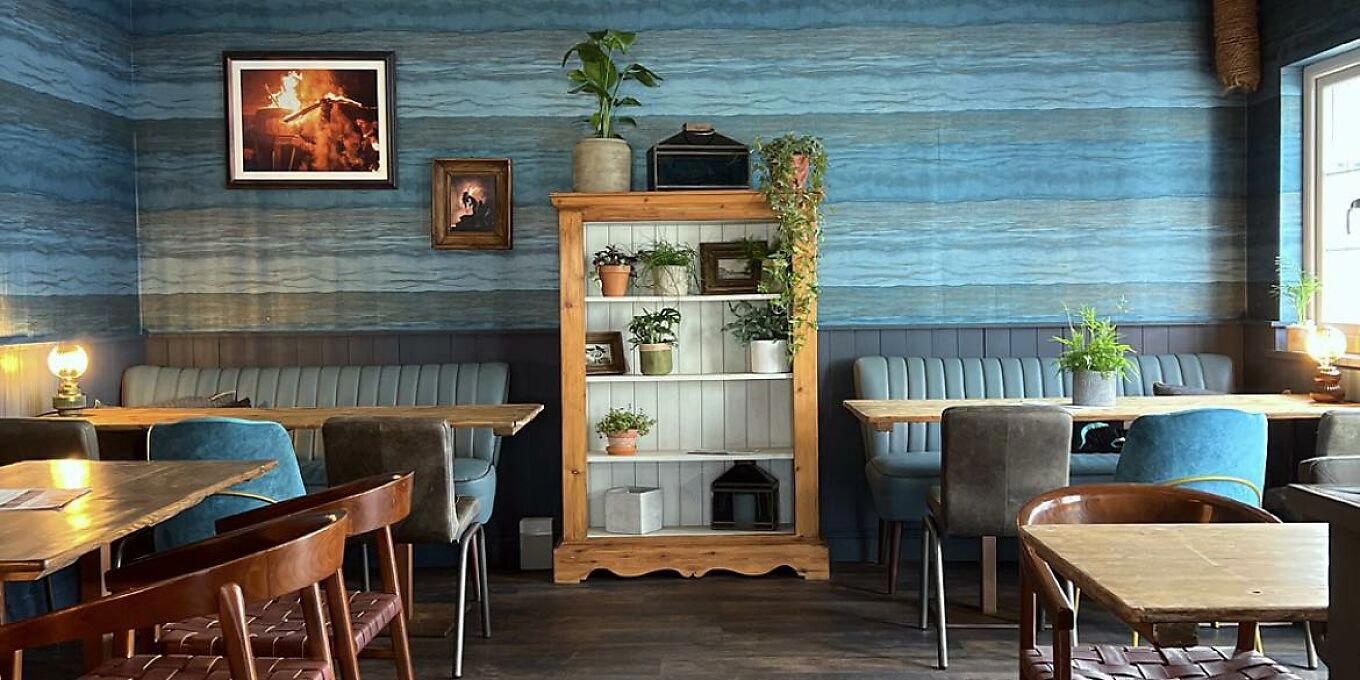
Nine rooms are individually conceived, which means no two are alike in palette or furniture mix. That approach to room design has become a signal of a certain tier of boutique hotel ambition across British properties, from Lime Wood in Lyndhurst to Estelle Manor in North Leigh, but at Glenmorangie House the colour temperature is distinctly warmer and more theatrical than most. Where many design-led country houses stay within a careful, broadly neutral tone, Sage's palette here reads as a deliberate provocation against Highland convention. Each room is thoroughly luxurious in finish, but the pleasure is as much in the specificity of the design choices as in the material quality.
The Communal Table and What It Signals
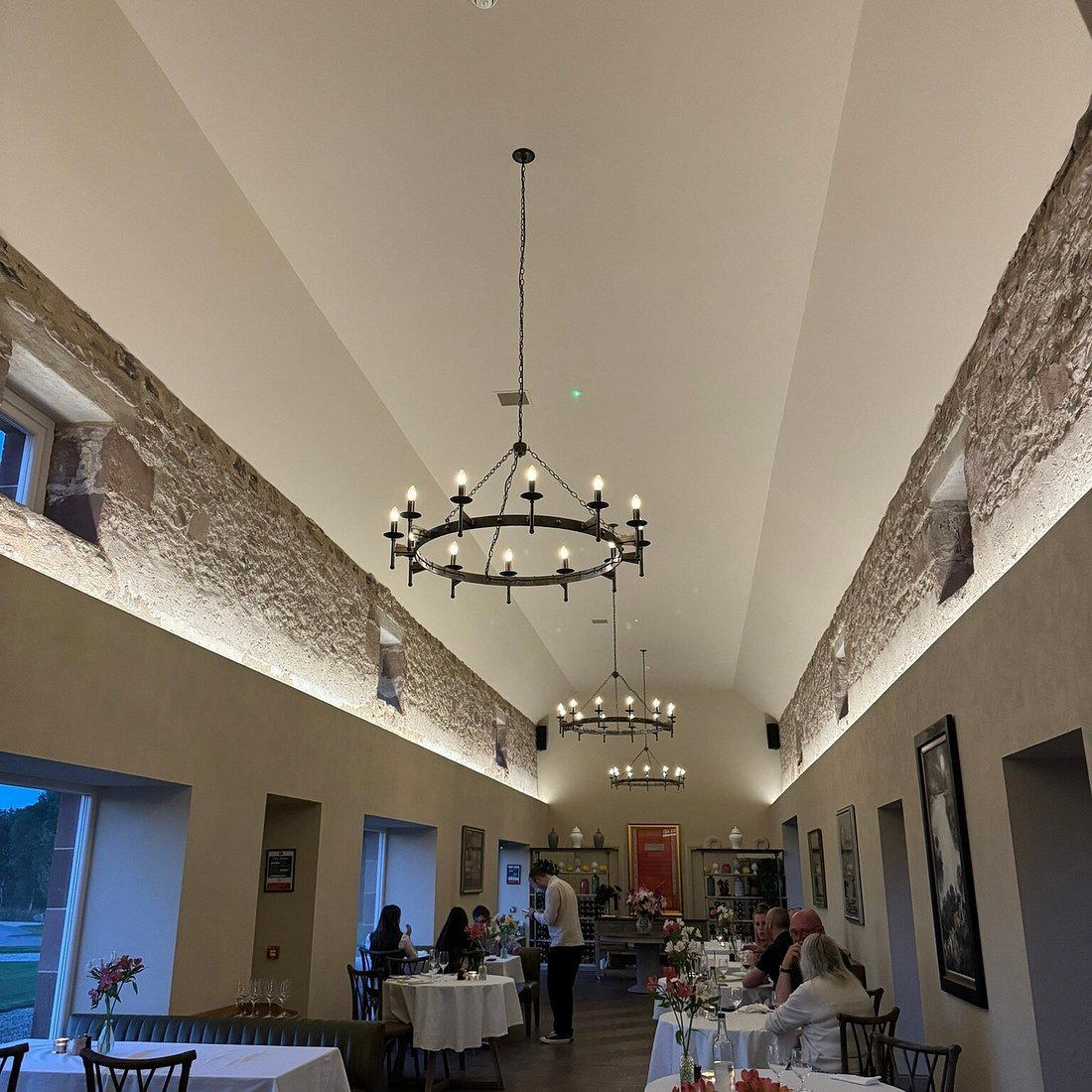
Dinner at Glenmorangie House is served at a communal table, a format that has specific implications for the guest experience. Across British country house hotels, the communal dining model sits at a different social register than the standard restaurant-within-a-hotel arrangement. It asks something of guests, namely a willingness to share an evening with strangers, and it rewards that willingness with a more considered, considered sense of occasion. Properties like The Newt in Somerset in Castle Cary have used estate produce and communal dining formats to similar effect, building a sense of place through the sourcing story as much as through the cooking itself.
At Glenmorangie House, the sourcing focus is on local Highland produce, which in this part of Easter Ross means access to some of Scotland's more compelling larder: game, seafood from the Dornoch Firth, and agricultural products from the farmland immediately surrounding the property. The whisky dimension is handled as an integrated part of the dining experience rather than as an add-on or a tour, which reflects the property's unusual position as a hotel operated by the distillery itself. The Glenmorangie distillery is one of the Highlands' more established single malt producers, and guests at the house have access to the distillery's output in a context that few whisky travellers encounter elsewhere in Scotland.
Where It Sits in the Scottish Hotel Conversation
The Scottish country house market covers a wide range of scales and price points. At one end, large-estate hotels with golf courses and spa facilities compete on breadth of amenity; at the other, small owner-operated properties compete on character and local knowledge. Glenmorangie House sits in the character-led segment, with nine rooms keeping the operation intimate enough that the distillery connection and the design investment remain legible rather than diluted. For comparison, the whisky-adjacent hospitality model is also explored at properties like Ardbeg House in Port Ellen, where distillery provenance anchors the guest experience in a similar way.
Beyond Scotland, the model of a producer-owned house hotel appears at various points across British and European hospitality. The logic is consistent: the parent brand's product shapes the food, drink, and atmosphere in ways that a standalone hotel cannot replicate.
Planning a Stay
Tain is the oldest Royal Burgh in Scotland, and the surrounding Easter Ross peninsula offers walking, fishing, and access to the north Highlands without the volume of visitors that the NC500 route now draws further west. The property is a drive from Inverness, which has the nearest commercial airport for those flying in, making it a logical base for travellers exploring the north Highlands who want a fixed, high-quality overnight point rather than a succession of smaller stops. For broader context on what the area offers, see our full Tain restaurants guide. Other design-conscious British properties in the EP Club network worth considering alongside Glenmorangie House for a longer itinerary include Babington House in Kilmersdon, Hell Bay Hotel in Bryher, and Burts Hotel in Melrose for travellers working through Scotland's smaller, character-led properties. Availability across the nine rooms moves quickly in summer and during Highland festival periods, so booking well in advance is advisable for peak season travel.
Quick Comparison
Comparable venues nearby, for context on price, style, and recognition.
| Venue | Cuisine | Price | Awards | Notes |
|---|---|---|---|---|
| Glenmorangie HouseThis venue — the venue you are viewing | Victorian mansion tastefully renovated with traditional architecture | $300–500 | 1 Michelin Key | Not listed |
| Rusacks St Andrews | Historic Victorian golf hotel with modern renovation | $200–300 | Michelin Selected | Pilmour Links |
| Links House at Royal Dornoch | Luxury Scottish Highland boutique hotel spanning three individually decorated houses with heritage architecture dating to 1843, recently renovated in 2013. | $300–500 | 1 Michelin Key | Dornoch |
| Seaham Hall Hotel | Contemporary luxury coastal wellness resort housed in a historic Georgian country house with modern amenities and refined British aesthetic. | $300–500 | 1 Michelin Key · La Liste Top Hotels | Durham Heritage Coast |
| St. Pancras London | Victorian Gothic Revival heritage hotel blending historical grandeur with modern luxury | $300–500 | Michelin Selected · Forbes 4-Star | King's Cross |
| The Whiteley | Mixed-use luxury development in restored historic building | Not listed | Not listed | Bayswater |
Recognition history
Dated appearances from independent guides and award organizations, with the underlying list record or original source where available.
Michelin 1 Key
Michelin
Full recognition history (2 entries)
Michelin 1 Key
Michelin
Continue exploring
More in Tain
Hotels in Tain
Browse all →
Restaurants in Tain
Browse all →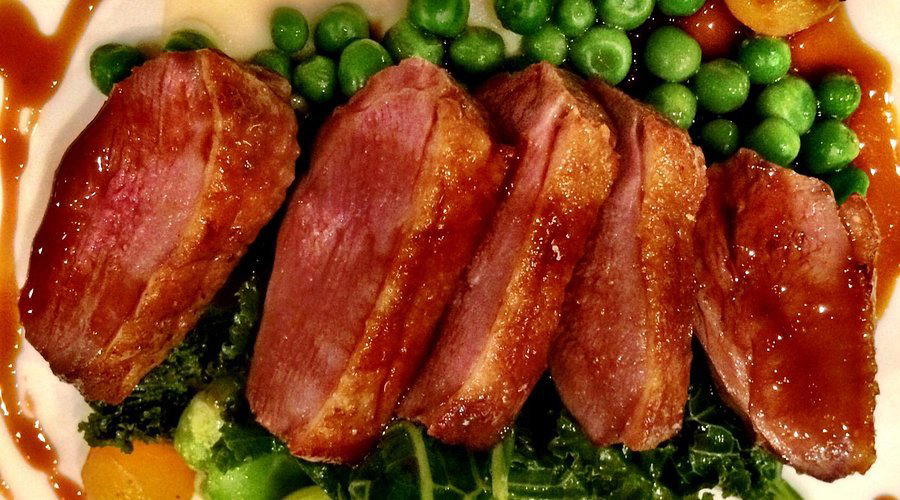
Wineries in Tain
Browse all →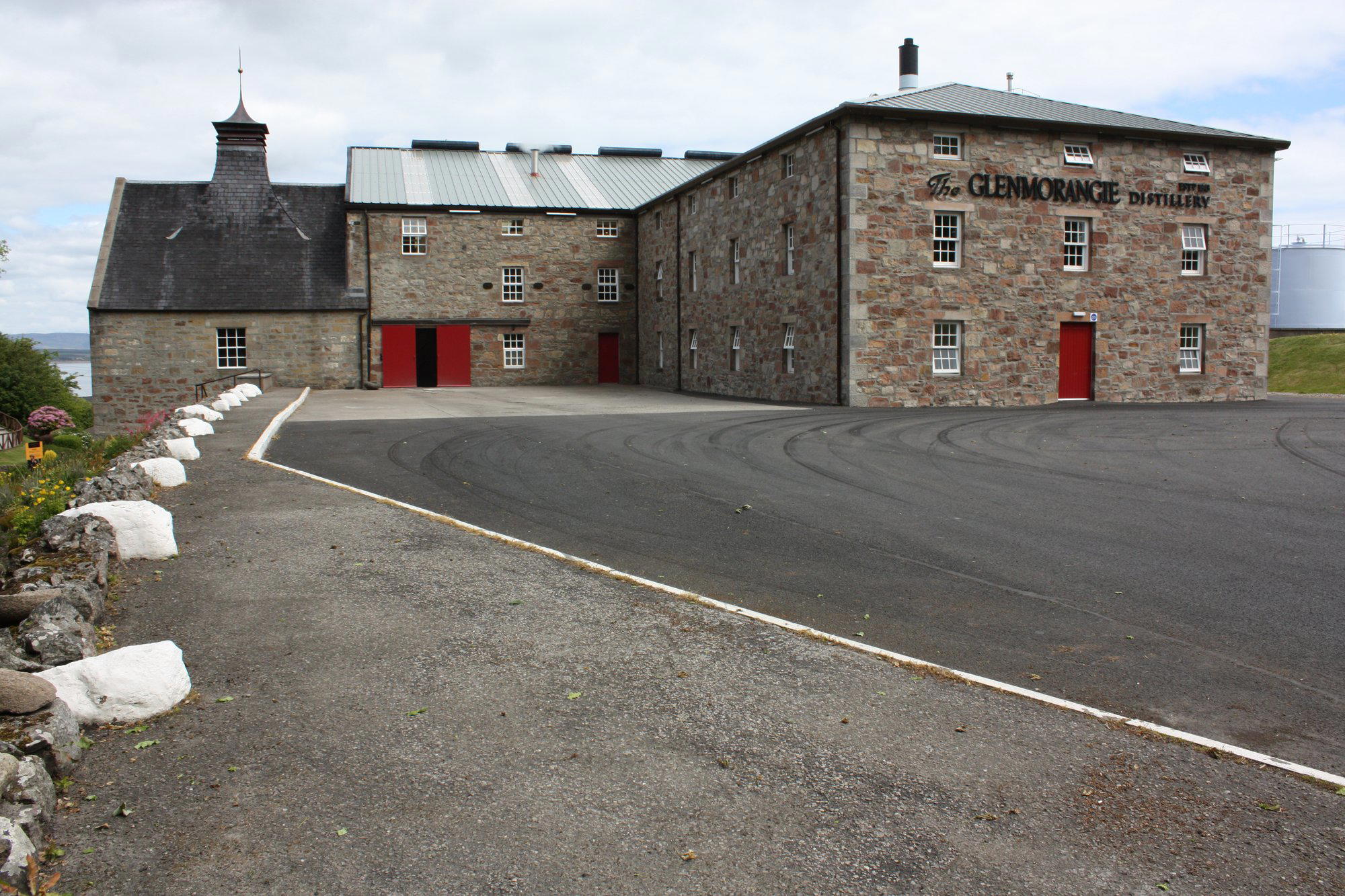
Details
- Elegant
- Romantic
- Cozy
- Sophisticated
- Scenic
- Ornate
- Romantic Getaway
- Anniversary
- Weekend Escape
- Beachfront
- Historic Building
- Garden
- Terrace
- Wi Fi
- Restaurant
- Room Service
- Concierge
- Laundry Service
- Beach Access
- Bicycle Rental
- Garden
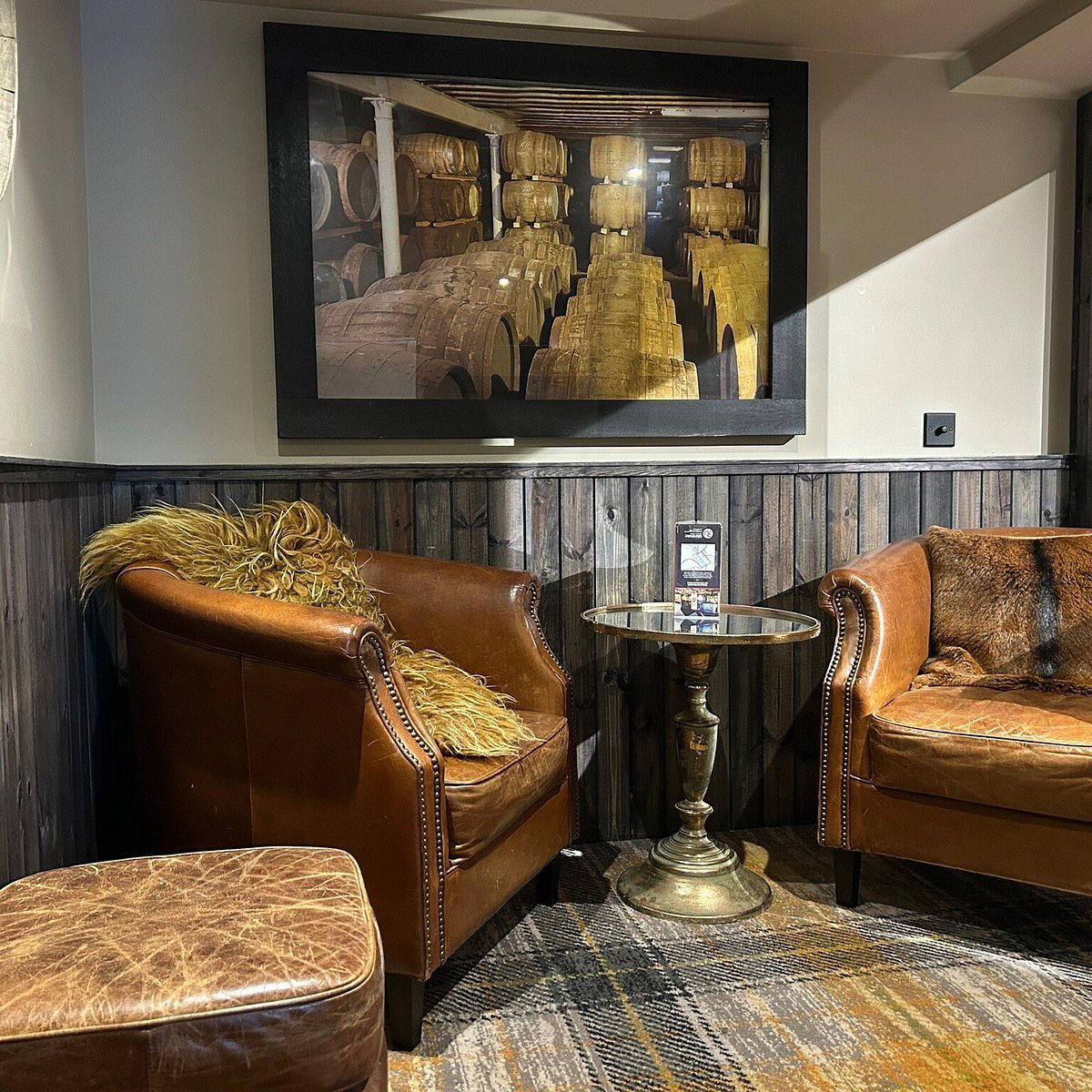
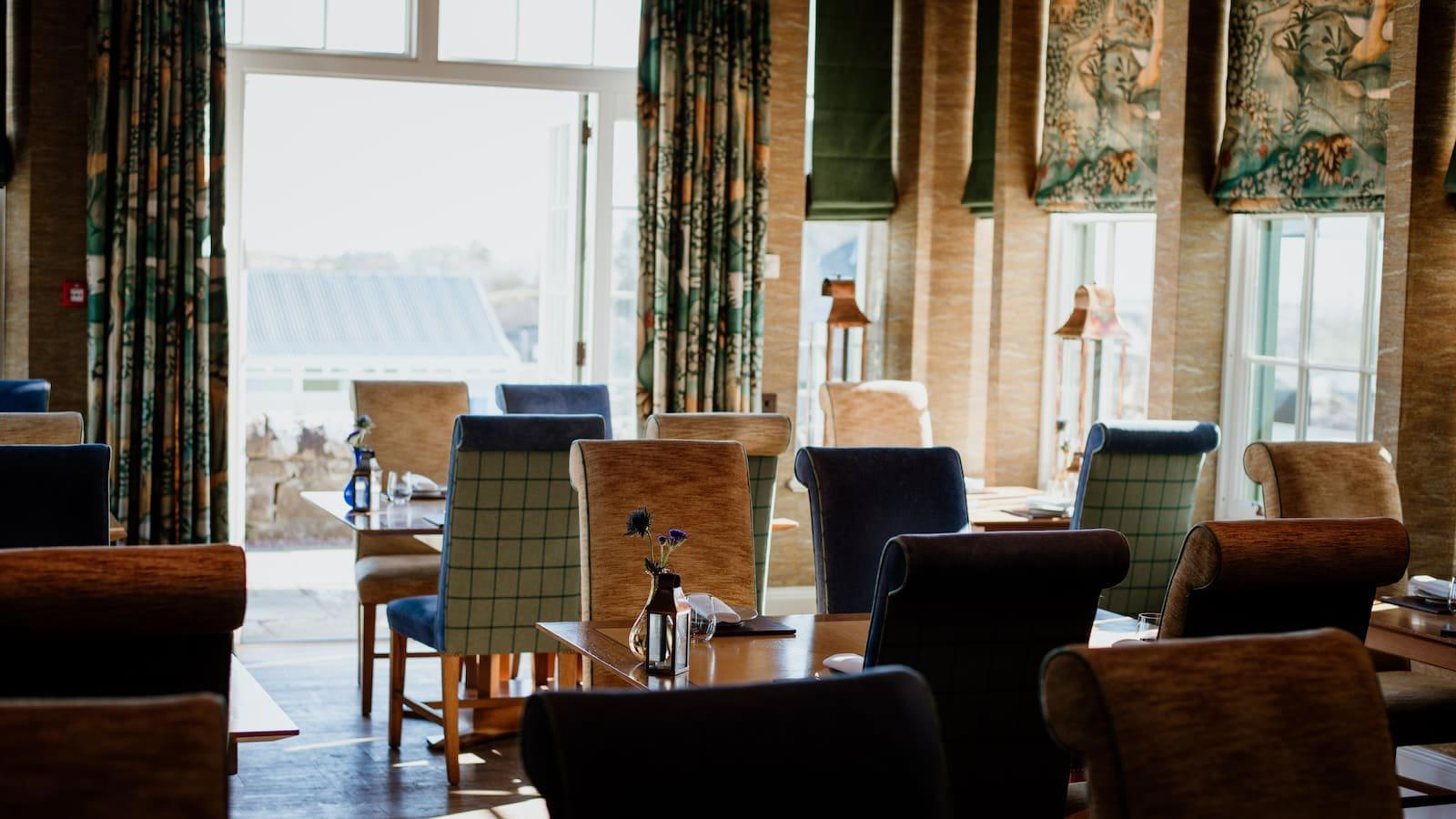
Ornate and luxurious common areas with technicolour aesthetic, warm Highland hospitality, manicured grounds, and intimate refined settings for cocktail hours and dinners.