Station Road


Michelin Plate · AA Rosettes 3 Rosettes · The Good Food Guide GFG Very Good
Our verdict
Station Road puts Fort Augustus into the Highlands’ modern British conversation: local grain, garden herbs, smoked fish and foraged ingredients are treated with tasting-menu ambition rather than pub nostalgia. Its Michelin Plate recognition in 2025, hotel setting at The Lovat and theatrical tableside details make it a serious rural dining address, not a casual stop beside Loch Ness.

Pearl is the En Primeur Club membership app — saves, bookings, and concierge access live there. Same editors, same standards.
- Address
- The Lovat Hotel, Inverness, Fort Augustus PH32 4DU, United Kingdom
- Phone
- +44 1456 459250
- Hours
- Mon ClosedTue–Sat 6:30–10 PMSun Closed
- Website
- thelovat.com
- Directions
- Get directions
- Booking
- Book on the venue's website
The menu
What to order
- Beremeal and treacle bannock
- Wild halibut with Shetland mussels and crab cannelloni
- Perthshire raspberry cheesecake
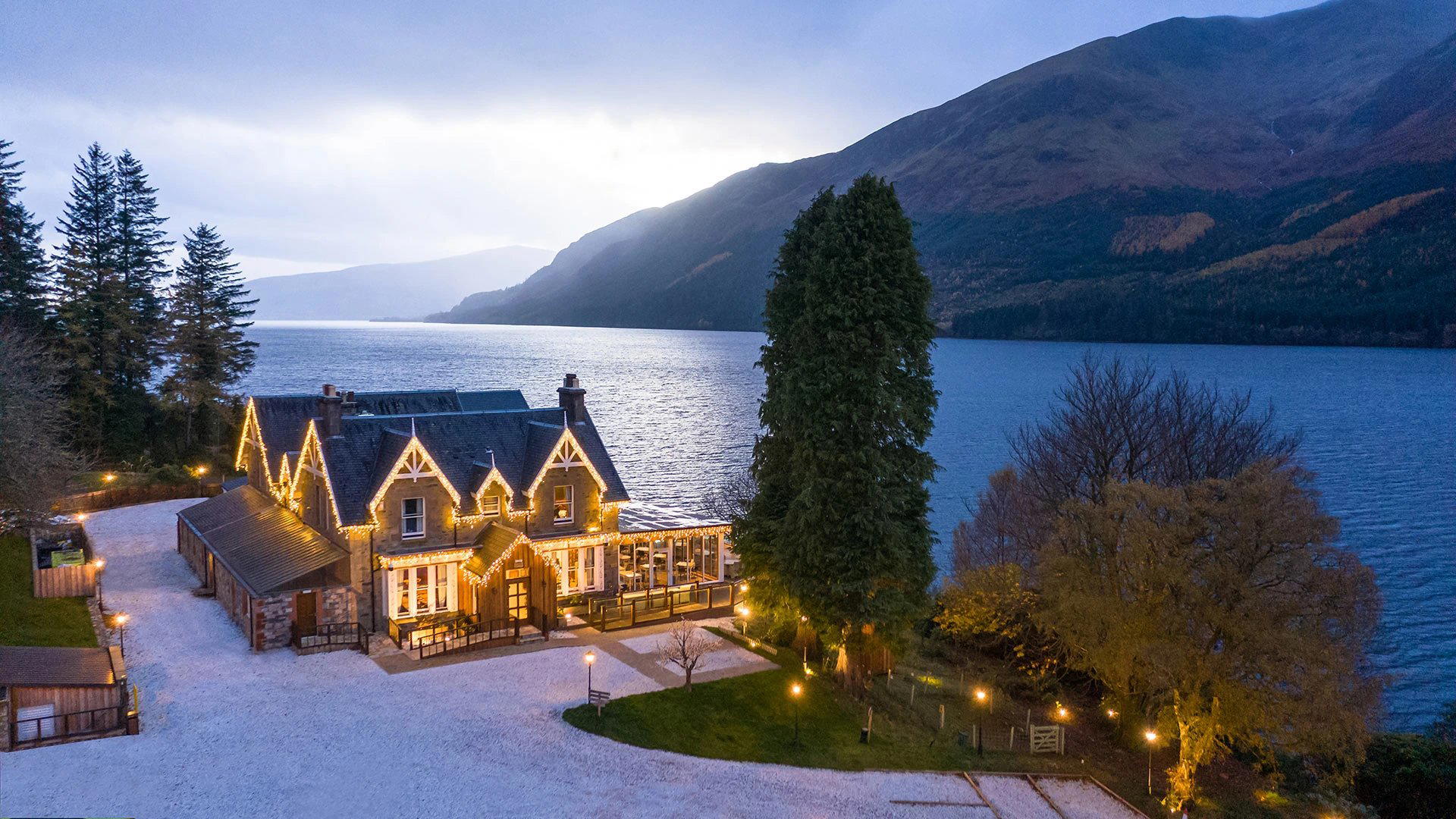
Fort Augustus makes dinner feel weather-dependent before the menu begins: loch light, hotel stonework, a village built around movement between water, road and Highland air. Here, a serious contemporary dining room cannot lean on technique alone; it must show why provenance and Highland atmosphere deserve the ceremony of a destination meal.
Station Road fits the current rural dining revolution, though its format is more refined than casual suggests. Across Britain, rural dining has been pulled between comfort and tasting-menu precision. The interesting middle ground is not luxury ingredients for their own sake, but regional materials given a sharper frame. The local larder is not a decorative signal of place; it forms the meal’s argument.
Highland ingredients treated with tasting-menu discipline
The restaurant’s phrase, “taste nature’s larder,” could sound soft elsewhere. The stronger point is structural: provenance shapes the format. A beremeal and treacle bannock bread course arrives with its own tableside tale and props, turning local food history into part of the meal before the bread reaches the table. Such storytelling can tip into theatre, but Station Road is described as interactive and immersive without feeling gimmicky.
The most persuasive details are modest ingredients rebuilt with care. The cooking works from the Scottish larder outward rather than importing generic tasting-menu vocabulary. Stories and nuggets of information on provenance give the meal context, while the kitchen’s ambition, technique and culinary wow factor keep the experience from becoming a simple lesson in local sourcing. That separates locality as branding from locality as structure.
Within Scotland’s serious contemporary tier, Station Road sits closer to ambitious hotel dining than to the revived village inn model. Rocpool, The Dipping Lugger, Kinneuchar Inn and Mingary Castle occupy parts of that out-of-metro Scottish conversation, where provenance, room character and kitchen confidence matter more than metropolitan novelty. Unalome by Graeme Cheevers belongs to a different comparison set. Station Road’s difference is bringing a high-touch, narrative-led format to Fort Augustus, better known to many travellers as a Highland waypoint than a dining destination.
The new rural British dining room is less casual than it looks
The rural dining shift began by improving the plate; its mature phase is control. Bread is no longer just bread, the meal is paced, and humble ingredients perform at fine-dining resolution. Station Road reflects that phase. The room is contemporary and colourful inside an elegant hotel, and the experience is described as interactive and immersive, but spectacle is not the point. Rural cooking now competes by intelligence: provenance, storytelling, sourcing and regional character must be edited into a coherent meal.
Chef Sean Kelly’s route through top-rated venues in Paris, Corsica and Italy matters as credential rather than biography. The cooking is framed around nature’s larder and a sense of place, handled by someone fluent in polished restaurant grammar. In the Highlands, where strong meals often depend on restraint, too much polish can flatten place, while too little leaves local ingredients under-articulated. The better rural dining rooms now keep both.
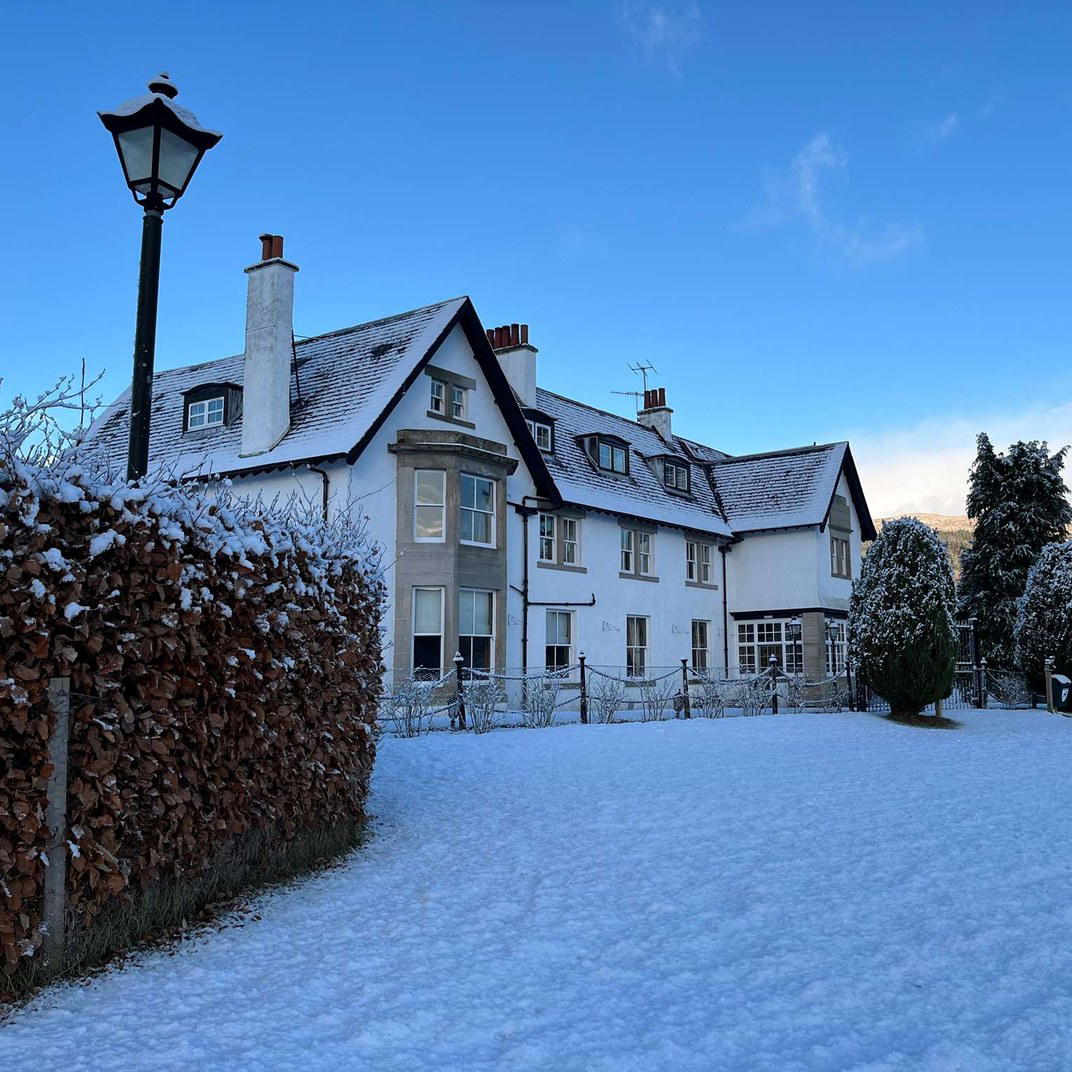
For Fort Augustus itineraries, Station Road changes the calculation. A village stop can anchor an evening rather than pause between one Highland stage and the next. Readers comparing the area can use the broader Fort Augustus restaurant, hotel and bar picture, while Our full Fort Augustus experiences guide places the meal inside a broader stay. Its hotel context matters too: the elegant hotel setting gives the restaurant a built-in hospitality frame rather than the looser rhythm of a standalone rural dining room.
How to place it within Britain's contemporary dining circuit
Station Road is not casual pub dining, despite its local-larder DNA. It belongs to the more structured end of contemporary British dining, where diners expect narrative, pacing, technical finish and a strong sense of provenance. The recognition, hotel setting and provenance-led menu make the decision less “where can dinner be found in Fort Augustus?” and more “is this the right evening for a structured, high-attention meal?”
That matters because contemporary British dining spans widely. Across the UK, other Highland, rural and city dining rooms show the category’s breadth outside London. More casual or differently pitched references underline the point: format and ambition now vary sharply under the same national dining umbrella, and Station Road is best understood as a focused Fort Augustus expression of that wider movement.
The editorial case for Station Road is strongest for diners who want the Highlands interpreted, not merely represented. Its value is moving regional ingredients out of the souvenir register and into a disciplined contemporary meal. For Fort Augustus, that is a meaningful shift: dinner becomes part of the cultural reading of the place, not just the end of a day in the Highlands.
Frequently asked questions
Can I bring kids to Station Road?
Older children who are comfortable with a structured, high-attention dinner should fit the setting better than very young diners. The experience is framed as interactive and immersive rather than as a casual family stop.
Is Station Road better for a quiet night or a lively one?
It suits a quieter, more attentive night. Station Road’s provenance-led storytelling, hotel setting and immersive dining style point to a controlled dining room rather than a high-energy one.
Has Station Road won any awards?
Station Road has received recognition for its tagline, “taste nature’s larder,” and for an interactive and immersive dining experience led by Chef Sean Kelly in a colourful, contemporary restaurant housed in an elegant hotel by the shores of Loch Ness.
What type of food is Station Road known for?
Station Road is known for an ambitious, technique-led dining experience shaped by provenance, Highland produce and the idea of “taste nature’s larder.”
What's the price range at Station Road?
Station Road is presented as a structured, high-attention dining experience rather than a casual stop.
A Quick Peer Check
Comparable venues by cuisine and price in the same metro.
| Venue | Cuisine | Price | Awards |
|---|---|---|---|
| Station RoadThis venue — the venue you are viewing | Modern Scottish Fine Dining | $50–100 | Michelin Plate · AA Rosettes 3 Rosettes |
| Rocpool | Modern British | Not listed | Not listed |
| Unalome by Graeme Cheevers | Modern British | Not listed | Not listed |
| The Dipping Lugger | Modern British | Not listed | Not listed |
| Kinneuchar Inn | Modern British | Not listed | Not listed |
| Mingary Castle | Modern British | Not listed | Not listed |
Recognition history
Dated appearances from independent guides and award organizations, with the underlying list record or original source where available.
Michelin Plate
Michelin
AA Rosettes 3 Rosettes
AA Rosettes
The Good Food Guide GFG Very Good
The Good Food Guide
Full recognition history (4 entries)
Michelin Plate
Michelin
Continue exploring
More in Fort Augustus
Restaurants in Fort Augustus
Browse all →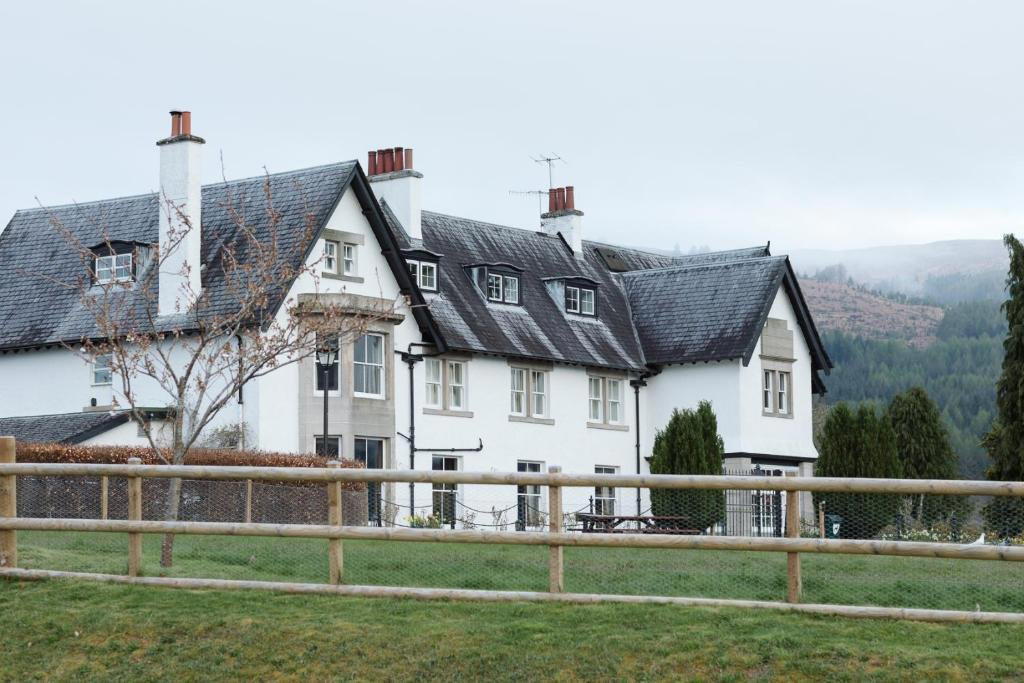

Bars in Fort Augustus
Browse all →

Details
- Elegant
- Sophisticated
- Scenic
- Intimate
- Special Occasion
- Date Night
- Celebration
- Hotel Restaurant
- Waterfront
- Garden
- Open Kitchen
- Historic Building
- Sommelier Led
- Farm To Table
- Local Sourcing
- Organic
- Waterfront
- Tasting Menu
- English Wine
- Scottish Whisky
- Vegetarian Friendly
- Gluten Free Options
Current opening hours
- Monday
- Closed
- Tuesday
- 6:30–10 PM
- Wednesday
- 6:30–10 PM
- Thursday
- 6:30–10 PM
- Friday
- 6:30–10 PM
- Saturday
- 6:30–10 PM
- Sunday
- Closed
Hours can change for holidays and private events. Last verified .
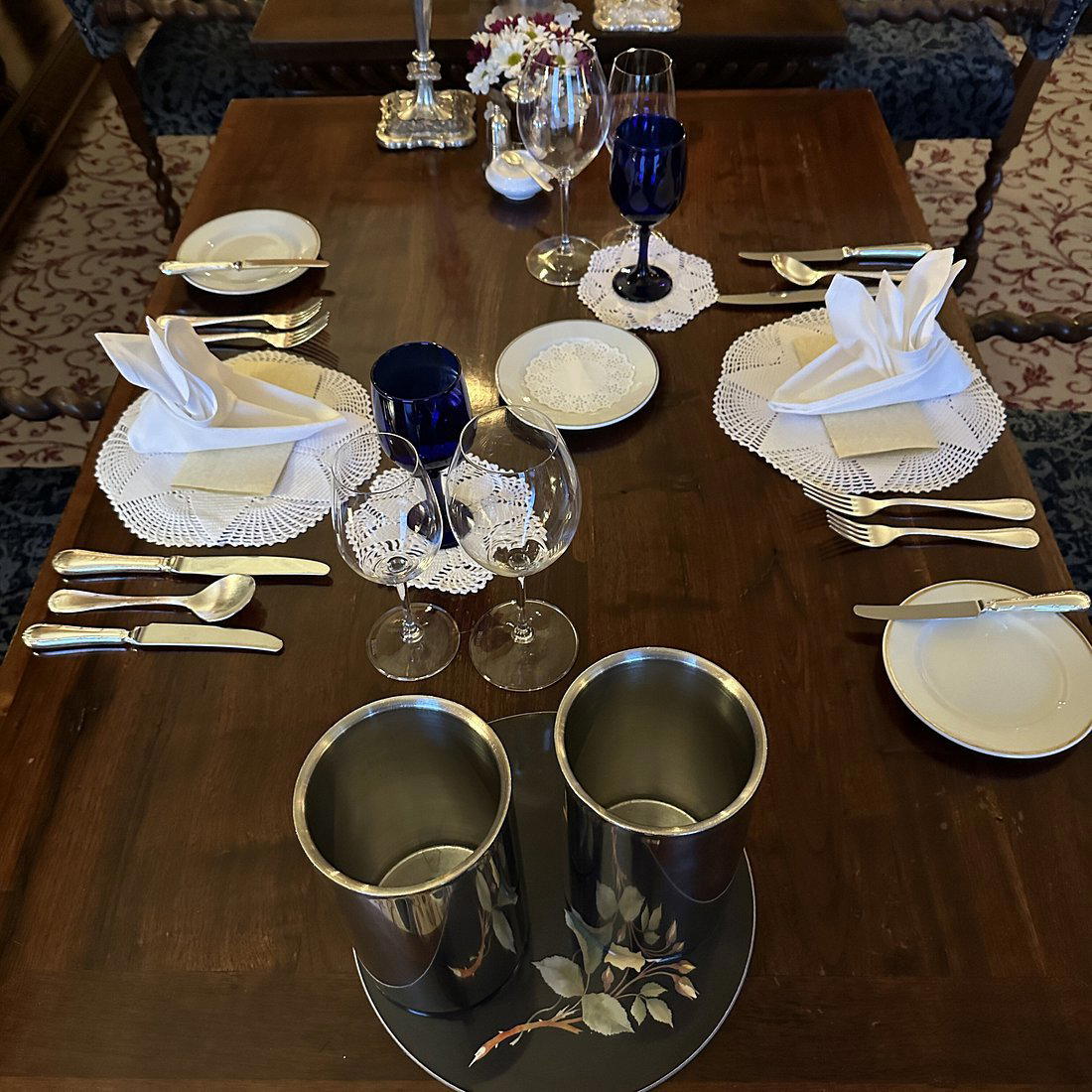
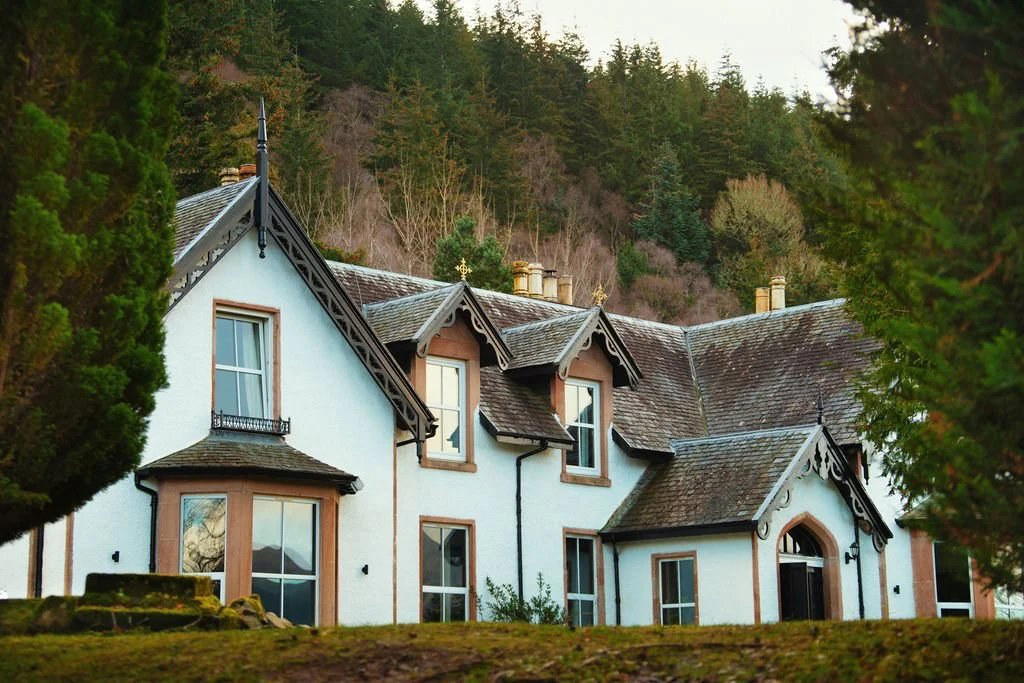
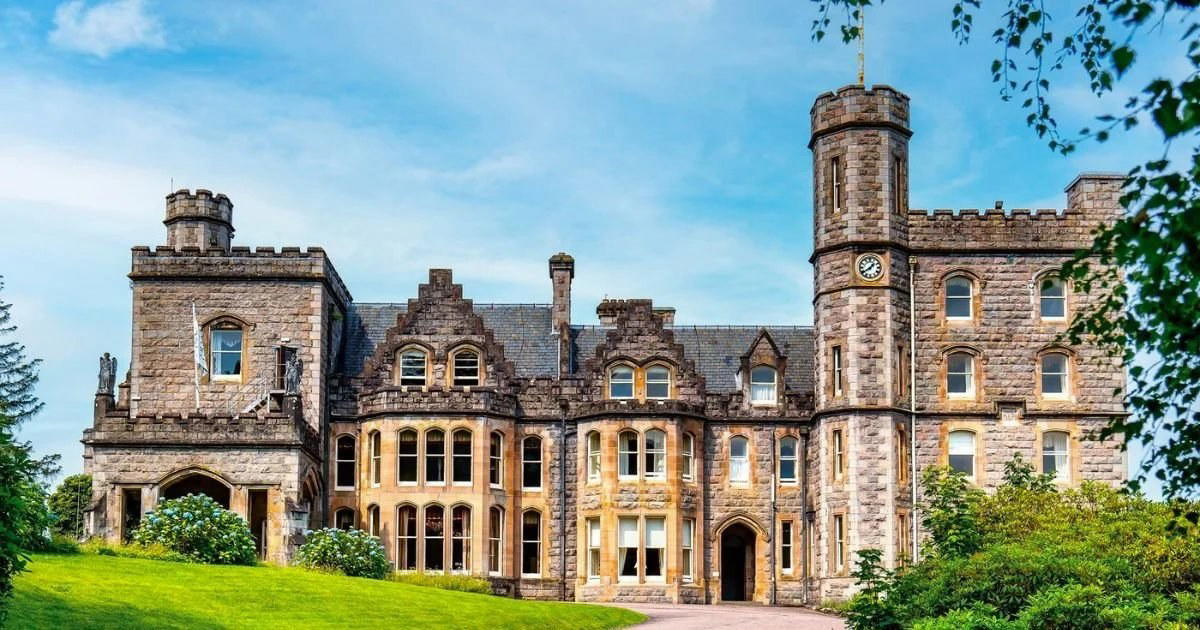
Contemporary interior decorated in greens and browns bringing the outdoors in, with warm and welcoming service in an elegant country house setting overlooking Loch Ness.