Newhall Mains


1 Michelin Key · Mr & Mrs Smith Seal of Approval
A converted 19th-century stone farm complex on the Black Isle peninsula, Newhall Mains offers nine rooms across four hotel rooms and five cottages, priced from $250 per night. The restaurant draws on local Highland meats and seafood, while the bar runs a focused Japanese whisky programme. A private grass airstrip makes it a practical base for guests arriving by light aircraft.

Pearl is the En Primeur Club membership app — saves, bookings, and concierge access live there. Same editors, same standards.
- Address
- By Dingwall, Newhall Mains, Balblair, Ross Shire IV7 8LQ
- Phone
- +44 1381 632032
- Website
- newhall-mains.com
- Directions
- Get directions
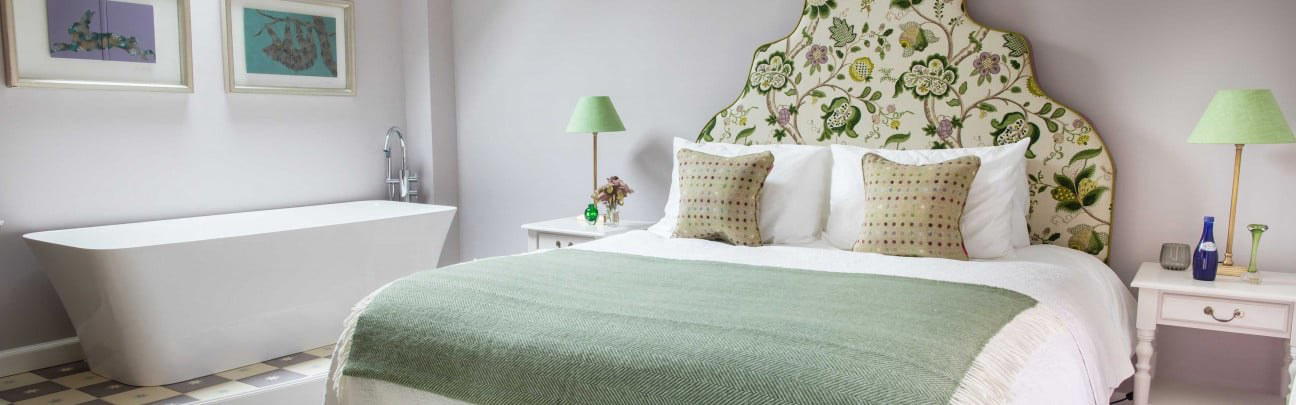
Stone, Slate, and Open Country: Arriving at Newhall Mains
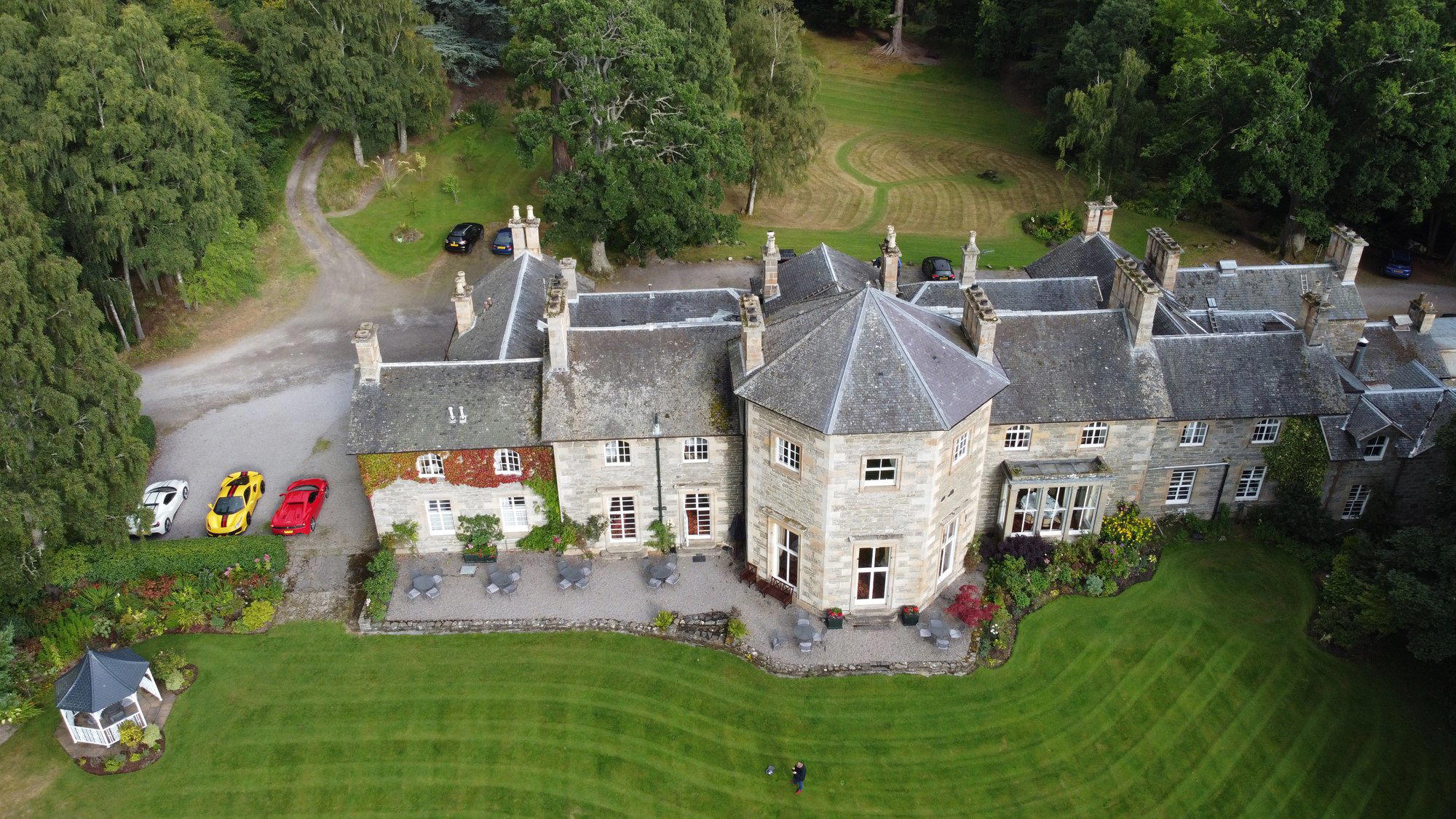
The Black Isle is neither black nor an island. The peninsula that juts into the Cromarty and Beauly Firths north of Inverness carries its misleading name with quiet indifference, offering instead a range of agricultural steadings, ancient woodlands, and coastal light that shifts by the hour. It is in this context that Newhall Mains makes its first impression: a 19th-century stone farm complex near Dingwall, Ross-Shire, whose bones belong to the working Highland countryside and whose interior has been drawn into something considerably more deliberate.
The conversion of agricultural buildings into country hotels is a well-worn formula in the British Isles, from the Cotswolds to the Scottish Borders. What separates the more considered examples from the merely expensive ones is whether the original architecture is treated as a constraint or a foundation. At Newhall Mains, the heavy local stone, the proportions of old farm outbuildings, and the relationship to open ground are all present in the finished property, grounding a contemporary approach to comfort in something that reads as genuinely rooted rather than manufactured. Compare this to Estelle Manor in North Leigh or The Newt in Somerset, both of which operate on a similar conversion premise but at far greater scale and in softer southern English countryside. Newhall Mains works in a harder, quieter register.
Nine Rooms, Four Walls, and the Logic of Restraint
Scottish Highland country properties exist on a wide spectrum. At one end sit the grand sporting estates that can accommodate dozens of guests, with formal dining rooms and extensive staff hierarchies. At the other, small-scale design properties that prioritise atmosphere over amenity breadth. Newhall Mains sits firmly in the latter cohort: nine rooms total, split between four hotel rooms in the main building and five cottages in the converted outbuildings. At around $250 per night, the pricing sits in a premium regional tier that competes not with urban luxury hotels but with comparable destination escapes across the Highlands, such as Langass Lodge in the Outer Hebrides or Monachyle Mhor Hotel in Stirling.
The cottage format at Newhall Mains deserves particular attention in the context of how Highland hospitality has evolved. Cottages within a hotel property allow for a degree of autonomy that suits longer stays and guests who value privacy over the social dynamics of a shared corridor. The arrangement also means the site never reaches the density at which a small property begins to feel like a hotel rather than a retreat. Nine rooms is a ceiling, not a marketing point: it is the upper limit at which the original farmstead retains its character.
For guests choosing between the hotel rooms and the cottages, the decision is principally about proximity to the main building and the degree of separation preferred. The cottages, housed in the converted farm outbuildings, carry more of the agricultural architecture in their immediate surroundings, which is either a draw or a neutral depending on what you are after.
The Restaurant and Bar: Local Focus, Global Reference
Modern Scottish cooking has moved decisively toward what the larder already offers: Highland beef and lamb, North Sea and Atlantic seafood, game in season, and foraged additions that once felt like affectation and now read as direct ingredient logic. Newhall Mains's restaurant operates in this tradition, with a seasonal menu that positions local meats and seafood as the primary material. This is not a point of differentiation in Scottish cooking circles any more than farm-to-table is in California, but execution is the variable, and in a nine-room property the restaurant has to carry genuine weight for guests who will eat dinner there most evenings.
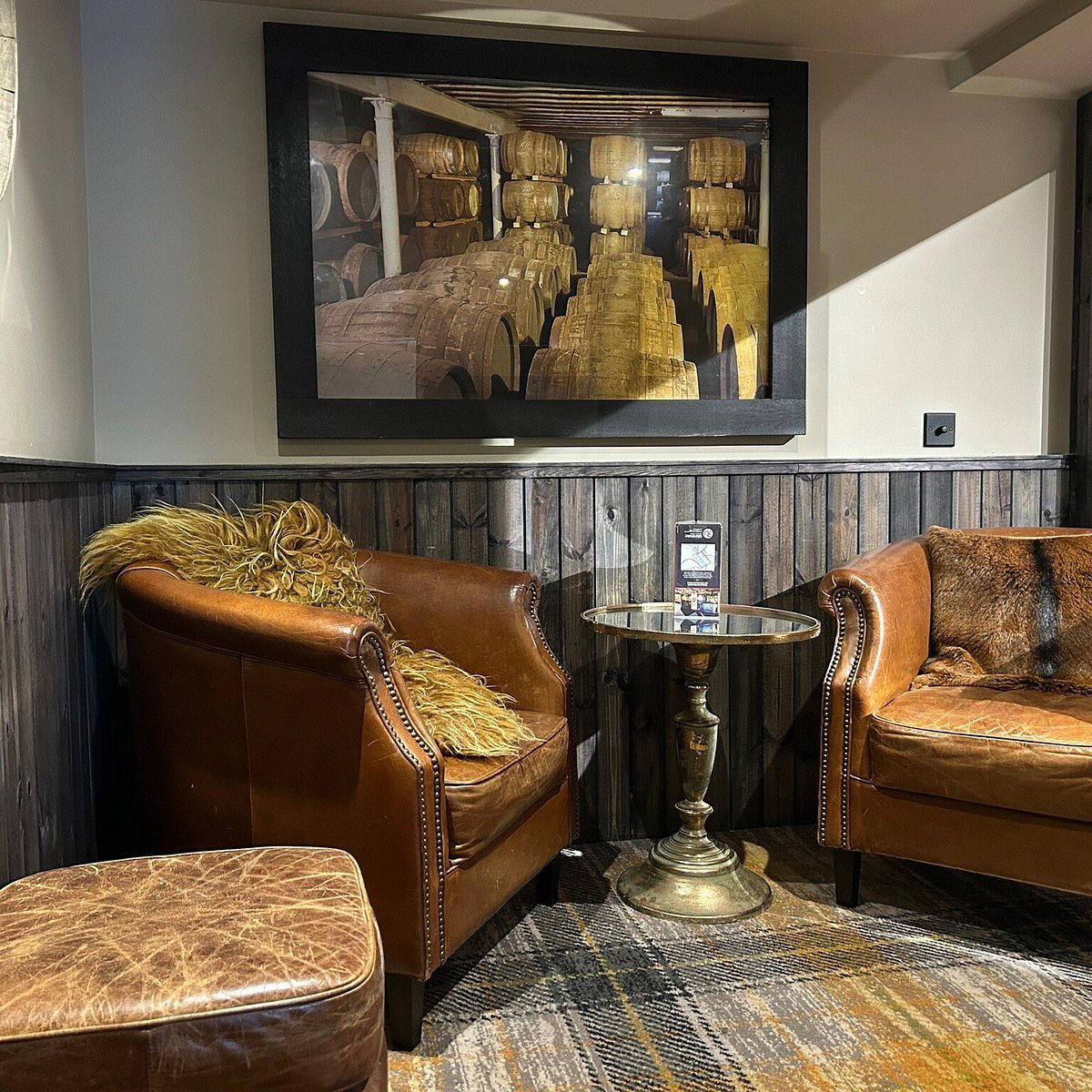
The bar programme takes a sharper and more specific direction. Japanese whisky as a focus sits at an interesting cultural intersection: Highland Scotland is whisky country by long-established geography and tradition, and Scotch remains the dominant commercial category. A deliberate turn toward Japanese expressions in a Scottish Highland bar is a considered editorial choice, signalling a kind of global fluency that sits alongside rather than displacing the local context. Guests interested in comparative whisky exploration will find this more engaging than a bar stocked with obvious Speyside selections. For context, the Highlands are home to distilleries including Dalmore and Glenmorangie; Balblair itself, the village adjacent to the property, lends its name to a well-regarded single malt distillery. The bar at Newhall Mains is therefore operating in a region saturated with whisky heritage, and its decision to extend the programme toward Japan reads as an informed counterpoint rather than a gap in local knowledge.
Properties in the Highlands that pair serious food and drink programmes with small room counts tend to attract guests whose visits are purpose-built: a few nights timed around specific activities, seasonal conditions, or a deliberate step away from urban pace. Newhall Mains fits this pattern. It is not designed for conference business or casual transient trade.
The Grass Airstrip: Arrival as Architecture
Among the details that define Newhall Mains's particular position in the market, the grass airstrip is the one that most sharply delineates its guest profile. Private general aviation in Scotland has a functional logic that can be lost on those unfamiliar with the country's geography: the road journey from Inverness to the far north and west is long, the rail network sparse, and a light aircraft converts multi-hour drives into short hops. An on-site grass strip is therefore not a novelty feature but a practical infrastructure decision for a property serious about attracting guests who fly themselves in from the south of England or from European cities. Properties like Gleneagles in Auchterarder serve a different tier of private aviation, with helicopter facilities and proximity to larger airfields. The grass strip at Newhall Mains is general aviation: Cessnas, Pipers, and similar single-engine or light twin aircraft, landing on turf rather than tarmac. This places the property in a narrow but loyal niche within UK country house hospitality.
Guests arriving by conventional means will approach via Dingwall and the A9 corridor, with Inverness Airport — served by flights from London, Edinburgh, and other UK hubs — providing the main commercial option. The proximity to Inverness, roughly 20 kilometres to the south-east, means the property is accessible without requiring the full Highland expedition that more remote alternatives demand. For comparison, Dun Aluinn in Aberfeldy sits in Perthshire's softer Highland fringe; Newhall Mains, on the Black Isle, is further north and more genuinely removed from the central belt's gravitational pull.
Planning Your Stay
Newhall Mains operates at Ross-Shire IV7 8LQ, By Dingwall, and the nine-room capacity means forward planning is advisable particularly for summer months and during Highland events seasons. At around $250 per night, the property occupies a premium regional tier without reaching the rates of larger Scottish destination estates. Guests flying in on private aircraft should confirm airstrip conditions and availability in advance. The property's restaurant and bar serve as the primary evening options in what is otherwise a rural setting with limited nearby alternatives, so guests should factor this into their stay planning. For those building a broader Scottish itinerary, Glen Mhor Hotel in Highland provides an Inverness city base as a complement, while Burts Hotel in Melrose suits the Scottish Borders leg of a longer journey south. A wider selection of UK country properties comparable in character can be found at Lime Wood in Lyndhurst, Babington House in Kilmersdon, and Hell Bay Hotel in Bryher. Our full Balblair restaurants guide covers the wider local dining context for guests spending multiple nights on the Black Isle.
How It Stacks Up
Comparable venues nearby, for context on price, style, and recognition.
| Venue | Cuisine | Price | Awards | Notes |
|---|---|---|---|---|
| Newhall MainsThis venue — the venue you are viewing | Restored 19th-century farmstead reimagined as a family-run luxury country hotel. | Not listed | 1 Michelin Key · Mr & Mrs Smith Seal of Approval | Not listed |
| Foyers Lodge | Refurbished Victorian hunting lodge with stylish, homely interiors | $300–500 | 1 Michelin Key | Foyers |
| Links House at Royal Dornoch | Luxury Scottish Highland boutique hotel spanning three individually decorated houses with heritage architecture dating to 1843, recently renovated in 2013. | $300–500 | 1 Michelin Key | Dornoch |
| The Grandtully Hotel by Ballintaggart | Design-led Highland gastronomic hideaway with simple, locally-rooted aesthetic avoiding kitsch. | $100–200 | 1 Michelin Key · Mr & Mrs Smith Seal of Approval | Grandtully, Perth and Kinross |
| Glenmorangie House | Victorian mansion tastefully renovated with traditional architecture | $300–500 | 1 Michelin Key | Tain |
| 100 Princes Street | Elegant historic boutique hotel echoing a prestigious members' club. | Not listed | 1 Michelin Key · Mr & Mrs Smith Seal of Approval | New Town |
Recognition history
Dated appearances from independent guides and award organizations, with the underlying list record or original source where available.
Michelin 1 Key
Michelin
Mr & Mrs Smith Seal of Approval
Mr & Mrs Smith
Full recognition history (3 entries)
Michelin 1 Key
Michelin
Continue exploring
More in Balblair
Hotels in Balblair
Browse all →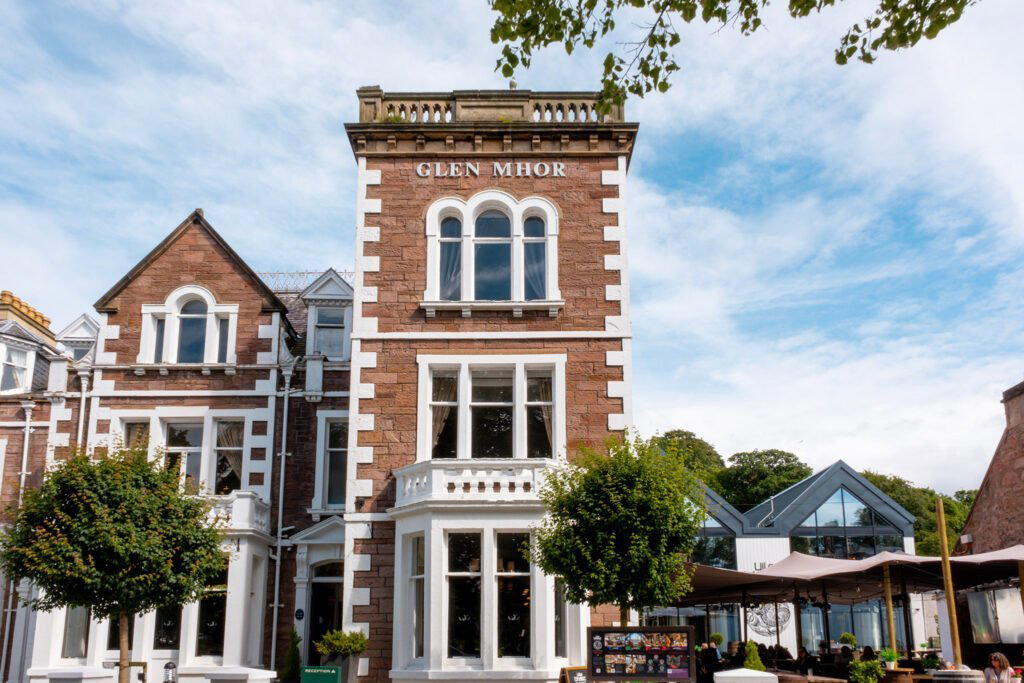

Bars in Balblair
Browse all →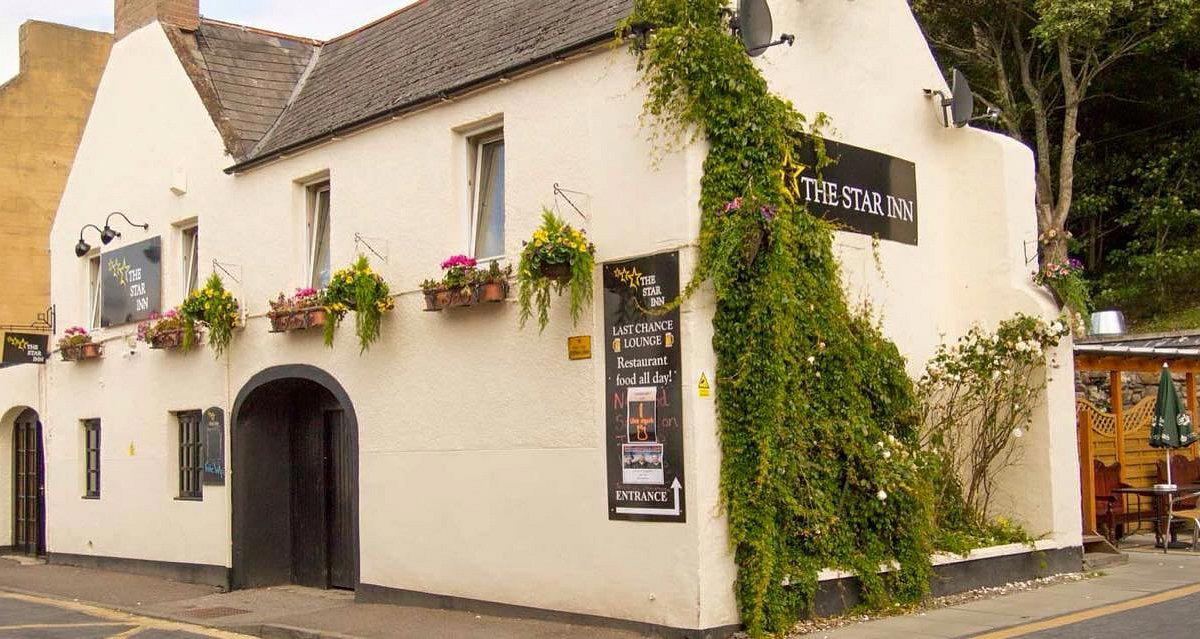
Restaurants in Balblair
Browse all →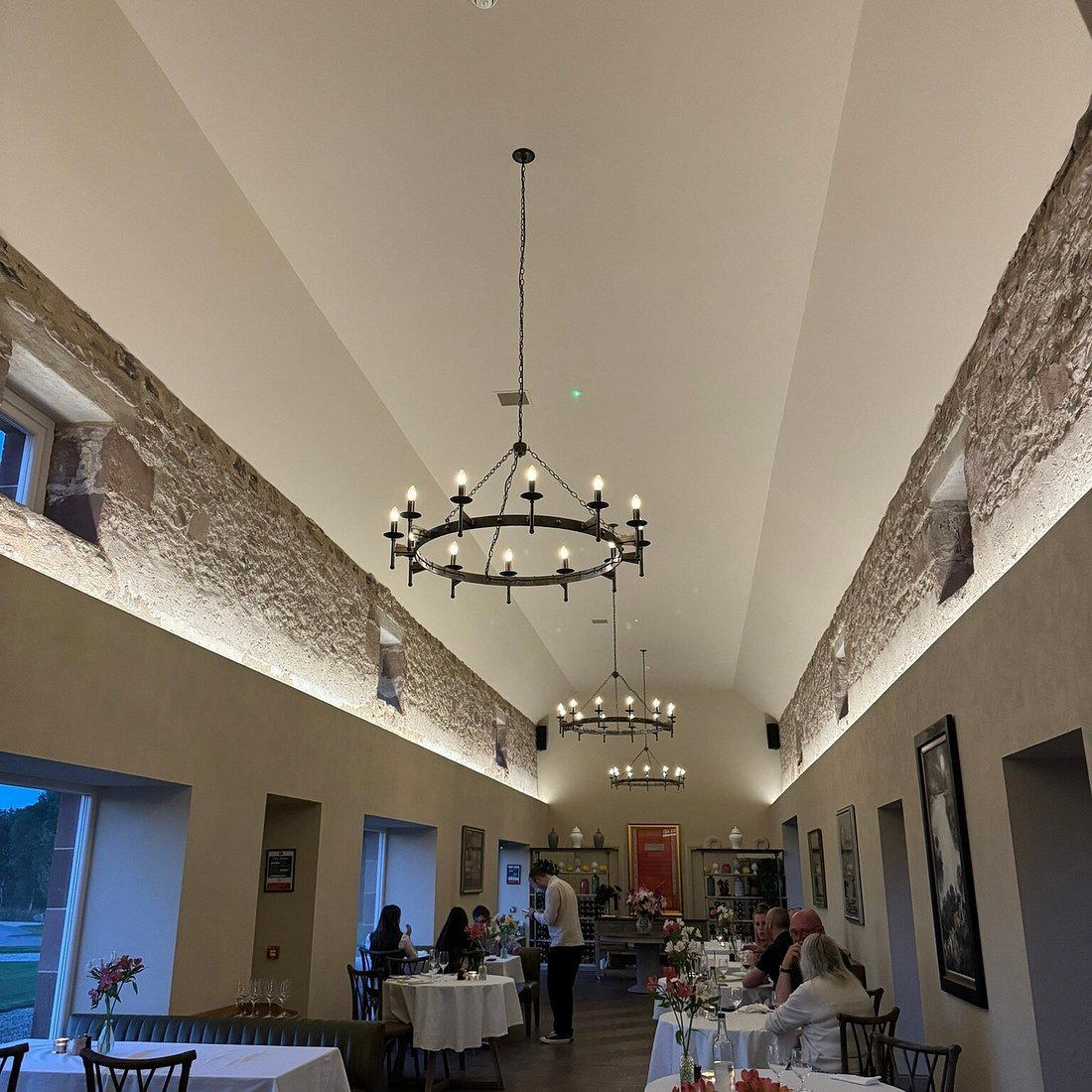
Wineries in Balblair
Browse all →
Details
- Romantic
- Elegant
- Rustic
- Cozy
- Scenic
- Sophisticated
- Romantic Getaway
- Weekend Escape
- Celebration
- Group Retreat
- Historic Building
- Garden
- Terrace
- Private Dining
- Wi Fi
- Room Service
- Restaurant
- Bar
- Free Parking
- EV Charging
- Garden
- Wheelchair Accessible
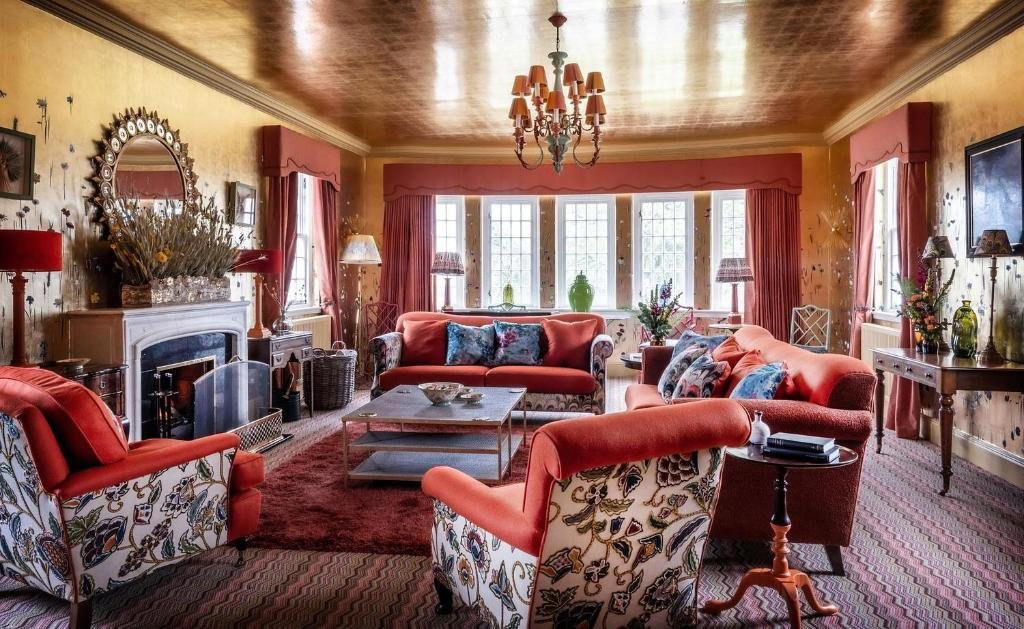
Stylish and comfortable with modern elegant style, cozy fireside areas, and a peaceful, welcoming atmosphere.