Clunie Dining Room

Michelin Plate
Our verdict
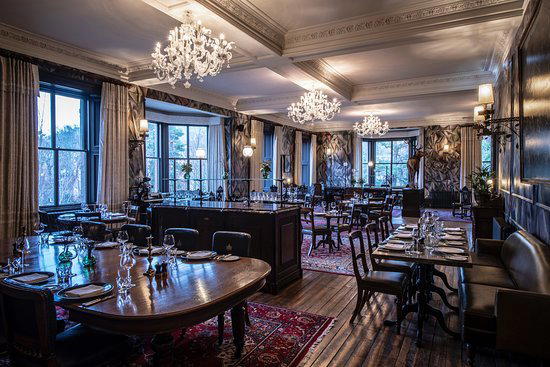
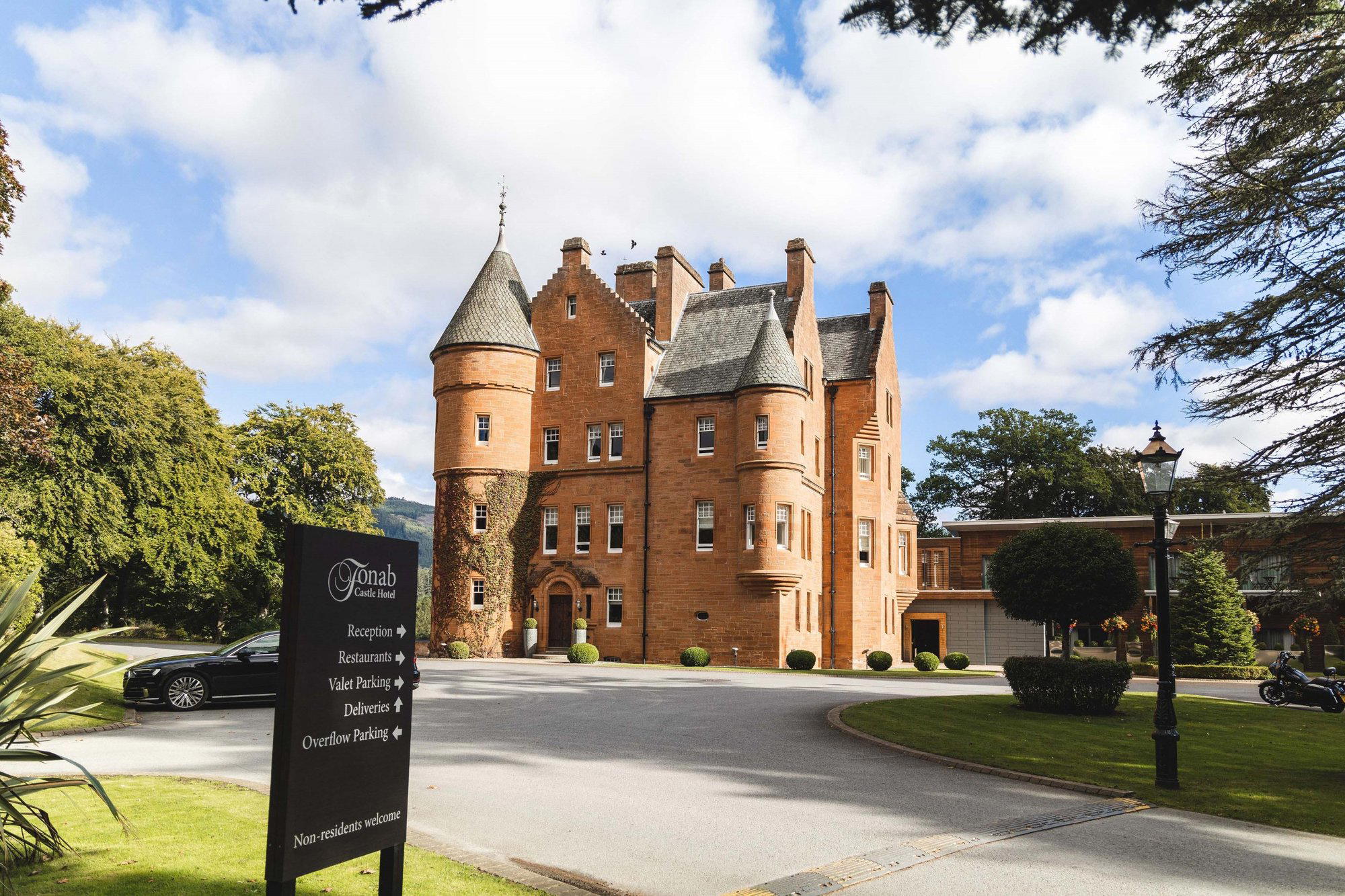
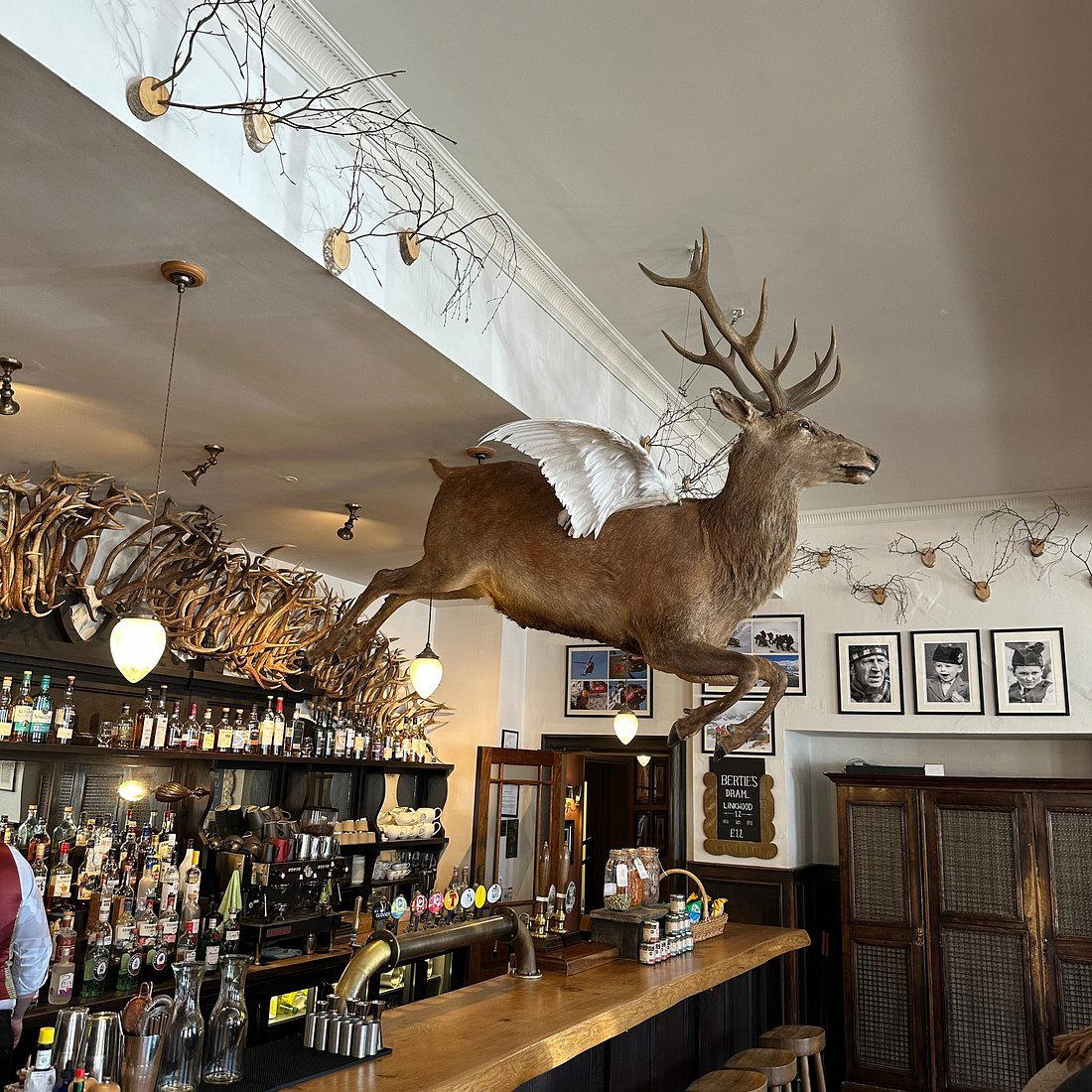
Inside The Fife Arms hotel on Braemar's Mar Road, Clunie Dining Room pitches Scottish produce — venison, lobster, and the smoke of a wood fire — against an interior of Murano chandeliers, tartan-clad staff, and a taxidermied stag. The price range sits at £££, mid-tier for hotel fine dining in rural Scotland.

Pearl is the En Primeur Club membership app — saves, bookings, and concierge access live there. Same editors, same standards.
- Address
- Mar Rd, Braemar, Ballater AB35 5YN, United Kingdom
- Phone
- +441339720202
- Hours
- Daily 7:30–10:30 AM, 6–9:30 PM
- Website
- thefifearms.com
- Directions
- Get directions
- Booking
- Book on SevenRooms
The menu
What to order
- Beef Wellington
- Wood-Fired Sunday Roast
- Scallop Dish
- Baked Alaska
Where Royal Deeside Hospitality Meets the Scottish Larder
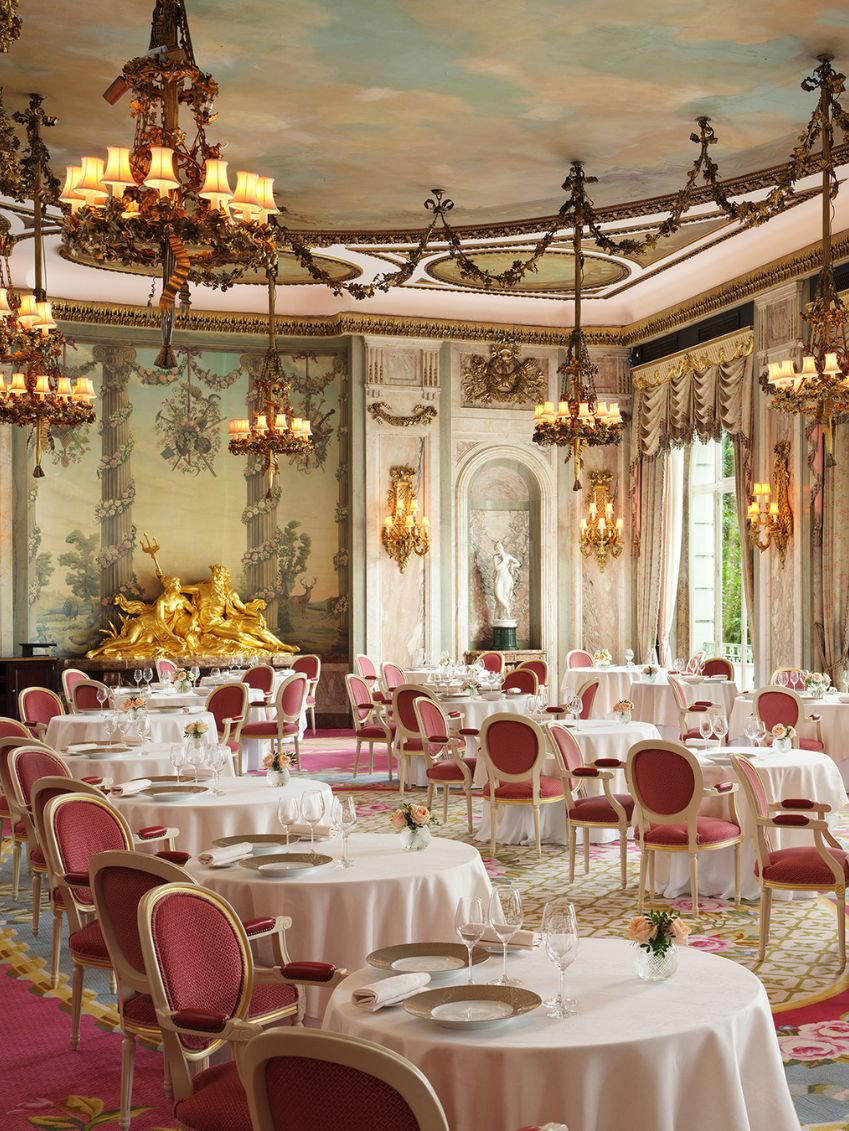
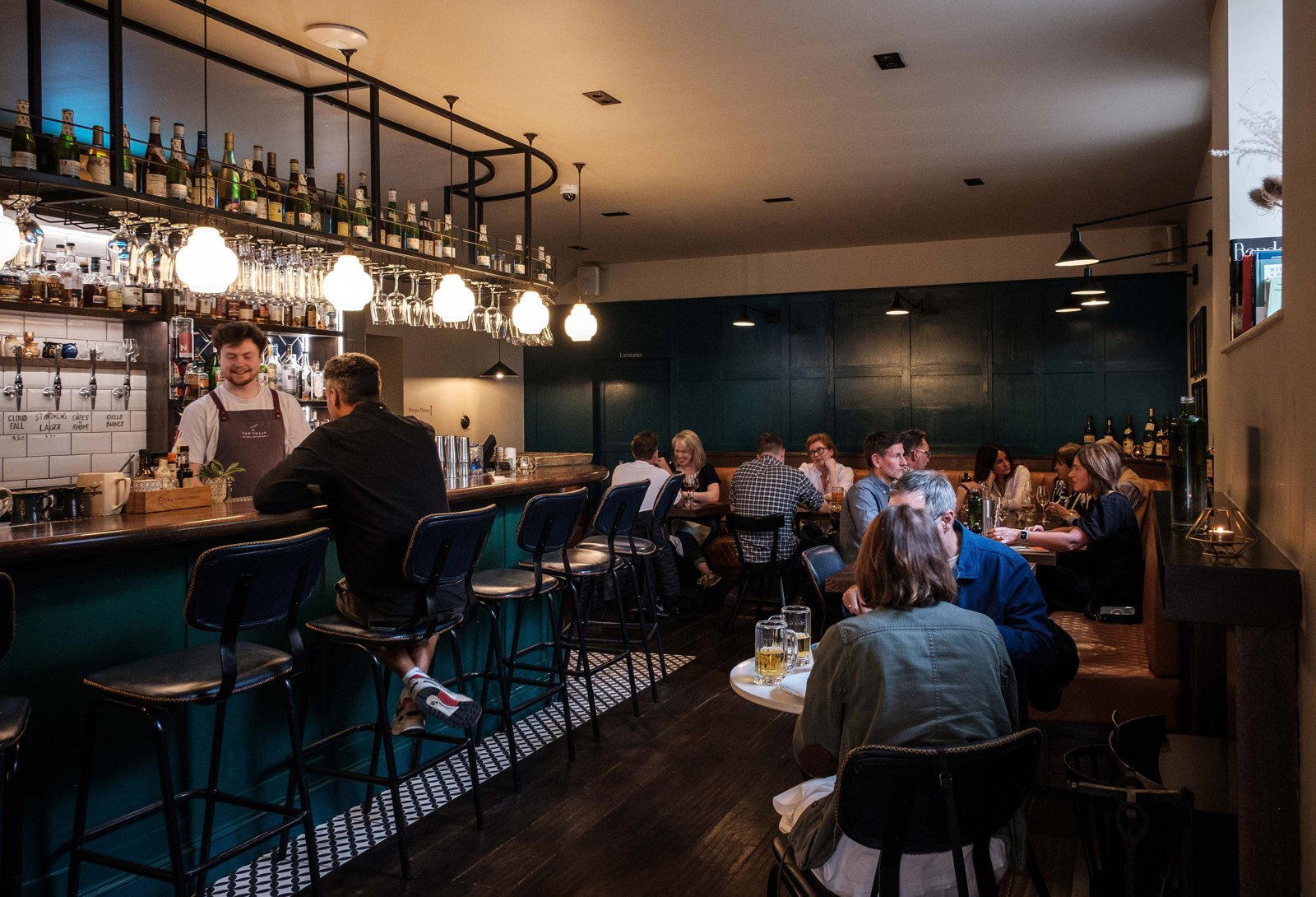
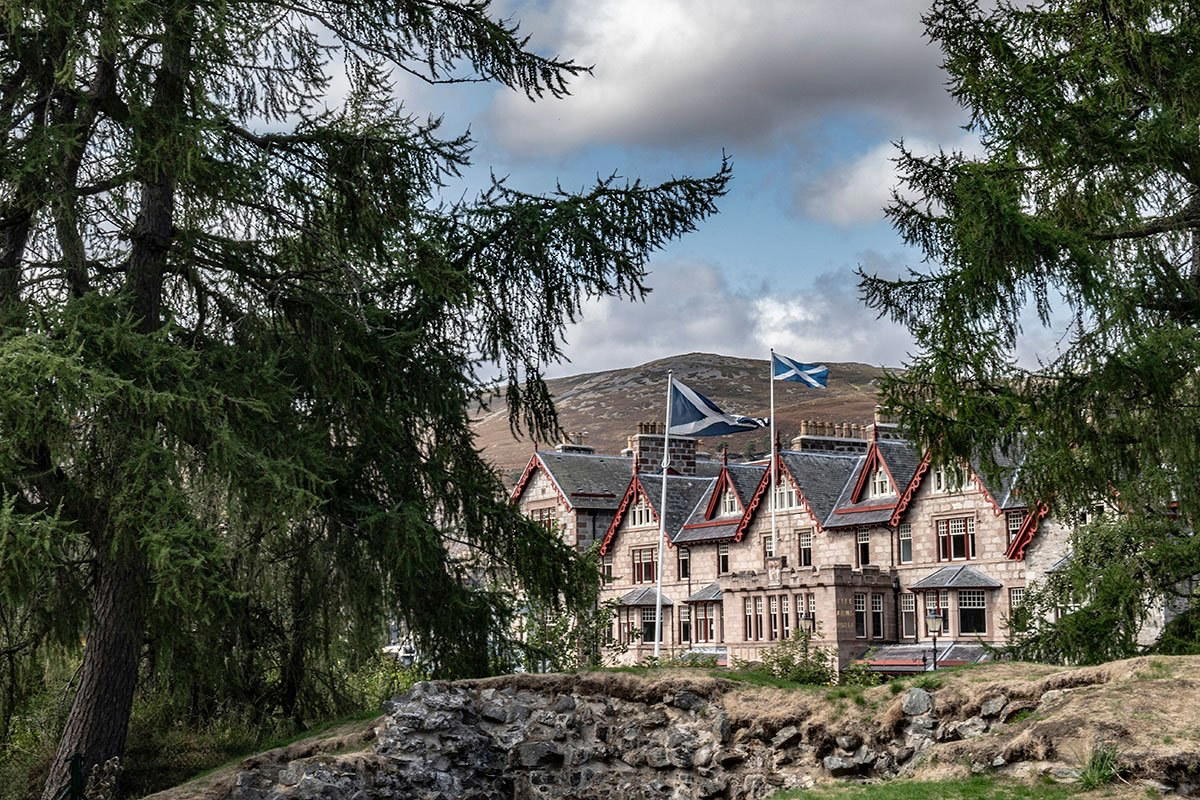
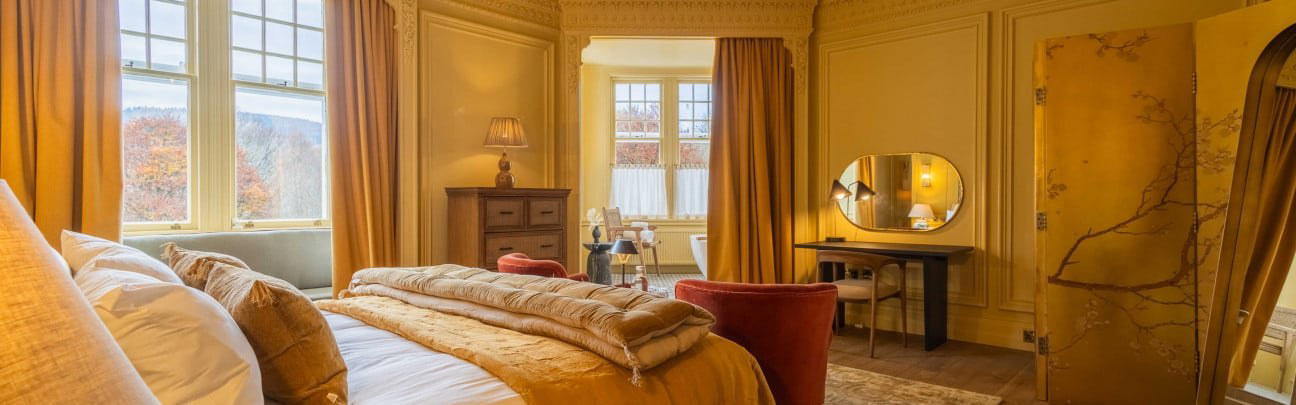
The Cairngorms has never lacked for dramatic backdrops, but few dining rooms in rural Scotland lean into their setting with quite the architectural conviction of Clunie Dining Room. Inside The Fife Arms hotel on Mar Road, the space operates somewhere between Scottish baronial and deliberate provocation: Murano glass chandeliers catch the light above cubist painted walls in tartan tones, and a large mounted stag keeps a steady eye over the room. In winter, a fire burns in the grate. The effect is not accidental — it is a studied collision of highland tradition and contemporary design that has become the visual signature of the hotel's dining offer.
This part of Aberdeenshire carries a particular cultural weight. Queen Victoria began making the journey to Balmoral Castle in the 1840s, and the royal connection transformed Braemar from a remote Highland settlement into an address with genuine status. That history still shapes the region's hospitality register — formality sits alongside landscape, and there is an expectation, in the better hotel dining rooms here, that the food will match the setting. Clunie Dining Room's 2025 Michelin Plate recognition places it in a category of acknowledged quality, one tier below a full Michelin star but above the majority of hotel restaurants operating in rural Scotland at this price point.
The Logic of the Scottish Larder
The kitchen's sourcing position is where the room's editorial argument is made most clearly. Classical cookery techniques are applied to Scottish produce with a directness that avoids the overwrought modernism common in aspirational country-house dining elsewhere in the UK. Lobster and venison both feature on the menu, the former from Scottish coastal waters, the latter from the surrounding estates, and both are handled in preparations that prioritise the quality of the primary ingredient rather than technique for its own sake.
The recurring presence of wood-fire smoke across multiple dishes is not a single garnish but a throughline. Scottish cooking has always had an affinity with peat and smoke, from whisky distillation to traditional curing, and kitchens that work this register seriously use fire as a flavouring agent rather than a finishing flourish. At Clunie, smoky aromas integrated into classical dishes suggest a kitchen that understands the indigenous flavour vocabulary of the region rather than simply importing a contemporary trend.
This places the restaurant in a broader pattern visible across the UK's rural fine-dining tier. Properties like Gidleigh Park in Chagford and Le Manoir aux Quat' Saisons in Great Milton have long demonstrated that hotel dining rooms in non-urban locations can sustain serious culinary ambitions when the kitchen commits to sourcing within its own geography. Scotland's premium ingredients, shellfish from cold northern waters, wild game from managed highland estates, represent an ingredient advantage that is difficult to replicate in urban contexts, and rooms like Clunie exist partly to make that argument on a plate.
For comparison, the most celebrated urban expressions of modern British cooking, CORE by Clare Smyth in London, Midsummer House in Cambridge, or Opheem in Birmingham, operate at ££££ and draw on supply chains that span the country. Clunie's £££ positioning, drawing on produce from its immediate surroundings, represents a different model: proximity over breadth, place over versatility. Scotland's other Michelin-recognised dining room at hotel scale, Restaurant Andrew Fairlie in Auchterarder, sets the benchmark for what starred achievement looks like in a comparable context, Clunie's Plate recognition signals it is operating within recognisable reach of that standard.
The Room as Context
Hotel dining rooms in the UK have split into two recognisable camps: those that design the interior as a neutral container for the food, and those that make the room itself a significant part of the offer. Clunie belongs firmly to the second category. The tartan-uniformed staff, the chandeliers, the fire, the stag, these are deliberate signals that the evening begins the moment you walk in, not when the first course arrives.
That approach has analogues in UK hotel dining more broadly. Properties like Moor Hall in Aughton and hide and fox in Saltwood understand that the physical context of a meal in a non-urban setting carries weight that city restaurants cannot replicate. Clunie operates on the same principle, though with a particularly dense visual vocabulary drawn from its specific geography and the hotel's design programme.
In rural hotel dining, a tight pool of reviews at that average typically signals a repeat-visitor clientele who return because the experience holds up, not because marketing has inflated expectations.
Planning a Visit
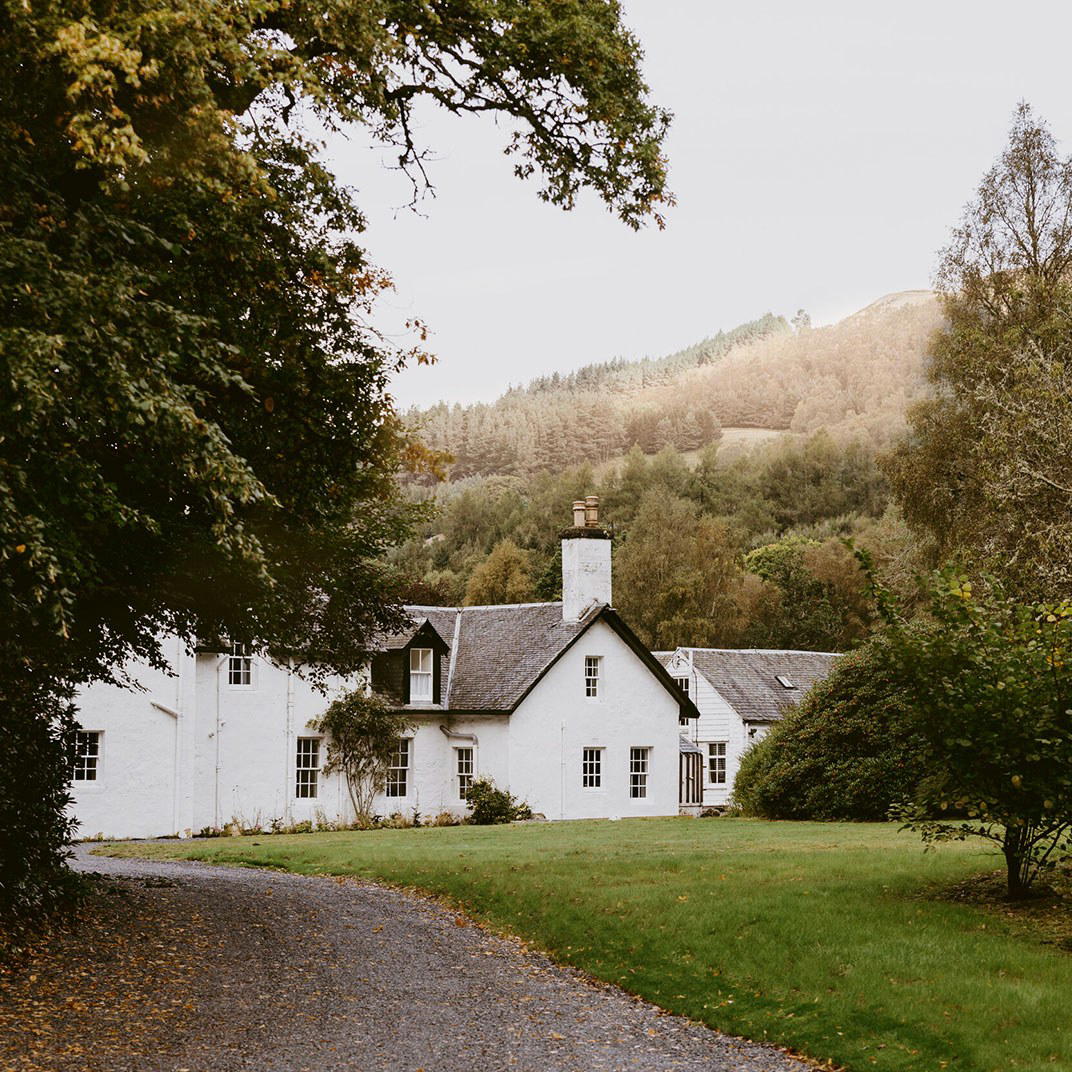
Braemar sits deep in Royal Deeside, approximately an hour's drive west of Aberdeen. The village is not served by a rail connection, and road access via the A93 is the practical route for most visitors. The Fife Arms operates as a destination hotel, meaning the majority of diners at Clunie are staying on-site, walk-in or standalone restaurant bookings from non-residents are less common in this format, and advance reservation is the sensible approach regardless. The £££ price range places the restaurant at mid-to-upper hotel dining in a Scottish rural context, not at the level of London's starred rooms but above the casual end of country house eating.
Winter visits carry a particular logic: the fire in the dining room, the venison on the menu, and the surrounding landscape in its most austere state make a coherent argument for the season. Summer draws visitors to the Cairngorms for different reasons, and the restaurant serves that trade too, but the room's character is most legible in cold months.
For those building a broader itinerary around the area, see our full Braemar restaurants guide, our full Braemar hotels guide, our full Braemar bars guide, our full Braemar wineries guide, and our full Braemar experiences guide. Those travelling further for restaurant purposes in the UK might cross-reference L'Enclume in Cartmel or Hand and Flowers in Marlow as reference points for how rural-destination dining operates at different budget and recognition levels. At the international end of modern cuisine, Frantzén in Stockholm and FZN by Björn Frantzén in Dubai show how the category scales globally, useful orientation for readers placing Clunie in a wider frame. The Fat Duck in Bray remains the counterpoint for those wondering where high-concept UK restaurant dining sits relative to the classical sourcing model Clunie represents.
Frequently asked questions
What kind of setting is Clunie Dining Room?
What dish is Clunie Dining Room famous for?
Is Clunie Dining Room child-friendly?
Comparable Spots, Quickly
| Venue | Cuisine | Price | Awards |
|---|---|---|---|
| Clunie Dining RoomThis venue — the venue you are viewing | Modern Scottish with Wood-Fire Cooking | $50–100 | Michelin Plate |
| The Ledbury | Modern European, Modern Cuisine | Not listed | Michelin 3 Star |
| Sketch, The Lecture Room and Library | Modern French | Not listed | Michelin 3 Star |
| CORE by Clare Smyth | Modern British | Not listed | Michelin 3 Star |
| Restaurant Gordon Ramsay | Contemporary European, French | Not listed | Michelin 3 Star |
| Dinner by Heston Blumenthal | Modern British, Traditional British | Not listed | Michelin 2 Star |
Recognition history
Dated appearances from independent guides and award organizations, with the underlying list record or original source where available.
Michelin Plate
Michelin
Full recognition history (3 entries)
Michelin Plate
Michelin
Michelin Plate
Michelin
Details
- Elegant
- Romantic
- Sophisticated
- Classic
- Date Night
- Special Occasion
- Celebration
- Hotel Restaurant
- Private Dining
- Open Kitchen
- Design Destination
- Extensive Wine List
- Craft Cocktails
- Sommelier Led
- Local Sourcing
- Farm To Table
- A La Carte
- Set Menu
- Wine
- Cocktails
- Vegetarian Friendly
Current opening hours
- Monday
- 7:30–10:30 AM, 6–9:30 PM
- Tuesday
- 7:30–10:30 AM, 6–9:30 PM
- Wednesday
- 7:30–10:30 AM, 6–9:30 PM
- Thursday
- 7:30–10:30 AM, 6–9:30 PM
- Friday
- 7:30–10:30 AM, 6–9:30 PM
- Saturday
- 7:30–10:30 AM, 6–9:30 PM
- Sunday
- 7:30–10:30 AM, 6–9:30 PM
Hours can change for holidays and private events. Last verified .
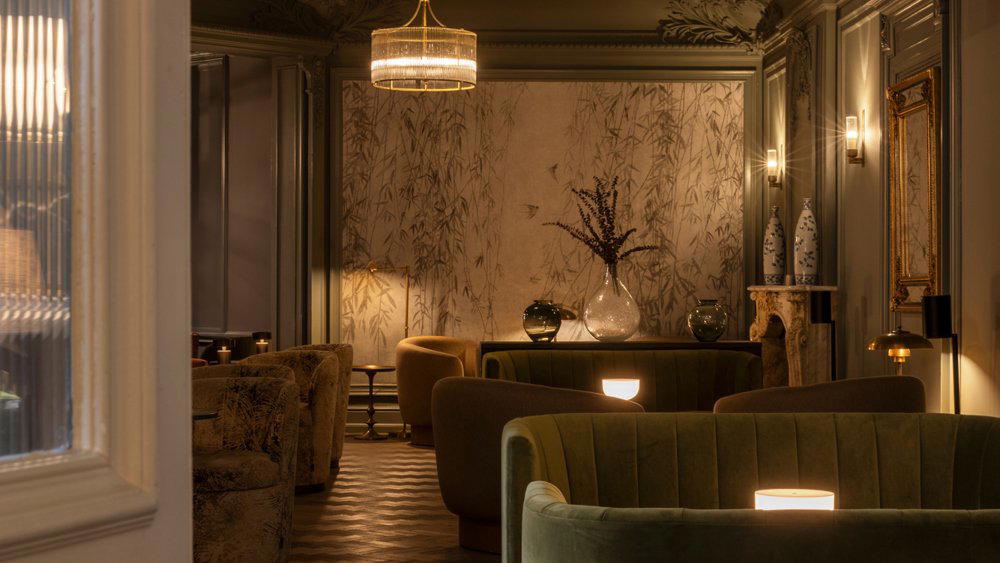
Warm and chic with glowing fireplace embers, Murano chandeliers, tartan-dressed staff, and an abstract cubist wall mural creating an eclectic, art-forward atmosphere.