Ganis Resort

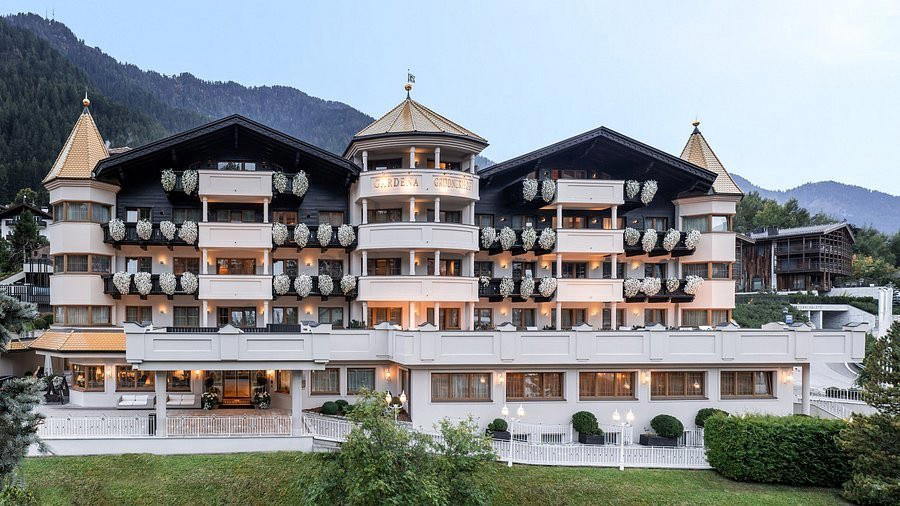
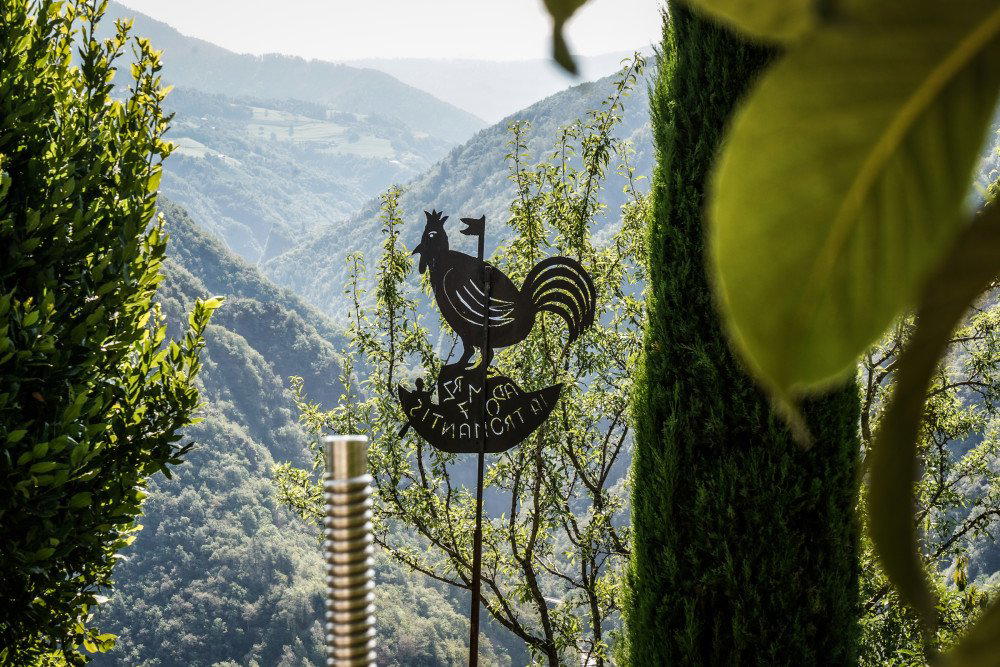
A Michelin Selected resort in Deutschnofen, South Tyrol, Ganis Resort sits at the quieter end of the Alto Adige's mountain hospitality spectrum. The address on Schwarzenbach places it within the Eggental valley's dense fir and larch terrain, where the architectural relationship between building and landscape defines the guest experience as much as any interior amenity.
Pearl is the En Primeur Club membership app — saves, bookings, and concierge access live there. Same editors, same standards.
- Address
- Rio Nero, 22, 39050 Nova Ponente BZ, Italy
- Phone
- +39 0471 616504
- Website
- ganis.it
- Directions
- Get directions
 Saves & bookings on Pearl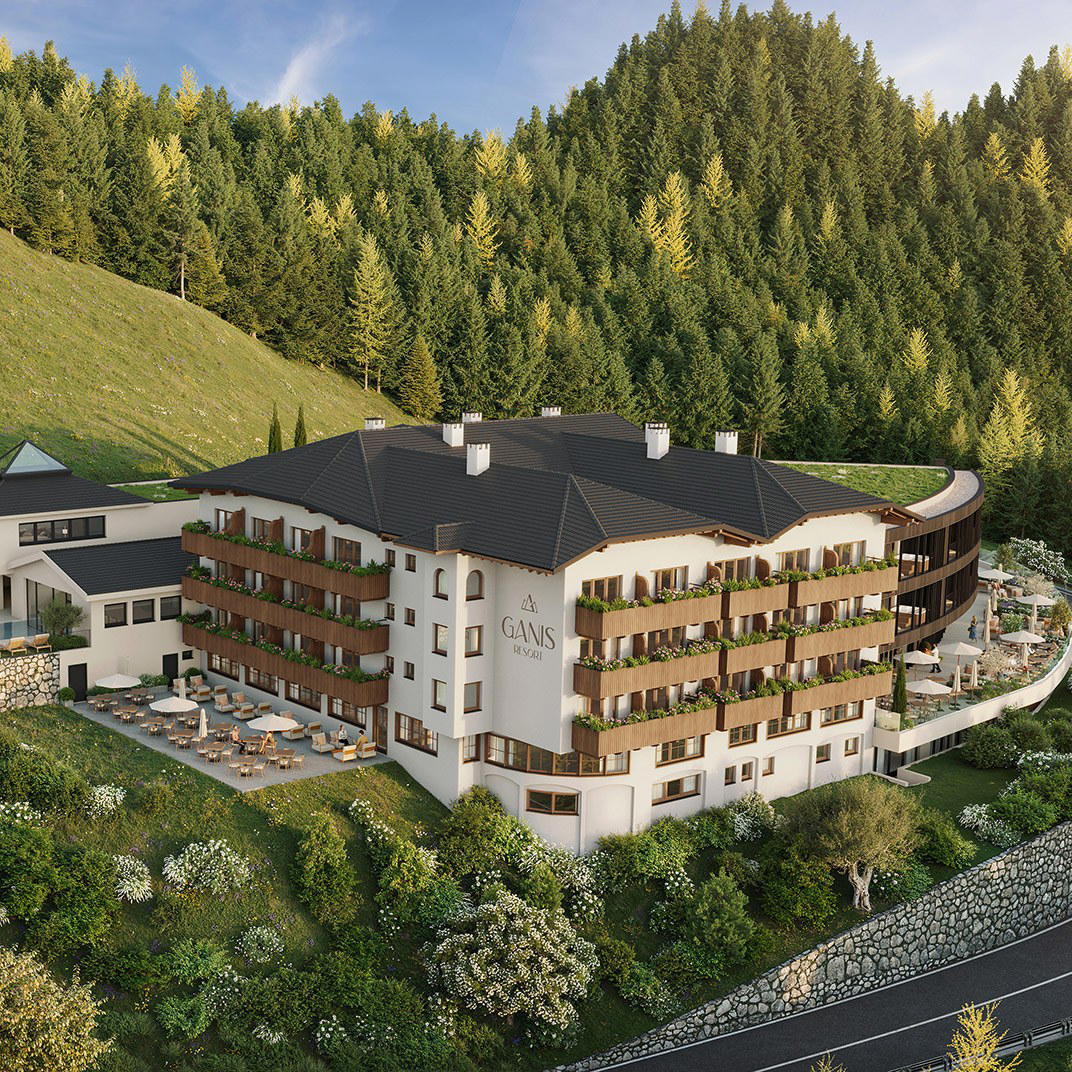
Where the Eggental Valley Sets the Terms
South Tyrol's alpine resorts occupy a distinctive position in Italian hospitality: they draw on Central European spatial traditions, a vernacular building culture rooted in timber and stone, and a landscape that imposes its own discipline on any property that takes it seriously. Deutschnofen, the small municipality above Bolzano on the western edge of the Eggental valley, sits at roughly 1,500 metres, where the treeline is dense and the horizon is controlled by the Latemar and Rosengarten massifs. Ganis Resort is a 4-star hotel at Rio Nero, 22, 39050 Nova Ponente BZ, Italy, within that terrain rather than beside it. The distinction matters: the properties that work leading in this altitude band treat the surrounding forest and rock as architectural collaborators, not backdrop.
The Michelin Selected designation in the 2025 Michelin Hotels guide signals membership in a specific tier of the Alto Adige's accommodation market. Michelin's hotel selection applies the same editorial rigour to hospitality that its restaurant guides apply to food, and selection at this level in a region as competitive as South Tyrol places Ganis Resort within a peer group defined by design coherence, service quality, and spatial character rather than simply star count or room volume.
The Architecture of Staying Still
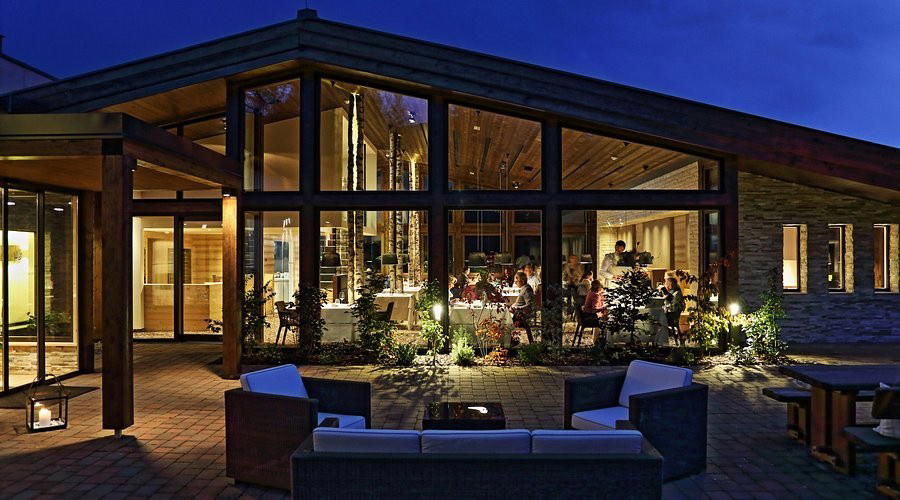
Mountain resort design in the Eastern Alps has evolved sharply over the past two decades. The earlier generation of South Tyrolean properties leaned toward Tyrolean pastiche: heavy dark wood, low ceilings, and decorative folk motifs that felt increasingly disconnected from the region's contemporary design output. The more recent wave, particularly visible in properties earning Michelin attention, moves toward a quieter architectural language. Materiality is still rooted in the vernacular, but the detailing is stripped back. Timber appears as structural mass rather than ornament. Stone reads as foundation rather than decoration. Glass is deployed where the external landscape warrants it, which in an east-facing valley position means the morning light and the tree canopy become interior elements at certain hours.
Ganis Resort's position in Deutschnofen places it within this newer idiom. The Eggental's character is less dramatic than the Vinschgau or the Dolomites' immediate southern slopes, which gives properties here a quieter spatial register. The valley rewards attention paid to texture and material over grand gesture, and the resorts that read well here tend to be ones where the architecture slows you down rather than impresses you in passing.
This design orientation connects the hotel to a wider pattern across northern Italy's mountain hospitality. Properties like Castel Fragsburg in Merano and Bellevue Hotel & Spa in Cogne occupy a similar bracket, where the relationship between building and alpine landscape carries more editorial weight than branded facilities. In the broader Italian context, the architectural seriousness of mountain properties increasingly distinguishes them from coastal counterparts such as Borgo Santandrea on the Amalfi Coast or Il San Pietro di Positano, where the drama is external and the architecture responds accordingly.
The Eggental as a Destination in Its Own Right
Deutschnofen tends to attract visitors who already know South Tyrol well enough to have moved past Merano and the wine road. The Eggental valley has the Carezza lake at its base, one of the Dolomites' most photographed water features, and the ridge trails above Deutschnofen connect into the larger Latemar hiking circuit. In winter, the Nova Ponente-Obereggen ski area is the local access point, operating at a scale that suits resort guests who ski methodically rather than those chasing vertical drop counts.
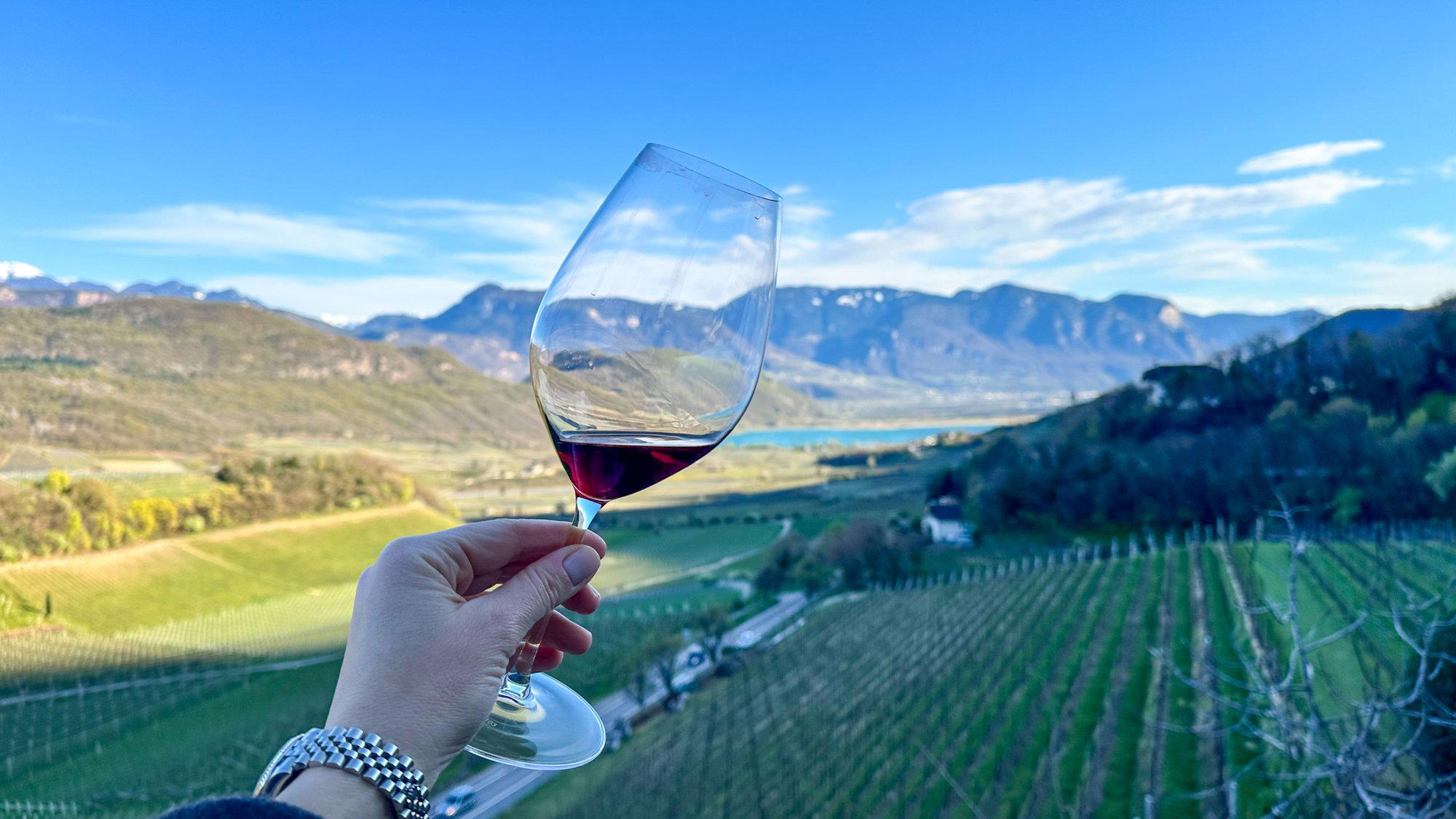
The village itself runs on a quieter rhythm than Bolzano, 25 kilometres to the west, or the Merano spa circuit. That rhythm is part of the pitch for a property like Ganis Resort: the Michelin Selected category in an area like this correlates with guests who are choosing deliberate reduction rather than programmatic intensity. The Alto Adige's food and wine culture provides ambient depth, with Lagrein and Gewurztraminer producers accessible from the valley floor and the regional cuisine, built around speck, canederli, and Schüttelbrot, offering a reference point that doesn't require leaving the territory to satisfy.
Placing Ganis Resort in the Italian Luxury Hotel Conversation
Italy's premium hotel market has fragmented productively. The major urban anchor properties, among them Aman Venice, Four Seasons Hotel Firenze, Bulgari Hotel Roma, and Portrait Milano, operate on a different axis entirely: they compete on heritage buildings, urban cultural programming, and international brand positioning. The agriturismo and estate tier, represented by properties like Rosewood Castiglion Del Bosco in Montalcino, Borgo San Felice Resort, and Castello di Reschio, trades on landscape immersion and agricultural identity. Properties like Casa Maria Luigia in Modena sit in a chef-driven niche that uses hospitality as an extension of a culinary project.
The hotel belongs to none of these categories directly. It belongs instead to the alpine resort tier that has the Eastern Alps as its geographic and cultural reference, where the comparison set includes South Tyrolean properties earning independent editorial recognition and the quality signal comes not from global brand alignment but from the Michelin selection itself. Within that tier, the Deutschnofen address places it among smaller-footprint valley properties rather than the larger spa resort complexes that dominate the Bolzano basin or the Merano thermal circuit. Properties like Il Sereno in Torno and Passalacqua in Moltrasio on Lake Como offer a loose stylistic parallel in their insistence on restraint at the summit of a regional market, even though the terrain and tradition differ entirely.
Planning Your Stay
Deutschnofen is accessible by car from Bolzano in under 40 minutes via the SS241, which climbs from the Isarco valley through the Eggental. Train travellers arriving at Bolzano Hauptbahnhof can connect onward by bus toward Nova Ponente, though car hire gives significantly more flexibility for accessing the valley's trail and ski infrastructure. The resort's Schwarzenbach address puts it outside the village centre proper, in a quieter residential-agricultural zone that amplifies the low-stimulus character of a stay here.
Comparison Snapshot
Comparable venues nearby, for context on price, style, and recognition.
| Venue | Cuisine | Price | Awards | Notes |
|---|---|---|---|---|
| Ganis ResortThis venue — the venue you are viewing | Contemporary Alpine resort with modern design elements and traditional South Tyrolean hospitality, positioned as a wellness and activity destination. | $$$ | 4-Star | Not listed |
| Una Hotel Siracusa | Urban design hotel with heritage chic loft elements and wellness oasis. | $$$ | 4-Star | Grottasanta |
| Parkhotel Laurin | Historic Art Nouveau with modern updates | $$$ | 4-Star | city center |
| Dimora Cala del Pozzo | Contemporary classic Italian country retreat preserving authentic rural farmhouse identity with refined modern comfort. | $$$ | 4-Star | Contrada Pozzo Vecchio |
| The Glam Boutique Hotel & Apt | Modern boutique hotel blending classical elements with contemporary furnishings. | $$$ | 4-Star | Vicenza |
| Hotel Touring | Contemporary alpine boutique hotel with family-run heritage, blending modern design with traditional South Tyrolean hospitality. | $$$ | 4-Star | Santa Cristina |
Recognition history
Dated appearances from independent guides and award organizations, with the underlying list record or original source where available.
Michelin Selected
Michelin
Continue exploring
More in Deutschnofen
Hotels in Deutschnofen
Browse all →
Bars in Deutschnofen
Browse all →
Restaurants in Deutschnofen
Browse all →
At a Glance
- Scenic
- Quiet
- Elegant
- Modern
- Wellness Retreat
- Family Vacation
- Romantic Getaway
- Group Retreat
- Panoramic View
- Destination Spa
- Ski In Ski Out
- Garden
- Terrace
- Golf Course
- Wi Fi
- Pool
- Spa
- Fitness Center
- Sauna
- Restaurant
- Bicycle Rental
- EV Charging
- Mountain
- Garden
- Wi Fi
- Pool
- Spa
- Fitness Center
- Sauna
- Restaurant
- Bicycle Rental
- EV Charging
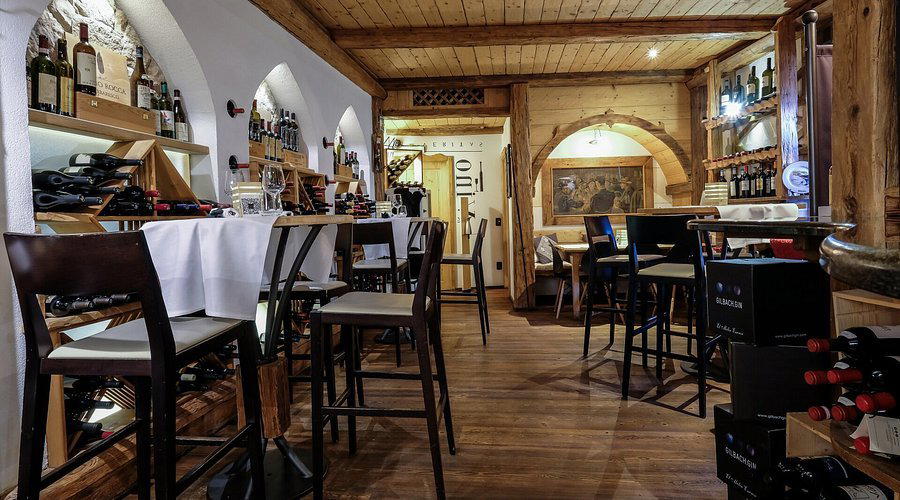
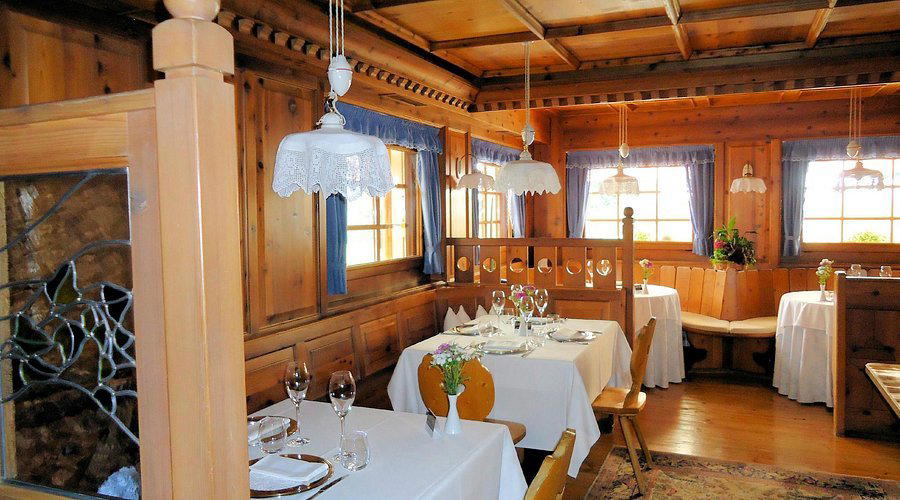
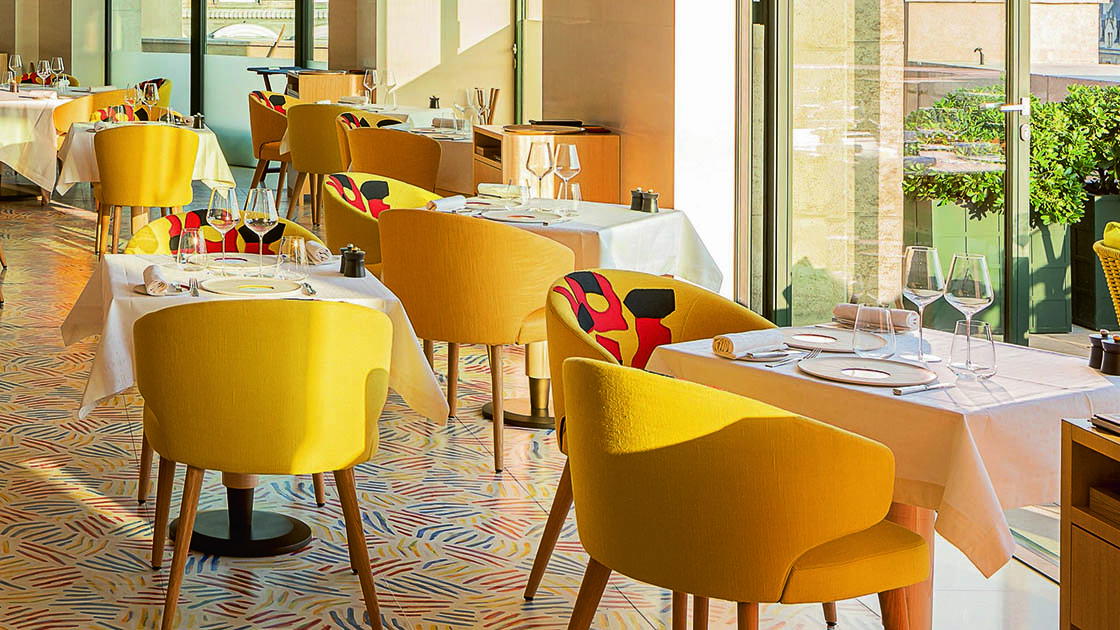
Contemporary and serene mountain resort atmosphere with bright, modern interiors and expansive windows framing Alpine vistas; warm, welcoming ambiance enhanced by regional cuisine and wellness-focused design.