
Feuerstein Nature Family Resort occupies the high-alpine Pflersch valley above Brenner Pass, earning 94 points in the La Liste Top Hotels 2026 ranking. The property sits in a niche tier of mountain resorts that trades spectacle-scale amenities for deep immersion in South Tyrolean landscape and design. For families seeking a property where the architecture and the surrounding terrain are the primary experience, the calculus here is direct.
Pearl is the En Primeur Club membership app — saves, bookings, and concierge access live there. Same editors, same standards.
- Address
- Pflersch, 185, 39041 Brenner, Autonome Provinz Bozen - Südtirol
- Phone
- +39 0472 770126
- Website
- feuerstein.info
- Directions
- Get directions
 Saves & bookings on Pearl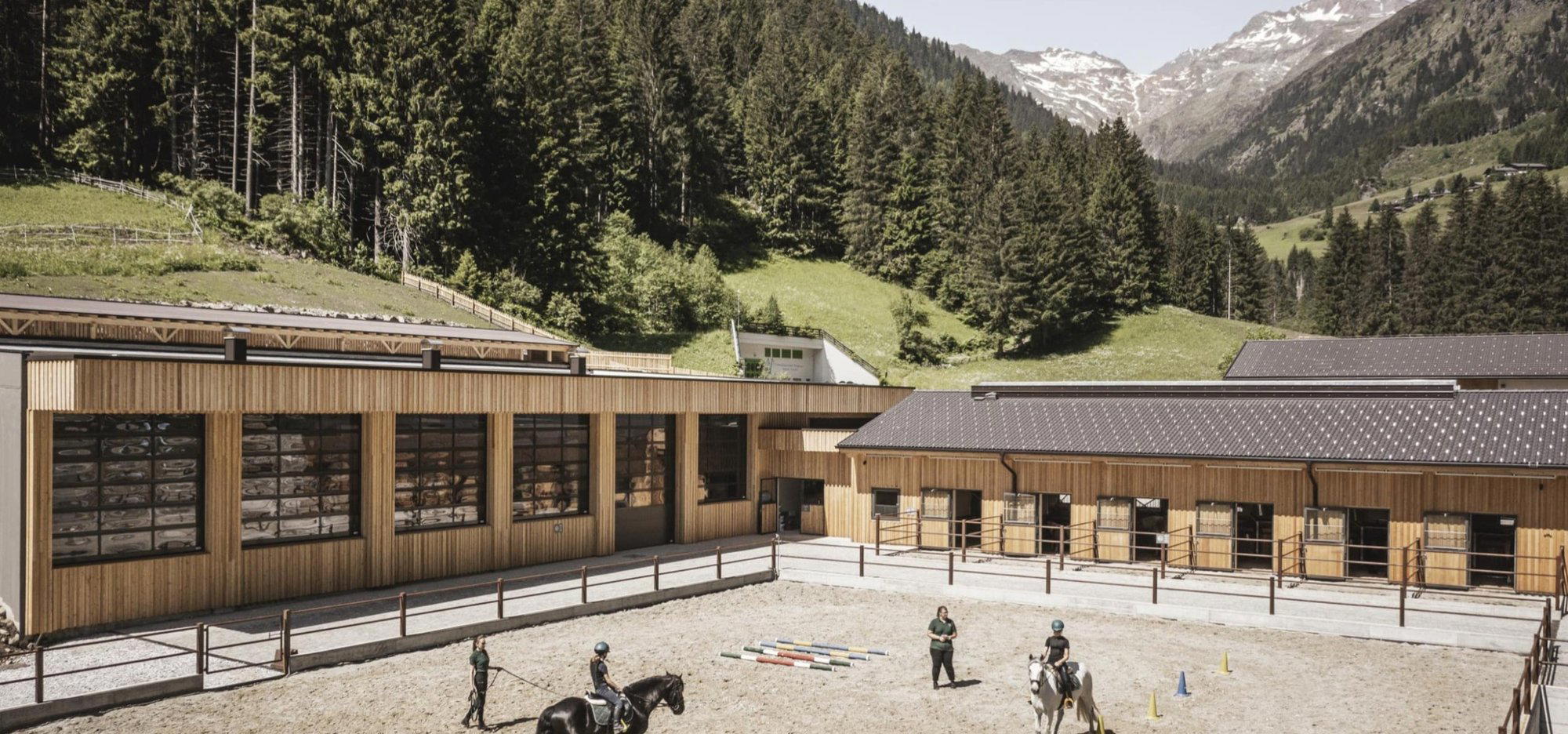
Where the Brenner Valley Turns Inward
There is a particular category of Alpine resort that places the building in deliberate conversation with its terrain rather than imposing itself upon it. These properties tend to occupy narrow secondary valleys rather than the broader, more trafficked corridors. Feuerstein Nature Family Resort occupies precisely that position in the Pflersch valley, the side valley running west off the main Brenner axis, at an address that most travellers pass at speed on the A22 motorway without registering the turn. The geography is not incidental. It shapes everything about how the property feels and functions.
The Pflersch valley sits within the Autonome Provinz Bozen, South Tyrol, the German-speaking Alpine province that has produced a distinctive regional approach to resort architecture over the past three decades. That approach draws on local timber and stone, keeps volumes low relative to the surrounding ridge lines, and tends toward thermal facilities that are integrated into the building rather than appended to it. Feuerstein operates within this tradition, and the result is a property whose physical presence reads as part of the valley rather than a statement made against it. For context on how this compares to other design-led Italian mountain properties, the Forestis Dolomites in Plose operates in a similar register further east in the Dolomites, elemental materials, minimal ornamentation, landscape as the primary encounter.
The Architecture as Program
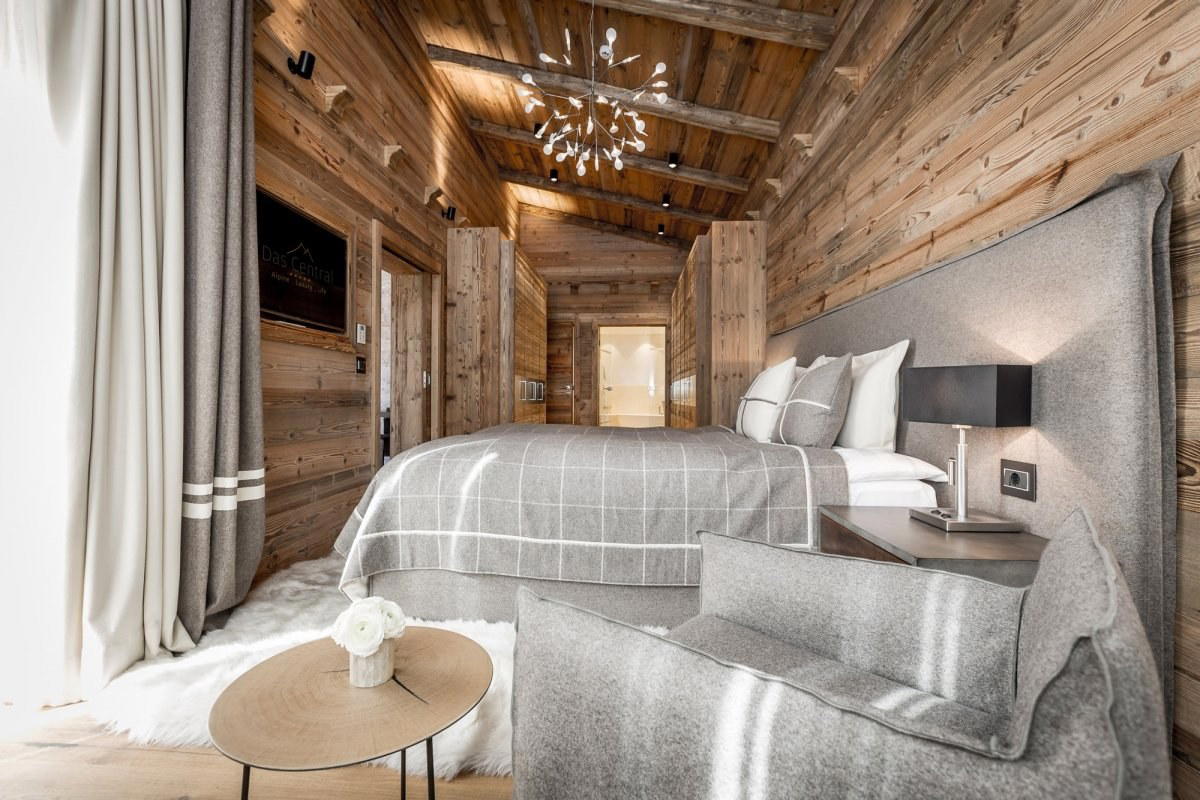
South Tyrolean resort design has developed a recognizable vocabulary: exposed timber structural elements, south-facing glazing oriented to capture winter light, spa facilities using local stone and spring water, and a consistent preference for natural materials over synthetic finishes. Within this regional tradition, the differentiation between properties comes down to how rigorously the design logic is applied and how well the architecture negotiates between the demands of family occupation and the aspiration for spatial calm.
Feuerstein's position as a nature-oriented family resort places specific demands on the architecture. Properties designed for families with children require a different spatial organization than adults-only retreats: circulation between areas needs to be legible, communal spaces need to absorb noise without becoming oppressive, and the design has to work for multiple age groups simultaneously. The South Tyrolean regional tradition handles this reasonably well precisely because it tends toward strong material choices, heavy timber, stone, concrete, that absorb the wear of family use without appearing degraded. This is a different set of problems than those solved by, say, Castel Fragsburg in Merano, a smaller adults-oriented property that can prioritize quietude over spatial flexibility.
La Liste awarded Feuerstein 94 points in its 2026 Leading Hotels ranking, placing it in the upper tier of recognized European mountain resorts. La Liste's methodology aggregates reviews and critical assessments across multiple sources, so a score at this level reflects sustained performance across guest experience, facilities, and setting rather than any single standout feature. It is a credential that positions the property against a comparable set of recognized Alpine resorts across Austria, Switzerland, and northern Italy, rather than against the broader Italian luxury hotel market.
Pflersch and the Brenner Context
Brenner sits at one of Europe's most historically traversed mountain passes. The pass itself has been a transit point since Roman times, and the modern settlement exists almost entirely in relationship to that transit function. What this means practically is that the immediate town of Brenner offers little in the way of destination dining or cultural infrastructure, it is a stopping point, not a destination in the conventional sense. The Pflersch valley, however, functions as a contained Alpine environment with its own hiking network, winter terrain, and the kind of high-altitude quiet that the pass town itself cannot provide.
This geographic reality is worth stating plainly: guests at Feuerstein are primarily there for the resort and its immediate natural surroundings, not for access to a broader destination. That is a different proposition than properties like Borgo San Felice Resort in Castelnuovo Berardenga in Chianti, or Rosewood Castiglion Del Bosco in Montalcino, where the surrounding wine region and Tuscan towns are integral to the stay. In the Pflersch valley, the property has to work as a self-contained program, and the nature-and-architecture emphasis is accordingly central rather than supplementary.
For guests arriving by road, the A22 Brenner motorway provides direct access from Innsbruck to the north and Bolzano to the south, with the Brenner exit connecting to the valley road. The proximity to Innsbruck, roughly 40 kilometres north, makes the property accessible as a destination reached via Innsbruck Airport, which handles direct connections from several European cities. Bolzano, the South Tyrolean capital with its own airport and rail connections, sits approximately 50 kilometres south. See our full Brennero restaurants guide for the broader regional context.
Where Feuerstein Sits in the Italian Mountain Market
Italian luxury hospitality has bifurcated considerably over the past decade. One strand runs toward urban or coastal properties with international brand affiliations and curated design statements, think Bulgari Hotel Roma in Rome, Aman Venice in Venice, or Portrait Milano in Milan. The other strand runs toward territorially specific properties where the setting and local material culture are the product, Passalacqua in Moltrasio on Lake Como, Borgo Egnazia in Savelletri di Fasano in Puglia, or Castello di Reschio in Lisciano Niccone in Umbria belong to this category. Feuerstein sits firmly in the second strand, and more specifically in the subset defined by Alpine environment and South Tyrolean regional identity.
Within that sub-category, the family orientation is a meaningful differentiator. Much of the upper-tier Alpine market in South Tyrol trends toward couples or adults-only formats, partly because the wellness and spa emphasis that drives the regional offer is better served without the spatial competition of family facilities. Feuerstein's decision to position around families rather than away from them shapes the entire proposition, the architecture, the programming, and the seasonal calendar all reflect that choice. It is a narrower market, but a less contested one within the top tier.
For comparison elsewhere in northern Italy, EALA My Lakeside Dream in Limone sul Garda on Lake Garda and Grand Hotel Tremezzo in Tremezzo on Lake Como represent the lakeside alternative to mountain isolation, different seasonal logic, different architecture, different relationship to the surrounding environment. The choice between mountain valley and lakefront is as much about temperament as it is about amenity.
Planning a Stay
Given the valley location and the self-contained resort model, one practical approach is to treat the stay as a minimum three or four nights to get sufficient return from travel time. The South Tyrolean Alps have two clear high seasons: winter for snow and the ski infrastructure of the broader region, and summer from June through September for hiking, cycling, and the high-altitude light that the area does particularly well. Shoulder periods in November and April are quieter and, where the property is open, often offer direct access to the landscape without the volume of peak-season guests. Booking should be made directly through the property's own channels for accurate availability and rate information, particularly for peak-season weeks when family room categories book ahead of other formats.
For those building a wider Italian itinerary around this property, the South Tyrolean context connects naturally northward into Austria and westward toward the Swiss Alps, rather than linking to the Italian coastal or Tuscan circuits that dominate most premium Italy travel planning. Properties like Casa Maria Luigia in Modena or Four Seasons Hotel Firenze in Florence represent a different Italy entirely, one that can be combined with a Pflersch valley stay, but not as a direct continuation of the same mood or terrain.
A Quick Peer Check
Comparable venues nearby, for context on price, style, and recognition.
| Venue | Cuisine | Price | Notes |
|---|---|---|---|
| Feuerstein Nature Family ResortThis venue — the venue you are viewing | Hotel | Not listed | Not listed |
| Palazzo Contarini del Bovolo | Historic Gothic palace from the 15th century with Renaissance additions. | Not listed | San Marco |
| Arua Private Spa Villas | Contemporary luxury villas integrated with natural surroundings, featuring private terraces and spa areas. | $$$$ | Tirolo |
| Splendid Venice Venezia - Starhotels Collezione | Hotel | Not listed | Venice |
| Iuta Farm | Sustainable farmstay with glamping lodges and restored masseria suites | $$$ | Contrada Bochini |
| Palazzo Luce | Historic palazzo reimagined as an exclusive art and design residence | $$$$ | Old Town |
Recognition history
Dated appearances from independent guides and award organizations, with the underlying list record or original source where available.
La Liste Top Hotels
La Liste
Continue exploring
More in Brennero
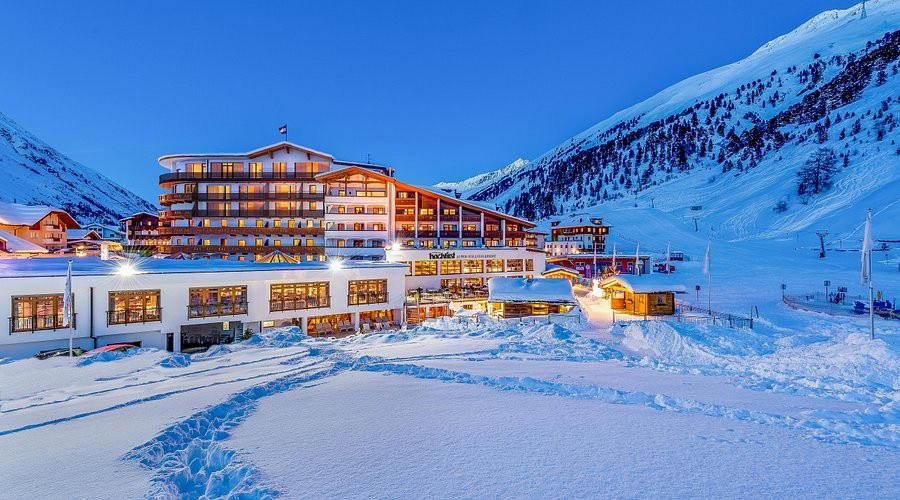
Hotels in Brennero
Browse all →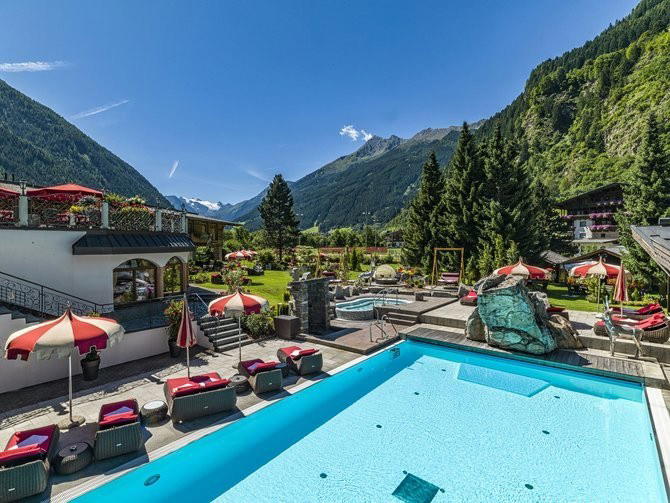
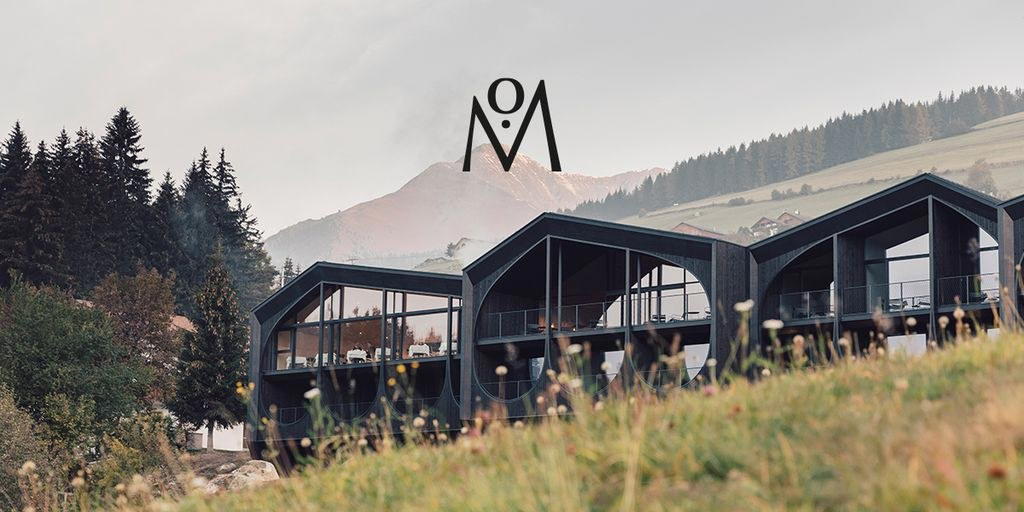
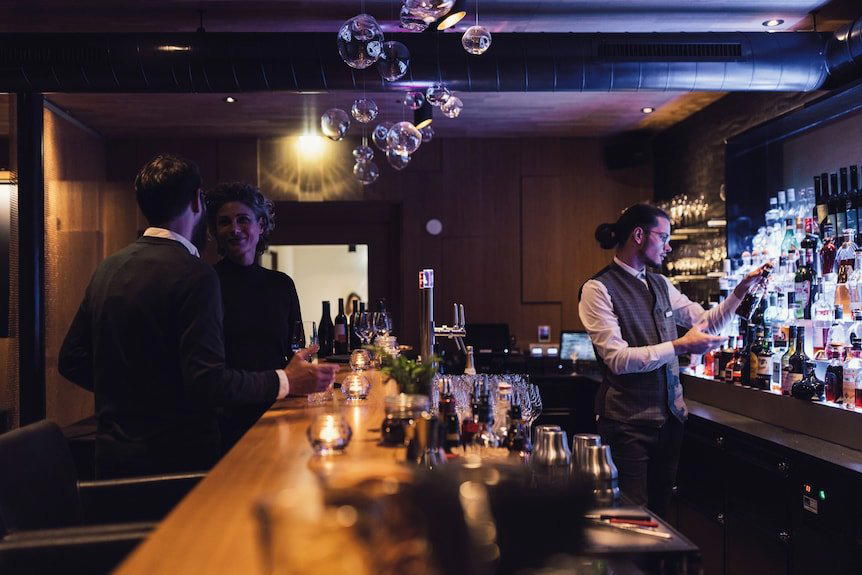
Bars in Brennero
Browse all →
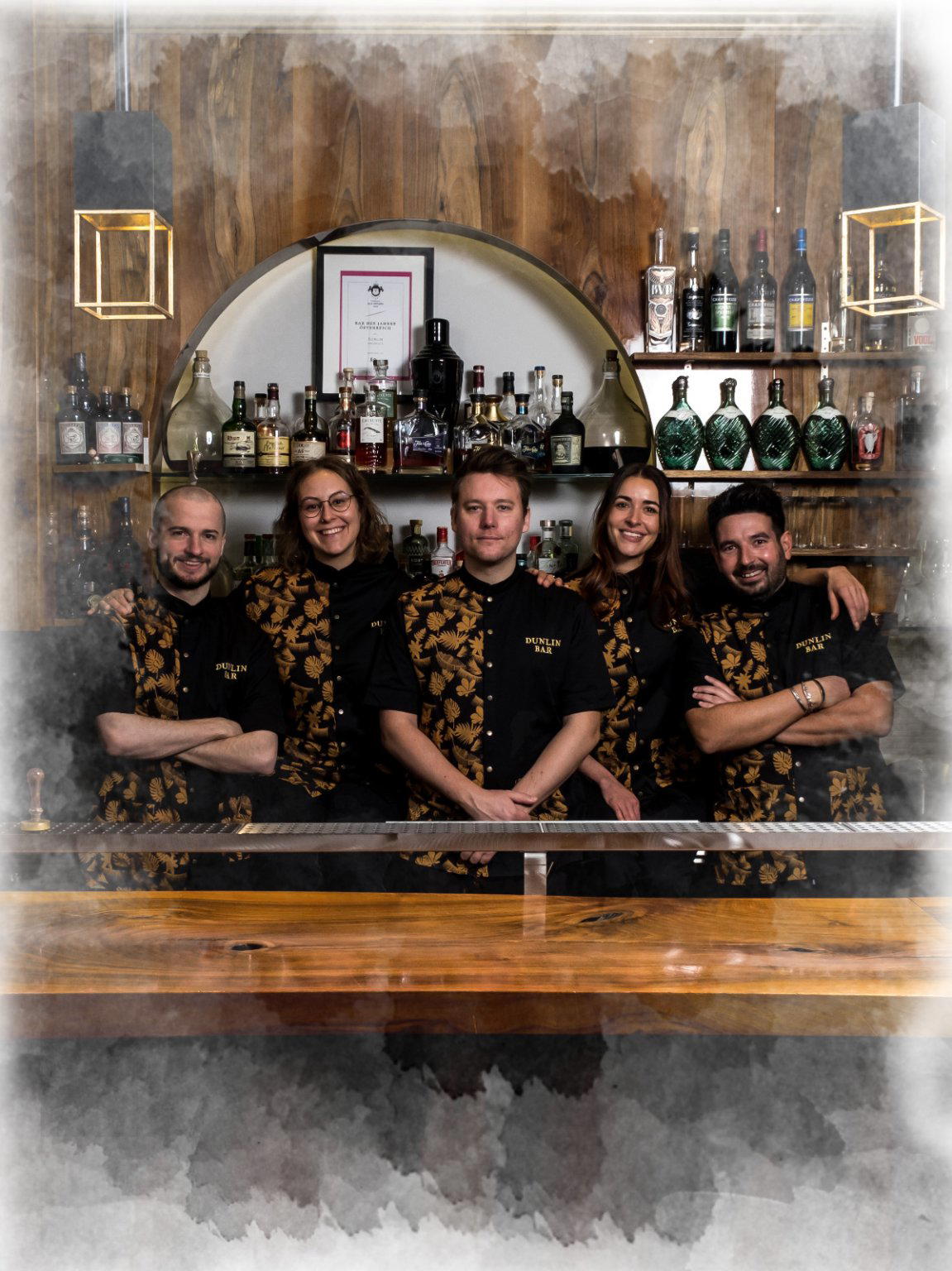
Restaurants in Brennero
Browse all →
Wineries in Brennero
Browse all →
At a Glance
- Scenic
- Cozy
- Modern
- Elegant
- Family Vacation
- Wellness Retreat
- Weekend Escape
- Destination Spa
- Garden
- Terrace
- Panoramic View
- Wi Fi
- Pool
- Spa
- Fitness Center
- Room Service
- Concierge
- Kids Club
- Restaurant
- Parking
- Garden
- Mountain
- Wi Fi
- Pool
- Spa
- Fitness Center
- Room Service
- Concierge
- Kids Club
- Restaurant
- Parking
- Garden
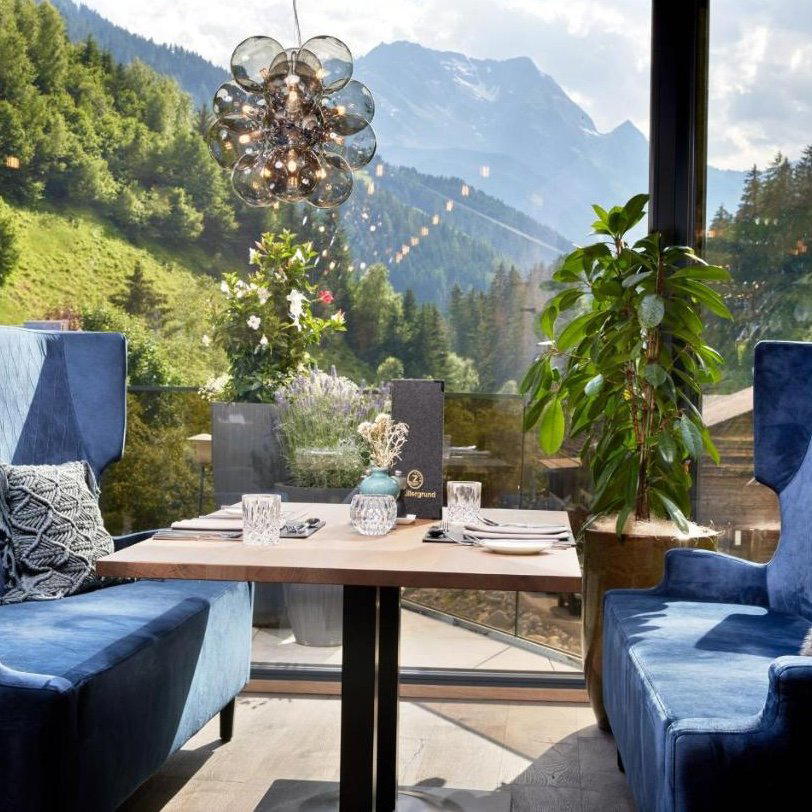
Quiet, nature-immersed, and family-focused, with warm Alpine interiors, large windows, and a refined Scandi-Alpine feel that blends indoor spaces with the surrounding mountains.