

Preferred Hotels Member · Small Luxury Hotels of the World Member
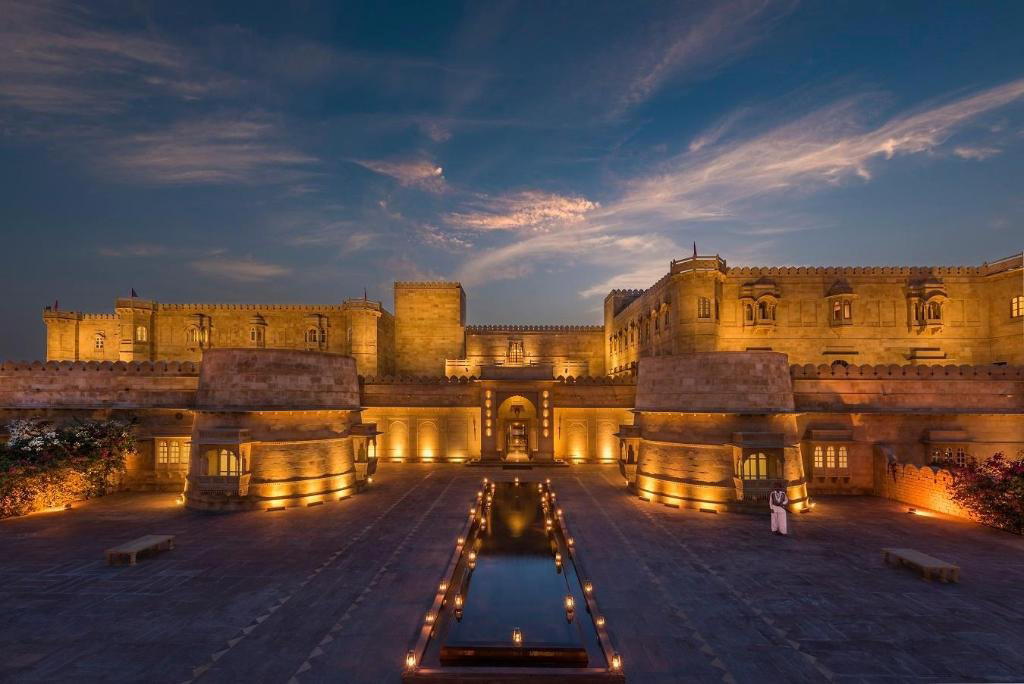
Built from golden sandstone on the edge of the Thar Desert, Suryagarh is a modern fortress hotel that positions itself within Jaisalmer's tradition of medieval palace architecture. Across 83 rooms, it draws on Rajasthani craftsmanship and desert materiality to deliver a property that reads as both historically grounded and deliberately contemporary. It is one of the more architecturally coherent addresses in the region.

Pearl is the En Primeur Club membership app — saves, bookings, and concierge access live there. Same editors, same standards.
- Address
- Suryagarh Hotel, Ram Kund, Jaisalmer, Kishan Ghat, Rajasthan 345001
- Phone
- +91 78271 51151
- Website
- suryagarhcollection.com
- Directions
- Get directions
A Fortress That Earns the Reference
Jaisalmer has always been a city that architecture built. The 12th-century citadel rising from the desert plain, the havelis with their pierced sandstone screens, the merchant houses stacked along narrow lanes — the built environment here carries more cultural weight than almost anywhere else in Rajasthan. Hotels that arrive in this context face a clear editorial choice: imitate the surface language of the past or engage seriously with its structural logic. Suryagarh, positioned at Ram Kund on the city's edge, takes the latter route. The property is constructed from golden sandstone, the same material that gives Jaisalmer its famous honey-coloured glow at dusk, and its massing references the defensive geometries of medieval Rajput fortresses rather than the ornamental vocabulary of later Mughal-influenced palaces.
That distinction matters. Much of India's luxury hotel sector has defaulted to a generalised "palace aesthetic" that blends periods, regions, and dynasties into something vaguely regal but architecturally imprecise. Suryagarh's more disciplined approach — fortress scale, sandstone construction, Thar Desert siting, places it in a smaller peer group that takes material and regional authenticity seriously. Properties like Alila Fort Bishangarh in Manoharpur occupy comparable territory, where the architecture is the argument and the interiors follow from it rather than contradict it.
Sandstone, Scale, and Desert Light
The experiential logic of Suryagarh depends on understanding how golden sandstone behaves in desert light. At midday, the stone reads warm and dense. In the hour before sunset, the period Jaisalmer photographers and travel writers have documented for decades, the entire facade shifts toward amber and deep gold, collapsing the distinction between the hotel and the dunes behind it. This is not a photographic accident. The orientation and massing of the building have been designed to catch that light, which means the property performs differently across the day in ways that more conventionally constructed luxury hotels simply cannot replicate.
With 83 rooms, Suryagarh sits in a mid-scale bracket for Indian heritage luxury. Compare it to the intimate key counts of properties like Aman-i-Khas in Ranthambore, which operates at a deliberately low capacity to preserve exclusivity, or the larger footprints of urban palace conversions. Suryagarh's room count allows it to maintain atmosphere without fragmenting into the impersonal scale that larger properties in the category risk. The Rajasthan luxury tier also includes properties with strong urban identities, such as The Leela Palace Jaipur, but Suryagarh's desert siting removes it from any direct comparison with city-centre palace hotels. The Thar backdrop is doing architectural work that no urban plot can replicate.
The Rajasthan Heritage Hotel Category
India's heritage hospitality sector has matured considerably over the past two decades. What began as converted royal residences opened to paying guests has become a structured tier of properties, some genuinely historic, others purpose-built to reference historical forms, competing for travellers who prioritise place over amenity checklists. Within Rajasthan specifically, the market has split between properties with documented royal lineage (former hunting lodges, zenanas, dak bungalows) and contemporary builds that engage the architectural vocabulary without the inheritance. Suryagarh belongs to the second category: a modern construction that makes a credible historical argument through material choice and design discipline.
This is not a lesser category. Purpose-built properties operating in historical idioms often deliver more coherent experiences than genuine conversions, which can suffer from the structural constraints of old buildings, inconsistent room sizes, and the tension between preservation requirements and guest comfort. Amanbagh in Ajabgarh provides a useful comparison point: also a purpose-built property in a Rajasthan desert setting, it operates at the very best of the category's price tier with Aman Group backing. Suryagarh positions itself differently, with a stronger emphasis on local craft traditions and the specific character of Jaisalmer's architectural heritage rather than the globally standardised minimalism that Aman has made its signature.
For context on how Rajasthan heritage properties compare to landmark palace hotels elsewhere in India, The Oberoi Amarvilas in Agra and The Taj Mahal Palace in Mumbai represent the category's most established urban anchors, but neither operates in the experiential register that desert-edge properties occupy. The logic of arriving at a fortress hotel across a sand-coloured plain, with the Thar stretching beyond, belongs to a different travel argument entirely.
What Jaisalmer Demands of Its Hotels
Jaisalmer is a city that visitors arrive at specifically for its built environment. The Living Fort, the Patwon ki Haveli, the Salim Singh ki Haveli, the city is, in effect, an open-air museum of Rajput and merchant architecture. Hotels that do not engage architecturally with that context risk feeling irrelevant to the place. This is a pressure that Jaisalmer applies more acutely than most Indian destinations, where a well-designed hotel can exist somewhat independently of its surroundings. Here, the building is part of the visit. Suryagarh's decision to build in sandstone, at fortress scale, in a desert-edge location, reads as a considered response to that pressure rather than a generic luxury hotel formula applied to an unusual site.
For travellers working through a wider Rajasthan itinerary, the state offers a range of property types that reward architectural attention: Suján Jawai in Pali operates in a safari-camp format against leopard-territory granite, while Haveli Dharampura in Delhi demonstrates what genuine haveli conversion looks like at the other end of the built-heritage spectrum. Suryagarh occupies its own position in that spread: contemporary construction, historical form, desert location. For a full overview of where to eat and stay across the city, see our full Jaisalmer restaurants guide.
Planning Your Stay
Jaisalmer's climate dictates timing more decisively than most Indian destinations. The period between October and March delivers manageable temperatures and clear skies, making desert excursions and outdoor dining viable. The summer months, by contrast, push temperatures well above 40°C, and while the fortress and its stone construction do moderate interior heat, the desert context limits what is comfortable outdoors. Most travellers working a Rajasthan circuit schedule Jaisalmer toward the end of the cooler season, when the light remains good and the dunes accessible without the intensity of pre-monsoon heat.
Jaisalmer Airport connects to Delhi and Mumbai with regular domestic services, placing the city within a two-hour flight of both major hubs. The train journey from Jodhpur, approximately five hours, is the preferred overland route for travellers who want the arrival experience of watching the desert open up across the final stretch of track. Suryagarh's address at Ram Kund, Kishan Ghat, positions it at the city's edge rather than within the dense lanes of the old town, which means access is direct by vehicle and the property retains a sense of openness that more centrally located addresses cannot offer.
For comparable design-led properties in other parts of India, Ananda in the Himalayas represents how a purpose-built property can engage seriously with its landscape and cultural context in a completely different terrain. The principle, architecture as argument, place as experience, is the same, even when the geography and materials differ entirely.
Comparable Venues
Comparable venues nearby, for context on price, style, and recognition.
| Venue | Cuisine | Price | Awards | Notes |
|---|---|---|---|---|
| SuryagarhThis venue — the venue you are viewing | Heritage palace-style resort with modern luxury | Not listed | Preferred Hotels Member · Small Luxury Hotels of the World Member | Not listed |
| Taj Taal Kutir | Urban lakeside sanctuary fusing colonial elegance with modern luxury | $200–300 | Michelin Selected | New Town |
| Samode Palace | Heritage palace hotel blending Rajput-Mughal architecture with contemporary luxury | Not listed | Michelin Selected · Conde Nast Gold List | Samode |
| Brij Rama Palace Varanasi | Heritage palace hotel blending Maratha architecture with royal luxury on the Ganges. | $100–200 | Michelin Selected | Darbhanga Ghat |
| Shakti Prana | remote eco-luxury mountain retreat | Not listed | 5-Star | Kasar Devi |
| Pratap Mahal, Ajmer | Modern luxury resort designed as a contemporary recreation of a traditional Rajasthani palace with haveli-inspired architecture. | $200–300 | Michelin Selected | Pushkar |
Recognition history
Dated appearances from independent guides and award organizations, with the underlying list record or original source where available.
Preferred Hotels Member
Preferred Hotels
Small Luxury Hotels of the World Member
Small Luxury Hotels of the World

Details
- Elegant
- Ornate
- Romantic
- Sophisticated
- Scenic
- Honeymoon
- Romantic Getaway
- Anniversary
- Wellness Retreat
- Historic Building
- Panoramic View
- Terrace
- Wi Fi
- Pool
- Spa
- Fitness Center
- Room Service
- Concierge
- Business Center
- Valet Parking
- Garden
- Elevator
- Wheelchair Accessible
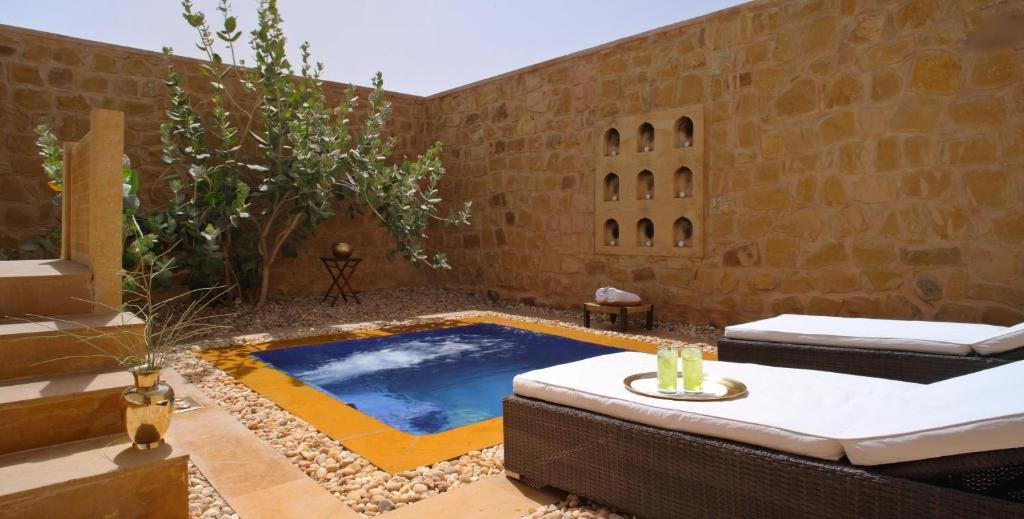
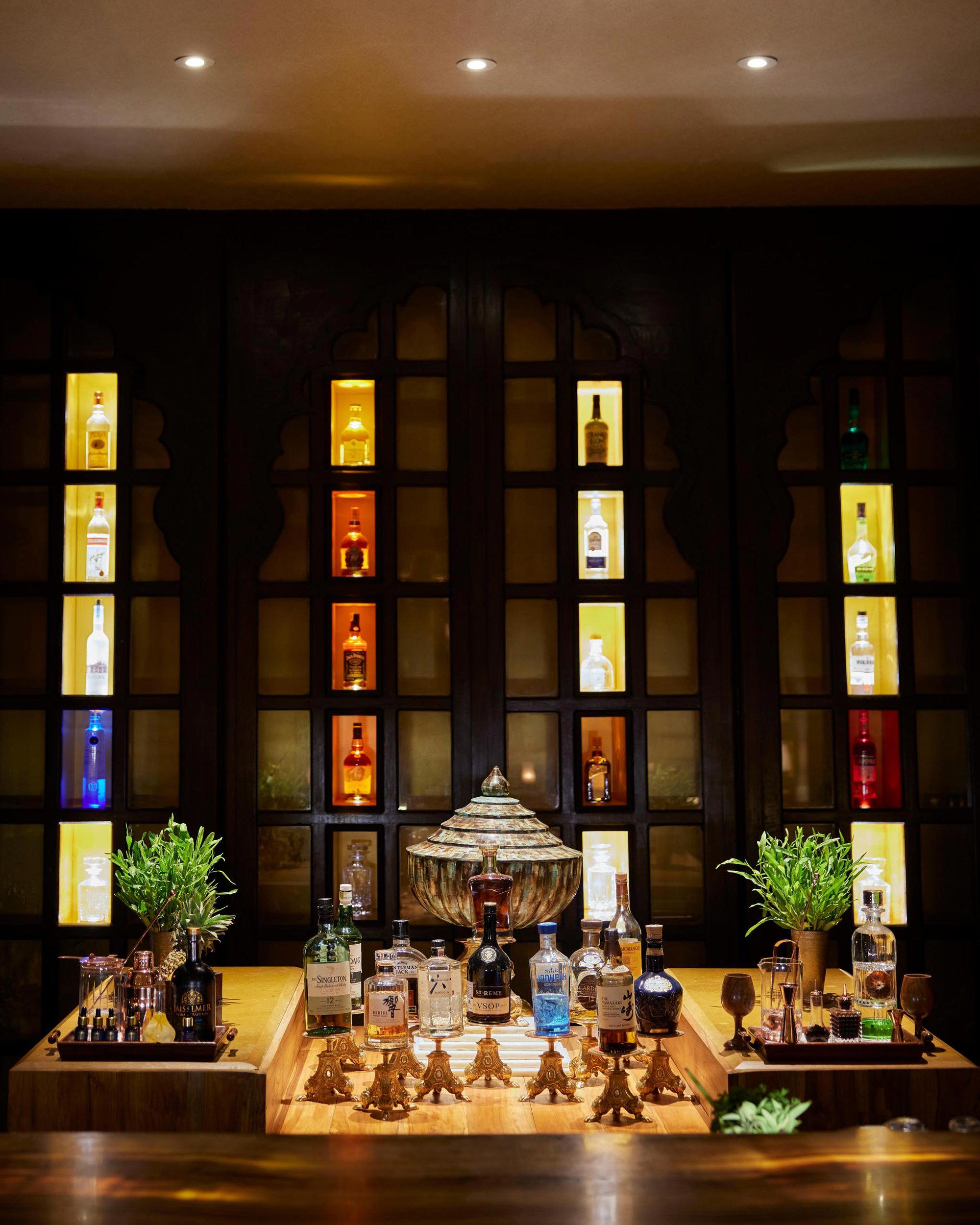
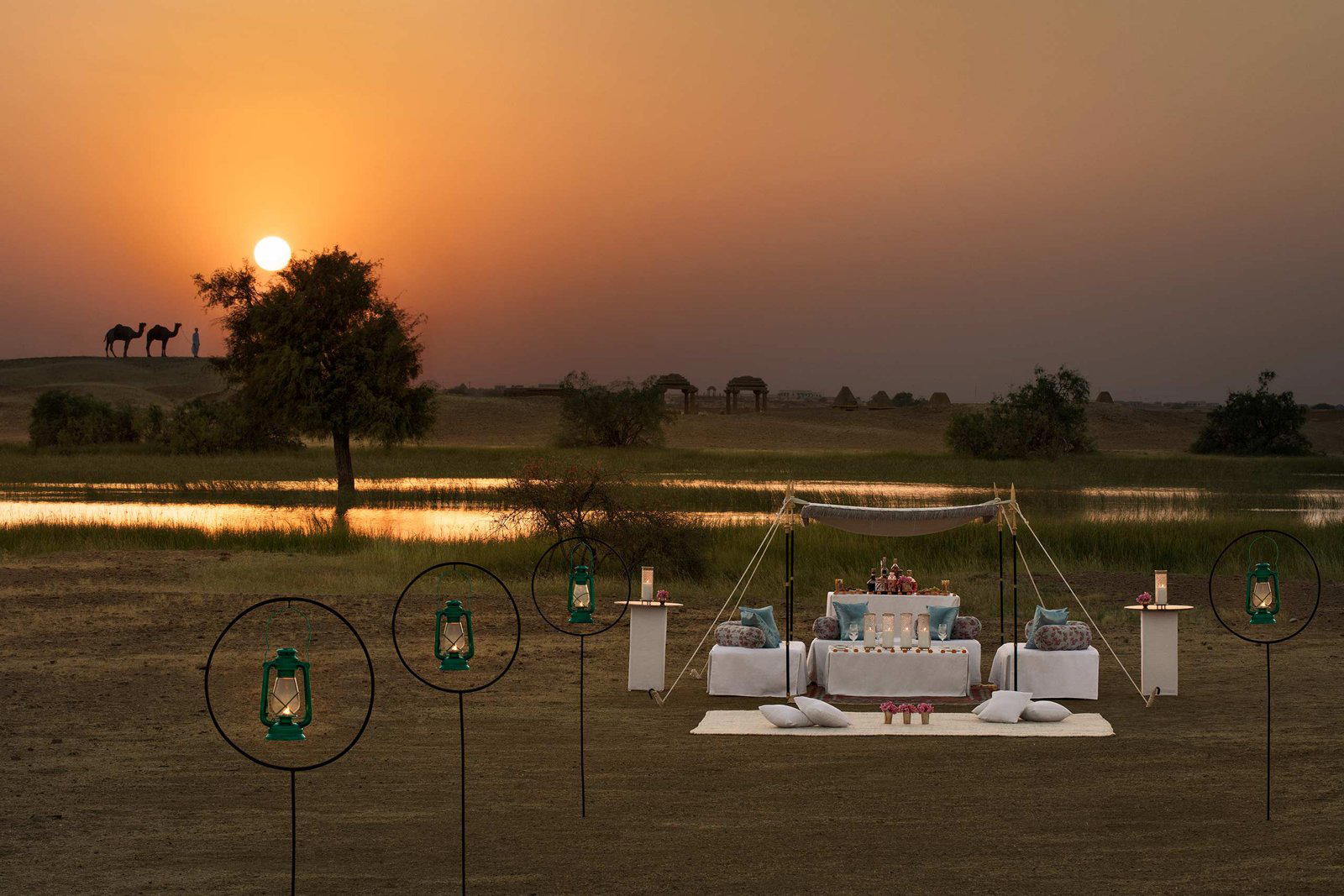
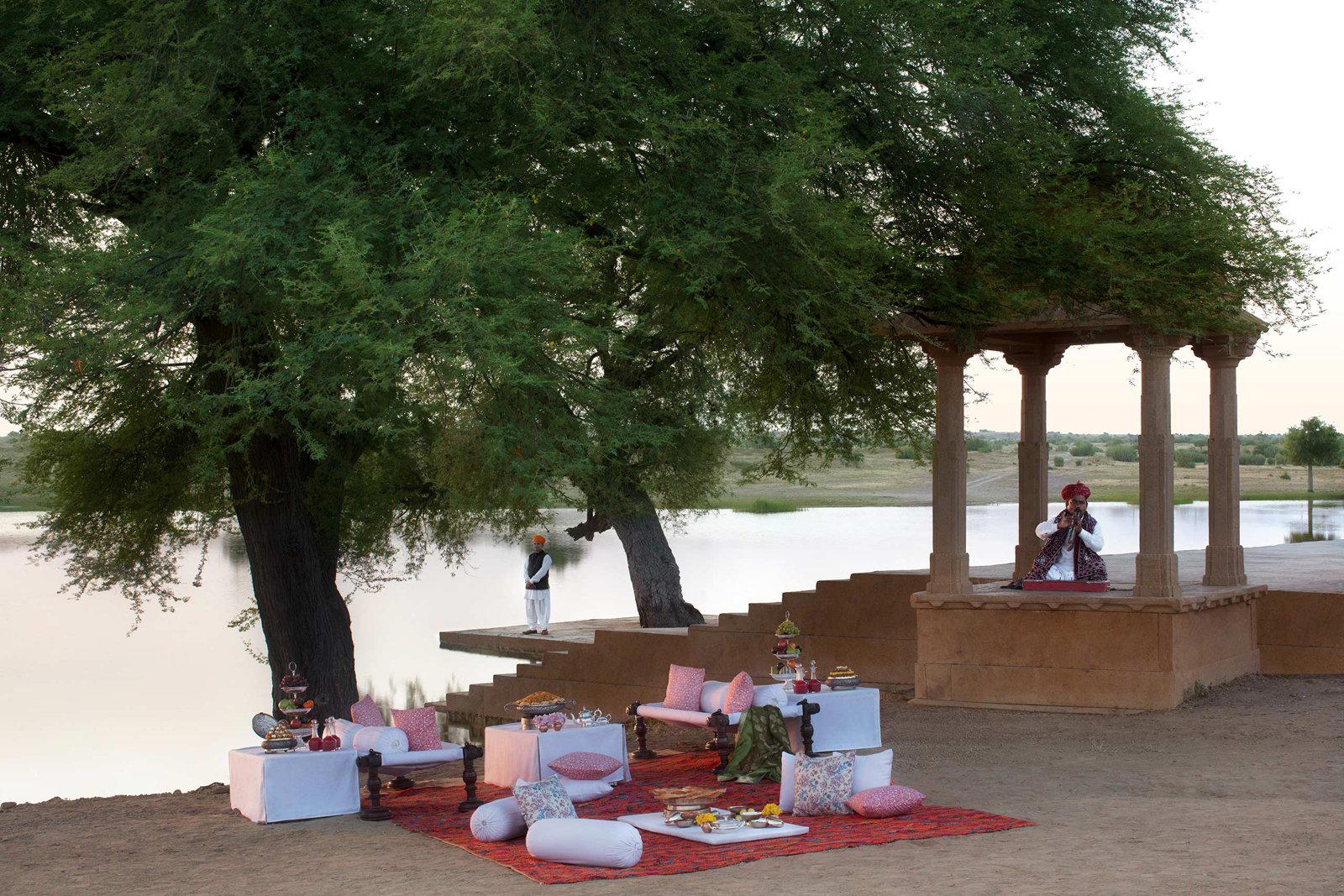
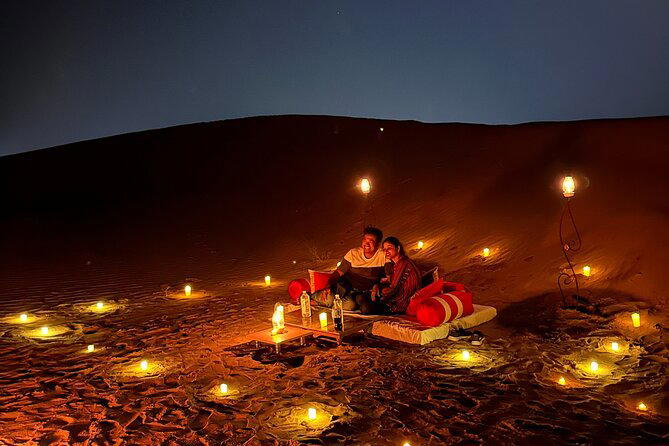
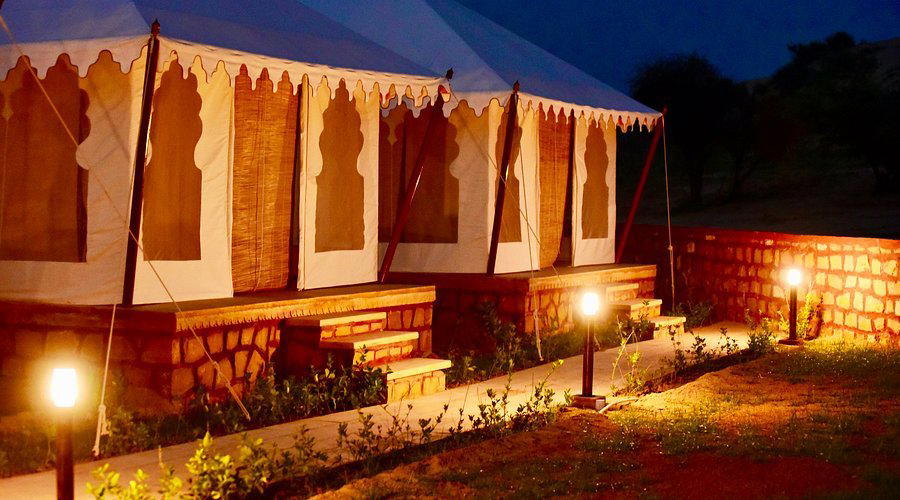
Regal and enchanting with warm lantern lighting, elegant decor, and a serene, relaxing atmosphere praised for its cultural immersion and attention to detail.