L'Almandin


1 Michelin Star · Relais Chateaux Award
Our verdict
L'Almandin holds a Michelin star at Hôtel L'Île de la Lagune in Saint-Cyprien, where chef Frédéric Bacquié builds his menu around Catalan terroir and locally caught fish. The waterside terrace overlooks the lagoon, and a lunchtime set menu makes the cooking accessible at the €€€ price tier.

Pearl is the En Primeur Club membership app — saves, bookings, and concierge access live there. Same editors, same standards.
- Address
- Hôtel L’Île de la Lagune, Bd de l'Almandin, 66750 Saint-Cyprien, France
- Phone
- +33 4 68 21 01 02
- Website
- almandin.fr
- Directions
- Get directions
- Booking
- Book on Zenchef
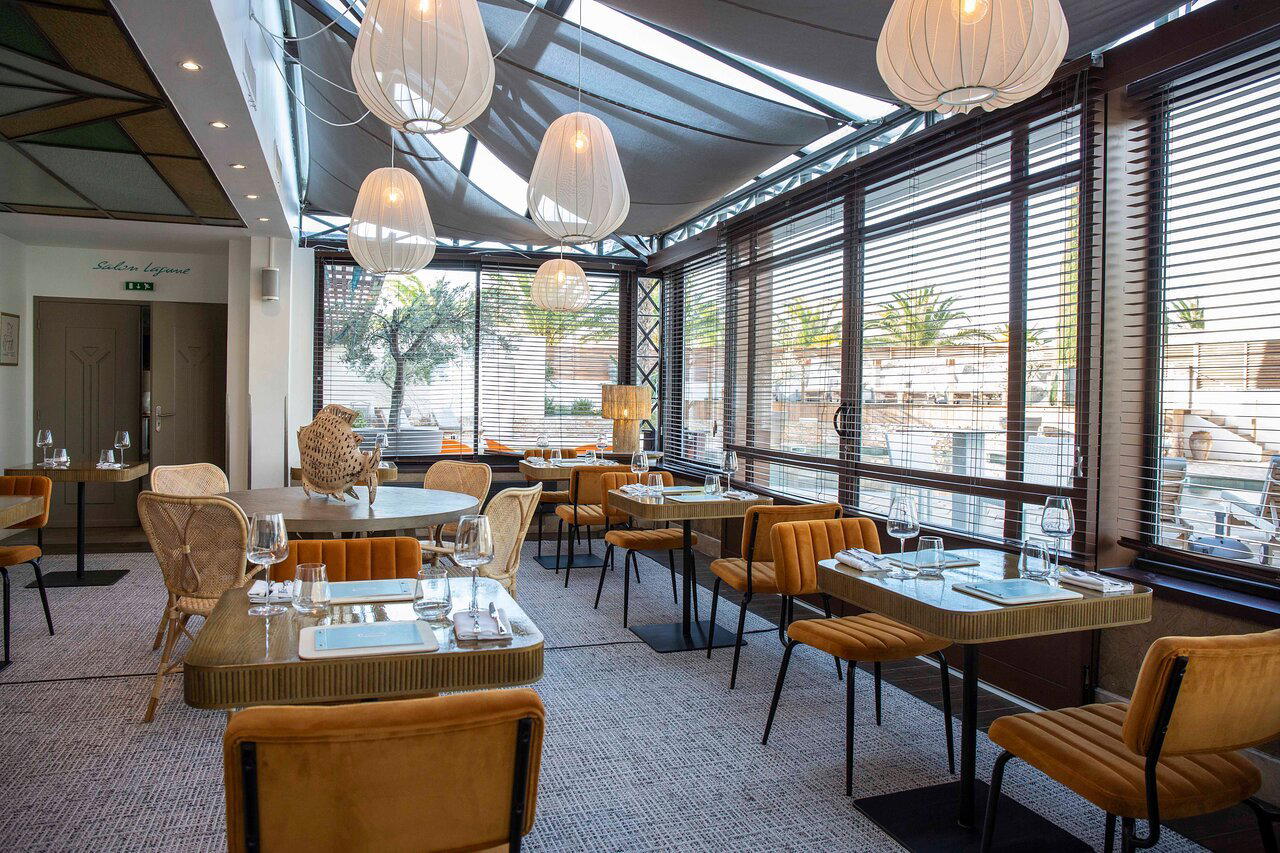
A Lagoon, a Barrier Beach, and a Starred Kitchen at the Edge of Catalonia
The French Mediterranean coast between Perpignan and the Spanish border is not where most diners expect to find a Michelin-starred kitchen. The area is better known for summer beach tourism, Roussillon wine country, and the agricultural flatlands of the Plaine du Roussillon than for the kind of restrained, produce-led cooking that earns serious culinary recognition. Yet Saint-Cyprien has quietly developed a small but credible fine-dining reference point, and L'Almandin, occupying a man-made island separated from the sea by a barrier beach at Hôtel L'Île de la Lagune, is its clearest expression. The Michelin Guide awarded the restaurant one star in both its 2024 and 2025 editions — a consistency that signals something more durable than a debut-year surge.
The physical setting operates as an argument in itself for why the cooking here makes sense. The island site means the kitchen sits between two water sources: the Mediterranean directly beyond the barrier beach, and the lagoon immediately below the terrace. That proximity to the sea is not decorative — it shapes what arrives on the plate, when it arrives, and in what condition. Cap Leucate, a few kilometres up the coast, supplies wild sea bass directly to the kitchen. Shellfish come from the same regional waters. This is not the kind of sourcing that gets bolted onto a menu as a marketing statement; the Catalan coast has a centuries-old fishing tradition, and the supply chains that feed L'Almandin's kitchen are an extension of that tradition rather than a departure from it.
Catalan Terroir as the Kitchen's Operating Logic
French Catalonia, the Roussillon, has a distinct agricultural and gastronomic identity that separates it from both Provence to the north and Spain's Catalonia to the south. The terroir here produces Muscat de Rivesaltes, saffron from around the Conflent valley, and a range of game and poultry shaped by the foothills of the Pyrénées. Chef Frédéric Bacquié draws on this specific regional pantry rather than reaching for generic luxury ingredients. That editorial choice defines the character of the cooking more than any single technique does.
Michelin's own notes on the restaurant highlight dishes built from this logic: wild sea bass from Cap Leucate with shellfish sauce, poultry with girolles and mushroom emulsion, and a dessert incorporating Muscat and saffron. Each of those components points back to the immediate region. The girolles arrive in season from the surrounding hills. The Muscat is the Roussillon's most historically significant sweet wine grape. The saffron connects to a specific local production with roots going back several centuries. What Bacquié is doing, in structural terms, is treating the Catalan terroir as both pantry and argument, every sourcing decision reinforces where the restaurant is and why that location matters.
This approach places L'Almandin within a wider movement in French regional fine dining where the most persuasive one-star kitchens make a coherent geographical case rather than simply executing classical technique at a high standard. Restaurants like Bras in Laguiole and Flocons de Sel in Megève have long anchored their identity in hyper-local sourcing; L'Almandin follows a comparable logic at the southern end of metropolitan France, where the Pyrénées, the Mediterranean, and a distinctive Catalan agricultural tradition converge.
The Terrace and the Room
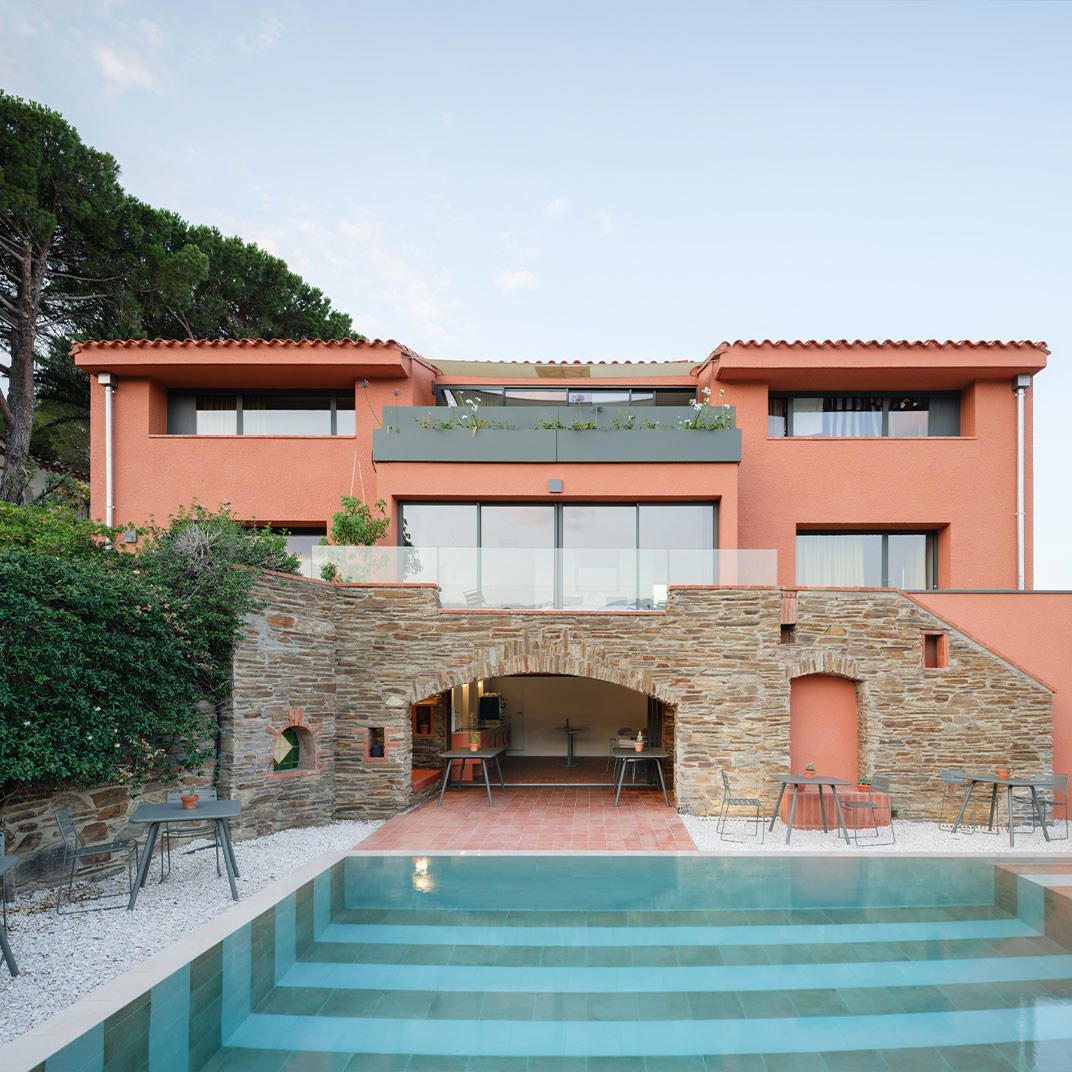
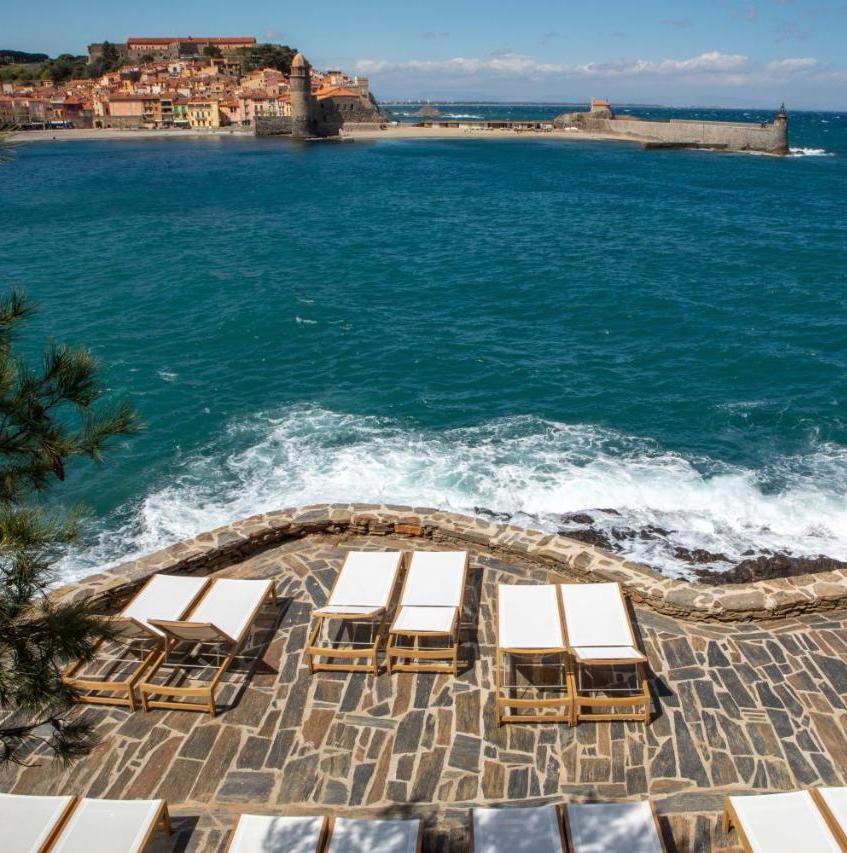
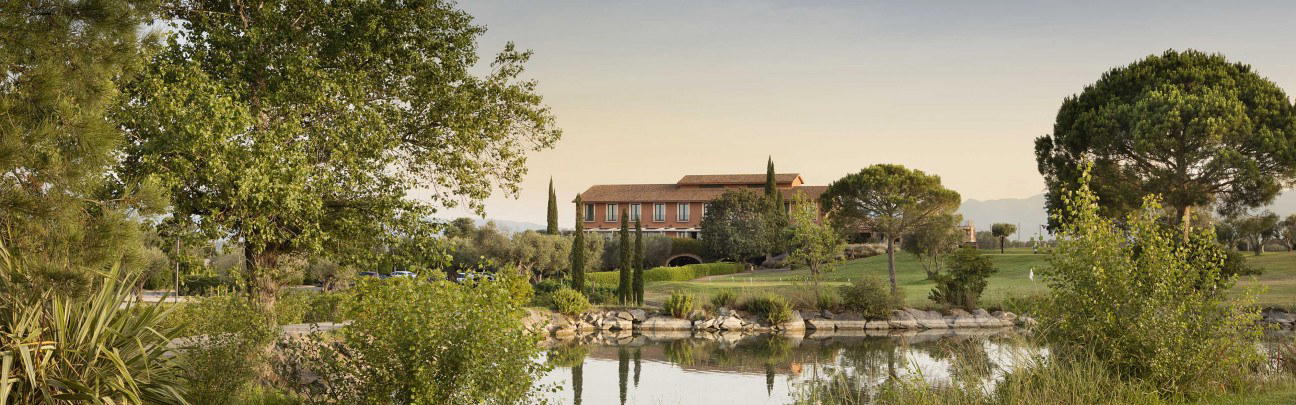
The waterside terrace is the defining physical element. Sitting above the lagoon with the barrier beach visible in the middle distance, it provides a framing that few restaurants in the Languedoc-Roussillon region can match. The Michelin Guide's own commentary describes it as a delight, which for an institution given to restraint in its language amounts to a clear recommendation. The setting matters here not as ambiance for its own sake, but because it makes the ingredient-sourcing logic legible to the diner in a direct, sensory way. You can see where the fish come from.
The hotel complex that houses L'Almandin, L'Île de la Lagune Thalasso & Spa, also runs a secondary dining option called L'Aquarama, described in Michelin's notes as a chic bistro format. The presence of two distinct formats under the same roof is a pattern found at several hotel-anchored fine-dining operations across France, and it means L'Almandin can operate at starred intensity without needing to serve the full breadth of the hotel's guests across a single menu tier.
Where L'Almandin Sits in the French Fine-Dining Spectrum
One Michelin star in France is a specific competitive position. It signals cooking that is worth a detour in Michelin's original sense, not merely good for the local context but genuinely worth adjusting a journey to include. In the current French guide, that tier encompasses an enormous range of price points and dining formats, from highly seasonal tasting menus in Paris to regional bistros with a more accessible structure. L'Almandin operates at €€€ pricing, which at the one-star level indicates a kitchen that has calibrated its value proposition carefully. The Michelin notes explicitly call out the lunchtime set menu as offering excellent value, a practical signal that the restaurant is accessible to a broader audience than its starred status might initially suggest.
The comparison tier here is useful context. Three-star operations like Alléno Paris au Pavillon Ledoyen or Mirazur in Menton operate at a different price tier and a different booking complexity. Regional one-star kitchens like L'Almandin occupy a different position: high culinary ambition, regional specificity, and a price point that makes repeat visits plausible rather than exceptional. Other comparably credentialled French addresses worth knowing include Assiette Champenoise in Reims, Au Crocodile in Strasbourg, and Auberge de l'Ill in Illhaeusern, all operating at different price tiers and regional identities, but sharing the characteristic of making a coherent local argument through their cooking. For broader context on how French regional fine dining connects to territory, Troisgros in Ouches and Paul Bocuse in Collonges-au-Mont-d'Or remain the foundational references. For modern creative cooking in the southern French register, AM par Alexandre Mazzia in Marseille is the most discussed contemporary parallel. Beyond France, chefs working with similar ingredient-first rigor include those at Frantzén in Stockholm and FZN by Björn Frantzén in Dubai.
Planning Your Visit
Saint-Cyprien is approximately 20 kilometres south of Perpignan, reachable by car in under 30 minutes from Perpignan's TGV station, which connects directly to Paris in around five hours. The restaurant sits within the hotel complex at Bd de l'Almandin, on the island site accessible via a short causeway. Given the island location and the lagoon setting, summer and early autumn represent the most practical window for the terrace experience, though the kitchen's sourcing calendar runs year-round. Booking ahead is advisable, particularly for evening sittings during the summer season when the hotel complex is at capacity. The lunchtime set menu is the practical entry point for first visits, offering the same kitchen's output at a more accessible price. For wider context on dining, hotels, bars, and experiences in the area, see our full Saint-Cyprien restaurants guide, our Saint-Cyprien hotels guide, our Saint-Cyprien bars guide, our Saint-Cyprien wineries guide, and our Saint-Cyprien experiences guide.
Frequently asked questions
What does dinner at L'Almandin typically cost?
Pricing at L'Almandin is listed as €€€.
Price Lens
| Venue | Cuisine | Price | Awards |
|---|---|---|---|
| L'AlmandinThis venue — the venue you are viewing | Modern French Mediterranean Fine Dining | $150–200 | 1 Michelin Star · Relais Chateaux Award |
| Alléno Paris au Pavillon Ledoyen | Creative | Not listed | Michelin 3 Star |
| Kei | Contemporary French, Modern Cuisine | Not listed | Michelin 3 Star |
| L'Ambroisie | French, Classic Cuisine | Not listed | Michelin 3 Star |
| Le Cinq - Four Seasons Hôtel George V | French, Modern Cuisine | Not listed | Michelin 3 Star |
| Plénitude | Contemporary French | Not listed | Michelin 3 Star |
Recognition history
Dated appearances from independent guides and award organizations, with the underlying list record or original source where available.
Michelin 1 Star
Michelin
Relais Chateaux Award
Relais Chateaux
Full recognition history (5 entries)
Michelin 1 Star
Michelin
Relais Chateaux Award
Relais Chateaux
Michelin 1 Star
Michelin
Continue exploring
More in Saint-Cyprien
Restaurants in Saint-Cyprien
Browse all →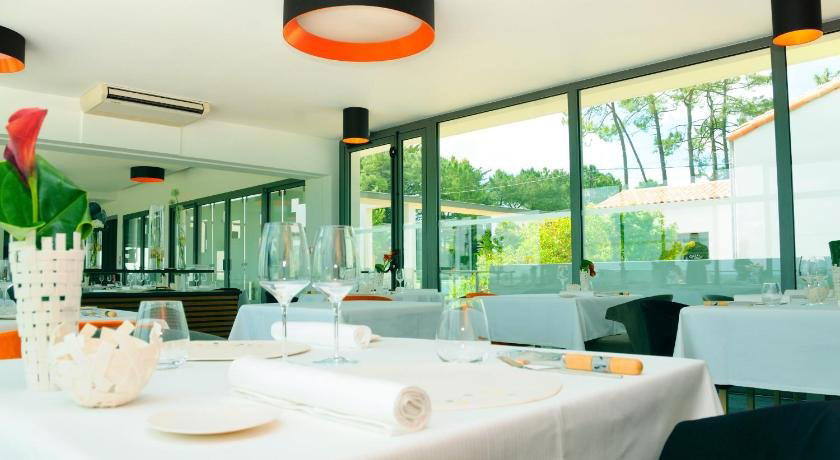
Bars in Saint-Cyprien
Browse all →
Hotels in Saint-Cyprien
Browse all →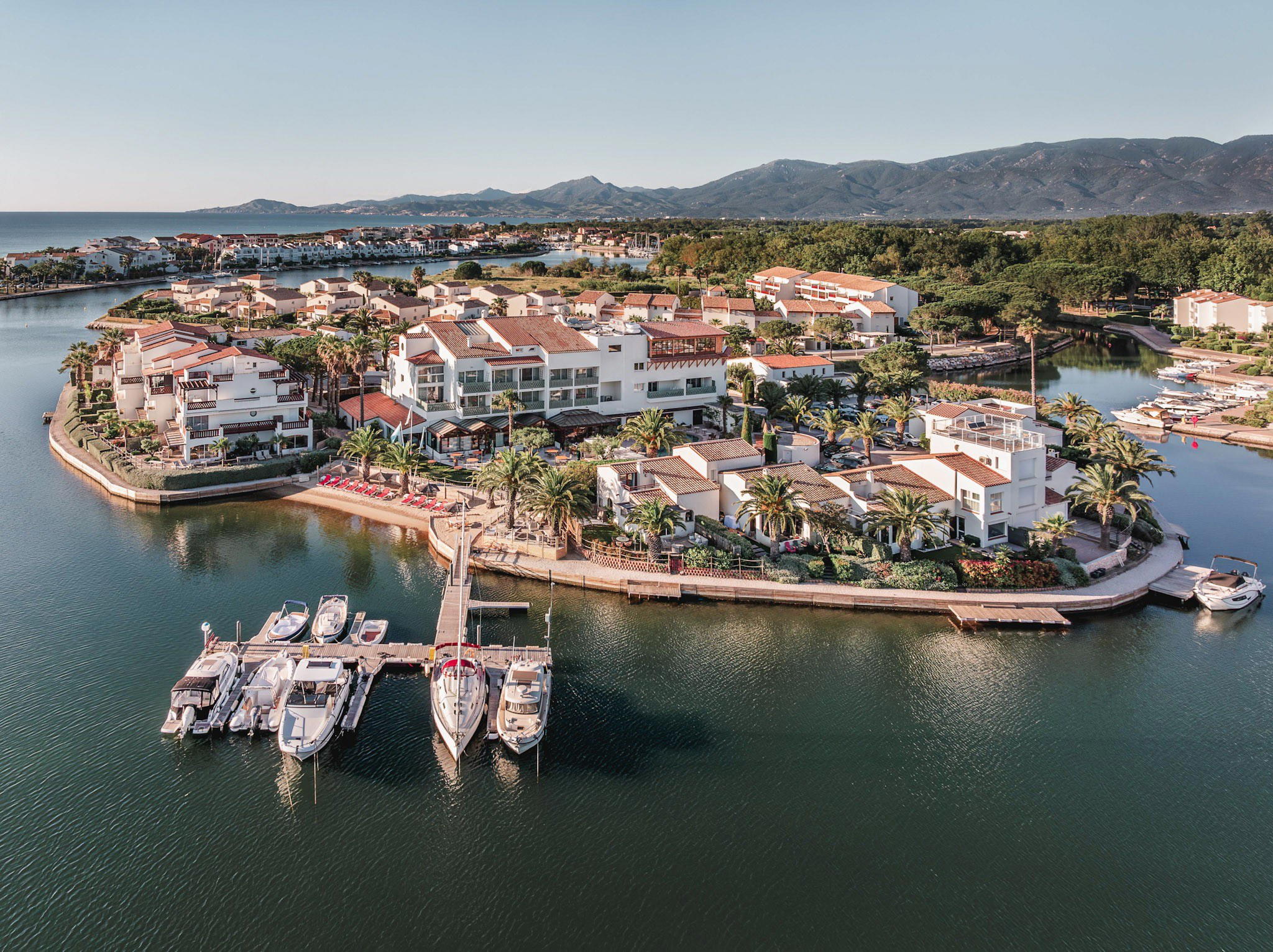

Details
- Elegant
- Romantic
- Sophisticated
- Scenic
- Intimate
- Date Night
- Special Occasion
- Business Dinner
- Waterfront
- Terrace
- Historic Building
- Local Sourcing
- Waterfront
- Garden
- A La Carte
- Tasting Menu
- Vegetarian Friendly
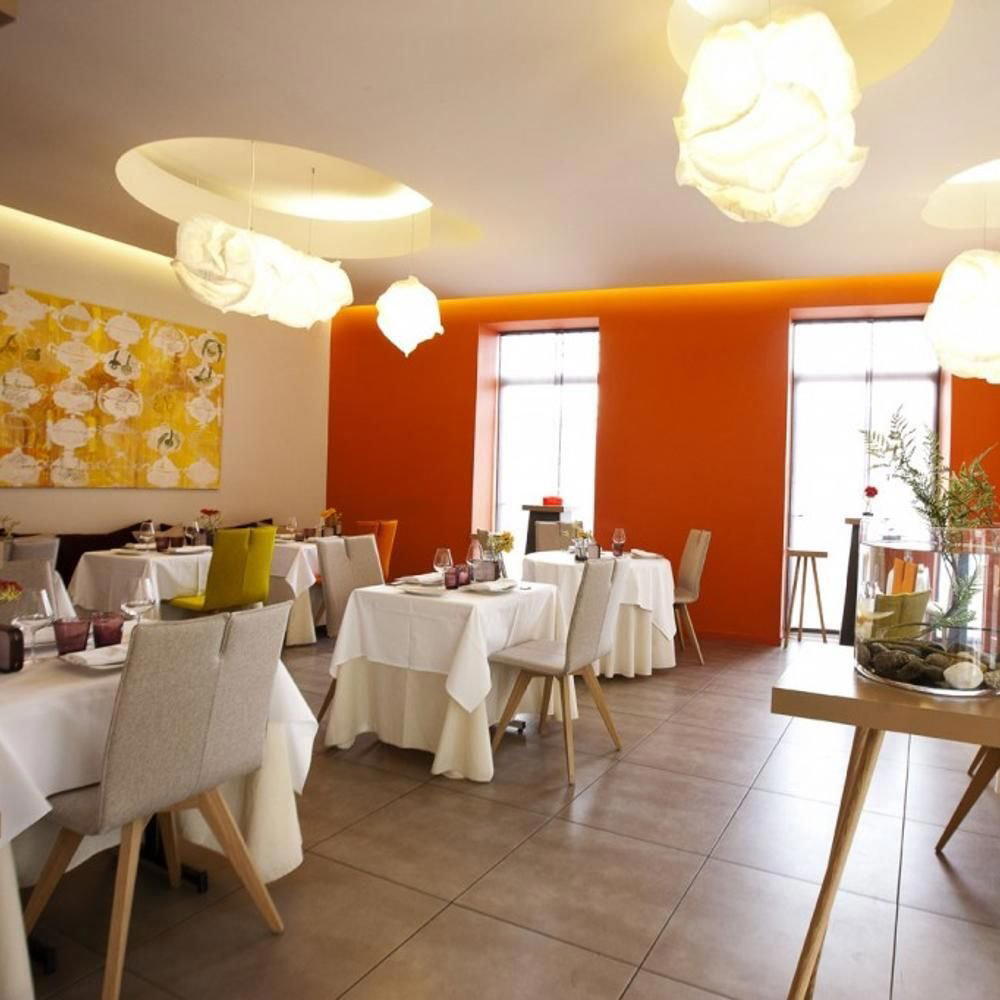
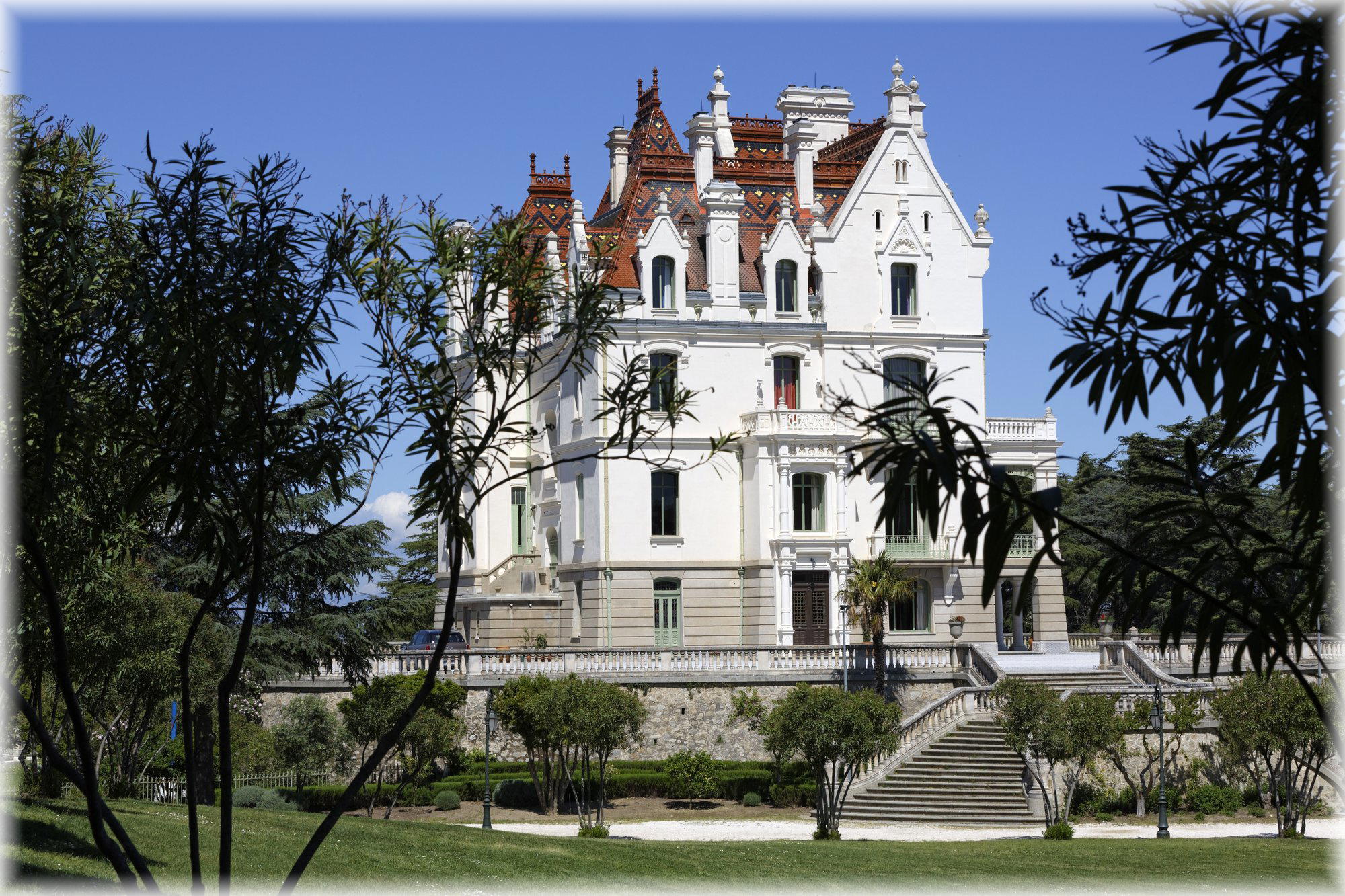
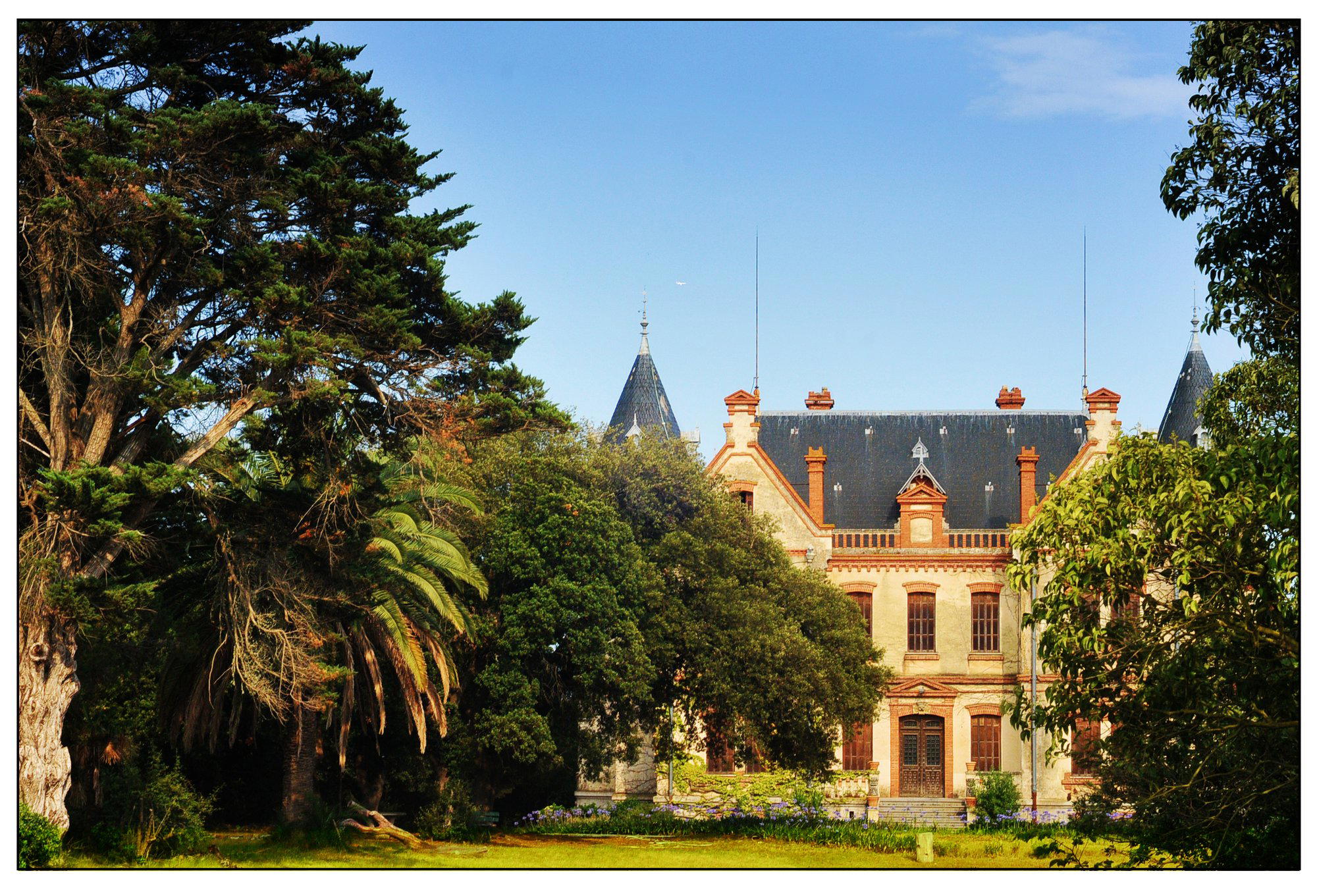
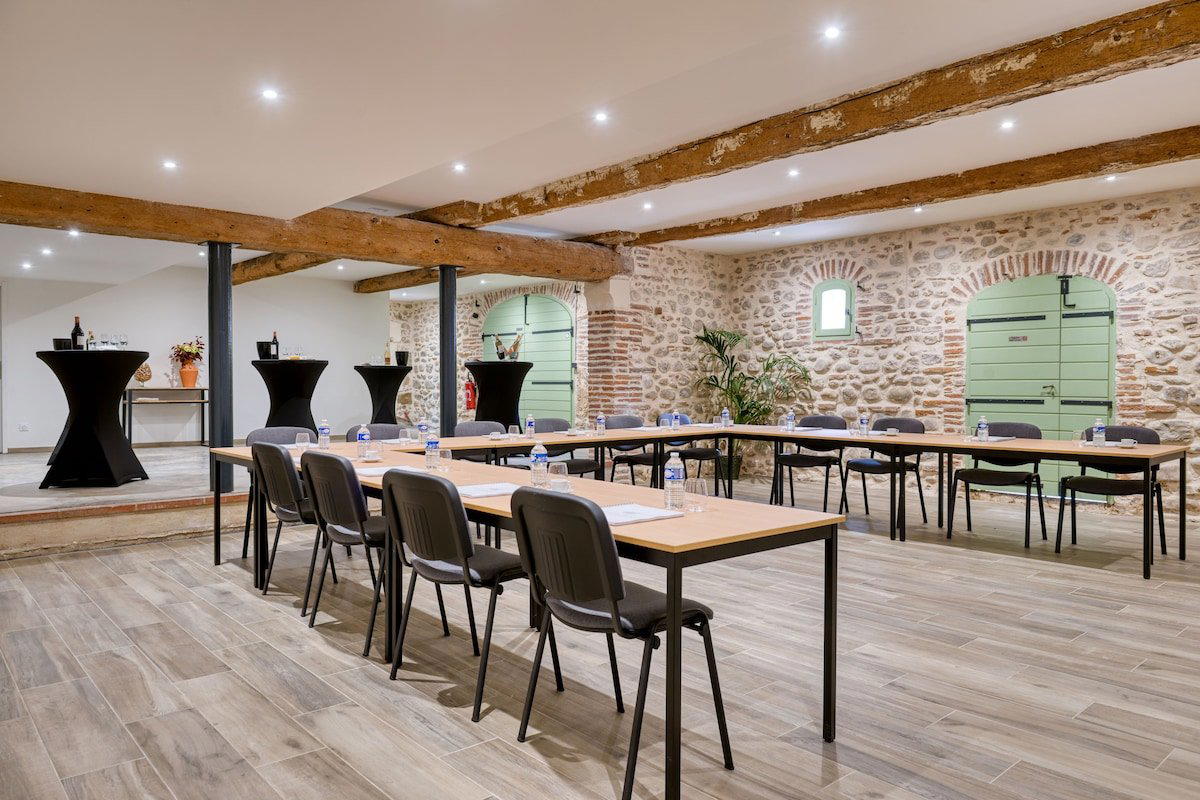
Elegant dining room opening onto a terrace with lagoon views, serene garden setting, and a refined, welcoming atmosphere.