Òliba


Michelin Plate · Relais Chateaux Award
Our verdict
Òliba brings Catalan-inflected cooking to the thermal village of Molitg-les-Bains, earning consecutive Michelin Plate recognition in 2024 and 2025 for creative small-plates work by chef Nelson Müller. The setting, deep in the Pyrénées-Orientales, places it at an unusual intersection of French and Catalan culinary traditions, making it a worthwhile stop for anyone touring the region's serious dining circuit.

Pearl is the En Primeur Club membership app — saves, bookings, and concierge access live there. Same editors, same standards.
- Address
- Rte des Bains, 66500 Molitg-les-Bains, France
- Phone
- +33 4 68 05 04 40
- Website
- chateauderiell.com
- Directions
- Get directions
The menu
What to order
- Egg with Conflent asparagus
- Canigou trout with Ostergruss radish
- Mosset pigeon with beetroot and blackcurrant
Where the Pyrénées Meet the Catalan Table
The road into Molitg-les-Bains descends through pine-covered gorges before the thermal village appears, compact and slightly out of time, tucked against the rock face of the Conflent valley. It is not the kind of address you arrive at by accident. That deliberate remoteness shapes everything about dining here: the pace is slower, the expectations are recalibrated, and the instinct to linger over a table comes naturally. Òliba sits along the Route des Bains, and the approach itself — the thermal-spa ambience of the surroundings, the mountain air, the absence of urban distraction — sets the register before you have ordered a thing.
The name Òliba is Catalan for olive tree, a quiet statement of where the kitchen's roots lie. Molitg-les-Bains sits in the Pyrénées-Orientales, the French department that borders Catalonia and has historically traded as much with Perpignan and Girona as with Paris. The food here has always straddled both sides of the mountains. Òliba works inside that tradition, running a Catalan Spanish cuisine through a French register, with chef Nelson Müller at the pass. The result is a creative cooking program that Michelin has recognised with its Plate award in both 2024 and 2025, the Plate designation marking cooking that merits attention without yet carrying star weight.
Small Plates and the Logic of Sharing
Tapas tradition is, at its core, a philosophy about hospitality rather than portion control. In Catalonia, the small-plate format, whether tapes in Catalan or pintxos further west, exists to encourage the table to behave as a collective. You order more than you think you need, things arrive in no particular hierarchy, and the conversation organises the meal rather than the other way around. Òliba works from within that logic.
At restaurants like Can Fabes in Barcelona or Restaurant de La Vella Farga in Lladurs, the Catalan tradition shows how deeply the sharing format is embedded in the region's higher-end cooking. Òliba's creative approach fits that lineage: the kitchen uses the small-plate format not as a commercial mechanism but as an editorial one, building flavour across a sequence of dishes where each piece contributes to a broader argument. The Michelin creative cooking highlight, awarded consecutively, suggests the kitchen is doing something more considered than simple crowd-pleasing.
The practical implication for the diner is this: resist the temptation to treat Òliba as a conventional three-course restaurant. Order in rounds, share across the table, and let the kitchen's sequence inform the pace. The format rewards curiosity over restraint. The €€€ pricing tier places Òliba meaningfully above the village's casual options without reaching into the expense-account territory of, say, Alléno Paris au Pavillon Ledoyen or other multi-starred French institutions. It is positioned as a serious regional table, priced to reflect that.
A Michelin Plate in a Thermal Village: The Peer Context
France's Michelin-recognised dining is heavily concentrated in cities and in a handful of destination restaurants in the countryside. The rural south has its celebrated addresses, Bras in Laguiole, Auberge du Vieux Puits in Fontjoncouse, but these are rare cases of destination dining built over decades. Smaller, early-stage recognitions like Òliba's Plate award represent a different kind of signal: a kitchen operating thoughtfully in a location that does not generate its own critical gravity.
The broader Pyrénées-Orientales dining scene is worth placing in context. This is a territory with serious gastronomic identity: Catalan food culture runs deep, the region produces distinctive wines and olive oils, and proximity to the Spanish border means the kitchen has direct access to Iberian ingredients and technique. Òliba's creative cooking citation sits comfortably in that context, this is a region where cooking at the French-Catalan boundary has historical weight, not novelty.
For comparison, the south of France's most celebrated creative tables, Mirazur in Menton or AM par Alexandre Mazzia in Marseille, represent what sustained critical recognition and a larger urban platform can build. Òliba is earlier in that arc, operating in a less scrutinised geography, which is partly what makes the consistent Michelin attention across two consecutive years a credible signal rather than a routine listing.
Planning a Visit
Molitg-les-Bains is accessible from Perpignan, roughly 50 kilometres to the east, and the village is most naturally visited as part of a broader Conflent valley circuit that might include Villefranche-de-Conflent or Prades. The thermal hotel infrastructure of the village means overnight stays are practical, and combining a dinner at Òliba with a morning at the thermal baths is a pattern that fits the pace of the place. For those building a fuller picture of the area, our full Molitg-les-Bains restaurants guide, hotels guide, bars guide, wineries guide, and experiences guide cover the wider options. Booking in advance is advisable given the village's limited dining options at this level; Òliba is at the address on the Route des Bains. Pricing at €€€ suggests a dinner bill that requires some planning but not unusual outlay by French fine-dining norms.
For those assembling a wider southern France itinerary, the region connects logically with other Michelin-recognised addresses further afield: Assiette Champenoise in Reims, Flocons de Sel in Megève, Auberge de l'Ill in Illhaeusern, Au Crocodile in Strasbourg, Troisgros in Ouches, and Paul Bocuse in Collonges-au-Mont-d'Or each representing the range of what serious French dining looks like at different price points and culinary registers. Òliba sits in a niche of its own: small, regional, Catalan-rooted, and doing something specific enough to have attracted consecutive Michelin notice without yet building the national profile of those houses.
Questions Visitors Ask
- How would you describe the vibe at Òliba?
- The setting in Molitg-les-Bains does much of the work. The village is a thermal retreat rather than a gastronomy destination, so the atmosphere skews calm and unhurried by default. At the €€€ price point, with two years of consecutive Michelin Plate recognition for creative cooking, Òliba reads as a focused, serious table, not a celebration-circuit restaurant, but somewhere a genuinely food-curious traveller would feel at home.
- What should I order at Òliba?
- Given the Michelin creative cooking designation and the Catalan Spanish kitchen under chef Nelson Müller, the approach that makes the most sense is to order broadly across the menu rather than anchoring on a single dish. The small-plate format rewards those who let the kitchen build a sequence. The Michelin Plate recognition, sustained in both 2024 and 2025, suggests the cooking is consistent enough to trust without over-engineering your order. Avoid treating this like a conventional French restaurant; the Catalan tradition it draws from is designed for the table to share.
- Would Òliba be comfortable with kids?
- At €€€ pricing in a small thermal village with no confirmed casual-dining fallback in its immediate tier, Òliba is not the format-first choice for young children or families looking for flexibility. That said, Catalan food culture is broadly family-friendly in its sharing philosophy, and the unhurried pace of Molitg-les-Bains works against any atmosphere of formality. If the children at the table are engaged with food, the small-plates format is in principle inclusive. It is a judgment call rather than a firm no.
Frequently asked questions
Would Òliba be comfortable with kids?
The small-plate, sharing format at Òliba — Catalan tapas rooted in communal dining — is structurally accommodating for families, since portions arrive incrementally and picky eaters can pick around the table. That said, as a Michelin Plate-recognised restaurant in rural Molitg-les-Bains, the setting likely skews toward adults who have made a deliberate trip to the thermal village. check the venue's official channels to confirm any children's provisions before visiting.
How would you describe the vibe at Òliba?
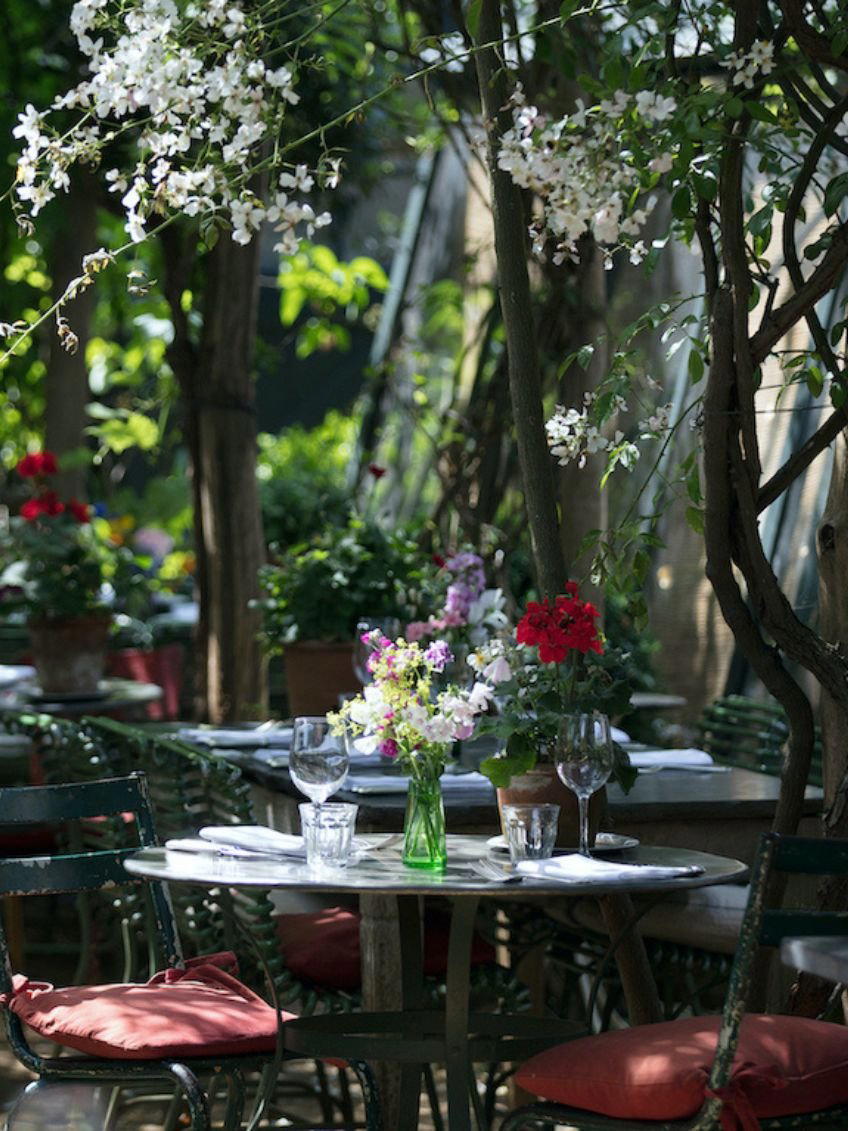
Molitg-les-Bains is a compact thermal village roughly 50 kilometres from Perpignan, and Òliba fits that unhurried register: a Michelin Plate address where the draw is creative Catalan cooking rather than urban theatre. The small-plate format encourages a long, conversational table rather than a formal progression, and the Pyrenean gorge setting provides the backdrop rather than decor doing the work.
Is Òliba Michelin-listed?
Òliba has received recognition including: Michelin Plate (2025); HIGHLIGHTS: • CREATIVE COOKING; Michelin Plate (2024).
What should I order at Òliba?
What the Michelin Plate recognition for creative cooking does indicate is that the kitchen applies considered technique to the Catalan small-plate tradition rather than reproducing regional standards wholesale. The share-everything approach means ordering broadly across the menu is the intended strategy, and asking the kitchen what is freshest that day is a reliable approach at this calibre of restaurant.
What's the price range at Òliba?
Pricing at Òliba is listed as €€€.
Where is Òliba located?
Òliba is located at Rte des Bains, 66500 Molitg-les-Bains, France, Molitg-les-Bains.
Fast Comparison
| Venue | Cuisine | Price | Awards |
|---|---|---|---|
| ÒlibaThis venue — the venue you are viewing | Refined French Farm-to-Table | $50–100 | Michelin Plate · Relais Chateaux Award |
| Alléno Paris au Pavillon Ledoyen | Creative | Not listed | Michelin 3 Star |
| Kei | Contemporary French, Modern Cuisine | Not listed | Michelin 3 Star |
| L'Ambroisie | French, Classic Cuisine | Not listed | Michelin 3 Star |
| Le Cinq - Four Seasons Hôtel George V | French, Modern Cuisine | Not listed | Michelin 3 Star |
| Plénitude | Contemporary French | Not listed | Michelin 3 Star |
Recognition history
Dated appearances from independent guides and award organizations, with the underlying list record or original source where available.
Michelin Plate
Michelin
Relais Chateaux Award
Relais Chateaux
Full recognition history (4 entries)
Michelin Plate
Michelin
Michelin Plate
Michelin
Continue exploring
More in Molitg-les-Bains
Restaurants in Molitg-les-Bains
Browse all →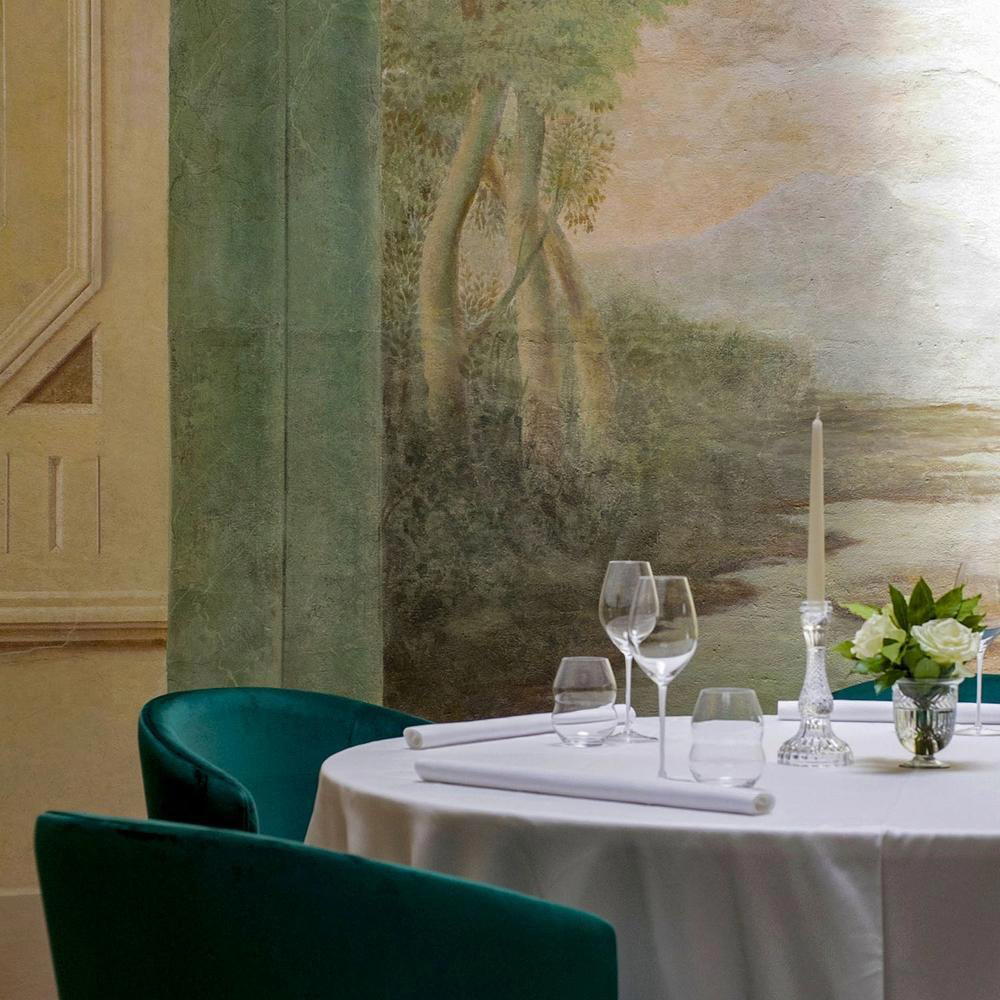
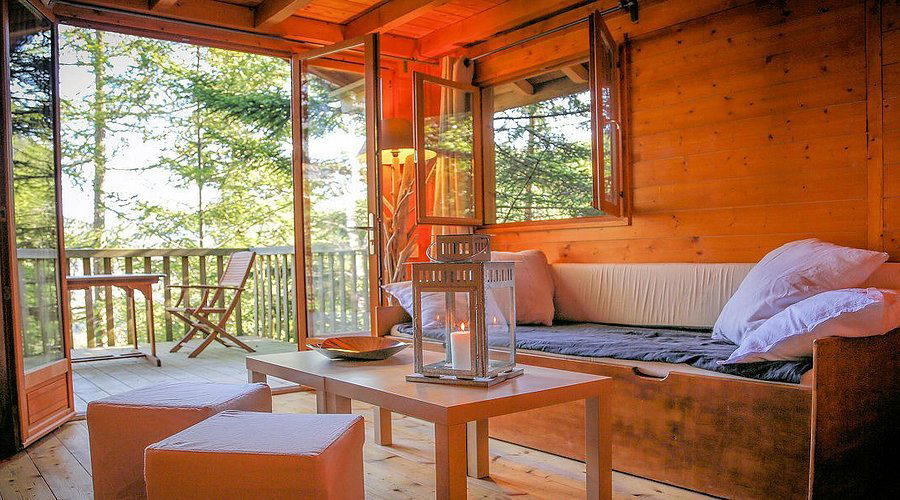
Hotels in Molitg-les-Bains
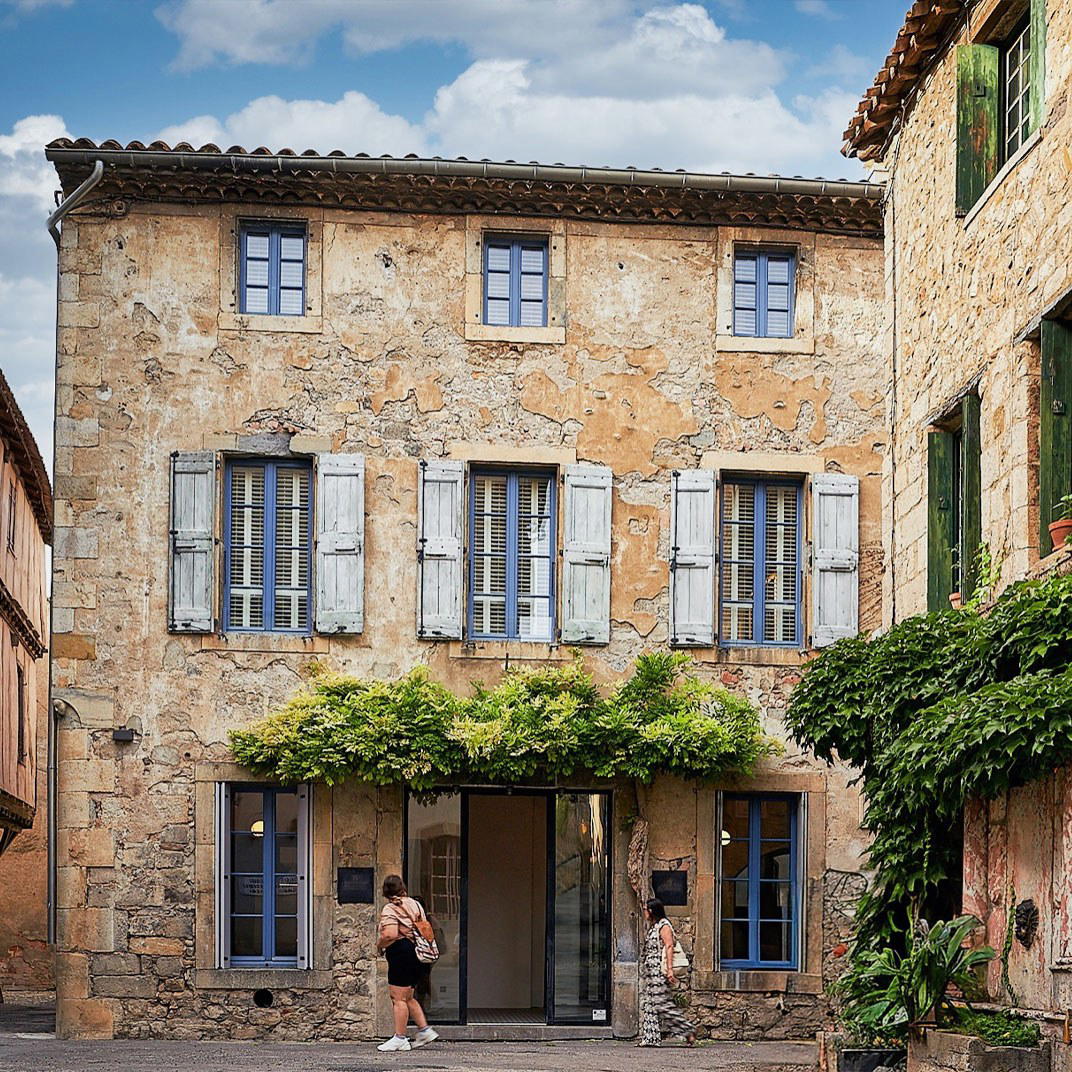
Browse all →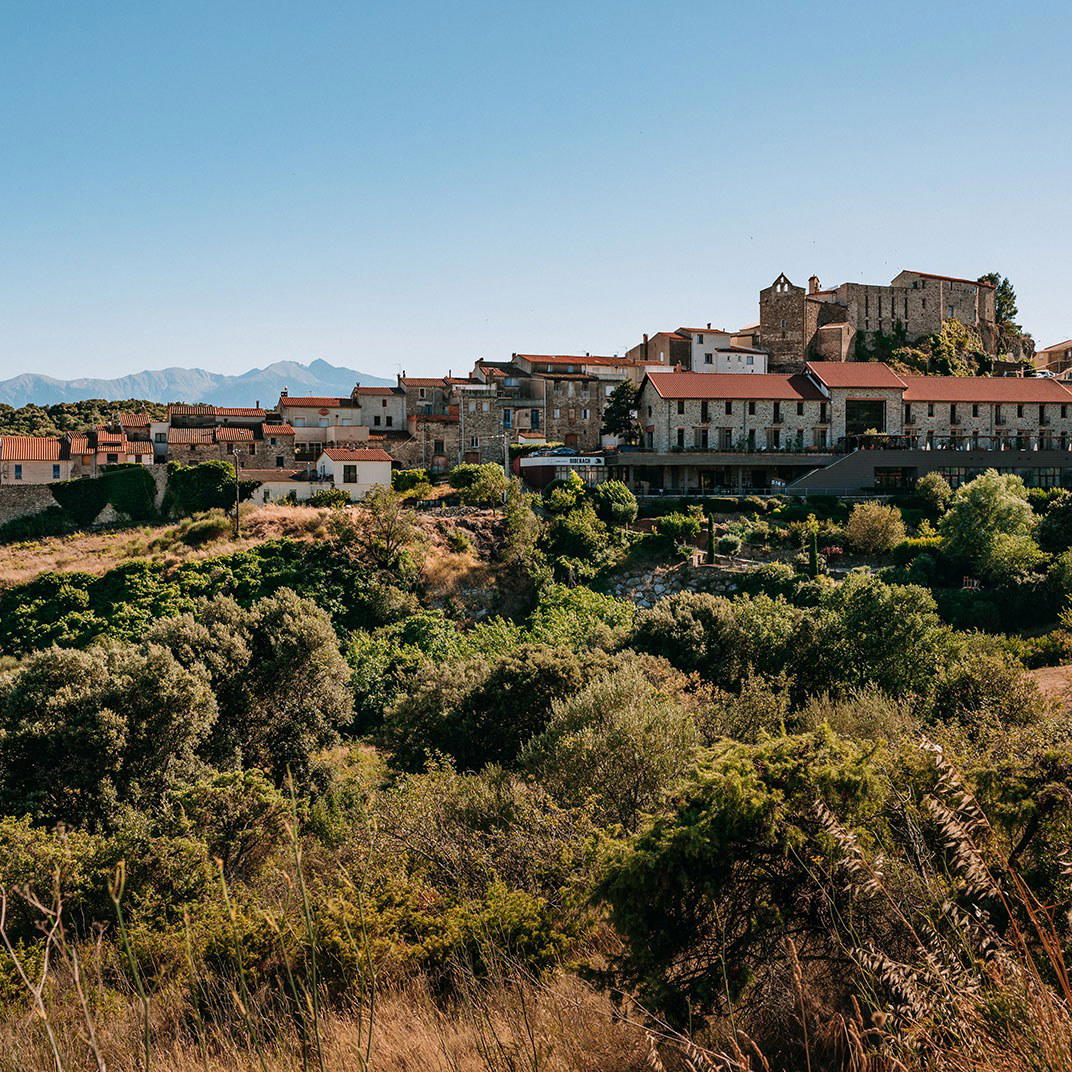

Details
- Romantic
- Elegant
- Cozy
- Scenic
- Rustic
- Date Night
- Special Occasion
- Celebration
- Open Kitchen
- Terrace
- Historic Building
- Hotel Restaurant
- Extensive Wine List
- Farm To Table
- Local Sourcing
- Mountain
- Garden
- A La Carte
- Tasting Menu
- Regional Wines
- Vegetarian Friendly
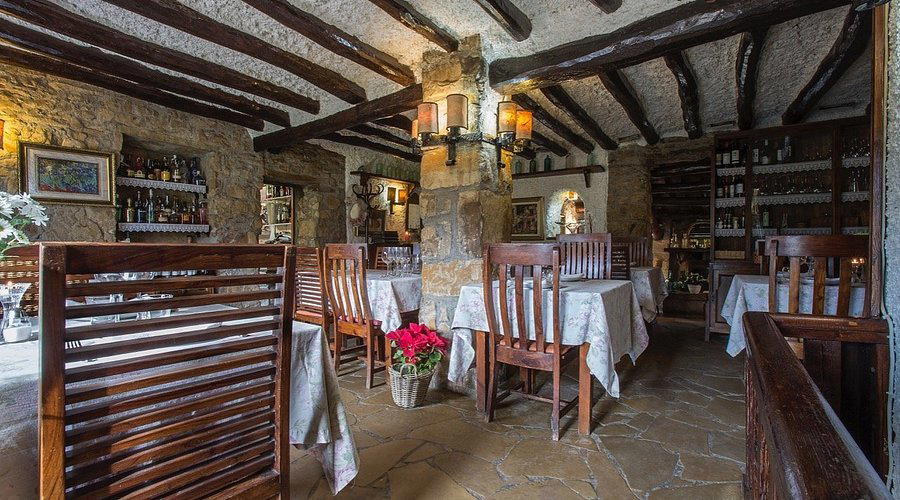
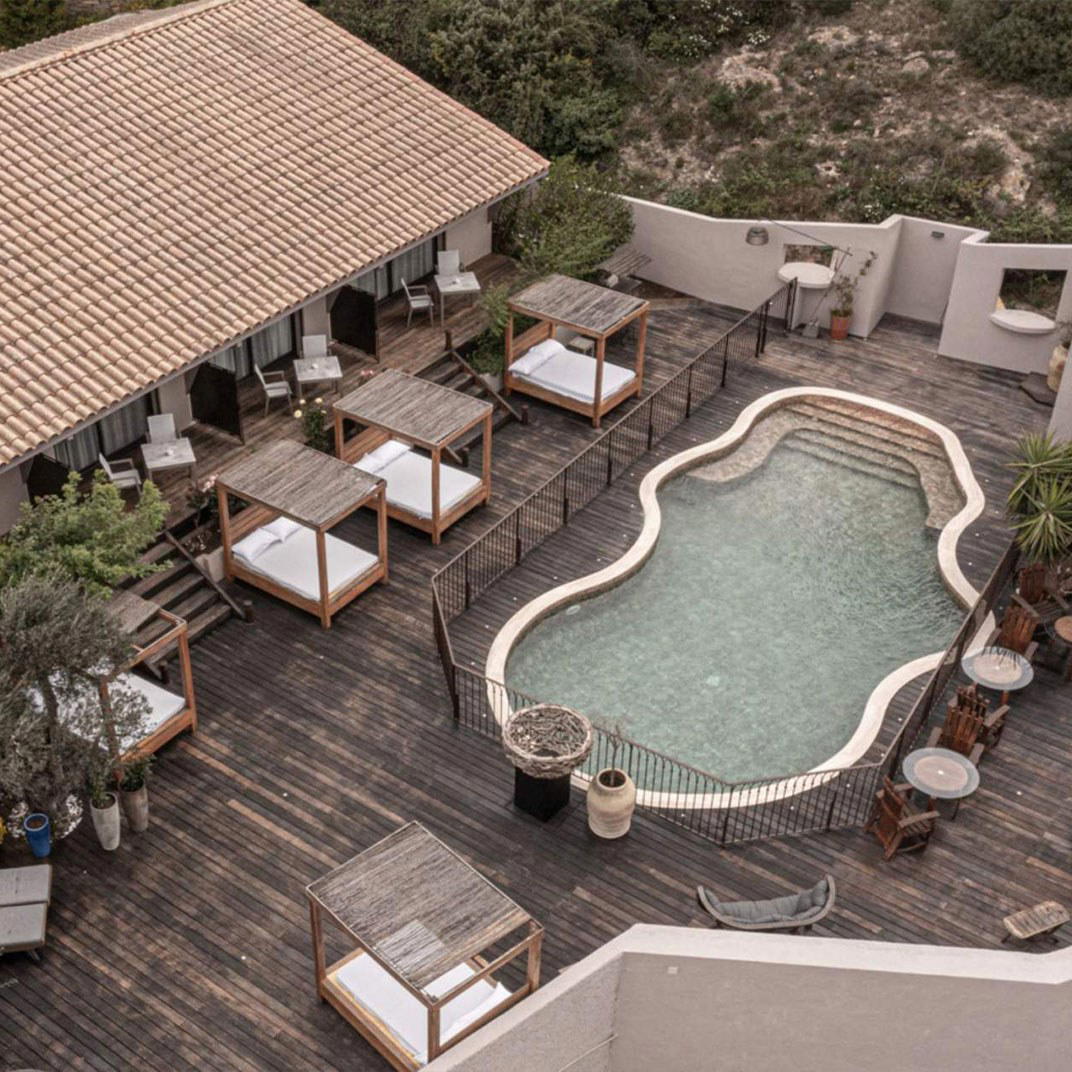
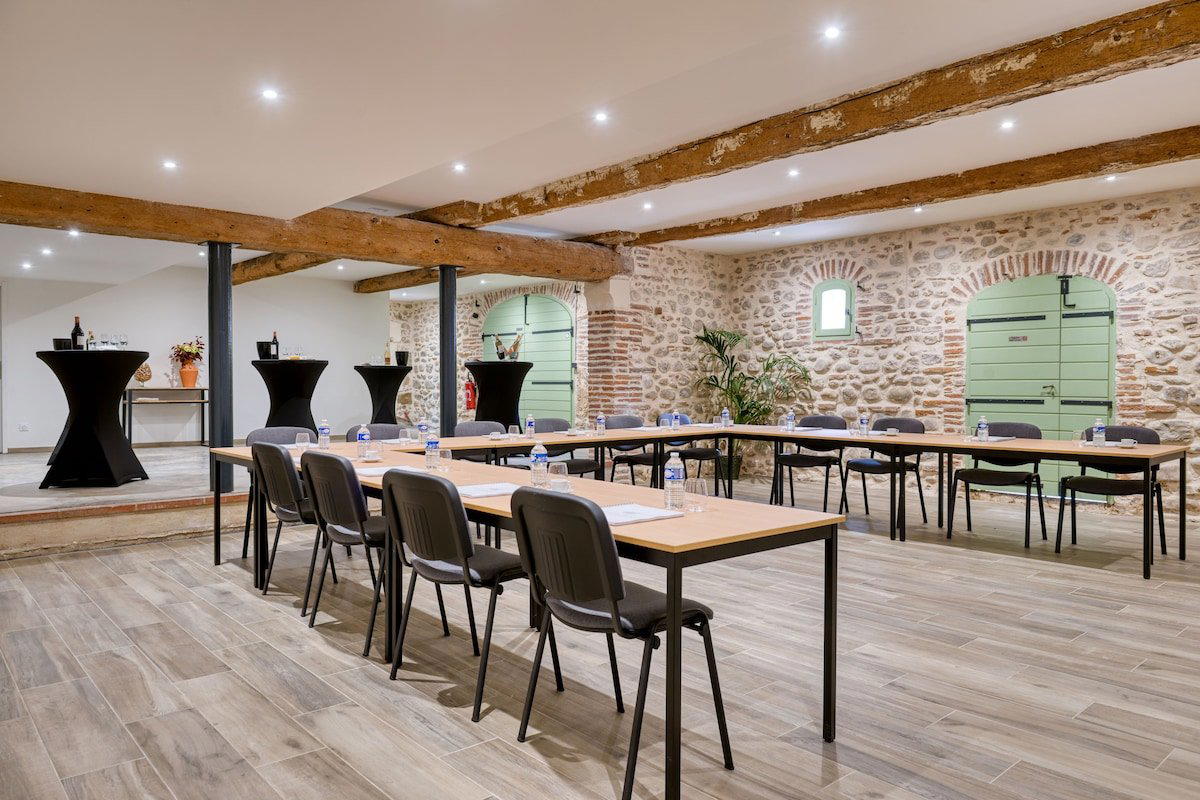
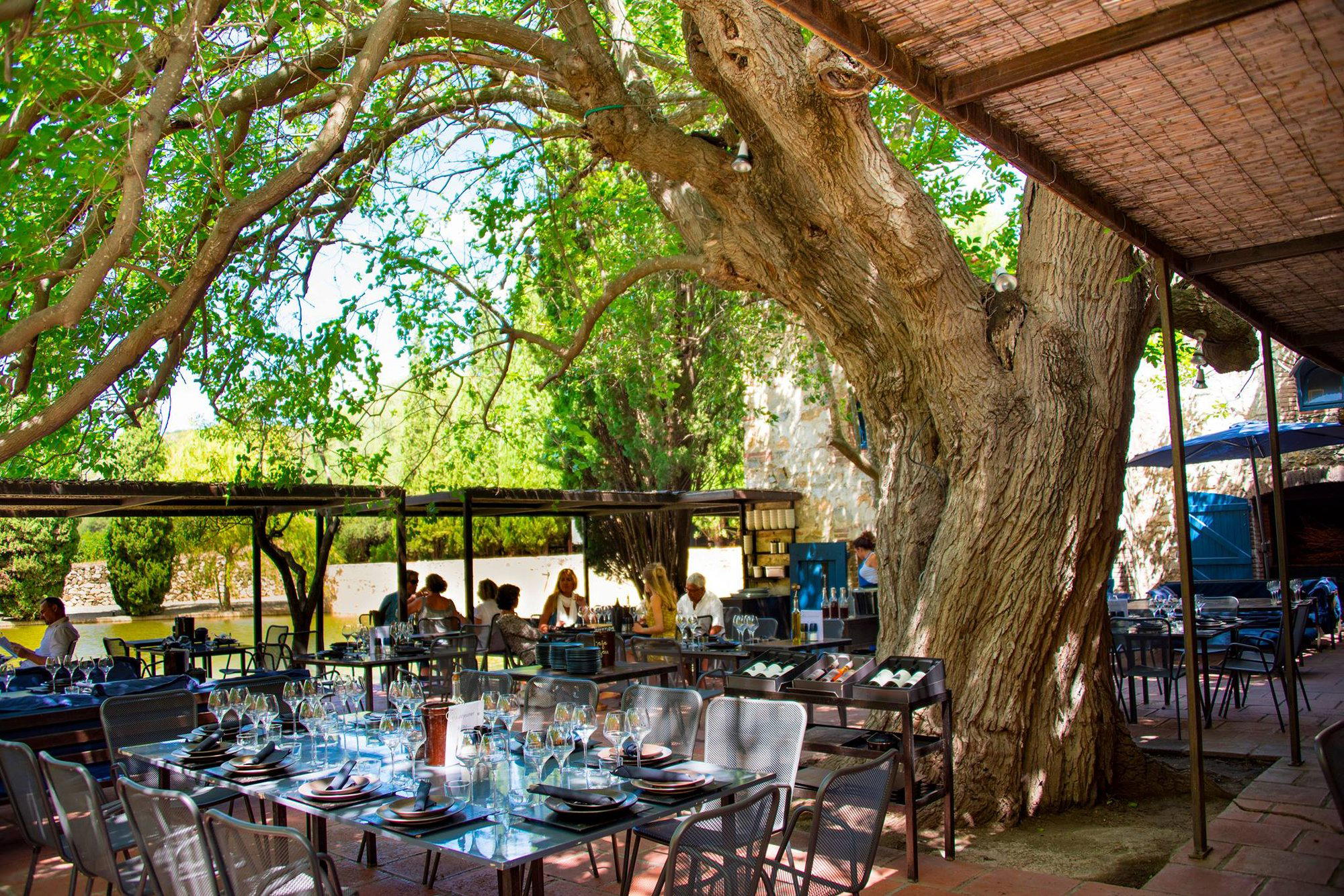
Warm hacienda-style setting with open-hearth fireplace casting golden glows on patinated plaster walls, brass accents, and antique furniture; terrace offers dinners 'feet in the water' amid lush nature.