
Selected by the Michelin Guide's 2025 hotels list, Cooking and Nature - Emotional Hotel sits in the limestone village of Alvados, within Portugal's Serras de Aire e Candeeiros Natural Park. The property anchors itself in the physical terrain around it, framing rural Portuguese landscape as both design material and culinary source. For travellers moving between Lisbon and Porto, it represents a different register of Portuguese hospitality entirely.
Pearl is the En Primeur Club membership app — saves, bookings, and concierge access live there. Same editors, same standards.
- Address
- Rua Asseguia das Lages nº 181, 2480-032 Alvados - Portugal, Portugal
- Phone
- +351 244 447 000
- Website
- cookinghotel.com
- Directions
- Get directions
 Saves & bookings on Pearl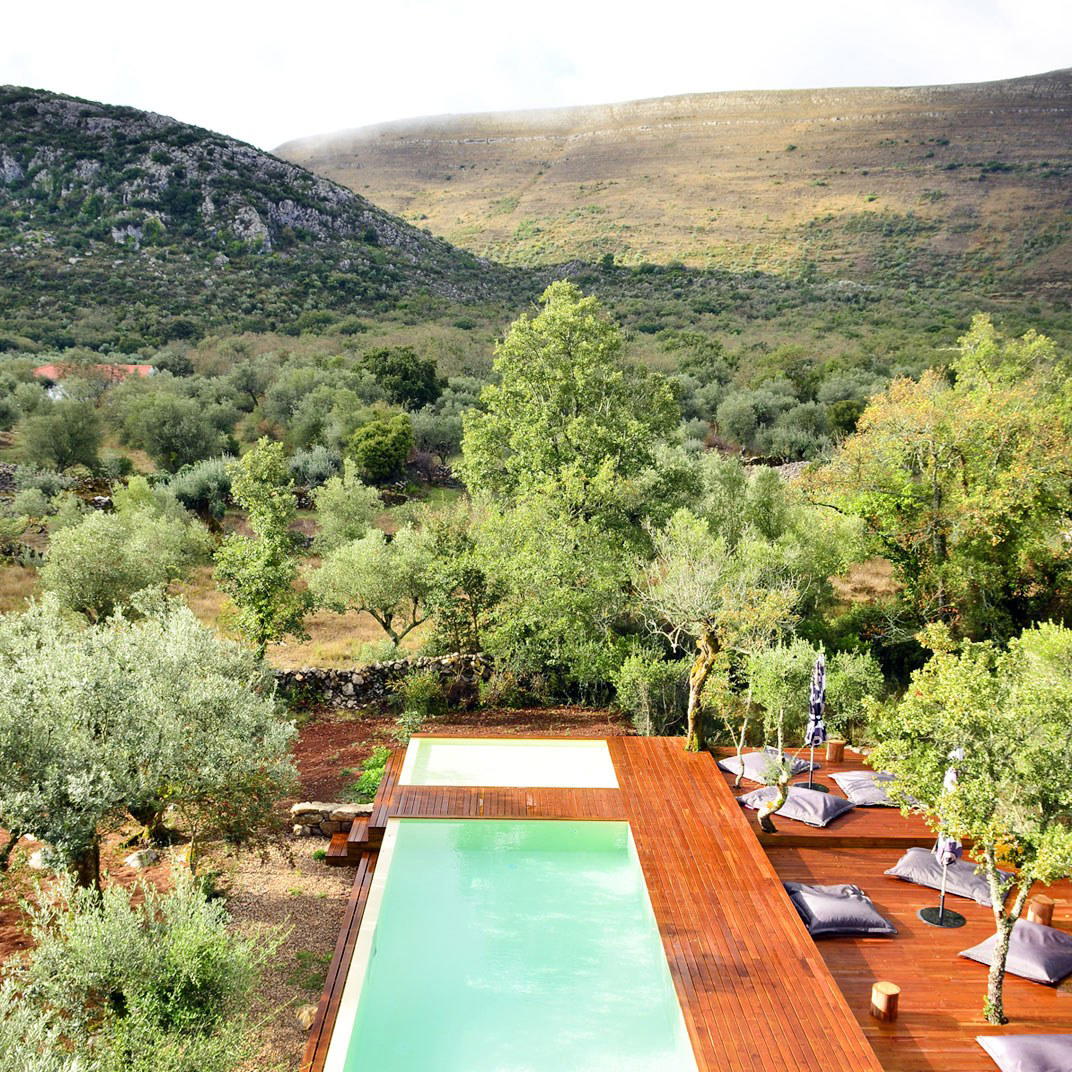
Stone, Silence, and the Serras de Aire
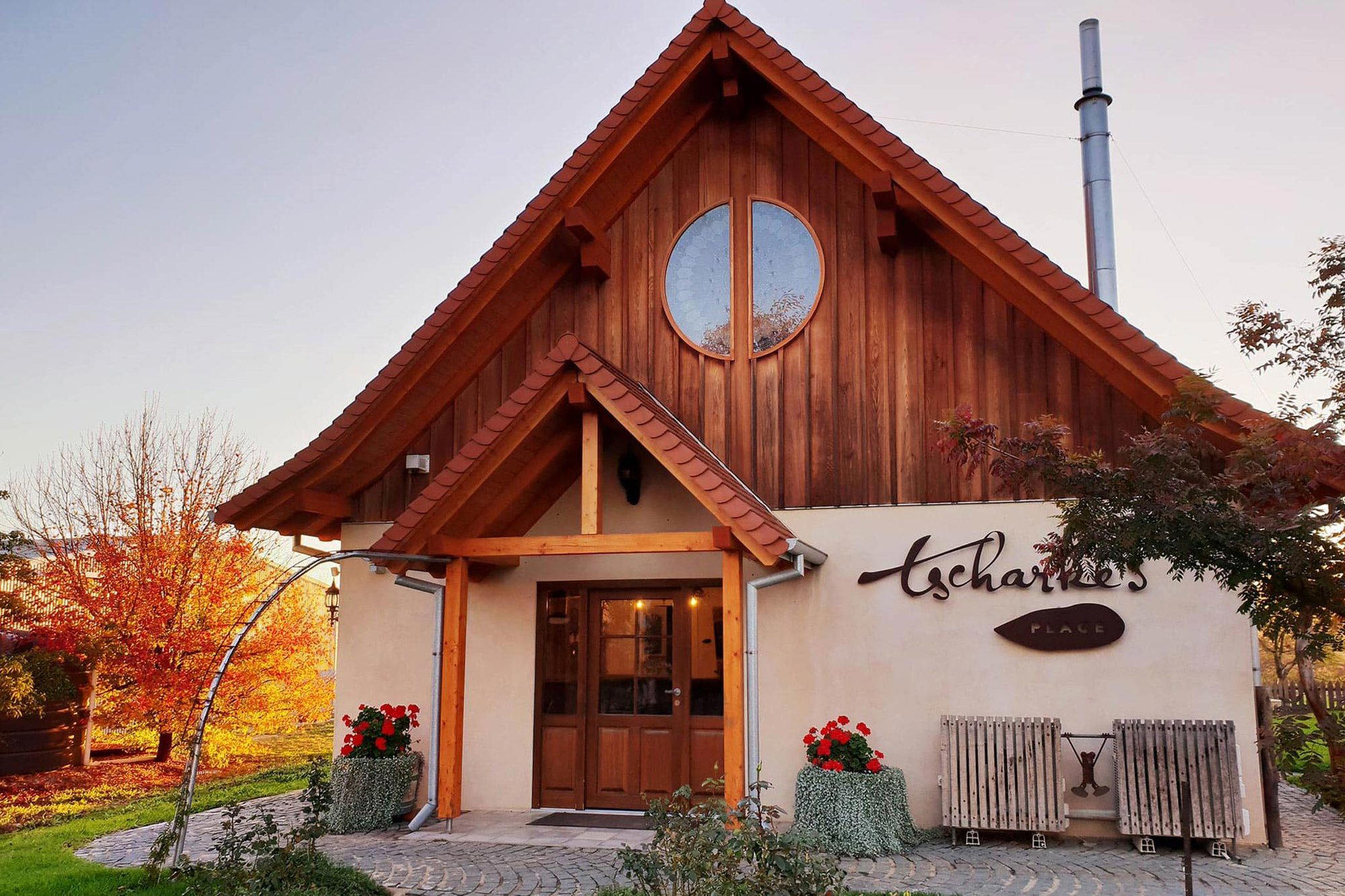
The road into Alvados descends through karst limestone formations that define the Serras de Aire e Candeeiros Natural Park, one of Portugal's lesser-trafficked protected areas despite sitting within two hours of both Lisbon and Porto. The village itself is small enough that arriving by car feels less like checking in and more like entering a landscape. Cooking and Nature - Emotional Hotel occupies this context deliberately: the physical environment is not backdrop but structural logic, shaping how the property is built, what it serves, and how guests move through it.
This approach places the hotel in a distinct tier of Portuguese rural hospitality, one that has grown steadily since the early 2010s as international travellers began looking past Lisbon's heritage hotel scene and the Conrad Algarve-style coastal resorts toward properties with a stronger relationship to specific Portuguese landscapes. The Michelin Guide's selection of Cooking and Nature for its 2025 hotels list, under the MICHELIN Selected distinction, confirms that the property has earned a place in that credible, curated tier.
Architecture as Argument
The design logic at properties like this one in the Serras de Aire region tends to be inseparable from the terrain. Alvados sits on limestone plateau, and the vernacular architecture of the area uses that stone as the primary building material: rough-cut, pale, and visually continuous with the cliffs and outcrops that frame the valley. Where rural Portuguese hotels in the Alentejo or Douro regions often work with schist or granite, the central limestone belt around Alvados produces a different visual register, lighter in tone, more porous in texture, and more reflective of the particular quality of inland Estremadura light.
Portugal's stronger rural hotel projects, from Ventozelo Hotel & Quinta in Ervedosa do Douro to Carmo's Boutique Hotel in Ponte de Lima, share a characteristic that Cooking and Nature appears to also pursue: the use of local material not as cosmetic reference but as structural honesty. The building reads as a product of its site, not a foreign form dropped onto it. This is a harder thing to achieve than it looks, and it is what separates properties with genuine design ambition from those that deploy exposed stone as a shorthand for authenticity without earning it.
The Name as Program
The property's name is itself a design brief. Cooking and Nature is not merely a hospitality concept but an explicit pairing of two disciplines, food and terrain, that are treated as interdependent. In regions like the Serras de Aire, this is not an abstract position: the natural park produces wild herbs, game, and forage ingredients that don't appear on coastal menus, and the culinary tradition of the limestone interior differs meaningfully from the seafood-dominant culture of the Atlantic coast or the cured meat and bread traditions of the Alentejo plains to the south.
This kind of terrain-anchored food identity is increasingly what separates Michelin-selected rural hotels from those that simply offer regional cooking as a checkbox. Properties such as The Lince Ecorkhotel in Évora and Hotel Casa Palmela in Setúbal each embed their food programs within a specific Portuguese agricultural or ecological identity. Cooking and Nature's approach signals the same intent: the cooking is framed as a direct expression of the surrounding landscape rather than a regionally themed restaurant that could plausibly operate elsewhere.
Position Within Portugal's Rural Hotel Tier
Portugal's rural hotel market has developed along two tracks. One is the wine estate model, concentrated in the Douro, Alentejo, and Minho, where the quinta or herdade provides the organizing identity and wine production anchors the guest experience. The other is the nature and landscape model, where the property's position within a protected area, national park, or ecologically significant zone provides the frame. Cooking and Nature belongs to the second category, placing it in a comparable set that includes properties like Octant Furnas in the Azores and Aqua Pópulo Eco Village in Ponta Delgada, each oriented around a specific natural environment rather than an agricultural product.
Within the Michelin Selected hotels list for 2025, the property's inclusion signals that the guide's hotel editors regard it as meeting a threshold of quality that justifies a recommendation to their readership, a demographic that generally has access to a wide range of Portuguese hotel options, from Vidago Palace in the north to Palácio de Tavira in the Algarve. That the guide has pointed its readers toward a property in Alvados, rather than a more obvious Douro or Alentejo address, is itself an editorial statement about the kind of experience on offer.
Getting There and Planning a Stay
Alvados sits in the municipality of Porto de Mós, in the Leiria district of central Portugal. The surrounding park has marked walking and cycling routes through the limestone formations, cave systems, and terraced agricultural land that constitute the area's principal non-culinary attractions.
Travellers building a wider Portuguese itinerary around rural design hotels might use Cooking and Nature as a mid-point stop between Lisbon and Porto, pairing it with properties such as MS Collection Aveiro - Palacete Valdemouro to the north or Palacete Severo in Porto as an urban counterpoint. For those arriving via Lisbon, Hotel Britânia Art Deco offers a credible first night before the drive north into the limestone interior.
For travellers comparing the Serras de Aire experience against Portugal's more established rural addresses, the relevant distinction is one of atmosphere rather than amenity. Properties in the Algarve or Douro valley command higher profile and, typically, higher prices. What Cooking and Nature offers in their place is a form of geographical specificity that is harder to find and, for the right traveller, more satisfying than a polished resort experience, however accomplished. Properties that pursue this register internationally, from The Fifth Avenue Hotel in New York to Badrutt's Palace in St. Moritz, do so with entirely different tools. Here, the tool is the landscape itself, and the hotel's job is to get out of its way.
How It Stacks Up
Comparable venues nearby, for context on price, style, and recognition.
| Venue | Cuisine | Price | Awards | Notes |
|---|---|---|---|---|
| Cooking and Nature - Emotional HotelThis venue — the venue you are viewing | Modern design boutique hotel inspired by nature and cinema, blending contemporary comfort with rustic Portuguese countryside charm. | $$$ | 4-Star | Not listed |
| Hotel Corpus Christi Lisboa – Leonardo Limited Edition | Urban heritage hotel in a converted 18th‑century convent, positioned as a distinctive Limited Edition property within Leonardo’s portfolio. | $$$ | 4-Star | Baixa-Chiado |
| Estrela At Lisbon - Tram 28 | charming historic boutique | $$$ | 4-Star | Estrela |
| Hotel Britania Art Deco | Restored 1940s Art Deco boutique hotel | $$$ | 4-Star | Rato |
| Pátio do Tijolo | Contemporary minimalist boutique hotel embedded in historical Lisbon context with emphasis on shared communal spaces and slow living philosophy. | $$$ | 4-Star | Bairro Alto |
| Pousada Viana do Castelo | Historic Edwardian palace with modern restoration | $$$ | 4-Star | Monte de Santa Luzia |
Recognition history
Dated appearances from independent guides and award organizations, with the underlying list record or original source where available.
Michelin Selected
Michelin
Continue exploring
More in Alvados
Hotels in Alvados
Browse all →
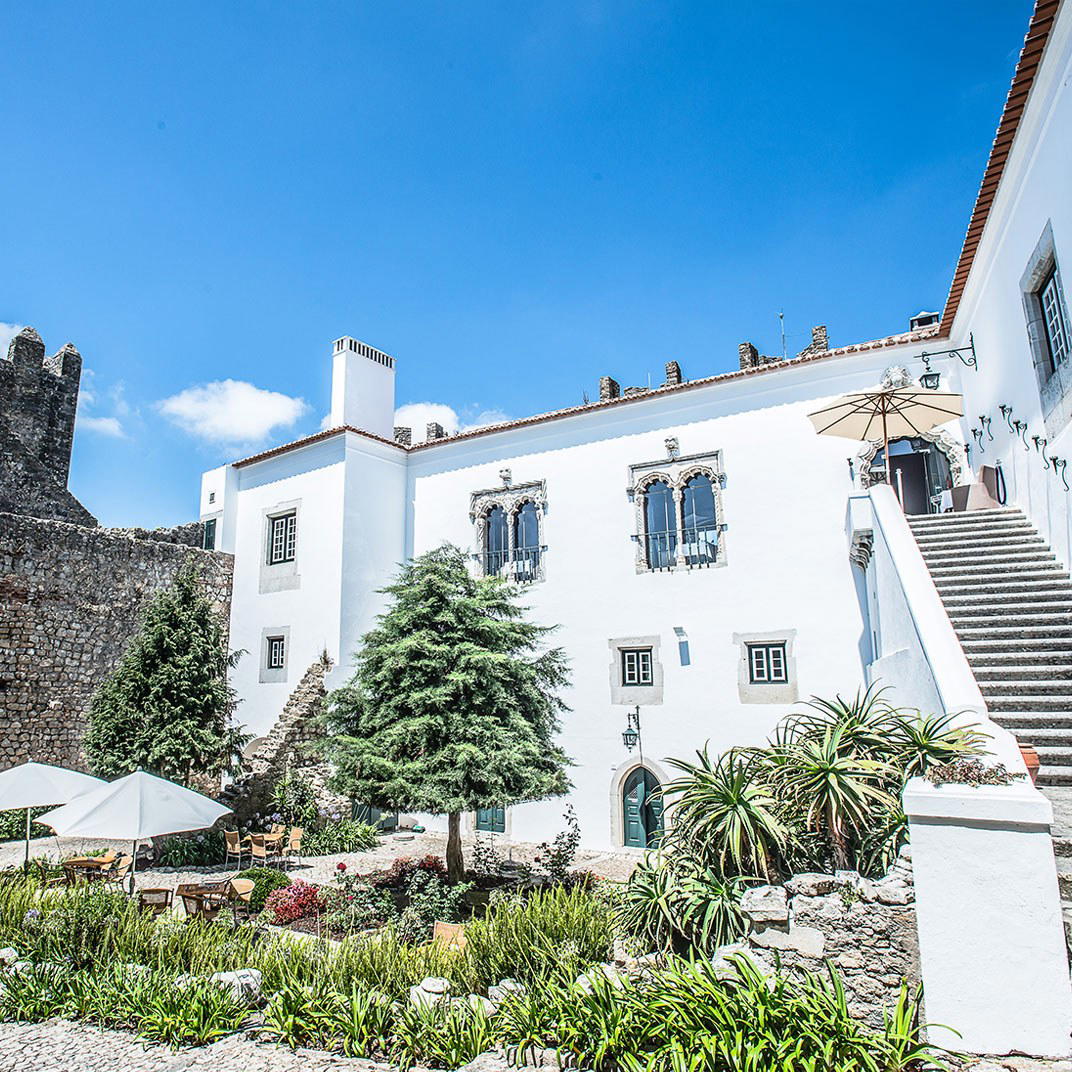
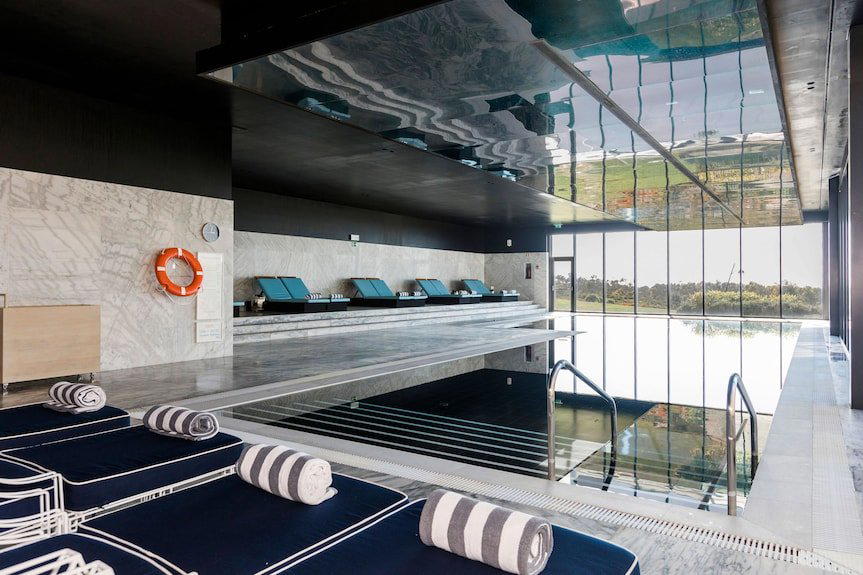
Bars in Alvados
Browse all →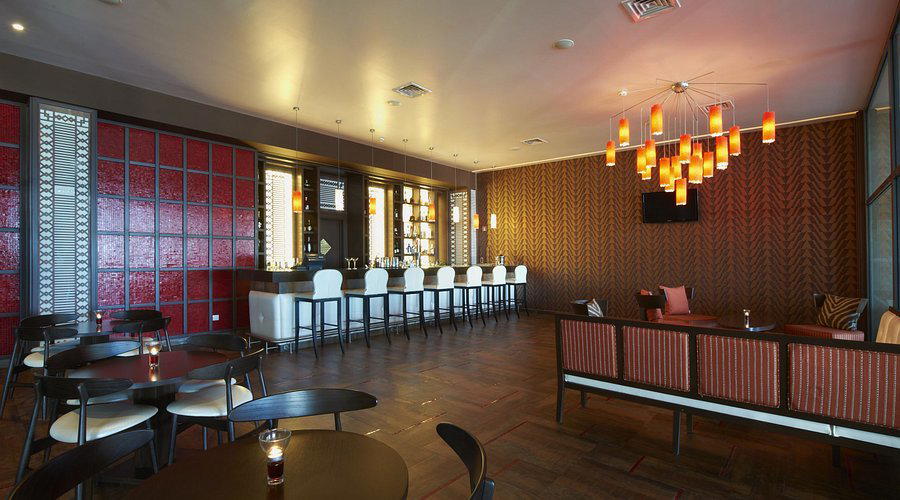
Restaurants in Alvados
Browse all →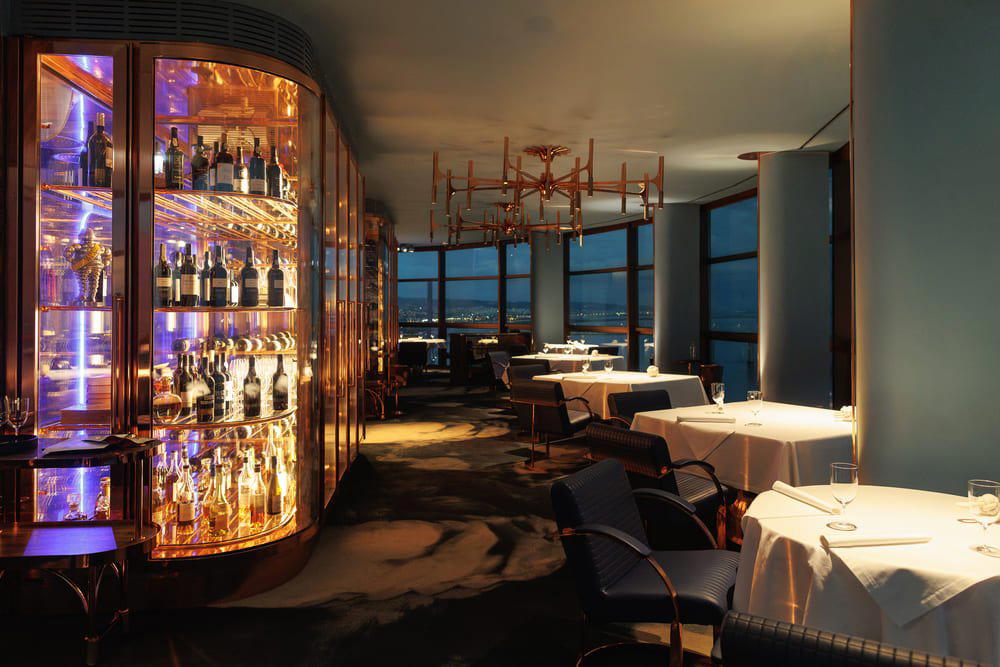

At a Glance
- Romantic
- Quiet
- Scenic
- Intimate
- Elegant
- Whimsical
- Romantic Getaway
- Wellness Retreat
- Weekend Escape
- Anniversary
- Garden
- Terrace
- Destination Spa
- Panoramic View
- Private Dining
- Wi Fi
- Pool
- Spa
- Restaurant
- Massage
- Bicycle Rental
- Garden
- Mountain
- Wi Fi
- Pool
- Spa
- Restaurant
- Massage
- Bicycle Rental
Serene and thoughtfully designed with warm, welcoming interiors that harmonize with natural surroundings; peaceful outdoor spaces with olive groves and multiple temperature-controlled spa pools create a tranquil, restorative atmosphere.