
A Michelin Plate-recognised Portuguese restaurant in Fátima, Tia Alice holds firm to the kind of traditional cooking that the region's pilgrimage crowds rarely pause to notice. Prawn rissoles, veal croquettes, and walnut cake with ovos-moles anchor a menu that reads like a map of central Portugal's larder. At €€ pricing It earns its reputation honestly.
Pearl is the En Primeur Club membership app — saves, bookings, and concierge access live there. Same editors, same standards.
- Address
- Av. Irmã Lúcia de Jesus 152, 2495-557 Fátima, Portugal
- Phone
- +351 249 531 737
- Website
- restaurantetiaalice.pt
- Directions
- Get directions
 Saves & bookings on Pearl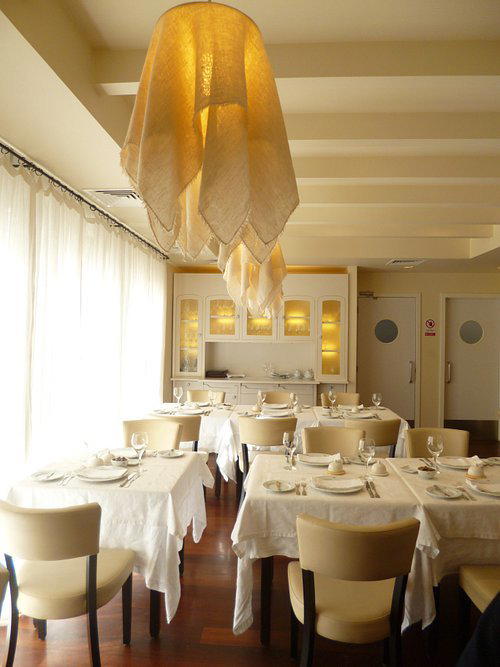
Stone Walls and the Logic of Staying Traditional
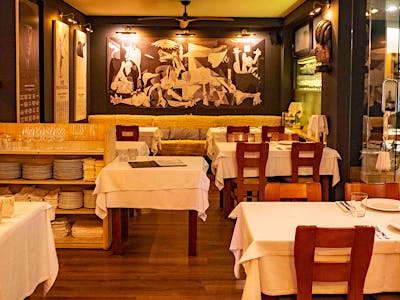
Tia Alice is a restaurant in Fátima serving Traditional Portuguese Home-Style cuisine at €€ pricing. Walk into Tia Alice on Avenida Irmã Lúcia de Jesus and the room makes its position clear immediately. Exposed stone walls, light-toned décor, and a dining room that has been renovated without abandoning its character, the physical environment announces, without apology, that this is a place where the food follows the same logic. In a town defined by pilgrimage and high visitor turnover, most of the restaurant trade around Fátima leans on convenience. Tia Alice does not. The kitchen holds to a thoroughly traditional Portuguese cooking style at a moment when much of the country's celebrated dining scene has moved decisively toward contemporary reinterpretation.
That contrast is worth holding onto. The Michelin-decorated tier of Portuguese cooking, from Belcanto in Lisbon to Casa de Chá da Boa Nova in Leça da Palmeira, from Ocean in Porches to Antiqvvm in Porto, operates almost entirely at €€€€ price points and with a creative, technique-led brief. The restaurant carries Michelin recognition (a Plate in both 2024 and 2025) while sitting at €€ and refusing that creative brief altogether. That is a specific and deliberate position in the market.
Where the Ingredients Speak for the Region
Central Portugal's Estremadura region, which surrounds Fátima, is not a zone that travels well in the food press. The Alentejo gets the cured meats and the cork oaks. The Algarve gets the seafood features. But the area around Fátima draws from a larder that has fed generations of Portuguese families: veal from inland farms, fresh prawns worked into fried pastry, egg-yolk confections that trace directly back to the convent kitchens of central Portugal. Ovos-moles, the sweet, intensely yolky paste that finishes the walnut cake here, is a preparation with documented roots in Portuguese monastic cooking, where surplus egg yolks from clarifying wines became the basis for preserved sweets. The fact that a Bolo de noz com ovos-moles appears on the restaurant menu reflects the kitchen's regional roots. It is the kitchen sourcing from and speaking about its own geography.
That approach stands in contrast to the ingredient narratives more common in Portugal's higher-profile restaurants. Venues like Vila Joya in Albufeira or Il Gallo d'Oro in Funchal build their sourcing stories around notable single producers and rare regional varieties, constructing a menu that contextualises ingredients explicitly. The restaurant's sourcing story is embedded in the recipes themselves, the Rissóis de Camarão (prawn rissoles) and Croquetes de Vitela (veal croquettes) carry their provenance inside the dish's own history rather than on a card beside the plate.
What the Michelin Plate Signals Here
The Michelin Plate, awarded in 2024 and retained in 2025, does not indicate the same ambition as a star, but it is not a participation trophy either. In Michelin's own framing, the Plate marks good cooking that merits recognition without the broader hospitality and consistency criteria required for star consideration. In the context of Fátima, where the dining offer is shaped primarily by pilgrim-season volume rather than culinary intent, carrying the Plate across two consecutive years signals something about the kitchen's consistency.
Review volume at that scale, in a town with Fátima's visitor profile, includes a wide spectrum of diners, local Portuguese families, international pilgrims, and passing visitors. Maintaining a 4.6 across that breadth is a different kind of data point than the same score at a low-volume specialist restaurant in Lisbon. For comparison, A Cozinha in Guimaraes and The Yeatman in Vila Nova de Gaia operate in similarly broad visitor contexts, and maintaining ratings at scale requires a different kind of operational discipline than a focused tasting-menu format.
The Menu as a Position Statement
The Michelin inspector's notes for the restaurant highlight the Rissóis de Camarão and Croquetes de Vitela. The Rissóis de Camarão are flagged as a starting point, alongside the Croquetes de Vitela. Both dishes belong to the category of Portuguese petiscos and starters that most high-end restaurants have largely retired from their menus in favour of contemporary snacks. Here they are treated as the meal's opening argument. The Bolo de noz com ovos-moles closes the meal with a preparation that requires technical attention, the ovos-moles component demands precision in sugar concentration and egg-yolk handling to achieve the correct texture and sweetness balance.
This is not a menu built around Portuguese cuisine as heritage tourism. It is a menu built around dishes that the kitchen can execute at a standard that Michelin considered worth noting. The distinction matters for how you approach the meal: this is a kitchen working within a tradition, not a museum presenting it.
Tia Alice in the Wider Portuguese Dining Picture
Portugal's restaurant conversation in the international press centres on a relatively small number of creative kitchens. A Ver Tavira in Tavira, Al Sud in Lagos, and Bon Bon in Lagoa represent different regional takes on modern Portuguese cooking. The Portuguese diaspora has extended that conversation internationally, Tasca by José Avillez in Dubai and Vinha in Vila Nova de Gaia each present Portuguese food in formats designed for audiences looking for a structured, contemporary experience. The restaurant operates in a different register entirely, and is worth understanding as such rather than evaluated against the creative tier.
Planning Your Visit
The restaurant is at Av. Irmã Lúcia de Jesus 152, Fátima, a central address relative to the sanctuary area and direct to reach on foot from the main pilgrimage precinct. The €€ price range places it below the tourist-facing restaurants in the immediate sanctuary zone in ambition, but not in execution.
A Quick Peer Check
Comparable venues nearby, for context on price, style, and recognition.
| Venue | Cuisine | Price | Awards | Notes |
|---|---|---|---|---|
| Tia AliceThis venue — the venue you are viewing | Traditional Portuguese Home-Style | $$ | Michelin Plate | Not listed |
| A Velha | Modern Portuguese | $$ | Michelin Plate | Abrantes |
| Pátio 44 | Contemporary Portuguese | $$ | Bib Gourmand | Santo Ildefonso |
| Flor de Lis by Vila Foz | Modern Portuguese Fine Dining | $$$ | Michelin Plate | Nevogilde |
| 3 Pipos | Regional Beira Alta Portuguese | $$ | Bib Gourmand | Tonda |
| Casa Chef Victor Felisberto | Regional Portuguese Meats and Grills | $$ | Bib Gourmand | Abrantes |
Recognition history
Dated appearances from independent guides and award organizations, with the underlying list record or original source where available.
Michelin Plate
Michelin
Michelin Plate
Michelin
Michelin Plate
Michelin
Continue exploring
More in Fátima
Restaurants in Fátima
Browse all →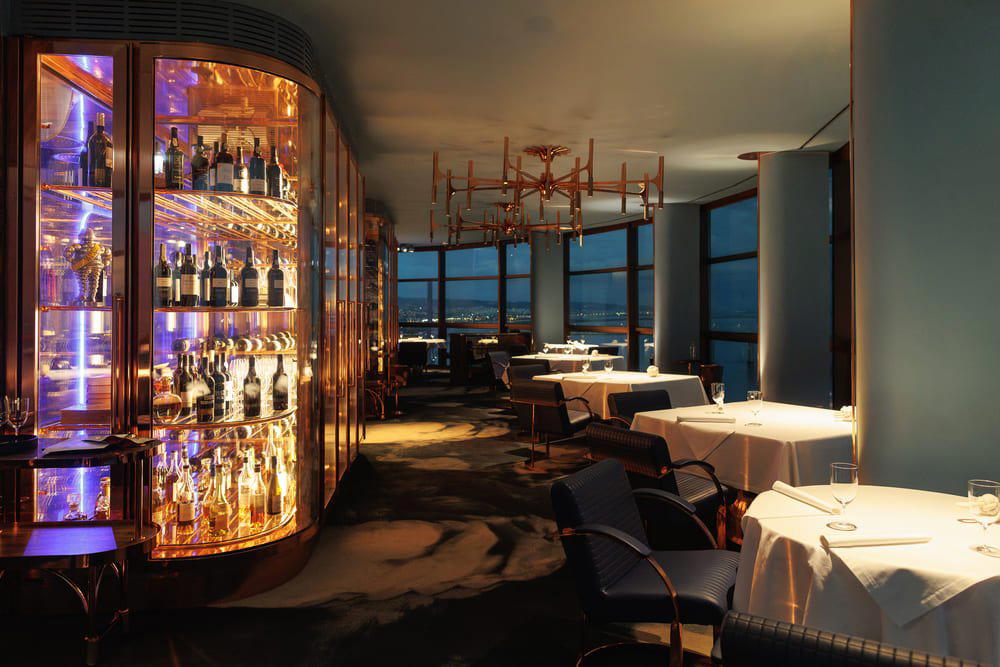
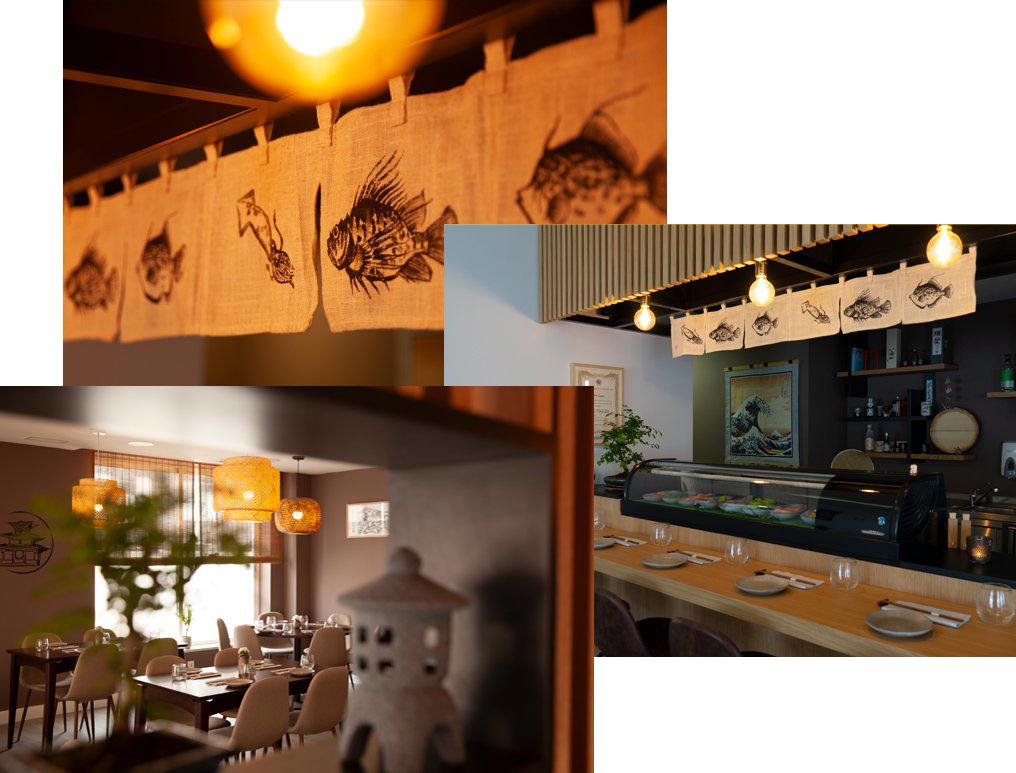
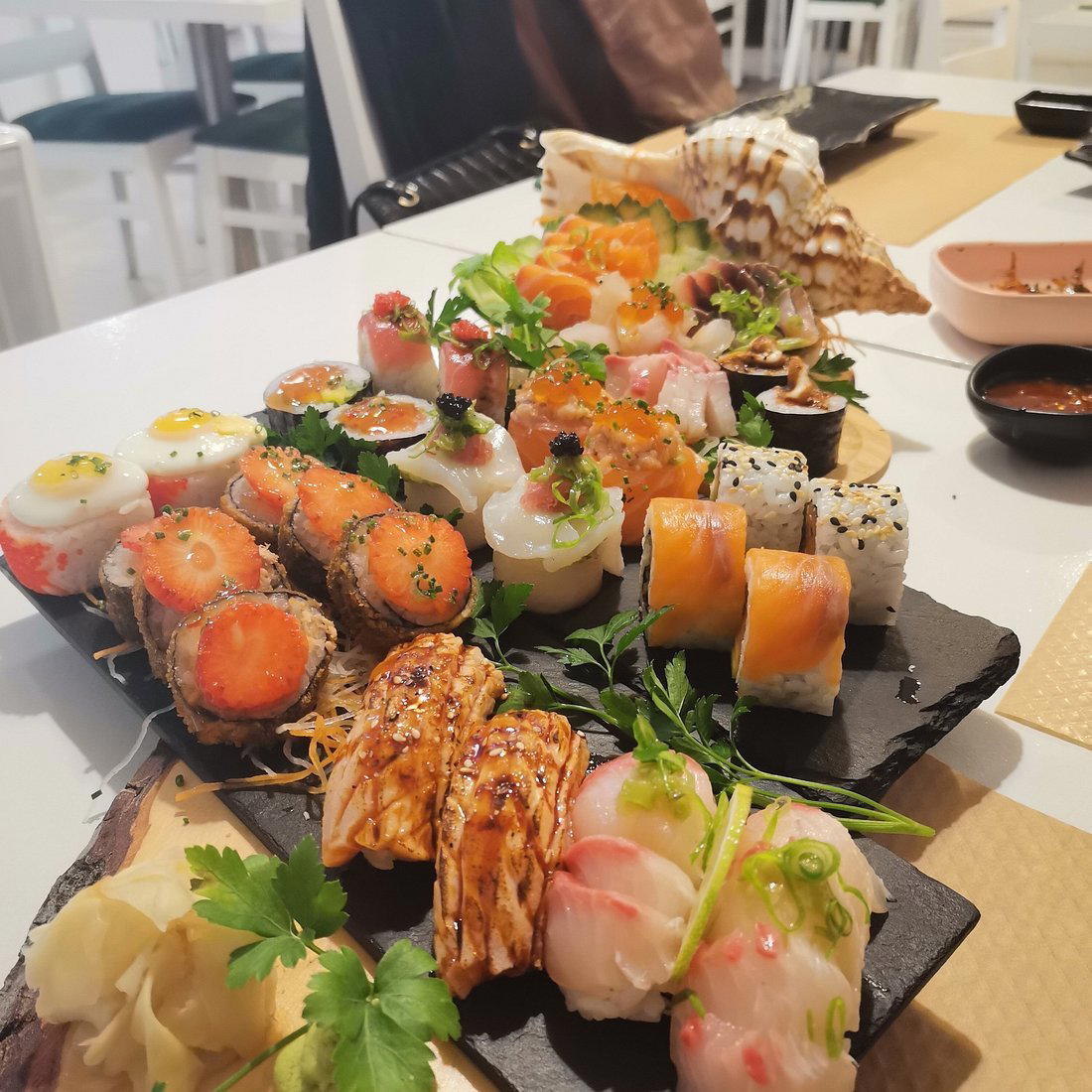
Bars in Fátima
Browse all →
Hotels in Fátima
Browse all →

At a Glance
- Cozy
- Rustic
- Classic
- Family
- Celebration
- Historic Building
- Extensive Wine List
- Local Sourcing
Current opening hours
- Monday
- Closed
- Tuesday
- 12–3 PM, 7:30–9 PM
- Wednesday
- 12–3 PM, 7:30–9 PM
- Thursday
- 12–3 PM, 7:30–9 PM
- Friday
- 12–3 PM, 7:30–9 PM
- Saturday
- 12–3 PM, 7:30–9 PM
- Sunday
- 12–3 PM
Hours can change for holidays and private events. Last verified .
Welcoming atmosphere with exposed stone walls, modern natural decor in crisp whites and beiges, cozy and rustic.