Our verdict
Restaurante KOBORÚ occupies a street-level address in central Leiria, a city whose dining scene has quietly diversified beyond its traditional Portuguese foundations. The name itself signals an orientation toward non-native culinary reference points, placing KOBORÚ in the growing tier of Leiria restaurants that draw on outside traditions while remaining rooted in a provincial Portuguese context.

Pearl is the En Primeur Club membership app — saves, bookings, and concierge access live there. Same editors, same standards.
- Address
- R. Dr. António da Costa Santos 9A, 2400-137 Leiria, Portugal
- Phone
- +351914052459
- Hours
- Mon–Tue 12–2:30 PM, 7–10:30 PMWed ClosedThu–Sun 12–2:30 PM, 7–10:30 PM
- Website
- koboru.pt
- Directions
- Get directions
- Booking
- Book on the venue's website
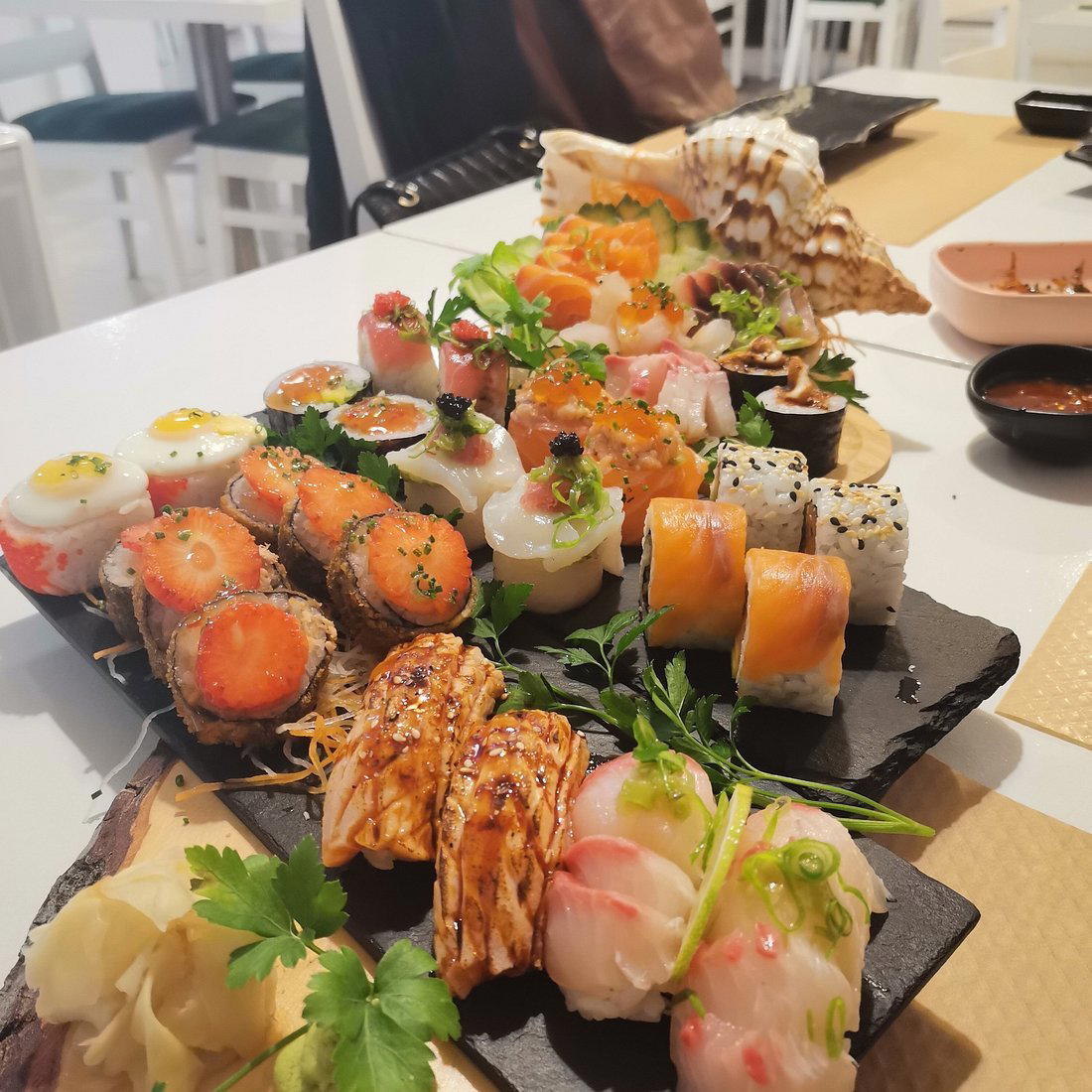
Where Leiria's Dining Scene Is Heading
Portuguese cities outside Lisbon and Porto have spent the past decade developing restaurant cultures that no longer default exclusively to bacalhau and grilled meats. Leiria, a mid-sized city in the Estremadura region roughly midway between the capital and Coimbra, reflects that pattern clearly. Its central streets now support a range of formats — from long-established Portuguese addresses like Casinha Velha, which anchors the traditional end of the market, to newer operations drawing on Japanese and East Asian references, including Ikigai, Izakaya & Sushi and KUKICHA. Restaurante KOBORÚ sits inside that diversification, occupying a position on Rua Dr. António da Costa Santos that places it within easy reach of the city's commercial and historic core.
This kind of geographic spread matters in a city Leiria's size. Restaurants here are not competing primarily on destination appeal the way Michelin-flagged addresses in Cascais or the Algarve do — properties like Fortaleza do Guincho in Cascais or Bon Bon in Lagoa draw visitors specifically for the table. In Leiria, the audience is primarily local and regional, which puts a premium on consistency and value relevance rather than spectacle. The restaurants that hold ground in this market tend to do so through repeat custom, not through headline-chasing.
The Cultural Logic Behind the Name
The name KOBORÚ does not derive from Portuguese, which is itself an editorial signal. Across Portugal's secondary cities, a wave of restaurants has opened in the past several years using names that reference Japan, Korea, or broader East and Southeast Asian culinary traditions, sometimes through direct cuisine execution, sometimes through a looser aesthetic or ingredient borrowing. That wave runs in parallel to developments at Portugal's higher-end addresses: restaurants like Belcanto in Lisbon or Antiqvvm in Porto have pushed the country's fine dining conversation toward modernist Portuguese territory, while a different, more diffuse current has brought Asian reference points into the everyday dining tier across regional cities.
What this means practically for a city like Leiria is that diners now encounter a wider vocabulary of flavours and formats than the region would have supported fifteen years ago. The introduction of izakaya-style formats, ramen, and broader Asian-inflected menus has changed expectations around portion logic, seasoning registers, and dining pacing. KOBORÚ operates in this context, and its address on a central Leiria street gives it proximity to a local population that has grown comfortable with these formats through familiarity rather than novelty. For comparison, Portugal's coastal fine dining tier, addresses like Ocean in Porches or Vila Joya in Albufeira, operates on an entirely different register, oriented toward destination visitors and tasting menu formats. KOBORÚ's context is resolutely local.
Within Leiria's current restaurant mix, the most useful comparison points are the other non-traditional addresses rather than the established Portuguese houses. What the address alone confirms is that KOBORÚ has chosen a central location, which in a city the scale of Leiria typically indicates a walk-in and repeat-visit model rather than a reservation-driven destination format.
For reference on how Asian culinary traditions translate at the higher end of the Portuguese market, Il Gallo d'Oro in Funchal and The Yeatman in Vila Nova de Gaia show what happens when international culinary ambition meets sustained institutional investment. That tier is not the frame for KOBORÚ. The more instructive international comparisons are the neighbourhood-scale operations in cities like New York, where restaurants such as Atomix have demonstrated that non-Western culinary traditions can carry serious critical weight, but those are outlier cases built on years of reputation development. In a provincial Portuguese city, the operating conditions are different, and the durability of an Asian-named restaurant tends to depend on how well it has integrated into local dining habits rather than on external validation.
Visiting KOBORÚ: What to Know Before You Go
KOBORÚ's address at Rua Dr. António da Costa Santos 9A places it in Leiria's central district, accessible on foot from the castle area and the main commercial streets. For visitors to the city, Leiria is most efficiently reached by road from Lisbon (roughly two hours north via the A1 or A8) or from Coimbra (under an hour south). The city also has a rail connection, though driving remains the practical choice for most visitors arriving from either direction.
Weekend evenings in Leiria's centre draw local traffic, and the more distinctive addresses tend to fill faster than their footprint suggests. For a fuller map of where KOBORÚ sits in relation to Leiria's other options, the EP Club Leiria restaurants guide covers the city's current dining spread across cuisine types and price points.
Travellers building a broader Portugal itinerary around dining will find that Leiria functions leading as a stop rather than a destination in its own right, unlike the Algarve addresses or Lisbon's established fine dining corridor, which include restaurants like A Cozinha in Guimarães, A Ver Tavira in Tavira, Al Sud in Lagos, and Casa de Chá da Boa Nova in Leça da Palmeira. KOBORÚ is a local address, which is not a limitation so much as a description of its role in the city's fabric.
Frequently asked questions
Where is Restaurante KOBORÚ in Leiria?
Restaurante KOBORÚ is located at R. Dr. António da Costa Santos 9A, 2400-137 Leiria, Portugal, Leiria.
Is Restaurante KOBORÚ a good option for visitors exploring Leiria beyond typical Portuguese cuisine?
KOBORÚ sits on Rua Dr. António da Costa Santos 9A in Leiria's central district, making it accessible from the castle area without needing transport. The restaurant's name and editorial profile place it among a wave of non-traditional addresses emerging in Portugal's secondary cities outside Lisbon and Porto. For visitors who have already worked through Leiria's established Portuguese options, it represents the city's contemporary dining direction.
What do regulars order at Restaurante KOBORÚ?
What the address at Rua Dr. António da Costa Santos 9A signals, alongside the non-Portuguese name, is a kitchen operating outside the bacalhau-and-grilled-fish defaults that dominate Leiria's established dining circuit. Regulars at addresses in this category tend to return for whatever the kitchen is rotating seasonally rather than a fixed signature dish.
Do they take walk-ins at Restaurante KOBORÚ?
No booking contact or reservation policy is currently published for KOBORÚ. Given its location in Leiria's central district, within walking distance of the castle area, dropping in directly is the most practical approach until official contact details are confirmed. Smaller contemporary addresses in Portuguese secondary cities at this scale often accommodate walk-ins during off-peak hours.
What's Restaurante KOBORÚ best at?
KOBORÚ's clearest editorial position is that it operates outside the conventional Portuguese restaurant template in a city where most of the dining scene still defaults to traditional formats. The non-Portuguese name alone marks it as part of the wave of secondary-city addresses in Portugal that are building restaurant identities around cuisine and concept rather than regional heritage alone. That positioning, in Leiria's current mix, is its most distinguishing characteristic.
Price and Positioning
Comparable venues nearby, for context on price, style, and recognition.
| Venue | Cuisine | Price | Awards | Notes |
|---|---|---|---|---|
| Restaurante KOBORÚThis venue — the venue you are viewing | Japanese Sushi | $10–20 | Not listed | Not listed |
| KUKICHA | Vegan Macrobiotic | $10–20 | Not listed | Quinta de Sto António, Vegan Macrobiotic |
| Ikigai, Izakaya & Sushi | Izakaya & Sushi | Not listed | Not listed | Leiria, Izakaya & Sushi |
| Casinha Velha | Traditional Portuguese Fine Dining | $50–100 | Michelin Plate | Leiria District, Traditional Portuguese Fine Dining |
| Sakura Sushi | Japanese Sushi | $20–30 | Not listed | Funchal, Japanese Sushi |
| Cafe Dozo,Bairroalto | Japanese Sushi | $20–30 | Not listed | Bairro Alto, Vegan Sushi Japanese |
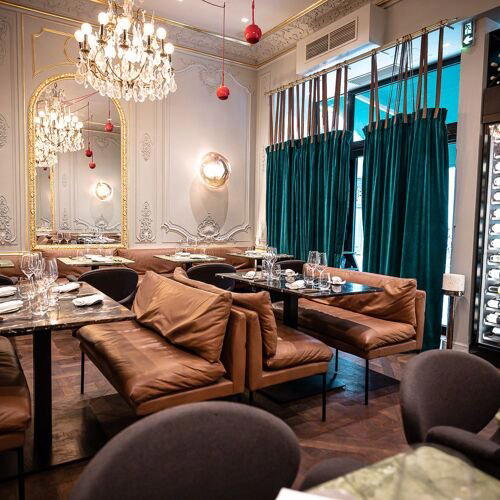
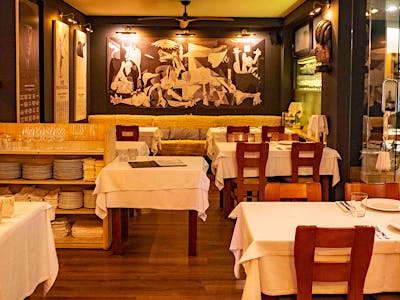
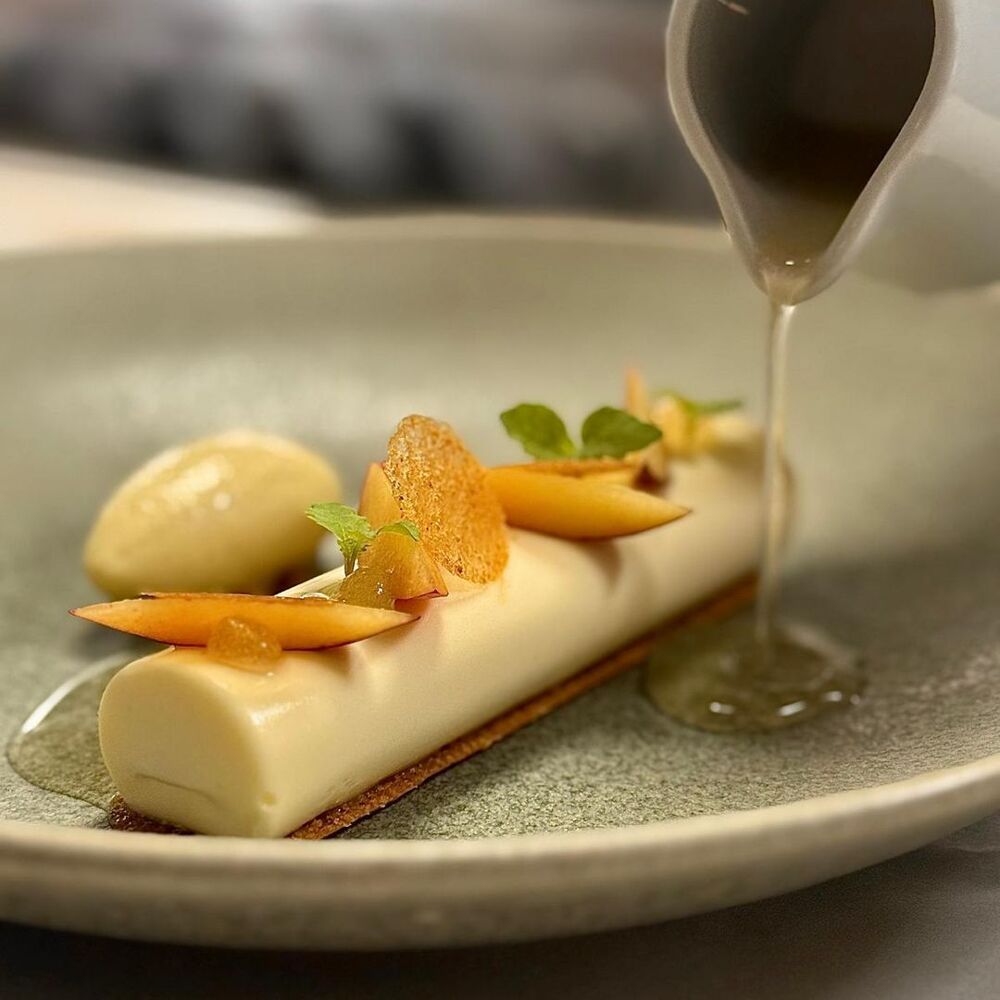

Details
- Cozy
- Date Night
- Casual Hangout
- Open Kitchen
- A La Carte
- Vegetarian Friendly
- Vegan Options
Current opening hours
- Monday
- 12–2:30 PM, 7–10:30 PM
- Tuesday
- 12–2:30 PM, 7–10:30 PM
- Wednesday
- Closed
- Thursday
- 12–2:30 PM, 7–10:30 PM
- Friday
- 12–2:30 PM, 7–10:30 PM
- Saturday
- 12–2:30 PM, 7–10:30 PM
- Sunday
- 12–2:30 PM, 7–10:30 PM
Hours can change for holidays and private events. Last verified .
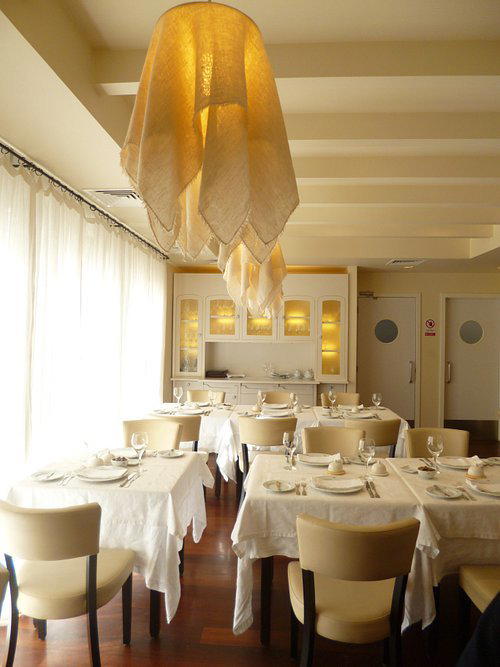
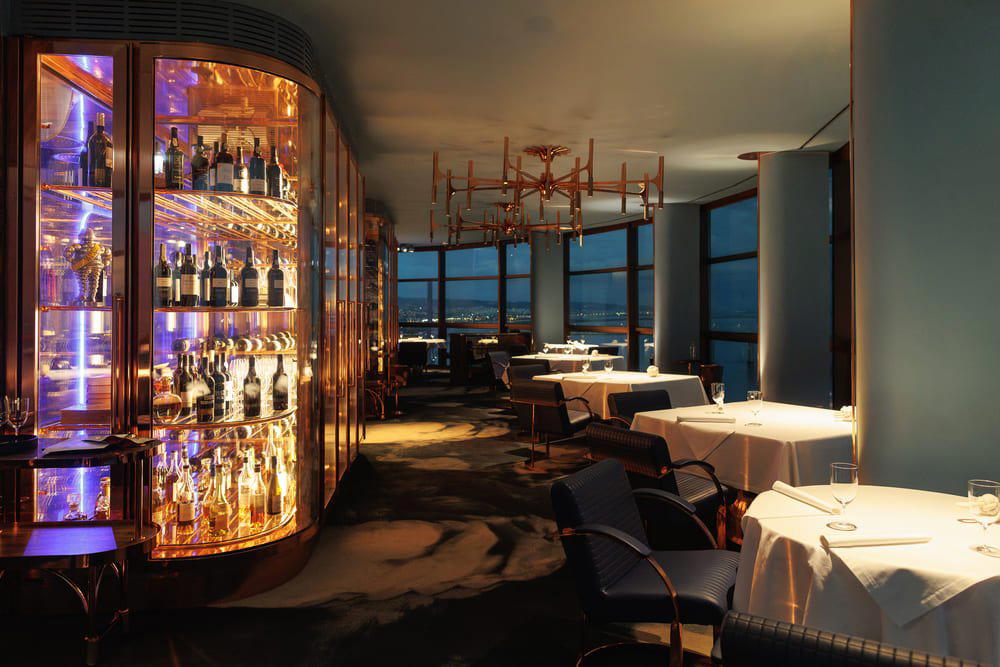
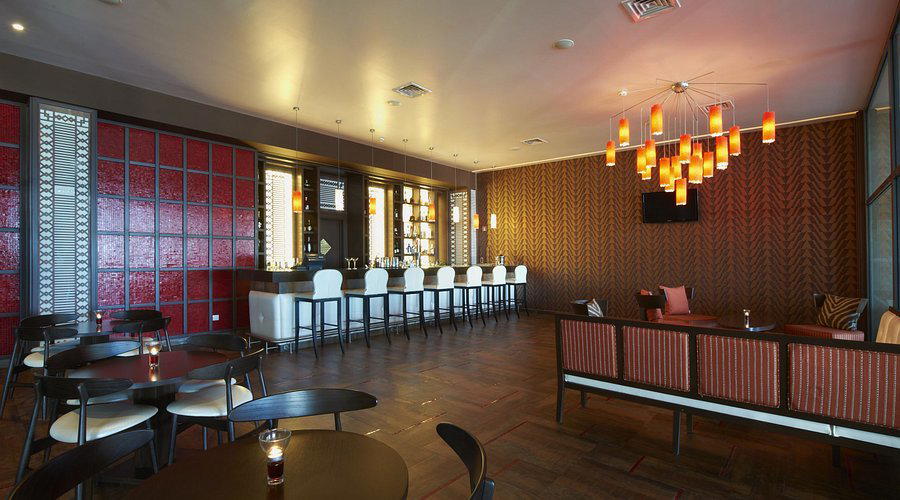
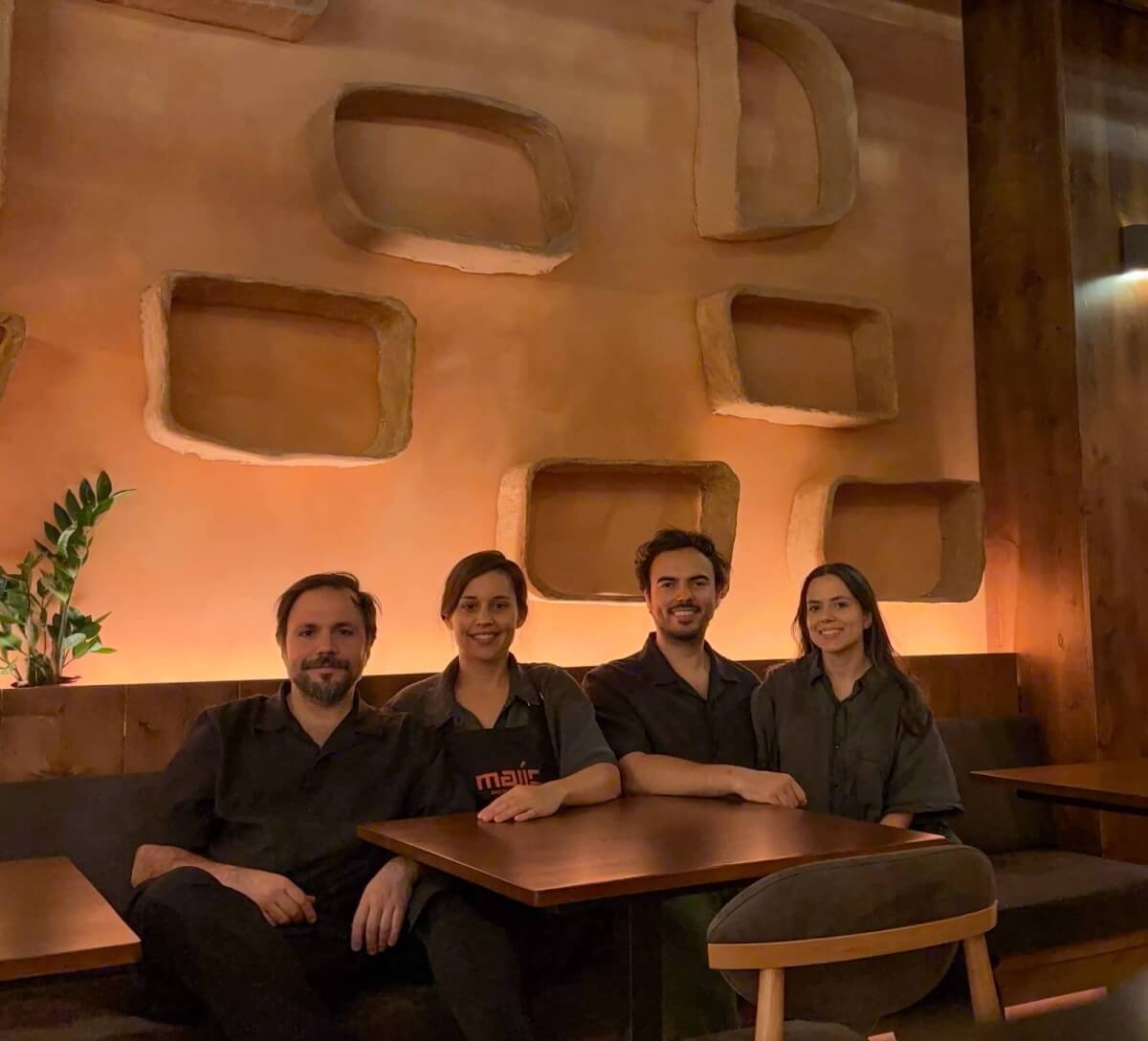
Acolhedor (welcoming) atmosphere as described by the restaurant itself.