Our verdict
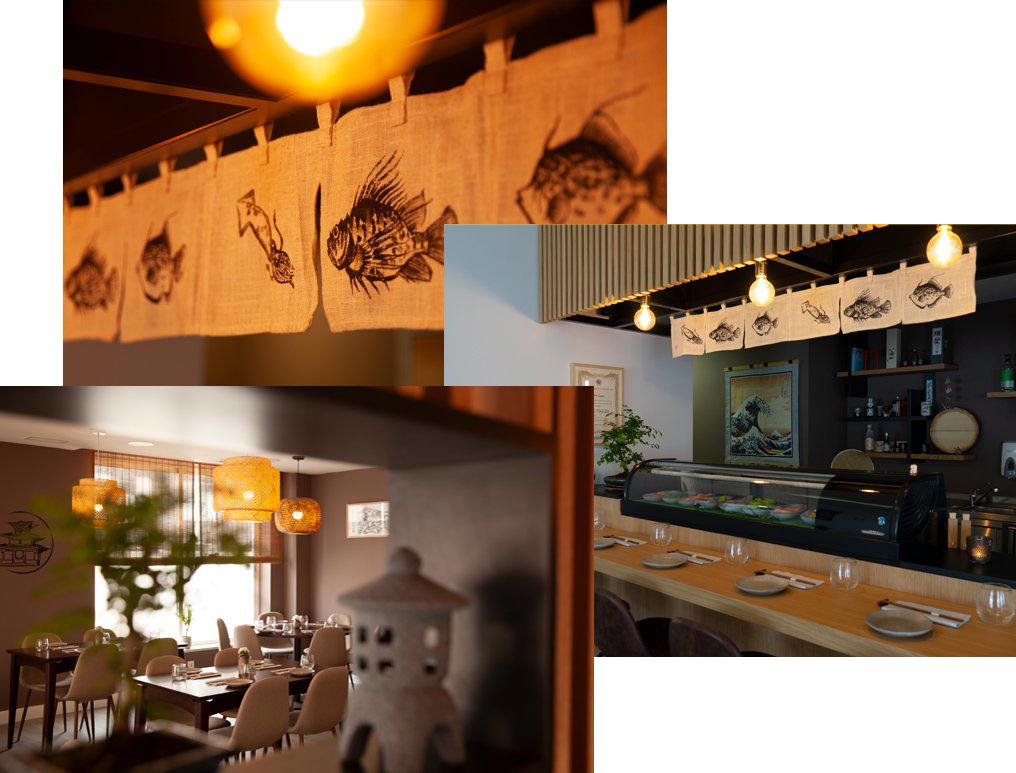
Ikigai brings izakaya tradition and sushi craft to Leiria, a city better known for its medieval castle than its Japanese dining scene. Positioned on Rua da Fonte in the city centre, the restaurant occupies an interesting niche: Japanese precision applied in a region where Atlantic seafood is the default culinary reference. For travellers eating their way through central Portugal, it sits alongside KUKICHA and Restaurante KOBORÚ as part of a small but growing wave of non-Portuguese cooking in the city.

Pearl is the En Primeur Club membership app — saves, bookings, and concierge access live there. Same editors, same standards.
- Address
- R. da Fonte 8, 2410-124 Leiria, Portugal
- Phone
- +351244095962
- Hours
- Mon ClosedTue–Sat 12–2:30 PM, 7–10:30 PMSun Closed
- Website
- ikigaiizakaya.pt
- Directions
- Get directions
The menu
What to order
- Ramen
- Tempura de camarão
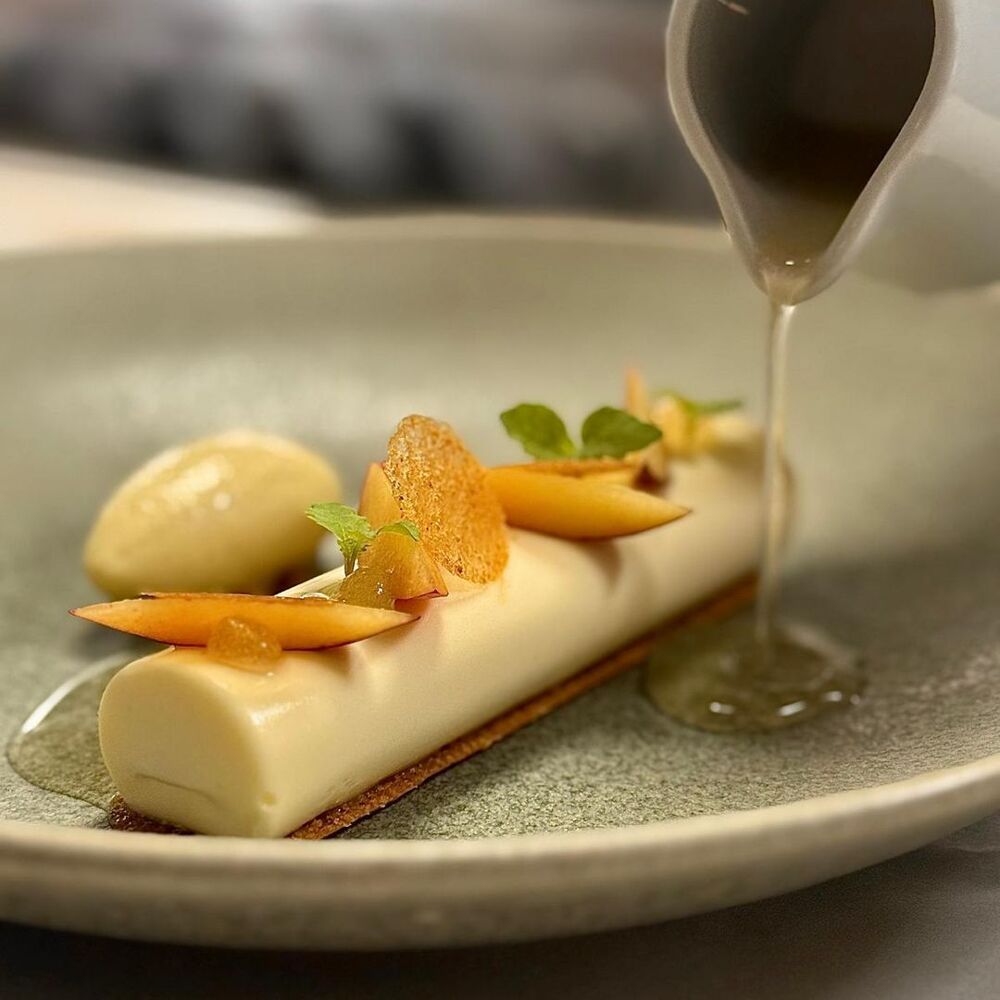
- Tarte com mousse de miso
Walk along Rua da Fonte in central Leiria and the street reads like most of the city's older residential fabric: narrow, unhurried, built for people rather than traffic. The address at number 8 does not announce itself with the urgency you might expect from a restaurant pulling in diners away from the well-worn Portuguese tascas nearby. That quietness is, in a sense, the point. Izakaya culture in Japan has always been about the reliable local — the place you return to on a Tuesday, not just a special occasion. Ikigai, Izakaya & Sushi carries that register into a Portuguese city where the default dining grammar is bacalhau and grilled meat, and where a Japanese kitchen of any seriousness is still an outlier.
Japanese Sourcing Logic in an Atlantic Kitchen
The editorial angle worth paying attention to at any izakaya operating outside Japan is where the fish comes from. This is not a trivial question. Japan's leading omakase counters, including those that inform the global izakaya tradition, are built on a sourcing architecture that connects the kitchen directly to specific fishing regions, markets, and seasonal calendars. Replicating that discipline outside Japan requires either importing key product or, more interestingly, finding local equivalents that match the structural role of Japanese species.
Portugal, as it happens, is one of the better-positioned countries in Europe for this translation. The Atlantic coast running from the Algarve to the Minho region delivers seafood that competes on quality with almost any European market: corvina, robalo, and fresh tuna from the south; shellfish from the Sado and Alvor estuaries; sardines and mackerel that arrive in seasonal surges rather than the managed year-round supply chains common further north. For a kitchen working in the izakaya idiom, this is a meaningful resource. The question is whether the kitchen draws on it deliberately, using the Portuguese coastline as a sourcing argument rather than simply importing a standard menu. Ikigai's location in Leiria, approximately 130 kilometres north of Lisbon and within reach of both Nazaré's fishing port and the Figueira da Foz coast, places it geographically close to two of central Portugal's more active fishing communities.
This matters because the izakaya format, at its most considered, is not a sushi delivery vehicle with a sake list attached. It is a kitchen organised around small shared dishes, many of them ingredient-led rather than technique-led, where the sourcing decision is the dominant creative act. The leading izakaya operations in cities like London, New York, and Sydney have each navigated this by building supplier relationships that replace, rather than approximate, Japanese sourcing. Restaurants like Le Bernardin in New York City and Atomix in New York City demonstrate, from different angles, how serious kitchens use ingredient sourcing as a structural argument rather than an aesthetic one. That is the standard against which any izakaya operating in a non-Japanese context gets measured.
The Leiria Context: Where Ikigai Sits in the City
Leiria is not a city that travels writers typically reach for when profiling Portugal's dining scene. The Michelin-starred axis runs through Lisbon, Porto, the Algarve, and increasingly Madeira, with restaurants like Belcanto in Lisbon, Antiqvvm in Porto, Vila Joya in Albufeira, Ocean in Porches, Il Gallo d'Oro in Funchal, The Yeatman in Vila Nova de Gaia, Casa de Chá da Boa Nova in Leça da Palmeira, Fortaleza do Guincho in Cascais, A Cozinha in Guimaraes, A Ver Tavira in Tavira, Al Sud in Lagos, and Bon Bon in Lagoa anchoring the recognised table. Interior cities like Leiria operate at a different register: the dining out here is driven by local residents, university population, and the visitors stopping between Lisbon and Porto rather than destination travellers making a journey for a single meal.
That local-resident economy shapes what works. Ikigai operates as part of a small group of non-Portuguese kitchens that have found a viable audience in Leiria, alongside KUKICHA and Restaurante KOBORÚ. The more traditional Portuguese end of the city's dining scene is represented by places like Casinha Velha, which prices at the €€ tier and holds a clear position in the local Portuguese category. Ikigai sits in a different competitive set: not competing against traditional tascas on their own terms, but drawing a diner who wants Japanese technique and the shared-plate rhythm that izakaya format delivers. For the full Leiria restaurants guide, this distinction between the Portuguese and international dining options in the city is worth mapping before you plan an itinerary.
The Format Itself: Izakaya as a Dining Argument
The izakaya format has globalised faster than most Japanese dining traditions, partly because it adapts without losing coherence. Where omakase demands a single counter, a fixed progression, and a chef whose judgment you surrender to entirely, the izakaya allows groups to order laterally across a menu, testing the kitchen in different directions simultaneously. Small plates, grilled skewers, raw fish preparations, and cooked dishes arrive in an order the table controls rather than the kitchen. This makes it a more accessible proposition for a non-Japanese dining public, while still preserving the core Japanese logic of restraint, repetition, and seasonal alignment.
The sushi component at Ikigai signals a kitchen that is not staying narrowly within the izakaya brief. Combining both formats is a common move outside Japan, where market size in smaller cities means a restaurant cannot always sustain a single-format Japanese menu. This dual format widens the audience without necessarily diluting either discipline, provided the sourcing quality holds across both the raw and cooked applications of fish.
Planning a Visit
Rua da Fonte 8 is in the central fabric of Leiria, reachable on foot from most of the city's accommodation options. Given the izakaya format and the city's general dining pace, weekday evenings tend to be less pressured than weekend service at any Leiria restaurant drawing a mixed local and visitor audience. Leiria itself sits roughly 130 kilometres north of Lisbon on the A1, making it a natural stopping point on a drive north rather than a standalone destination trip for most international travellers.
Frequently asked questions
Would Ikigai, Izakaya & Sushi be comfortable with kids?
The izakaya format is generally relaxed in pace and structure, which tends to accommodate families better than tasting-menu-only venues. That said, no children's menu or specific family policy is documented for Ikigai at Rua da Fonte 8. If dining with young children, contacting the venue directly before visiting is advisable to confirm the current setup.
Is Ikigai, Izakaya & Sushi formal or casual?
Izakaya as a format sits firmly on the informal side of Japanese dining: it is the gastropub of the tradition, built around sharing, grazing, and conversation rather than ceremony. Ikigai operates within that framework in central Leiria, where the dining culture skews relaxed. No dress code is documented, so straightforward evening attire is a reasonable baseline.
Is Ikigai the only izakaya-format restaurant in Leiria?
Leiria sits well outside Portugal's main Japanese dining corridor, which runs through Lisbon and Porto, making izakaya-format venues in the city rare by default. Ikigai at Rua da Fonte 8 represents the intersection of a globally adapted Japanese tradition and a mid-sized Atlantic city with no documented equivalent on the same format. For context, the izakaya model has expanded across Europe, but its presence in cities outside major capitals remains sparse.
What's the must-try dish at Ikigai, Izakaya & Sushi?
The dual izakaya-and-sushi format suggests the kitchen runs both raw fish preparations and cooked small plates side by side, which is the core draw of any competent izakaya counter. Asking staff at the time of visit for current house specialities is the most reliable approach.
What part of town is Ikigai, Izakaya & Sushi in?
Ikigai, Izakaya & Sushi is located at R. da Fonte 8, 2410-124 Leiria, Portugal, Leiria.
How far ahead should I plan for Ikigai, Izakaya & Sushi?
No booking data or reservation policy is published for Ikigai in Leiria. Japanese-format venues in smaller Portuguese cities can fill quickly on weekends given the limited supply of comparable options in the region. Reaching out in advance of any Friday or Saturday visit is sensible, particularly if dining in a group.
Fast Comparison
Comparable venues nearby, for context on price, style, and recognition.
| Venue | Cuisine | Price | Awards | Notes |
|---|---|---|---|---|
| Ikigai, Izakaya & SushiThis venue — the venue you are viewing | Izakaya & Sushi | Not listed | Not listed | Not listed |
| KUKICHA | Vegan Macrobiotic | $10–20 | Not listed | Quinta de Sto António |
| Restaurante KOBORÚ | Japanese Sushi | $10–20 | Not listed | Centro |
| Casinha Velha | Traditional Portuguese Fine Dining | $50–100 | Michelin Plate | Leiria District |
| restaurantes Banhos Quentes | Portuguese | Not listed | Not listed | Povoacao |
| Nómada | Japanese Fusion Sushi | Not listed | Not listed | Rego |

Details
- Cozy
- Modern
- Intimate
- Date Night
- Family
- Group Dining
- Open Kitchen
- Sake Program
- A La Carte
- Small Plates
Current opening hours
- Monday
- Closed
- Tuesday
- 12–2:30 PM, 7–10:30 PM
- Wednesday
- 12–2:30 PM, 7–10:30 PM
- Thursday
- 12–2:30 PM, 7–10:30 PM
- Friday
- 12–2:30 PM, 7–10:30 PM
- Saturday
- 12–2:30 PM, 7–10:30 PM
- Sunday
- Closed
Hours can change for holidays and private events. Last verified .
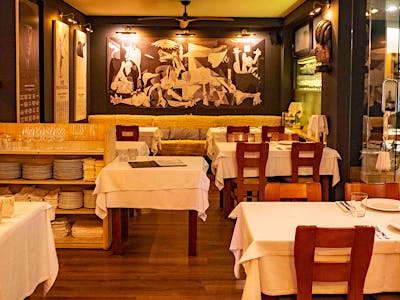
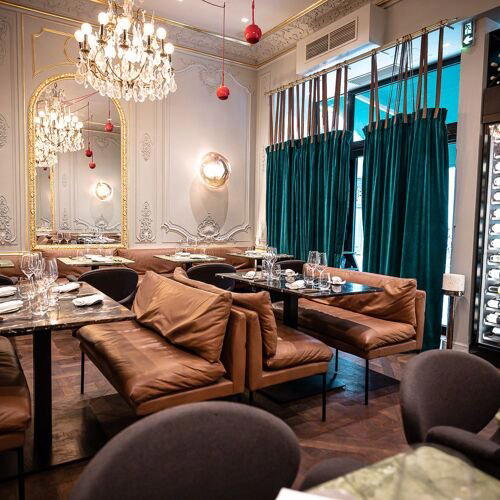
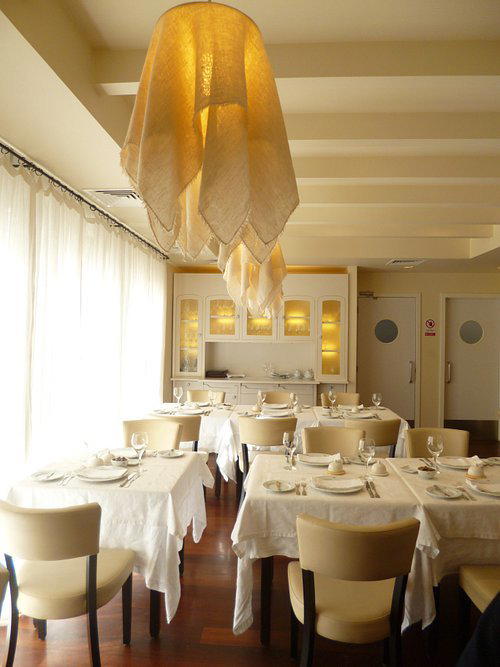
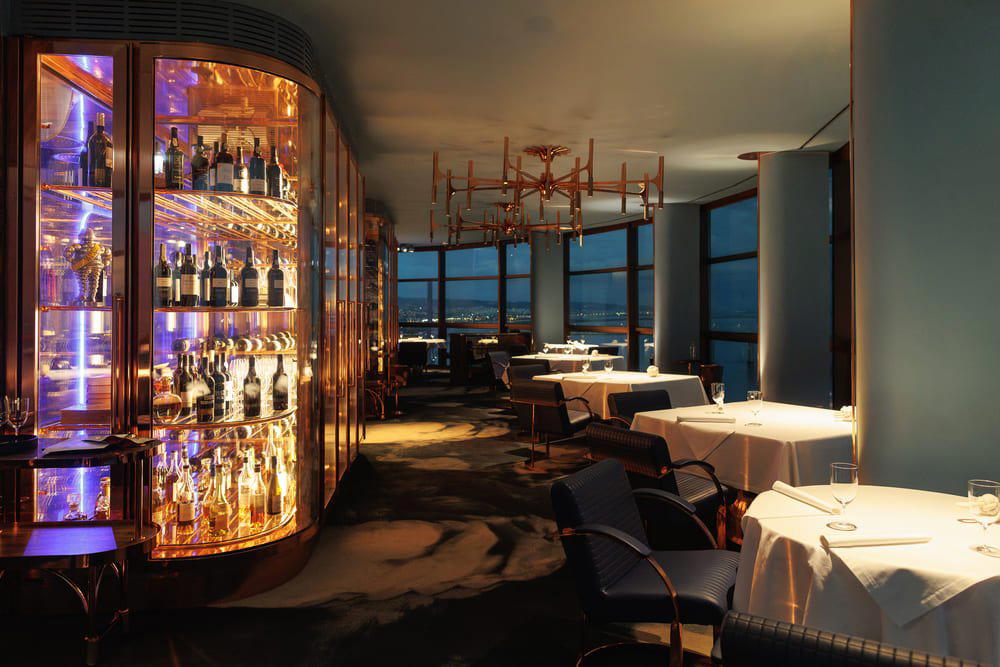
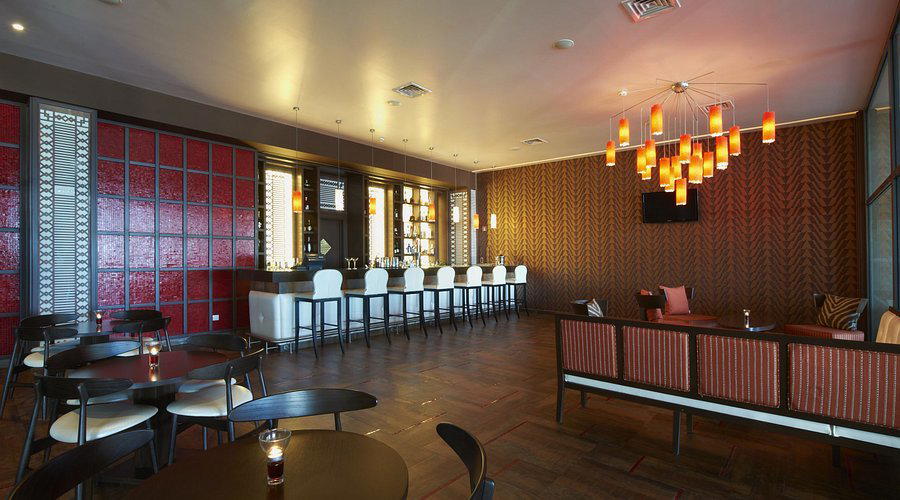
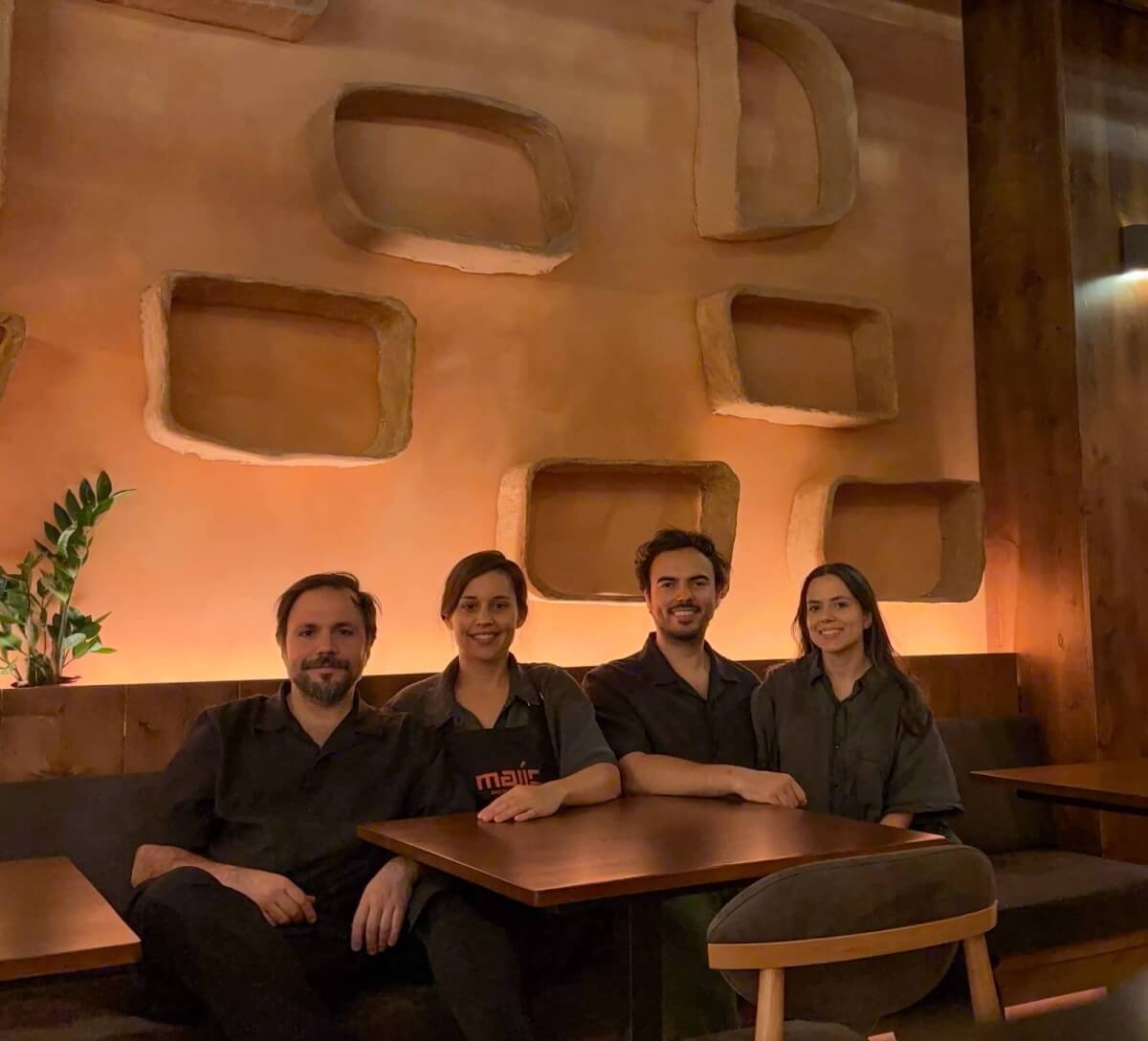
Welcoming and cozy modern space with friendly attentive service.