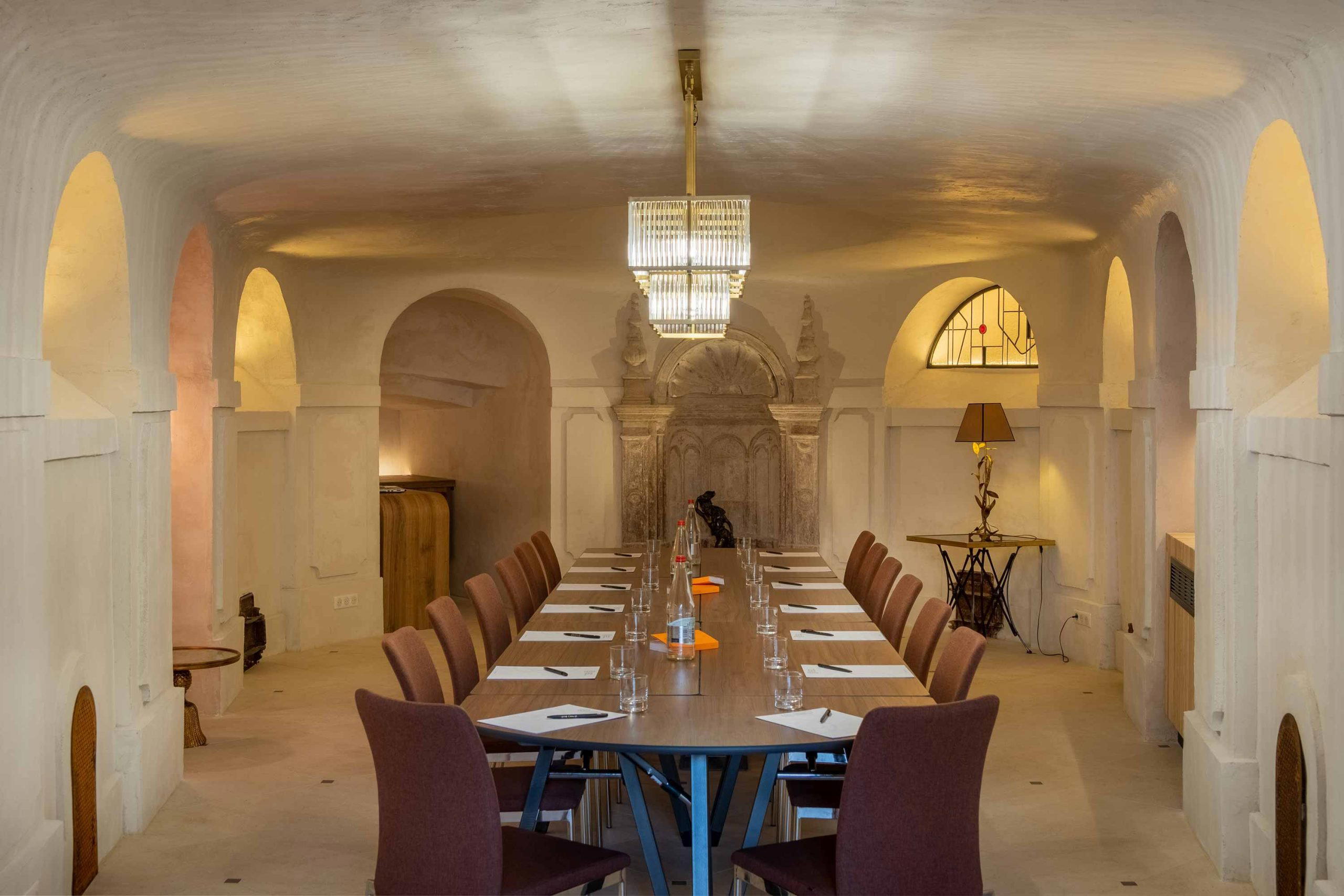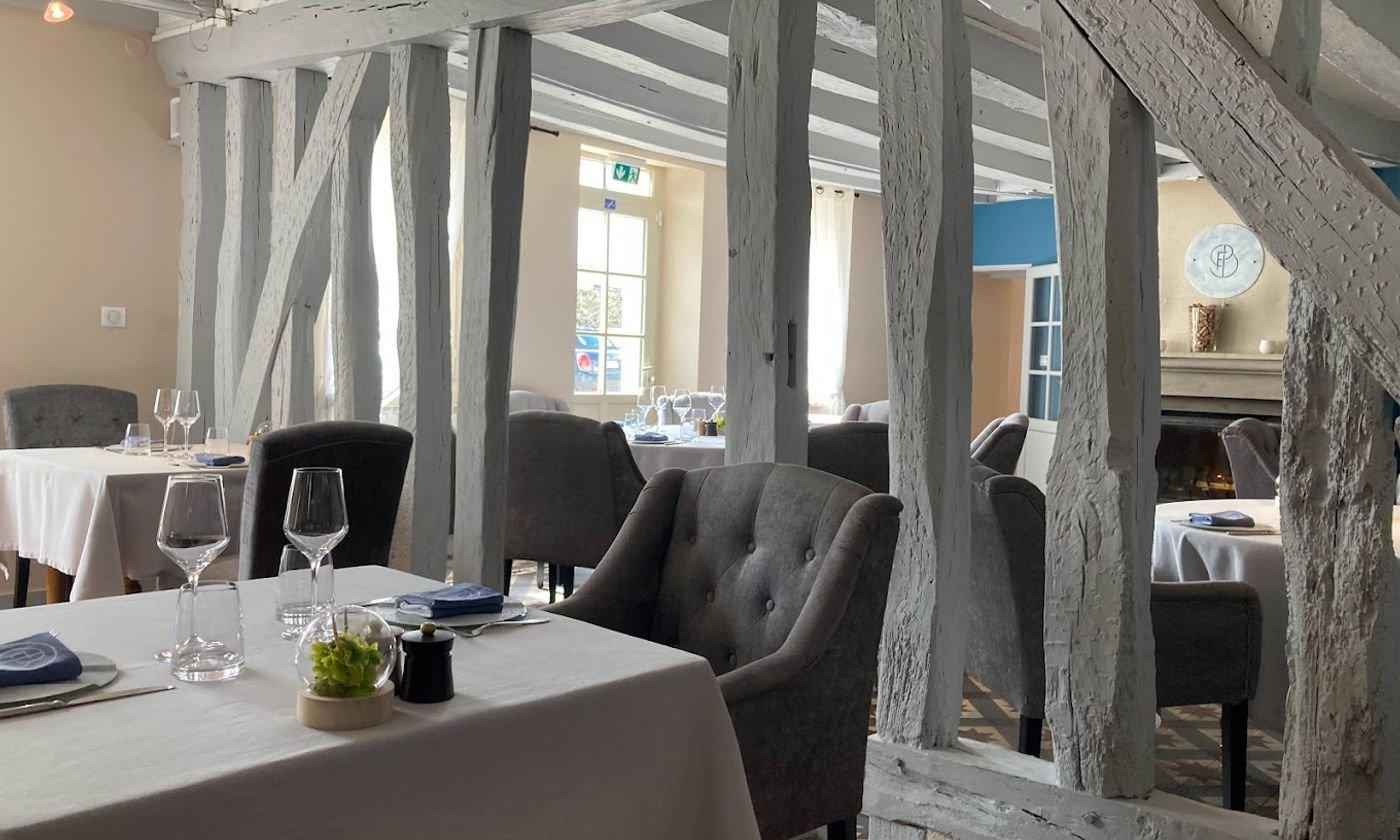

Michelin Plate · Gault & Millau Remarkable Restaurant
Our verdict
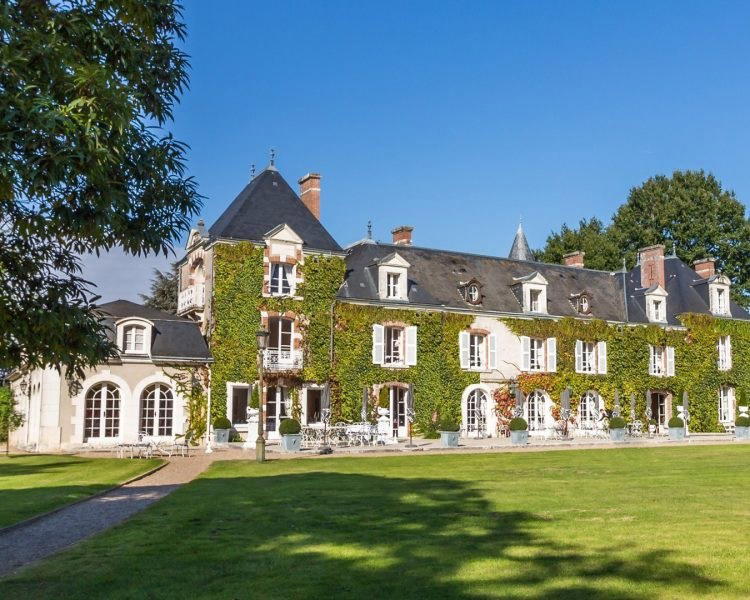
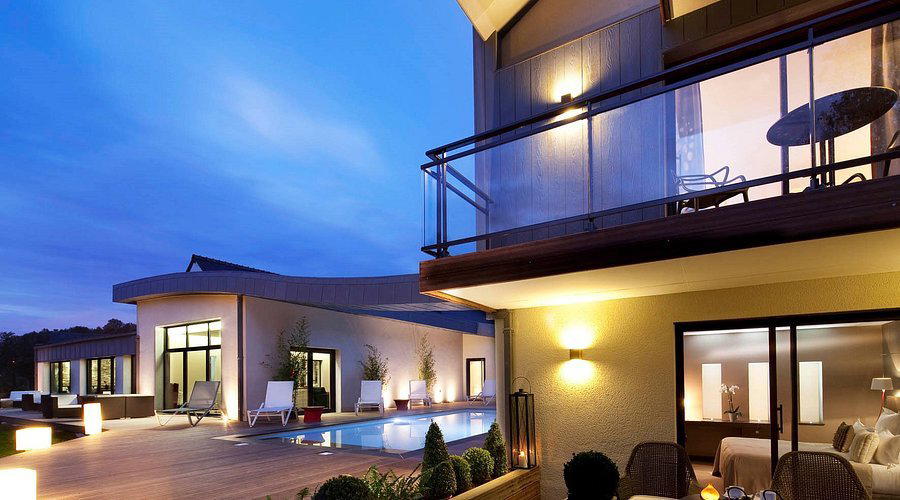
Set in the wooded parkland of Saint-Ouen-les-Vignes, L'Aubinière holds a Michelin Plate (2024). Chef Christophe Gavot builds seasonal menus around Loire Valley provenance, Richelieu asparagus, Mouliherne escargots, line-caught meagre, backed by a cellar focused on regional wines. Guestrooms and a wellness area make it a self-contained destination outside Tours.

Pearl is the En Primeur Club membership app, where members save venues, book tables and use the concierge.
Countryside dining and the Loire's seasonal table
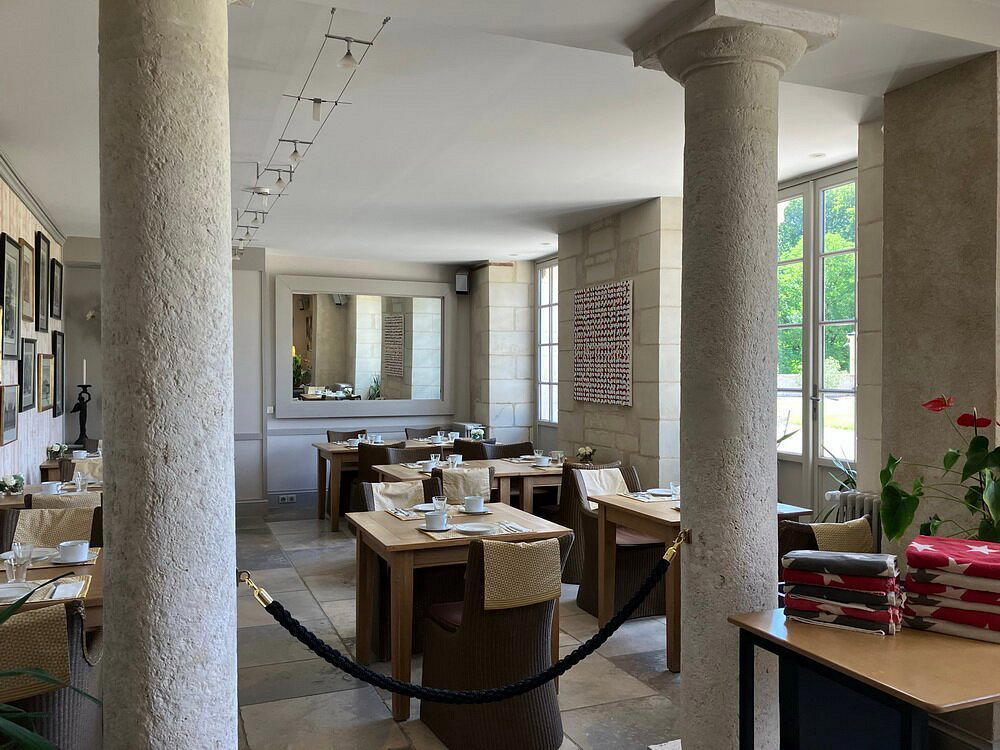
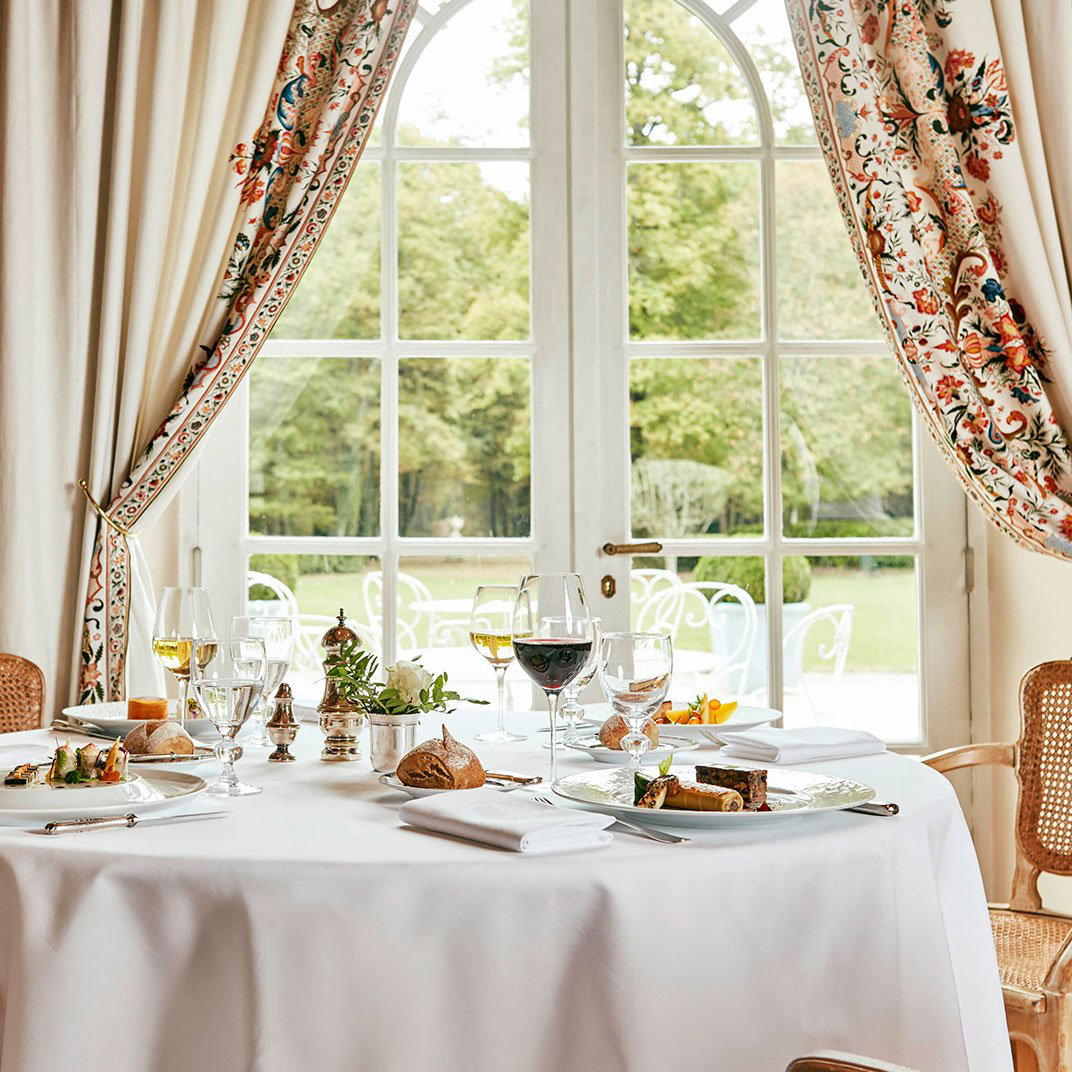
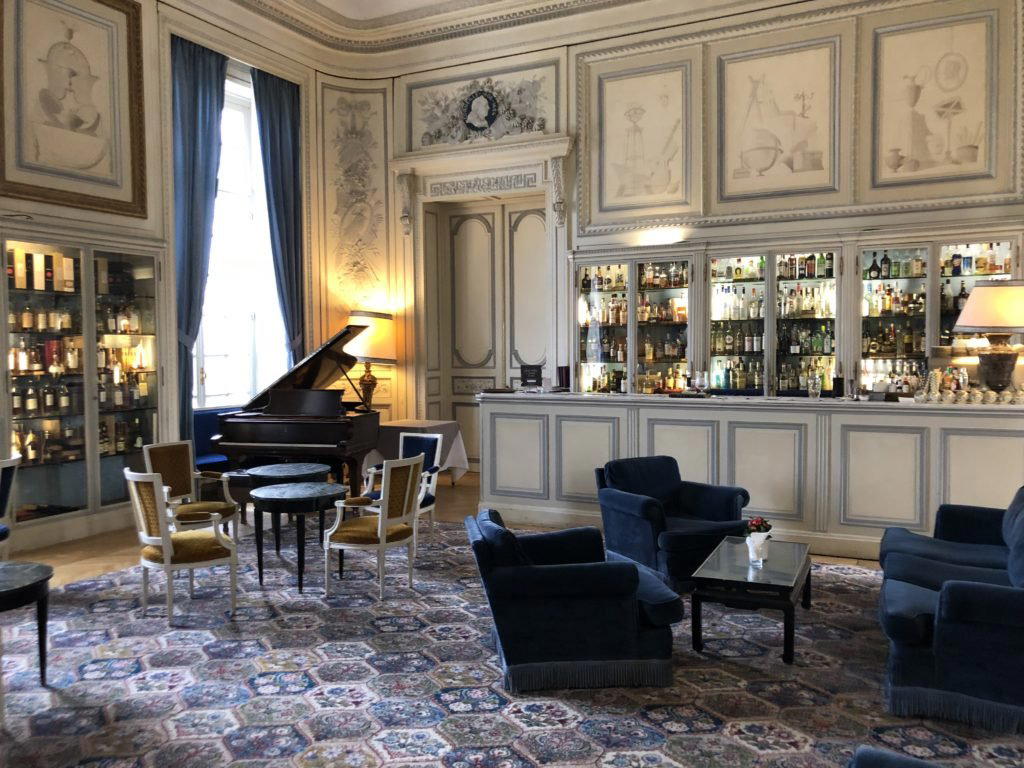
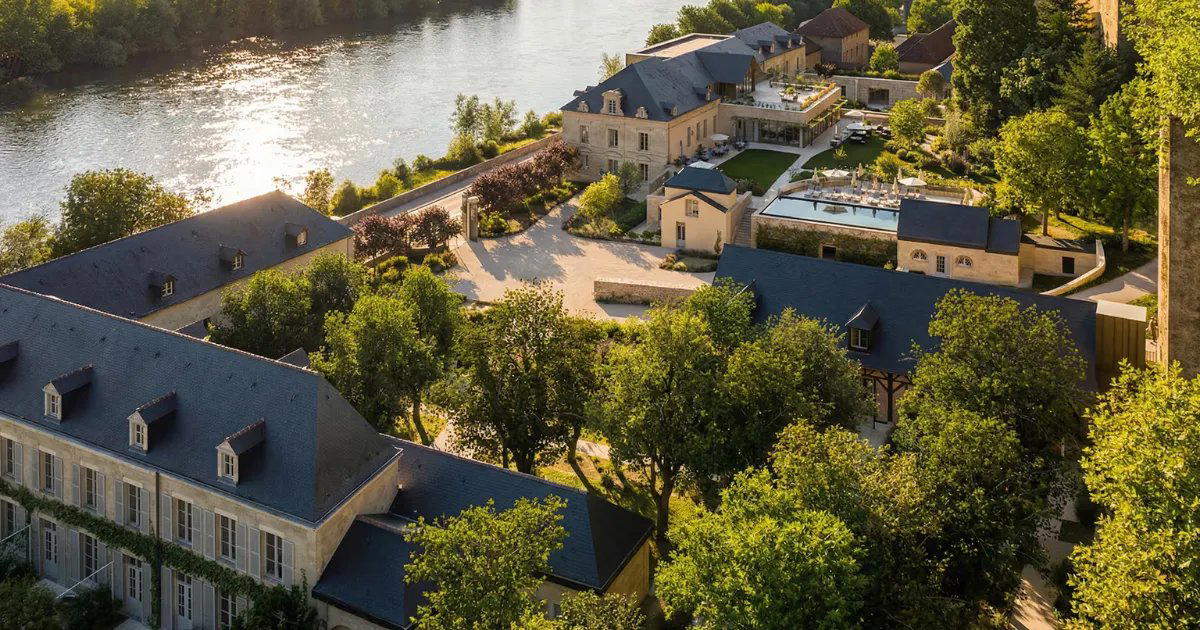
France has a long tradition of the auberge as a complete destination: a place where the kitchen, the cellar, the rooms, and the setting form a single argument for making the journey. That model has produced some of the country's most enduring restaurants, from Auberge de l'Ill in Illhaeusern to Bras in Laguiole, and it remains the format that leading justifies leaving Paris for a meal. L'Aubinière, in the small commune of Saint-Ouen-les-Vignes in the Touraine, sits inside that tradition. The dining room opens onto wooded parkland through floor-to-ceiling windows, light shifts with the season, and the kitchen under Chef Christophe Gavot tracks what the Loire Valley's markets and producers are doing with close attention.
Paris's top tier runs at a very different register. The €€€€ bracket includes 114, Faubourg, Accents Table Bourse, and three-star houses such as Amâlia and Anona. That positioning is a statement of intent: the kitchen spends its budget on ingredients and cellar, not on urban real estate or elaborate service choreography.
What the Michelin Plate signals here
Michelin awarded L'Aubinière a Plate in its 2024 Guide, a designation that signals consistent kitchen quality without yet reaching Bib Gourmand or star level. In the context of regional France, the Plate carries real weight: it places the kitchen inside the Guide's tracked properties, which matters for a destination that relies on visitors travelling specifically to eat.
For comparison, destination restaurants in France that have built strong multi-year reputations in their regions, Flocons de Sel in Megève, Mirazur in Menton, Troisgros - Le Bois sans Feuilles in Ouches, share a common characteristic: they give guests a reason to stay, not just to pass through. L'Aubinière's guestrooms and wellness area put it inside that category, even if its current Michelin standing sits below those starred peers.
The kitchen's relationship with Loire provenance
Regional sourcing in the Loire Valley is not a marketing shorthand. The valley produces some of France's most closely identified ingredients: Richelieu asparagus, grown in the Indre-et-Loire and known for its fine white stems, carries genuine appellation weight. Mouliherne escargots come from a village in the Maine-et-Loire, part of a small-producer network that supplies kitchens across the region. Line-caught meagre (maigre de ligne) is a fish that demands careful sourcing: farmed versions exist widely, but the line-cut fish from Atlantic coastal waters represents a different product in terms of texture and flavour. The kitchen's specific citation of these three ingredients in its description is a form of credential, it names the producers and methods rather than claiming vaguely to use local produce.
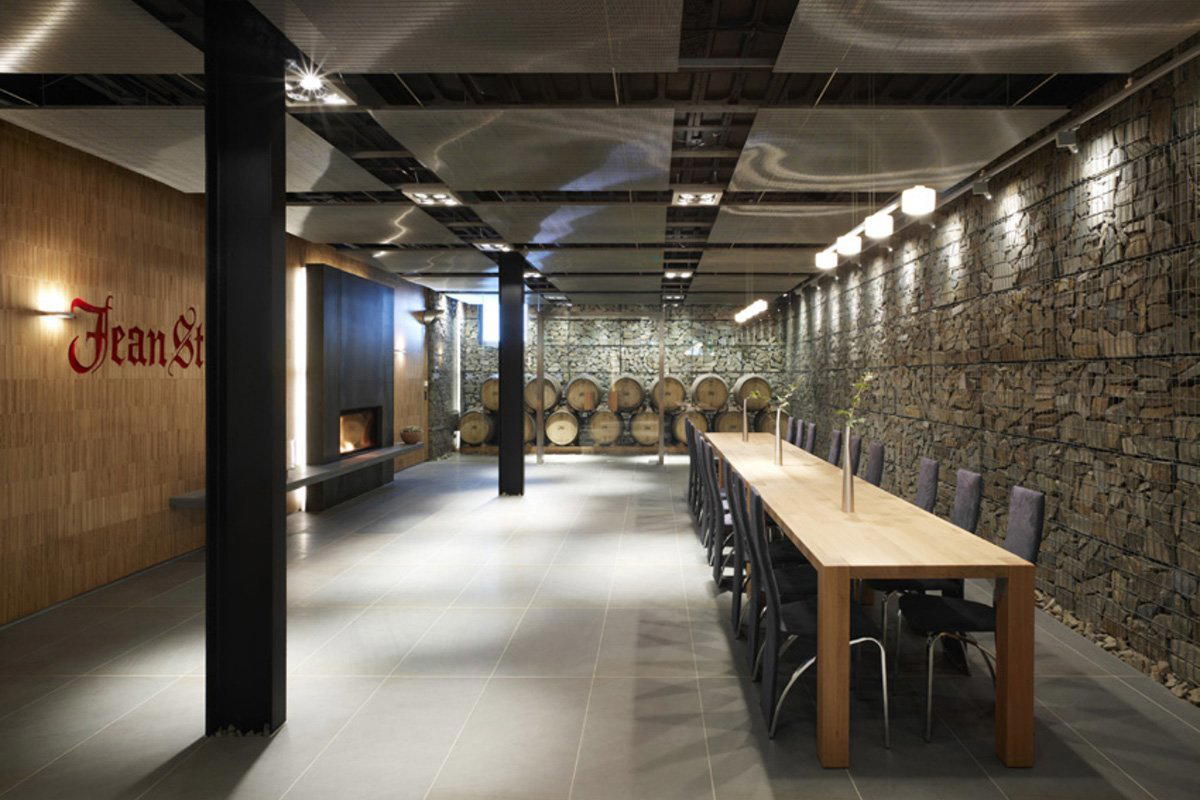
Seasonal cuisine in the Touraine follows a logical rhythm. Spring brings asparagus and wild herbs; summer moves toward Loire fish and garden vegetables; autumn shifts to game and mushrooms from the wooded areas the restaurant overlooks. The cellar's focus on regional wines completes that argument. The Loire produces a wider range of varieties than any other French wine region of comparable size, from Muscadet and Gros Plant in the west to Pouilly-Fumé, Sancerre, Vouvray, Chinon, and Bourgueil further east. A cellar stocked with that breadth gives the sommelier significant range when matching the seasonal menu.
The floor, the cellar, and the kitchen working together
The editorial angle on L'Aubinière most worth articulating is the coherence between the team's three functions. The kitchen's ingredient-led approach requires front-of-house to explain what the menu is doing and why certain dishes shift week to week. The sommelier's regional focus requires genuine knowledge: a cellar built around Loire appellations demands that the person presenting it can move between Savennières and Saumur-Champigny with equal fluency, not just default to the safe choices. And both services must support a dining room whose main experiential proposition is the view of the parkland and the quietness of being outside the city.
This kind of coherence is harder to sustain than it looks. At destination restaurants where the kitchen reputation drives everything, the floor and cellar sometimes function as delivery mechanisms rather than as equal contributors. Compare the structural demands at something like Paul Bocuse - L'Auberge du Pont de Collonges or Auberge de Montfleury, where prestige and history do some of the work, and the challenge becomes clearer. At L'Aubinière, the setting and the season carry the room; the team has to do the rest.
A destination format that holds its logic
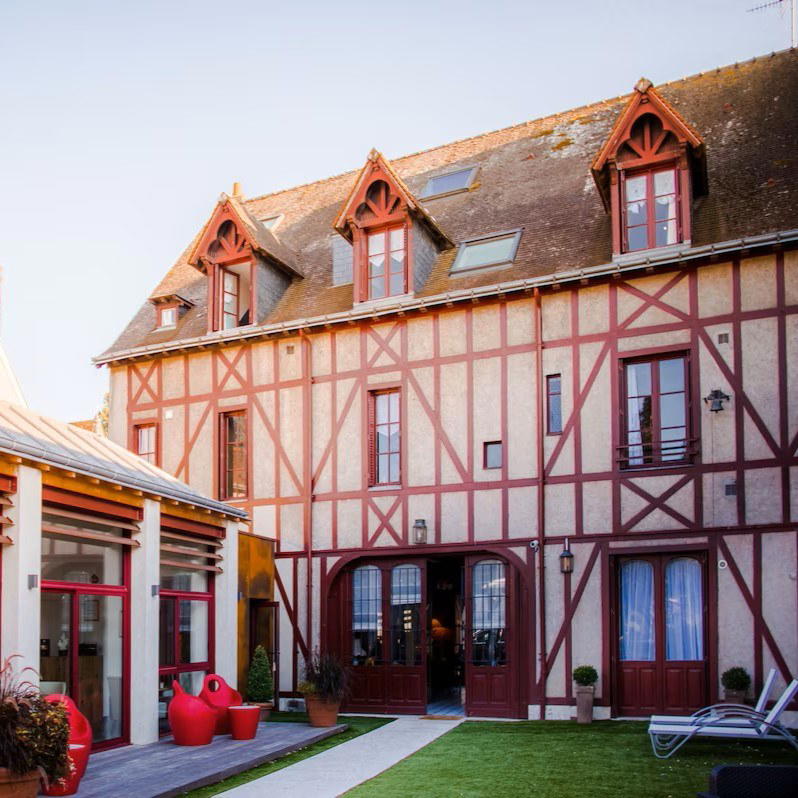
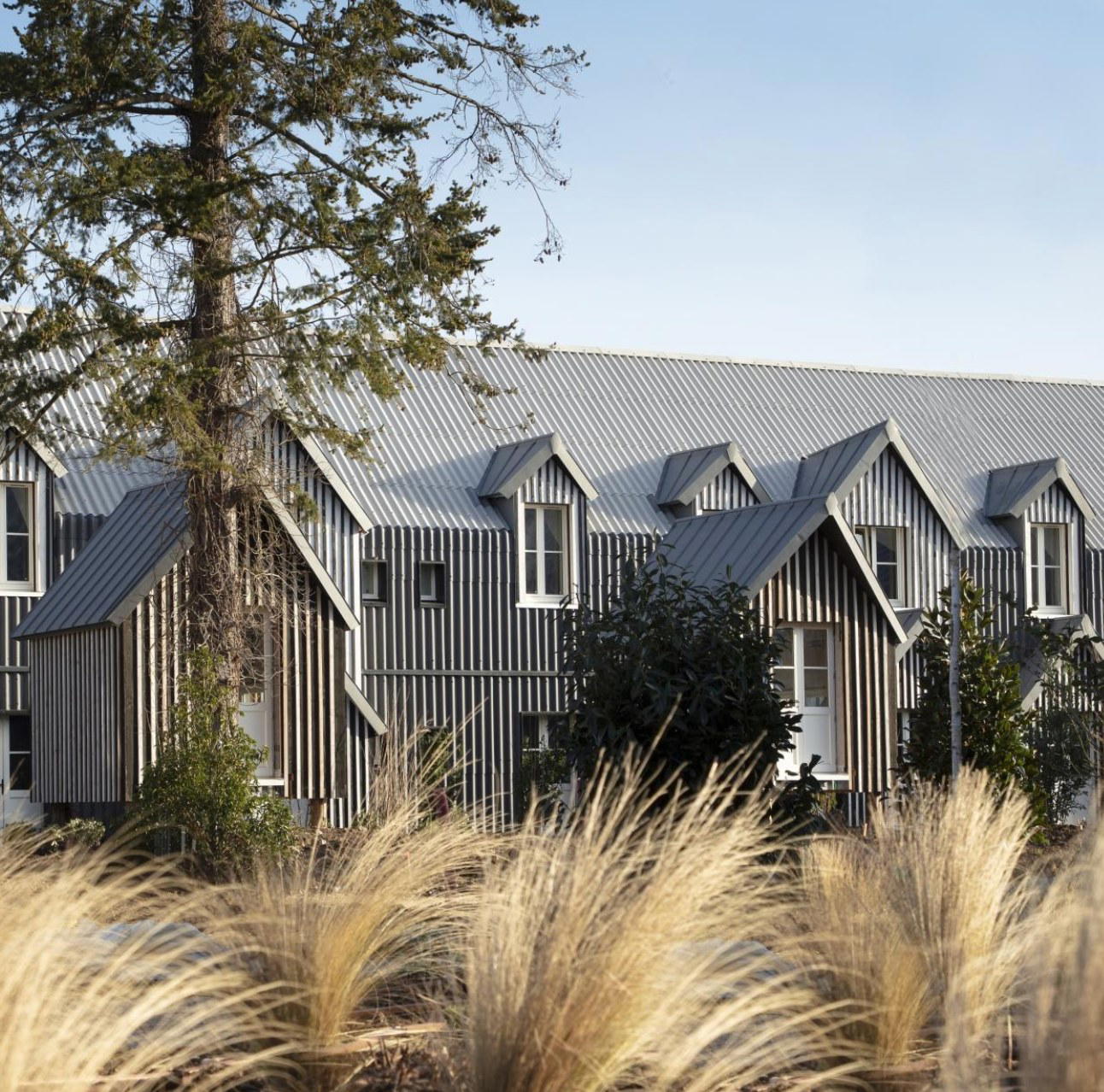
The guestrooms and wellness area shift L'Aubinière from a restaurant with a view into something closer to a full destination stay. That format asks more of every department: rooms need to match the kitchen's quality signal, the wellness offer needs to read as coherent rather than as an afterthought, and the morning experience needs to sustain the mood the dinner established the night before. Destination formats at this price bracket work when all parts are consistent; they fail when one element lags the others and the whole proposition unravels overnight.
For readers planning a Loire Valley itinerary, the relevant question is whether the combined experience, meal, room, setting, morning, adds up to a journey worth making from Paris or from Tours. The evidence from the review record and Michelin's current assessment suggests it does, particularly for guests who want the regional-ingredient narrative to extend to the glass as well as the plate.
Planning your visit
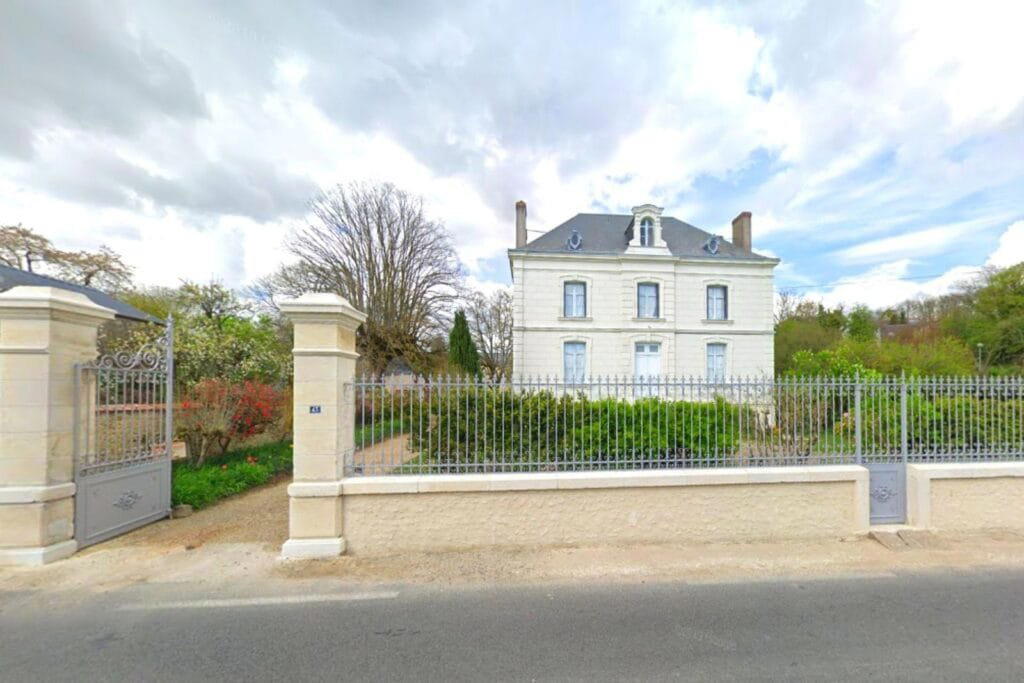
L'Aubinière is located at 25 Rue Jules Gautier, 37530 Saint-Ouen-les-Vignes, a small commune in the Indre-et-Loire, roughly between Amboise and Blois. The restaurant sits in the €€ price bracket, making it accessible relative to destination restaurants of comparable Michelin standing. Guestrooms and a wellness area are available on-site, which makes an overnight stay the natural format. Given the regional wine focus, visitors with specific cellar interests should enquire ahead about what's currently poured by the glass. Booking in advance is advisable for weekends.
Quick reference: L'Aubinière, 25 Rue Jules Gautier, 37530 Saint-Ouen-les-Vignes | Michelin Plate (2024) | €€ | Modern cuisine, regional Loire sourcing | Guestrooms and wellness area on-site.
Frequently asked questions
Is L'Aubinière Michelin-listed?
L'Aubinière has received recognition including: Category: Remarkable; This attractive, contemporary dining space basks in the light of the windows that open out onto the wooded parkland. The seasonal cuisine never compromises on the quality of the ingredients (Richelieu asparagus, Moulih….
Where do I go for L'Aubinière?
L'Aubinière is located at 25 Rue Jules Gautier, 37530 Saint-Ouen-les-Vignes, France, Paris.
What's the best thing to order at L'Aubinière?
The kitchen's publicly documented focus points to three ingredients worth orienting a meal around: Richelieu asparagus, Mouliherne escargots, and line-caught meagre. These are not rotating specials but recurring references in Michelin's own 2024 Plate citation, which suggests they represent the kitchen's approach to Loire Valley provenance under chef Christophe Gavot. Order according to the season, the asparagus, in particular, is a protected Loire product with a narrow window.
How much does it cost to eat at L'Aubinière?
Pricing at L'Aubinière is listed as €€.
Comparable Spots, Quickly
| Venue | Cuisine | Price | Awards | Notes |
|---|---|---|---|---|
| L'AubinièreThis venue (the venue you are viewing) | Modern French Bistro | $50–100 | Michelin Plate · Gault & Millau Remarkable Restaurant | Not listed |
| Alléno Paris au Pavillon Ledoyen | Modern French Fine Dining | $150–200 | 3 Michelin Stars · World's 50 Best #79 | Creative |
| Kei | Modern French with Japanese Influences | $300–500 | 3 Michelin Stars · World's 50 Best #93 | Contemporary French, Modern Cuisine |
| L'Ambroisie | Classic French Haute Cuisine | $300–500 | 2 Michelin Stars · World's 50 Best #23 | French, Classic Cuisine |
| Le Cinq - Four Seasons Hôtel George V | Modern French Fine Dining | $300–500 | 3 Michelin Stars · World's 50 Best #24 | French, Modern Cuisine |
| Plénitude | Modern French Sauce-Led Fine Dining | $300–500 | 3 Michelin Stars · World's 50 Best #10 | Contemporary French |
Recognition history
Dated appearances from independent guides and award organizations, with the underlying list record or original source where available.
Michelin Plate
Michelin
Gault & Millau Remarkable Restaurant
Gault & Millau
Full recognition history (3 entries)
Michelin Plate
Michelin