Carmel Valley Ranch


Spread across 500 acres of Carmel Valley, Carmel Valley Ranch is a resort built around land rather than luxury as an end in itself. All-suite accommodations, a Pete Dye championship golf course, the Valley Kitchen restaurant, a nature-rooted spa, and the River Ranch activity complex position it as a full-immersion property where the terrain does the design work. Book well ahead, particularly for summer and holiday periods.
Pearl is the En Primeur Club membership app — saves, bookings, and concierge access live there. Same editors, same standards.
- Address
- One Old Ranch Road
- Phone
- 831-625-9500
- Directions
- Get directions
 Saves & bookings on Pearl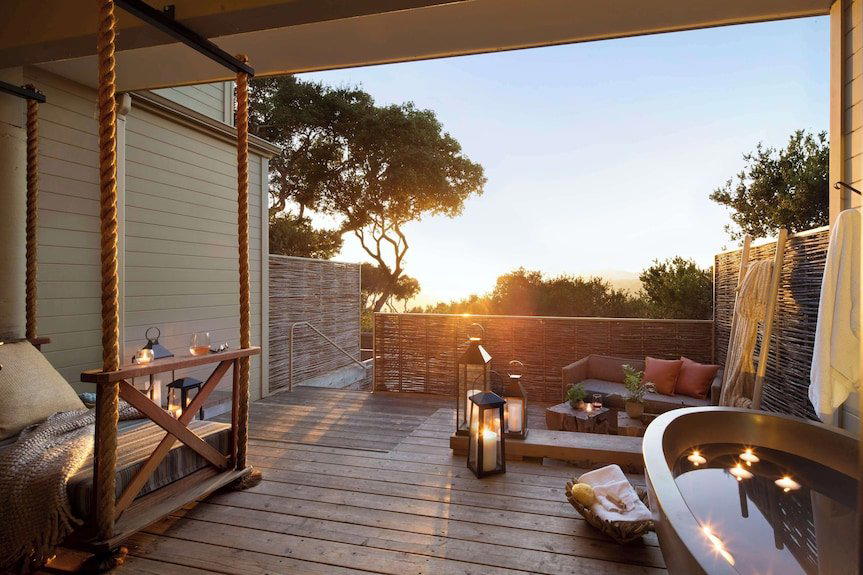
Five Hundred Acres and a Design Ethos Rooted in Terrain
California's premium resort tier has split along a clear fault line: properties that import luxury onto a site, and properties that let the site define the luxury. Carmel Valley Ranch belongs to the second school. Arriving at One Old Ranch Road, the built environment recedes into the surrounding hills — the 500-acre footprint means structures are spread rather than stacked, and the dominant visual is oak-studded valley floor rather than a grand porte-cochère. That spatial decision shapes everything else about the property, from how guests move through their day to what the architecture is actually competing with.
The design language at this scale of Western resort — think sprawling California ranch vernacular rather than condensed European grandeur, rewards guests who arrive prepared to roam. For urban properties working with tight footprints, the challenge is vertical layering; here, it is horizontal curation across a landscape that takes real time to explore. Properties like Amangiri in Canyon Point and Ambiente in Sedona operate on a similar premise: the physical terrain is the primary design material, and the built structures exist to frame it rather than replace it.
The Valley Kitchen and the Architecture of Dining
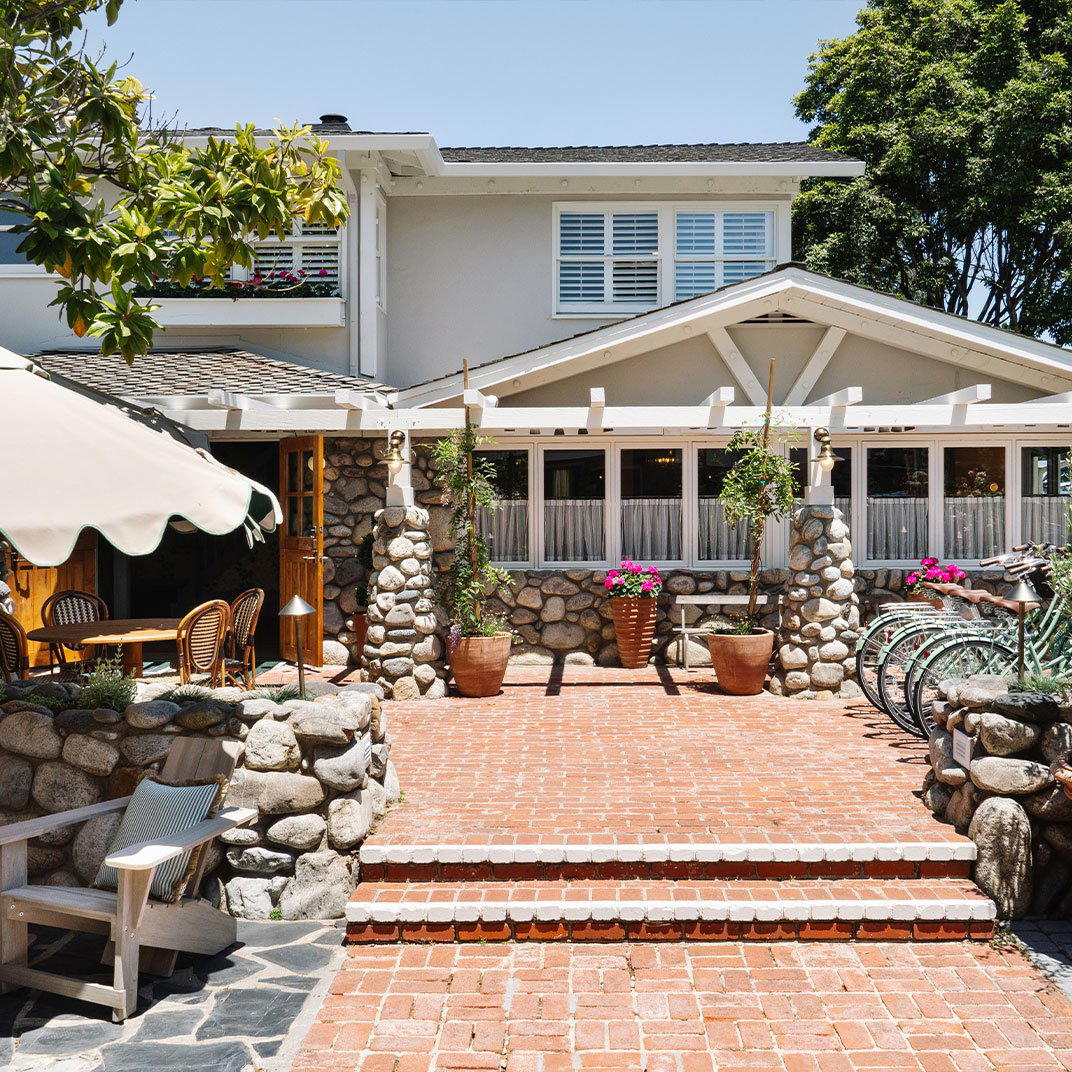
The ranch format, across the American West, has historically produced dining that either leans into frontier nostalgia or overcorrects into generic hotel-restaurant territory. The recently reimagined Valley Kitchen at Carmel Valley Ranch represents a third path: a fresh look and updated menus aligned with the resort's broader repositioning, supplemented by casual poolside pod dining that distributes the food program across the property rather than concentrating it in one formal room. This spatial distribution of dining options is characteristic of the larger-footprint resort model, an approach also seen at properties like Blackberry Farm in Walland, where dining and experience are threaded through the property rather than anchored to a single venue.
For context on California's Central Coast wine country dining culture, the Carmel Valley corridor sits adjacent to serious wine-growing terrain, which puts properties like this one in close conversation with the farm-to-table logic that drives places such as SingleThread Farm Inn in Healdsburg and Auberge du Soleil in Napa. The ranch's own creamery is the clearest expression of this: on-site production creates a direct supply chain that shapes the food identity of the place in a way that imported ingredients cannot replicate.
River Ranch, the Golf Course, and the Logic of Layered Programming
American luxury ranch resorts have increasingly competed on programming depth rather than room count alone. The newly enhanced River Ranch activity complex, pools for both adults and children, tennis and pickleball courts, and structured programming from toddlers through adults, positions Carmel Valley Ranch explicitly in the multi-generational family resort tier. That is a deliberate competitive placement. Properties like Canyon Ranch Tucson anchor their identity in wellness programming; Carmel Valley Ranch's answer is a broader activity matrix that accommodates family travel without subordinating the adult experience.
The Pete Dye-designed championship golf course is the anchor of the sports offering. Dye's design philosophy, dramatic risk-reward architecture, natural terrain integration, courses that challenge without becoming punishing, aligns well with a property that treats its 500 acres as a working canvas. For guests who travel specifically around golf, the Carmel region competes against Pebble Beach for prestige but offers a distinctly different valley setting rather than coastal links terrain.
Miles of hiking and biking trails and a resident animal herd extend the programming into the softer, more unstructured end of the spectrum. This range, from competitive sport to pastoral wandering, is characteristic of the leading American rangelands resort model. Sage Lodge in Pray, Montana and Alpine Falls Ranch in Superior take comparable approaches, building itineraries around terrain rather than manufactured programming.
Spa and Wellness Within a Nature-Rooted Framework
The spa at Carmel Valley Ranch operates within a nature-rooted design framework, an approach that draws on the surrounding oak woodland environment rather than importing a generic luxury spa aesthetic. In a wellness market crowded with interchangeable treatment menus and neutral-palette design, properties that locate their spa identity in the specific ecology of their site tend to offer a more coherent guest experience. The distinction matters less in urban luxury hotels, where a spa is primarily a service offering, and more at destination resorts where the surrounding landscape is itself part of the therapeutic proposition. Kona Village in Kailua Kona and Little Palm Island in Little Torch Key demonstrate the same principle in tropical formats.
Within Carmel Valley itself, Carmel Valley Ranch occupies a different register than the more intimate, wine-focused Bernardus Lodge and Spa, which operates at a smaller scale with a stronger winemaking identity. The Ranch's 500-acre footprint and broad activity matrix make it the area's full-service resort option, targeting guests who want to remain on-property rather than base-camp and explore. That distinction is worth understanding before booking: Carmel Valley Ranch is structured for immersion in a single contained world, not as a launch point for regional exploration.
Nationally, the property's closest comparators are full-immersion rangelands resorts. Amangani in Jackson Hole and Post Ranch Inn in Big Sur both demonstrate how California and Mountain West terrain can anchor a luxury property's identity, though each operates at a different scale and with a different activity emphasis. For guests accustomed to urban luxury properties, the vertical, service-dense model typified by The Fifth Avenue Hotel in New York City, Aman New York, or Raffles Boston, Carmel Valley Ranch operates on different logic entirely. The distances between amenities are not a deficiency; they are part of what the property is offering.
See our full Carmel restaurants guide for dining context beyond the ranch.
Planning Your Stay
All accommodations are suites, there are no standard rooms, which sets a clear baseline for the guest experience. Summer and holiday periods represent the highest-demand windows for Carmel Valley, and for a property of this profile, advance planning matters: the activity programming, golf tee times, and spa facilities each have capacity limits that are not apparent at the point of arrival. The valley's inland position means warmer, drier conditions than the Carmel coast, which extends the comfortable outdoor season beyond what marine-layer fog would otherwise permit. Guests arriving from international routes typically route through San Francisco or San Jose and drive south; the journey takes two to three hours depending on the Bay Area traffic window.
How Carmel Valley Ranch compares with similar nearby venues.
| Venue | Awards |
|---|---|
| Carmel Valley Ranch | Virtuoso Luxury Hotel Partner (2026) |
Recognition history
Dated appearances from independent guides and award organizations, with the underlying list record or original source where available.
Virtuoso Luxury Hotel Partner
Virtuoso
Michelin Selected
Michelin
Continue exploring
More in Carmel Valley
Hotels in Carmel Valley
Browse all →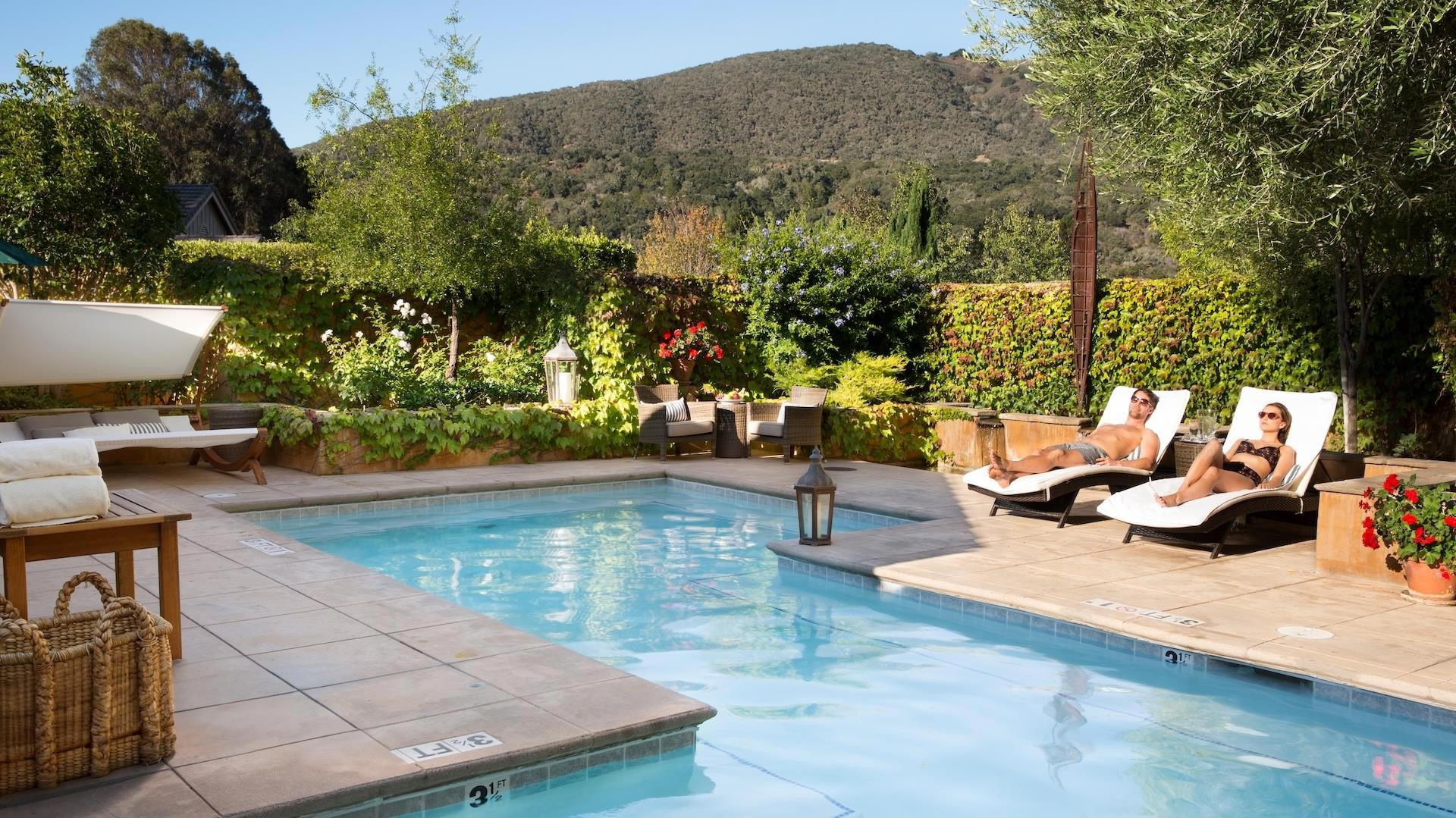
Bars in Carmel Valley
Browse all →
Restaurants in Carmel Valley
Browse all →
Wineries in Carmel Valley
Browse all →
At a Glance
- Scenic
- Rustic
- Elegant
- Romantic
- Romantic Getaway
- Family Vacation
- Wellness Retreat
- Weekend Escape
- Group Retreat
- Golf Course
- Infinity Pool
- Destination Spa
- Panoramic View
- Pool
- Spa
- Fitness Center
- Room Service
- Concierge
- Wi Fi
- Golf Course
- Tennis
- Valet Parking
- EV Charging
- Mountain
- Garden
- Vineyard
- Pool
- Spa
- Fitness Center
- Room Service
- Concierge
- Wi Fi
- Golf Course
- Tennis
- Valet Parking
- EV Charging
Tranquil and luxurious with romantic fireplaces, spa-inspired bathrooms, lush gardens, and evening s’mores by fire pits, blending rustic elegance and natural serenity.
Know Before You Go
- Getting there
- One Old Ranch Road