Hotel Indy

Michelin Selected
A Michelin Selected property on East Washington Street, Hotel Indy sits at the centre of downtown Indianapolis with a design identity rooted in the city's architectural past. The building's layered aesthetic places it in Indianapolis's growing tier of independently characterful hotels, distinct from the large-flag properties a few blocks away. For travellers who want downtown access with more design intention than a convention-grade room provides, it occupies a clear niche.

Pearl is the En Primeur Club membership app — saves, bookings, and concierge access live there. Same editors, same standards.
- Address
- 141 E Washington St, Indianapolis, IN 46204
- Phone
- (317) 735-2527
- Website
- marriott.com
- Directions
- Get directions
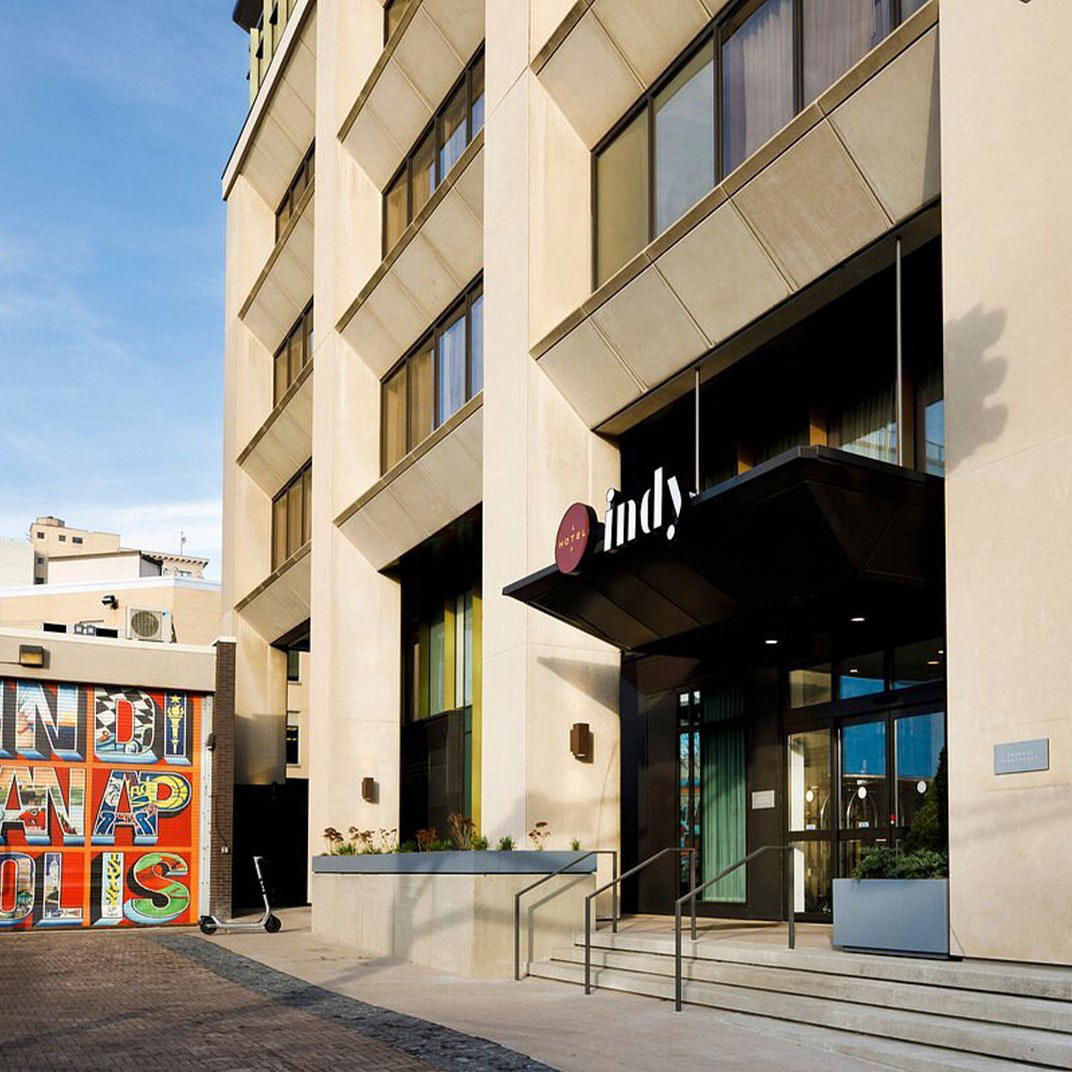
Where Downtown Indianapolis Meets Adaptive Design
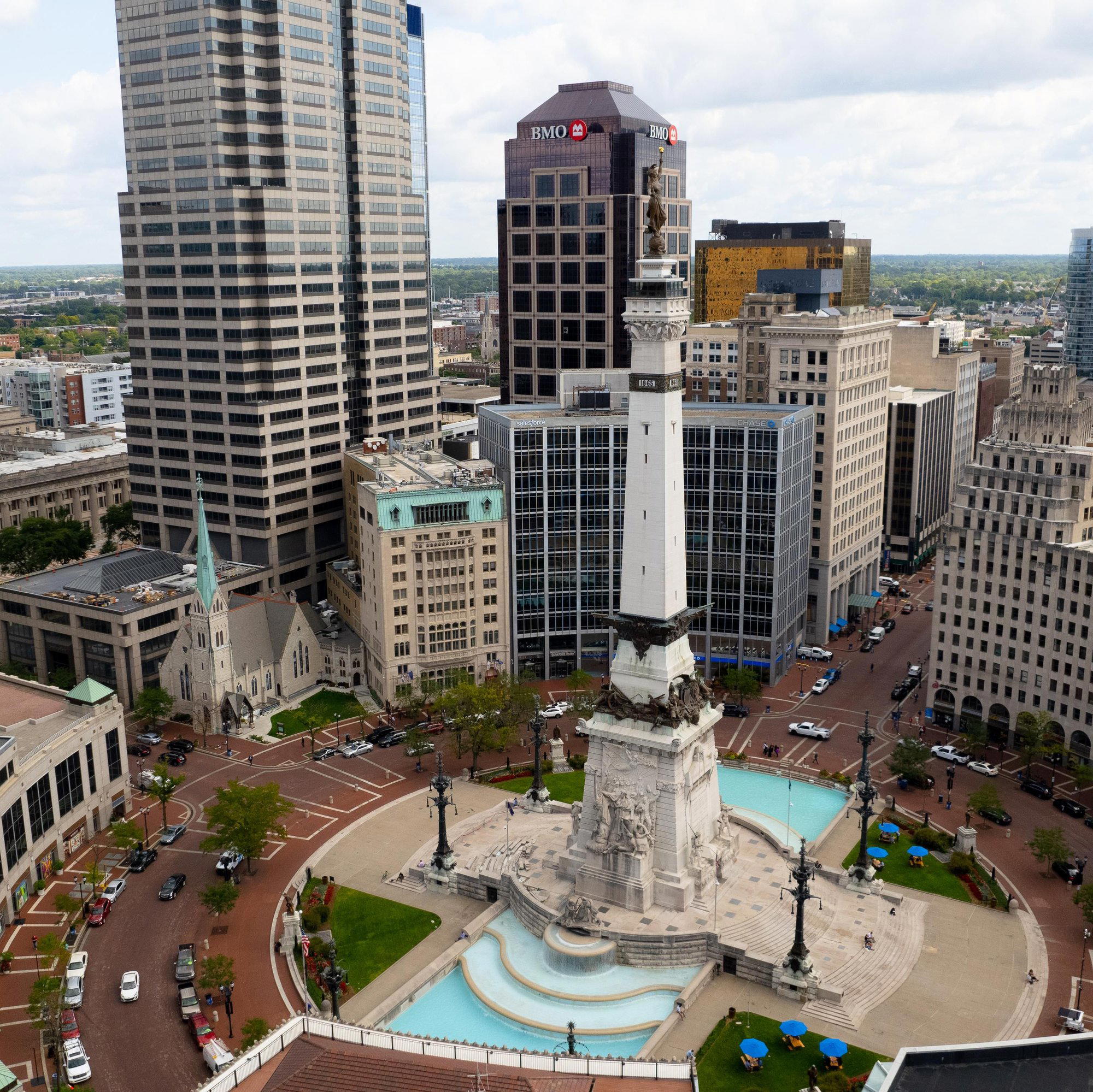
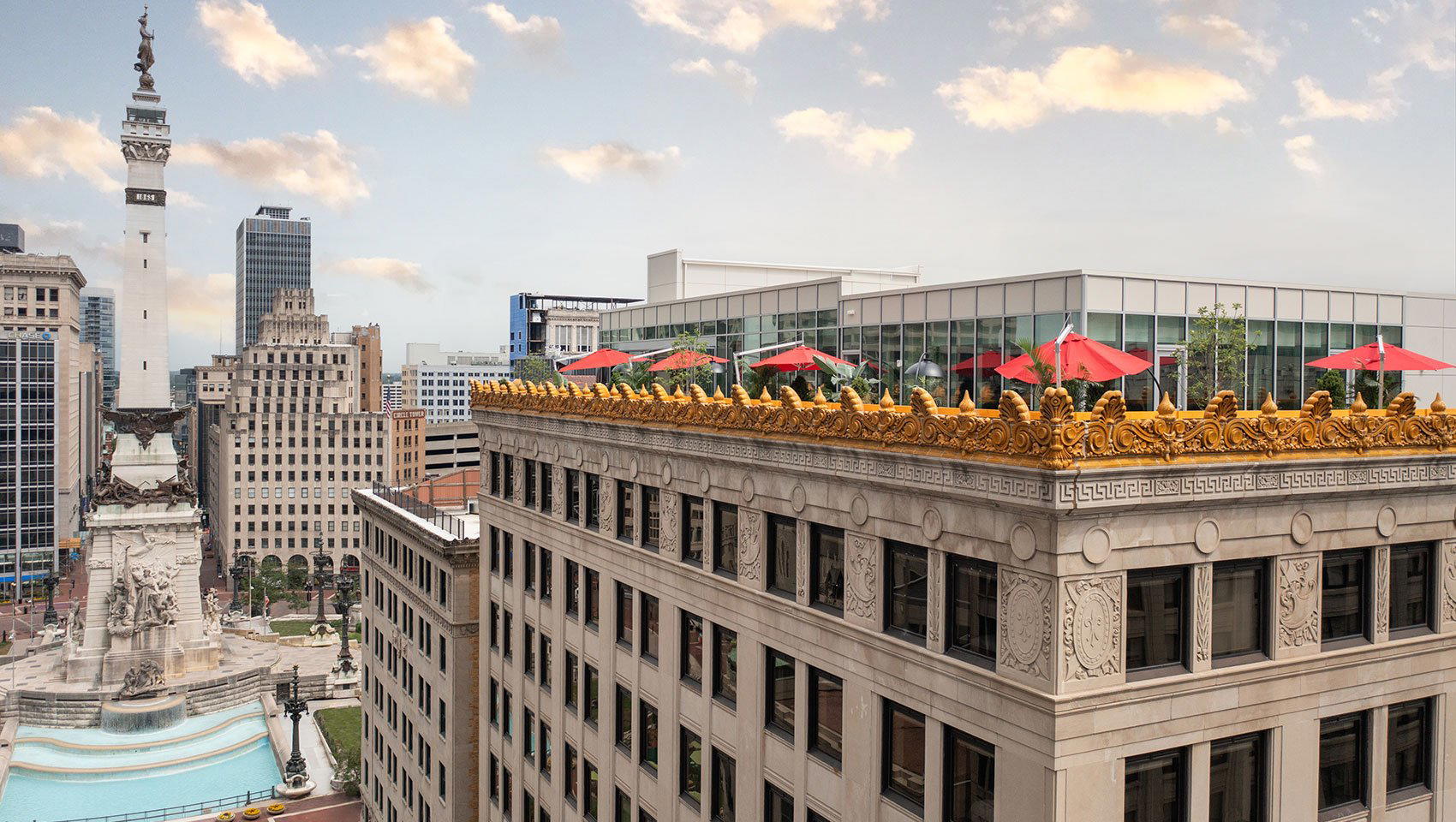
East Washington Street has functioned as Indianapolis's civic spine for well over a century, and the buildings along it carry the kind of structural weight that newer construction rarely matches. Hotel Indy sits at 141 East Washington Street, which places it within walking distance of Monument Circle, the Indiana Statehouse, and the southern edge of the Cultural Trail. That address is not incidental to the hotel's identity: the physical fabric of the building is the story here, and the surrounding streetscape gives it a context that purpose-built hotels in the convention corridor cannot replicate.
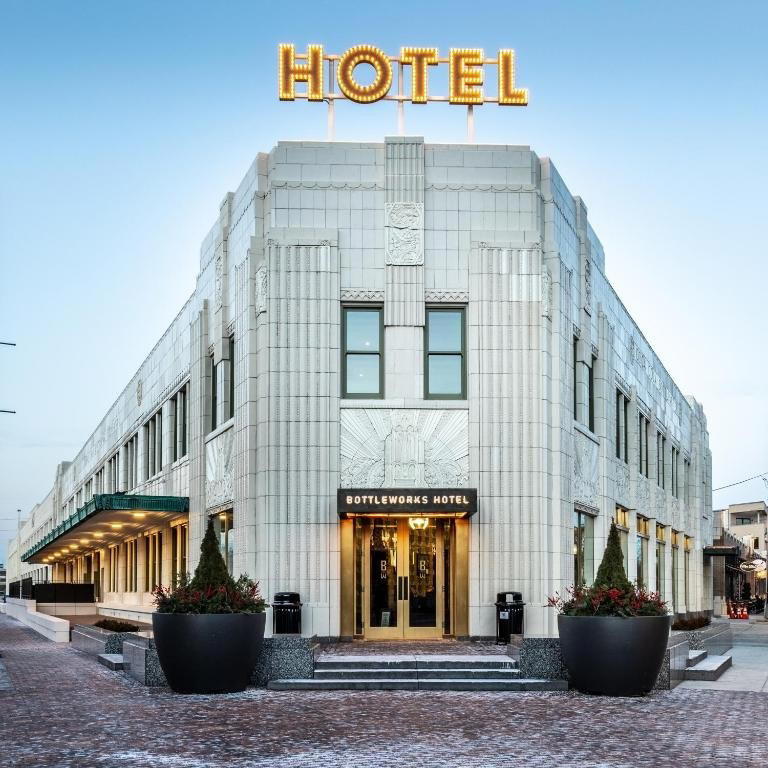
Indianapolis has developed a more varied upper-mid hotel tier over the past decade. The city long operated as a convention-and-sports destination where flag properties and full-service downtown blocks dominated the accommodation market. That has shifted. Properties like Bottleworks Hotel Indianapolis, which repurposed a 1931 Coca-Cola bottling plant, and Ironworks Hotel Indy, positioned in the Keystone at the Crossing district, have established that the city supports hotels with a defined design point of view. Hotel Indy belongs in that same conversation, though its downtown placement gives it a different functional profile from those two.
The Architecture as the Argument
The editorial angle for any serious assessment of Hotel Indy starts with the building rather than the amenities list. Adaptive reuse has become the dominant format for design-led hospitality in mid-size American cities, largely because purpose-built hotels in the same tier rarely achieve the same spatial depth. Historic structures carry proportions, material patinas, and floor-plate geometries that new construction can approximate but seldom replicate. The decision to occupy and renovate an existing structure on East Washington Street rather than build fresh puts Hotel Indy in a category that values physical authenticity over operational standardisation.
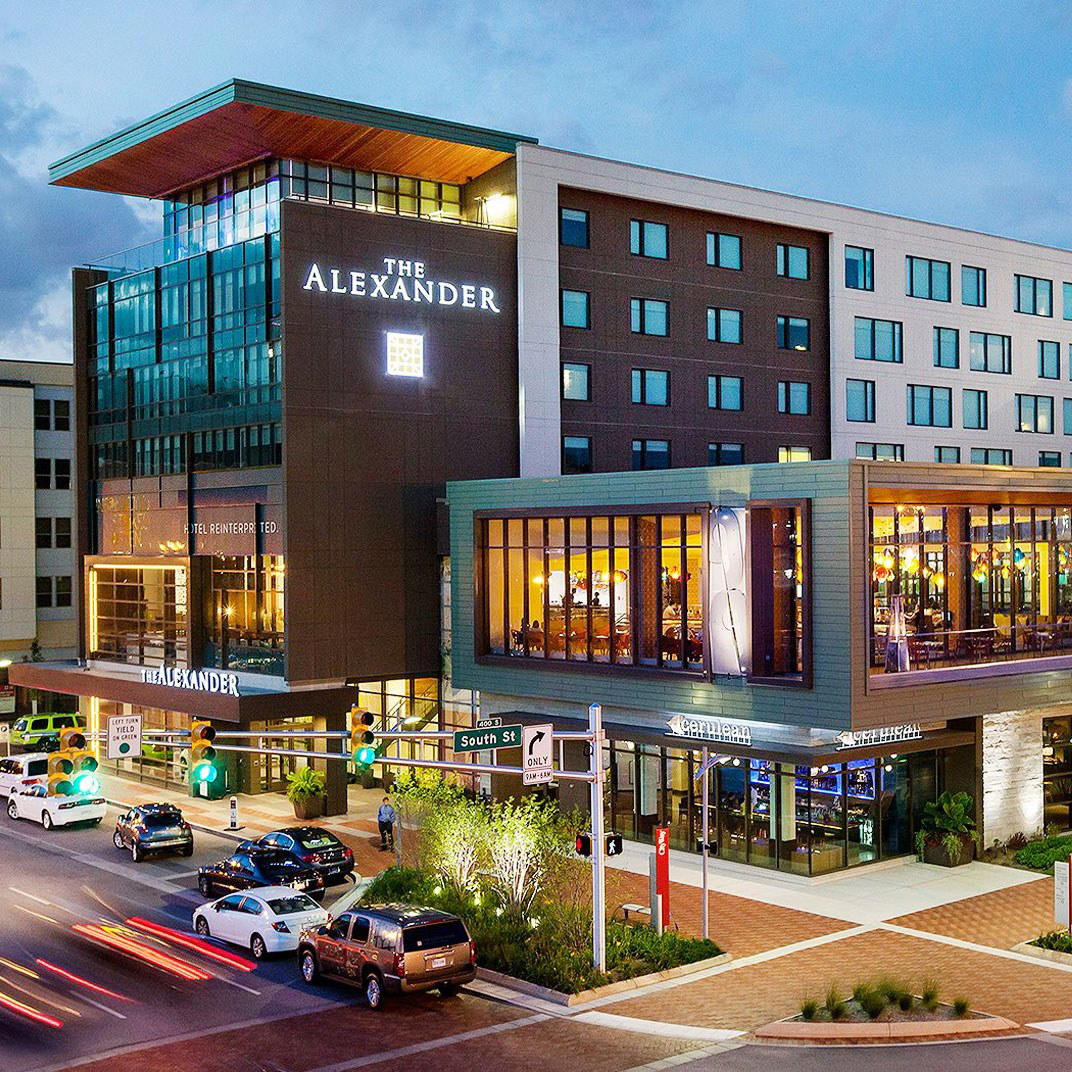
This matters in Indianapolis specifically because the city's downtown core contains a concentrated stock of early-twentieth-century commercial architecture that has been unevenly preserved. Some of it has been absorbed into the convention infrastructure; some has been lost. Properties that hold onto structural character within that context occupy a distinct position relative to peers like the InterContinental Indianapolis or the Conrad Indianapolis, both of which sit within modern towers. Hotel Indy and The Alexander approach the downtown stay from a different aesthetic premise, though The Alexander's art-forward positioning represents a different kind of design investment.
Across American cities, the hotels that have earned Michelin recognition in the Selected tier (a designation that signals consistent quality without the full Key distinction) tend to share a few characteristics: spatial coherence between the building's original purpose and its current use, a design approach that references place rather than defaulting to generic luxury templates, and a service model scaled to the property's actual character rather than to a brand standard. Hotel Indy's inclusion in the Michelin Selected Hotels 2025 list places it in that group nationally, alongside properties that earn the designation through character rather than volume.
For a sense of how that tier functions in other American cities, compare the approach to properties like the Chicago Athletic Association in Chicago, which operates inside a landmark 1893 building and earns its position through architectural legibility, or Raffles Boston, which represents the opposite model: a new build carrying a heritage brand into a contemporary tower. Hotel Indy's bet is on place and physical memory rather than brand architecture.
Downtown Indianapolis: The Practical Case
The East Washington Street location means that the primary Indianapolis institutions are accessible on foot. The Indiana Convention Center and Lucas Oil Stadium sit to the southwest; Gainbridge Fieldhouse, home to the Pacers, is under a ten-minute walk. Mass Ave, the arts and dining corridor that represents Indianapolis's most sustained independent food and bar scene, begins less than a mile to the northeast. The Cultural Trail, a protected cycling and pedestrian infrastructure that connects the city's major cultural districts, runs through the immediate area.
For travellers arriving by air, Indianapolis International Airport sits roughly fifteen miles to the southwest, with car services and rideshares as the standard connection. Downtown parking is available in the surrounding blocks for those driving in from regional destinations, as Indianapolis draws significant weekend leisure traffic from within a two-to-three-hour drive radius across Indiana, Ohio, and Kentucky.
Indianapolis in late spring and early autumn carries the most favourable conditions for a walkable downtown stay. The summer months bring peak convention and sports event traffic, which compresses availability and raises rates across the downtown inventory. January through March represents the low point for both pricing and foot traffic, though the city's indoor infrastructure means the experience is functional year-round. Booking during an NCAA event week, a Colts home weekend, or the period around the Indianapolis 500 in May requires significant lead time regardless of property tier.
The competitive set for Hotel Indy in Indianapolis includes properties positioned across different models. The flag-brand hotels (InterContinental, Conrad) offer the consistency and loyalty-programme integration that frequent business travellers tend to prioritise. Bottleworks and Ironworks offer the adaptive-reuse aesthetic but in locations removed from the immediate downtown core. Hotel Indy's argument is that it delivers design-led character at the centre of the city's walkable geography.
For context on what Michelin Selected recognition means in practice across the American market: the designation appears on properties from Amangiri in Canyon Point and Post Ranch Inn in Big Sur at the high-investment end to more modestly scaled urban properties that earn the listing through consistency and character. It is not a ceiling designation but a quality threshold. The Michelin hotel guide in the US has expanded its geographic coverage steadily since its US launch, and inclusion in the 2025 list reflects maintained standards rather than a single moment of recognition. Comparable urban peers in the Selected tier include properties such as 1 Hotel San Francisco, where a coherent design identity drives the listing.
For EP Club readers who routinely stay at properties like The Fifth Avenue Hotel in New York City, Four Seasons at The Surf Club in Surfside, or Aman Venice, Hotel Indy represents a different scale of ambition. It is not positioning against those properties; it is positioning against the convention-grade alternative in its own city, and on that comparison it makes a clear case.
See our full Indianapolis restaurants and hotels guide for the wider picture of where Hotel Indy fits within the city's accommodation and dining options.
Planning Your Stay
At-a-Glance Comparison
Comparable venues nearby, for context on price, style, and recognition.
| Venue | Cuisine | Price | Awards | Notes |
|---|---|---|---|---|
| Hotel IndyThis venue — the venue you are viewing | Boutique lifestyle hotel housed in a restored Brutalist architectural landmark, part of a global collection of six Brutalist-designed hotels. | $100–200 | Michelin Selected | Not listed |
| InterContinental Indianapolis | Refined luxury in a landmarked historic building with timeless Hoosier hospitality. | Not listed | Michelin Selected · Star Wine List | Wholesale District |
| The Alexander | Design-forward boutique hotel with art integration | $200–300 | Not listed | CityWay |
| Conrad Indianapolis | Contemporary luxury urban hotel with art curation | Not listed | Forbes Recommended | Wholesale District |
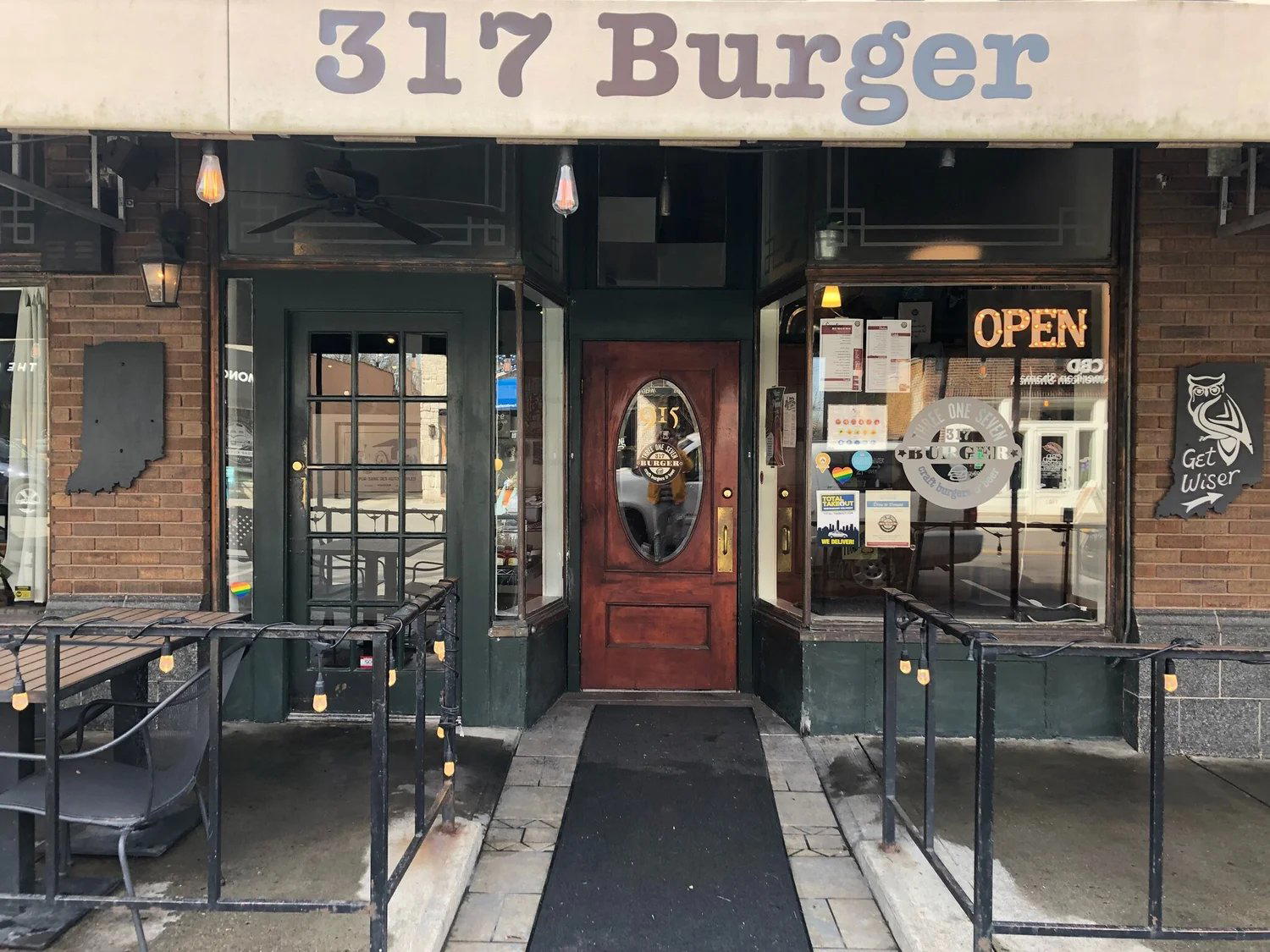
| 317 Burger | Hotel | Not listed | Not listed | Broad Ripple |
| Ironworks Hotel Indy | Boutique hotel inspired by 19th-century industrial heritage | Not listed | 1 Michelin Key | Keystone At the Crossing |
Recognition history
Dated appearances from independent guides and award organizations, with the underlying list record or original source where available.
Michelin Selected
Michelin
Continue exploring
More in Indianapolis
Hotels in Indianapolis
Browse all →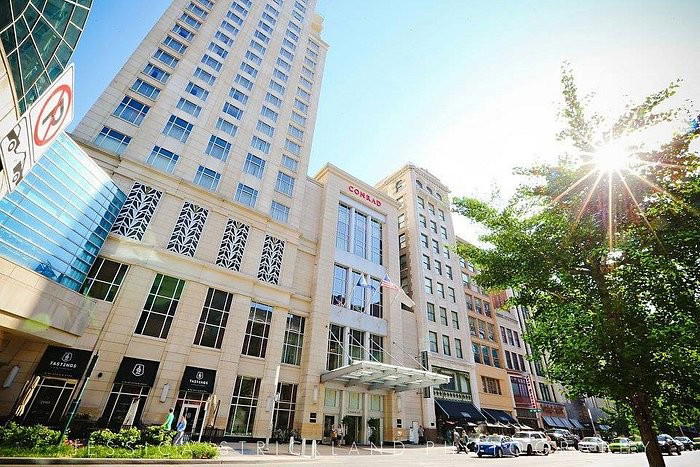
Bars in Indianapolis
Browse all →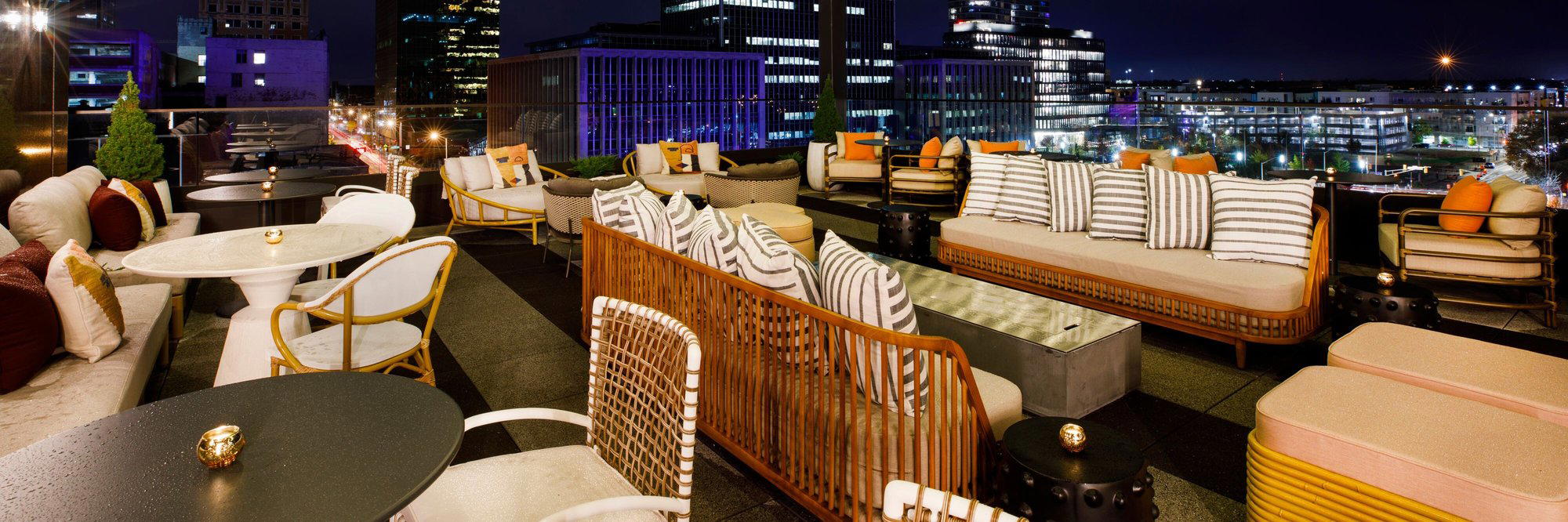


Details
- Sophisticated
- Modern
- Industrial
- Elegant
- Business Trip
- Weekend Escape
- Historic Building
- Design Destination
- Terrace
- Wi Fi
- Fitness Center
- Business Center
- Valet Parking
- Street Scene
- Skyline
- Wheelchair Accessible
- Elevator
- Accessible Restroom
- Accessible Parking
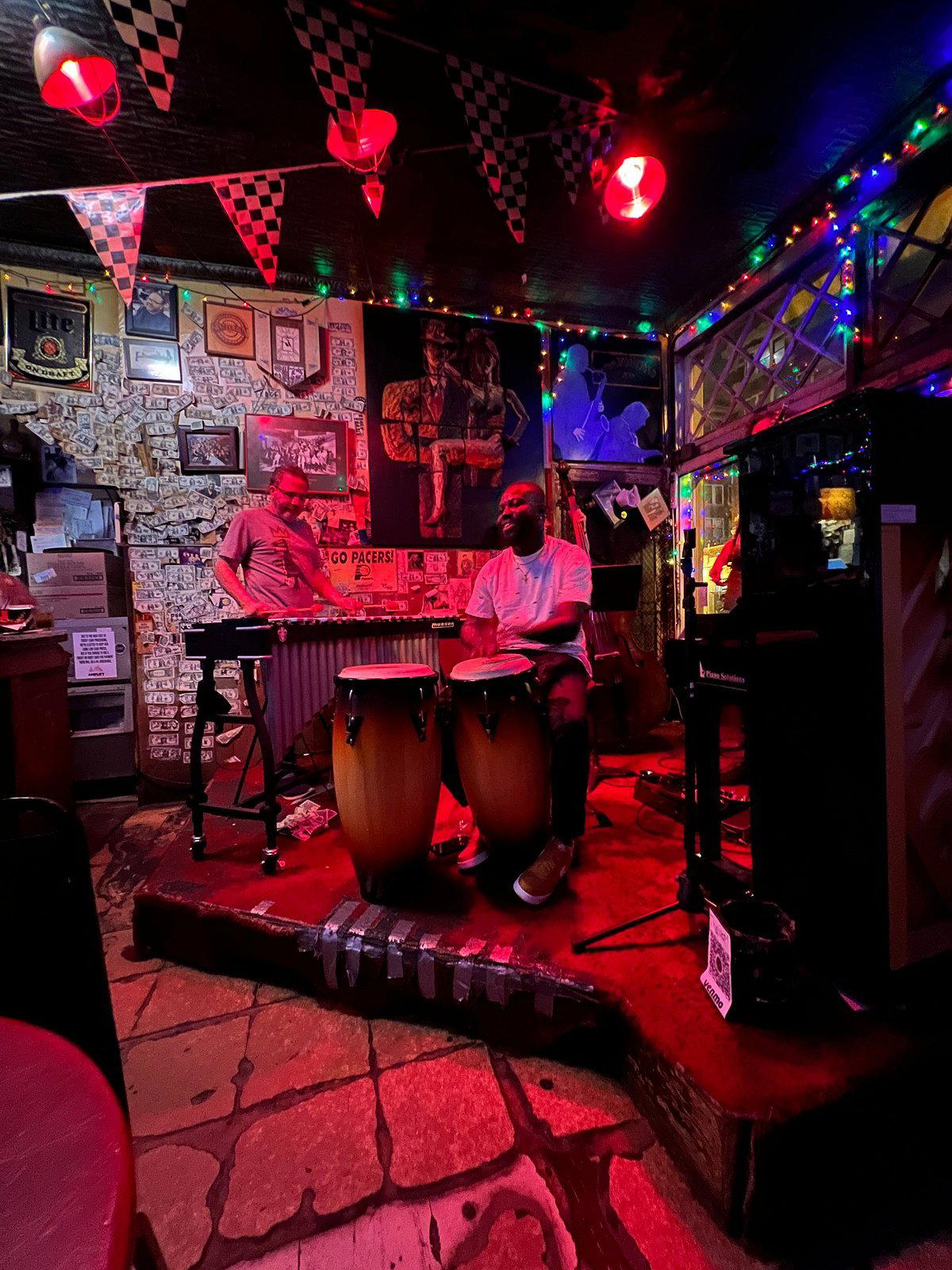
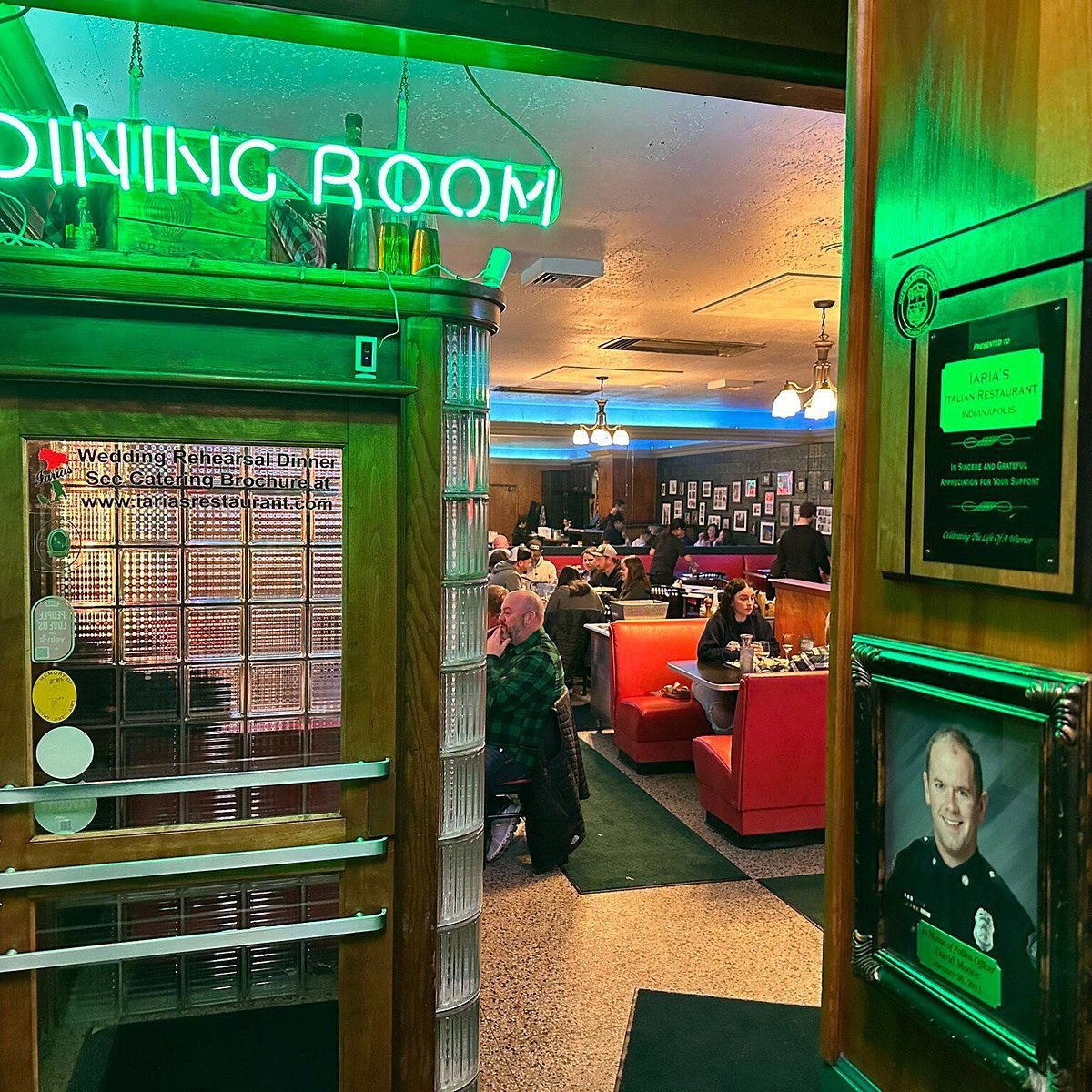
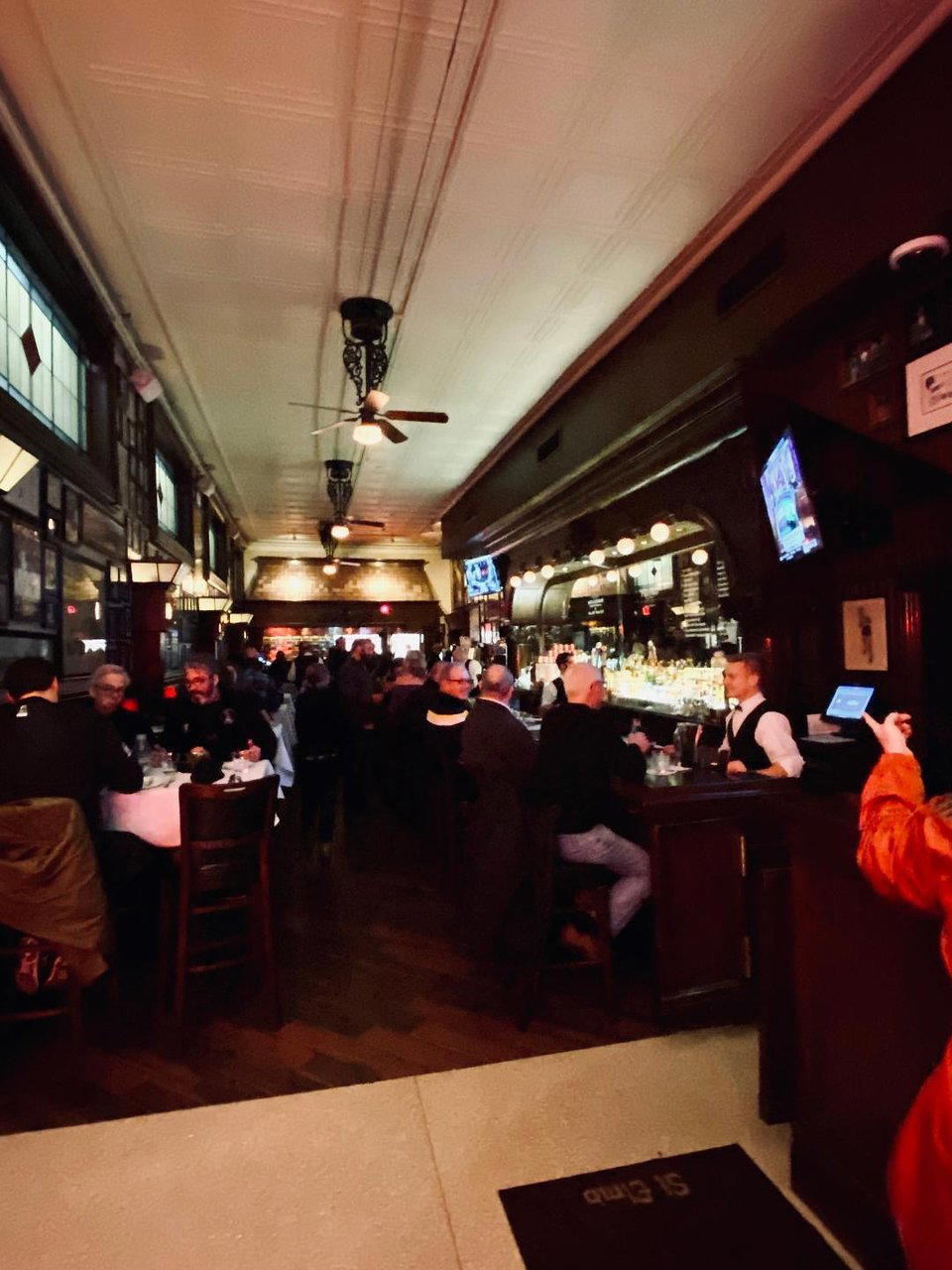
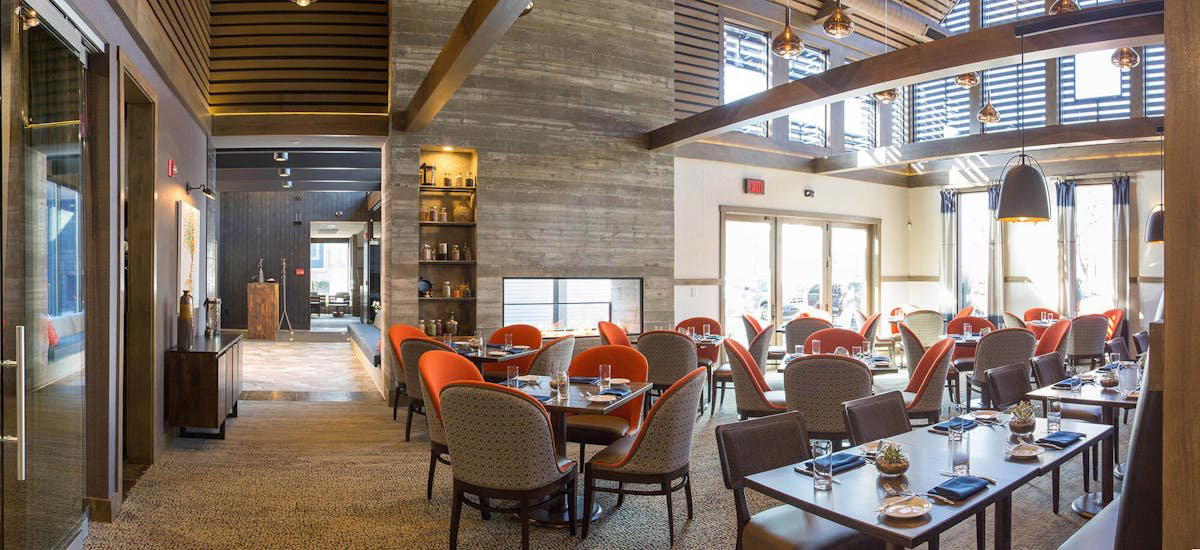
Warm, open areas with bold use of colors, dramatic textures, elegant touches, and noteworthy art installations creating a sophisticated yet inviting atmosphere.