The Alexander
The Alexander holds a MICHELIN Selected distinction in Indianapolis's downtown hotel scene, positioning it among the city's more considered lodging options at 333 South Delaware Street. Its location in the Mile Square district places it within walking distance of the Cultural Trail and major convention facilities, making it a practical anchor for both leisure and business travel.

Pearl is the En Primeur Club membership app — saves, bookings, and concierge access live there. Same editors, same standards.
- Address
- 333 South Delaware Street, Indianapolis, IN, USA
- Phone
- 3176248200
- Website
- thealexander.com
- Directions
- Get directions
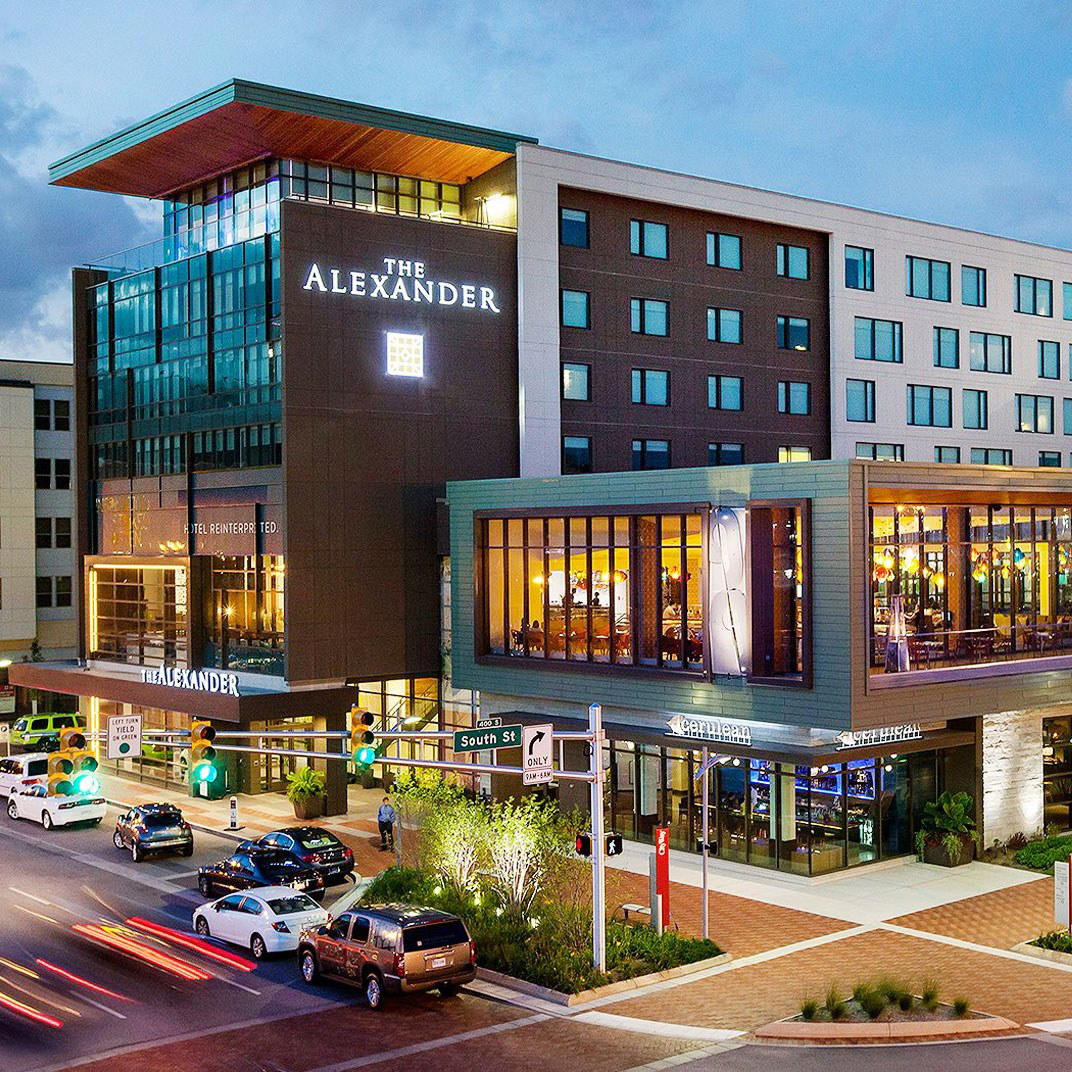
Art Hotel in the American Midwest: Where Indianapolis Puts Its Design Credentials on Display
Downtown Indianapolis has, over the past decade, developed a more layered hotel scene than most visitors expect. The city that built its identity around motorsport and convention traffic has quietly added a tier of design-conscious properties that sit between the large-flag convention hotels and the boutique independents. The Alexander, at 333 South Delaware Street in the Mile Square district, occupies that intermediate space: a property where art collection, interior design, and food-and-beverage programming carry more editorial weight than brand affiliation. Its 2025 MICHELIN Selected distinction confirms that the guide's inspectors found it worth flagging to travelers making considered lodging decisions in Indiana's capital.
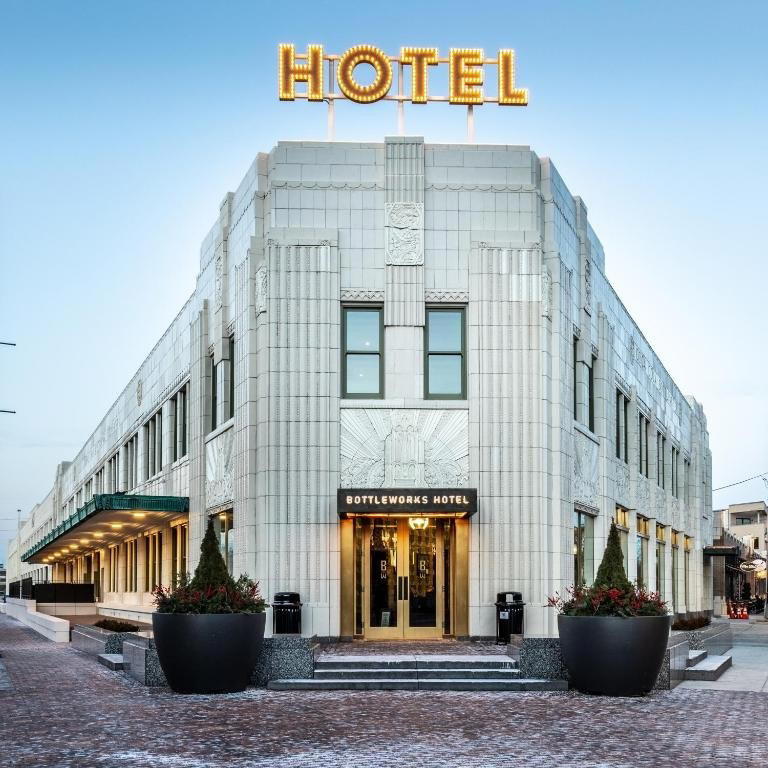
The MICHELIN Selected category, distinct from the star system applied to restaurants, identifies hotels that inspectors regard as worth the detour on quality-of-experience grounds. In Indianapolis, that recognition places The Alexander in a peer conversation with properties like the Bottleworks Hotel Indianapolis and the Ironworks Hotel Indy, each of which has pursued a design-led identity rather than relying on a major chain's infrastructure. The Conrad Indianapolis and InterContinental Indianapolis anchor a separate tier, one where international brand guarantees and larger convention footprints take precedence over curatorial specificity. The Alexander's positioning is closer to the former group: smaller in feel, more intentional in its editorial choices about what goes on the walls and the plate.
The Dining Programme: Food and Beverage as Part of the Hotel's Argument
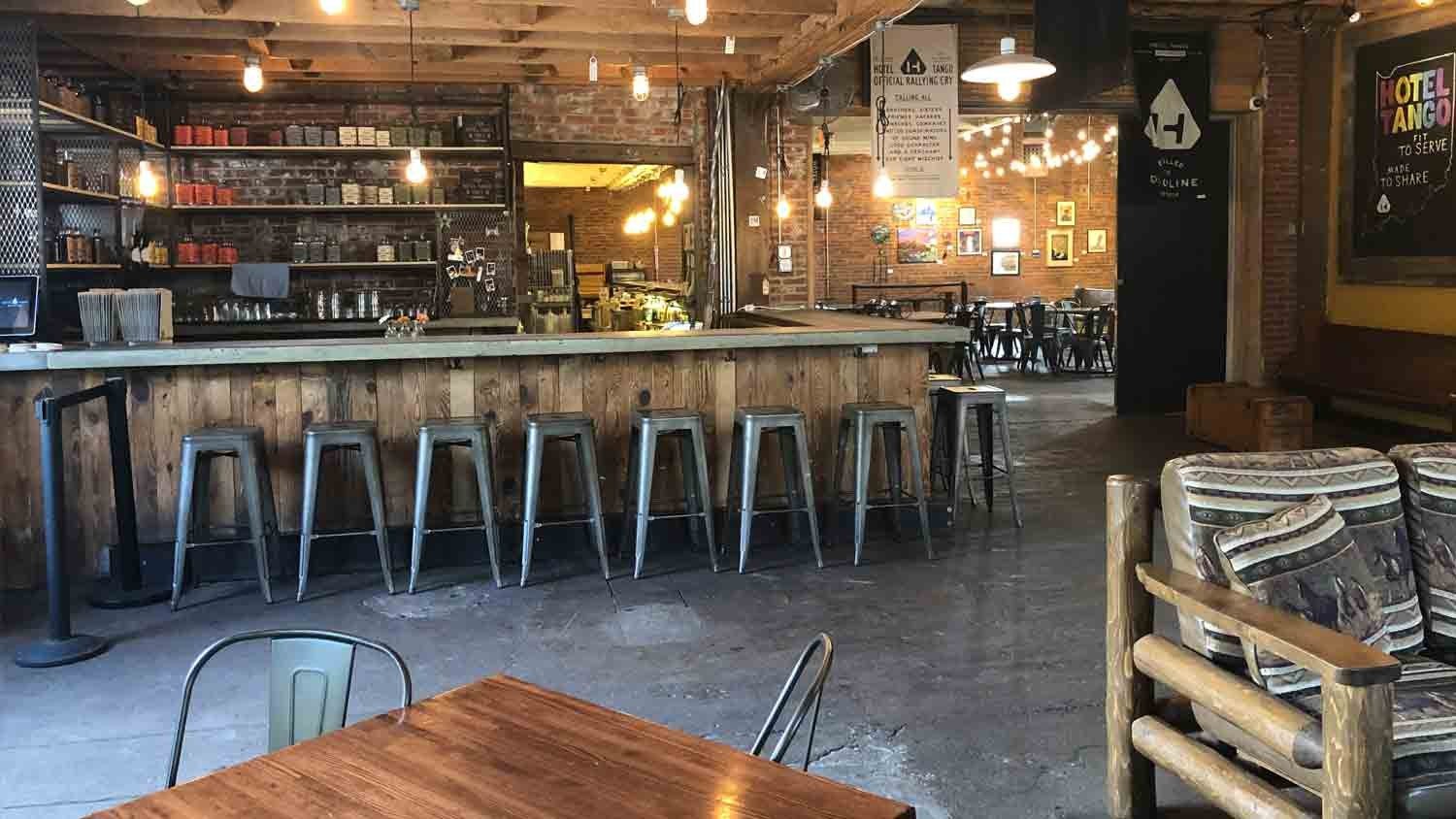
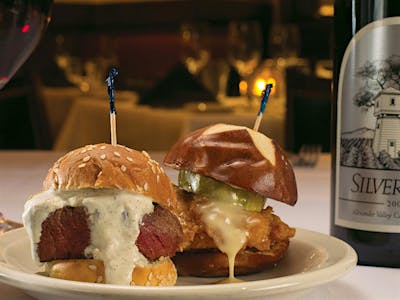
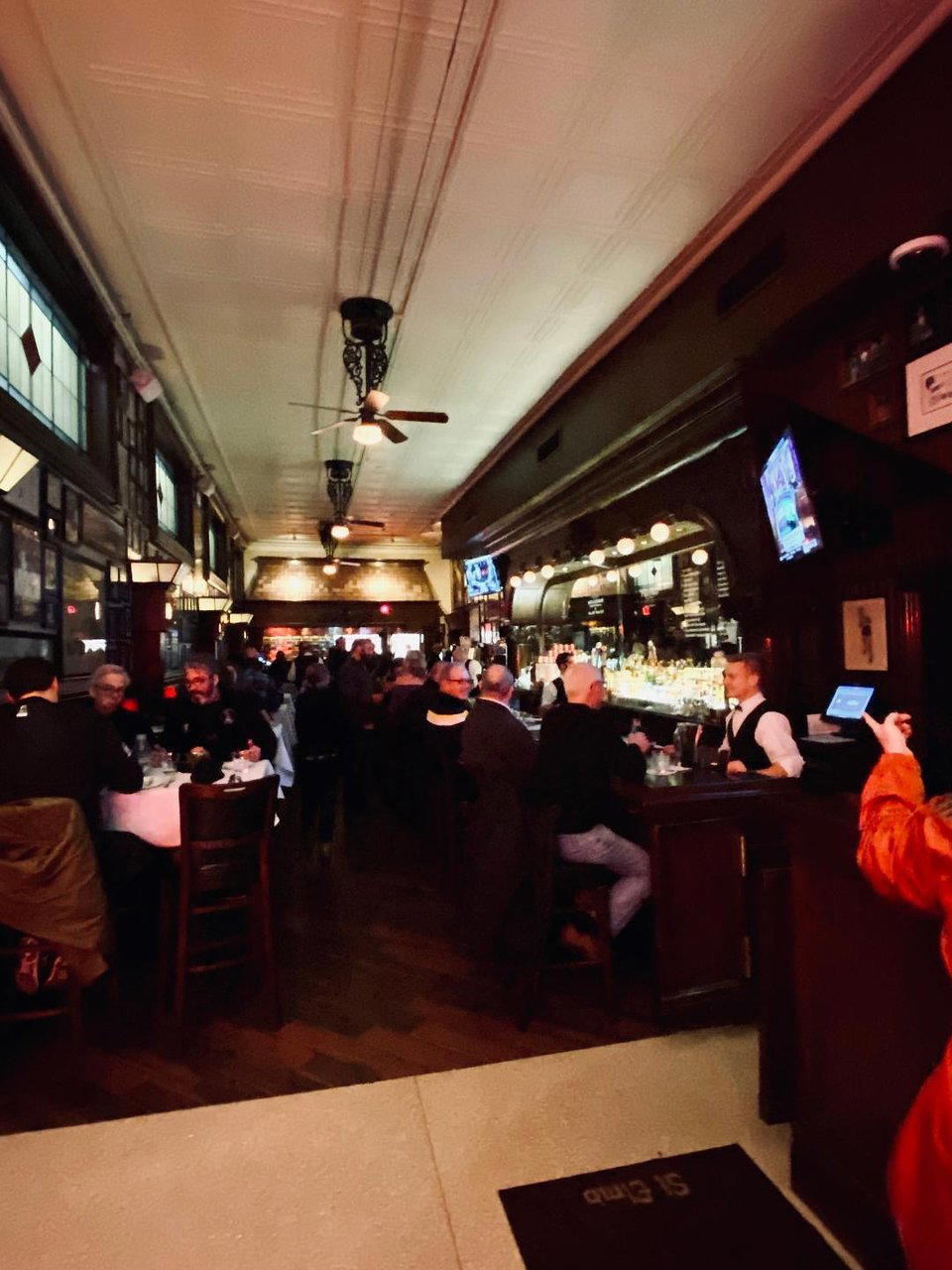
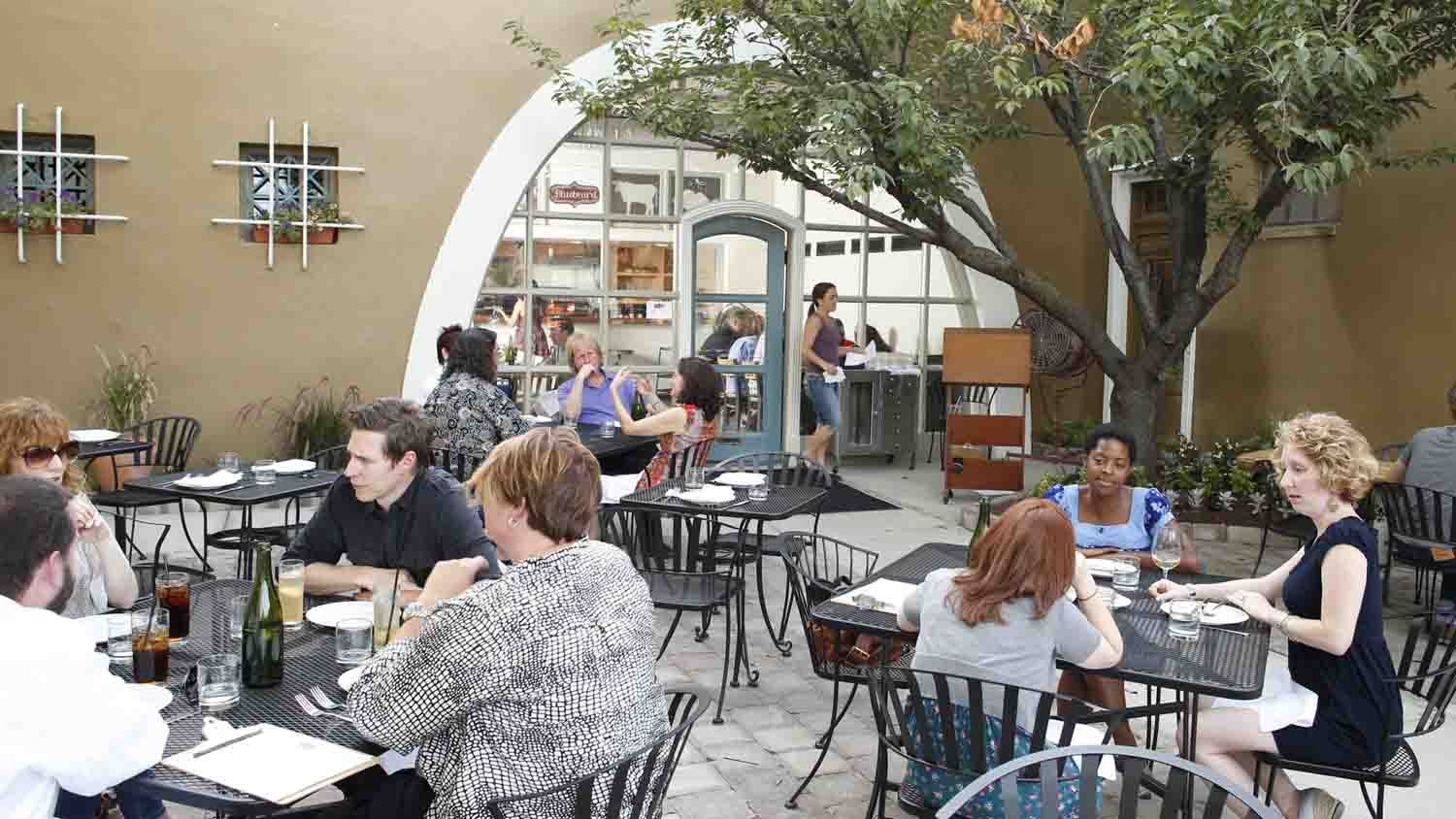
American art hotels of the past two decades learned, often painfully, that a serious art collection does not automatically translate into a reason to stay. The properties that succeeded commercially paired their visual programming with food-and-beverage operations that could hold their own against the city's freestanding restaurant scene. The Alexander's on-site dining sits within this expectation. The hotel's location in the southern end of the Mile Square places it close to a cluster of Indianapolis's more serious restaurants, which means the bar for in-house dining is set by what guests can reach on foot rather than by what they might settle for out of convenience.
Indianapolis's dining scene has matured considerably, with the Cultural Trail corridor and the Mass Ave district generating enough independent restaurant activity to give travelers meaningful alternatives to hotel dining. That context matters: a hotel dining programme that reads as an afterthought will lose guests to the street. The properties in this city that have succeeded in retaining diners for more than one meal tend to be those where the kitchen has a defined point of view, whether that means a farm-sourcing emphasis, a regional culinary tradition, or a chef with enough presence to anchor the room. Without confirmed specifics on The Alexander's current culinary team or menu format, that competitive framing is the relevant context for understanding what any art-hotel dining programme in this city must deliver to justify the choice.
Location and the Indianapolis Grid
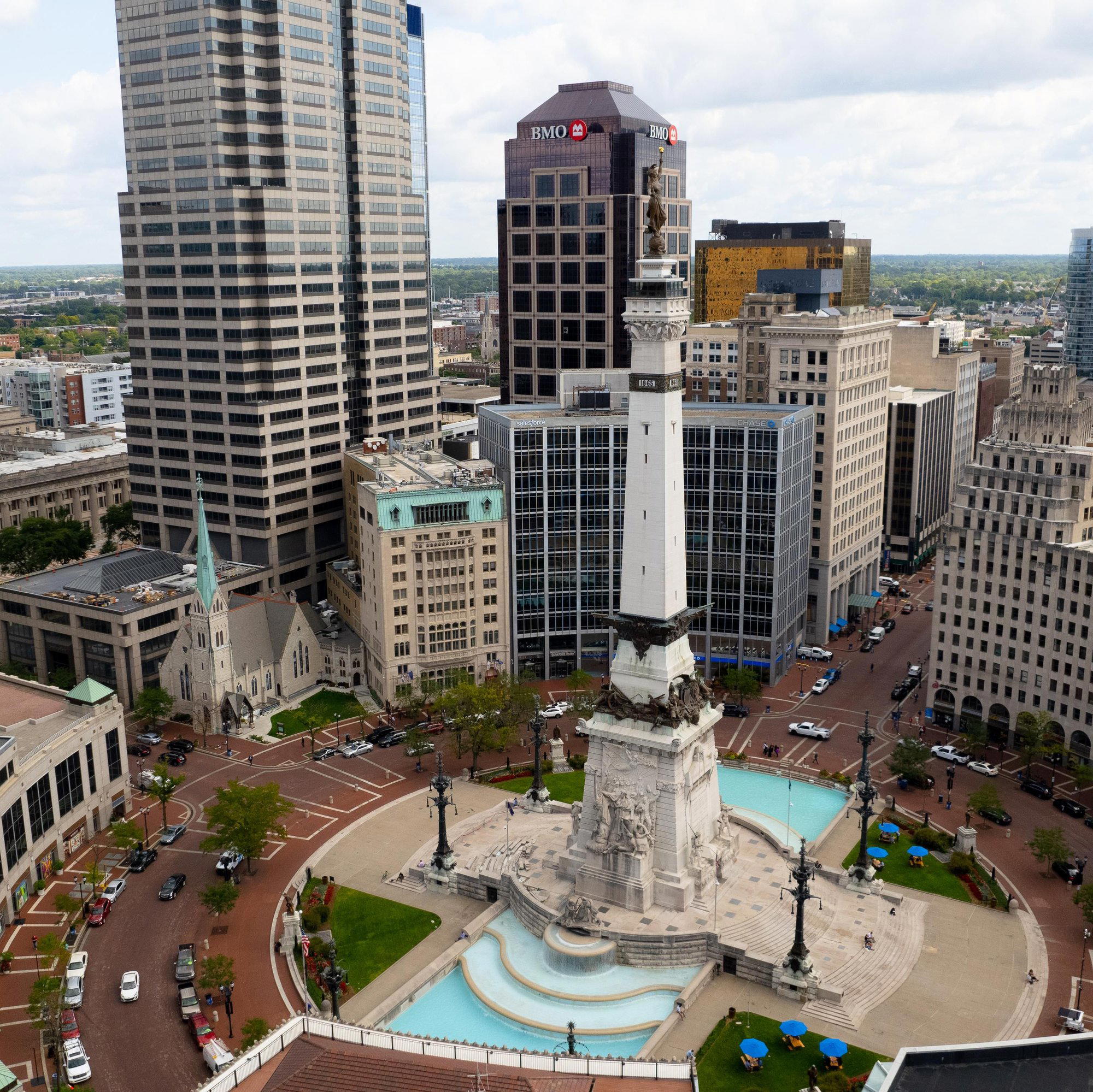
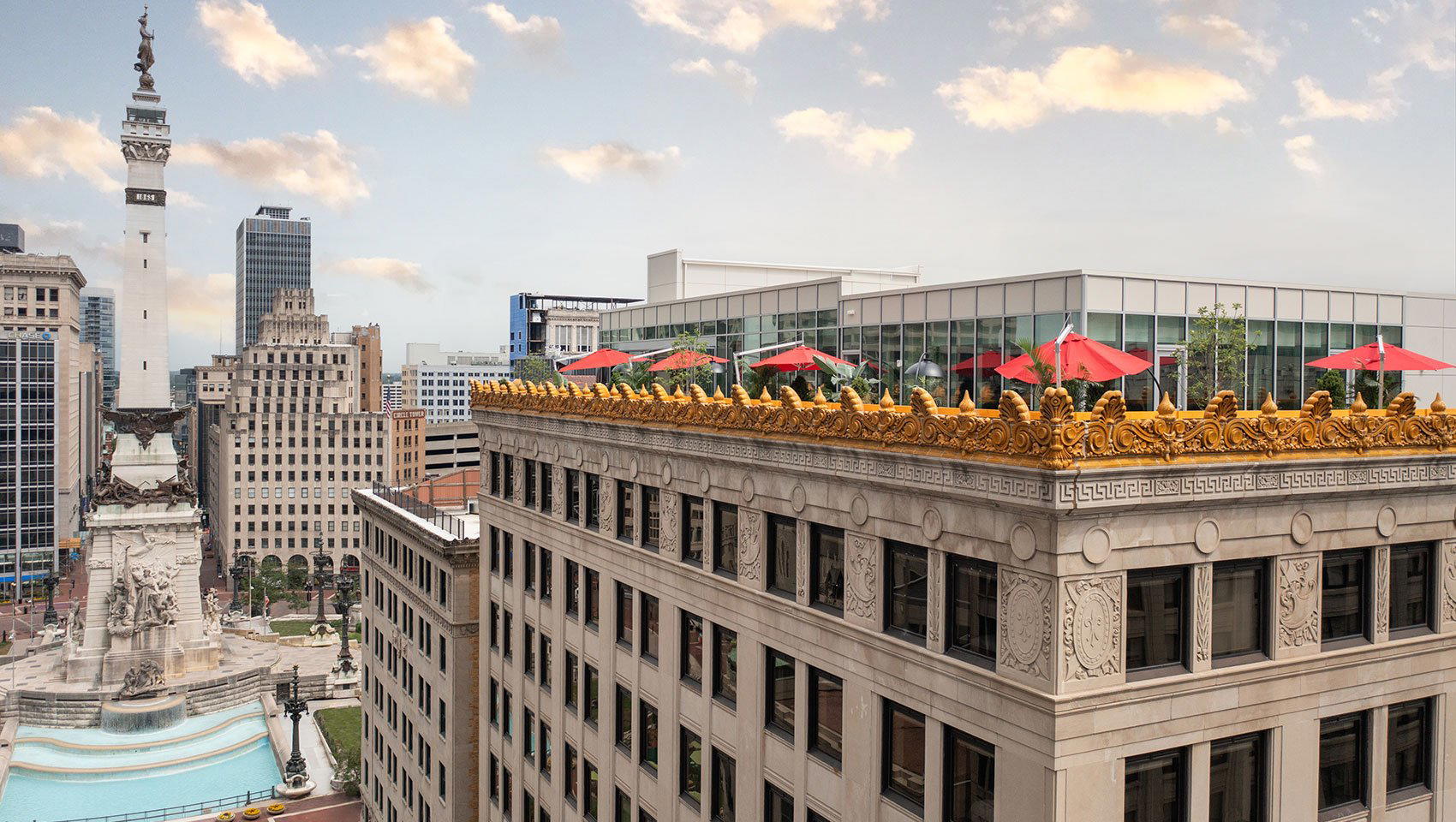
The Mile Square is Indianapolis's original urban core, a grid of streets laid out in the early nineteenth century with Monument Circle at its center. The Alexander's address on South Delaware Street places it in the southeastern quadrant of that grid, close enough to the Indiana Convention Center complex to capture business travelers on multi-day stays, and adjacent to the Cultural Trail, the city's eight-mile cycling and pedestrian infrastructure that connects major arts institutions. That trail access matters in practical terms: guests can reach the Indianapolis Museum of Art, the Fountain Square neighborhood, and the Mass Ave dining strip without a car. For a design-conscious property, proximity to the Cultural Trail is a genuinely useful credential, not just a locational coincidence.
Comparison points elsewhere in the US illustrate the model The Alexander is working within. Properties like the Chicago Athletic Association in Chicago and the 1 Hotel San Francisco in San Francisco have demonstrated that midsize urban hotels can build lasting reputations by committing to a clear identity rather than trying to serve every segment equally. At the further end of the ambition spectrum, properties like Amangiri in Canyon Point or Meadowood Napa Valley in Napa show what happens when a hotel's physical and culinary identity become inseparable from its destination appeal. The Alexander operates at a different scale and in a different market, but the strategic logic is the same: give guests a reason to choose this address specifically, not just a room in the city.
The Indianapolis Hotel Market in Broader Context
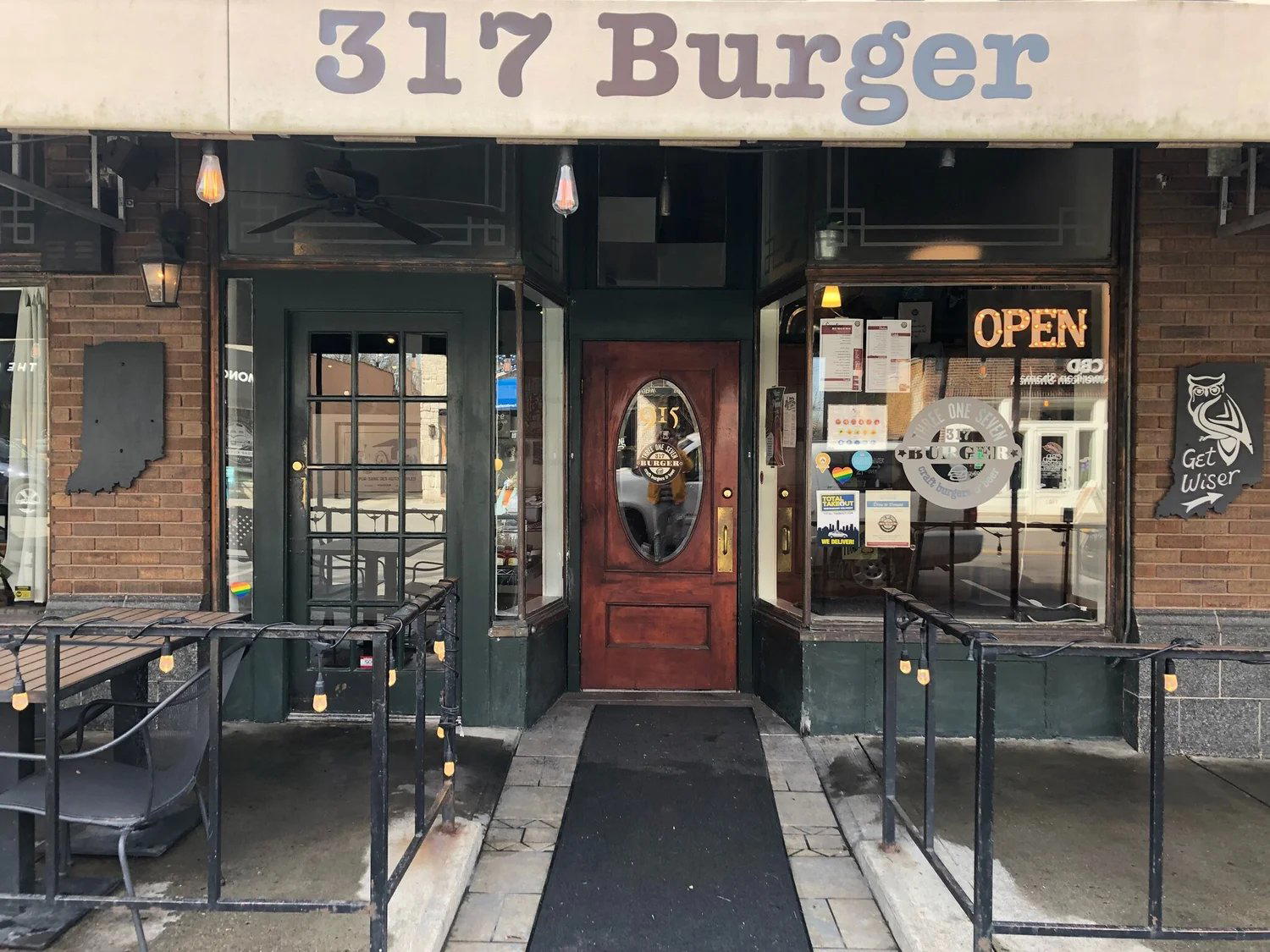
Indianapolis presents an interesting lodging case study because the city's hotel demand is unusually event-driven. The Indianapolis 500, the Big Ten Championship, NCAA Final Four appearances, and a dense convention calendar create pronounced peaks during which occupancy is high regardless of product quality. Design-led hotels like The Alexander benefit from this cycle but also face pressure from it: the guests arriving for major events often have different expectations from the leisure travelers and corporate visitors who choose a property for its editorial identity. The Hotel Indy and the 317 Burger represent different positions in this same market, each calibrated to a different primary guest type. For our full Indianapolis restaurants guide, the city's food scene is mapped in detail for visitors who want to extend their stay beyond the obvious convention orbit.
For travelers accustomed to the structural ambition of properties like the Raffles Boston in Boston or the The Fifth Avenue Hotel in New York City, The Alexander's proposition is more modest in scale but consistent in intent. The MICHELIN Selected recognition suggests inspectors found the experience coherent enough to recommend without reservation, which in a secondary American city is a more meaningful signal than the same designation in a market saturated with considered options.
Planning Your Stay
The Alexander sits at 333 South Delaware Street, within the Mile Square and walkable to the Indiana Convention Center, Lucas Oil Stadium, and the Cultural Trail network. Given the city's event-heavy calendar, booking lead times that seem excessive in quieter markets become necessary during peak periods: race weekend in May, major NCAA events, and large conventions can compress availability across all downtown Indianapolis properties simultaneously. Travelers arriving outside those windows will find more flexibility. The hotel's MICHELIN Selected status makes it a logical first call for visitors who want a design-grounded address without leaving downtown, though the surrounding hotel market offers genuine alternatives at different price positions and with different identities, from the adaptive-reuse character of the Bottleworks Hotel Indianapolis to the international-brand reliability of the InterContinental Indianapolis.
Booking and Cost Snapshot
Comparable venues nearby, for context on price, style, and recognition.
| Venue | Price | Awards | Notes |
|---|---|---|---|
| The AlexanderThis venue — the venue you are viewing | $200–300 | Not listed | Not listed |
| Hotel Indy | $100–200 | Michelin Selected | Wholesale District, Boutique lifestyle hotel housed in a restored Brutalist architectural landmark, part of a global collection of six Brutalist-designed hotels. |
| InterContinental Indianapolis | Not listed | Michelin Selected · Star Wine List | Wholesale District, Refined luxury in a landmarked historic building with timeless Hoosier hospitality. |
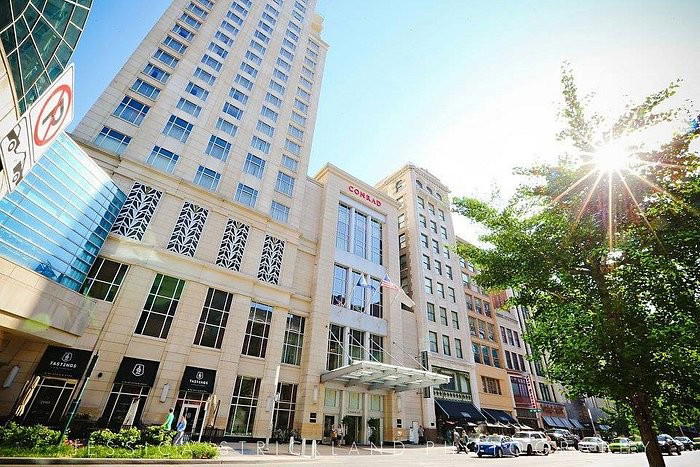
| Conrad Indianapolis | Not listed | Forbes Recommended | Wholesale District, Contemporary luxury urban hotel with art curation |
| Bottleworks Hotel Indianapolis | $100–200 | 1 Michelin Key | Massachusetts Avenue, luxury boutique in restored industrial building |
| Ironworks Hotel Indy | Not listed | 1 Michelin Key | Keystone At the Crossing, Boutique hotel inspired by 19th-century industrial heritage |
Continue exploring
More in Indianapolis
Hotels in Indianapolis
Browse all →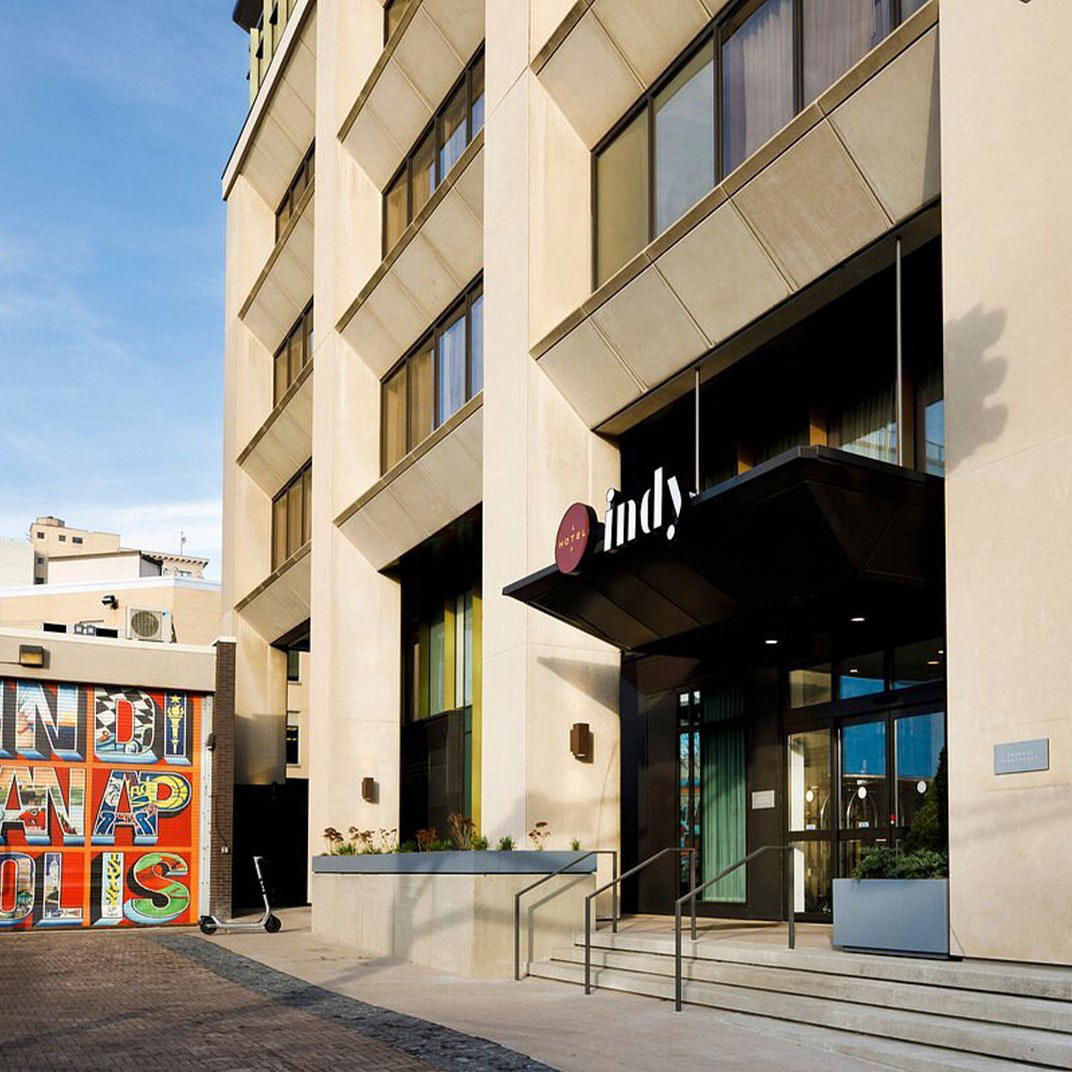
Bars in Indianapolis
Browse all →

Details
- Modern
- Elegant
- Sophisticated
- Business Trip
- Weekend Escape
- Historic Building
- Design Destination
- Terrace
- Fitness Center
- Wi Fi
- Room Service
- Concierge
- Business Center
- Skyline
- Wheelchair Accessible
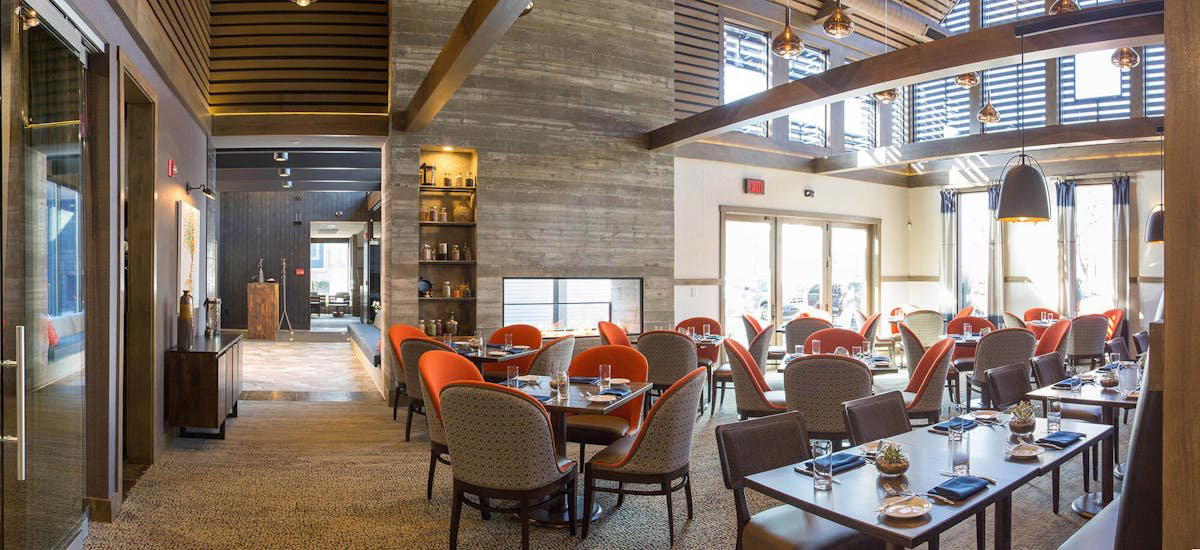
Contemporary and stylish with sedate, visually appealing rooms featuring modern furnishings, wood and leather surfaces, and plush comforts; public spaces enlivened by generous art displays.