Hotel Carmichael Expansion
Hotel Carmichael Expansion is a sparse-data listing in Carmel, Indiana, so the useful reading is architectural rather than amenity-led. Treat it as a city-hotel question: how an expansion affects arrival sequence, public rooms, circulation, and the guest’s sense of place in a suburb that increasingly uses hospitality as civic design.

Pearl is the En Primeur Club membership app, where members save venues, book tables and use the concierge.
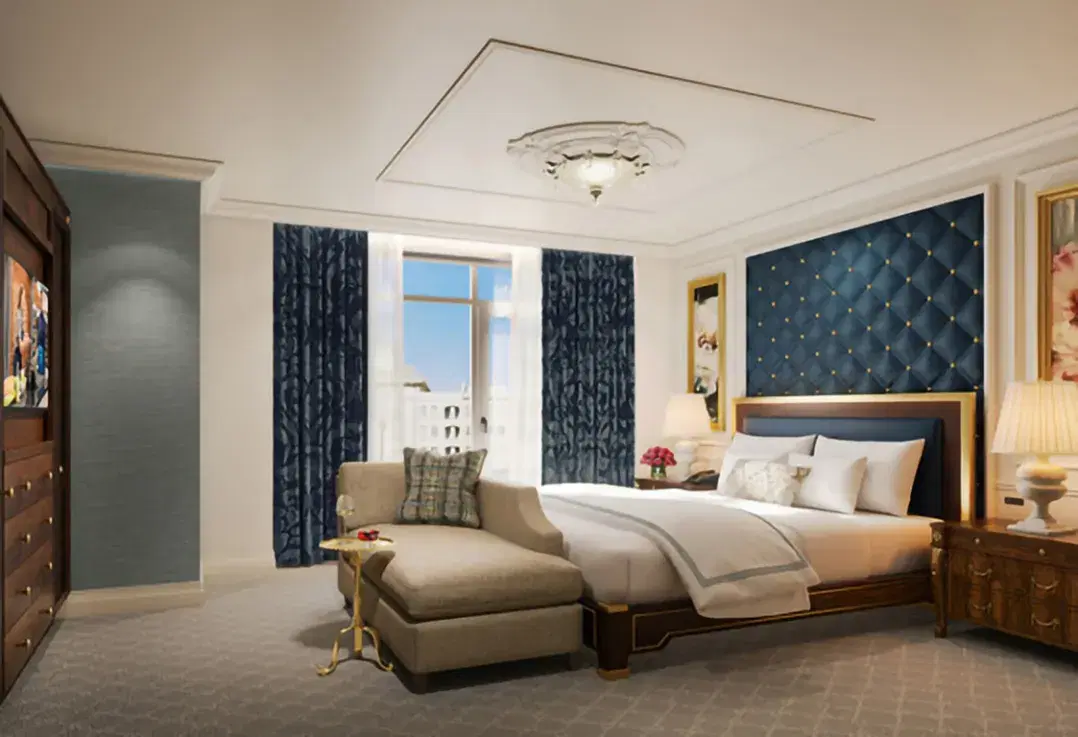
First impression: expansion as a design question
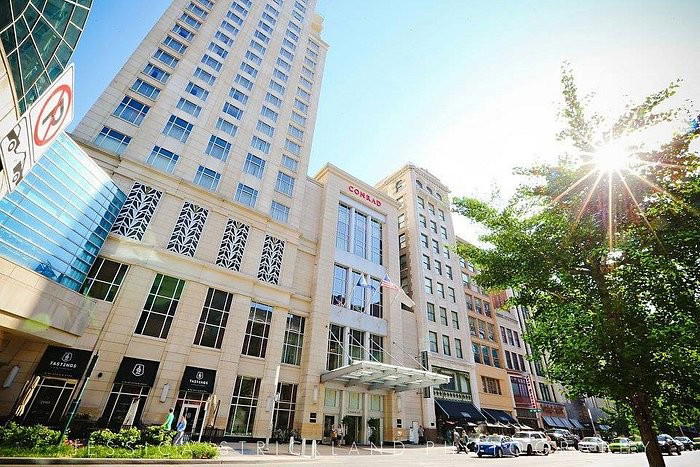
Approaching an expanded hotel is different from approaching a new-build property. The eye looks for seams: where the original volume ends, where the new work begins, whether the lobby absorbs the change or exposes it. Hotel Carmichael Expansion, listed in Carmel, Indiana, belongs to that category of hospitality project where the physical addition matters as much as the room count.
Carmel, Indiana has spent years shaping a more deliberate civic center, with roundabouts, performance venues, public plazas, and mixed-use blocks replacing the older suburban habit of isolated destinations. In that setting, hotel design is not only about beds. It becomes part of the public choreography of a place: arrival by car, entry into a lobby, proximity to cultural venues, and the way dining and lounge spaces spill into an evening district. Hotel Carmichael Expansion sits inside that broader pattern, where a hotel can function as both accommodation and civic furniture. The useful point is larger: expansion projects test whether hospitality can grow without losing legibility.
What the expansion tells a traveler before the amenity list does
In hotel criticism, additions tend to reveal priorities. A resort expansion often chases privacy, spa capacity, or villa inventory. A city-hotel expansion usually tries to solve pressure at the lobby, meeting rooms, restaurants, or room supply. The name Hotel Carmichael Expansion suggests a project defined by growth rather than reinvention, and that distinction matters. Growth can strengthen a property if circulation improves and public rooms gain scale. It can weaken a property if the new work turns arrival into a corridor puzzle. The test is whether the expanded hotel makes Carmel feel more coherent to a visitor arriving for a night, an event, or a weekend tied to the city’s arts and dining circuit.
This is where a suburban city-hotel differs from a resort such as Carmel Valley Ranch, where landscape, golf, and open-air leisure shape the stay before the lobby does. In Carmel, Indiana, the design stakes are more urban. The guest is likely measuring convenience, evening walkability, event access, parking logic, and whether the public rooms carry enough character to replace the default business-hotel feeling. That is a harder assignment than it sounds. Many American suburban hotels solve logistics and ignore atmosphere. Better civic hotels create a convincing threshold between the road network and the social life of town.
Design-led hospitality is not one category
The current American hotel field has split into several design conversations. Restored urban landmarks lean on historic volume and ornament, as seen at The Fifth Avenue Hotel in New York City and Chicago Athletic Association in Chicago. Resort architecture often turns away from the city and toward geology, coastline, or farm setting, a different logic at Amangiri in Canyon Point, Post Ranch Inn in Big Sur, and Sage Lodge in Pray. Wellness properties such as Canyon Ranch Tucson in Tucson use architecture to regulate routine: treatment rooms, movement, meal timing, and quiet zones. A civic hotel expansion has a different brief. It must absorb added capacity while making the public face of the property more persuasive.
That comparison is useful because it keeps expectations precise. Hotel Carmichael Expansion should not be judged by desert isolation, palace history, or oceanfront drama. Its peer question is closer to whether a city-center hotel can become part of Carmel’s social infrastructure. Instead, the relevant trust signal is contextual authority: Carmel’s center has a recognized local role as an arts-and-events district, and a hotel expansion in that environment has value if it supports that rhythm rather than simply adding keys.
How Carmel changes the hotel brief
Carmel is not a coastal resort town, despite the shared name with California’s better-known Carmel-by-the-Sea. Travelers are not choosing between vineyard estates, cliffside inns, and Pacific restaurants. They are reading a planned Midwestern city with a strong emphasis on civic polish. The hotel decision becomes practical and architectural at once: how close the stay feels to the city’s cultural core, how formal the public spaces feel, and whether the expansion gives the property enough scale for events without turning it anonymous.
For readers comparing across EP Club’s broader Carmel coverage, the distinction matters. The California guides are useful for a different travel pattern: Our full Carmel restaurants guide, Our full Carmel hotels guide, Our full Carmel bars guide, Our full Carmel wineries guide, and Our full Carmel experiences guide map a coastal food-and-wine context rather than an Indiana civic-center stay. That contrast sharpens the point. In Indiana, the hotel’s expansion should be read less as leisure escapism and more as an investment in place-making, meetings, arts access, and evening presence.
What is known, and what should not be invented
It confirms the name, city, state, and country: Hotel Carmichael Expansion, Carmel, Indiana, United States. It does not provide cuisine type, chef name, restaurant format, bar program, price range, star rating, awards, room count, address, phone number, website, booking method, dress code, hours, or guest-review data. That absence is not a minor editorial inconvenience. It changes what can be responsibly said. No specific room category can be recommended. No dining claim can be made. No arrival route or distance can be calculated. No claim about service level, opening date, architect, or materials should be inferred.
For a traveler, that means the planning sequence should be verification-first. Confirm the current operating name, address, reservation channel, and whether the expansion is complete before treating the property as a fixed stay option. If the visit is tied to a performance, conference, wedding, or business meeting, timing matters more than romantic language: confirm check-in logistics, event access, parking arrangements, and the relationship between the original hotel and the expanded portion. Expansion projects can create different room experiences within one property, especially if old and new wings vary in view, elevator access, acoustic conditions, or proximity to public rooms. Those differences are common in additions, but the record here does not identify them, so the right move is to ask directly rather than assume.
Architecture, atmosphere, and the problem of scale
Hotel expansions carry a built-in tension. Guests want the ease of added capacity, but they do not want the public areas to feel like an annex. The stronger examples make the addition feel inevitable, either by extending the original architectural grammar or by creating a clear contrast that reads as intentional. The weaker examples produce dead edges: hallways that feel secondary, meeting rooms without daylight, or lobbies that become transitional rather than social. Hotel Carmichael Expansion should be evaluated on those terms because the name itself places the project in the architecture-and-design conversation.
National comparisons help define the spectrum. Raffles Boston in Boston uses height, brand ceremony, and mixed-use urbanism as part of its hotel identity. Four Seasons at The Surf Club in Surfside operates through the memory of a club environment and the discipline of contemporary beachfront luxury. 1 Hotel San Francisco in San Francisco belongs to a sustainability-forward urban design lane. Troutbeck in Amenia works through country-house scale. These are not direct competitors for a Carmel, Indiana expansion, but they show how hotels earn identity through physical decisions rather than adjectives. The lesson is simple: design credibility comes from how space behaves.
How to place it among premium U.S. stays
Premium travel readers often compare hotels across categories that do not share geography. That can be useful if the comparison is handled carefully. SingleThread Farm Inn in Healdsburg links lodging to a dining ecosystem. Auberge du Soleil in Napa and Meadowood Napa Valley in St. Helena sit in wine-country hospitality, where landscape, cellar access, and restaurant culture frame the stay. Kona Village, A Rosewood Resort in Kailua Kona and Little Palm Island Resort & Spa in Little Torch Key operate through removal and controlled escape. A Carmel, Indiana expansion works from a different premise: proximity to civic life, event infrastructure, and the built character of a planned city center.
The better comparison may be with hotels that act as urban symbols. The Beverly Hills Hotel in Los Angeles carries a long social history tied to its city. Hôtel de Paris Monte-Carlo in Monte Carlo, Badrutt's Palace Hotel in St. Moritz, and Aman Venice in Venice are international examples where architecture and civic image are inseparable. The comparison is not about rank. It is about the same underlying question at a smaller civic scale: can a hotel’s physical presence help define how a visitor understands a place?
Planning notes for a stay
Confirm the operating status of the expansion, the exact location in Carmel, Indiana, the room type assigned, and whether any construction, events, or wing-specific access issues affect the dates in question. For event-linked stays, ask how the expanded areas connect to the main lobby and public rooms. For design-sensitive travelers, request information on room placement within the original or expanded section, but avoid assuming that either side is automatically preferable. Additions vary: newer rooms can have cleaner infrastructure, while original sections can have stronger proximity to the lobby or more established public areas. Only the property’s current inventory can settle that question.
The price range is not supplied, so value cannot be judged against a published nightly rate. Awards are not supplied, so recognition cannot be used as a shortcut. The practical assessment has to rest on fit. This is likely to be a more rational choice for travelers whose Carmel, Indiana plans revolve around the city center, cultural programming, meetings, or civic events than for travelers seeking resort seclusion. That is not a limitation; it is the category. A successful city-hotel expansion gives guests a clear base, a legible arrival, and public rooms that feel connected to the town around them.
In Context
Comparable venues nearby, for context on price, style, and recognition.
| Venue | Price | Awards | Notes |
|---|---|---|---|
| Hotel Carmichael ExpansionThis venue (the venue you are viewing) | Not listed | Not listed | Not listed |
| Carmel Valley Ranch | Not listed | Michelin Selected · Virtuoso Luxury Hotel Partner | Carmel Valley, luxury all-suite resort blending wilderness adventure with refined comfort |
| West Baden Springs Hotel | $200–300 | Preferred Hotels L.V.X. Collection | West Baden Springs, Historic luxury resort with modern amenities in Hoosier National Forest |
| The Union Club Hotel at Purdue University, Autograph Collection | Not listed | Michelin Selected | Purdue University Campus, Historic boutique hotel with modern updates on university campus |
| Hotel Indy | $100–200 | Michelin Selected | Wholesale District, Boutique lifestyle hotel housed in a restored Brutalist architectural landmark, part of a global collection of six Brutalist-designed hotels. |
| InterContinental Indianapolis | Not listed | Michelin Selected · Star Wine List | Wholesale District, Refined luxury in a landmarked historic building with timeless Hoosier hospitality. |
Continue exploring
More in Carmel
Hotels in Carmel
All hotels in Carmel →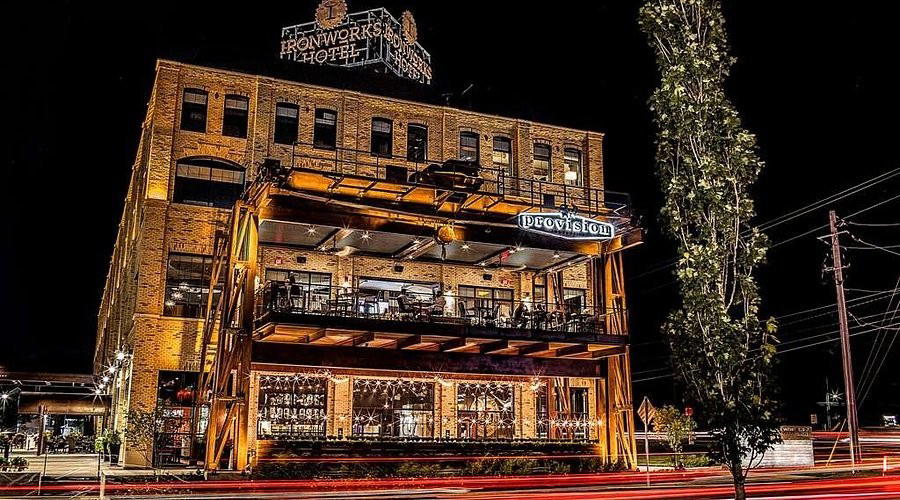
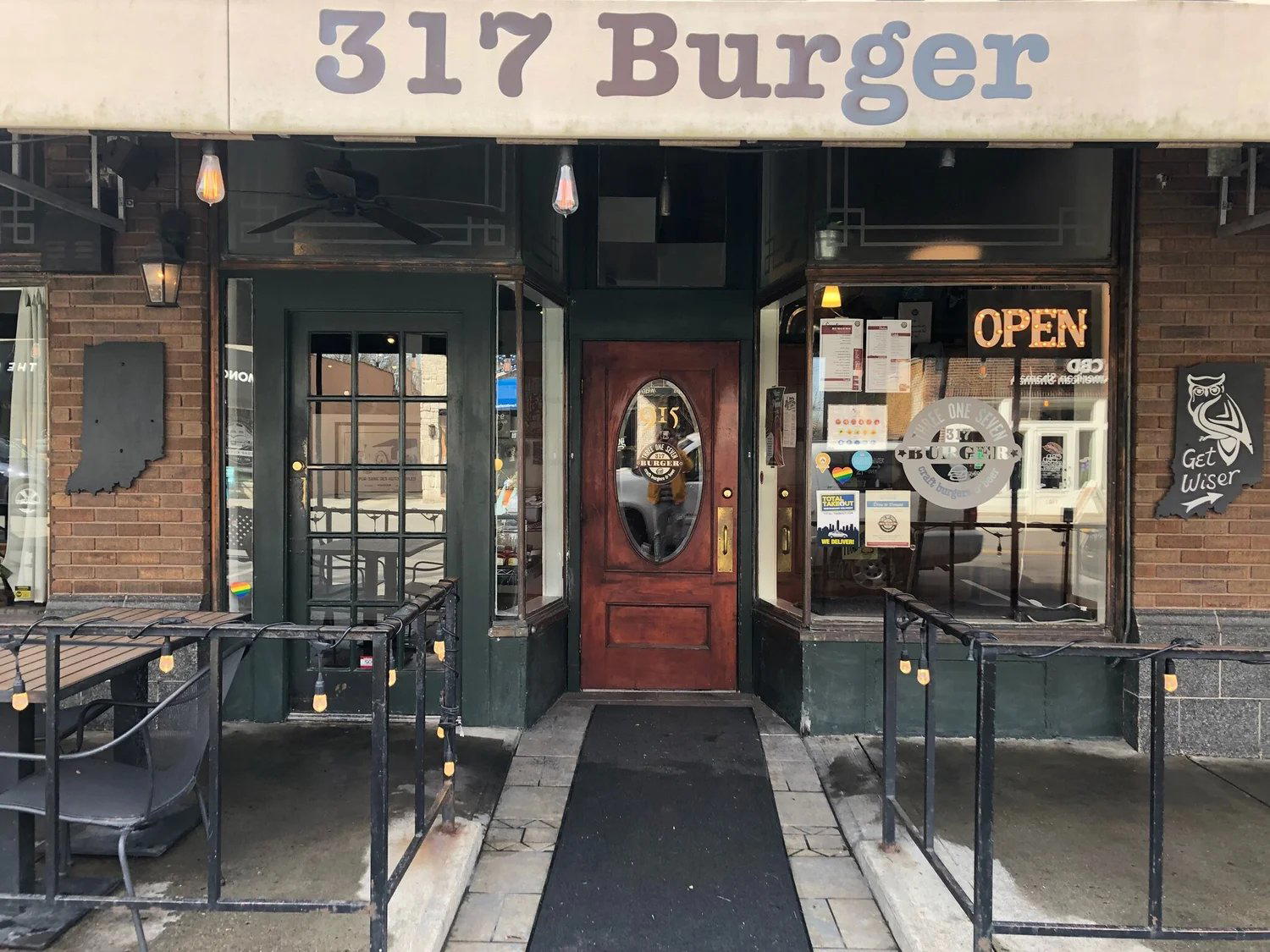
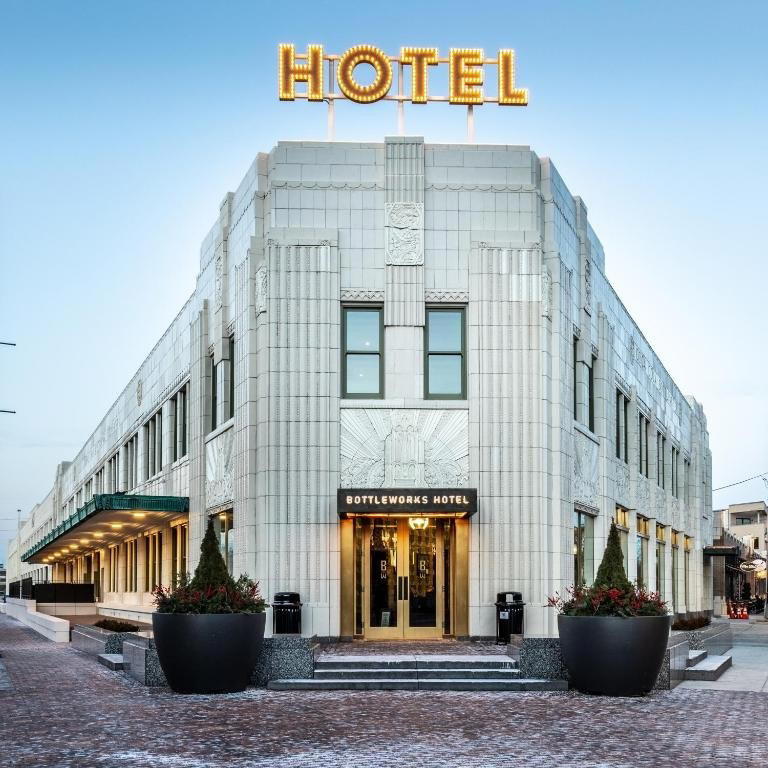
Details
- Elegant
- Sophisticated
- Classic
- Ornate
- Romantic
- Business Trip
- Destination Wedding
- Celebration
- Weekend Escape
- Anniversary
- Design Destination
- Historic Building
- Wi Fi
- Restaurant
- Bar
- Fitness Center
- Room Service
- Concierge
- Business Center
- Valet Parking
- Wheelchair Accessible
- Elevator
- Accessible Restroom
- Step Free Entrance
- Accessible Parking
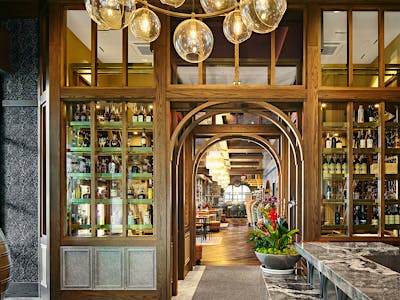
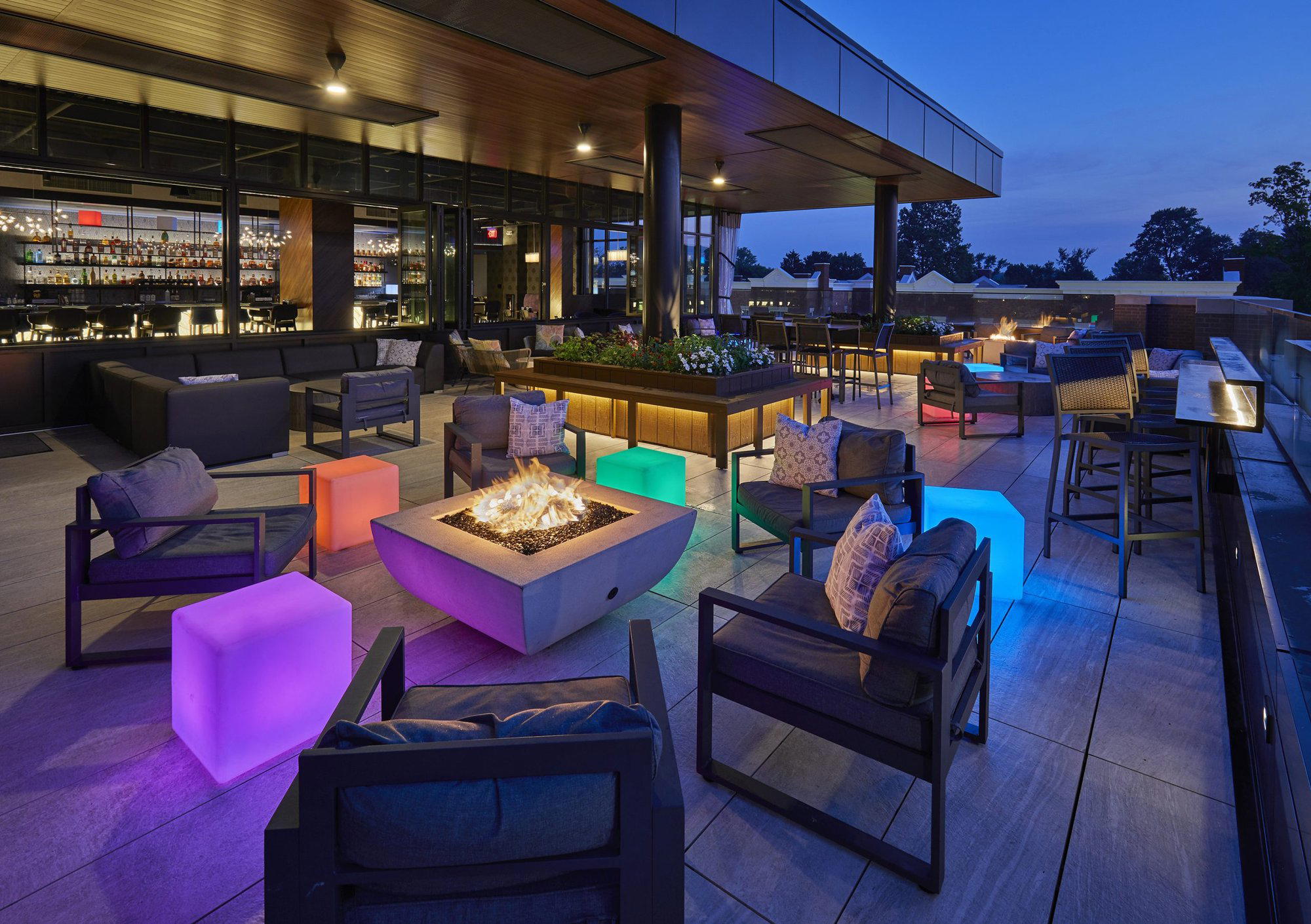
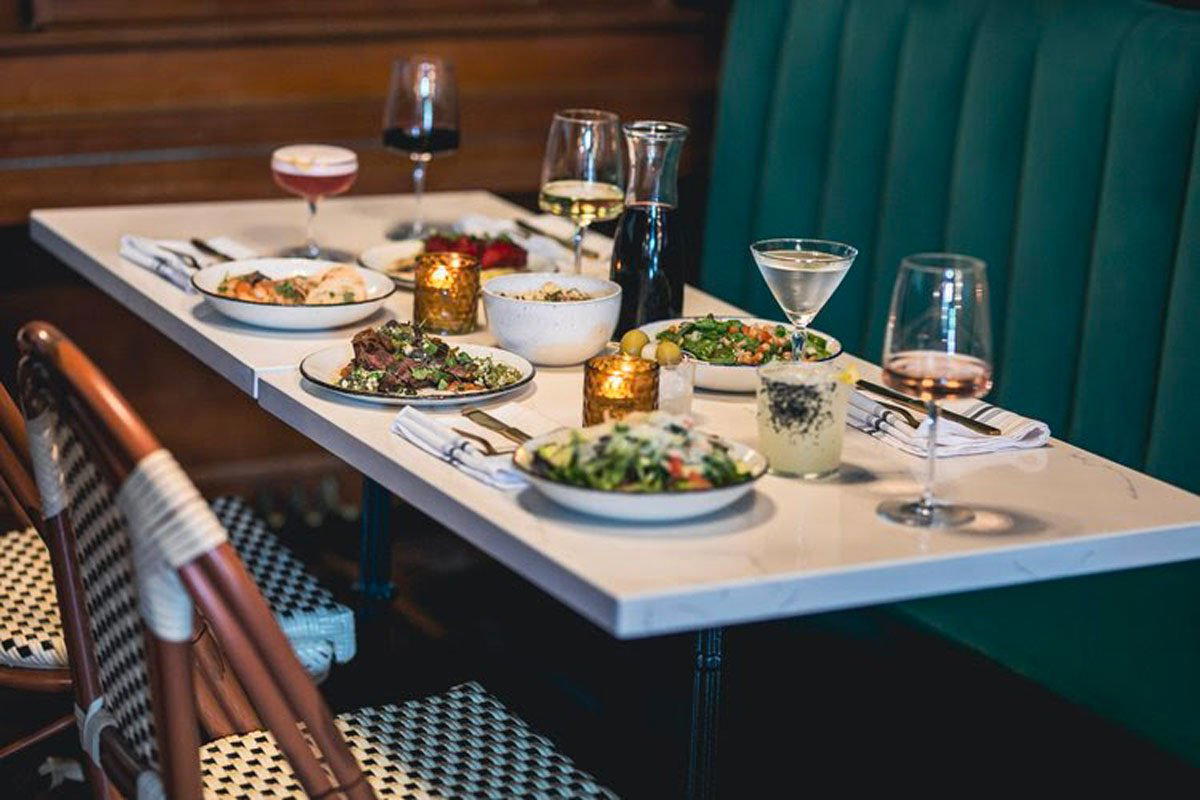
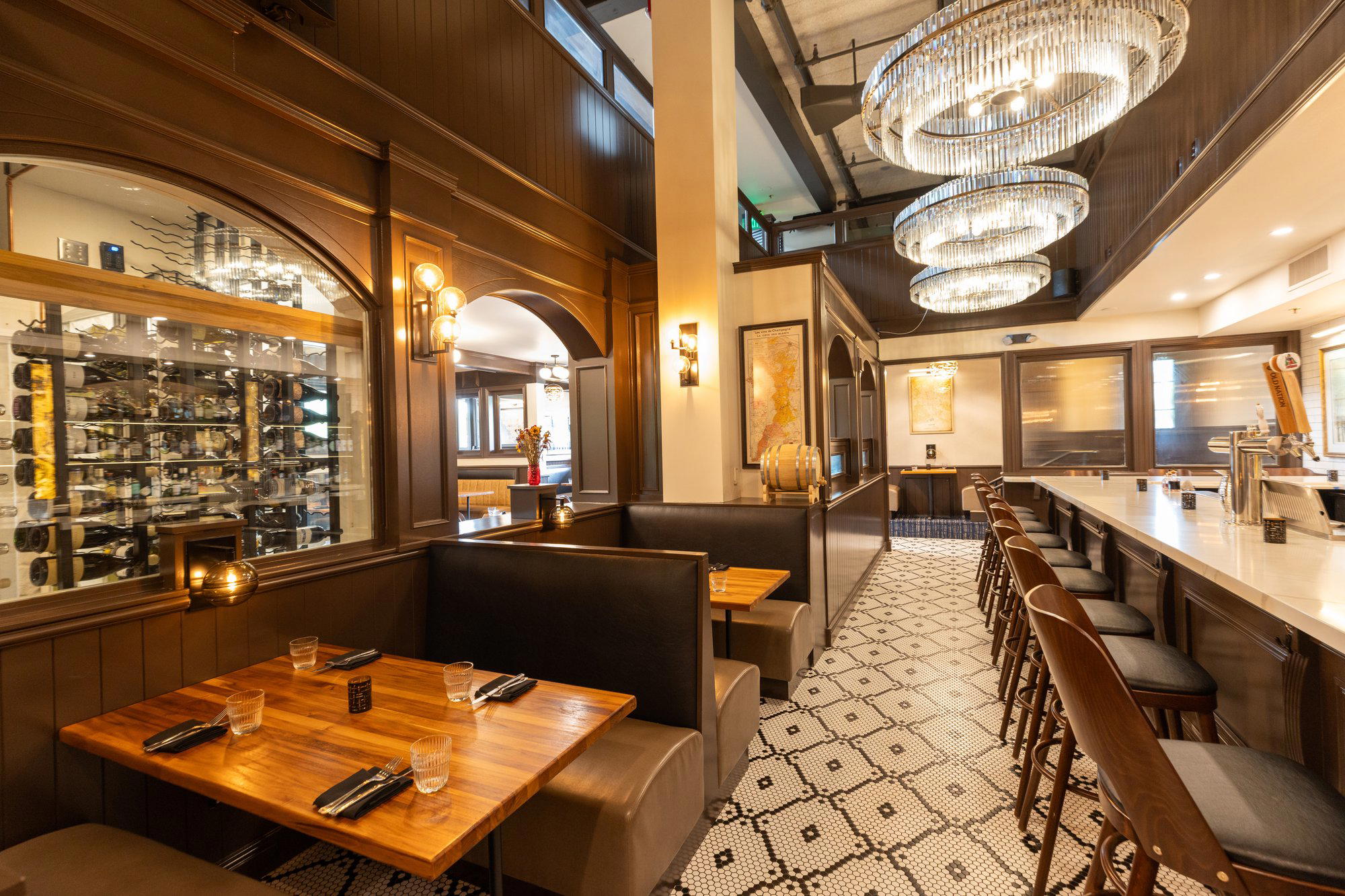
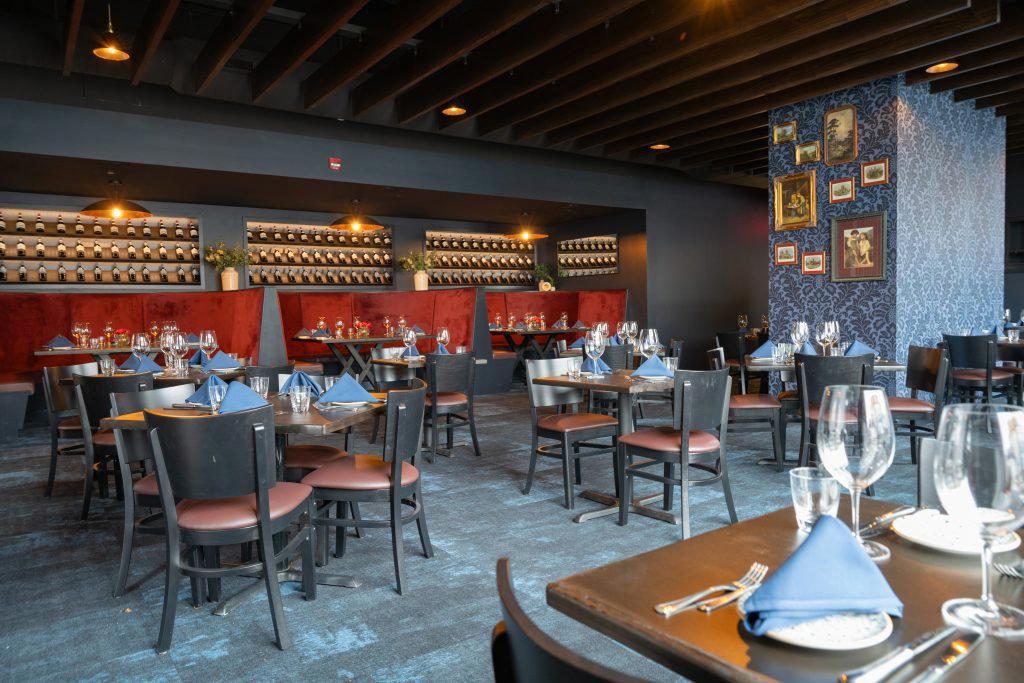
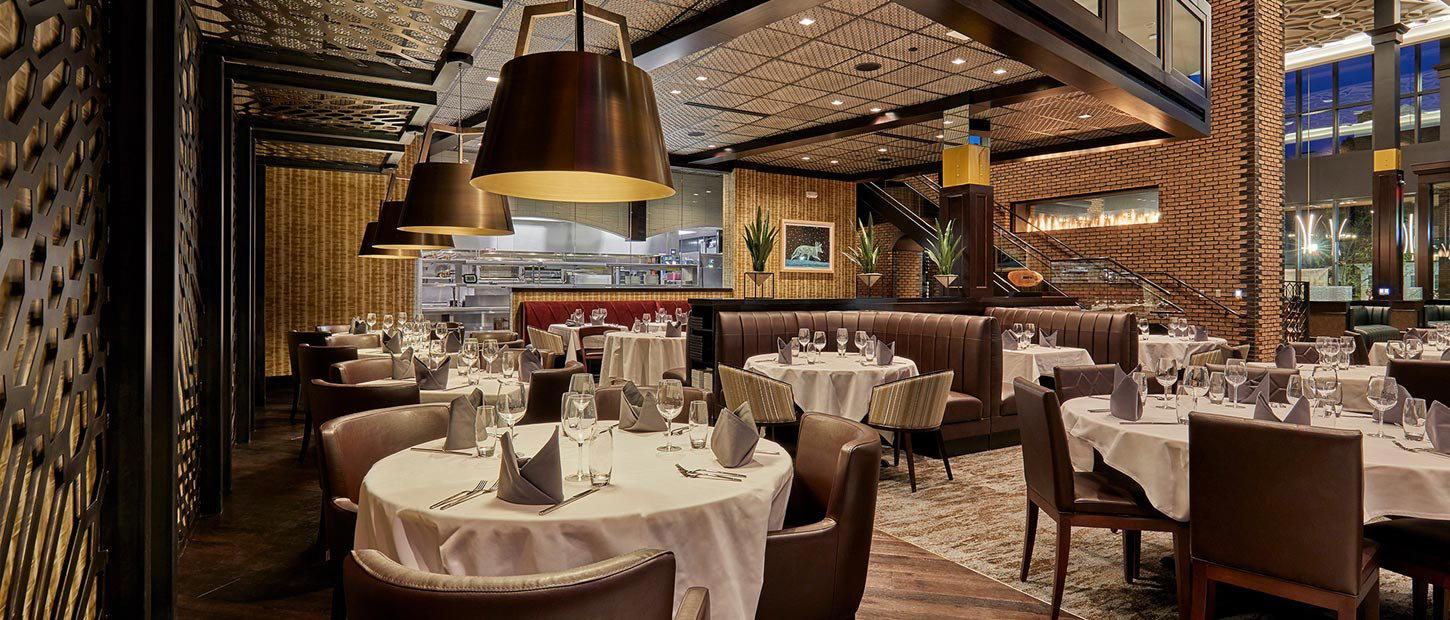
Formal yet inviting, with chandeliers, rich furnishings, classical décor, and a speakeasy-like lounge atmosphere that feels polished and upscale.