Madrid’s luxury hotel scene is increasingly defined by restored palaces, brand-led flagships, and design-conscious addresses that compete on architectural confidence as much as service. Bulgari Hotel Madrid belongs to the city’s international luxury conversation, but available public data is limited, so the smarter reading is comparative: assess it against Madrid’s established grand hotels, discreet boutique properties, and Spain’s wider retreat-hotel circuit.

Pearl is the En Primeur Club membership app — saves, bookings, and concierge access live there. Same editors, same standards.
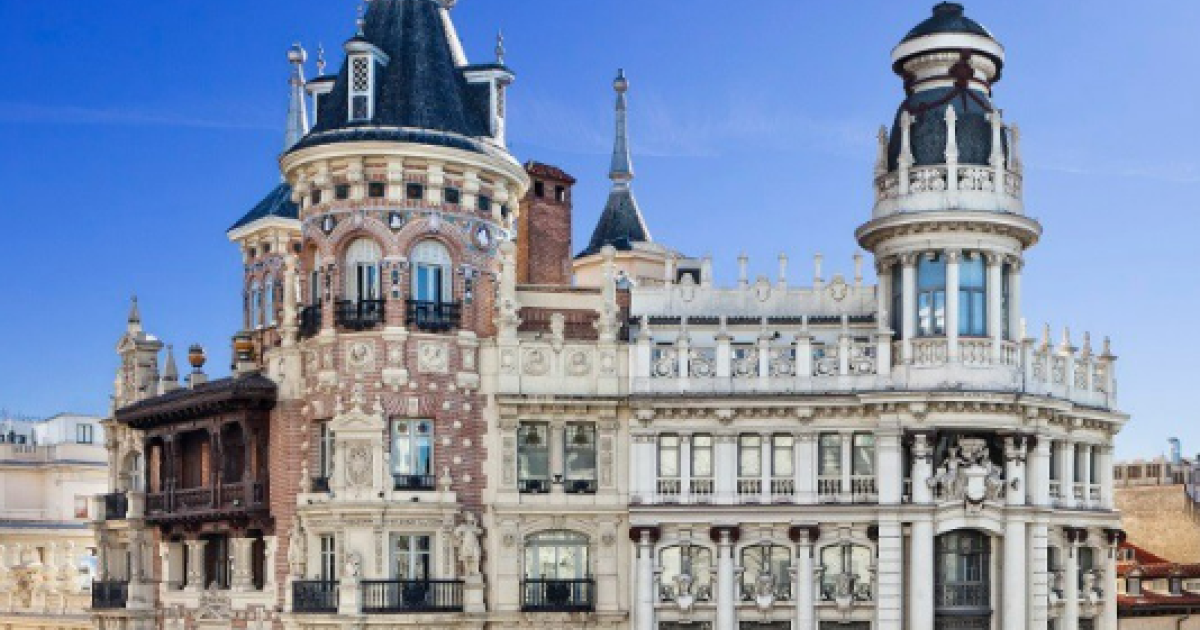
Madrid luxury through architecture, not ornament
Approaching Madrid’s serious hotels, the first cue is rarely spectacle. The city’s hospitality language is built from stone façades, controlled entrances, interior courtyards, polished lobbies, and a preference for composure over theatre. In that setting, a luxury hotel has to do more than attach a famous name to a central address. It has to decide how it sits among Bourbon-era grandeur, Salamanca restraint, museum-district formality, and the newer appetite for international design houses with a residential mood.
Bulgari Hotel Madrid enters that conversation as a brand-led luxury project in a city where hotel identity is often read through architecture before amenity. Madrid already has a dense upper tier, and the relevant question is not whether another luxury name can arrive, but what design position it claims against palace hotels, revived historic buildings, and smaller high-touch properties.
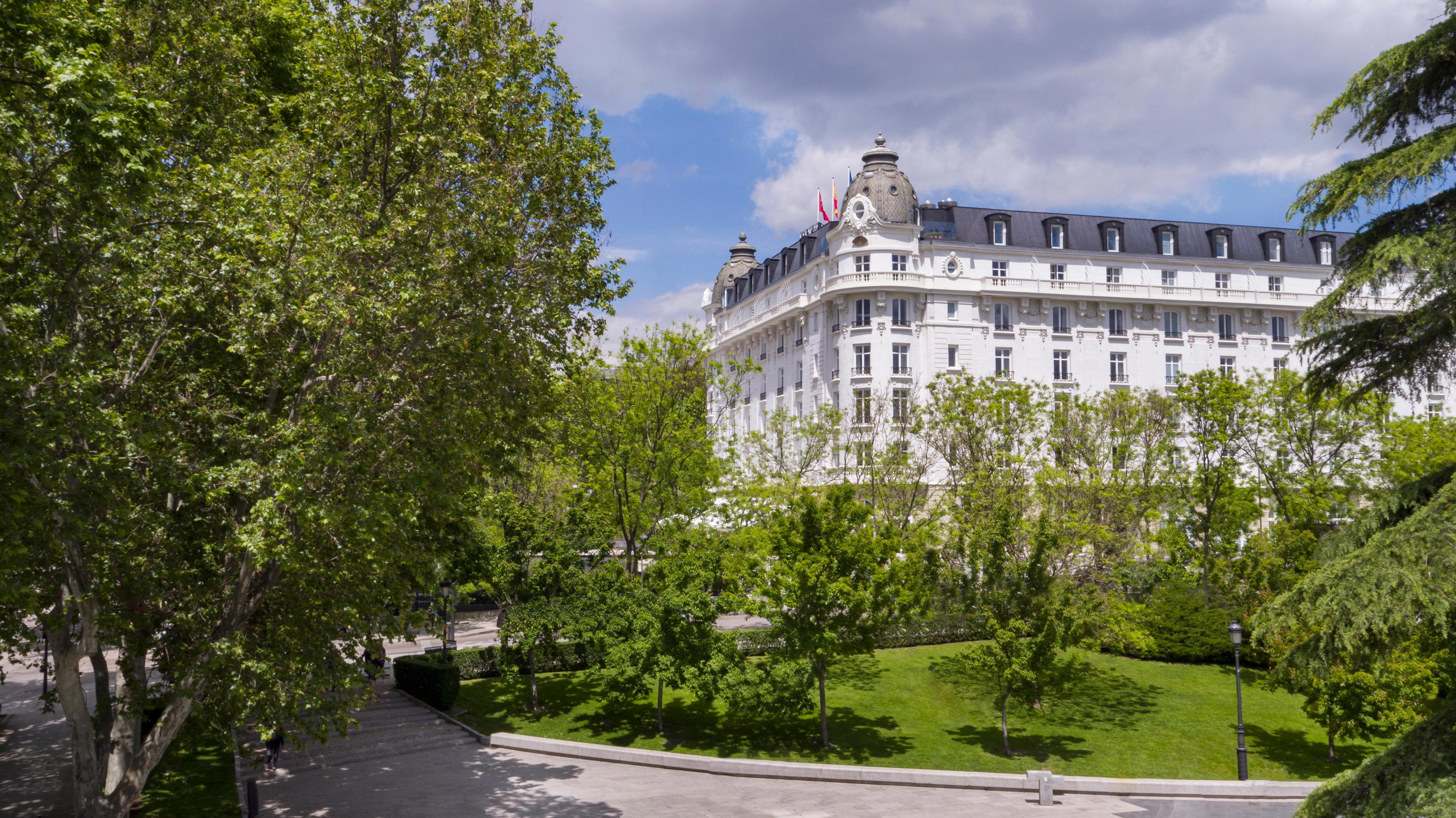
The useful comparison begins with the city’s grand-hotel axis. Mandarin Oriental Ritz, Madrid carries the museum-quarter, Belle Époque version of Madrid luxury, where heritage architecture and institutional proximity do much of the storytelling. Four Seasons Hotel Madrid represents a different model: a large urban redevelopment with scale, retail gravity, and the confidence of a global operator. Rosewood Villa Magna sits closer to Salamanca’s polished residential codes, where discretion matters as much as visibility. A Bulgari address in Madrid must be judged inside that triangle: heritage, scale, and residential luxury.
The city's hotel scene is split between restoration and brand architecture
Madrid has not followed a single luxury-hotel script. Some properties trade on restored aristocratic fabric, others on international service systems, and others on a boutique sense of enclosure. That variety is part of the city’s appeal, but it also makes lazy hotel categories useless. A guest choosing between a grand palace conversion and a smaller design property is not making a minor aesthetic decision. They are choosing how they want Madrid to feel at ground level: ceremonial, private, social, or tightly edited.
The boutique-palace cluster shows how strongly the city values historical shell and interior scale. CoolRooms Palacio de Atocha works within the logic of a restored urban palace, while Gran Hotel Inglés speaks to Madrid’s older literary and social centre. Gran Meliá Palacio de los Duques belongs to the tradition of noble-house hospitality near the royal and opera quarters. These hotels matter as context because Madrid luxury is not measured only by thread count or lobby size. It is measured by the credibility of the building’s relationship with the city.
There is also a quieter class of Madrid hotel that appeals to travellers who do not want the full performance of a flagship. Hotel Rector and Hotel Unico Madrid point toward that more intimate register. Their relevance is not that they compete point for point with a major luxury brand, but that they shape guest expectations around privacy, scale, and neighbourhood texture. A brand such as Bulgari has to answer that expectation as much as it answers the city’s palace-hotel tradition.
Why design is the proper lens here
In Madrid, architecture carries social information. The Paseo del Prado area signals museum culture and official Madrid. Salamanca signals residential wealth, galleries, and measured retail. Las Letras and the historic centre signal cultural density, foot traffic, and layered evening life. What can be said is that any serious Madrid hotel must make a spatial argument: either it frames the city through monumentality, or it creates a private interior world that filters the city’s intensity.
That distinction has become sharper as international luxury brands have expanded across European capitals. The newer model gives equal weight to material palette, lighting, scent, bathroom design, corridor acoustics, and the degree to which public rooms feel available to non-residents. In that shift, the hotel is not simply a place to sleep. It becomes a controlled urban interior, and in Madrid that interior has to compete with streets that already offer strong architectural rhythm.
The Bulgari name carries an expectation of Italian design discipline. A careful traveller should treat the hotel as a design-led prospect and verify current operational facts directly before making firm plans. In a city with mature luxury alternatives, brand recognition is a starting signal, not enough evidence by itself.
How it compares with Madrid's established hotel tiers
Madrid’s luxury tiers can be read in four groups. The first is the grand institutional hotel, where public rooms, heritage, and location near cultural landmarks establish status. The second is the contemporary flagship, larger in footprint and more integrated with retail, dining, and business travel. The third is the discreet residential hotel, often strongest for guests who value a quieter rhythm. The fourth is the boutique heritage property, where the building’s historical scale provides character without the full machinery of a major international house.
That is not a weakness in editorial terms; it is useful caution. Madrid is not short of credible luxury supply, so a new or sparsely documented listing has to be assessed against what is known. The Mandarin Oriental and Four Seasons comparisons test ceremonial scale. Rosewood Villa Magna tests residential polish. Hotel Único and Hotel Rector test quietness. CoolRooms, Gran Hotel Inglés, and Palacio de los Duques test how convincingly a property handles Madrid’s inherited architecture.
For a traveller building a Madrid itinerary, that comparable set matters more than abstract luxury language. A museum-heavy trip benefits from proximity and public-space formality. A shopping and gallery itinerary in Salamanca rewards a calmer address. A food-led stay needs evening mobility and taxi simplicity.
Madrid versus Spain's destination-hotel circuit
Madrid’s hotel culture should also be read against Spain’s rural and coastal luxury addresses. The capital is dense, social, and architectural; the countryside often builds luxury around wine, monastic restoration, gastronomy, or landscape in the literal sense of terrain and agriculture. That contrast clarifies what a city hotel can and cannot do. It can deliver access, design control, and cultural proximity. It cannot reproduce the slow-release rhythm of a vineyard estate or a village retreat.
Spain’s hotel map is increasingly sophisticated outside the capital. Terra Dominicata in Escaladei places hospitality inside Priorat wine country. Atrio Restaurante Hotel in Cáceres links lodging to a serious restaurant-led identity. Abadía Retuerta LeDomaine in Teruel reflects the estate-hotel model, while Torre del Marqués Hotel Spa & Winery in Sardoncillo folds spa and wine-country travel into the same proposition. These are not direct competitors for a Madrid stay, but they sharpen the distinction between urban luxury and destination retreat.
The same holds for Spain’s coastal and regional hotels. Mandarin Oriental Barcelona in Barcelona sits in a more boulevard-driven city-hotel register. La Residencia, A Belmond Hotel, Mallorca in Mallorca answers a different desire entirely: village setting, island pace, and resort-style duration. Pepe Vieira Restaurant & Hotel in Poio connects hotel choice to Galicia’s restaurant culture, while Casa Beatnik Hotel in A Coruña shows how design-led hospitality has moved beyond the obvious city circuits. Marbella Club Hotel in Marbella belongs to the long-established resort tradition. Madrid sits apart from all of these: sharper, more urban, less escapist.
International peers and the Bulgari question
Luxury travellers increasingly compare cities by hotel grammar. New York, Monte Carlo, St. Moritz, Madrid, and Barcelona are not interchangeable, but their hotel guests often are. A guest looking at The Fifth Avenue Hotel in New York City may be drawn to dense urban design and layered interiors. A guest considering Hôtel de Paris Monte-Carlo in Monte Carlo is reading history, casino culture, and grand public presence. Badrutt's Palace Hotel in St. Moritz brings alpine seasonality and long social memory into the decision.
That international lens is useful for Madrid because it prevents overrating brand arrival as an event in itself. A luxury hotel in Madrid has to hold its own against local heritage and global comparables. It needs a clear answer on architecture, public rooms, service rhythm, and neighbourhood fit. Where confirmed data is missing, the editorial stance should remain firm but restrained: the property is relevant because of the category it enters, not because unverified claims can be made about rooms, restaurants, or awards.
Planning a stay with limited published data
The practical approach is simple: verify before committing. That means travellers should confirm opening status, exact location, room categories, cancellation terms, dining availability, spa access, and any minimum-stay requirements before booking. Madrid has enough high-calibre alternatives that uncertainty should not be ignored.
Timing also matters. Madrid is an all-year city, but spring and autumn usually bring the easiest walking weather, stronger cultural calendars, and higher demand across serious hotels. Summer can be hot and slower in parts of the city, while winter rewards museum time, restaurants, and shorter daylight itineraries. For a design-led hotel choice, ask practical questions that affect the stay more than promotional language: Is the room quiet at night? How close is the property to the trip’s main dinners and museums? Are public spaces useful during the day, or mainly decorative? Is the hotel better suited to a two-night city break or a longer Madrid base?
The right reader for Bulgari Hotel Madrid is likely someone comparing design-led international luxury against Madrid’s established grand hotels, not someone seeking a rural retreat or a restaurant-with-rooms format. The smarter move is to use the property as one candidate in a tightly defined shortlist, then measure it against confirmed facts. In Madrid, the building, neighbourhood, and operating details decide the stay.
Comparable venues nearby, for context on price, style, and recognition.
| Venue | Cuisine | Price | Awards | Notes |
|---|---|---|---|---|
| Bulgari Hotel MadridThis venue — the venue you are viewing | Ultra‑luxury city palace hotel positioned within Madrid’s new ‘milla de oro’ of five‑star grand luxe properties. | $$$$ | 5-Star | Not listed |
| Metrópolis Madrid | Contemporary luxury design hotel | $$$$ | 5-Star | Gran Vía |
| Brach Madrid | Contemporary luxury with eclectic warmth; a love letter to Spain blending original historic features with modern design sophistication. | $$$$ | 5-Star | Chueca |
| Hotel Villa Real 5* | Classic five-star heritage hotel blending traditional elegance with modern comfort in Madrid's cultural heart. | $$$$ | 5-Star | Barrio de las Letras |
| Thompson Madrid, by Hyatt | Lifestyle luxury hotel with residential-inspired design | $$$$ | 5-Star | Lavapies |
| Hyatt Regency Hesperia Madrid | Modern luxury urban retreat | $$$ | 5-Star | Rios Rosas |
Continue exploring
More in Madrid
Hotels in Madrid
Browse all →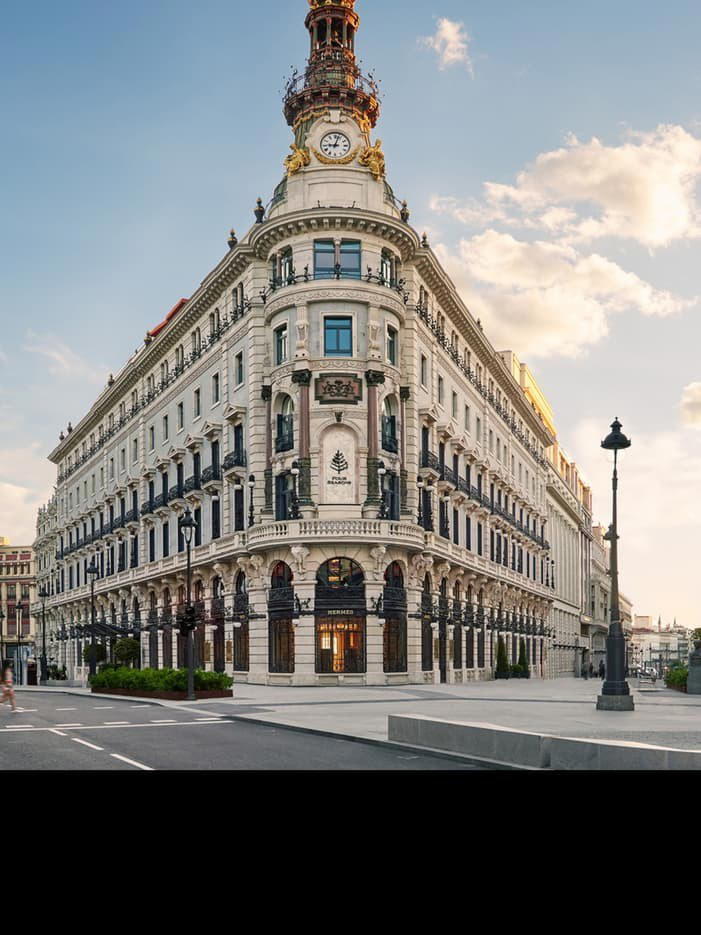
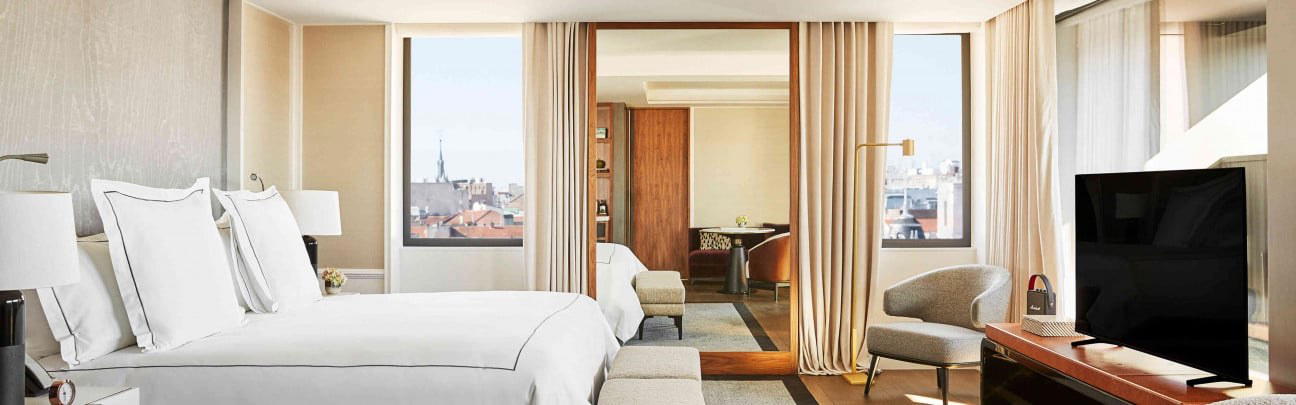
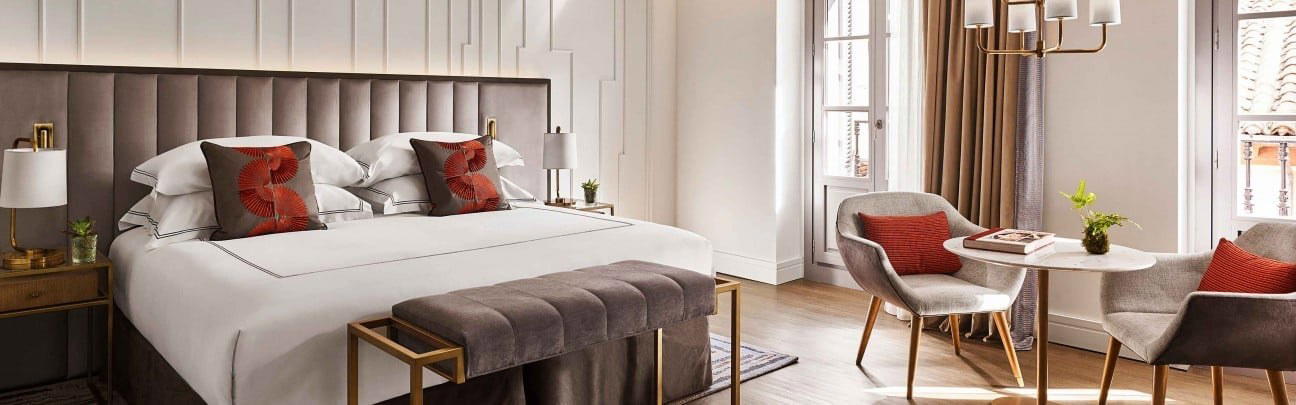
Bars in Madrid
Browse all →
Restaurants in Madrid
Browse all →
At a Glance
- Ornate
- Elegant
- Sophisticated
- Well Known
- Honeymoon
- Romantic Getaway
- Business Trip
- Weekend Escape
- Celebration
- Historic Building
- Design Destination
- Panoramic View
- Street Scene
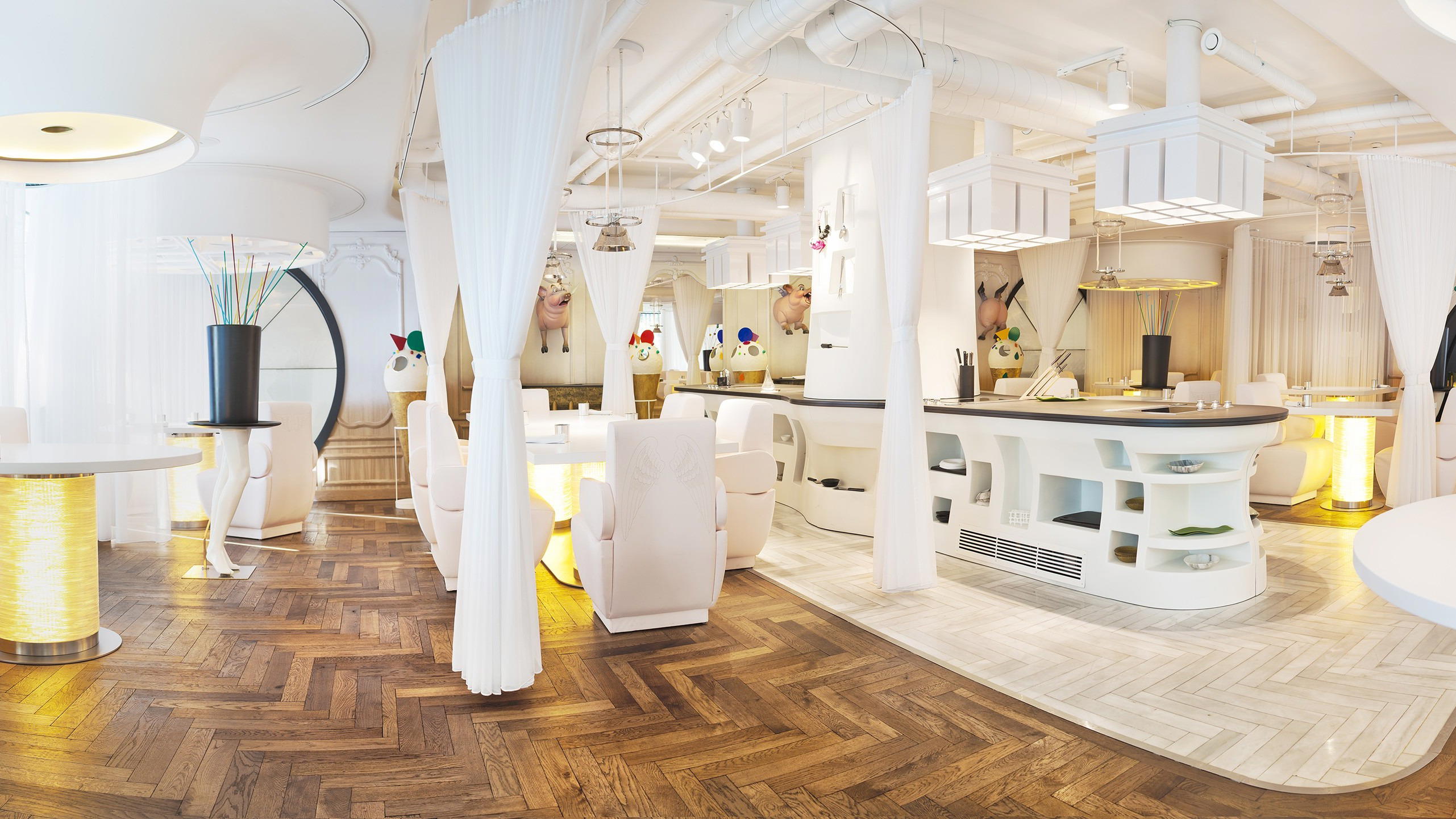
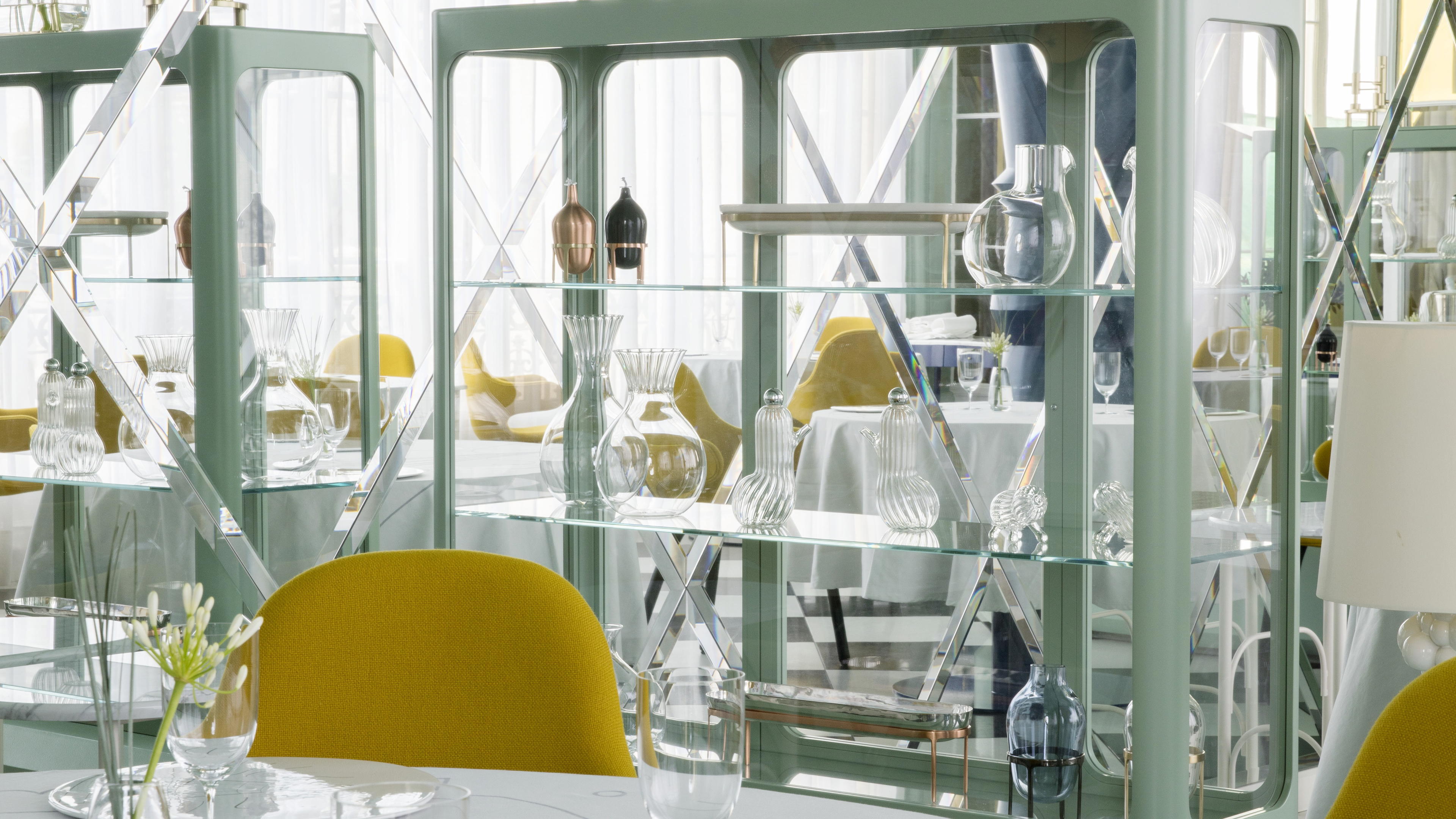
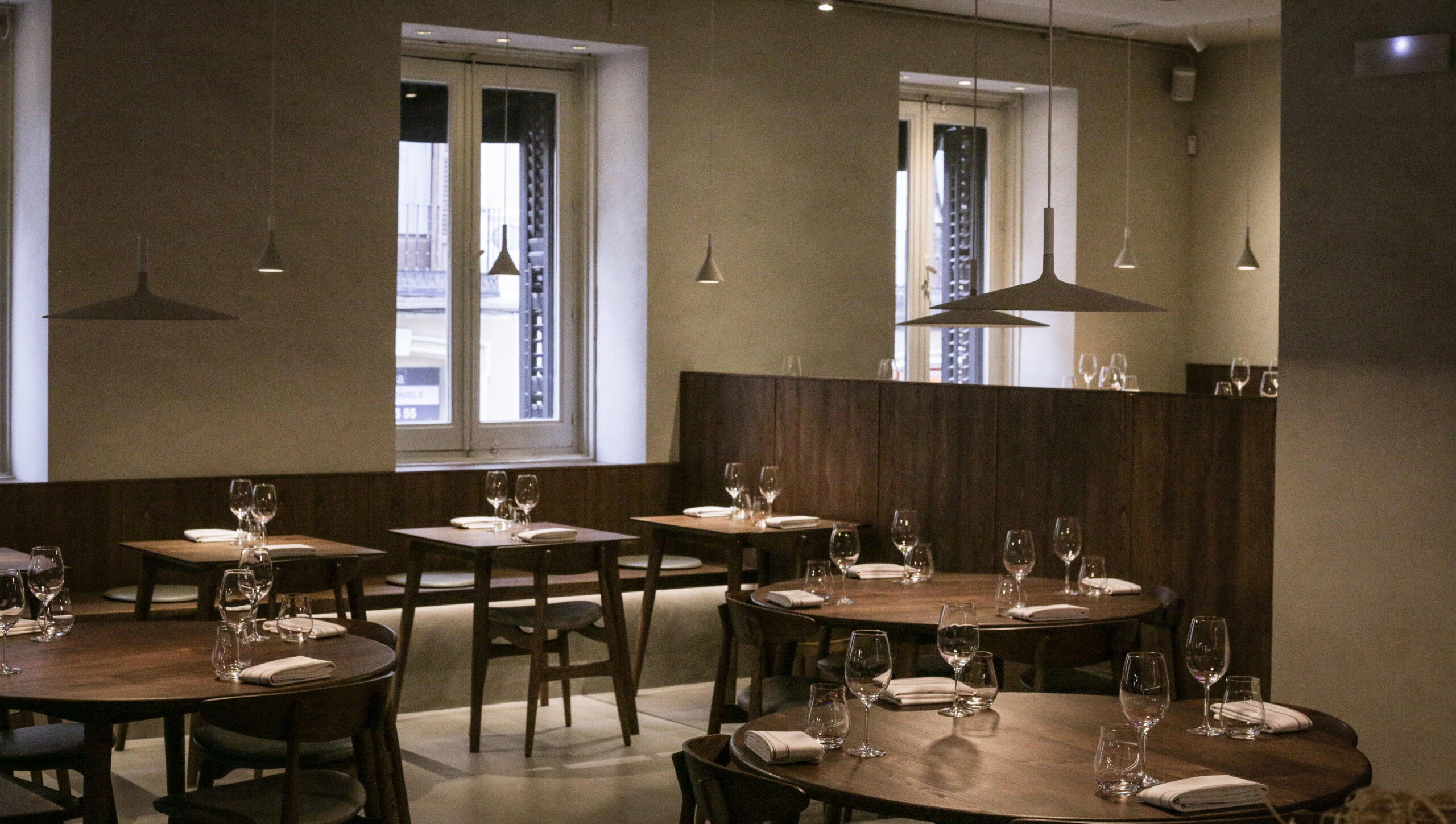
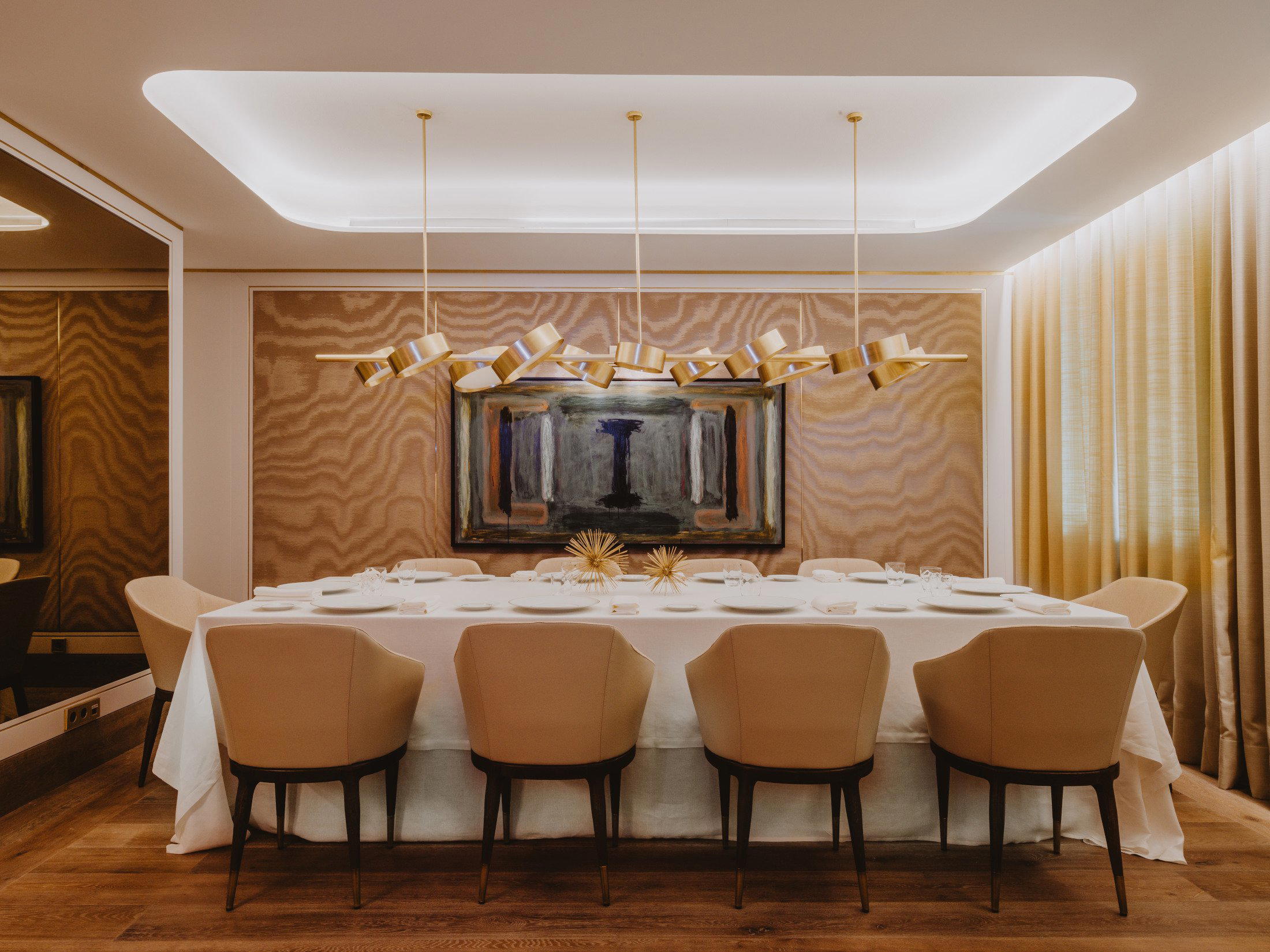
Planned as an ultra‑luxury, jewel‑box city palace with discreet, high‑end atmosphere aligned with Bulgari’s global image and Madrid’s new ‘milla de oro’ of five‑star grand luxe hotels.