

Named both World's Leading New Boutique Hotel and Europe's Leading New Boutique Hotel at the 2025 World Travel Awards, Brach Madrid occupies a considered position on Gran Vía that places it well outside the traditional palace-hotel circuit. The property belongs to a smaller tier of design-led stays where spatial discipline and interior character carry more weight than room count or brand legacy.
Pearl is the En Primeur Club membership app — saves, bookings, and concierge access live there. Same editors, same standards.
- Address
- Gran Vía, 20, Centro, 28013 Madrid, Spain
- Phone
- +34 915 46 36 39
- Website
- brachmadrid.com
- Directions
- Get directions
 Saves & bookings on Pearl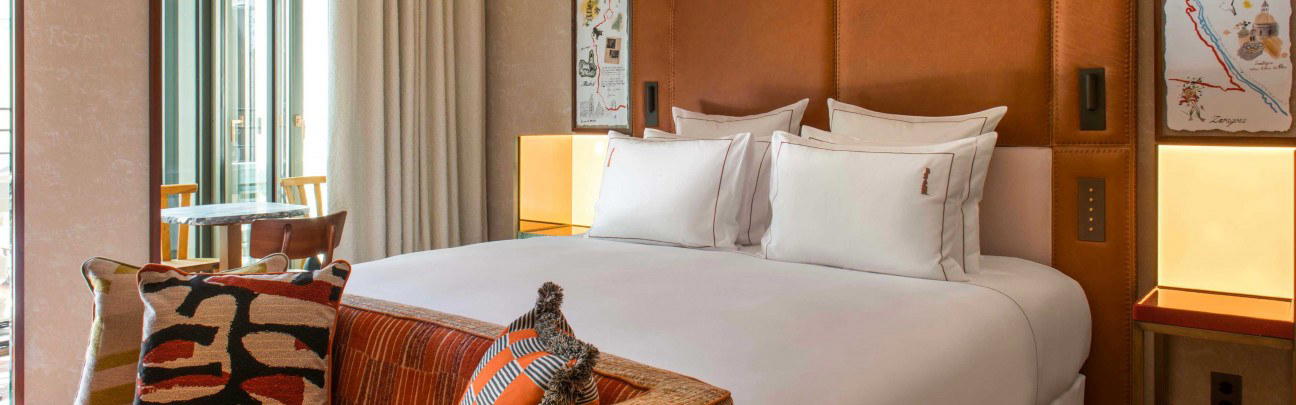
Gran Vía, Reframed
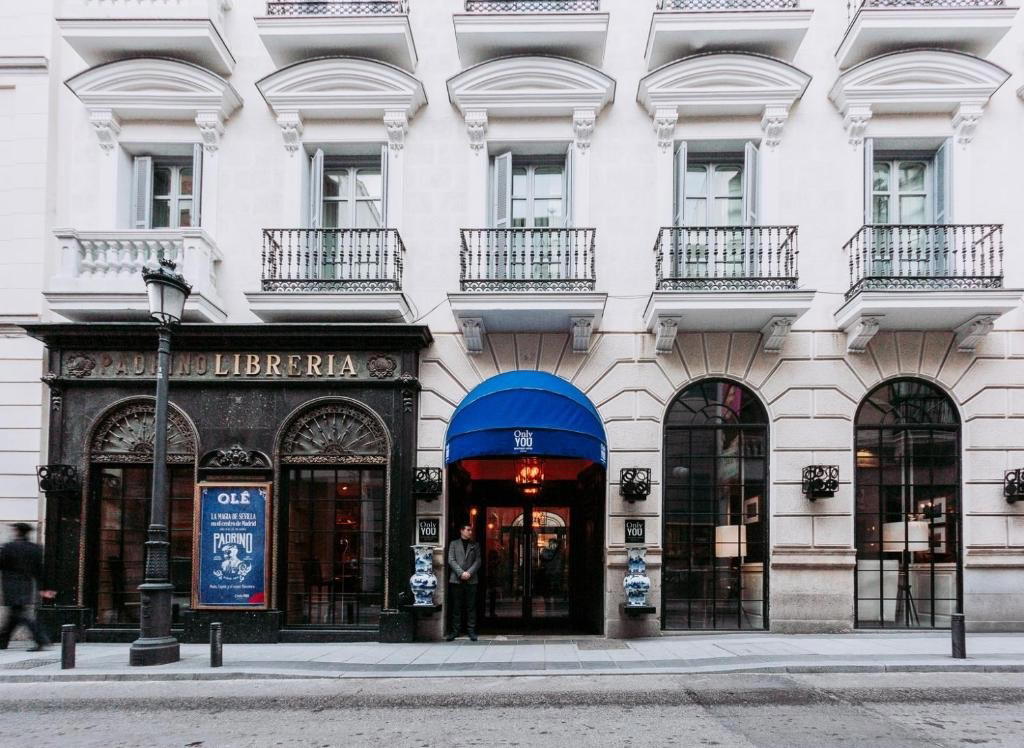
Madrid's Gran Vía has long been read as a thoroughfare of spectacle: wide pavements, Beaux-Arts facades, and a density of international brands that makes it feel, at points, more like a film set than a neighbourhood street. The hotels that have traditionally anchored this corridor lean into that register, offering grand lobbies and high room counts calibrated for volume. Brach Madrid takes a different position. Situated at number 20, it is a five-star hotel with 57 rooms at Gran Vía, 20, in central Madrid, prioritising considered interiors and a lower key count over the institutional scale that defined the previous generation of city-centre hotels.
The broader pattern across European capitals is well established: luxury has split. On one side sit the historic palace conversions and five-star branded towers, each with their own architectural gravity and guest-to-staff ratios built for ceremony. On the other sits a growing cohort of sub-100-key properties where the design brief and the experiential logic are inseparable. Brach Madrid belongs to the second group, and its 2025 World Travel Awards recognition positions it at the recognised front of that cohort, not as an aspirant but as a reference point.
What the Room Actually Does
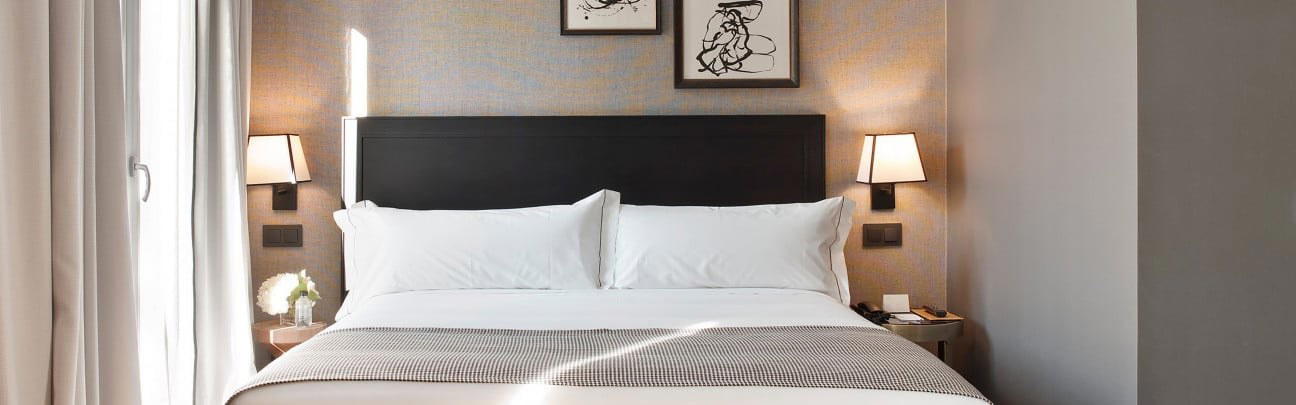
The editorial argument for boutique hotels in capital cities usually centres on what they refuse. They refuse the convention-hotel corridor, the 400-thread-count sameness, the bathroom vanity that belongs to no particular aesthetic era. What the better ones offer instead is a room that has been designed as a complete spatial argument, where the proportion of the bed frame, the position of the windows relative to the street, and the choice of materials are in conversation with each other rather than selected from a procurement catalogue.
Gran Vía's architecture is predominantly early twentieth century, with facades that carry height and ornament in equal measure. A well-resolved boutique room on this street has the opportunity to use that context, whether through ceiling height, through period detailing preserved or abstracted, or through a deliberate contrast that makes the contemporary feel more contemporary by proximity to the old. The overnight experience at a property of this type lives in the quiet details: the quality of light control, the acoustic separation from a street that does not fully quiet until well after midnight, and the logic of the bathroom, which in smaller boutique properties tends to receive more considered attention per square metre than in larger operations where standardisation governs everything from the tap fittings down.
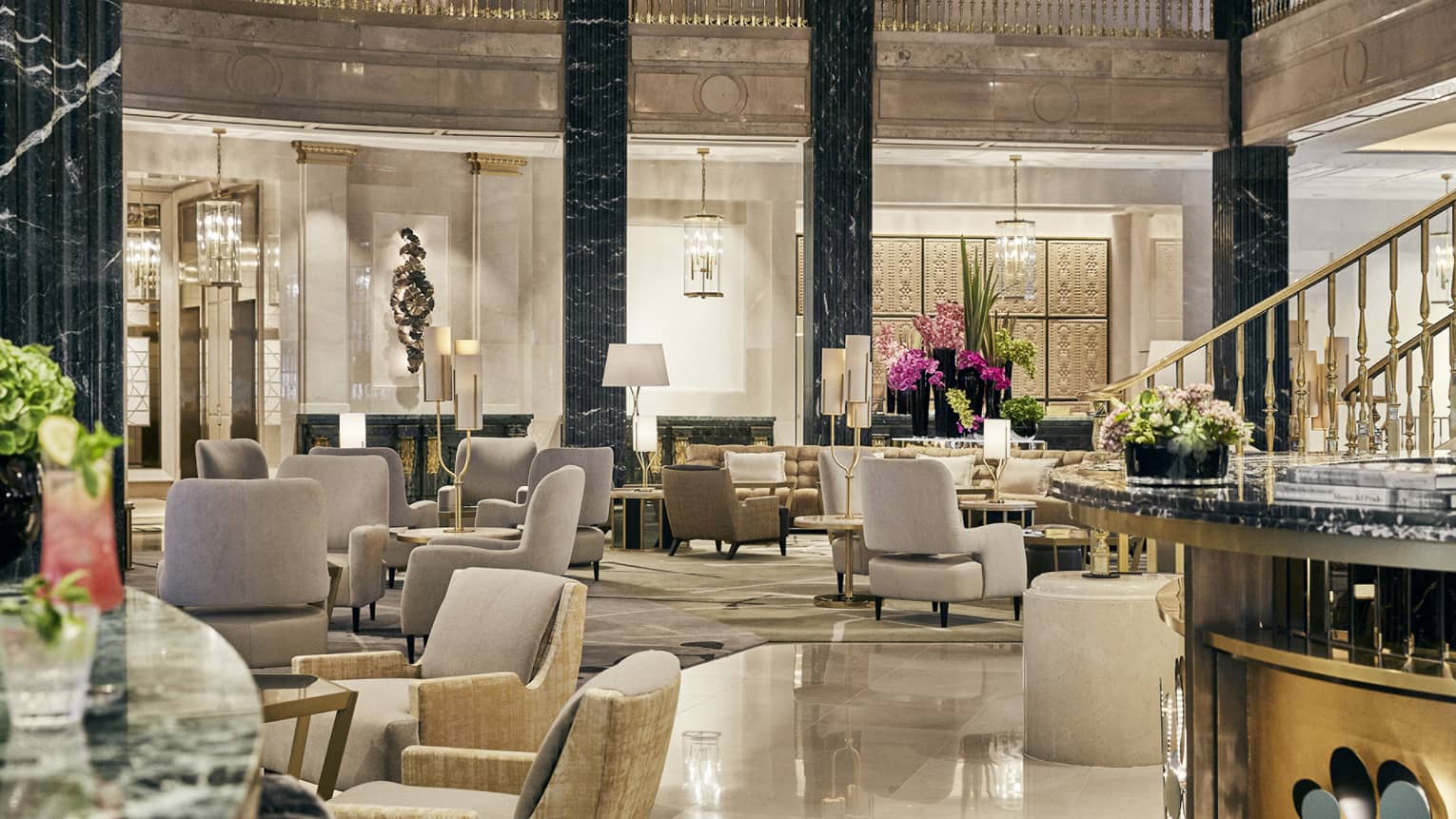
For travellers whose reference points include the Mandarin Oriental Ritz, Madrid or the Four Seasons Hotel Madrid, the shift to a property like Brach is not a compromise in standard but a change in register. The palace-hotel experience is about ceremony and scale; the boutique experience at this award level is about compression, where quality is concentrated rather than distributed across a larger footprint. The Rosewood Villa Magna and the Gran Meliá Palacio de los Duques occupy their own positions in Madrid's upper tier, but neither is competing for the same guest as a property of Brach's scale and sensibility.
Madrid's Boutique Tier: Where Brach Sits
The Spanish boutique hotel market has developed considerable depth over the past decade, across geographies as different as a Mallorca olive grove and a Cáceres city block. Properties like Cap Rocat in Cala Blava, Atrio Restaurante Hotel in Cáceres, and Terra Dominicata in Escaladei each represent a version of the format calibrated to their specific landscape, whether coastal fortification, medieval town house, or wine-country estate. What distinguishes these from the urban boutique is the absence of a city context to work with or against; the room and the setting do the entire job.
In Madrid, the urban boutique has to compete with a different set of expectations. The city's established hotel culture skews toward the grand, with properties like Gran Hotel Inglés and CoolRooms Palacio de Atocha demonstrating that converted historic buildings can carry boutique credentials alongside architectural prestige. Brach Madrid, on Gran Vía rather than in one of the quieter residential or cultural barrios, is making a different spatial argument: that the city's most-trafficked address can also sustain a stay of genuine character.
For context on the broader Spanish boutique circuit, Akelarre in San Sebastián, Hotel Can Cera in Palma, and Mas de Torrent Hotel & Spa in Torrent each occupy distinct regional niches. The hotel's 2025 awards place it ahead of this peer group in the new-property category, at least by the World Travel Awards metric, which evaluates across a global field and draws on industry and consumer voting at scale.
Booking and Practical Orientation
Gran Vía, 20 places the property at one of central Madrid's most accessible addresses, within walking distance of the Chueca, Malasaña, and Sol districts and close to the metro interchange at Gran Vía station.
Given the property's award profile and relatively small key count, demand is likely to run ahead of availability during Madrid's busier calendar periods: the spring Feria season, ARCO in February, and the autumn conference and trade-fair concentration in October and November. Booking ahead of these windows is the more reliable approach.
Travellers making longer itineraries through Spain may find useful context in properties like Abadía Retuerta LeDomaine in Teruel or Pepe Vieira Restaurant & Hotel in Poio, both of which sit in a different experiential register but serve the same traveller who prioritises considered design and a coherent spatial logic over brand-backed reassurance. For international comparison, Aman New York and The Fifth Avenue Hotel in New York City represent the upper end of what the design-boutique format achieves in a comparably dense urban context.
At-a-Glance Comparison
Comparable venues nearby, for context on price, style, and recognition.
| Venue | Cuisine | Price | Awards | Notes |
|---|---|---|---|---|
| Brach MadridThis venue — the venue you are viewing | Contemporary luxury with eclectic warmth; a love letter to Spain blending original historic features with modern design sophistication. | $$$$ | 5-Star | Not listed |
| JW Marriott Hotel Madrid | Mindfulness-inspired luxury in a historic setting | $$$$ | 5-Star | Cortes |
| Hotel Fénix, a Gran Meliá Hotel | Luxury urban heritage hotel with neoclassical elements. | $$$$ | 5-Star | Recoletos |
| Thompson Madrid | Lifestyle hotel in the heart of Madrid's lively center | $$$$ | 5-Star | Sol |
| UMusic Hotel Madrid | Music and culture-infused luxury in a historic landmark. | $$$$ | 5-Star | Centro |
| The Madrid EDITION | Contemporary luxury urban resort with artistic design direction by Ian Schrager, blending modern minimalism with baroque-inspired accents and curated art installations throughout public spaces. | $$$$ | 5-Star | Sol |
Recognition history
Dated appearances from independent guides and award organizations, with the underlying list record or original source where available.
Mr & Mrs Smith Smith Seal of Approval
Mr & Mrs Smith
National Geographic Hotel Awards Runner-up
National Geographic
World Travel Awards
World Travel Awards
Continue exploring
More in Madrid
Hotels in Madrid
Browse all →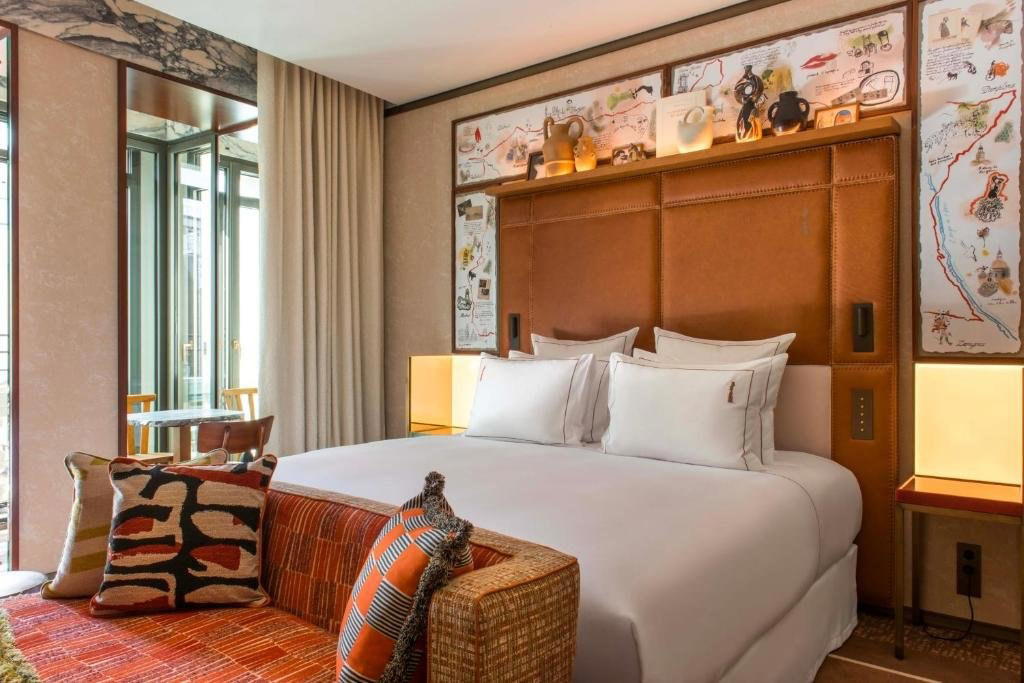
At a Glance
- Sophisticated
- Elegant
- Modern
- Well Known
- Romantic Getaway
- Wellness Retreat
- Business Trip
- Celebration
- Destination Spa
- Historic Building
- Design Destination
- Panoramic View
- Private Dining
- Wi Fi
- Indoor Pool
- Spa
- Fitness Center
- Room Service
- Concierge
- Restaurant
- Bar
- Skyline
- Street Scene
- Wi Fi
- Indoor Pool
- Spa
- Fitness Center
- Room Service
- Concierge
- Restaurant
- Bar
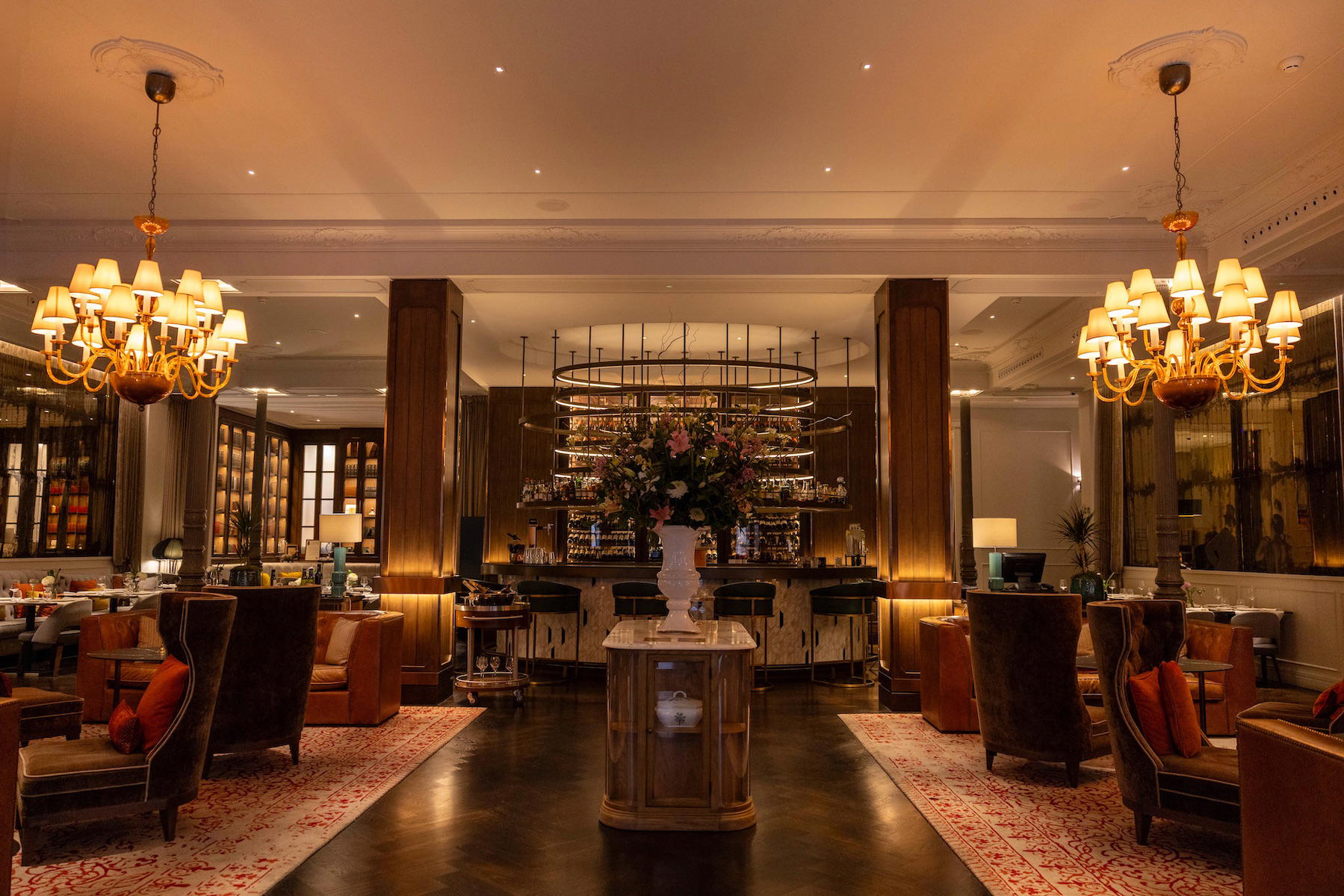
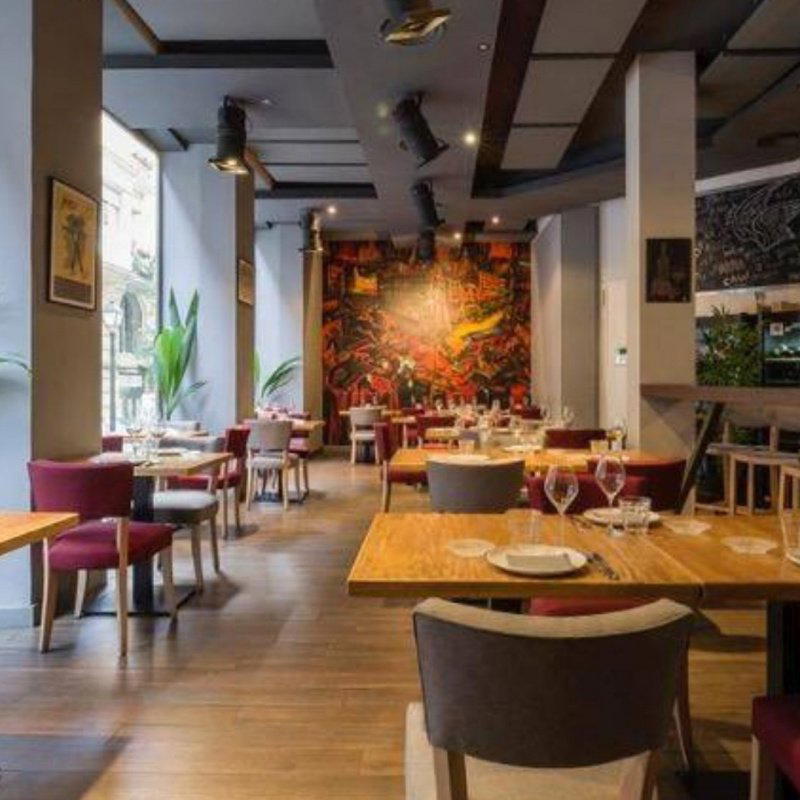
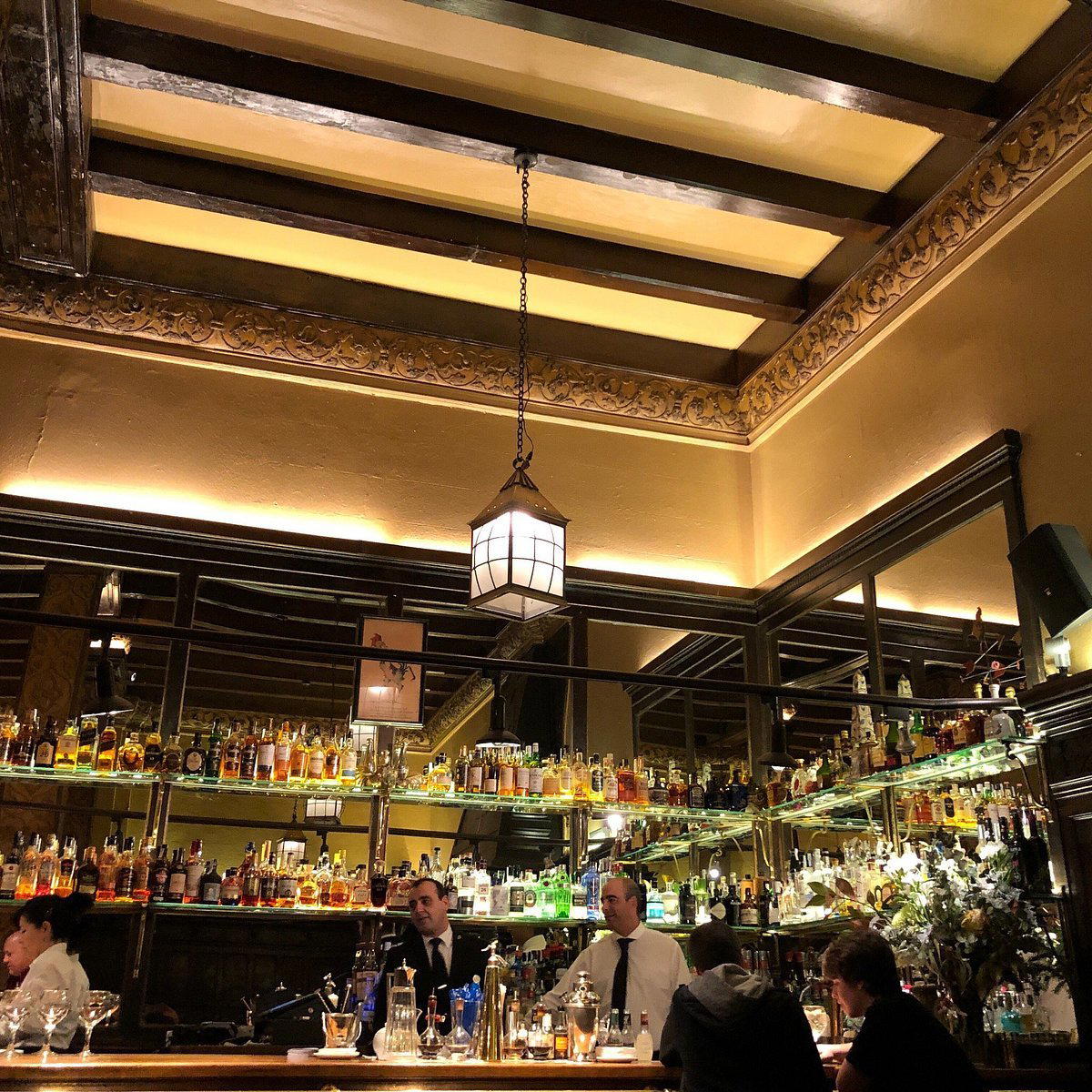
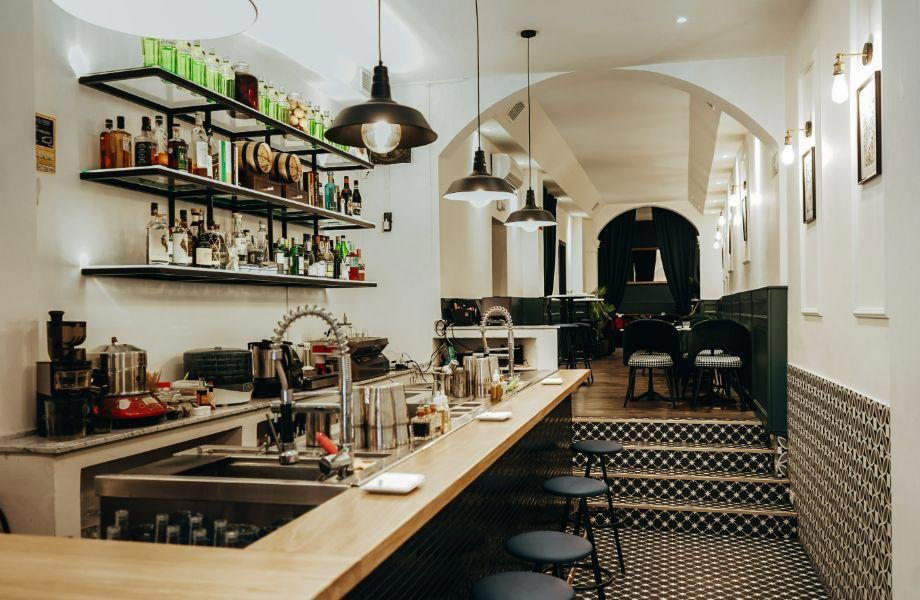
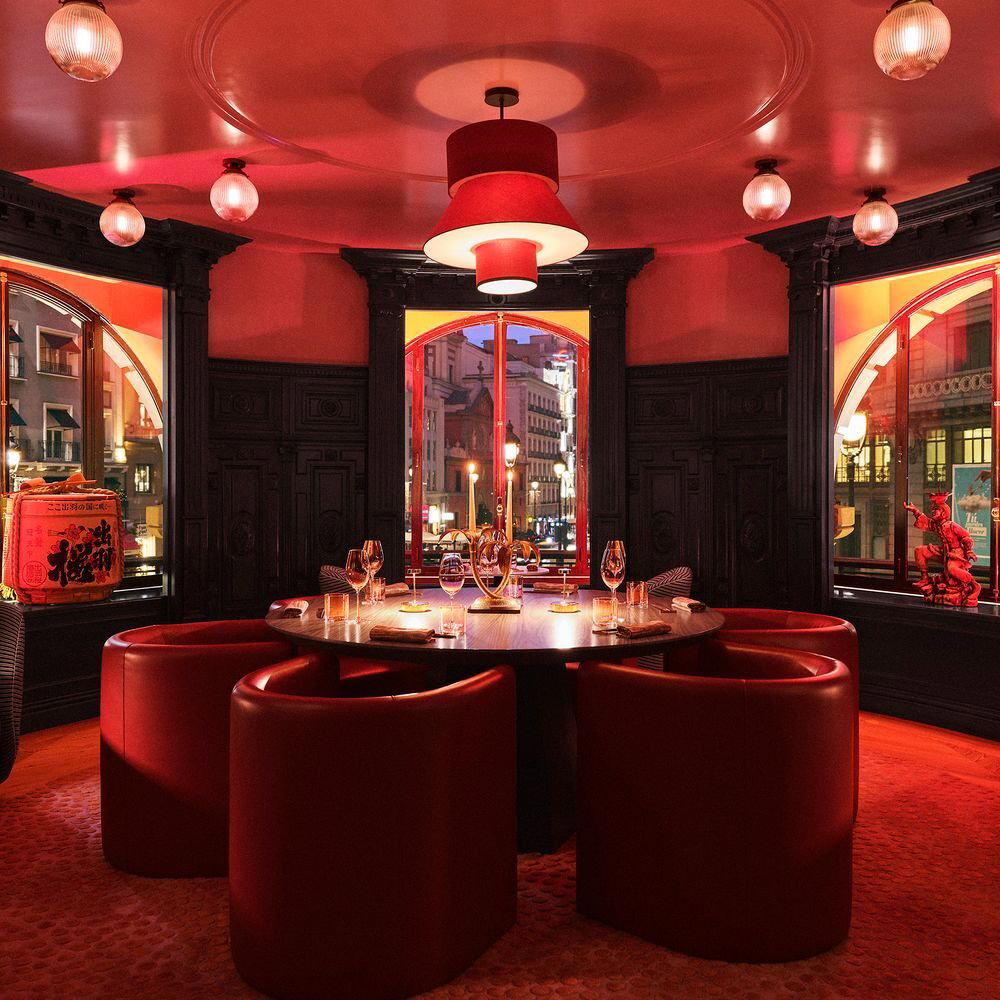
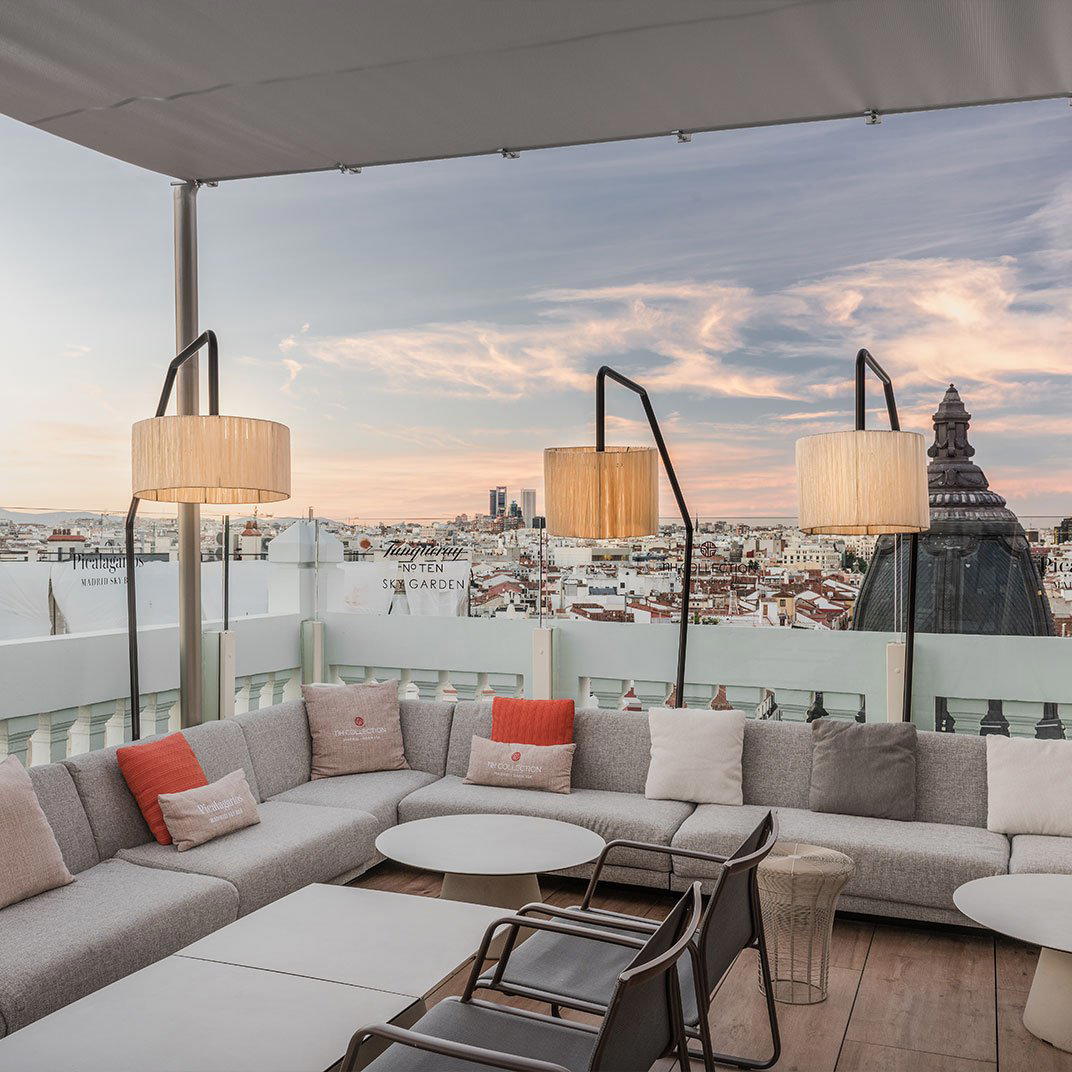
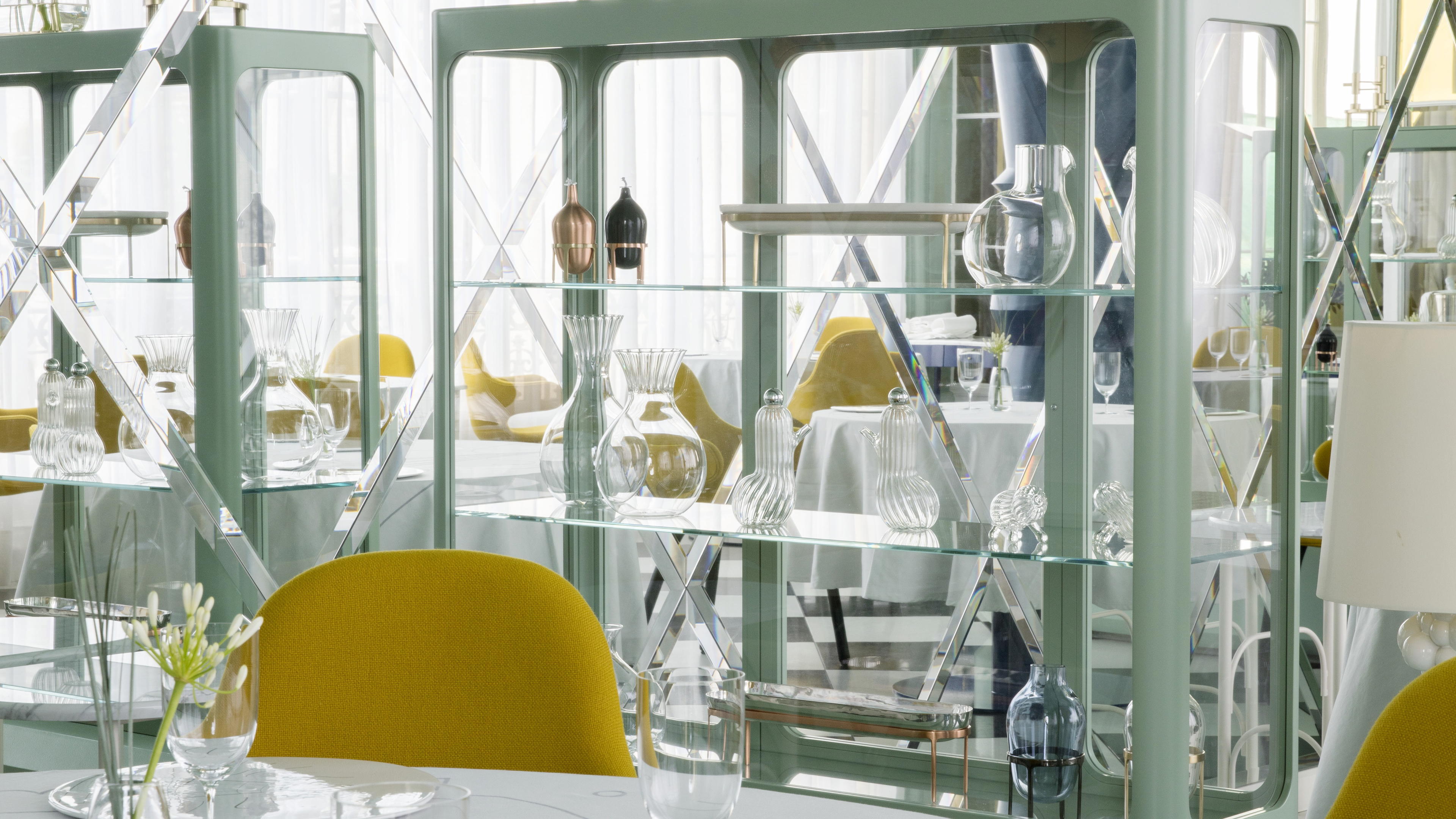
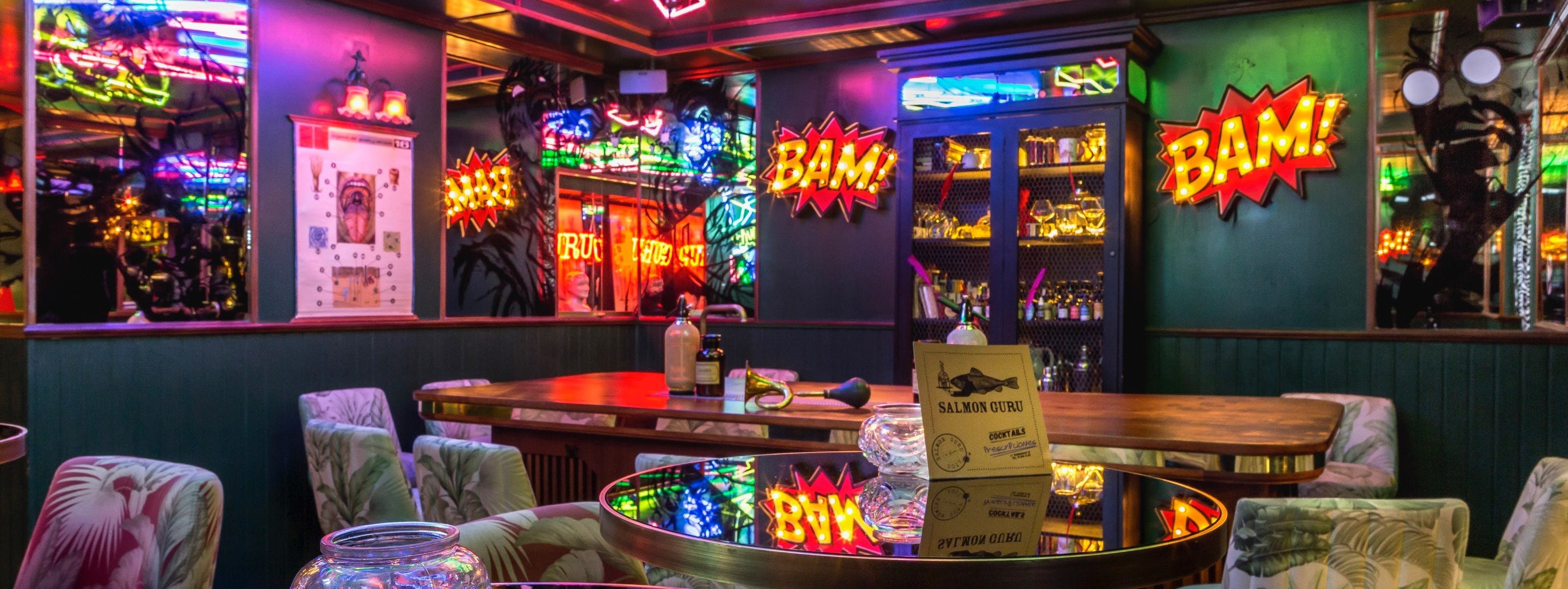
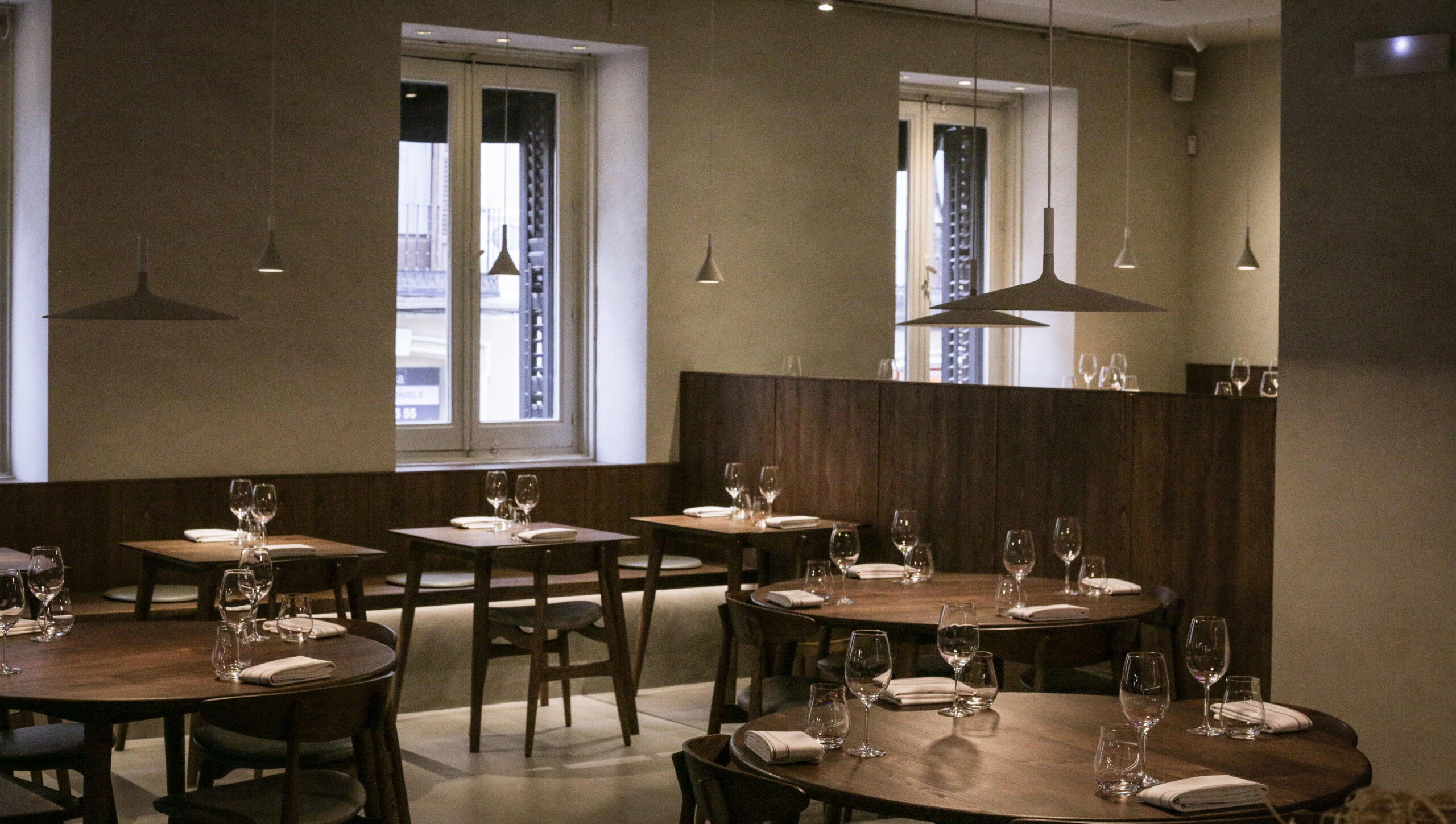
Warm, eclectic interiors with wood paneling, leather, and pottery creating intimate sophistication; 1920s-inspired restaurant with sleek open kitchen; rooftop terrace with Madrid skyline views.