Boundary Shoreditch


Michelin Selected · Design Hotels Member
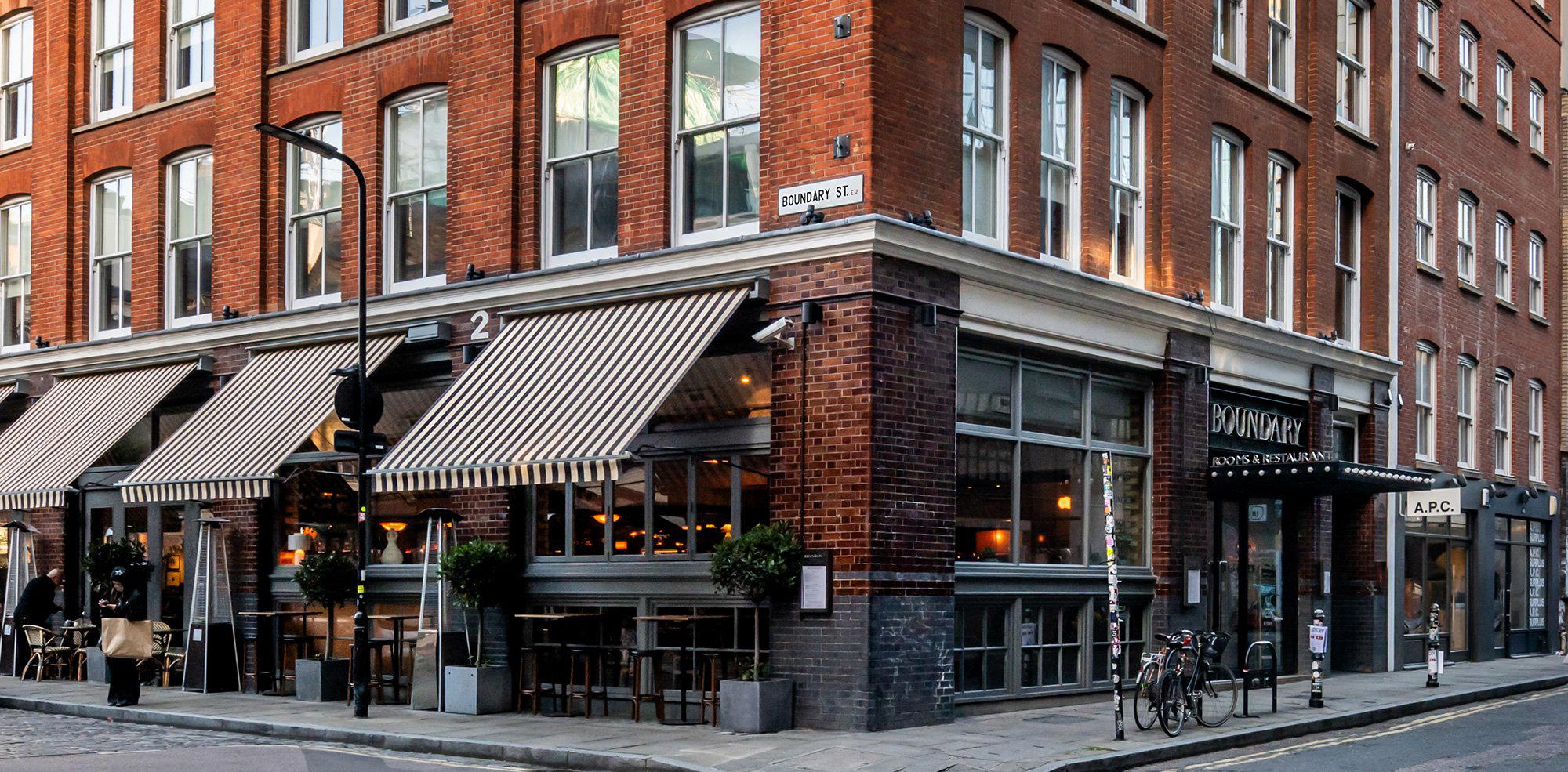
Boundary Shoreditch occupies a converted Victorian warehouse on Boundary Street in East London, positioning itself at the intersection of design heritage and neighbourhood character. The property pays homage to the designers who shaped modern interiors, making it a reference point for guests who treat design literacy as a prerequisite for where they sleep. It sits in a different tier and postcode than Mayfair's grand hotels, and that distance is the point.

Pearl is the En Primeur Club membership app, where members save venues, book tables and use the concierge.
East London's Design-Serious Hotel, Reconsidered
Shoreditch has cycled through more identities in twenty years than most London neighbourhoods manage in a century. The Victorian warehouses along Boundary Street that once housed furniture workshops and light industry became studio spaces, then gallery annexes, then hospitality venues as the area's creative reputation solidified through the 2000s and 2010s. Boundary Shoreditch arrived inside that current, converting a Victorian warehouse into a hotel that takes its design brief seriously enough to frame it as a tribute to the figures who shaped modern interiors.
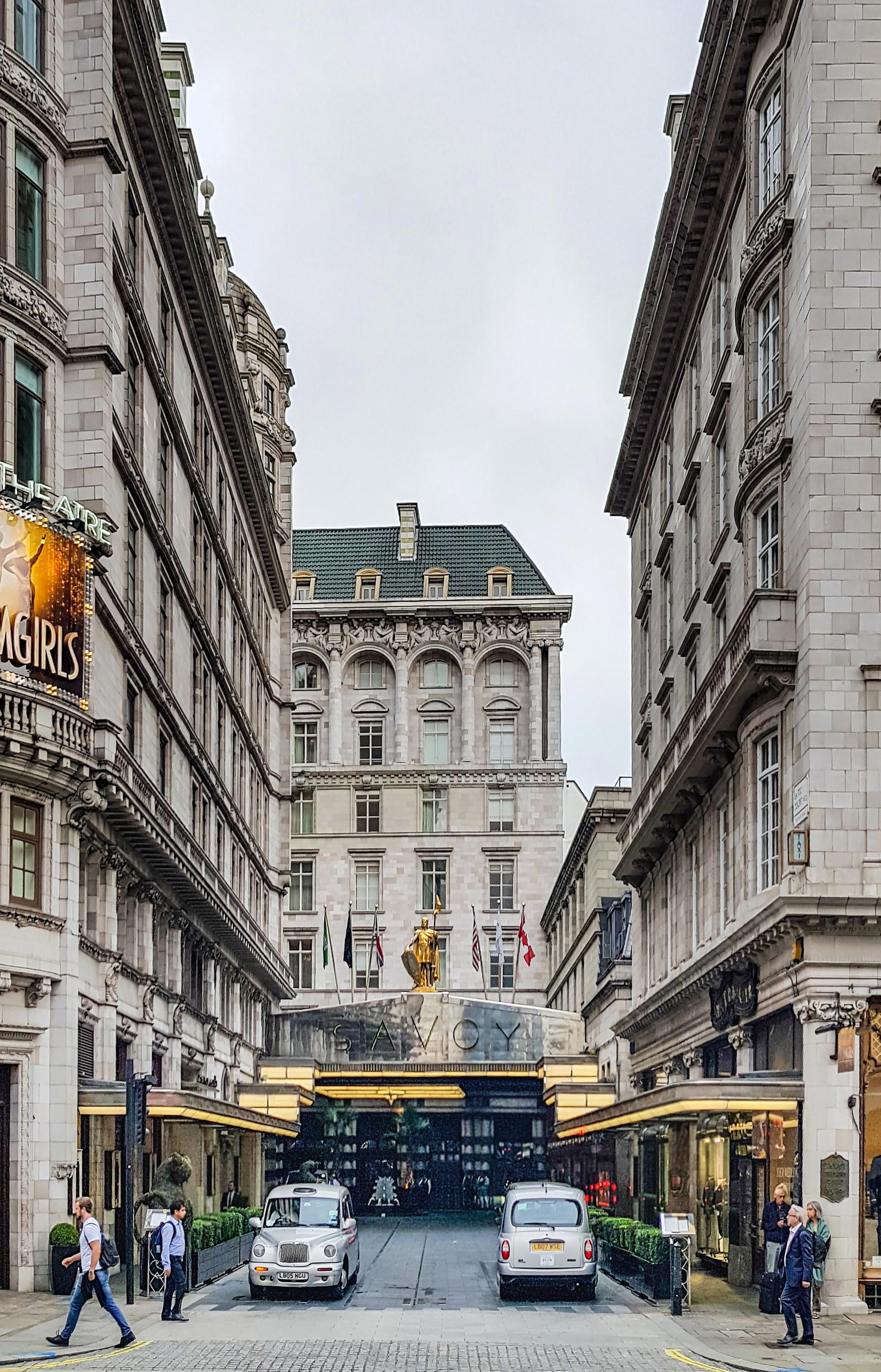
London's broader hotel offer has always split cleanly between the grand West End institutions and smaller, characterful properties further east. Claridge's, The Connaught, and The Savoy occupy one end of that spectrum, carrying historical weight and Mayfair or Strand addresses. Raffles London at The OWO and NoMad London represent a middle register, properties with strong design sensibilities and central addresses. Boundary Shoreditch sits in a different conversation entirely, one where postcode and neighbourhood character are as integral to the offer as thread count or room service.
The Building as Argument
The warehouse bones of the property are not incidental. Across premium hospitality, there is a recurring tension between adaptive reuse and purpose-built luxury, and the most considered properties in the adaptive-reuse category tend to let the original structure make the case for them. Industrial proportions, exposed materials, and the particular quality of light in converted brick buildings carry a different atmosphere than a purpose-built hotel room in a glass tower. Boundary Shoreditch operates in that tradition, and the decision to centre the hotel's identity on design heritage, specifically on honouring the designers who shaped modern interiors, gives the property an intellectual framework that differentiates it from East London competitors who lean more heavily on neighbourhood cool as a substitute for considered curation.
That framework has evolved. Hotels that open with a design-forward identity face a specific challenge over time: how to remain current without abandoning the coherence that made them interesting in the first place. Properties elsewhere in the UK have managed similar pivots with varying success. Hope Street Hotel in Liverpool and King Street Townhouse Hotel in Manchester both operate in converted historic buildings in cities where design credentials carry genuine weight. The question for any property in this category is whether the design identity deepens or merely accumulates as the years pass.
Shoreditch as Context, Not Just Address
The neighbourhood around Boundary Street has matured considerably since Shoreditch first registered on international radar. The area now supports a dense concentration of galleries, independent restaurants, and creative studios, alongside the inevitable pressure of rising rents and the homogenising effect that follows sustained cool. For a hotel in this position, the surrounding neighbourhood functions as both asset and complication. Guests arrive expecting a certain energy and specificity; the hotel's job is to reflect that without becoming a parody of it.
East London's hospitality offer in 2024 runs across a wide range of formats and price points. Boundary Shoreditch competes not only with other hotels in the area but also with the broader London market, where properties like The Emory and 1 Hotel Mayfair have raised the baseline expectation for design-conscious guests. The difference is that those properties sit in Knightsbridge and Mayfair respectively, and some guests specifically want to avoid those postcodes. Shoreditch's creative infrastructure, the galleries, the restaurants on Redchurch Street, the proximity to Columbia Road and Spitalfields, remains a genuine draw for a guest profile that chooses neighbourhood over institutional grandeur.
For comparison, rural and regional UK properties like Estelle Manor in North Leigh or The Newt in Somerset make their case through landscape and estate; Gleneagles in Auchterarder through sport and history. Urban boutique properties like Boundary must make their case through neighbourhood integration and interior coherence, which is a harder argument to sustain across years of neighbourhood change.
Rooftop and Restaurant: Vertical Hospitality
Boundary Shoreditch has historically operated across multiple floors, with dining and rooftop terrace access forming a significant part of the offer. In East London, rooftop spaces carry particular commercial logic: the neighbourhood's low-rise building stock means that even modest elevation delivers genuinely good sightlines, and the density of creative professionals in the area creates a reliable local audience for food and drink programming. Hotels that integrate this well, where the restaurant and bar serve locals and guests simultaneously rather than treating them as separate constituencies, tend to build stronger neighbourhood reputations than those running insular in-house operations.
This multi-use approach is not exclusive to Boundary; properties including 11 Cadogan Gardens and venues further afield like Lime Wood in Lyndhurst have developed food and drink programs that function as destinations in their own right. For a boutique property in a high-footfall neighbourhood, this is sound strategy: it means the hotel's public spaces work harder and the brand benefits from word of mouth that originates outside the guest list.
Planning Your Stay
Boundary Shoreditch is located at 2-4 Boundary Street, London E2 7DD, within walking distance of Liverpool Street station, which connects directly to the Elizabeth line, Overground, and multiple Underground lines. The Shoreditch High Street Overground station is also nearby. For guests arriving from further afield, the connection from London's major airports via Liverpool Street is direct and fast. Visiting in spring or early autumn gives access to the rooftop at its finest, before summer crowds and before the East London event calendar thins out in winter. Design-focused guests would do well to pair a stay here with visits to the nearby Geffrye Museum of the Home, now the Museum of the Home, and the concentration of design studios in the surrounding streets. For broader context on London's hotel and restaurant offer, our full London guide covers the city's current premium tier across all neighbourhoods.
Price and Recognition
Comparable venues nearby, for context on price, style, and recognition.
| Venue | Price | Awards | Notes |
|---|---|---|---|
| Boundary ShoreditchThis venue (the venue you are viewing) | Not listed | Michelin Selected · Design Hotels Member | Not listed |
| St. Pancras Renaissance London Hotel | $300–500 | Michelin Selected · Forbes 4-Star | King's Cross, Victorian heritage luxury hotel blending 1873 railway station architecture with contemporary five-star amenities and design. |
| Kimpton Fitzroy London | $200–300 | Michelin Selected | Bloomsbury, Historic Grade II* listed building with contemporary luxury interiors; blends 19th-century French Renaissance architecture with 21st-century design sensibility. |
| Six Senses London | Not listed | 1 Michelin Key · Michelin Guide New Hotels New Hotel | Queensway, Historic Art Deco building restored with modern wellness focus |
| Middle Eight | $300–500 | Michelin Selected · Preferred Hotels L.V.X. Collection | Holborn, contemporary lifestyle luxury hotel |
| Taj 51 Buckingham Gate, Suites and Residences London | Not listed | 5-Star | Victoria, Historic Victorian townhouses restored with Indian craftsmanship and luxury residential feel |
Recognition history
Dated appearances from independent guides and award organizations, with the underlying list record or original source where available.
Michelin Selected
Michelin
Design Hotels Member
Design Hotels
Continue exploring
More in London
Hotels in London
All hotels in London →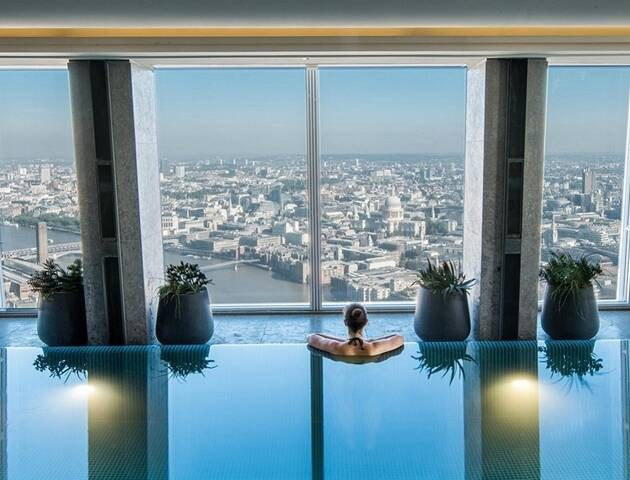
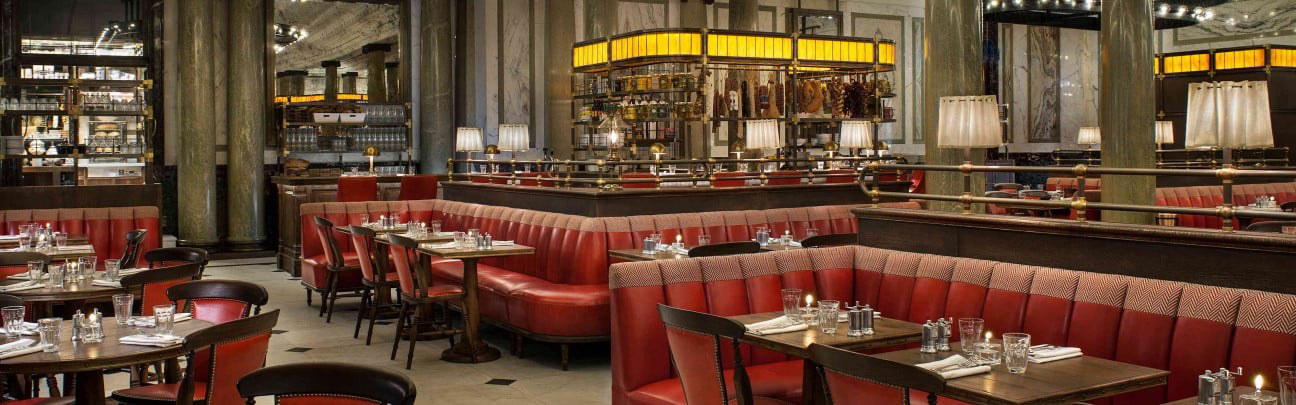
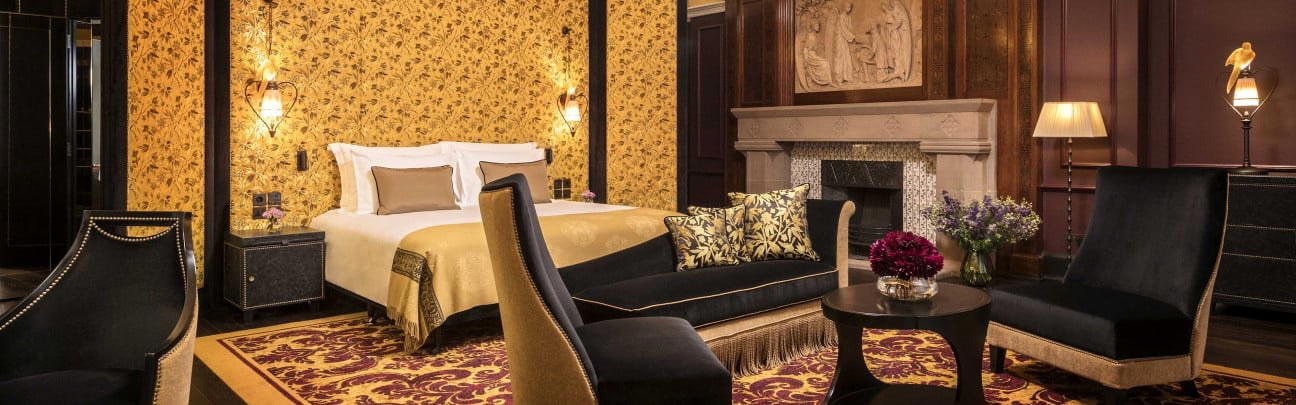
Bars in London
All bars in London →
Restaurants in London
All restaurants in London →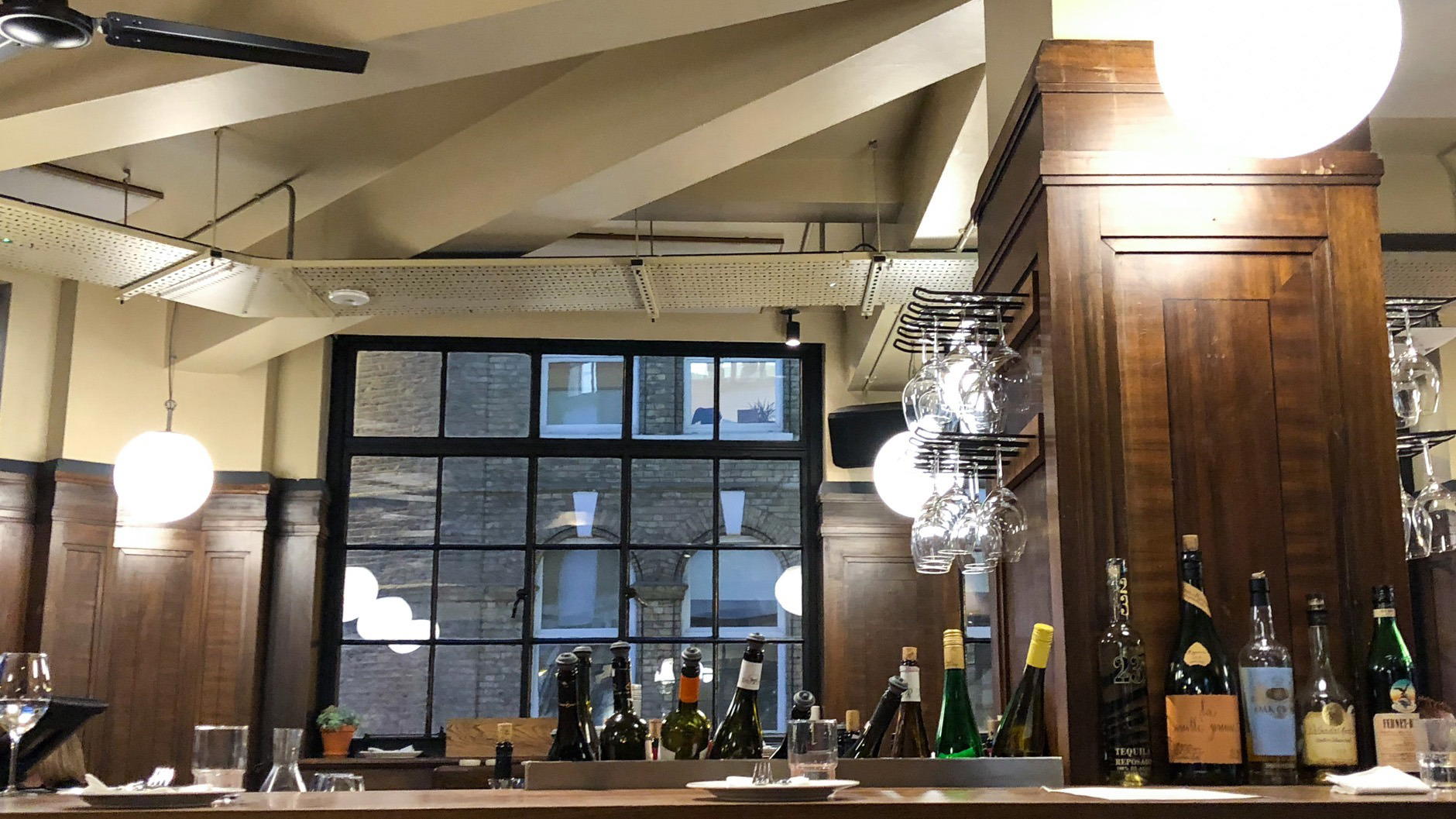



Details
- Trendy
- Modern
- Sophisticated
- Industrial
- Elegant
- Romantic Getaway
- Business Trip
- Weekend Escape
- Rooftop Pool
- Terrace
- Historic Building
- Design Destination
- Panoramic View
- Wi Fi
- Room Service
- Concierge
- Elevator
- Skyline
- Elevator
- Wheelchair Accessible
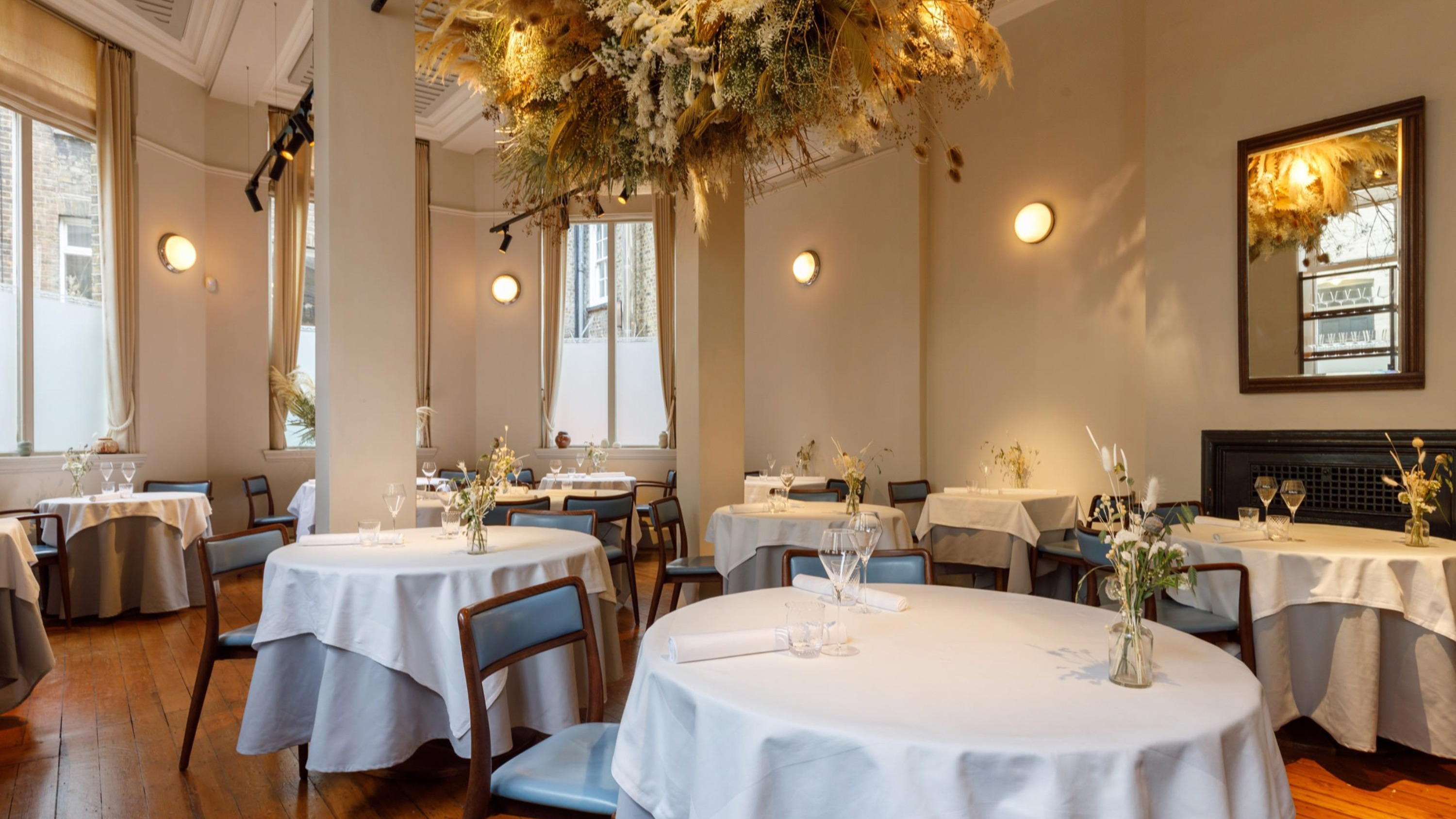
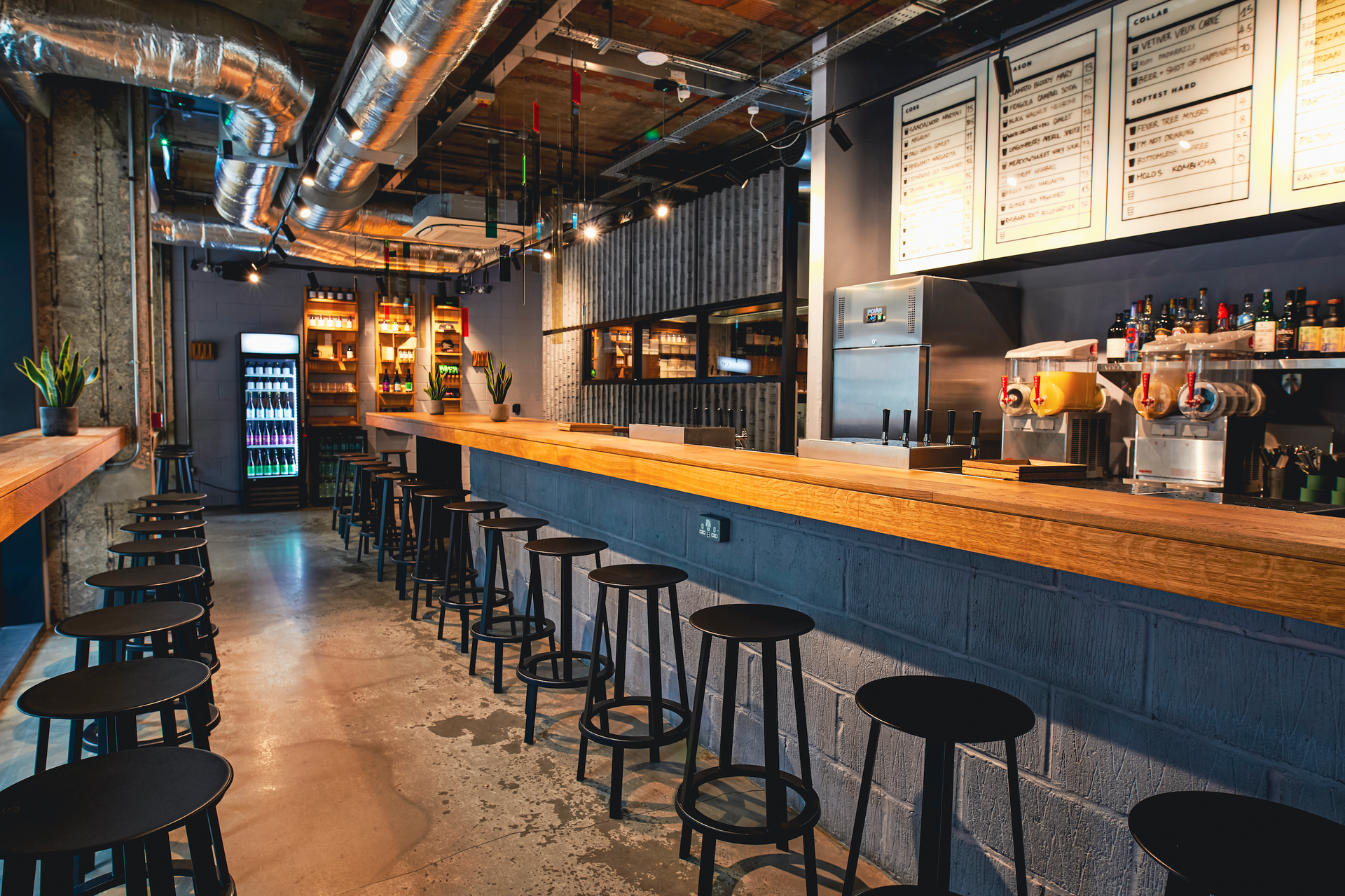
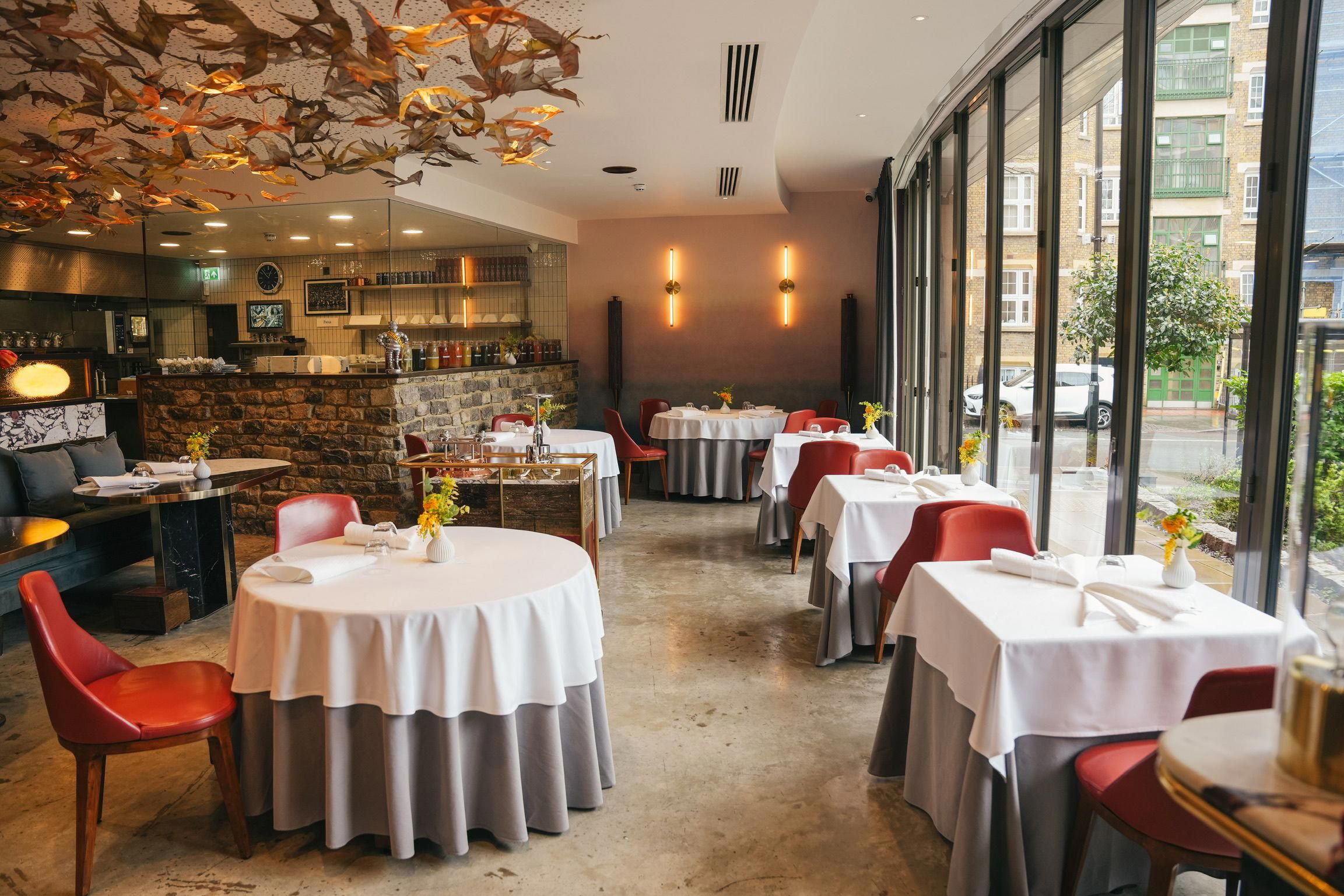
Trendy and stylish with light-flooded modern dining spaces, industrial chic aesthetic, and lively rooftop atmosphere.