Six Senses London


Six Senses London occupies a restored wing of the historic Whiteley Building in Bayswater, positioning itself as the brand's first urban outpost in a portfolio otherwise defined by remote retreats. Wellness programming runs deep, from a subterranean biohacking facility to an on-site fermentation lab informing the kitchen. Rooms start from $1,100 per night.
Pearl is the En Primeur Club membership app — saves, bookings, and concierge access live there. Same editors, same standards.
- Address
- 1 Redan Pl, London W2 4SA, United Kingdom
- Phone
- +44 20 3278 8000
- Website
- sixsenses.com
- Directions
- Get directions
 Saves & bookings on Pearl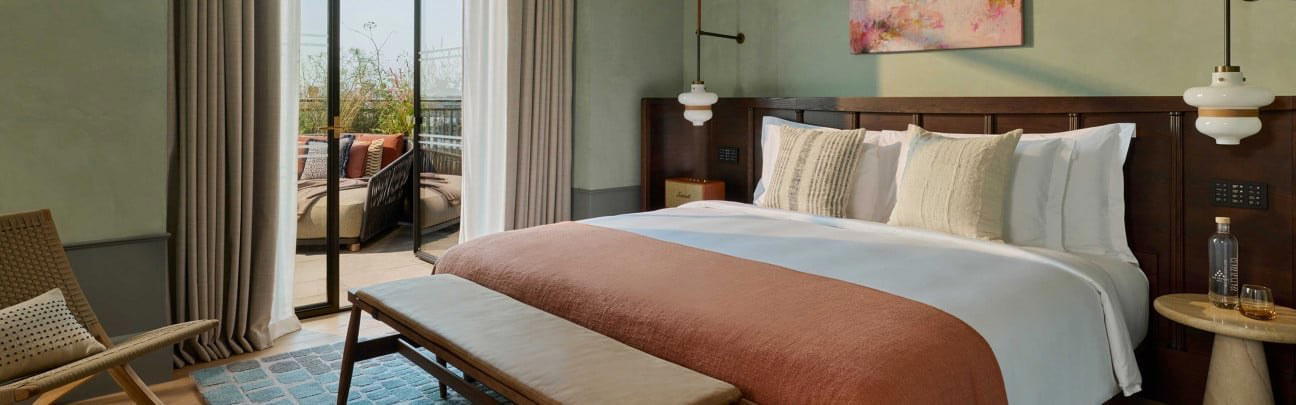
A Wellness Brand Tests the City Format
The Six Senses model was built on distance. Hilltop retreats in Bhutan, overwater villas in the Maldives, terraced estates in Tuscany: the brand's identity has long depended on physical removal from urban life. London's Bayswater address changes that premise entirely. Housed inside the restored Whiteley Building on Redan Place, this property asks whether the rituals, pace, and philosophy that work in remote sanctuaries can translate to a city where guests may have a board meeting at nine and a dinner reservation at eight. The answer, on the evidence, is a qualified yes — though the real achievement is how little the brand has compromised to get here.
Whiteley's itself carries weight. The building began its life as one of London's great Victorian department stores before a century of reinvention led to its current form as a mixed-use development anchored by this hotel. That heritage gives the Six Senses London a structural gravitas that newer-build urban wellness concepts rarely possess. The bones are old; the programming is firmly contemporary.
What Urban Wellness Actually Looks Like at This Scale
London's premium hotel market has segmented sharply over the past decade. On one side sit the grand institutional names: Claridge's, The Savoy, The Connaught. On the other, a wave of concept-driven properties: NoMad London, Raffles London at The OWO, The Emory. Six Senses occupies a third position: a brand with a defined wellness ideology entering a market where wellness is often used as a marketing overlay rather than an operating principle. The distinction matters. Where other hotels add a spa floor and call it holistic, Six Senses structures the guest experience around recovery, sleep, and nutrition from arrival onwards. Rooms start from $1,100 per night, placing the property firmly in the upper tier alongside 1 Hotel Mayfair and 11 Cadogan Gardens, though the competitive framing differs: Six Senses is not primarily selling location or heritage, but a system.
That system begins on arrival. Guests receive a ginger kombucha as a welcome drink, a signal that the drink programming here is not incidental. The Alchemy Bar produces tinctures and tonics that feed directly into the drinks menu, creating a through-line between the wellness philosophy and what actually lands in the glass. For hotel bars and restaurants increasingly building functional drink lists — adaptogens, fermented bases, low-intervention wines, this approach is less a novelty than a coherent position held with more consistency than most.
The Fermentation Lab and the Kitchen's Supply Chain
The on-site fermentation lab supplies ingredients directly to the kitchen, including the miso used in a small digestive soup served to guests before dinner. This kind of ingredient loop, where the fermentation program informs both the kitchen and the bar, is still rare in London hotels, even among properties with strong food credentials. It places Six Senses London in a conversation with estate-driven properties like The Newt in Somerset and Estelle Manor, where provenance is structural rather than decorative.
The kitchen's sourcing approach reinforces this position. The head chef visited thirty British farms before confirming suppliers, a level of pre-opening procurement research that reflects both the brand's localist commitments and a broader trend in premium London hospitality toward named, traceable supply chains. Properties like Lime Wood in Lyndhurst have built significant reputations on similar foundations. At Six Senses London, the farm-to-table commitment is urban by necessity, which arguably makes the sourcing effort more considered rather than less.
The Rooms: Calm as a Design Objective
Interiors answer a specific brief: create a sense of recovery in a city context. Brushed bleached-wood flooring, sage green velvet armchairs, low-slung tables with eucalyptus stems, the palette is quiet and the proportions are generous. Sleep is treated as a program component rather than an amenity, with the bed positioned as the room's functional centrepiece. This is not the aesthetic vocabulary of grand London hotels, no gilding, no heavy drapes, no period furniture. It is closer in spirit to the Scandinavian-influenced design discipline found at newer European properties, adapted for a guest who is in London for a reason but wants the room to feel like a pause from it.
For travellers comparing room-level experience across London's upper market, the contrast is instructive. Raffles London at The OWO delivers grand Whitehall architecture and fine dining density. The Connaught offers Mayfair positioning and a long institutional pedigree. Six Senses London offers something different: a room designed explicitly around sleep quality and sensory reduction, in a building that happens to be in Zone 1.
Below Ground: The Biohacking Facility
One floor below the lobby, a facility described as a labyrinth of high-tech equipment runs performance optimization alongside ancient medicinal practices. Biometric testing, cryotherapy, and high-spec fitness equipment sit alongside treatments informed by traditional and holistic medicine. A shaman placed crystals throughout the property during the fit-out, positioned as energy management tools within the broader wellness framework. Whether guests engage with the metaphysical dimension or treat the facility as a serious recovery infrastructure, both uses are accommodated. This dual-track approach, rigorous science alongside ritual practice, is consistent with how the Six Senses brand has operated globally, and it imports cleanly into the urban format.
Comparable depth of wellness infrastructure is rare at this level in London city hotels. Properties in more remote settings, like Gleneagles, have the physical space to build out equivalent programs. In central London, the investment required to deliver a subterranean biohacking facility is a meaningful signal about where Six Senses has positioned the property in its own portfolio.
Planning Your Stay
Six Senses London sits at 1 Redan Place, W2 4SA, in Bayswater, a short walk from Queensway and Bayswater Underground stations, which give direct access to the Central and Circle lines respectively. The location is quieter than Mayfair or Covent Garden, which is consistent with the brand's preference for environments that support the wellness agenda rather than compete with it. Rates begin from $1,100 per night. Guests arriving with a specific wellness objective, whether sleep recovery, performance optimization, or nutritional programming, will find the facility breadth justifies extended stays. For shorter visits, the pre-dinner miso ritual and Alchemy Bar drinks program offer an accessible entry point into what the property is actually doing. For broader London hotel context, the EP Club London guide maps the full range of options across neighbourhoods and price tiers.
Internationally, Six Senses London sits in a tier of urban wellness properties that is still forming. For comparison points outside the UK, Badrutt's Palace Hotel in St. Moritz and Hôtel de Paris Monte-Carlo represent the grand-hotel tradition the brand is deliberately not competing with. The Fifth Avenue Hotel in New York offers a closer parallel in terms of the boutique-urban format, though without the wellness depth. Six Senses London, for now, holds a position in the city market that no direct competitor has yet matched at equivalent price and program scale.
Recognition history
Dated appearances from independent guides and award organizations, with the underlying list record or original source where available.
Conde Nast Hot List Hotels
Conde Nast
Michelin Guide New Hotels New Hotel
Michelin Guide New Hotels
Mr & Mrs Smith Smith Seal of Approval
Mr & Mrs Smith
Michelin Selected
Michelin
Continue exploring
More in London
Hotels in London
Browse all →
Bars in London
Browse all →
Restaurants in London
Browse all →



At a Glance
- Elegant
- Sophisticated
- Modern
- Wellness Retreat
- Romantic Getaway
- Business Trip
- Terrace
- Spa
- Pool
- Fitness Center
- Concierge
- Room Service
- Spa
- Pool
- Fitness Center
- Concierge
- Room Service
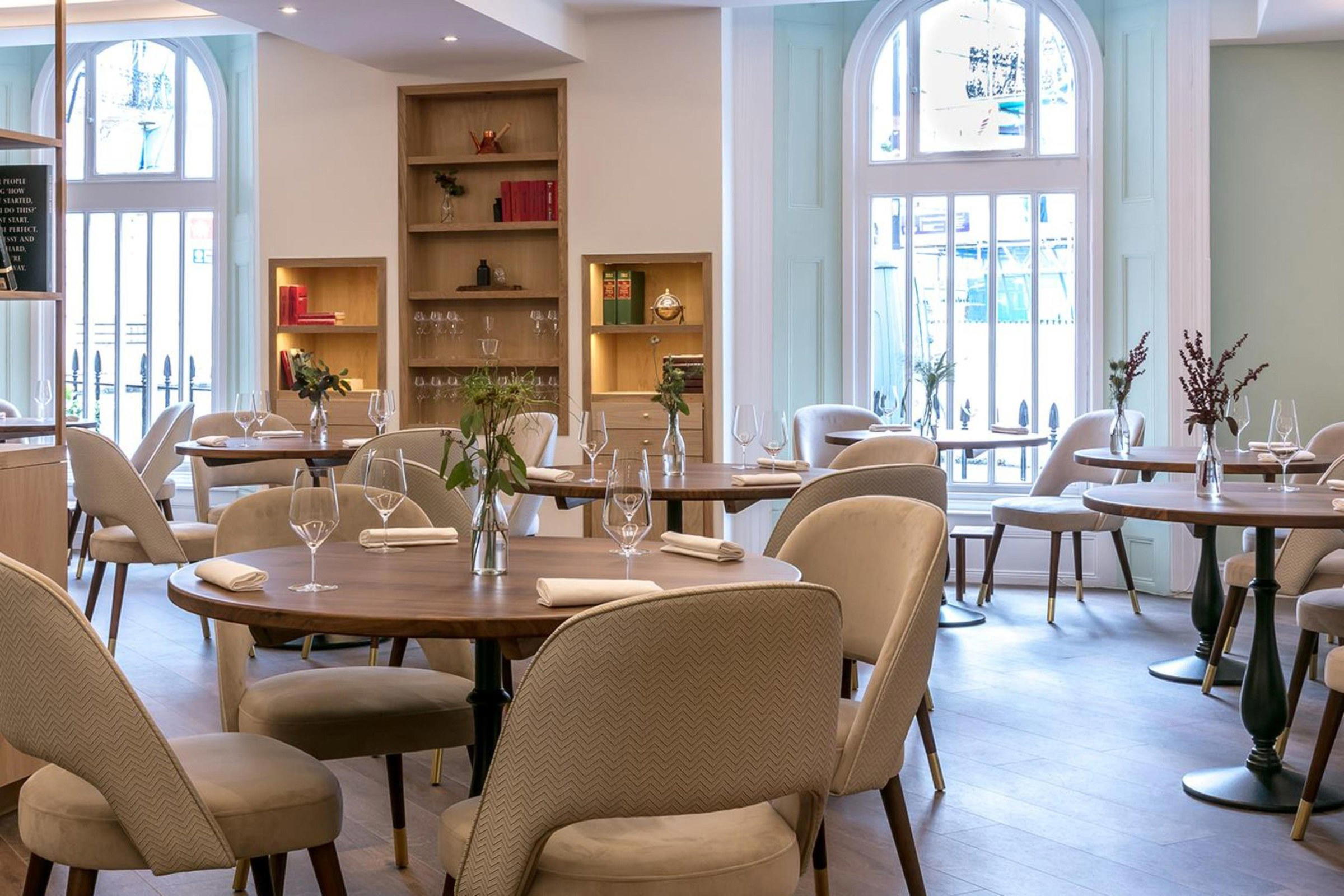
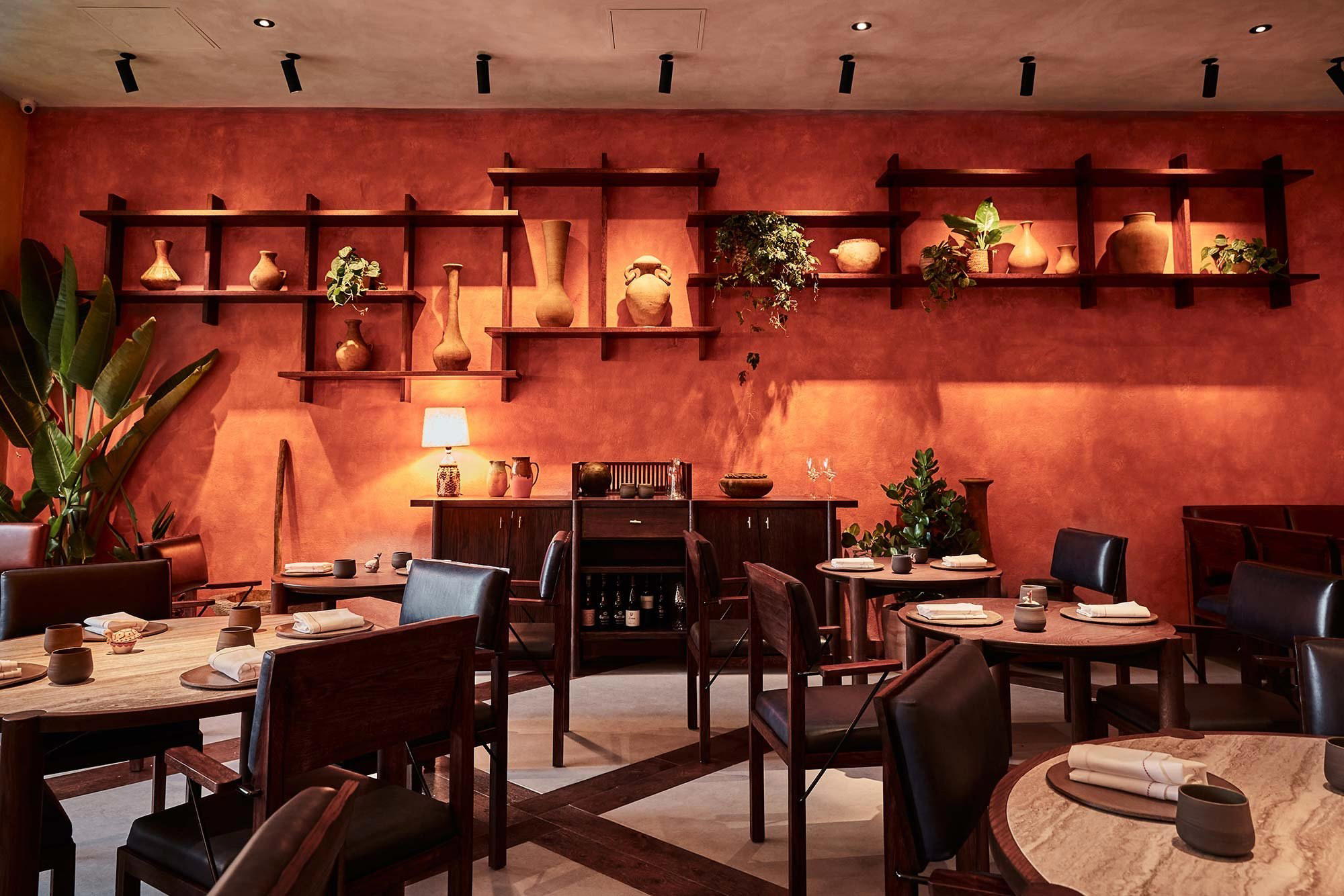
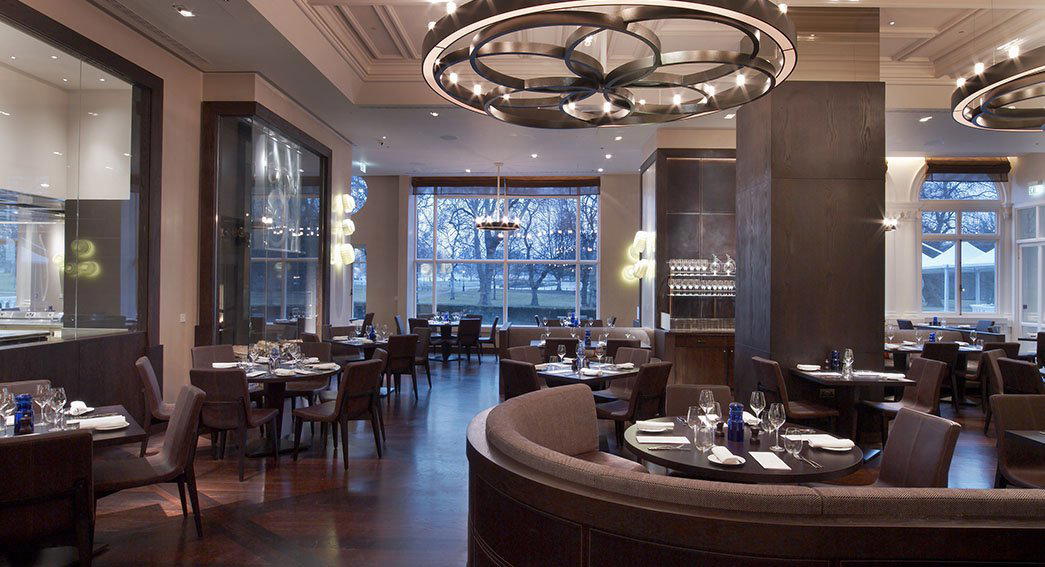
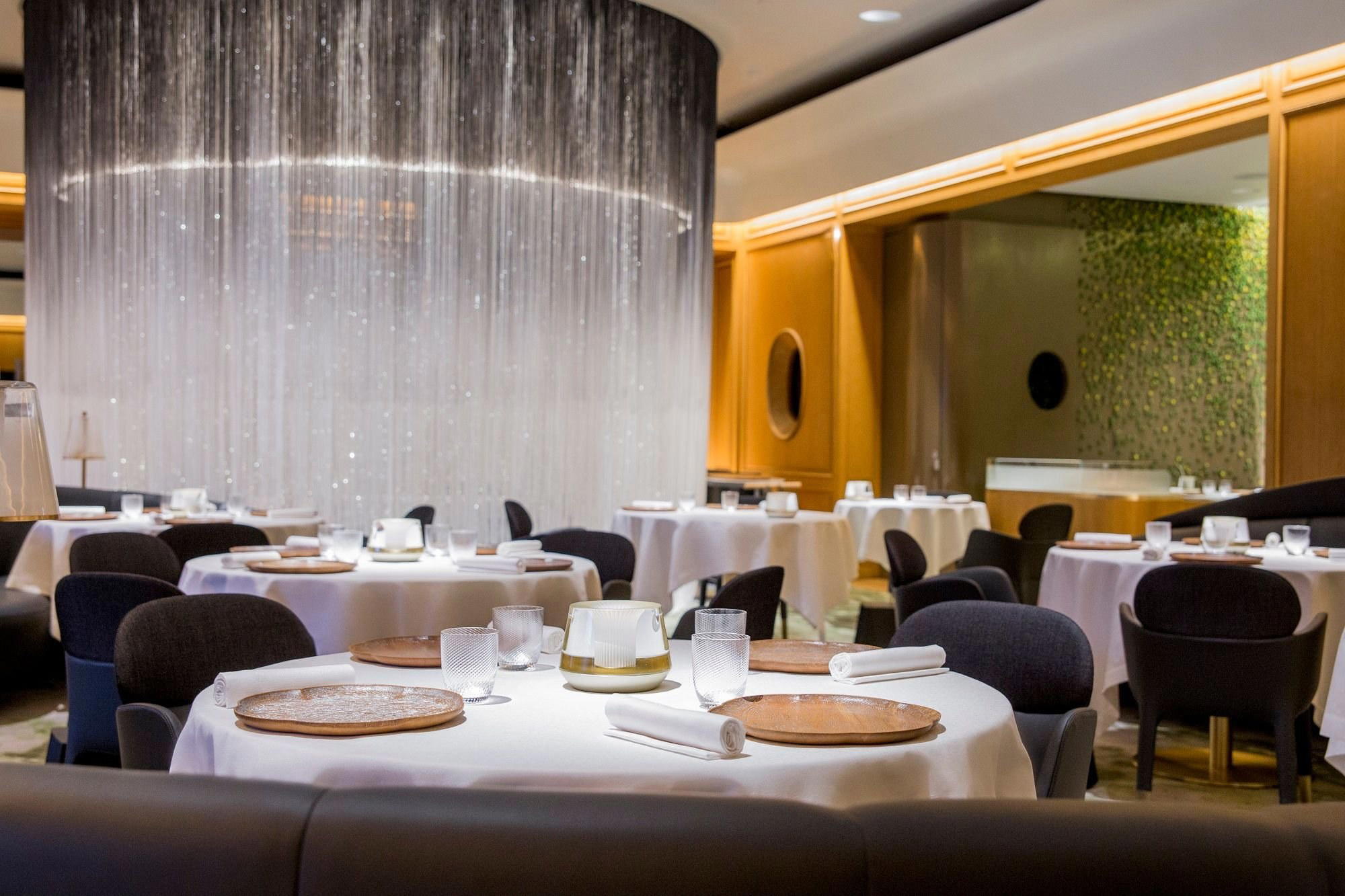
Spa-like atmosphere with inky blues, warm woods, subtle Art Deco touches, natural light, and biophilic design elements creating a calm, escapist retreat amid the city.
Know Before You Go
- Getting there
- 1 Redan Pl, London W2 4SA, United Kingdom