Our verdict
A Spanish-inflected dining address in Aqaba, RYC | Romero sits at a point where the Red Sea port city's growing restaurant scene begins to absorb Mediterranean influences. The venue operates on the main road corridor that serves both residents and the steady stream of divers and travellers passing through Jordan's only coastal city. Cross-reference with Aqaba's broader dining options before committing to a booking.

Pearl is the En Primeur Club membership app, where members save venues, book tables and use the concierge.
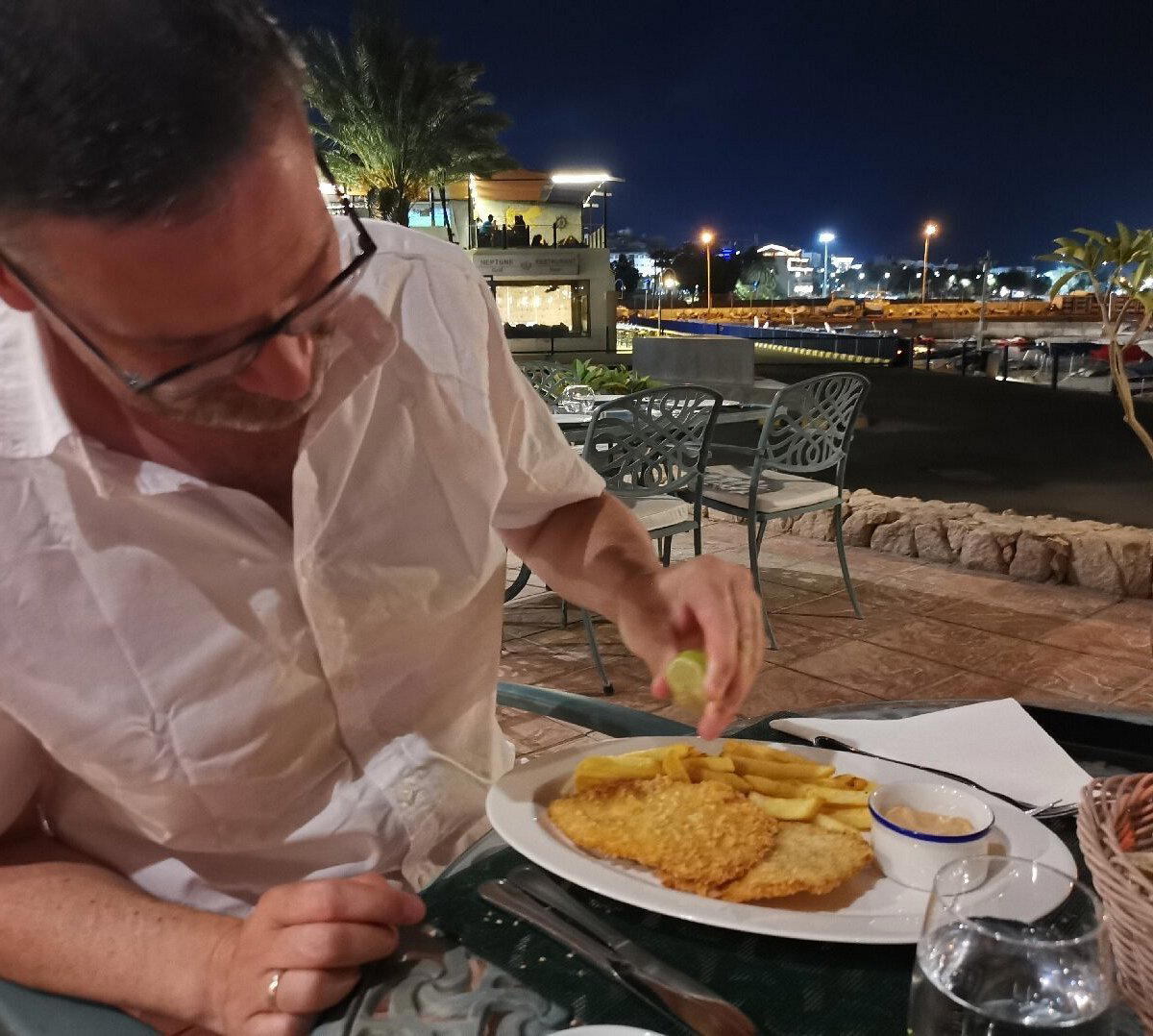
The menu
What to order
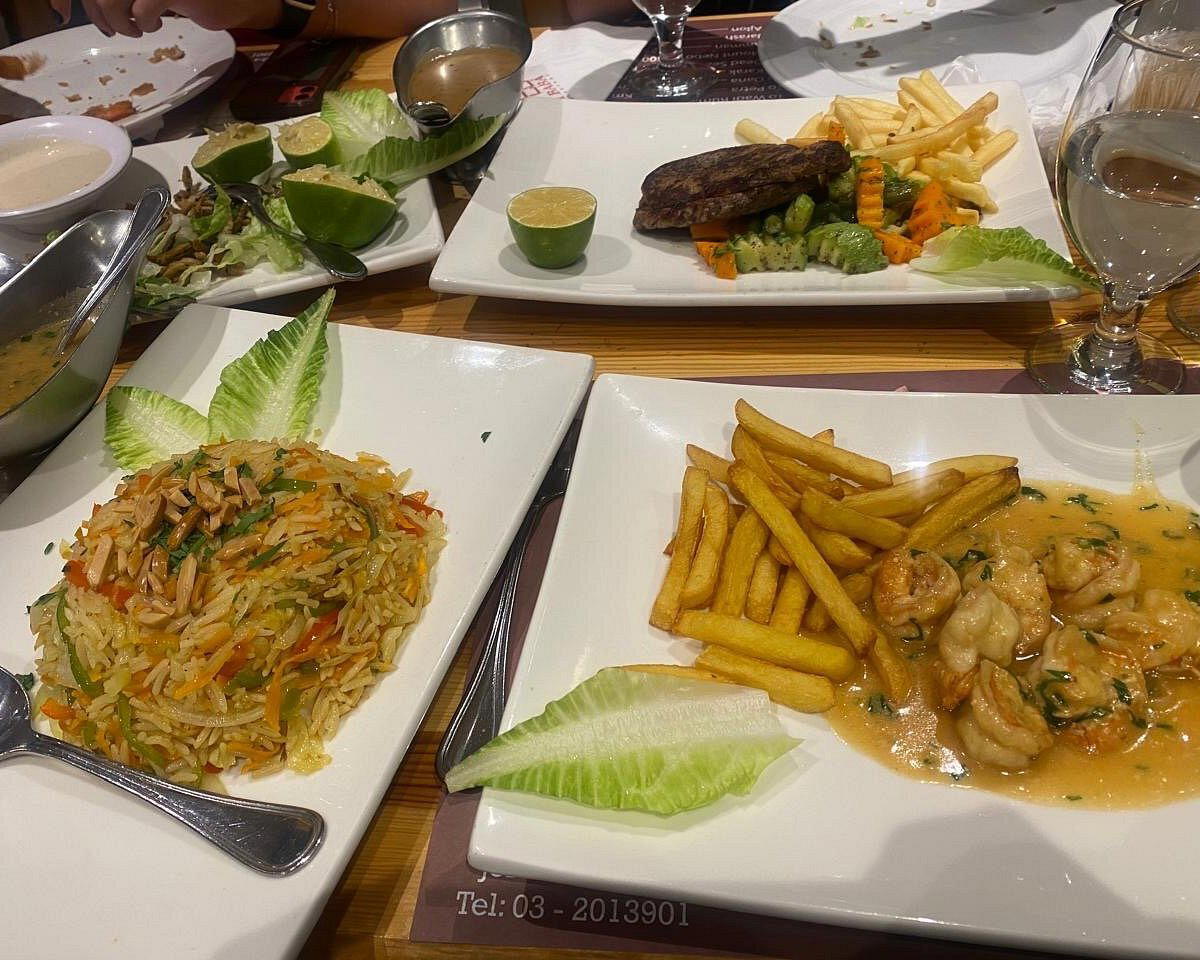
- Seafood specialties
Where the Red Sea Meets the Mediterranean Table
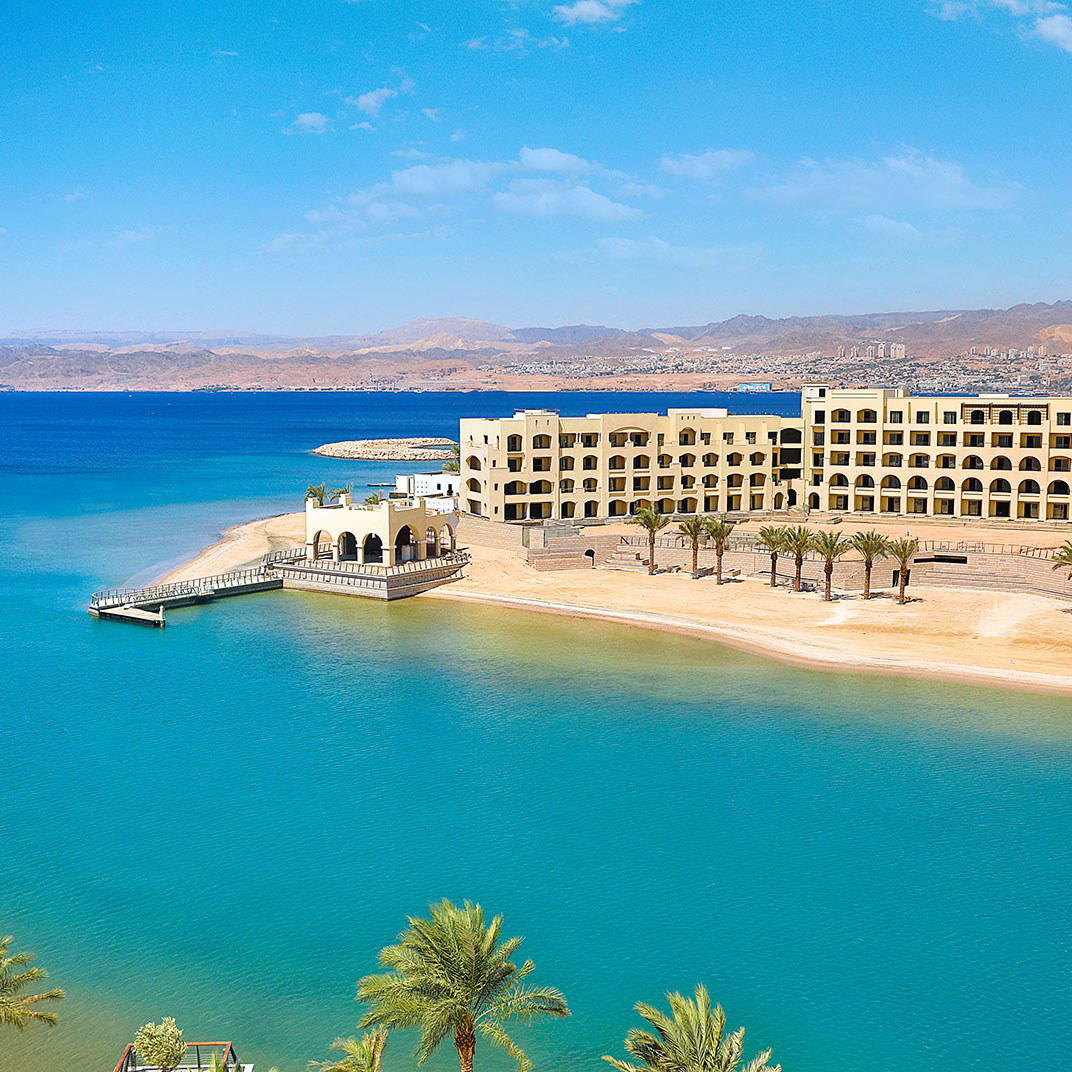
Aqaba occupies a singular position in Jordan's geography: a narrow coastal strip at the northern tip of the Red Sea, flanked by Saudi Arabia to the east and Israel and Egypt visible across the water. The city's dining scene has long reflected that geographical compression, drawing from Levantine home cooking traditions while absorbing influences from the dive tourism, Gulf visitors, and overland travellers who cycle through its hotels and seafront promenade. In that context, a Spanish-named restaurant operating on one of the city's main thoroughfares is less an anomaly than a signal of where Aqaba's restaurant market is heading.
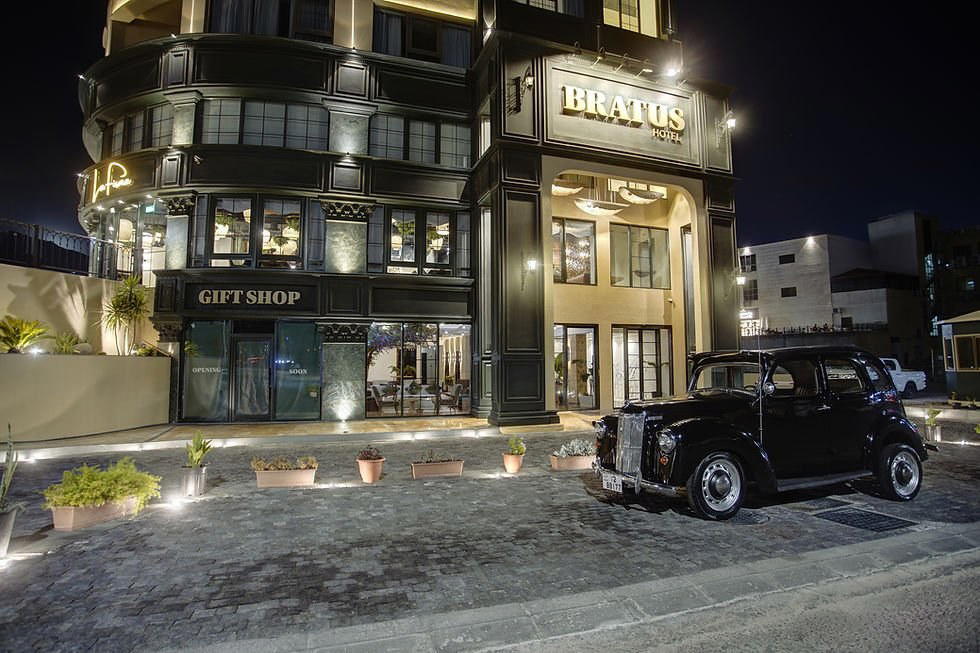
RYC | Romero Al Aqaba operates on شارع عام, the general road artery that runs through the city's commercial and hospitality district. Approach from the waterfront and the city's compact scale becomes apparent quickly: Aqaba covers a smaller footprint than most visitors expect, which means that restaurant clusters are walkable from the main hotel strip and from the port areas frequented by those arriving from Nuweiba or Haql by ferry. That proximity is part of what shapes dining behaviour here. Guests rarely travel far for a meal; the city rewards those who read its modest density correctly.
Spanish Naming in a Levantine City
The Spanish thread in the restaurant's name, Romero, points toward a broader pattern visible across the Middle East's port cities. Venues in Aqaba, Beirut, and Dubai have increasingly adopted European naming conventions and format cues without wholesale abandoning regional cooking logic. What the naming convention does signal is a positioning choice: the venue appears to be reaching toward an international dining register rather than anchoring itself to the traditional Levantine formats found further north in the kingdom.
For context on Jordan's more rooted culinary traditions, Deretna My Mom Recipe in Petra exemplifies how home-style Jordanian cooking translates into a restaurant format, while Dara Dining by Sara Aqel in Amman shows how the capital approaches contemporary interpretation of the local pantry. Aqaba, operating at smaller scale and with a more transient dining public, tends to produce a different mix: more direct value formats and tourist-facing venues rather than the research-driven restaurants that Amman's residential dining culture sustains.
Aqaba's Dining Tier and What That Means for the Visitor
Among Jordan's cities, Aqaba sits below Amman in terms of dining density and ambition, which is not a criticism so much as a structural observation. The city's population is smaller, the local economy is oriented around tourism, shipping, and the Aqaba Special Economic Zone, and the dining public skews toward international visitors rather than the professional class that drives Amman's restaurant innovation. That shapes what a restaurant like RYC can sustain: a menu that travels, pricing that works for the hotel-based traveller, and a format that does not require deep local knowledge to navigate.
A fuller picture of the city's dining options is available through our full Aqaba restaurants guide.
The Regional Frame: Jordan Beyond the Capital
Jordan's most-discussed restaurants cluster in Amman, where a generation of chefs and restaurateurs has built a recognisable dining identity over the past fifteen years. Outside the capital, the story is more fragmented. Petra's tourist economy produces a particular kind of restaurant, illustrated by venues like Deretna My Mom Recipe, where the audience is almost entirely international and the menu serves as cultural introduction rather than local daily dining. أكلة وفتلة in Ajloun operates in yet another register, rooted in northern Jordanian village cooking traditions for an audience that is largely domestic.
Aqaba sits somewhere between these poles. Its tourist base is significant but the city also maintains a permanent population with its own dining preferences. The restaurants that succeed here tend to work across both audiences without fully committing to either, a balance that is harder to maintain than it sounds. How RYC | Romero manages that balance is a question better answered by those with direct recent experience of the venue.
For readers interested in how Spanish and Mediterranean culinary traditions translate at the highest level of execution, reference points like Le Bernardin in New York City or Uliassi in Senigallia illustrate what rigorous European coastal cooking looks like at Michelin-recognised standard. At a different register entirely, venues like Quattro Passi in Marina del Cantone and Waterside Inn in Bray show how waterside settings have been used in European dining to sharpen a restaurant's identity around its geography. For broader culinary context across ambitious European kitchens, Atelier Moessmer Norbert Niederkofler in Brunico, Dal Pescatore in Runate, Reale in Castel di Sangro, and Piazza Duomo in Alba each represent distinct regional Italian approaches worth understanding as points of comparison. Beyond Europe, HAJIME in Osaka and Atomix in New York City demonstrate how non-European culinary traditions sustain internationally recognised fine dining. Lazy Bear in San Francisco and Emeril's in New Orleans round out the picture of how American cities have developed distinct dining identities anchored in regional produce and technique.
Planning a Visit
Aqaba's compact geography means most hotels can direct guests to the venue without difficulty. Given the city's seasonality, driven by the diving calendar and the cooler winter months when Red Sea temperatures are most comfortable for travellers from the Gulf and Europe, visiting between October and April generally means better restaurant availability than the summer period when heat reduces foot traffic from international visitors. Specific pricing, booking requirements, and dress expectations should be confirmed on arrival or through local hotel staff.
Frequently asked questions
Is RYC | روميرو العقبة okay with children?
Aqaba operates as Jordan's primary resort city, and restaurants along its coast broadly accommodate families. Visiting in person or asking your hotel concierge for the latest floor plan and seating arrangement is the most reliable approach.
Is RYC | روميرو العقبة formal or casual?
The venue holds no published awards or Michelin recognition, which removes it from Jordan's formally ranked tier and points toward a more relaxed register. Aqaba's dining scene sits below Amman in overall formality, with most mid-range and upper-casual venues in the city welcoming guests in everyday resort wear. Confirming the current dress expectation through your accommodation is the safest move before visiting.
Does RYC | روميرو العقبة fit into Aqaba's broader dining scene, and how does it compare to eating in Amman?
Aqaba has a structurally thinner restaurant density than Amman, where Jordan's most-discussed dining addresses are concentrated. A venue carrying a Spanish-Mediterranean name in Aqaba occupies a distinctive position in a city whose food offerings lean toward international hotel dining and traditional Jordanian cooking. For travellers arriving from Amman, the shift in scene is real: expect fewer options overall, with RYC Romero representing one of the city's more distinctly named independent entries.
What should I eat at RYC | روميرو العقبة?
The Spanish-inflected name Romero places the venue in a Mediterranean-adjacent category common to Middle Eastern port cities, where grilled fish, mezze-adjacent plates, and seafood preparations informed by both Levantine and European cooking coexist on the same menu. Aqaba's position on the Red Sea makes fresh fish a reasonable expectation at most restaurants along this stretch of coast.
Pricing, Compared
Comparable venues nearby, for context on price, style, and recognition.
| Venue | Cuisine | Price | Notes |
|---|---|---|---|
| RYC | روميرو العقبةThis venue (the venue you are viewing) | Seafood Mediterranean Fusion | $20–30 | Not listed |
| Alibaba Restaurant | Seafood & Middle Eastern | $10–20 | Town Center, Seafood & Middle Eastern |
| Calma café | Mediterranean Café & Coffee House | $10–20 | Ayla Circle, Mediterranean Café & Coffee House |
| Deretna My Mom Recipe | Jordanian Traditional | $20–30 | Petra - Wadi Musa, Jordanian Traditional |
| Levant | Modern Armenian-Lebanese Levantine | $30–50 | 3rd Circle, Modern Armenian-Lebanese Levantine |
| Hashem Restaurant | Authentic Levantine Breakfast | $1–10 | Downtown Amman, Authentic Levantine Breakfast |
Continue exploring
More in Aqaba
Restaurants in Aqaba
All restaurants in Aqaba →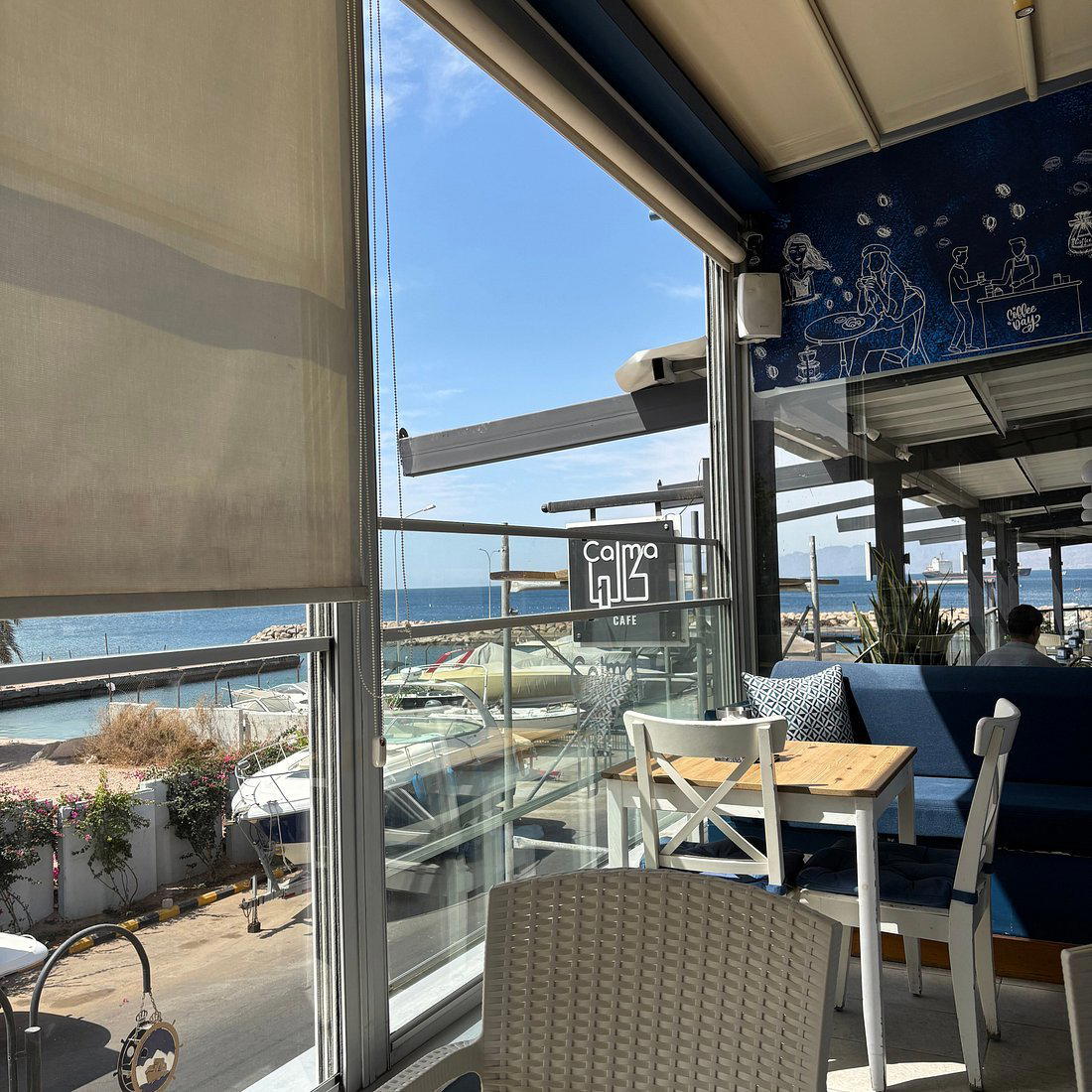
Details
- Elegant
- Scenic
- Date Night
- Special Occasion
- Waterfront
- Terrace
- Extensive Wine List
- Waterfront
- A La Carte
- Family Style
- Wine
- Cocktails
- Vegetarian Friendly
- Vegan Options
- Gluten Free Options
Current opening hours
- Monday
- 12–11 PM
- Tuesday
- 12–11 PM
- Wednesday
- 12–11 PM
- Thursday
- 12–11 PM
- Friday
- 12–11 PM
- Saturday
- 12–11 PM
- Sunday
- 12–11 PM
Hours can change for holidays and private events. Hours as of .
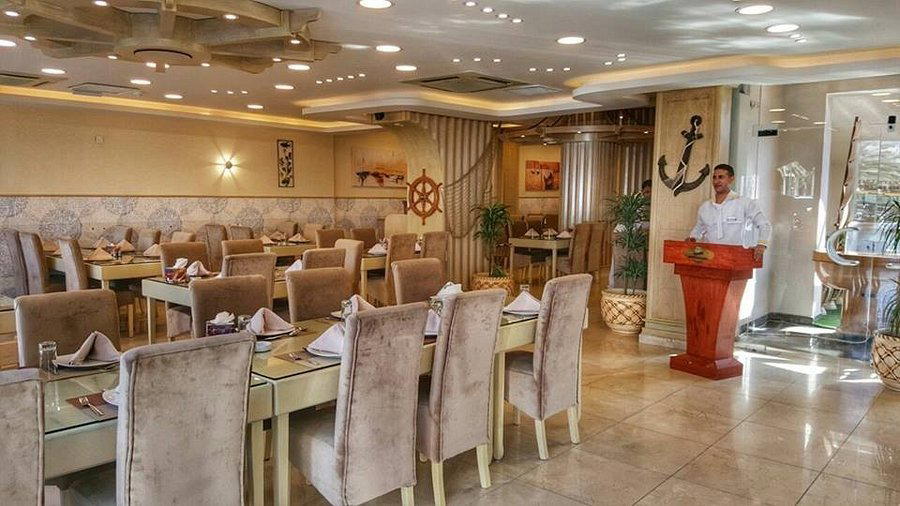
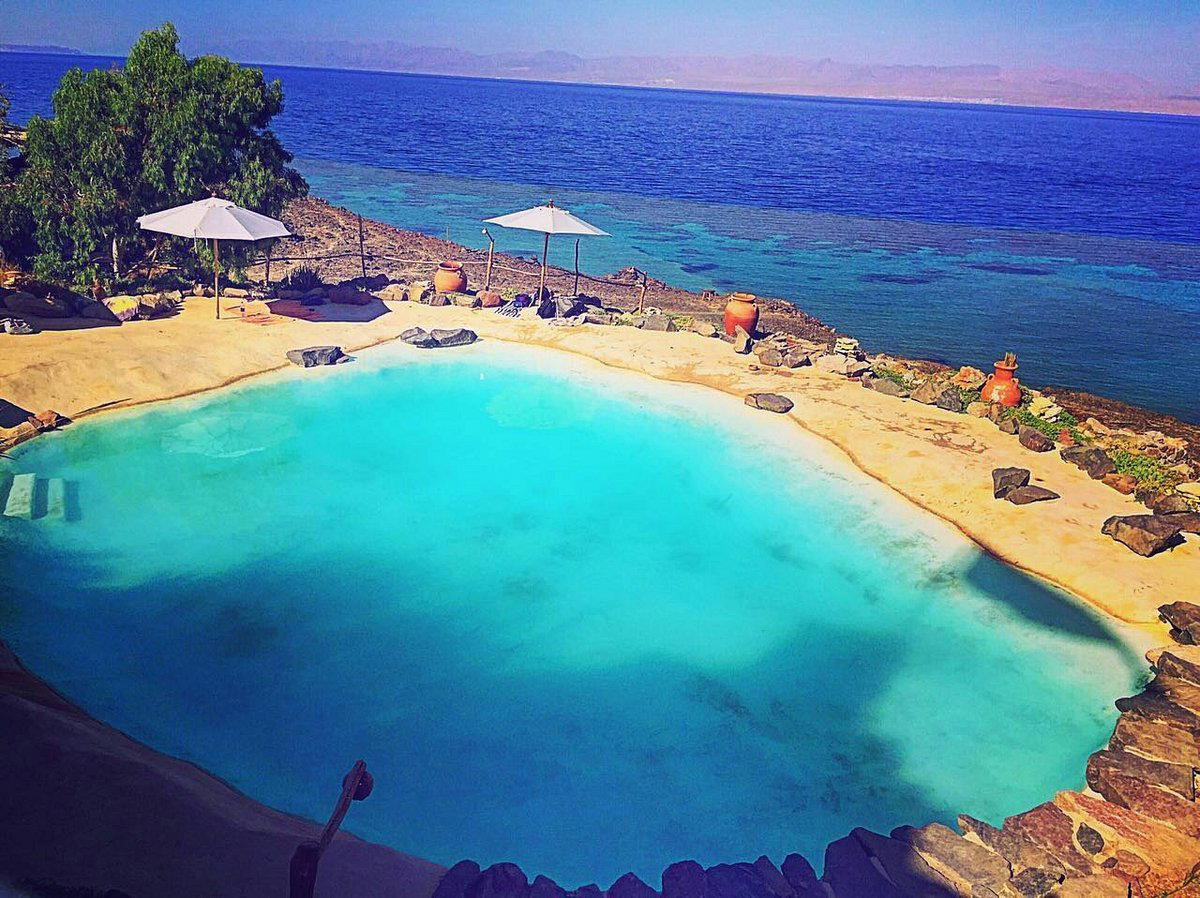
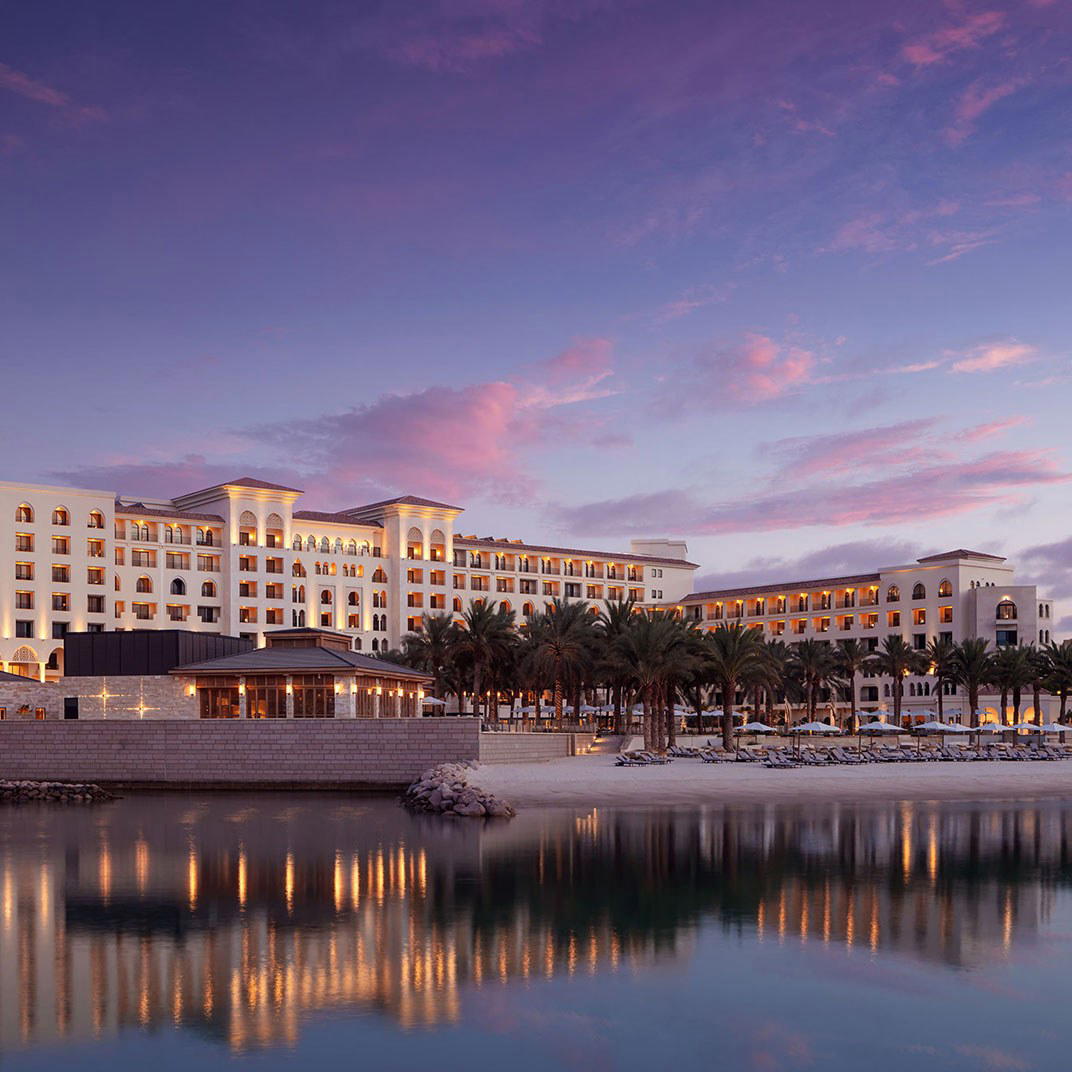
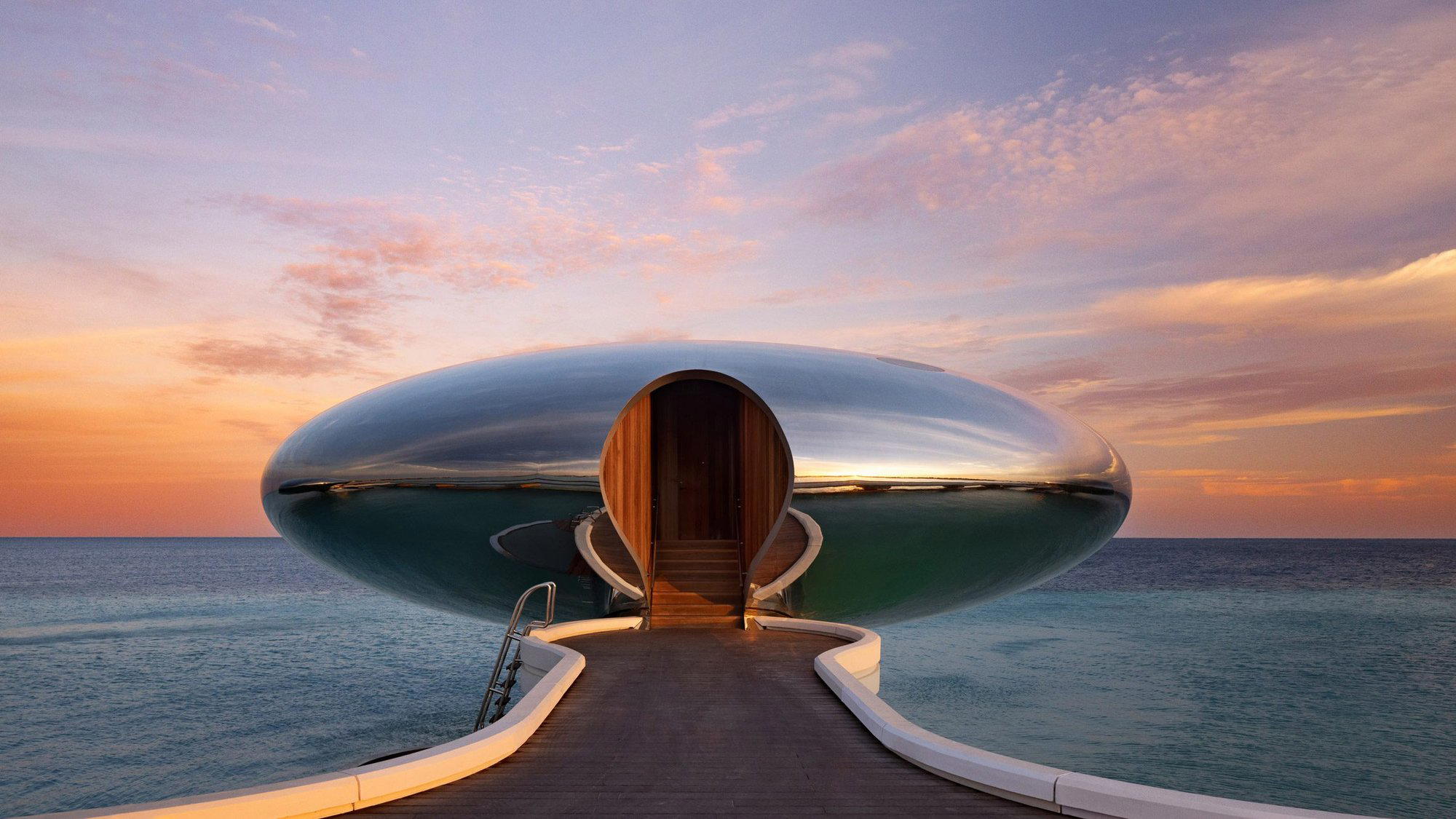
Inviting atmosphere well-suited for sunset dining with an elegant seaside vibe.