Our verdict
A neighbourhood restaurant on the Red Sea coast, Alibaba sits within Aqaba's broader tradition of informal, ingredient-led dining where the proximity to the Gulf of Aqaba and regional spice trade routes shapes what arrives on the plate. For travellers moving through Jordan's only coastal city, it represents the kind of local address that feeds residents rather than performing for visitors.

Pearl is the En Primeur Club membership app, where members save venues, book tables and use the concierge.
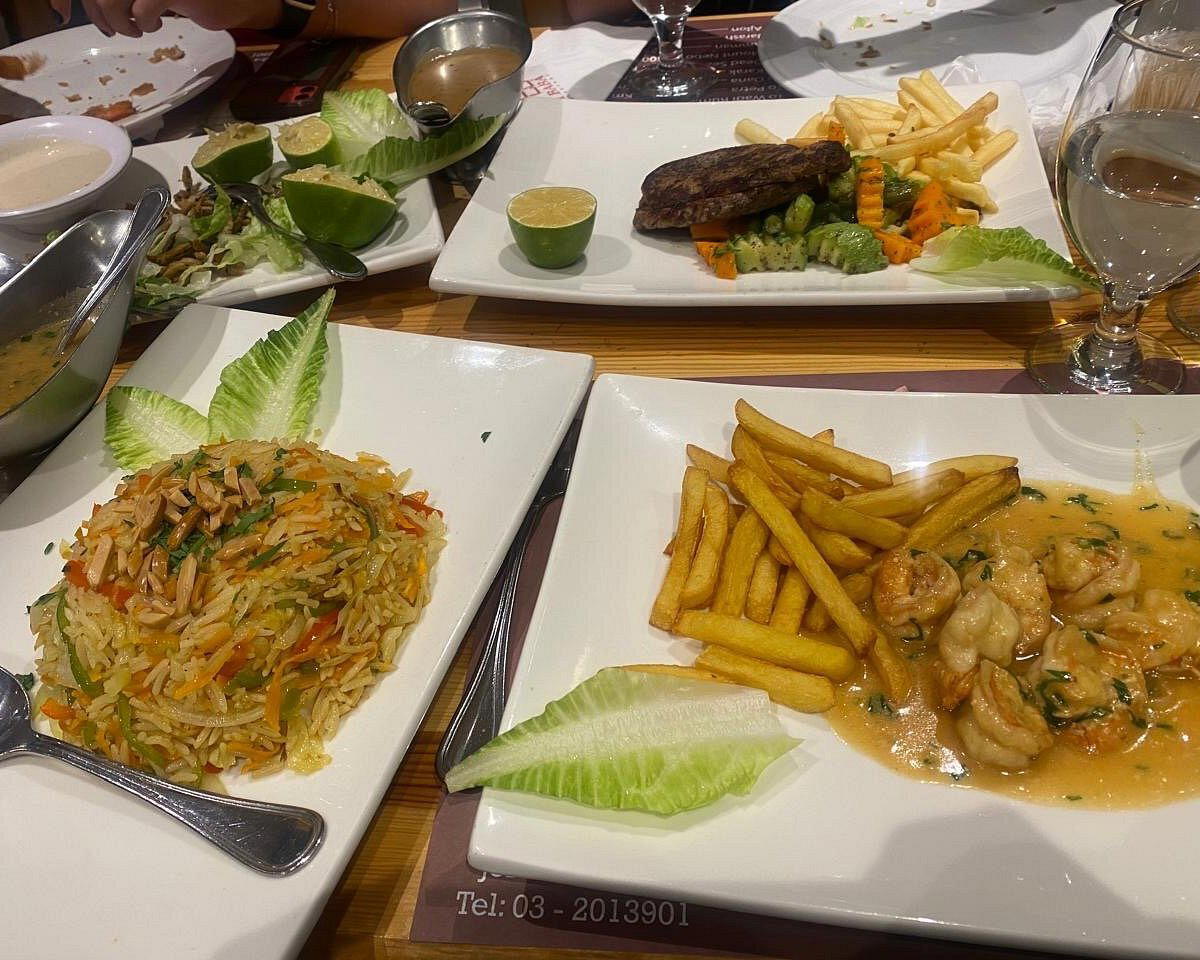
The menu
What to order
- Fish Sayadiyah
- Grilled shrimp
- Mixed grills
- Shangleesh
Aqaba's Coastal Dining Tradition and Where Alibaba Sits Within It
Aqaba occupies a narrow but consequential strip of the Red Sea coast, sharing the Gulf with Eilat to the north and the Egyptian port of Taba across the water. That geography has always defined what people eat here. The Gulf of Aqaba delivers reef fish, sea bass, and hammour year-round to a city that has been a trading port since antiquity, and the spice routes that once passed through this shoreline still echo in the flavour profiles of the kitchens that matter. Restaurants in this city divide broadly into two registers: the hotel dining rooms oriented toward international resort guests, and the neighbourhood tables that exist to feed Aqabis. Alibaba Restaurant, addressed along Al-hammat al-tunisyya in Aqaba, occupies the second register.
That distinction is worth making clearly. The resort-facing dining rooms of Aqaba operate on imported frameworks, offering grilled meats and mezze in formats that any traveller could read fluently on arrival. The neighbourhood restaurants ask more of the diner but give more in return: sourcing tied to the local catch, preparations shaped by Levantine and Hejazi cooking traditions, and a pace that belongs to the city rather than the tourist calendar. For context on the wider scene, our full Aqaba restaurants guide maps both registers in detail.
The Sourcing Logic Behind Red Sea Coastal Cooking
The editorial angle that matters most when assessing any restaurant in Aqaba is sourcing: specifically, how close the kitchen sits to the water and how directly that proximity translates into what lands on the table. The Gulf of Aqaba is one of the northernmost extensions of the Red Sea, and its reef ecosystem produces fish species that don't appear on menus in Amman or Petra with anything like the same frequency or freshness. Hammour, sea bream, and red snapper move from the fishing boats at Aqaba's southern port to kitchens within hours, and the restaurants that know how to use that advantage operate in a different category from those that rely on refrigerated transport.
Across Jordan, the most compelling kitchen traditions are built around exactly this logic: sourcing that reflects place rather than supply chain convenience. Deretna My Mom Recipe in Petra applies a similar philosophy through the lens of domestic Jordanian cooking, anchoring its menu to what the region has always produced. أكلة وفتلة in Ajloun does the same in the northern highlands, where the olive groves and orchards set the terms. In Aqaba, the sea sets them.
Globally, the most recognised kitchens have built their reputations on precisely this kind of sourcing discipline. Uliassi in Senigallia has earned three Michelin stars working from the Adriatic coast with the same logic that applies here: the water defines the menu, not the other way around. Quattro Passi in Marina del Cantone operates along similar lines on the Amalfi coast. The scale and ambition differ, but the underlying principle that a coastal kitchen earns its credibility through its relationship to the water holds across every latitude.
The Neighbourhood Context: Al-Hammat Al-Tunisyya
The address places Alibaba in a working part of Aqaba rather than the waterfront promenade that tends to concentrate tourist-facing venues. Al-hammat al-tunisyya is a residential and commercial district where the clientele is local by default. That is not a minor detail. The kitchen answers to regulars who know what the food is supposed to taste like, not to first-time visitors making one-off judgements.
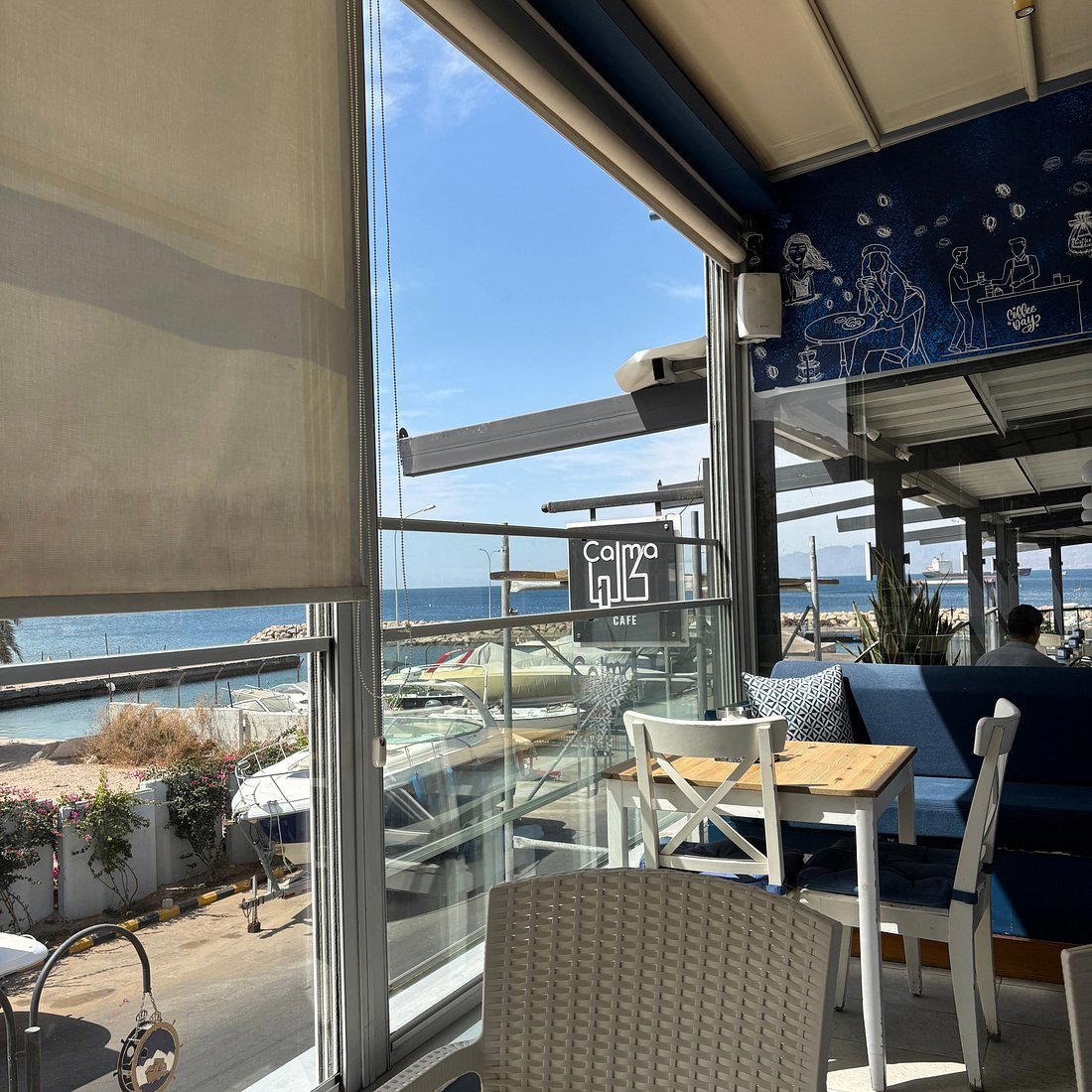
For travellers willing to move beyond the waterfront strip, this is where the more accurate version of Aqaba's food culture becomes legible. Calma café and RYC | روميرو العقبة represent other points on Aqaba's dining spectrum, each with a distinct format and audience. Alibaba sits in a different part of that spectrum: less self-conscious, more embedded in the daily rhythms of the city.
Jordanian Cooking Traditions That Shape the Menu
Any Aqaban restaurant drawing on local tradition is working within a culinary vocabulary that combines Levantine mezze culture, Hejazi influences from across the border with Saudi Arabia, and the specific seafood preparations of the Red Sea coast. Grilled fish served with rice cooked in spiced broth, fresh salads built on parsley, tomato, and lemon, and flatbreads used as both utensil and vehicle for dipping sauces: these are the structural elements of the cuisine, not decorative flourishes.
The spice presence in Jordanian coastal cooking differs from what you encounter inland. Cumin and coriander appear with more frequency, and the fish preparations tend toward simplicity: the quality of the catch is trusted to carry the dish rather than being obscured by complex saucing. In Amman, restaurants like Dara Dining by Sara Aqel are working to articulate a more formally composed version of Jordanian cooking. The neighbourhood restaurants of Aqaba operate at the other end of that spectrum, closer to the source and less mediated by fine-dining convention.
Internationally, the restaurants that have most rigorously applied the principle of letting local sourcing speak without interference include Atelier Moessmer Norbert Niederkofler in Brunico and Reale in Castel di Sangro, both of which have built international reputations on hyper-regional sourcing philosophies. The ambition level is different in an Aqaban neighbourhood restaurant, but the underlying respect for what the place produces is the same quality signal when it's working correctly.
Planning a Visit: What to Know
In practice, this means walking in or asking locally is the reliable method. Aqaba's compact city centre means the address on Al-hammat al-tunisyya is reachable on foot from most points in the downtown area, and the neighbourhood character of the venue suggests that peak local dining hours, typically lunch from midday and dinner from seven in the evening, are the most viable windows. Dress codes in neighbourhood restaurants across Jordan are informal; the expectation is modest and comfortable rather than anything more prescribed.
For travellers building a broader Aqaba itinerary, the full Aqaba restaurants guide provides the wider context, including venues across the price and format spectrum. Visitors with more time in the region may also find reference points in Le Bernardin in New York City, Lazy Bear in San Francisco, Emeril's in New Orleans, Atomix in New York City, HAJIME in Osaka, Waterside Inn in Bray, Dal Pescatore in Runate, and Piazza Duomo in Alba useful as reference points for how coastal and regional sourcing traditions translate across different culinary cultures.
Frequently asked questions
Where is Alibaba Restaurant in Aqaba?
Alibaba Restaurant is located at All-hammat al-tunisyya Aqaba, Jordan, Aqaba.
How does Alibaba Restaurant's location in Al-Hammat Al-Tunisyya differ from Aqaba's waterfront dining strip?
Alibaba sits in a working residential and commercial quarter of Aqaba rather than on the promenade that concentrates hotels and tourist-oriented venues. That positioning in Al-Hammat Al-Tunisyya typically means lower price pressure and a clientele drawn predominantly from the local population rather than resort guests. In Aqaba, that distinction often correlates with more direct sourcing relationships with the Gulf fishing community and menus built around daily catch rather than standardised tourist offerings.
What should I eat at Alibaba Restaurant?
Aqaba's position as Jordan's only Red Sea port means the kitchen has direct access to Gulf catch that no inland Jordanian restaurant can replicate. The culinary tradition here runs through fresh fish preparations, Levantine mezze, and Hejazi-influenced dishes. Grilled and simply prepared seafood anchors most neighbourhood menus of this type in the Al-Hammat Al-Tunisyya district, so those are the sensible starting points.
Is Alibaba Restaurant reservation-only?
No booking contact or reservation system is listed for Alibaba Restaurant, which is consistent with how neighbourhood dining spots in Aqaba typically operate. Venues in the Al-Hammat Al-Tunisyya district, away from the tourist-facing waterfront promenade, generally accommodate walk-ins. Arriving early in the evening is the practical approach, particularly if dining with a larger group.
How It Stacks Up
Comparable venues nearby, for context on price, style, and recognition.
| Venue | Cuisine | Price | Notes |
|---|---|---|---|
| Alibaba RestaurantThis venue (the venue you are viewing) | Seafood & Middle Eastern | $10–20 | Not listed |
| RYC | روميرو العقبة | Seafood Mediterranean Fusion | $20–30 | city center |
| Calma café | Mediterranean Café & Coffee House | $10–20 | Ayla Circle |
| Deretna My Mom Recipe | Jordanian Traditional | $20–30 | Petra - Wadi Musa |
| Brasserie Oasis Restaurant | International Brasserie | $10–20 | Downtown Amman |
| Levant | Modern Armenian-Lebanese Levantine | $30–50 | 3rd Circle |
Continue exploring
More in Aqaba
Restaurants in Aqaba
All restaurants in Aqaba →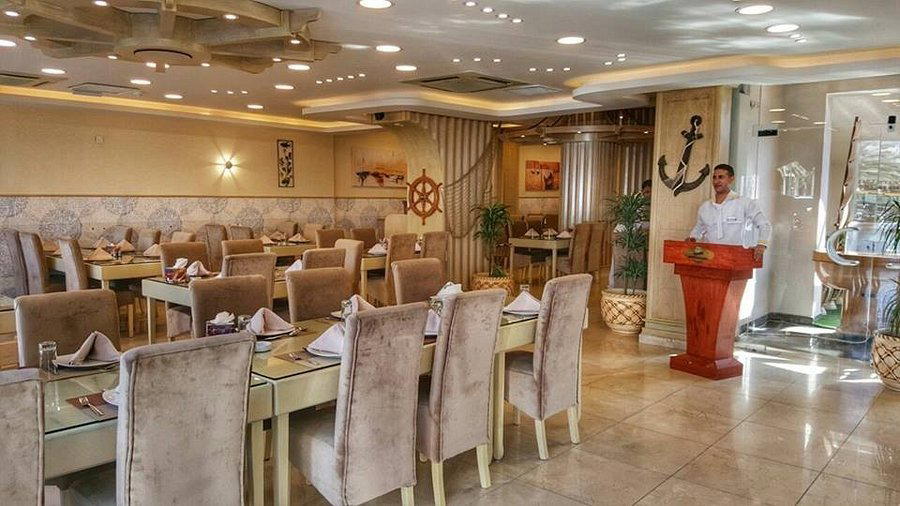
Details
- Lively
- Cozy
- Casual Hangout
- Family
- Group Dining
- Terrace
- Beer Program
- Local Sourcing
- Street Scene
- A La Carte
- Local Beer
- Wine
- Vegetarian Friendly
- Vegan Options
- Halal
- Gluten Free Options
Current opening hours
- Monday
- 12 PM–12 AM
- Tuesday
- 11:30 AM–12 AM
- Wednesday
- 11:30 AM–12 AM
- Thursday
- 11:30 AM–12 AM
- Friday
- 11:30 AM–12 AM
- Saturday
- 11:30 AM–12 AM
- Sunday
- 11:30 AM–12 AM
Hours can change for holidays and private events. Hours as of .
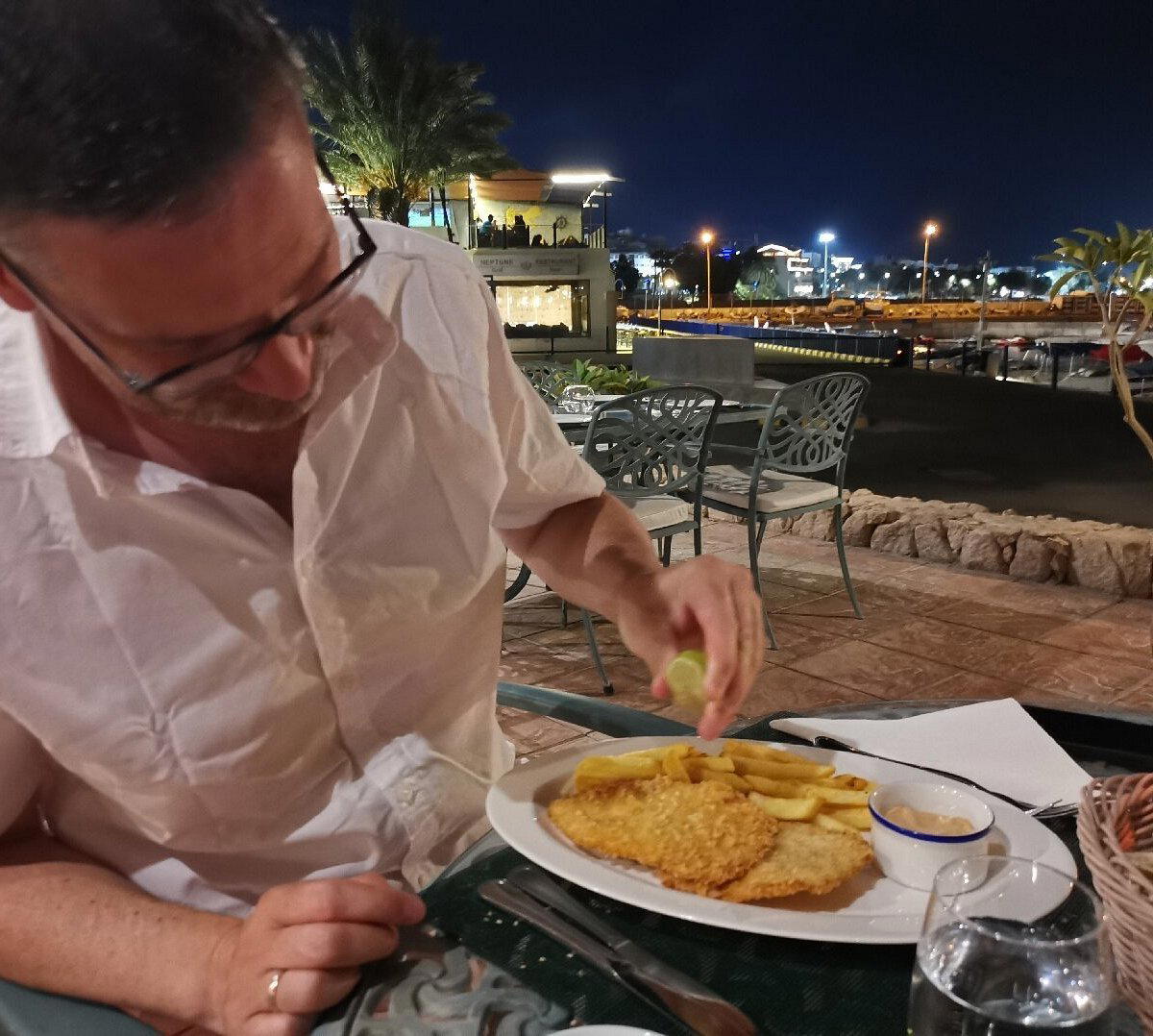
Relaxed and comfortable atmosphere well-suited for enjoying local flavors amid Aqaba's lively street scene.