Arlo SoHo

Arlo SoHo occupies a deliberate position in New York's mid-market hotel tier: a compact Hudson Street address where the design-conscious crowd that defines lower Manhattan's creative corridor tends to congregate. The property sits within walking distance of TriBeCa's gallery blocks and Canal Street's transit hub, making it a practical base for guests who want proximity to both neighbourhoods without the room rates of The Greenwich Hotel or Casa Cipriani.
Pearl is the En Primeur Club membership app — saves, bookings, and concierge access live there. Same editors, same standards.
- Address
- 231 Hudson St, New York, NY 10013
- Phone
- +1 212 342 7000
- Website
- arlohotels.com
- Directions
- Get directions
 Saves & bookings on Pearl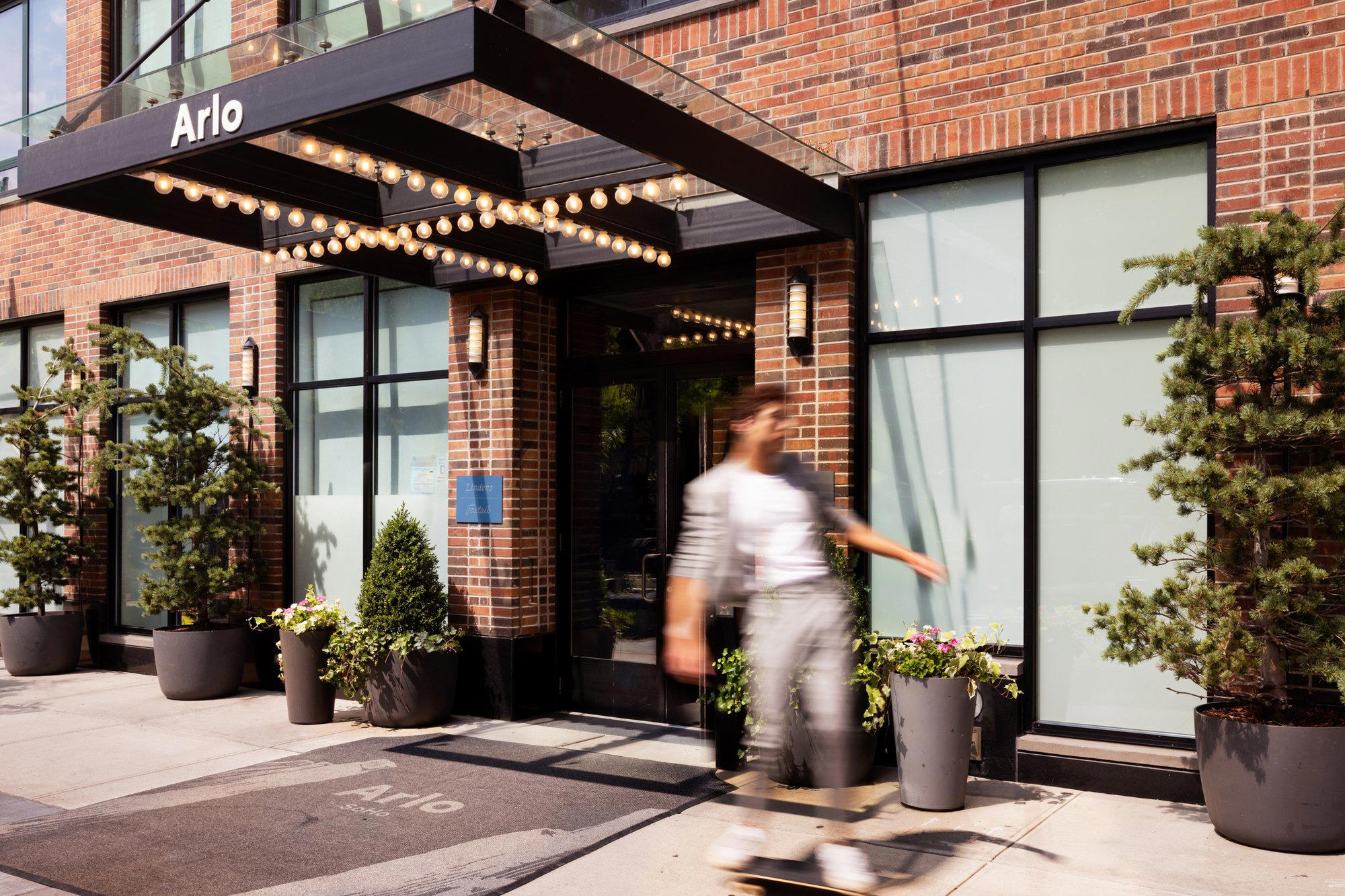
Where Hudson Street Meets the SoHo Crowd
The stretch of Hudson Street between Canal and Spring has a particular quality on weekday mornings: it reads as a working neighbourhood rather than a tourist corridor, with the cast-iron facades of SoHo giving way to TriBeCa's wider, quieter blocks. Arlo SoHo at 231 Hudson St sits at that seam, and the address is part of its appeal. Guests arriving on foot from Canal Street's subway exits are in the building within a few minutes; those coming from the Holland Tunnel approach have a direct line through TriBeCa. The hotel does not try to announce itself dramatically from the street, which suits its understated facade.
New York's hotel market has stratified over the past decade. At one end, properties like Aman New York and The Carlyle, A Rosewood Hotel anchor an upper tier where room rates price against global luxury expectations rather than local competition. At another end, design-led, mid-market properties have carved out a different kind of loyalty, less about amenity stacking and more about neighbourhood fit and social programming. Arlo SoHo belongs to the second cohort. The guests who return regularly are motivated by location efficiency and a lobby that functions as a social space.
The Return Guest and What They Know
The regulars' perspective on Arlo SoHo is shaped by a few consistent realities. First, the rooms are compact by conventional hotel standards, which in New York is less a drawback than a given: the city's premium address hotels, including Crosby Street Hotel and The Whitby Hotel a few blocks east, also trade on location and atmosphere over square footage. Guests who book the hotel more than once have already made their peace with that trade-off; they come for the neighbourhood access, not for room to spread out.
Second, return guests tend to treat the common areas as an extension of their stay in a way that first-time visitors often underestimate. The lobby and rooftop spaces function as informal working and social environments, a pattern that has become a defining feature of this hotel tier across cities. For creative and media industry visitors who might otherwise be working from a coffee shop in the neighbourhood, the hotel's communal infrastructure provides a reason to stay in rather than out.
Third, and most practically: the Hudson Street address is genuinely walkable to a concentration of the city's most-discussed restaurants, galleries, and bars. The blocks between the hotel and the West Village contain some of the densest independent dining in lower Manhattan, and the subway access from Canal Street connects the property to the rest of the city with reasonable efficiency. For guests who treat a New York hotel primarily as a base of operations, these are the metrics that matter. Properties like The Greenwich Hotel hold a similar locational logic in TriBeCa proper, though with a notably different price point and room scale.
Placing Arlo SoHo in the Downtown Context
Downtown Manhattan's hotel offer has expanded significantly since the hotel entered the market. The neighbourhood now supports everything from boutique design properties to full-scale luxury addresses. Casa Cipriani New York, which operates from the Battery Maritime Building on the southern tip, represents one end of that spectrum: private club sensibility, heritage branding, and room rates that reflect both. The hotel represents the other: accessible enough to draw a broad creative and professional cohort, specific enough in its positioning to avoid being mistaken for a generic chain property.
For travellers comparing New York with other American hotel markets, the SoHo mid-tier competes conceptually with design-forward addresses elsewhere: 1 Hotel San Francisco in its market, Raffles Boston at the upper end of a similar positioning exercise. What distinguishes New York is the sheer density of competing options within a few blocks: the SoHo-TriBeCa corridor has enough hotel supply that any single property must justify itself through something specific rather than simply existing. The hotel's answer to that challenge is neighbourhood integration and price accessibility, not amenity depth.
Travellers whose priorities lean toward service formality, suite scale, or full-service dining within the property itself may find the calculus points elsewhere in New York. The Mark on the Upper East Side, The Fifth Avenue Hotel, or the downtown luxury of The Greenwich Hotel serve that demand more directly. For the category of guest who wants to be in SoHo, wants to keep room costs in a range that leaves budget for the neighbourhood itself, and values a social lobby over a quiet one, the hotel's position in the market is coherent and deliberate.
Planning a Stay: What to Know Before Booking
The hotel sits on Hudson Street in the SoHo-TriBeCa boundary zone, with Canal Street's A, C, E, and 1 trains a short walk south and Spring Street's C and E stop nearby to the north. The hotel has no formal awards recognition, and booking directly is a strong route for current pricing. Given that the property competes in a mid-market tier where weekend rates in lower Manhattan can fluctuate considerably with events and seasonality, booking with reasonable lead time, particularly for Friday and Saturday arrivals, is advisable. Spring and autumn are the peak seasons for SoHo foot traffic and gallery programming, which affects both room availability and neighbourhood atmosphere. Those travelling for the quieter, more working-local character of the area may find winter weekdays one representative experience of what the neighbourhood actually is beyond its tourist surface.
Travellers planning a broader itinerary may also look to properties that share a similar positioning philosophy: Troutbeck in Amenia for Hudson Valley escapes, Post Ranch Inn in Big Sur or SingleThread Farm Inn in Healdsburg for California trips, and Amangiri in Canyon Point for those extending a US trip into the Southwest.
Awards and Standing
Comparable venues nearby, for context on price, style, and recognition.
| Venue | Cuisine | Price | Awards | Notes |
|---|---|---|---|---|
| Arlo SoHoThis venue — the venue you are viewing | lifestyle boutique hotel for urban explorers with micro-rooms and lively public spaces | $$$ | 4-Star | Not listed |
| Arlo Williamsburg | experience-driven urban boutique | $$$ | 4-Star | Williamsburg |
| PUBLIC Hotel | Boutique design hotel with tech-forward, inclusive luxury. | $$$ | 4-Star | Lower East Side |
| The Frederick Hotel | Eclectic mix of mid-century modern, art nouveau, and minimalist accents in a historic building. | $$$ | 4-Star | Tribeca-Civic Center |
| Radio Hotel NYC | Contemporary boutique hotel with mixed-use development featuring Dominican-inspired design and cultural celebration. | $$ | 4-Star | Washington Heights |
| 11 Howard | Scandinavian-inspired boutique with custom handcrafted furnishings and high ceilings. | $$$$ | 4-Star | SoHo-Little Italy-Hudson Square |
Recognition history
Dated appearances from independent guides and award organizations, with the underlying list record or original source where available.
Michelin Selected
Michelin
Continue exploring
More in New York City
Hotels in New York City
Browse all →



Bars in New York City
Browse all →
Restaurants in New York City
Browse all →

Wineries in New York City
Browse all →


At a Glance
- Modern
- Trendy
- Industrial
- Minimalist
- Weekend Escape
- Business Trip
- Rooftop Pool
- Terrace
- Panoramic View
- Wi Fi
- Fitness Center
- Concierge
- Room Service
- Skyline
- Wi Fi
- Fitness Center
- Concierge
- Room Service
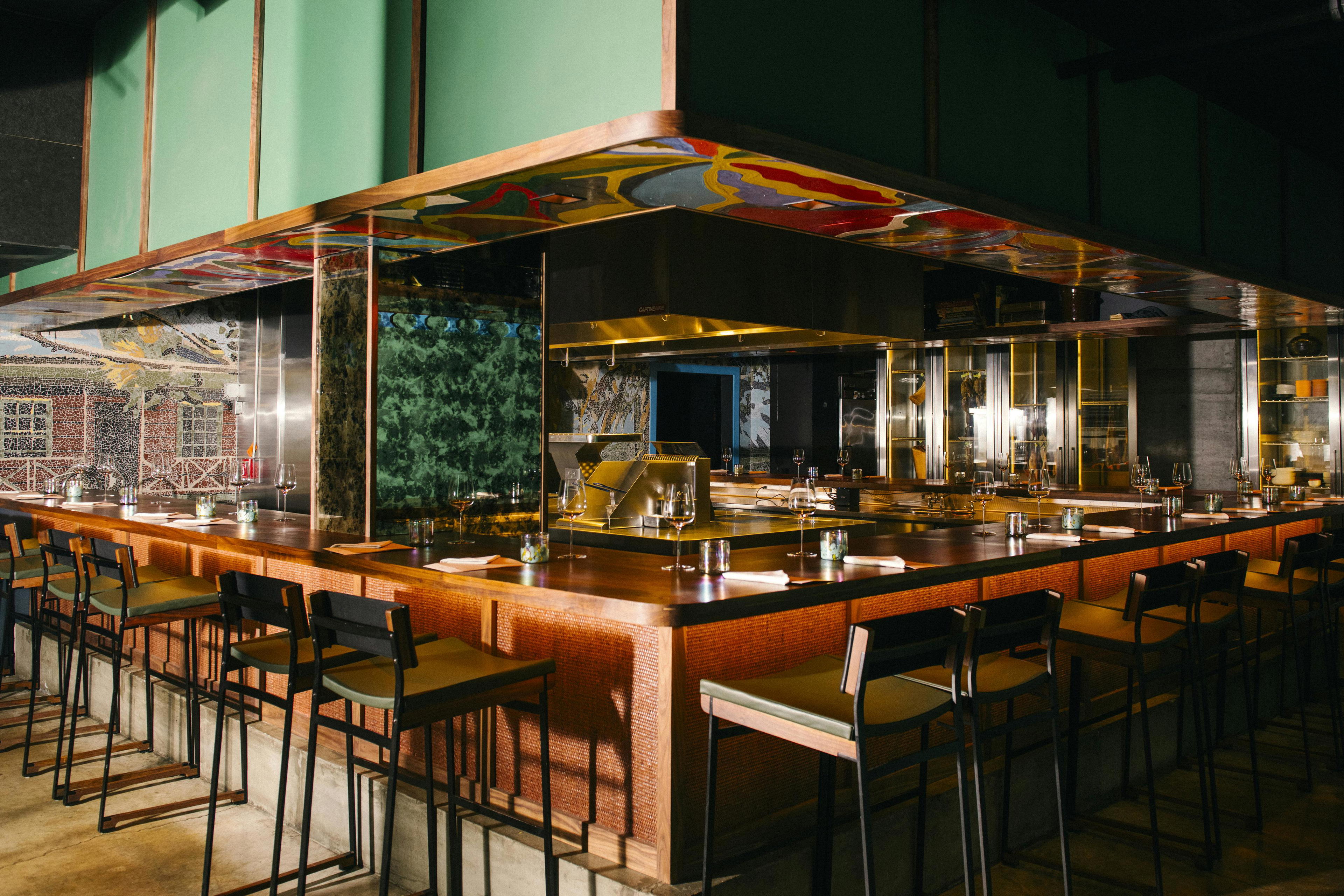
Contemporary and inviting atmosphere featuring warm dark wood, leather upholstery, and industrial-inspired elements with natural light from floor-to-ceiling windows.