The Frederick Hotel

Small Luxury Hotels of the World Member
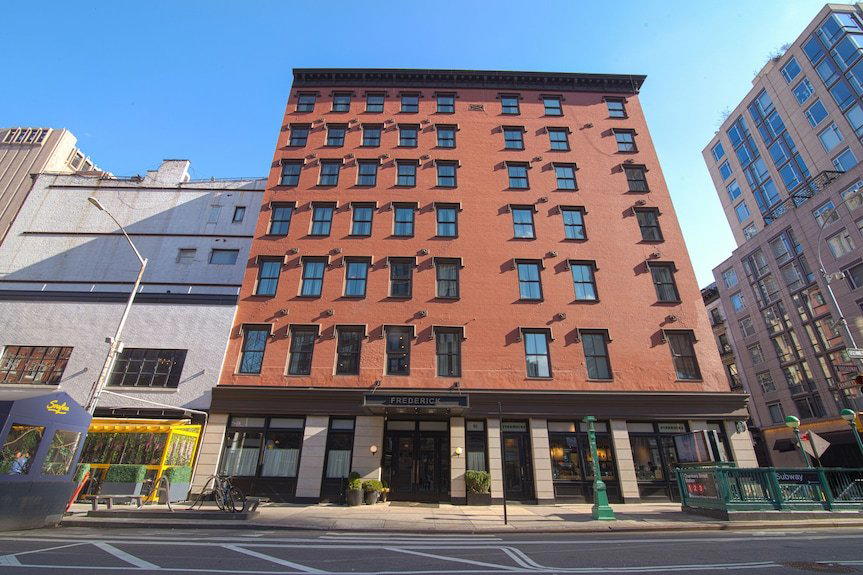
At 95 West Broadway in Tribeca, The Frederick Hotel occupies a Gothic Revival building that dates to the 1830s and has operated as a hotel since 1845, making it one of the oldest continuously operating addresses in New York City. The current incarnation reframes that history for a contemporary traveller, pairing period architecture with a reinvented interior sensibility. It sits close to the Hudson River waterfront and the galleries and restaurants that define modern Tribeca.

Pearl is the En Primeur Club membership app — saves, bookings, and concierge access live there. Same editors, same standards.
- Address
- 95 W Broadway, New York, NY 10007
- Phone
- (212) 566-1900
- Website
- frederickhotelnyc.com
- Directions
- Get directions
A Building That Has Outlasted Every Version of New York
Tribeca in the early nineteenth century was a commercial district of warehouses and merchant houses, not the gallery-lined, restaurant-dense neighbourhood it has since become. The Gothic Revival building at 95 West Broadway was constructed in the 1830s, when that architectural style carried associations of permanence and civic seriousness. It began welcoming hotel guests in 1845, which places it among the oldest continuously operating hospitality addresses on the island of Manhattan. By that point, the building had already survived decades of the city's relentless reinvention, and it would survive several more. That continuity is the architectural and editorial context from which The Frederick Hotel draws its identity.
New York's heritage hotel category has two broad tendencies. The first treats history as a kind of stage set: original details are restored and then lit dramatically, while the programme underneath is largely conventional. The second uses historical fabric as a foundation for genuine reinvention, where the patina informs atmosphere rather than simply decorating it. The Frederick belongs to the second tendency, at least in intent. The 1830s bones, including the Gothic detailing that gives the facade its vertical ambition, sit alongside a contemporary repositioning that makes the address legible to a traveller who might otherwise be considering The Greenwich Hotel a few blocks north or Crosby Street Hotel in SoHo.
Tribeca as a Hospitality Address
The neighbourhood matters here. Tribeca's character as a hospitality destination differs from Midtown and the Upper East Side in ways that shape expectations for any hotel operating within it. Where properties like The Carlyle, A Rosewood Hotel or The Mark operate in a context defined by museum proximity, retail density, and a particular Upper East Side social code, Tribeca operates on different terms. The neighbourhood's cast-iron architecture, its conversion of former industrial space into residential and commercial use, and its concentration of serious independent restaurants give it a quieter, more residential quality than much of Lower Manhattan. Guests at West Broadway are within reach of the Hudson River Park waterfront, the World Trade Center memorial, and the dense restaurant corridor that makes Tribeca one of the more credible dining neighbourhoods in the city. For broader context on the New York hotel and restaurant scene, the EP Club New York City guide maps the full range of options across the boroughs.
The neighbourhood also draws comparisons to other historically layered districts in cities where heritage properties have been successfully repositioned. Properties like Raffles Boston and Badrutt's Palace Hotel in St. Moritz demonstrate that heritage reinvention works well when the restoration is disciplined rather than nostalgic, and when the property's programme matches the neighbourhood's current energy rather than its historical status. The Frederick's position on West Broadway asks it to do precisely that.
The Reinvention Question
Heritage hotel reinventions tend to produce one of two outcomes. Either the original character is preserved so carefully that the property feels like a museum with beds, or the renovation is so aggressive that the historical justification becomes purely cosmetic. The Frederick's renovation, which reintroduced the building as a contemporary hotel destination while working within a structure that dates to the 1830s, navigates that tension. The Gothic Revival facade has been a fixture of the West Broadway streetscape for nearly two centuries, and the rumour that Lincoln may have visited during the hotel's early operating years, while unverified, points to how long the address has sat at the intersection of New York's civic and social life.
That kind of provenance is relatively rare in American hospitality. Properties with comparable historical depth in the United States include Troutbeck in Amenia and Auberge du Soleil in Napa, both of which have managed to make their age feel like an asset rather than a maintenance burden. In Europe, the template is more established: Aman Venice occupies a sixteenth-century palazzo and has made that antiquity the organising principle of its entire guest experience. The challenge for a Gothic Revival building in Lower Manhattan is that the surrounding neighbourhood has changed so dramatically since 1845 that the historical context now requires active explanation rather than ambient absorption.
Positioning Within New York's Premium Hotel Set
New York's premium independent hotel category has become more crowded over the past decade. Aman New York entered the market with a flagship-level product at the Crown Building, and Casa Cipriani New York brought a members-club inflection to Battery Park City. The Fifth Avenue Hotel repositioned a historic Flatiron address into the design-led tier, and The Whitby Hotel built its identity around an arts-forward programme. Each of these properties has staked out a clear position within a competitive field. The Frederick's position is defined primarily by geography and age: it is a Tribeca address with an 1845 operating pedigree, and those two facts do significant work in a market where genuine provenance is harder to manufacture than contemporary design.
For travellers calibrating between a heritage address in Lower Manhattan and a design-forward property in another part of the city or country, the comparison set extends further. Properties like Post Ranch Inn in Big Sur, SingleThread Farm Inn in Healdsburg, and 1 Hotel San Francisco each represent a particular kind of intentionality about place. The Frederick's version of that intentionality is rooted in duration: the building's relationship to West Broadway spans nearly two centuries, and the current iteration is the latest chapter in a long institutional history.
Planning a Stay
The Frederick sits at 95 West Broadway, placing it squarely in Tribeca, with the 1 and 2/3 subway lines accessible at Chambers Street, roughly three blocks east. The neighbourhood's primary restaurant density runs along Greenwich Street, Hudson Street, and West Broadway itself, so the hotel's immediate context is walkable in a way that more isolated Manhattan addresses are not. For travellers arriving from JFK or Newark, Tribeca is well-positioned relative to the Holland Tunnel and the Manhattan Bridge approaches, though midday tunnel traffic remains a variable. The hotel's heritage positioning suggests that booking well in advance is advisable, particularly during the autumn, when Tribeca's residential and hospitality character draws a consistent mix of return visitors and first-time arrivals to Lower Manhattan.
Similar Picks
Comparable venues nearby, for context on price, style, and recognition.
| Venue | Cuisine | Price | Awards | Notes |
|---|---|---|---|---|
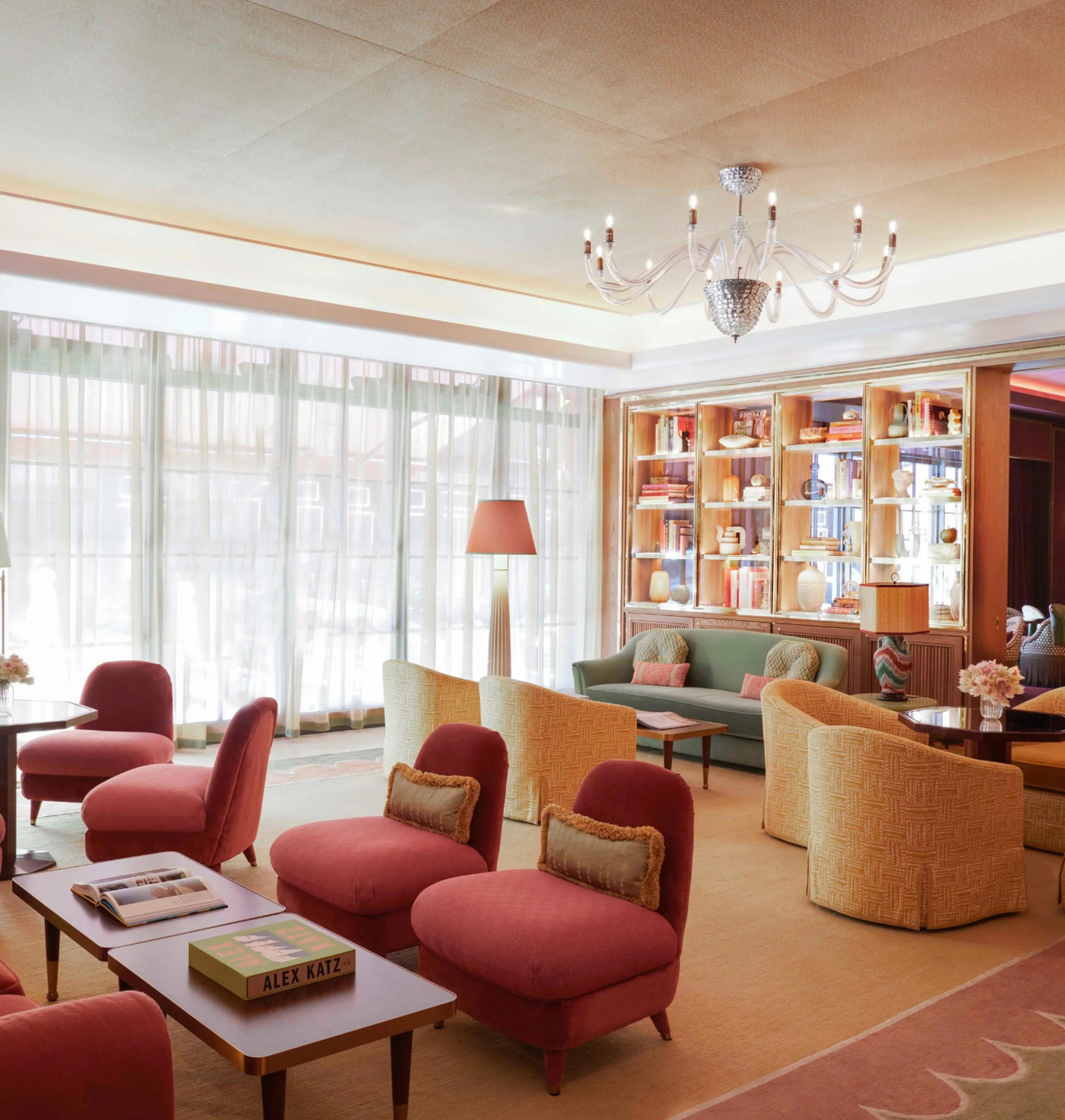
| The Frederick HotelThis venue — the venue you are viewing | Eclectic mix of mid-century modern, art nouveau, and minimalist accents in a historic building. | $100–200 | Small Luxury Hotels of the World Member | Not listed |
| The Roxy Hotel New York | Luxury boutique hotel blending Art Deco glamour, mid-century modern aesthetics, and Tribeca's industrial creative spirit in a historic triangular red brick building. | Not listed | Michelin Selected · Mr & Mrs Smith Seal of Approval | Tribeca-Civic Center |
| Gild Hall, A Thompson Hotel | Intimate boutique retreat blending vintage-inspired luxury with modern comforts in FiDi. | $300–500 | Michelin Selected · Forbes Recommended | Financial District-Battery Park City |
| PUBLIC Hotel | Boutique design hotel with tech-forward, inclusive luxury. | $100–200 | Michelin Selected · Mr & Mrs Smith Seal of Approval | Lower East Side |
| Pestana CR7 Times Square | Modern lifestyle hotel with Portuguese flair and sports theme. | $200–300 | World Travel Awards | Times Square |
| 11 Howard | Scandinavian-inspired boutique with custom handcrafted furnishings and high ceilings. | Not listed | Michelin Selected · Mr & Mrs Smith Seal of Approval | SoHo-Little Italy-Hudson Square |
Recognition history
Dated appearances from independent guides and award organizations, with the underlying list record or original source where available.
Small Luxury Hotels of the World Member
Small Luxury Hotels of the World
Continue exploring
More in New York City
Hotels in New York City
Browse all →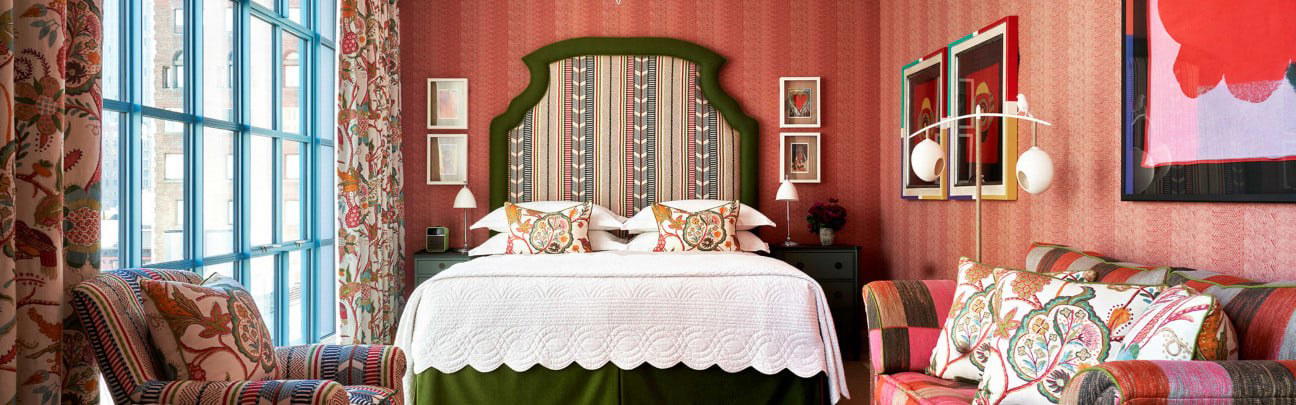

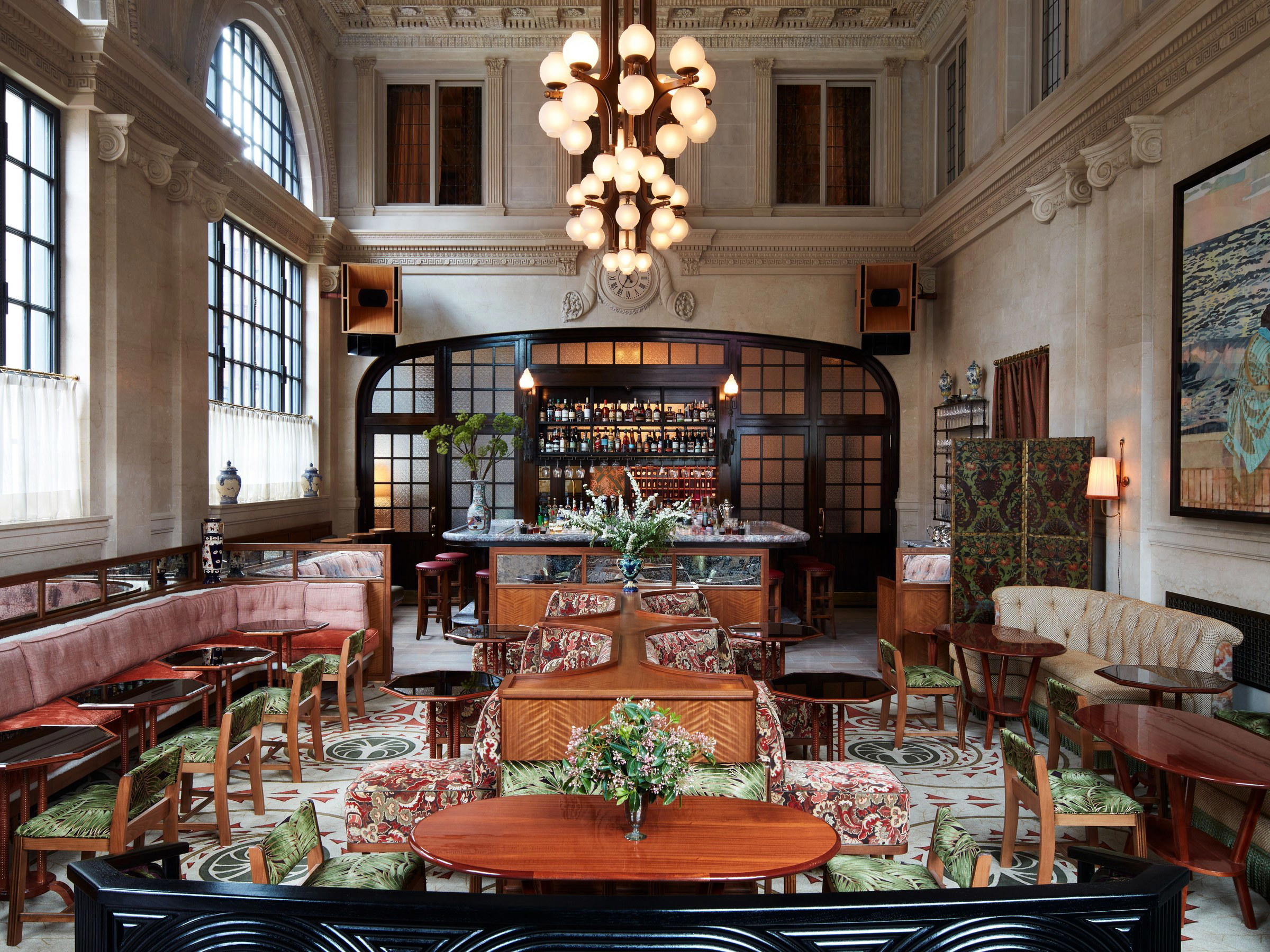
Bars in New York City
Browse all →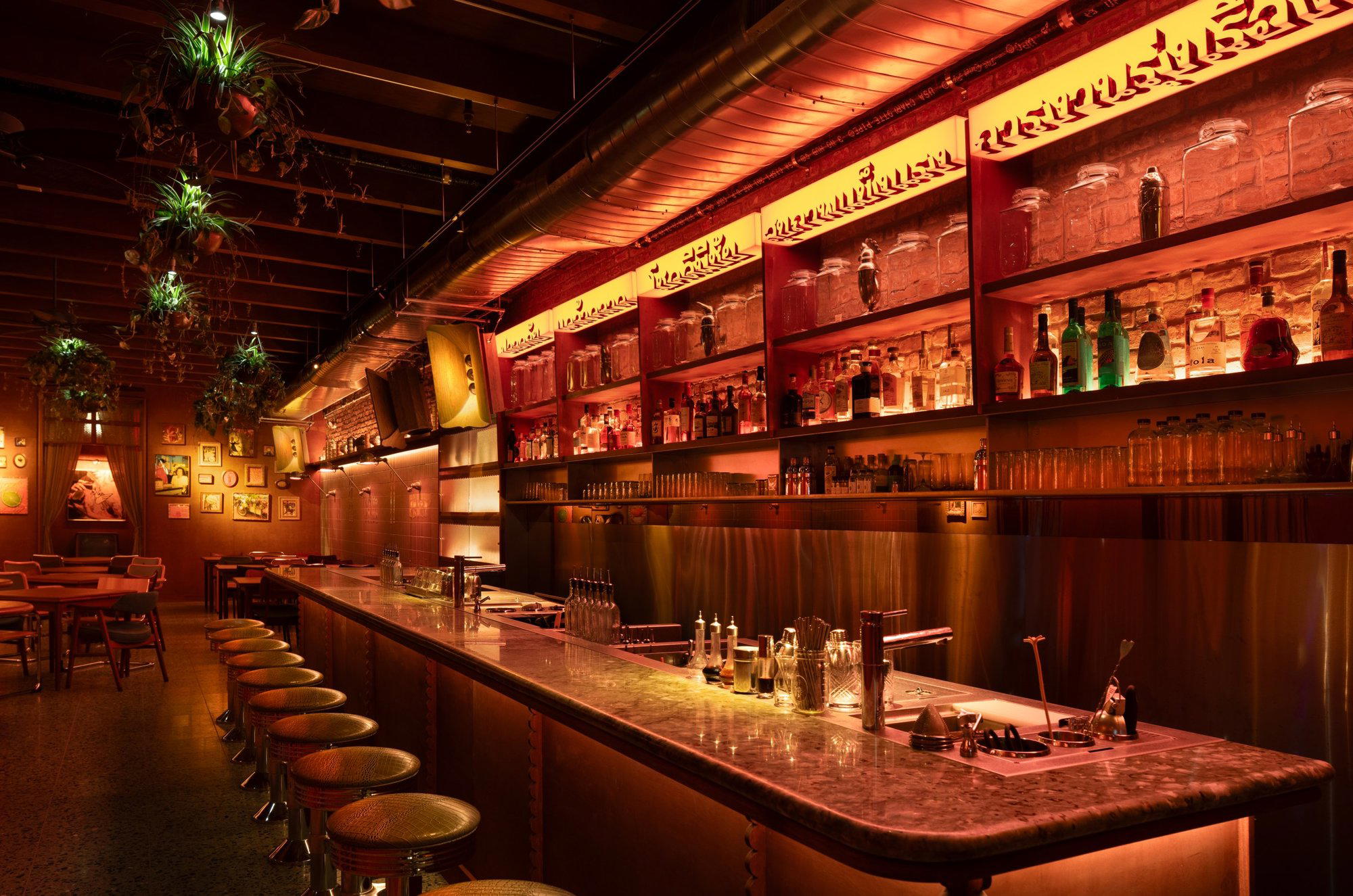
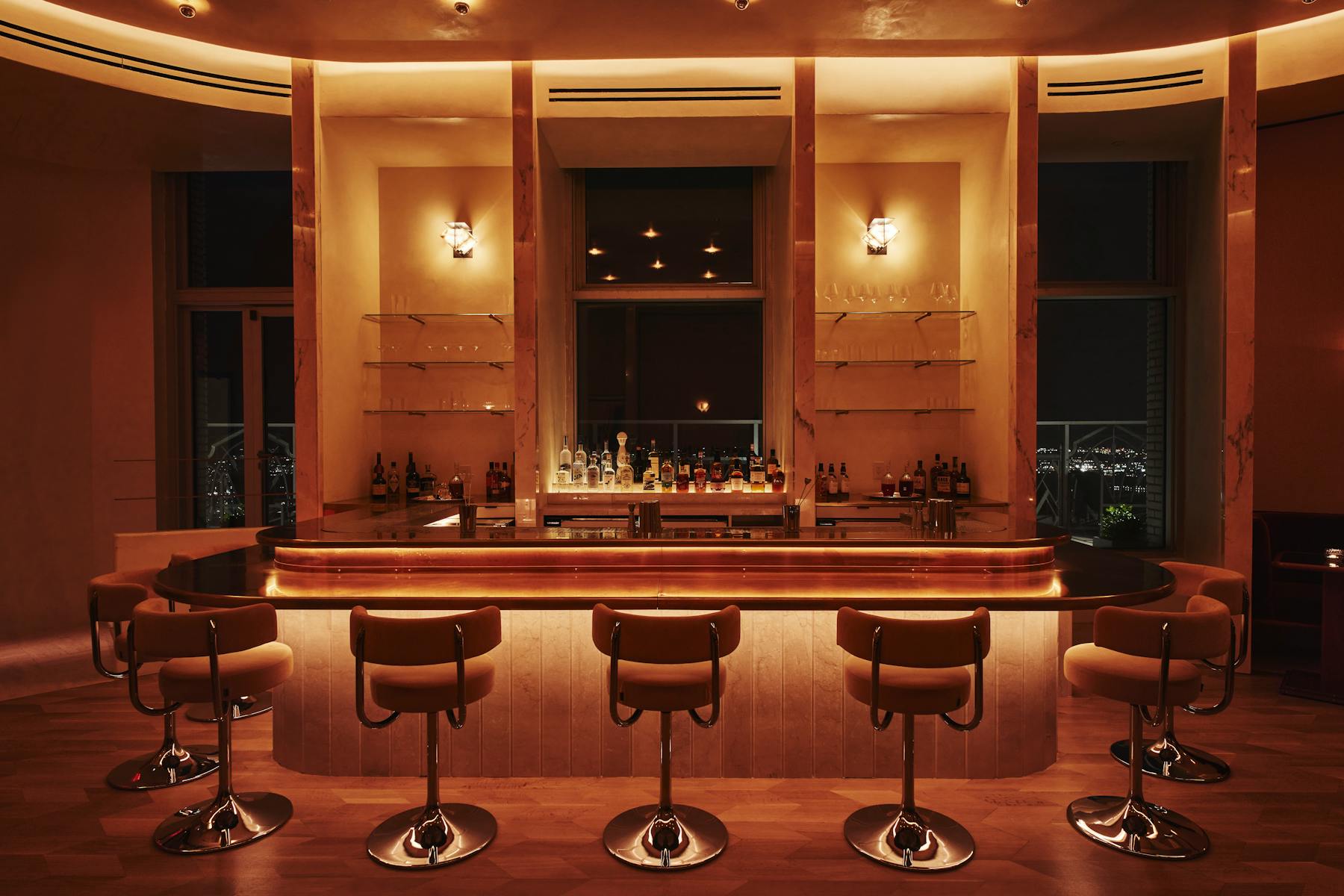
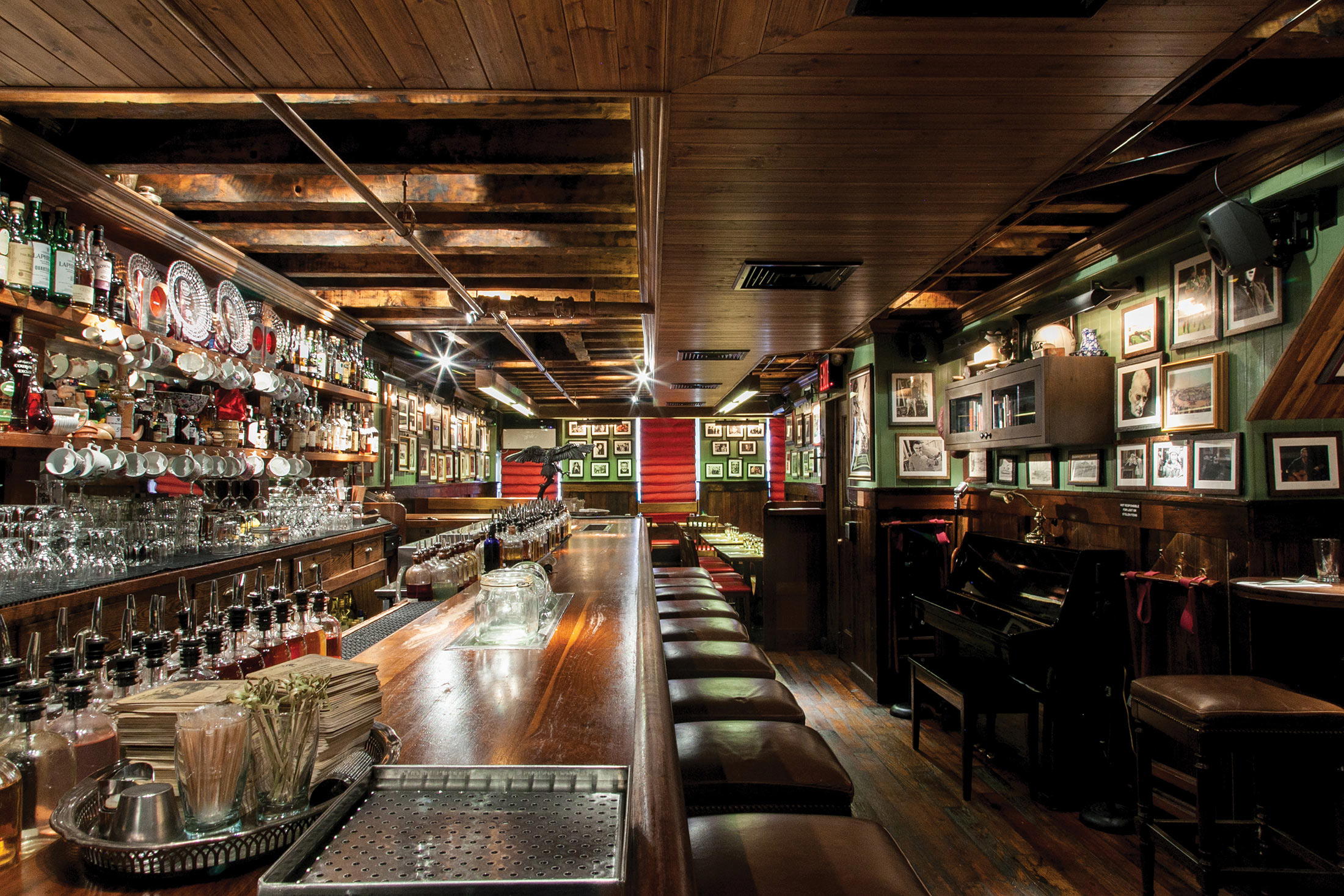
Restaurants in New York City
Browse all →




Details
- Modern
- Elegant
- Cozy
- Sophisticated
- Business Trip
- Weekend Escape
- Historic Building
- Wi Fi
- Fitness Center
- Restaurant
- Bar
- Room Service
- Concierge
- Street Scene
- Wheelchair Accessible
- Elevator
- Step Free Entrance
Cozy and charming with stylish, clean rooms featuring soft lighting, comfortable beds, and a peaceful atmosphere despite the bustling location.