Acre Resort sits in the agricultural hinterland of Los Cabos, where a working farm and orchard set the tone for a food-forward property that diverges from the corridor's beach-club norm. The dining programme draws from what grows on-site, placing it in a different competitive register than the major branded resorts along the Tourist Corridor. Bookings and current rates are confirmed directly through the property.

Pearl is the En Primeur Club membership app, where members save venues, book tables and use the concierge.
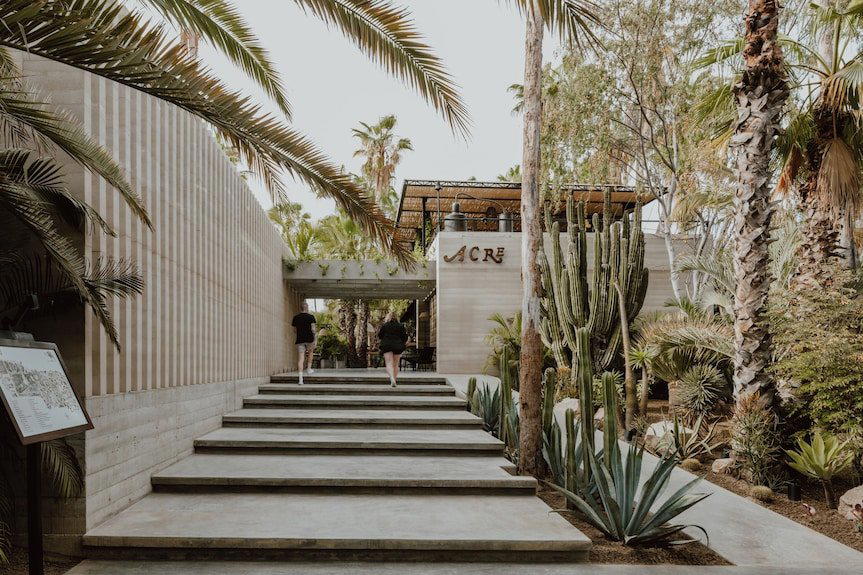
Where Los Cabos Grows Its Own Rules
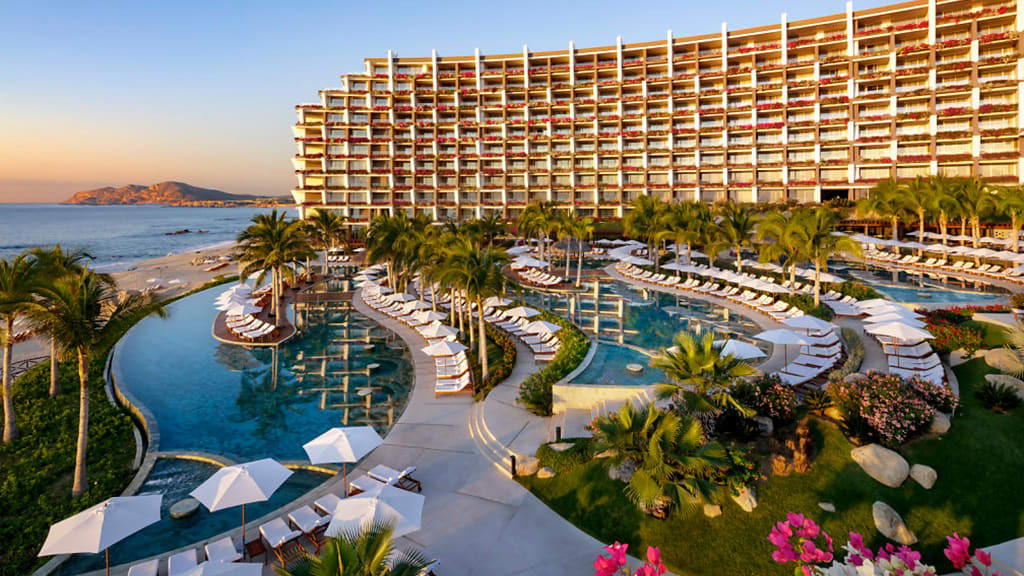
Most of Los Cabos's premium hotel stock is organised around ocean frontage: the Tourist Corridor runs northeast from Cabo San Lucas toward San José del Cabo, and the properties that dominate the upper tier, including Zadun, A Ritz-Carlton Reserve, One&Only Palmilla, and the Four Seasons at Cabo Del Sol, each position themselves against the Pacific or the Sea of Cortez. Acre Resort operates on a different premise entirely. Situated in the Ánimas Bajas neighbourhood, inland from the shoreline on a working farm and orchard, the property belongs to a smaller cohort of Mexico's design-led boutique resorts that treat agricultural land as amenity rather than obstacle. That cohort, which also includes properties like Chablé Yucatán and Hotel Esencia in Tulum, tends to place the food programme near the centre of the guest experience rather than treating it as a secondary service layer.
The Farm-to-Table Framework in a Desert Context
Farm-to-table hospitality is a well-worn phrase in international hotel marketing, but in the Baja California Sur context it carries specific meaning. The peninsula is semi-arid, and producing food on-site requires genuine horticultural investment rather than token herb gardens. Properties that commit to it are making an infrastructural statement about how they want to run their dining operation. Acre's farm and orchard function as a supply chain for its restaurant, which means seasonal availability genuinely determines what appears on the menu. This is a different operating model from the branded resort approach, where culinary consistency across guest cohorts tends to override seasonal variation. The comparison matters because it sets guest expectations: dishes at Acre are anchored to what the land is producing at that moment, not to a standardised playbook. Among Mexico's farm-anchored properties, this positions Acre alongside Las Alamandas on the Costalegre and Xinalani in Quimixto as resorts where the agricultural context shapes the hospitality identity at a structural level.
The Dining Programme as Defining Feature
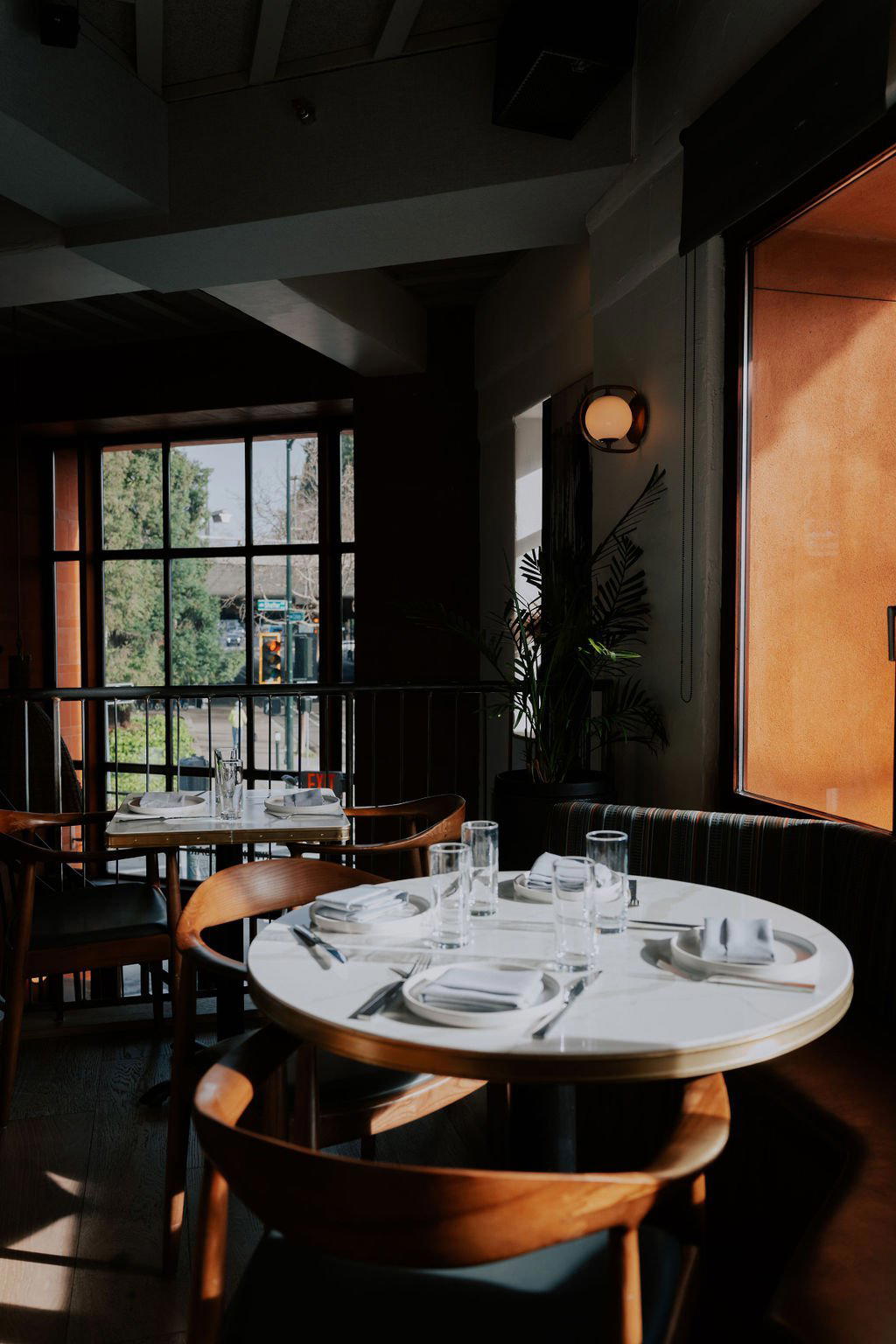
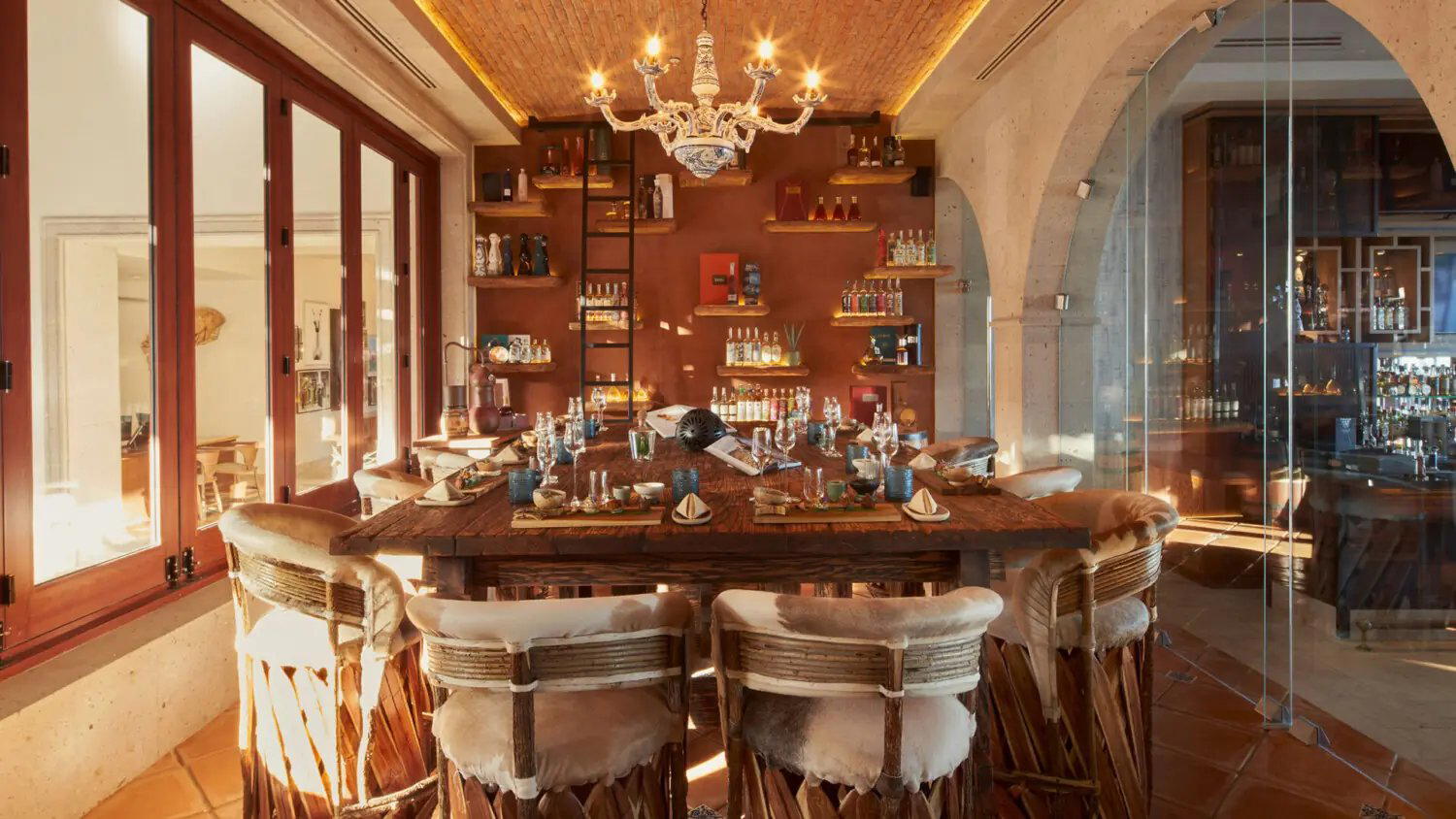
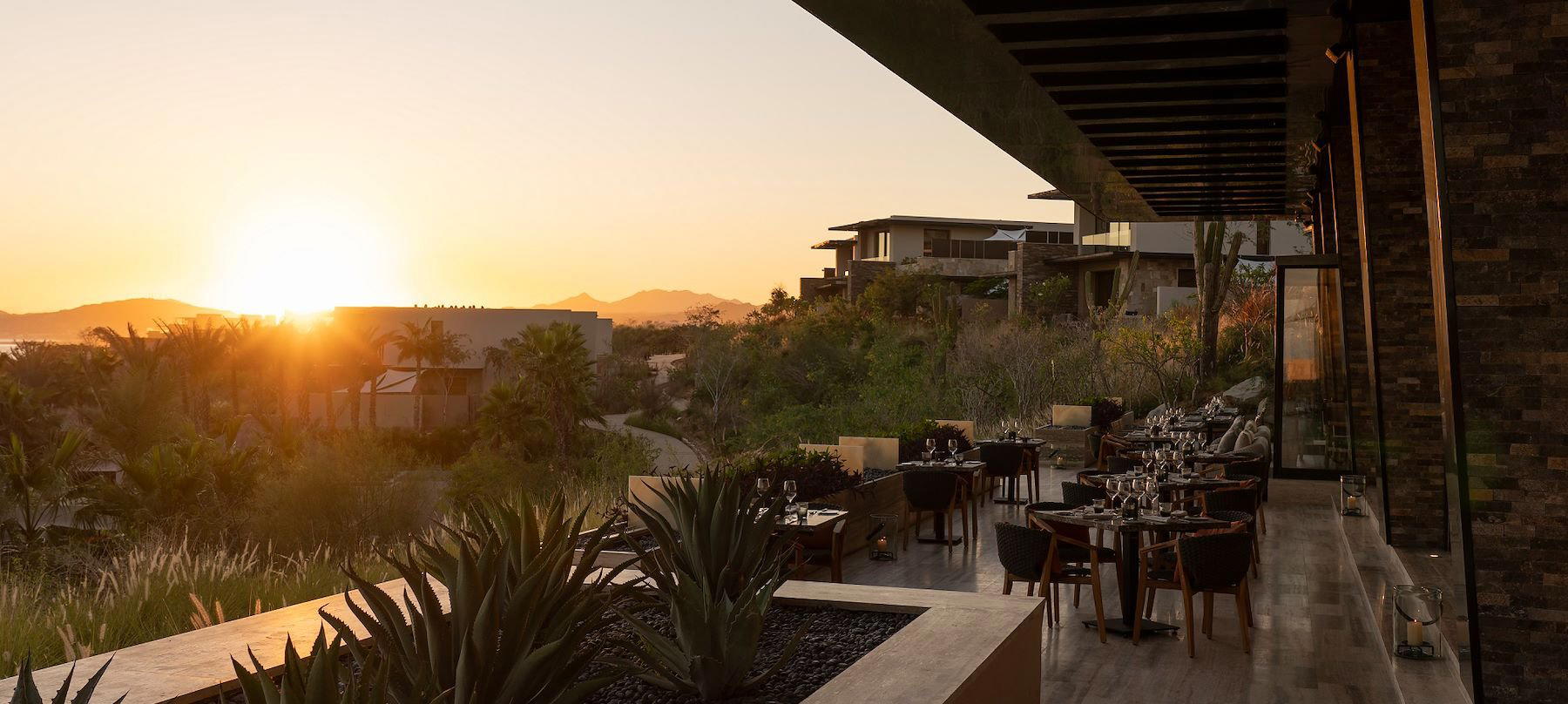
In the Los Cabos market, several properties anchor their identity to a specific culinary signature. Nobu Hotel Los Cabos places the Nobu brand at the centre of its hospitality proposition. Montage Los Cabos operates within an American luxury resort framework where dining is polished but not the primary differentiator. Acre's positioning is closer to the model seen at One&Only Mandarina in Riviera Nayarit or Etéreo in Punta Maroma, where the landscape and food programme work as a unified concept rather than separate departments. The restaurant at Acre draws from the farm's output: citrus, herbs, and produce grown on-site feed into a kitchen that operates in a wood-fire tradition common to contemporary Baja cuisine. Wood-fired cooking is itself a significant trend across Mexico's premium dining tier, from the taco-format counters of Mexico City to the destination restaurants of Valle de Guadalupe, and Acre's version situates the property within that broader culinary direction without requiring imported talent or celebrity endorsement to make the case.
Baja California's Culinary Positioning
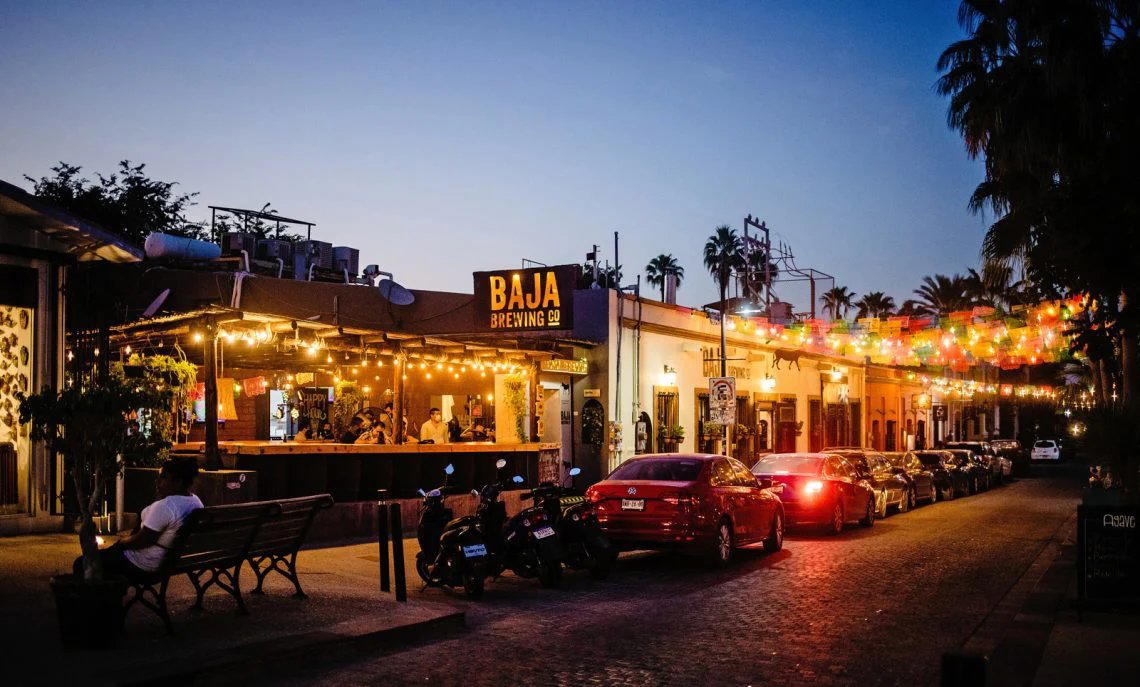
Baja California Sur has developed a distinct culinary identity over the past decade, one that distinguishes it from the tourist-resort cooking of the Caribbean coast. The combination of Pacific seafood, desert botanicals, and cross-border influence from northern Baja's wine and restaurant culture has produced a cuisine that is increasingly legible to international guests who follow food. Properties that connect to this local identity, rather than defaulting to international hotel cuisine, tend to attract a different traveller profile: one that reads about Valle de Guadalupe producers before booking flights and cross-references restaurant reservations with hotel stays. Acre sits firmly in that segment. For guests comparing it against Chileno Bay Resort or Las Ventanas al Paraíso, the decision is less about amenity differences and more about whether the guest wants a property where the food programme carries genuine editorial weight.
Design, Setting, and the Inland Proposition
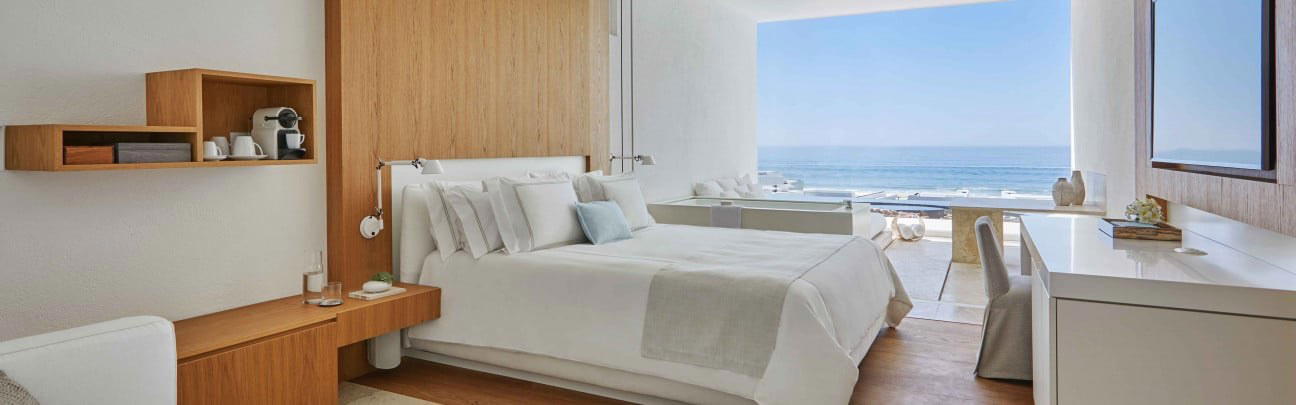
Inland resort properties in coastal destinations always face a version of the same question: what do you offer in place of the ocean? Acre's answer is density of a different kind, the shade and texture of a working orchard, tree-houses integrated into the canopy, and a slower tempo that beach-front properties with their activity programmes and pool bars rarely achieve. This design approach has clear precedents in Mexico's boutique sector. Casa de Sierra Nevada in San Miguel de Allende and Casa Polanco in Mexico City both demonstrate that architectural intimacy and contextual design can justify premium positioning without ocean access. The tree-house accommodation format at Acre is a specific product decision: it limits room count, reinforces the nature-immersed identity, and separates the property clearly from the corridor's villa and suite-tower model. Guests considering Cabo del Sol or Cabo Surf Hotel for a more active, beach-adjacent experience will find Acre is calibrated for something quieter and more deliberate.
Planning Your Stay
Acre is located in the Ánimas Bajas area of Los Cabos, between San José del Cabo and the Tourist Corridor, accessible from Los Cabos International Airport (SJD) by private transfer or taxi. The farm setting means the property draws guests who specifically seek its format, so advance booking is advisable, particularly during the October-to-May high season when Los Cabos operates at capacity. Guests travelling from Europe or the US East Coast often combine Acre with a broader Mexico circuit: the property sits within reasonable distance of San José del Cabo's gallery district and the Valle de Guadalupe wine region is a day trip north. For a comparison with the wider Los Cabos hotel market, see our full Los Cabos guide. Those building a longer Mexico itinerary might also consider Four Seasons Punta Mita on the Pacific coast or Casa Silencio in Oaxaca as contrasting registers of Mexican boutique hospitality. International comparisons at a similar design-led scale include Aman Venice and Four Seasons Los Cabos at Costa Palmas, though both represent a different scale and brand architecture. Current rates, room availability, and any specific booking requirements should be confirmed directly with the property, as Acre does not publish rates through third-party platforms in a standardised way.
Pricing, Compared
| Venue | Price | Awards |
|---|---|---|
| Acre ResortThis venue (the venue you are viewing) | $750–1,000 | Not listed |
| Zadun, A Ritz-Carlton Reserve | Not listed | 2 Michelin Keys · La Liste Top Hotels |
| One&Only Palmilla, Los Cabos Resort | Not listed | 2 Michelin Keys · La Liste Top Hotels |
| Four Seasons Resort and Residences Los Cabos at Costa Palmas | $750–1,000 | La Liste Top Hotels · Forbes Recommended |
| Nobu Hotel Los Cabos | Not listed | Michelin Selected · La Liste Top Hotels |
| Viceroy Los Cabos | Not listed | 1 Michelin Key · La Liste Top Hotels |
Continue exploring
More in Los Cabos
Hotels in Los Cabos
All hotels in Los Cabos →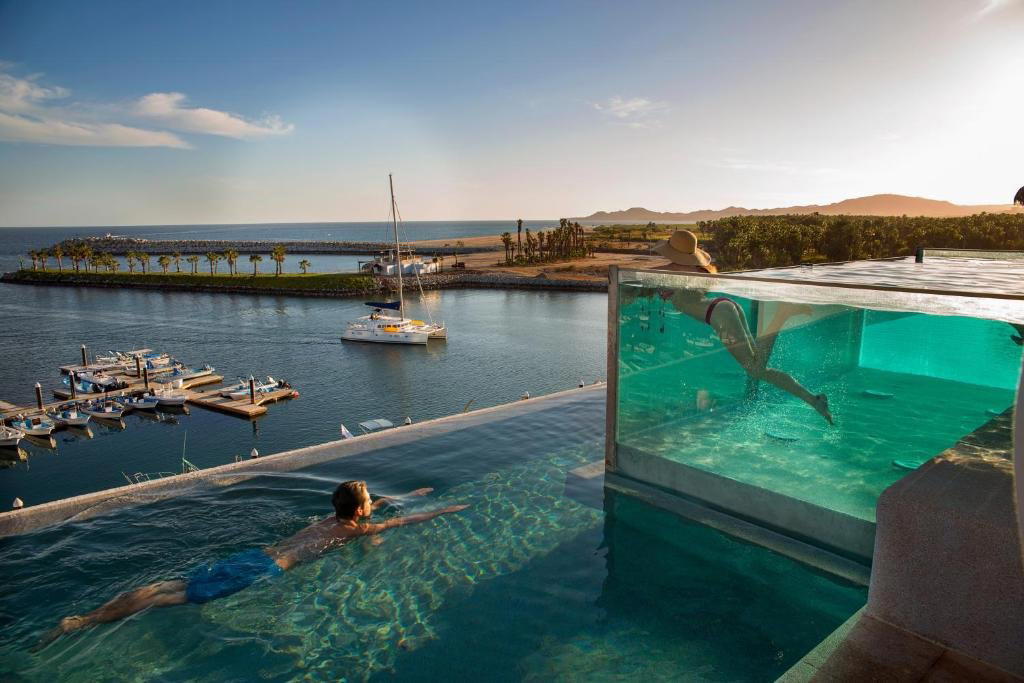
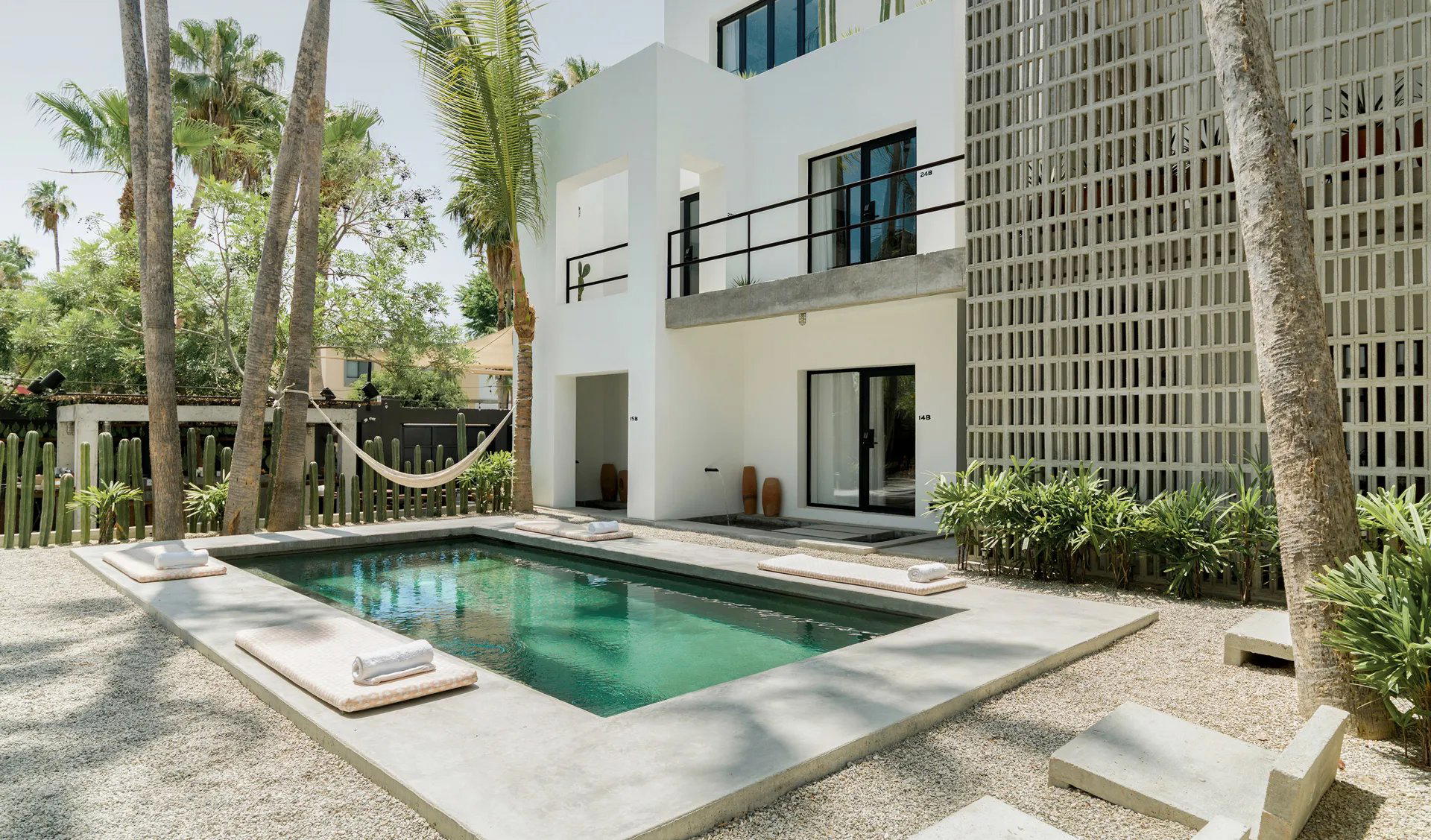
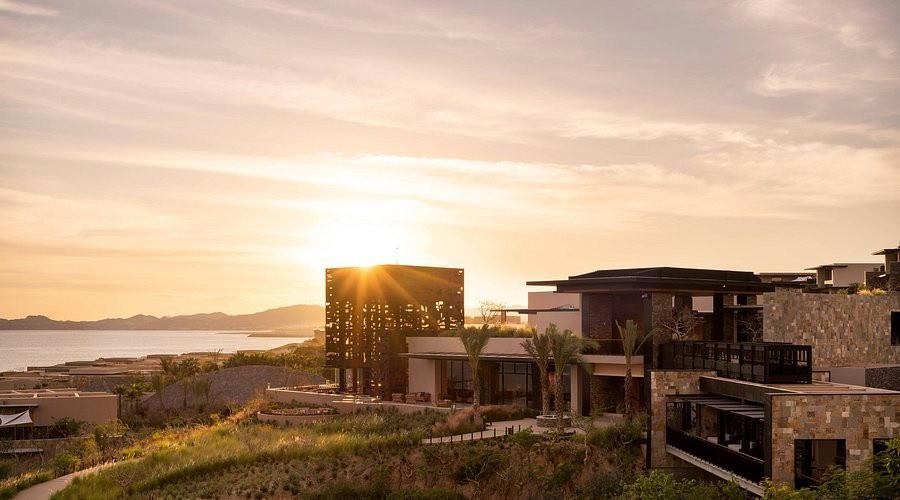
Details
- Romantic
- Bohemian
- Intimate
- Scenic
- Sophisticated
- Romantic Getaway
- Wellness Retreat
- Weekend Escape
- Honeymoon
- Anniversary
- Private Villa
- Garden
- Terrace
- Panoramic View
- Destination Spa
- Design Destination
- Pool
- Spa
- Fitness Center
- Restaurant
- Bar
- Concierge
- Wi Fi
- Room Service
- Garden
- Mountain
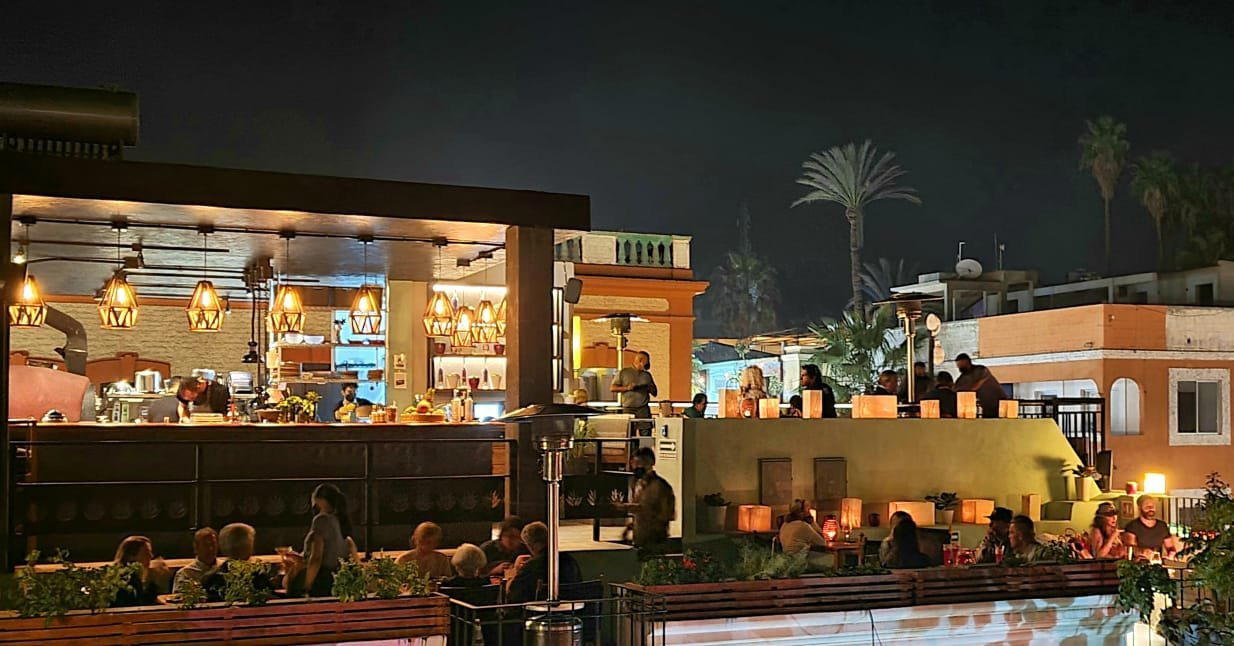
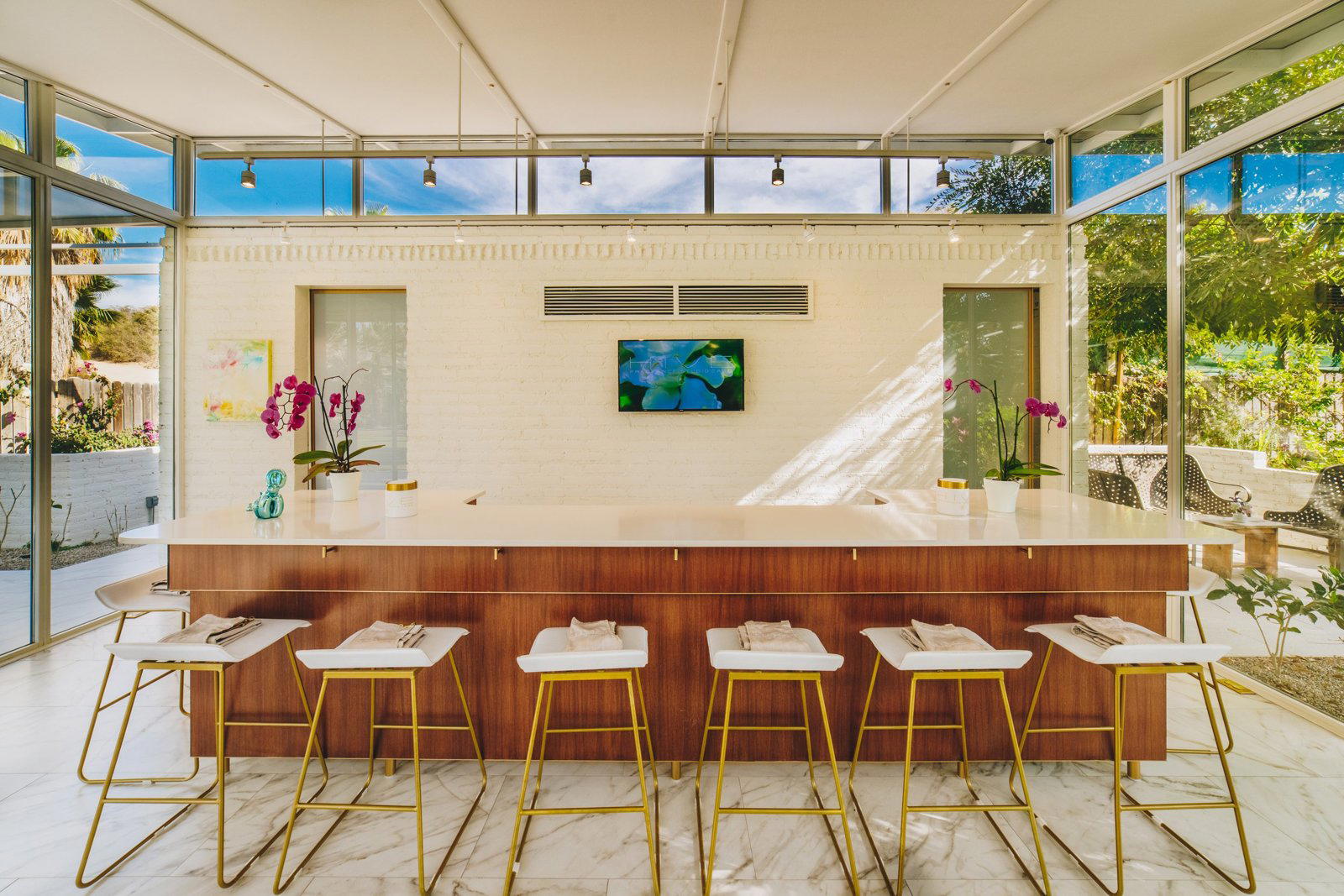
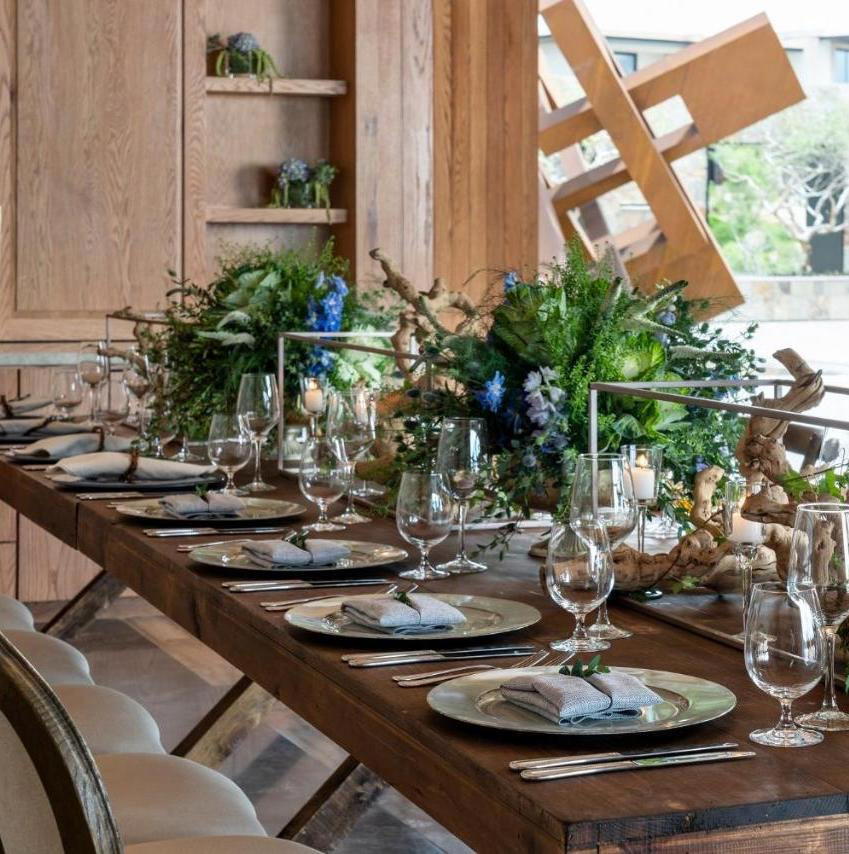
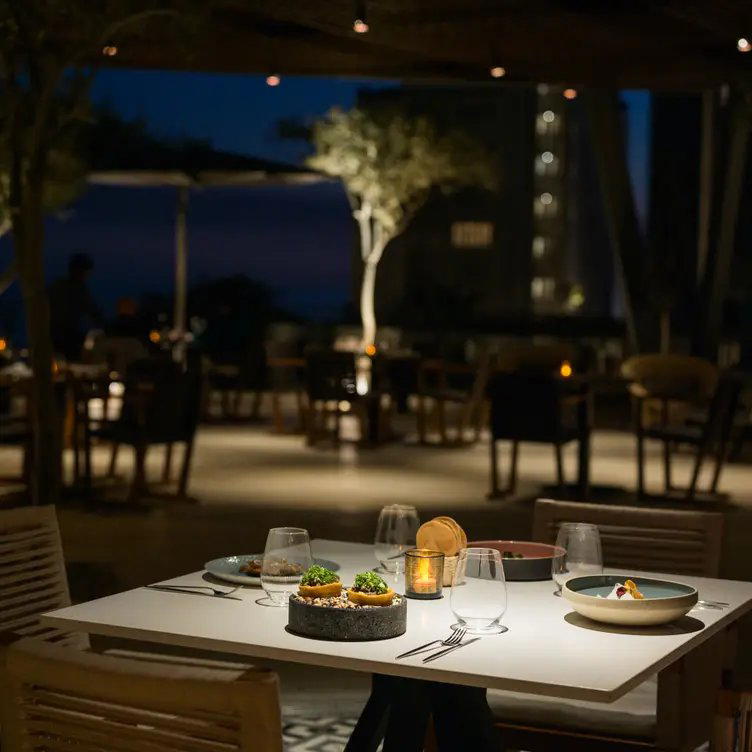
Natural, warm, and sensual with soft lighting filtered through palm thatch, open-air design elements, and an enchanting jungle setting enhanced by local wood, patterned tiles, and succulents; golden hour views from rooftop terraces and starlit evenings by the fire pit.