Google: 4.5 · 197 reviews
Perched above the Tourist Corridor where the Pacific meets the Sea of Cortez, The Rooftop at The Cape operates in the upper tier of Los Cabos bar experiences, where the view is part of the drink program and the craft behind the bar is taken as seriously as the scenery. For visitors weighing their options across the corridor's growing cocktail scene, this is the address where elevation and intention converge.
 Discover on Pearl
Pearl is the En Primeur Club membership app — saves, bookings, and concierge access live there. Same editors, same standards.
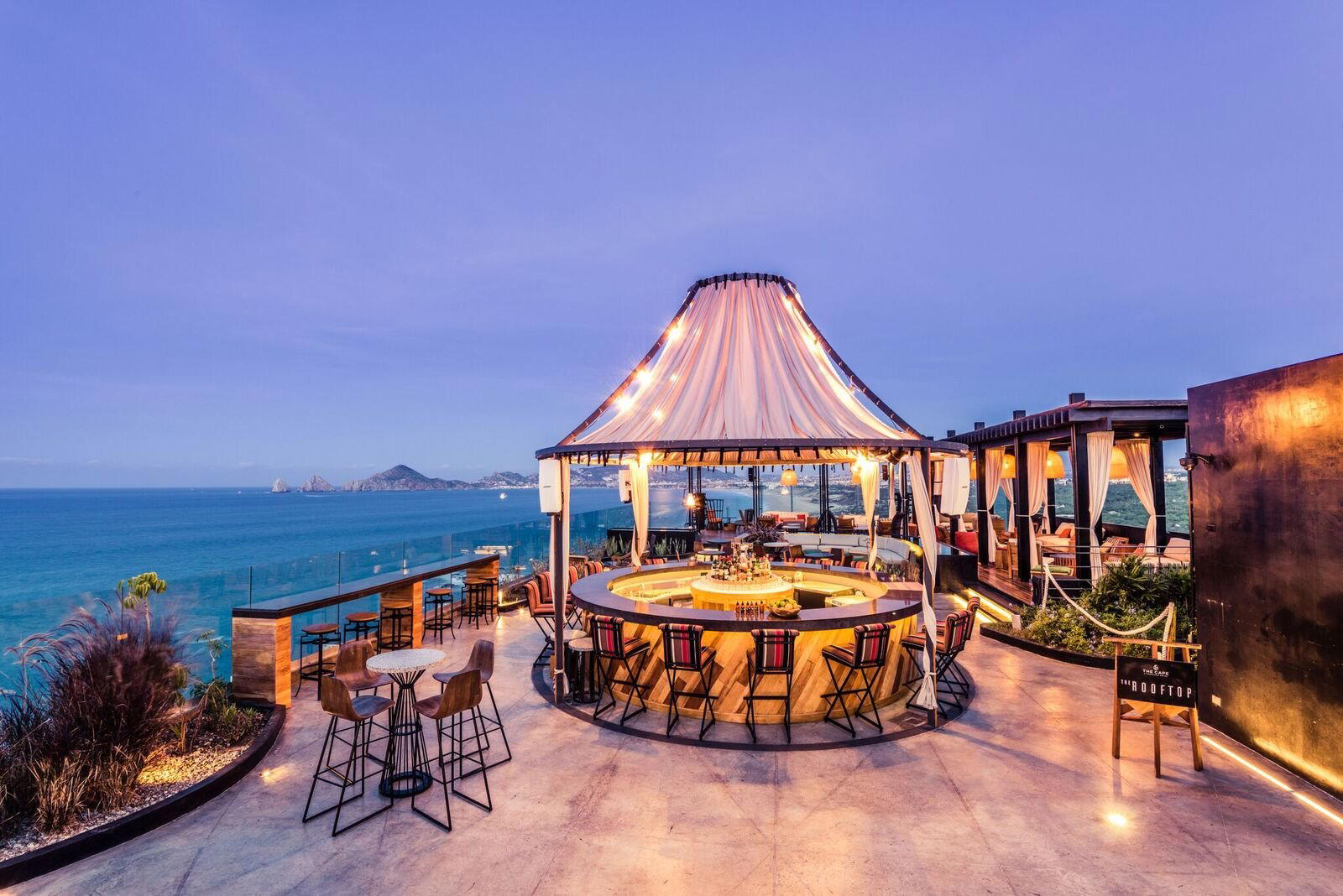
Where the Peninsula Ends and the Drinking Begins
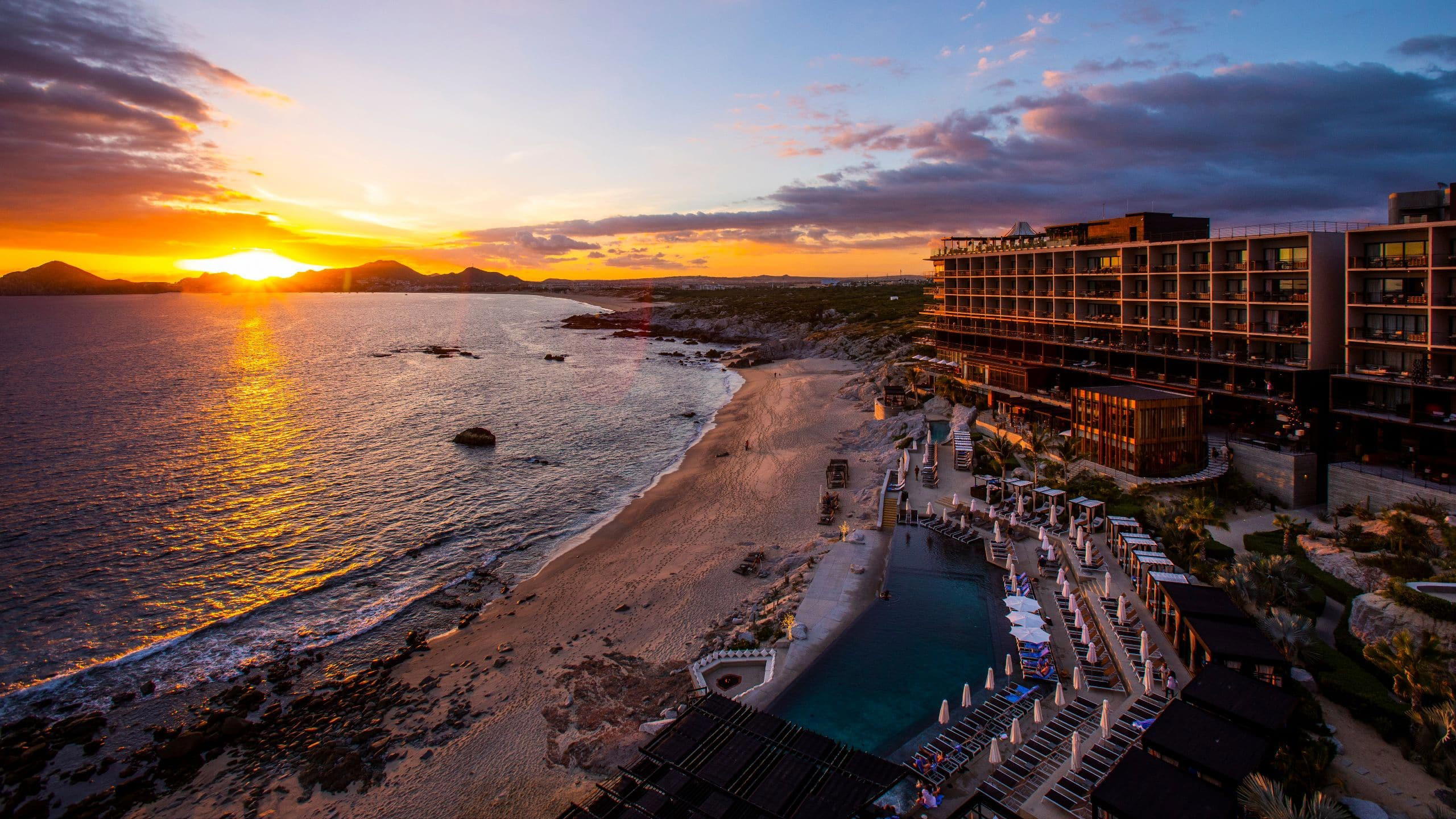
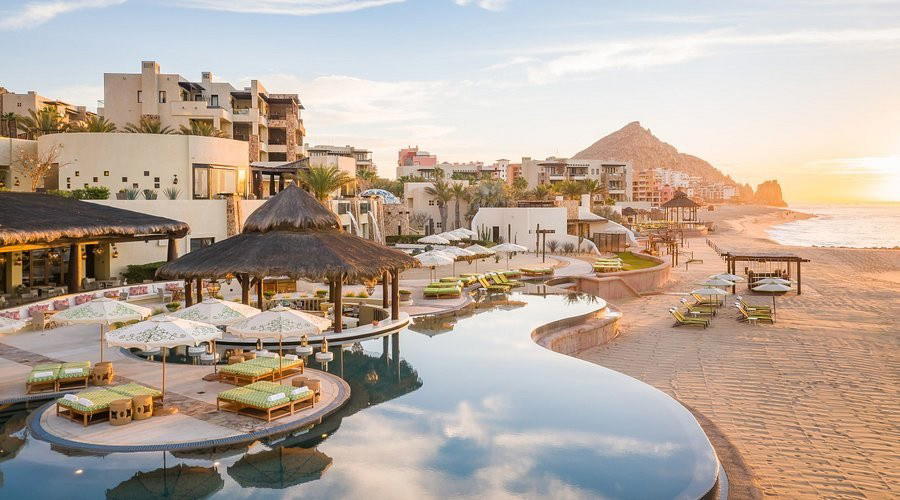
The approach tells you something. Carretera Federal Transpeninsular Km 5 places The Rooftop at The Cape at the southern edge of the Tourist Corridor, the strip of coastline between Cabo San Lucas and San José del Cabo that has become the axis around which Los Cabos's premium hospitality scene rotates. By the time you reach the rooftop level, the Pacific and the Sea of Cortez are both visible — a geographic circumstance that is not replicated at any other point in North America, and one that immediately reframes the question of what you're drinking and why. The light here at dusk moves through amber and copper before dropping into deep blue, and the bar program is paced for exactly that window.
The Bartender's Position in the Room
Across Mexico's evolving cocktail culture, the split between hotel bars and independent programs has sharpened considerably over the last decade. At one end of that spectrum, hotel rooftop bars function as lifestyle accessories: view-forward, technically undemanding, priced for captive audiences. At the other, a smaller cohort of hotel bar programs has invested in bartenders whose training and palate anchor the menu rather than decorate it. Baltra Bar in Mexico City represents the independent benchmark for this kind of disciplined, technique-led approach; what separates The Rooftop at The Cape is the context in which it operates — a resort destination where the view could easily substitute for ambition, but the bar program is asked to carry its own weight.
The craft tradition that has shaped Mexico's better hotel bars draws on a broader regional literacy: agave spirits read through terroir, citrus sourced from Baja's subtropical growing corridors, and a growing willingness to treat fermented and low-ABV formats with the same seriousness applied to spirit-forward builds. Arca in Tulum and El Gallo Altanero in Guadalajara have both pressed this direction at the independent level. The Rooftop at The Cape operates within the Thompson Hotels framework, which historically has supported bar programs designed to function as destination draws rather than afterthoughts , a distinction that matters when evaluating what the person behind the bar has been given to work with.
The Corridor's Competitive Frame
Los Cabos has developed a tiered drinking culture that mirrors its broader hospitality hierarchy. At the accessible end, beach clubs and marina-facing bars compete on volume and spectacle. Further up the register, a mid-tier of restaurant bars , including Toro Latin Kitchen and El Merkado , anchors the food-first drinking occasion. Above that, a smaller group of rooftop and view-dependent venues commands a premium on the basis of setting and production quality combined. Jazz on the Rocks draws a specifically music-led crowd and operates on a different experiential logic. The Rooftop at The Cape sits in a peer set defined by the intersection of programmatic seriousness and physical position: bars where the bartender's craft and the building's vantage point are expected to justify each other.
For comparison outside Baja, the model of the rooftop hotel bar as a technically credentialed destination is visible in places like Bar Leather Apron in Honolulu, where deliberate restraint and ingredient precision have established a bar within a hotel context as a standalone reference point. The trajectory in Los Cabos points in the same direction, with the corridor's expanding visitor base creating demand for bar programs that reward attention rather than simply providing backdrop.
What to Order, and Why the Agave Question Matters
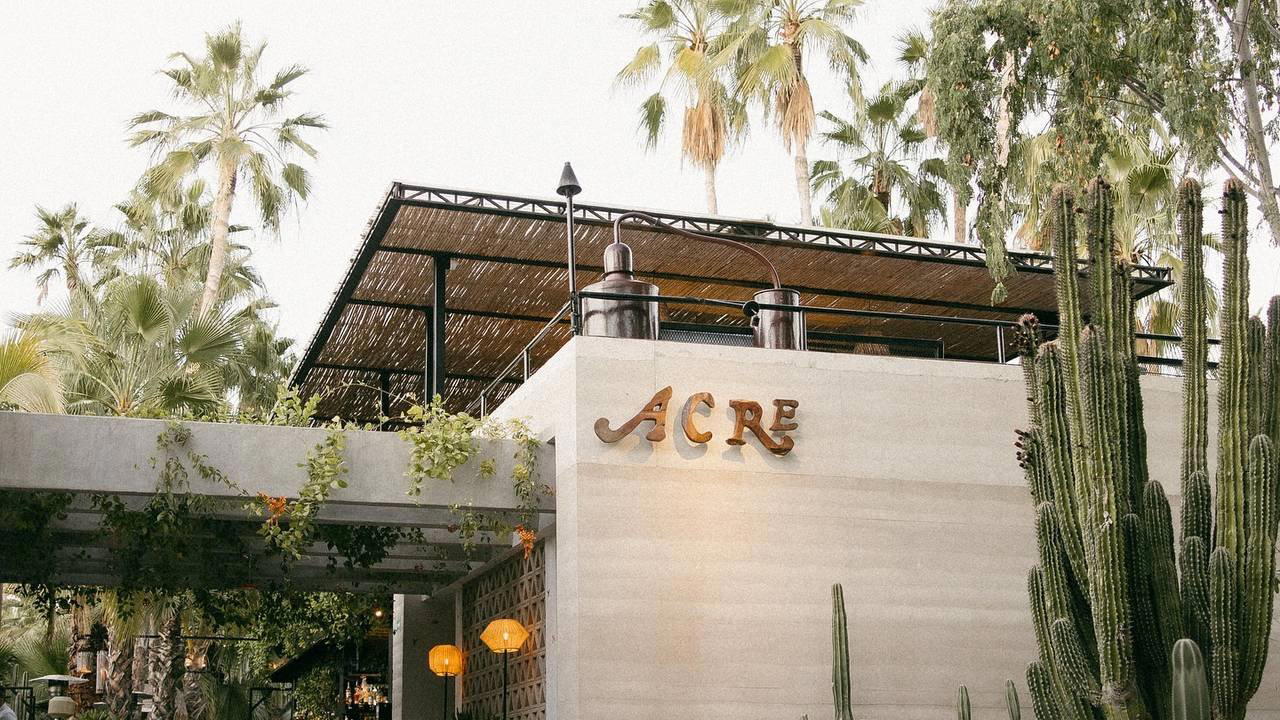
The most useful frame for drinking well at any bar operating in Baja's resort corridor is the agave question. Tequila and mezcal are not interchangeable on a cocktail menu built with any seriousness; the distinction between highland and lowland tequila production, and between artisanal and industrial mezcal, produces genuinely different results in a glass. A bartender who understands those differences , and communicates them , is giving you something that the view alone cannot. In Baja's premium hotel context, a Margarita built on a considered blanco tequila with fresh Baja citrus is the diagnostic drink: it shows whether the bar is running on autopilot or thinking about what it's doing. Acre Restaurant, a short distance into the corridor, has pressed the agave and local-ingredient combination in its food-and-drink program with notable consistency. The Rooftop applies similar logic at altitude, where the spirit choice and the setting are designed to reinforce each other.
Beyond agave, the geographical position in Baja opens the door to wine-adjacent thinking. The Guadalupe Valley, roughly three hours north of Ensenada by road and a significant producer within Mexico's wine identity, has raised the profile of Baja wine broadly. Bars in the region that stock Guadalupe Valley labels are connecting a local hospitality occasion to a production story that is increasingly recognized internationally, and that connection rewards a guest who asks what's from the region rather than defaulting to imported options.
Planning Your Visit
The Rooftop at The Cape sits within The Cape, a Thompson Hotel, on Carretera Federal Transpeninsular Km 5, in the Tourist Corridor between Cabo San Lucas and San José del Cabo. The corridor location means it is accessible by taxi and resort shuttle from both town centers, with San José del Cabo approximately 20 kilometers to the northeast and the Cabo San Lucas marina roughly five kilometers to the southwest. The rooftop's position within a hotel property means the peak window , sunset through the first two hours of evening , is reliably busy during the high season, which runs from November through April when temperatures are moderate and visitor volume is at its highest. Outside those months, summer heat and reduced visitor numbers shift the calculus: the view remains, the pace slows. For those building a wider drinking itinerary across the corridor and beyond, the full Los Cabos restaurants guide maps the scene across neighborhoods and formats. Visitors looking for contrast points elsewhere in Mexico's bar circuit can extend to Bekeb in San Miguel de Allende for a highland bar program, or Aruba Day Drink in Tijuana for the border city's more rough-edged take on the daytime drink occasion. For high-volume spectacle as a deliberate contrast, Coco Bongo in Cancun defines the opposite end of the Mexican resort bar register.
The Essentials
A short peer set to help you calibrate price, style, and recognition.
Continue exploring
More in Los Cabos
Bars in Los Cabos
Browse all →

Restaurants in Los Cabos
Browse all →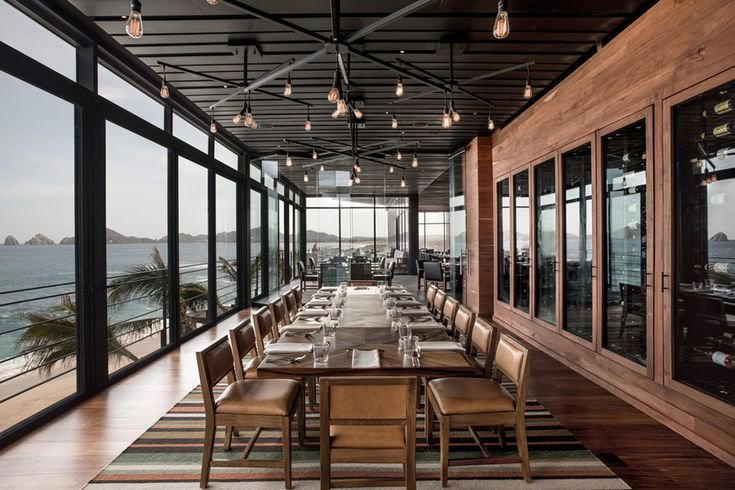
At a Glance
- Trendy
- Elegant
- Lively
- Sophisticated
- Scenic
- Date Night
- Group Outing
- Celebration
- Late Night
- Rooftop
- Panoramic View
- Live Music
- Hotel Bar
- Outdoor Terrace
- Lounge Seating
- Communal Tables
- Craft Cocktails
- Mezcal
- Tequila
- Waterfront
- Mountain
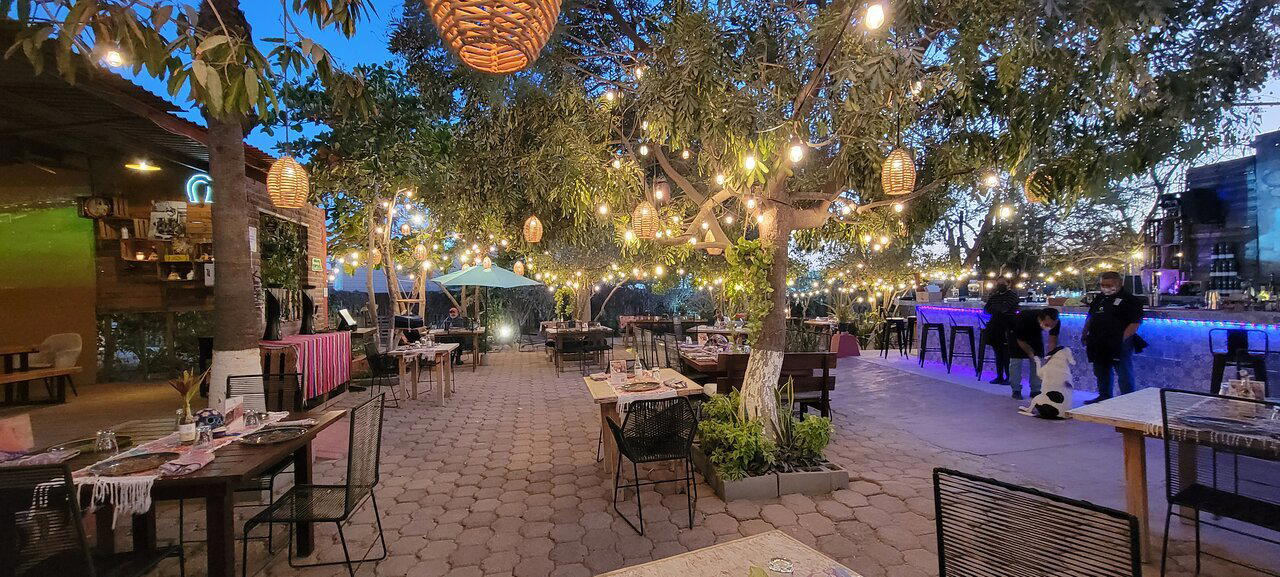
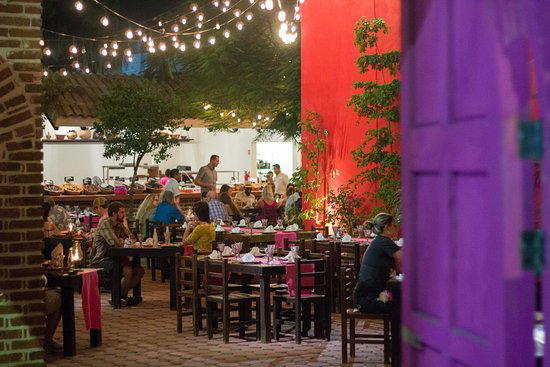
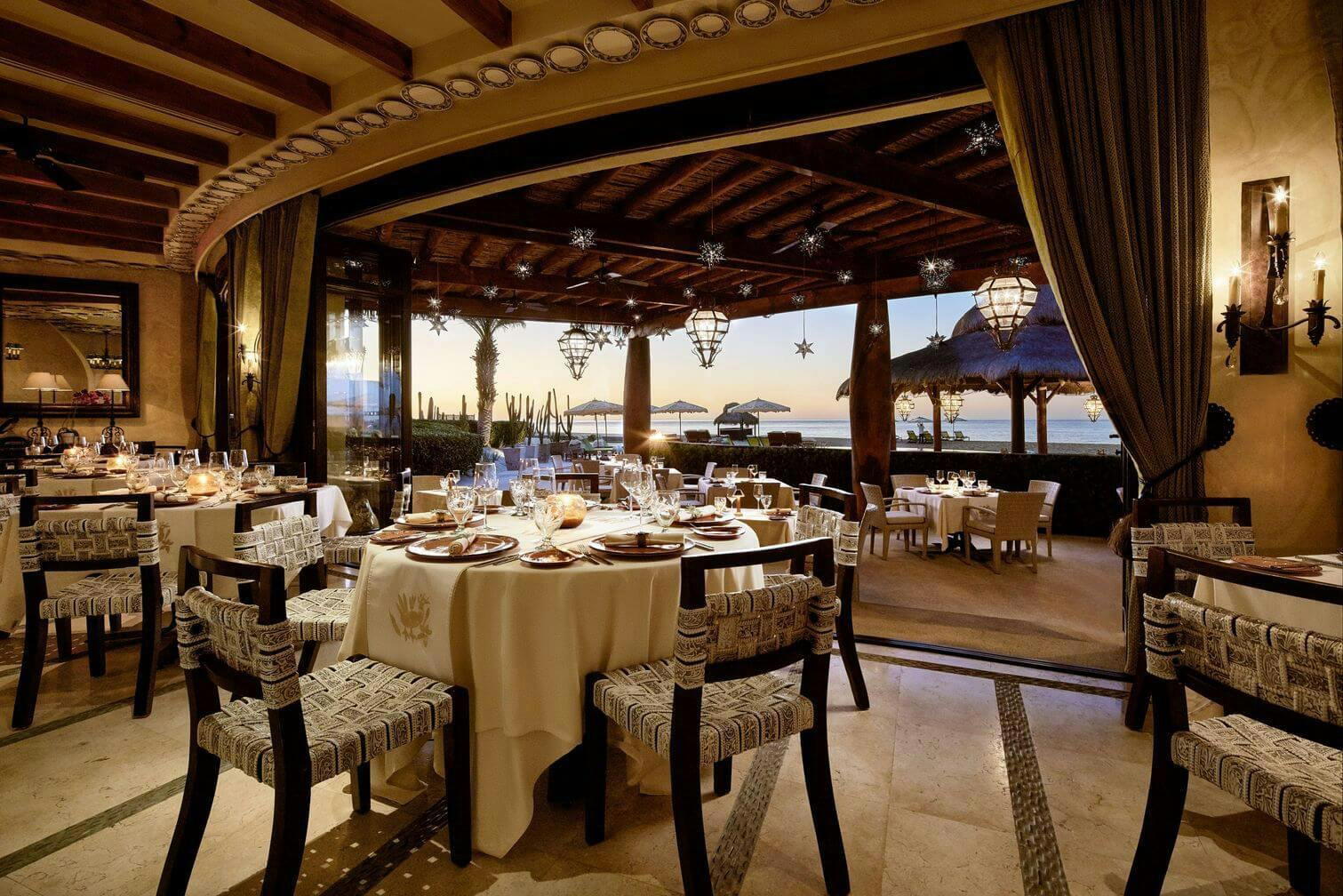
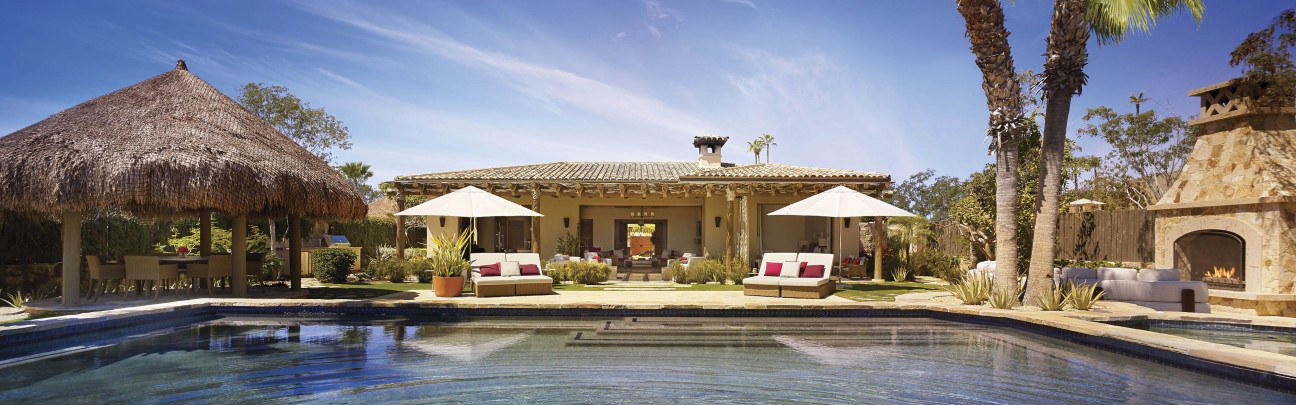
Al fresco sky garden with sunken communal seating, fire pits, serene water features, lush greenery, and chic lighting creating a vibrant yet relaxed sunset atmosphere.