Cabo del Sol occupies a privileged stretch of the Los Cabos corridor where the desert meets the Sea of Cortez, anchoring one of the Baja peninsula's most architecturally considered resort communities. The site now hosts the Four Seasons Resort and Residences Cabo San Lucas, placing it firmly in the upper tier of the corridor's luxury property set. For travellers choosing between Los Cabos addresses, this is one of the few locations where golf, coastline, and branded residential scale converge at once.

Pearl is the En Primeur Club membership app, where members save venues, book tables and use the concierge.
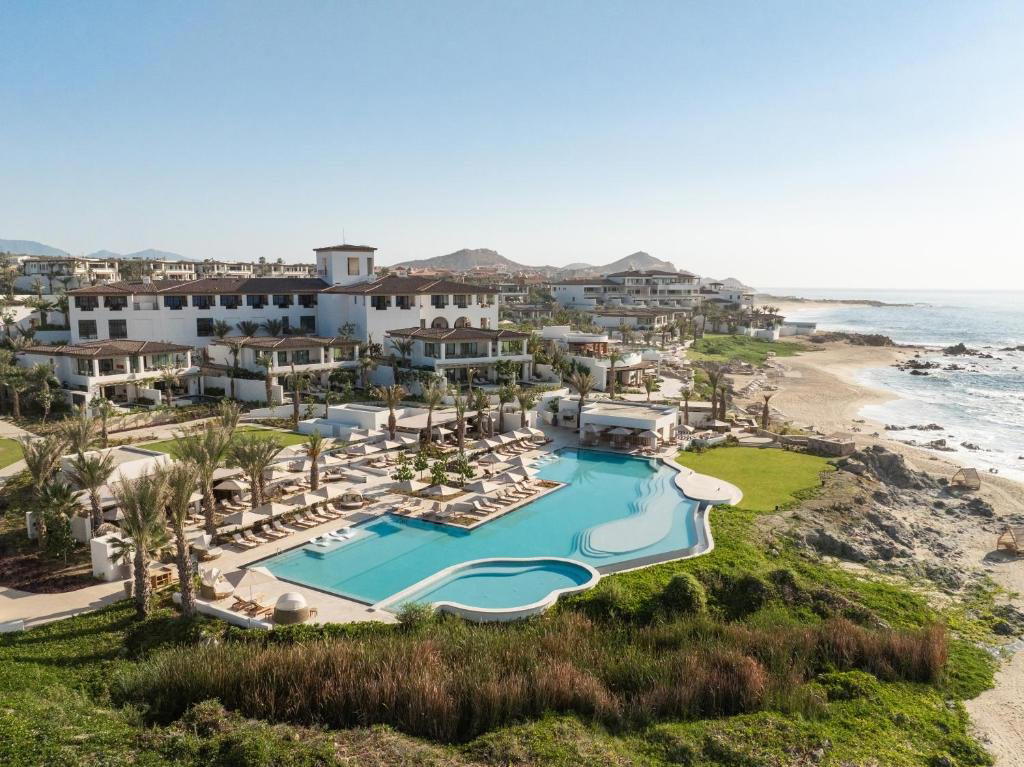
Where Desert Topography Becomes the Design Argument
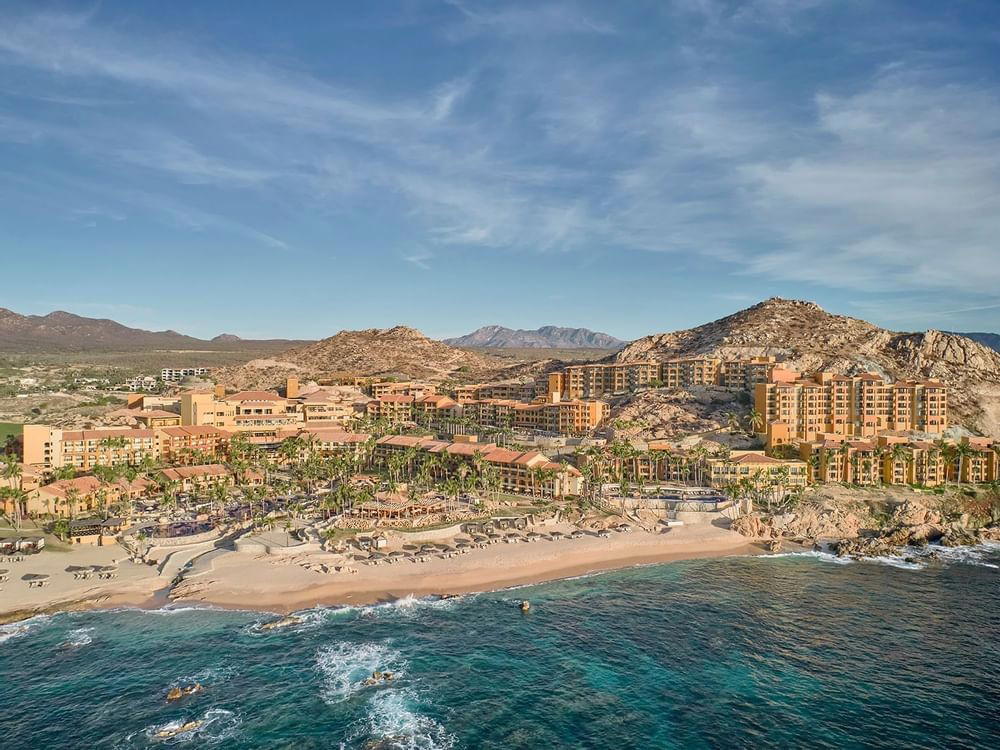
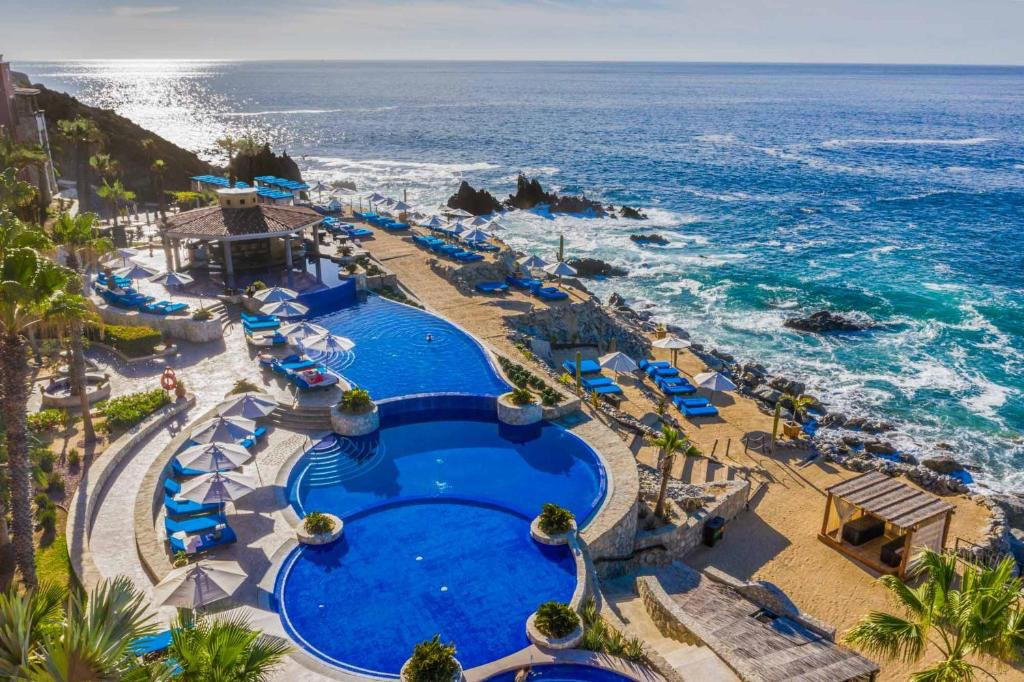
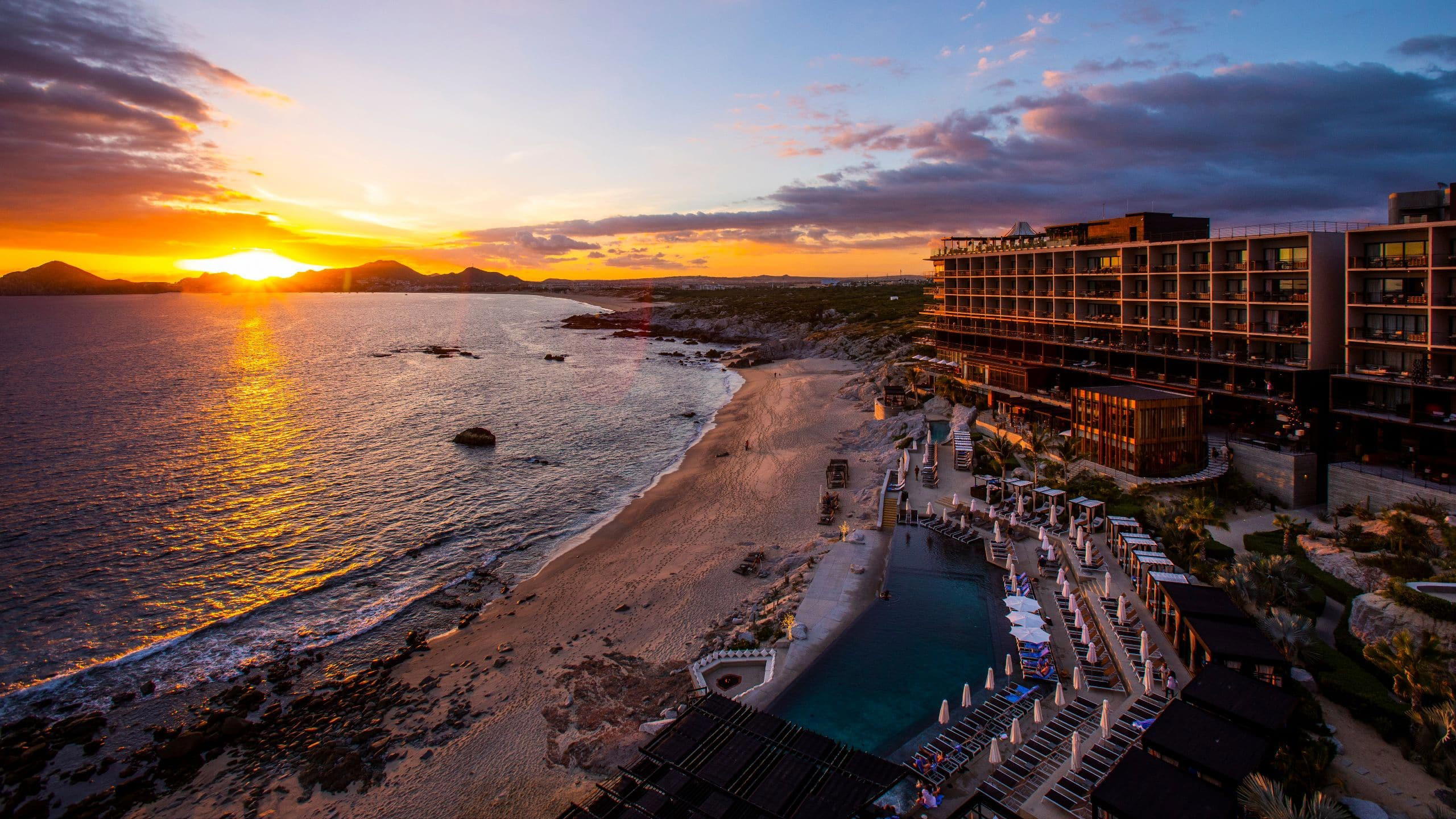
The Los Cabos corridor runs roughly 33 kilometres between the twin towns of Cabo San Lucas and San José del Cabo, and it concentrates more luxury resort density per kilometre than almost any stretch of Pacific Mexico coastline. Within that corridor, addresses are not equal. Some properties sit on swimmable beaches; others occupy dramatic bluffs above surf-heavy breaks. Cabo del Sol belongs to the latter category: a master-planned resort community at approximately kilometre 10.3 on México 1, positioned on the Pacific-facing edge of the peninsula where the light hits stone and agave in a particular way that informs every architectural decision made here.
The Baja desert is not incidental scenery at a development like this; it is the structural premise. The palette of bleached rock, low native vegetation, and the particular blue-grey of the Pacific at this latitude shaped what is now a recognisable design language across the property's built environment. Resort communities that sit on this edge of the corridor tend to make one of two choices: they either import a Mediterranean or generic tropical vocabulary, or they commit to the specificity of the Sonoran desert meeting the sea. Cabo del Sol, particularly through its current anchor property, has leaned hard into the second option.
The Four Seasons Presence and What It Signals
Arrival of the Four Seasons Resort and Residences Cabo San Lucas at Cabo Del Sol repositioned the site within the Los Cabos competitive set. In a corridor that already includes Zadun, a Ritz-Carlton Reserve, One&Only; Palmilla, and Las Ventanas al Paraíso, a Rosewood Resort, the addition of a Four Seasons property concentrated premium accommodation choices around a smaller stretch of highway than most travellers expect.
This kind of brand clustering is not accidental. Los Cabos has developed, over roughly three decades, from a fishing-town escape into a structured luxury destination, and the corridor's kilometre markers now function almost like an address hierarchy. Properties at the Cabo del Sol end of the corridor trade on Pacific drama over calm-water predictability, which is a different value proposition than what you find further northeast toward San José del Cabo at addresses like the Four Seasons Resort and Residences Los Cabos at Costa Palmas.
Golf Infrastructure as Architectural Statement
Cabo del Sol's two courses, including a Jack Nicklaus-designed Ocean Course, are not background amenities. In resort communities built around dramatic coastal topography, golf architecture becomes an extension of landscape design: fairways that run to cliff edges, greens that frame the Pacific horizon, and tee boxes positioned to use the sea as a visual terminus. This approach to course design treats the natural geography as co-author rather than obstacle, and it is the same logic that governs how the resort's built structures relate to their site.
The Ocean Course here has long held a reputation among golf-focused travellers to the Baja peninsula, drawing comparisons to Pebble Beach-style coastal drama rather than the manicured-parkland style more common in resort golf. That positioning places Cabo del Sol in a specific tier of golf destination, one where the sport and the landscape are inseparable from the accommodation experience.
How the Corridor Compares at This Price Level
Travellers assessing Los Cabos at the premium end are effectively choosing between a handful of distinct territory types. The calmer, swimmable waters of the East Cape and Sea of Cortez side attract properties like Costa Palmas and Chileno Bay Resort and Residences, Auberge Collection. The more dramatic Pacific-facing bluffs, where Cabo del Sol sits, suit travellers who weight landscape spectacle and golf infrastructure above beach usability. Neither is superior; they serve different trip objectives.
Other notable corridor addresses include Montage Los Cabos, which occupies a similar Pacific-edge position, and smaller-footprint properties like Acre Resort and Cabo Surf Hotel and Spa, which appeal to travellers prioritising a less structured resort format. Cabo del Sol's master-planned scale puts it firmly in the large-footprint, full-amenity tier rather than the boutique category.
Mexico's Luxury Resort Context
What Cabo del Sol represents in the broader context of Mexican luxury resort development is worth mapping. The Baja peninsula, Pacific Riviera, and Yucatán coast each host a distinct generation of premium properties, and they speak different design languages. The Riviera Maya produced jungle-edge properties like Hotel Esencia in Tulum and Maroma in Riviera Maya. The Pacific coast produced cliff-and-water properties where Baja sits alongside One&Only; Mandarina in Riviera Nayarit and Four Seasons Resort Punta Mita. Interior Mexico delivers a third register entirely, from Chablé Yucatán to Casa de Sierra Nevada, a Belmond Hotel, in San Miguel de Allende.
Cabo del Sol belongs to the Pacific desert tier, where the confrontation between arid land and open ocean defines the guest experience. That is a specific aesthetic proposition, and it suits travellers who want the drama of Baja geology in a format that comes with the service infrastructure of an international flag. Properties like Xinalani in Quimixto, Las Alamandas in Costalegre, or Etéreo, Auberge Resorts Collection offer a looser, wilder Pacific Mexico encounter; Cabo del Sol is for those who want that landscape channelled through a more structured resort format.
Planning a Visit
Los Cabos International Airport (SJD) is the standard entry point, and the corridor's kilometre 10.3 address puts Cabo del Sol roughly 20 to 25 minutes from the terminal depending on traffic, making it one of the more accessible premium addresses on the corridor without requiring a lengthy transfer. The dry-season window from November through May is the primary travel period, with December through March representing peak demand and corresponding lead times for room bookings. The summer months bring humidity and periodic hurricane risk, though rates reflect this seasonal shift. For the broader Los Cabos picture, including dining options and neighbourhood context, see our full Los Cabos guide.
At-a-Glance Comparison
| Venue | Price | Awards |
|---|---|---|
| Cabo del SolThis venue (the venue you are viewing) | Not listed | Not listed |
| Zadun, A Ritz-Carlton Reserve | Not listed | 2 Michelin Keys · La Liste Top Hotels |
| One&Only Palmilla, Los Cabos Resort | Not listed | 2 Michelin Keys · La Liste Top Hotels |
| Four Seasons Resort and Residences Los Cabos at Costa Palmas | $750–1,000 | La Liste Top Hotels · Forbes Recommended |
| Nobu Hotel Los Cabos | Not listed | Michelin Selected · La Liste Top Hotels |
| Viceroy Los Cabos | Not listed | 1 Michelin Key · La Liste Top Hotels |
Continue exploring
More in Los Cabos
Hotels in Los Cabos
All hotels in Los Cabos →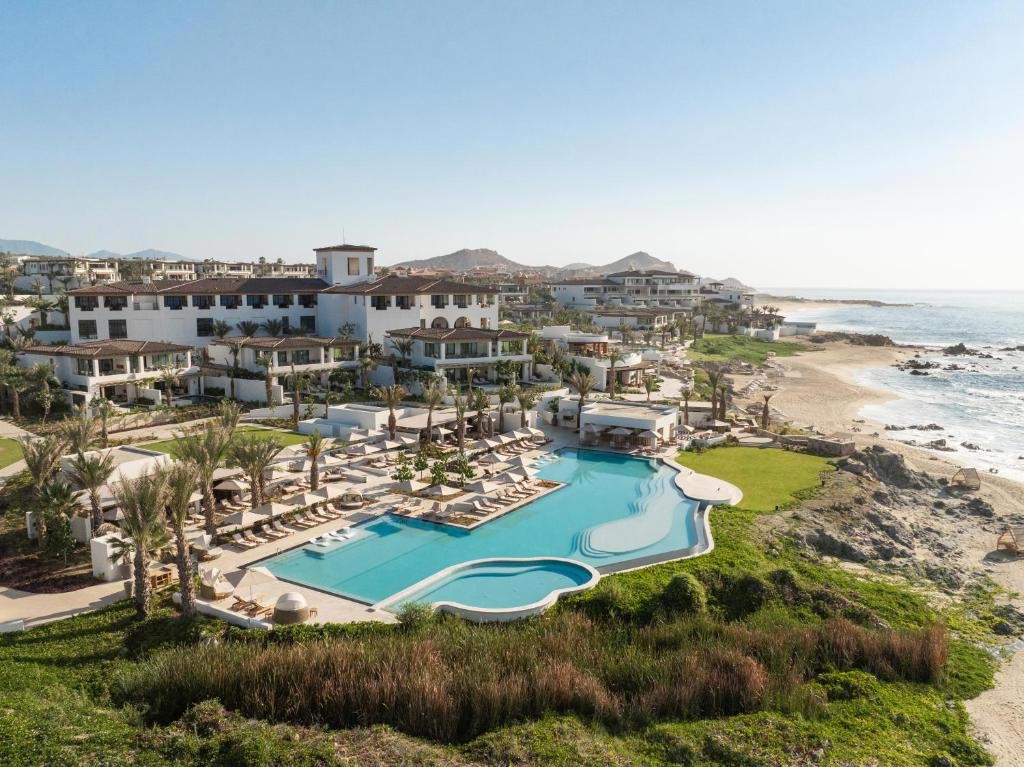
Details
- Elegant
- Romantic
- Scenic
- Sophisticated
- Ornate
- Honeymoon
- Romantic Getaway
- Family Vacation
- Wellness Retreat
- Beachfront
- Infinity Pool
- Private Villa
- Panoramic View
- Pool
- Spa
- Room Service
- Concierge
- Beach Access
- Waterfront
- Mountain
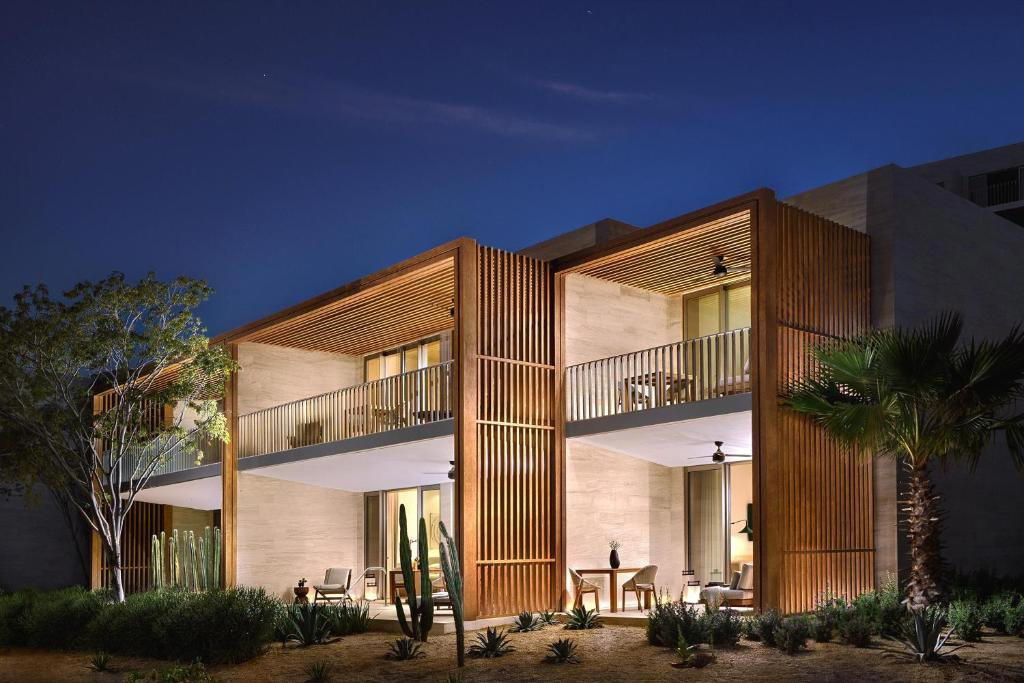
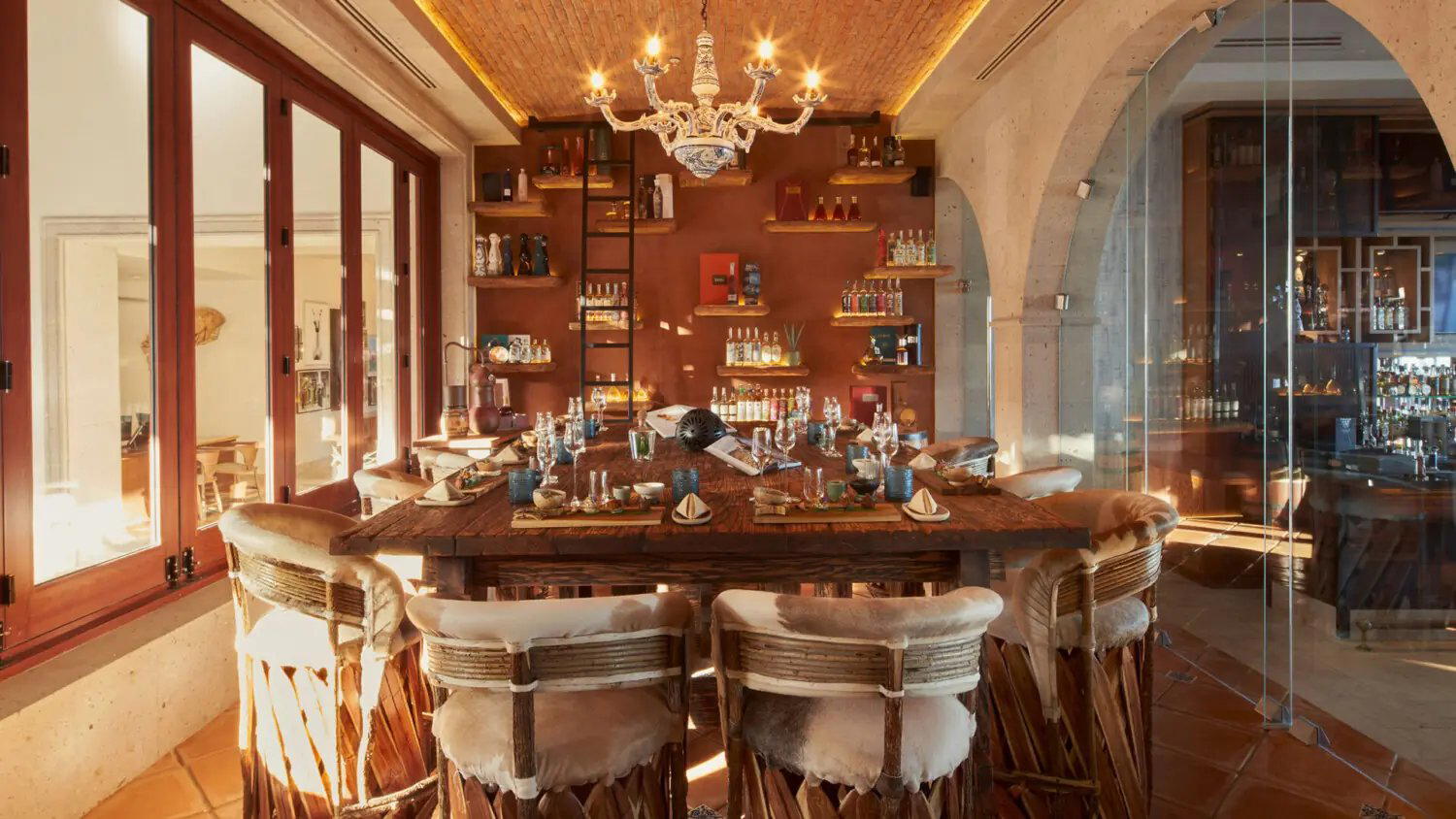
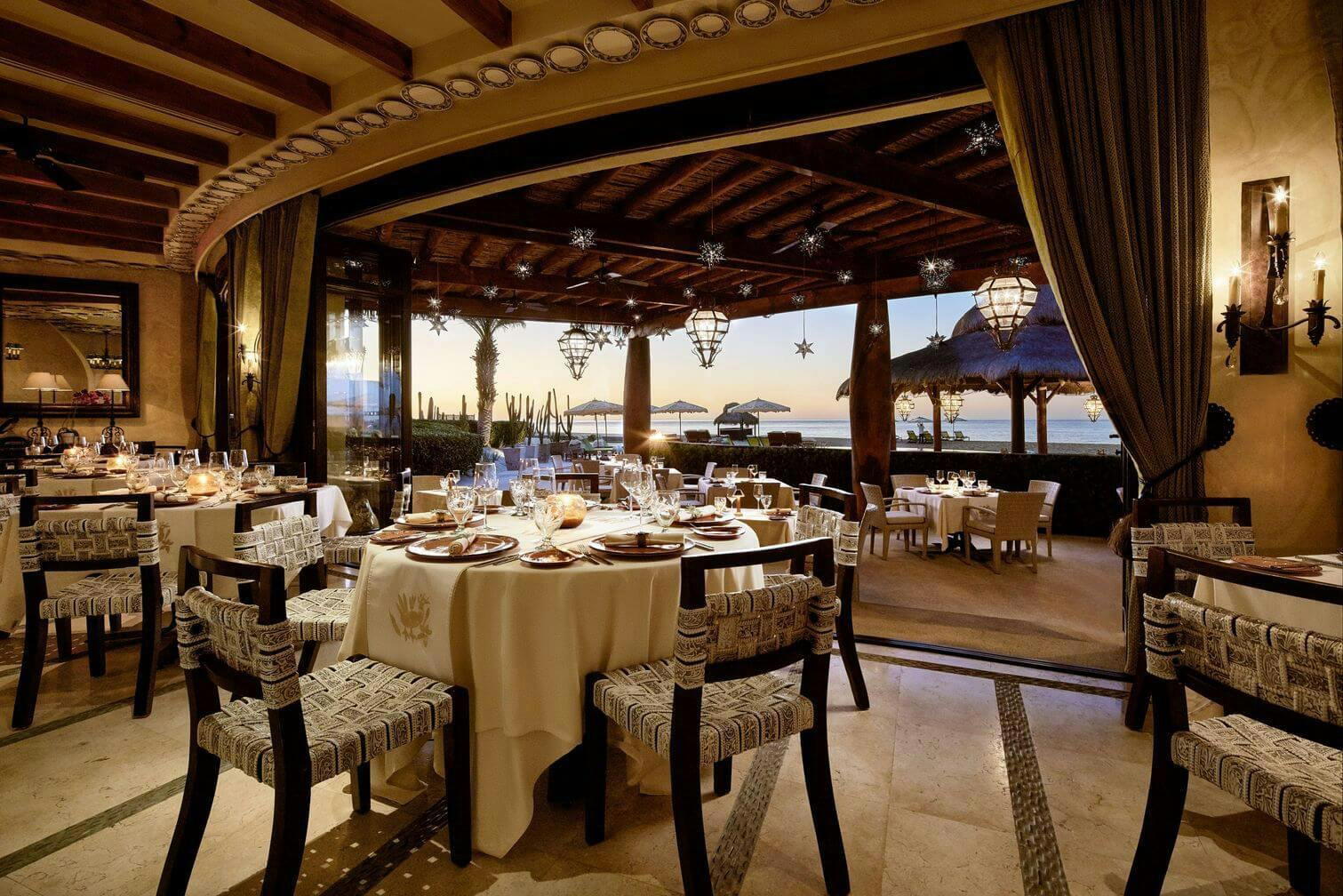
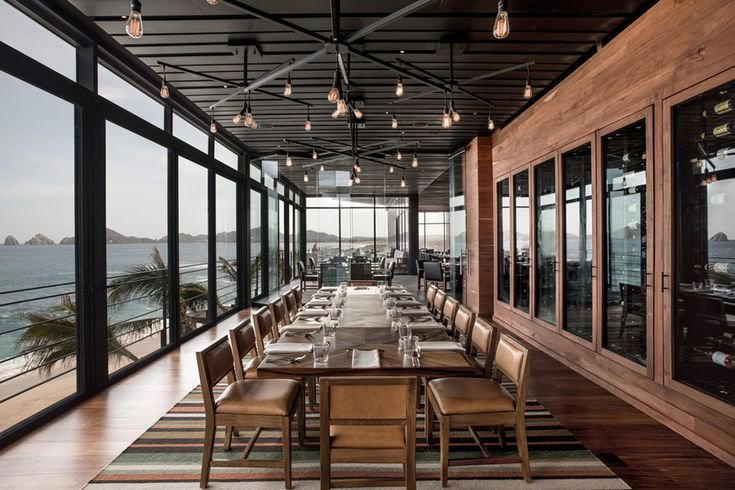
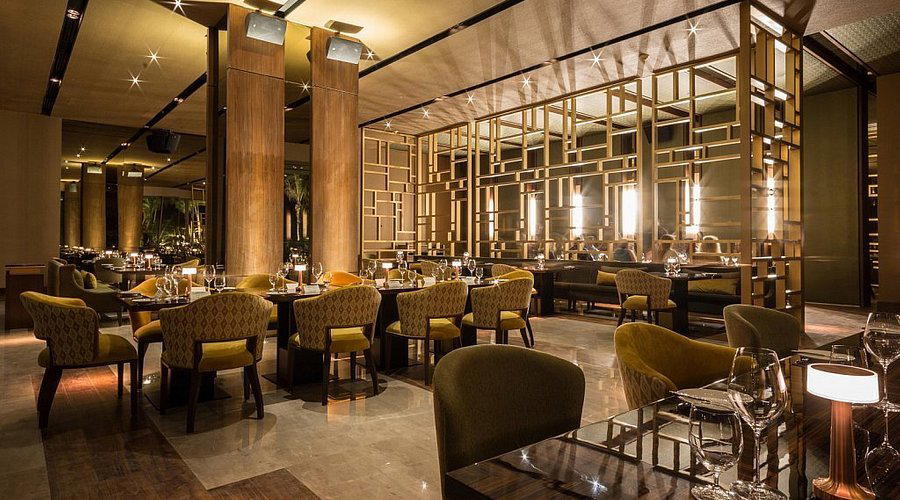
Elegant and serene with soothing color schemes, indoor-outdoor flow, lush private gardens, and calming ocean-inspired lighting that evokes traditional Mexican haciendas.