Ace Hotel New York

Positioned between the formality of Midtown and the energy of Flatiron, Ace Hotel New York at 20 W 29th St occupies a different tier than the city's heritage luxury properties. Its model favours creative community over white-glove service, drawing a design-literate crowd to a NoMad address that has aged into genuine neighbourhood relevance since the property opened in 2009.
Pearl is the En Primeur Club membership app — saves, bookings, and concierge access live there. Same editors, same standards.
- Address
- 20 W 29th St, New York, NY 10001
- Phone
- +1 212 679 2222
- Website
- acehotel.com
- Directions
- Get directions
 Saves & bookings on Pearl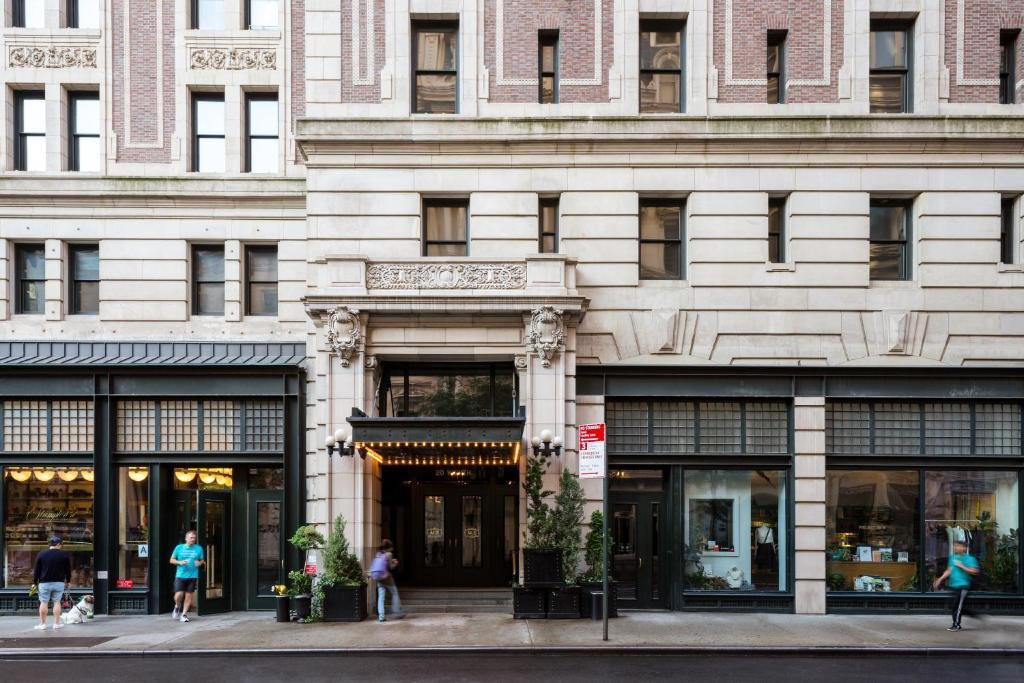
NoMad Before NoMad Had a Name
When Ace Hotel opened at 20 West 29th Street in 2009, the stretch of Broadway between Madison Square Park and the Garment District had no particular identity. The hotel did not follow a neighbourhood; it helped manufacture one. That pattern, repeated in cities from Portland to London, defines what the Ace format has always been: a bet on undervalued urban fabric, placed early enough that the surrounding blocks eventually reshape themselves around the anchor. Today, NoMad is a recognised dining and design district, and the hotel sits at its northern edge as a reference point rather than an outlier.
That origin matters because it explains why the property reads differently from comparable-era boutique competitors. The goal was never to serve the existing neighbourhood; it was to attract a creative cohort that would then draw restaurants, bars, and studios into proximity. For travellers comparing options across Manhattan, understanding that distinction separates Ace from properties whose identity derives from a pre-existing postcode. For a deeper survey of where this hotel sits within New York's wider hospitality offer, our full New York City restaurants guide maps the city's most considered addresses by neighbourhood and category.
The Lobby as Programming Space
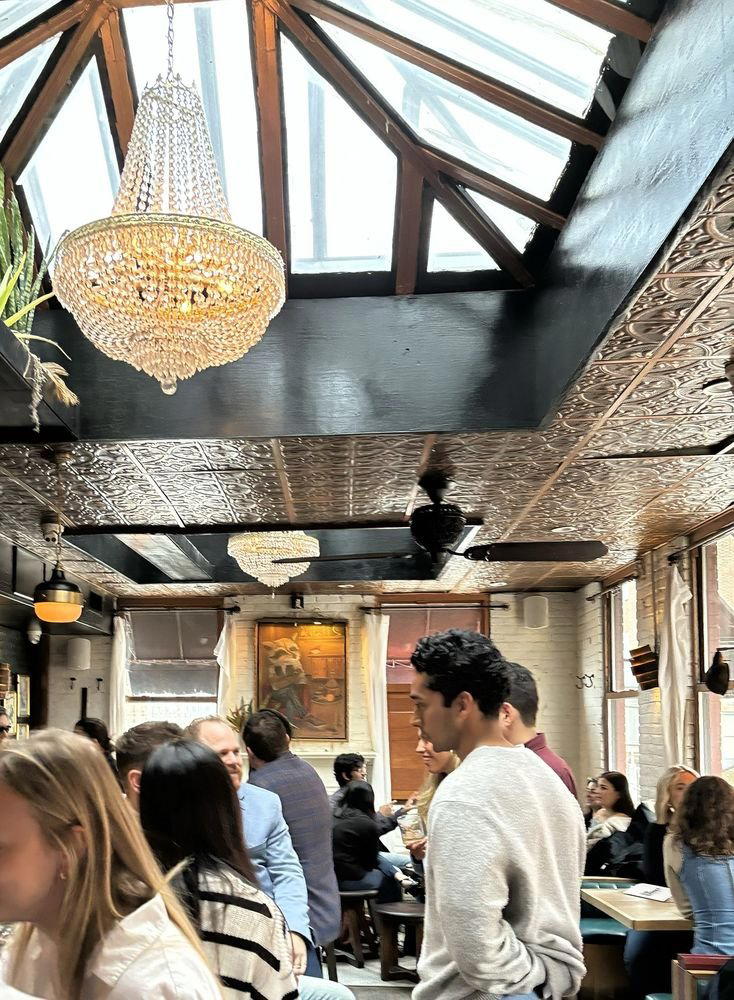
The entrance on 29th Street drops you into a lobby that functions as a semi-public room rather than a private threshold. This is deliberate, and it remains one of the more debated decisions in American boutique hotel design. The lobby's open character, with its communal tables, independent coffee counter, and rotating creative programming, means the hotel does not draw a clean line between guests and the surrounding neighbourhood. Locals work here. Students occupy corners for hours. The energy on a weekday afternoon is closer to a well-curated co-working space than a hotel lobby in the conventional sense.
The tension this creates is worth naming honestly: guests seeking a quieter residential atmosphere may find the ground floor too permeable. Those who appreciate a hotel as a living room for the city will find it one of the more genuinely animated spaces in Midtown South. The model has influenced a generation of lifestyle properties that followed, though few have replicated the scale of community engagement at the original New York address.
Where the Team Dynamic Shows
Ace properties have consistently operated with a flat, cross-functional staff culture that blurs the traditional hierarchy between front desk, food and beverage, and events programming. At the New York location, this shows in the coordination between the lobby coffee operation, the in-house bar, and the rotating programming calendar. The connective tissue across these functions is not a single directorial figure but a team structure that keeps the lobby experience consistent across long shifts and seasonal programming changes.
That collaborative model is not universal in New York hospitality, where many full-service hotels run food, beverage, and rooms as near-independent P&L; units with limited coordination. The Ace approach produces a more unified atmosphere at the cost of some of the specialisation that a dedicated restaurant team or sommelier-led beverage program might bring. For guests whose primary interest is the hotel's food and drinks offer rather than the room or lobby culture, this is worth factoring into the choice. Properties like The Greenwich Hotel in TriBeCa or Crosby Street Hotel in SoHo operate more traditional full-service models where the restaurant team functions as a separate, credentialed unit.
Room Character and What to Expect
The guest rooms at Ace New York were designed in the hotel's original 2009 fit-out with a salvage-and-craft aesthetic that was then genuinely unconventional and has since been widely imitated. Wood surfaces, vintage-influenced fixtures, and a compressed layout reflect a philosophy that prioritised character over square footage. The rooms are not large by Manhattan luxury standards, and that trade-off is conscious: the property was conceived around public and semi-public spaces as the primary offer, with rooms functioning as private retreats within a larger social environment.
For guests accustomed to the room-forward model of properties like The Mark on the Upper East Side or The Carlyle, A Rosewood Hotel, the spatial logic at Ace operates differently. The room is not where the experience concentrates. If that distinction sounds like a limitation, it probably is for that guest. If it sounds like a reasonable arrangement for someone who spends most waking hours outside the room, it is genuinely efficient.
Position in the New York Boutique Market
New York's boutique hotel market in 2024 spans a wide range: from asset-light lifestyle plays targeting short stays and social media reach, to design-led independents with serious hospitality programs, to legacy properties whose identity is inseparable from neighbourhood history. Ace New York occupies a distinct position in that field as an early-era lifestyle property that predates the current wave of soft-branded independents and has a fifteen-year track record on a specific block.
Nor is it The Fifth Avenue Hotel or The Whitby Hotel, whose programming centres on curated quietude rather than creative activation. The closer comparators are properties like The Ludlow on the Lower East Side or Ace's own Brooklyn outpost, which share the accessible-creative positioning but differ in neighbourhood character and guest mix.
For travellers building a broader US itinerary, the Ace model connects to a recognisable cohort of design-forward independents at various price points. Troutbeck in Amenia applies a similar community-programming sensibility to a Hudson Valley inn format. SingleThread Farm Inn in Healdsburg sits at the opposite end of the formality spectrum but shares the premise that a hotel's character derives from its programming as much as its rooms. 1 Hotel San Francisco occupies a similar lifestyle tier on the West Coast. Further afield, Raffles Boston and Post Ranch Inn in Big Sur illustrate how differently the boutique-independent format can resolve across markets and geographies.
Planning a Stay
The hotel address at 20 West 29th Street places guests within walking distance of Madison Square Park, the Flatiron Building, and the concentration of dining along Broadway and Park Avenue South that has made NoMad one of Manhattan's denser restaurant neighbourhoods. Subway access via the N/R/W at 28th Street and the 1 at 28th Street keeps Midtown, Chelsea, and lower Manhattan within short transit reach. Booking through the hotel's direct channels typically offers the most flexibility on room selection and any available programming. Guests arriving during peak season or major trade events (the area draws fashion and tech industry traffic) should confirm availability several weeks in advance, as the property's size and price positioning keep demand relatively consistent across the year.
Recognition history
Dated appearances from independent guides and award organizations, with the underlying list record or original source where available.
Michelin Selected
Michelin
Continue exploring
More in New York City
Hotels in New York City
Browse all →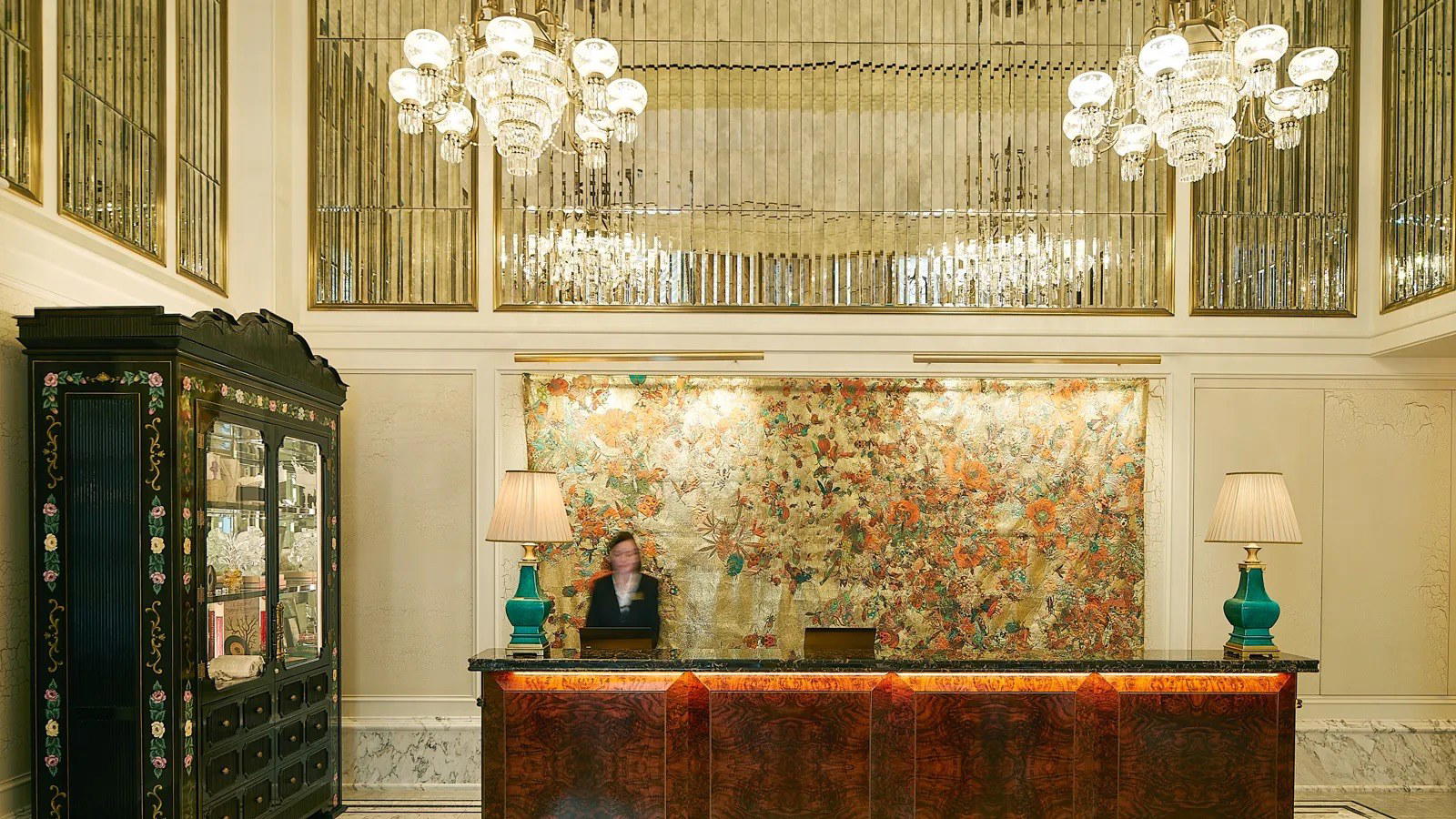
Bars in New York City
Browse all →
Restaurants in New York City
Browse all →
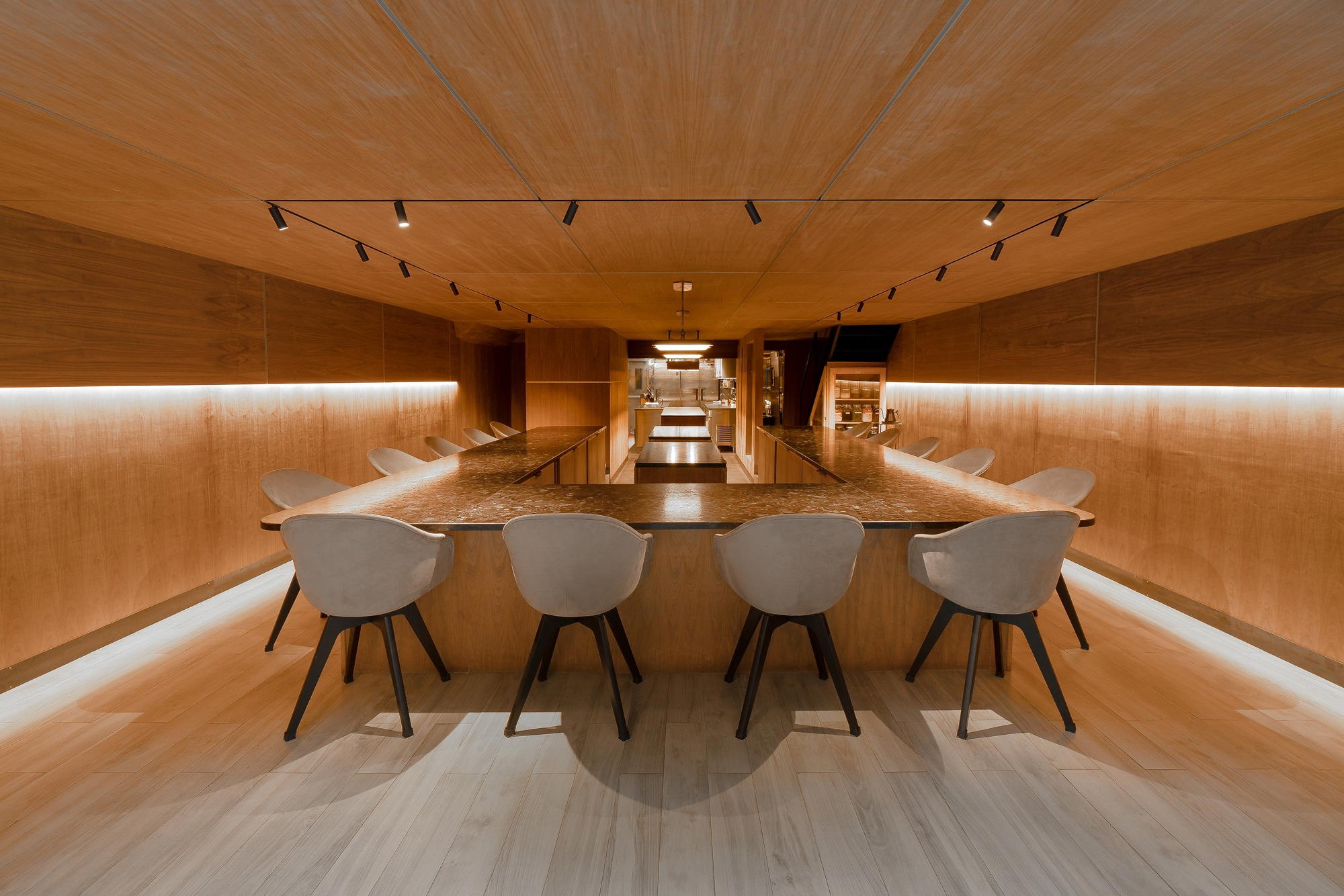
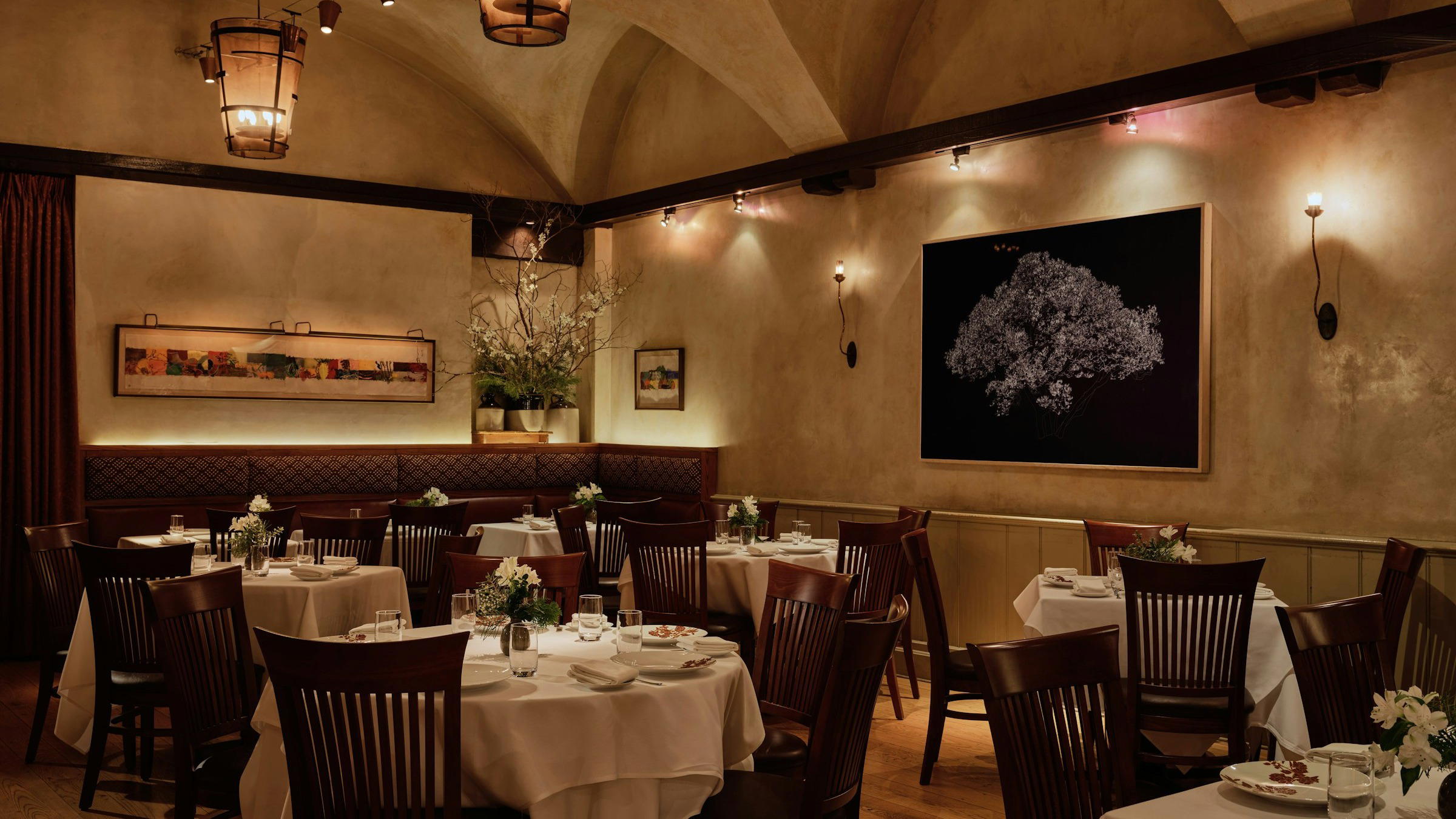
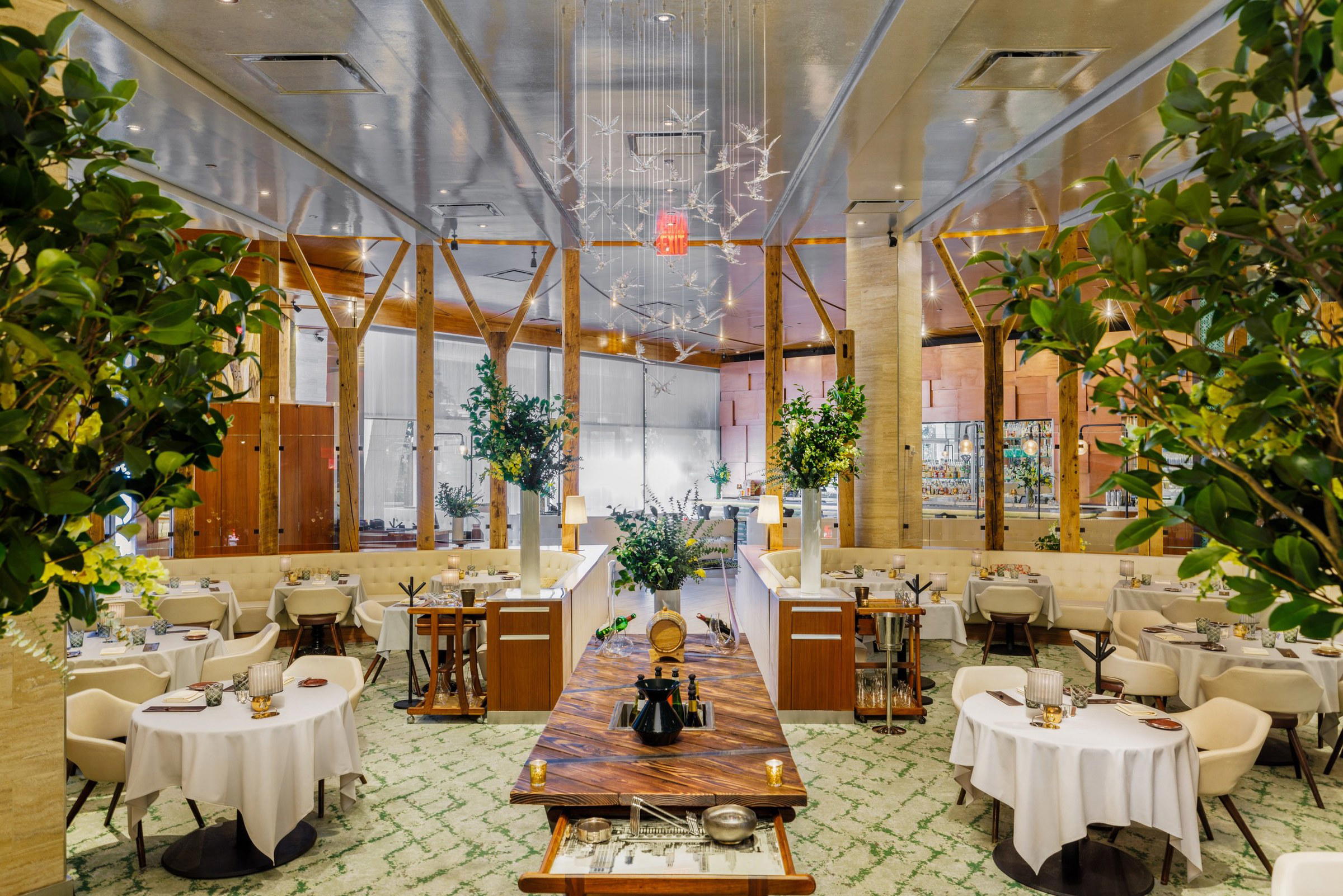
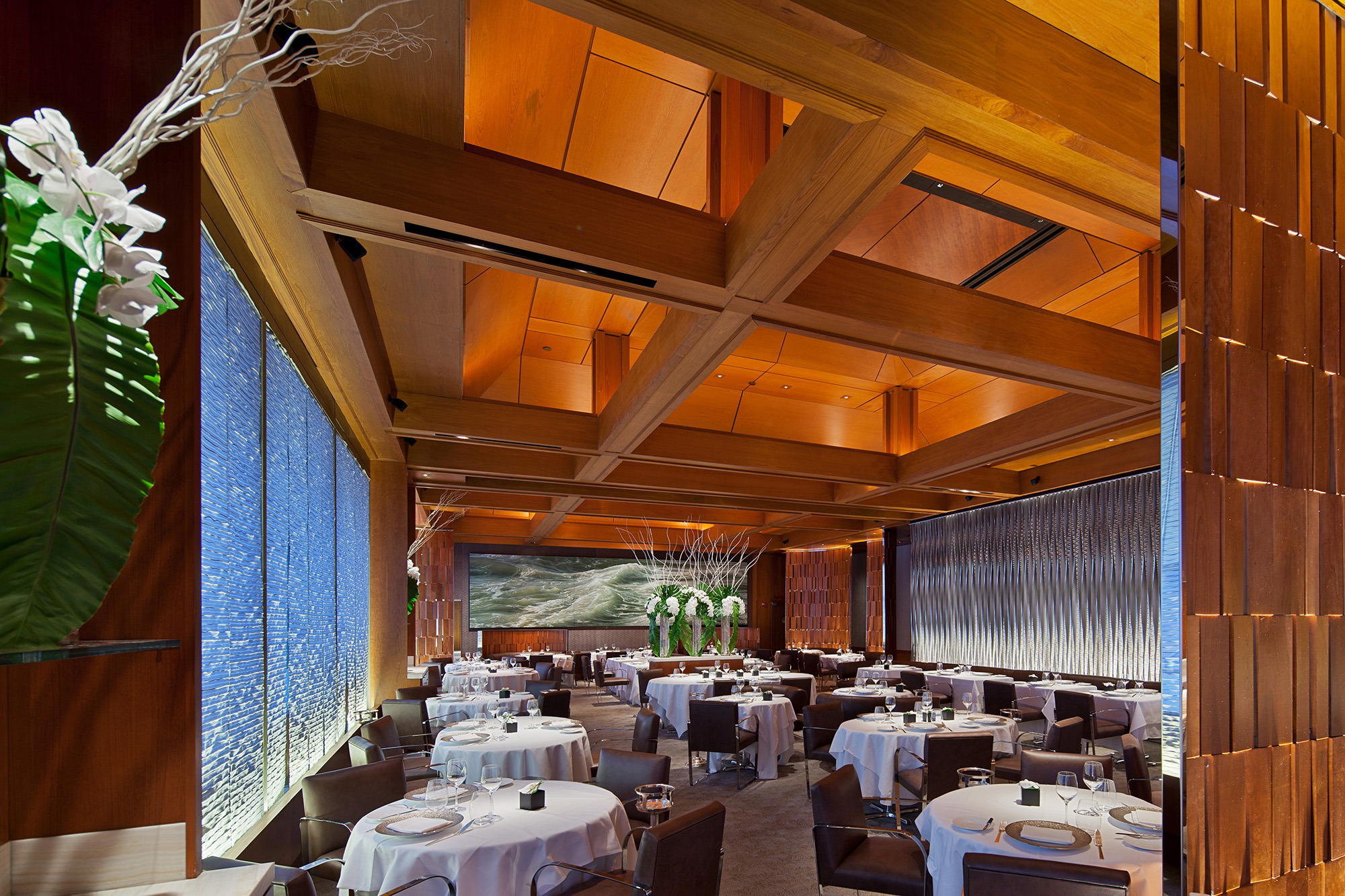




At a Glance
- Trendy
- Modern
- Industrial
- Bohemian
- Business Trip
- Weekend Escape
- Historic Building
- Design Destination
- Wi Fi
- Fitness Center
- Street Scene
- Wi Fi
- Fitness Center
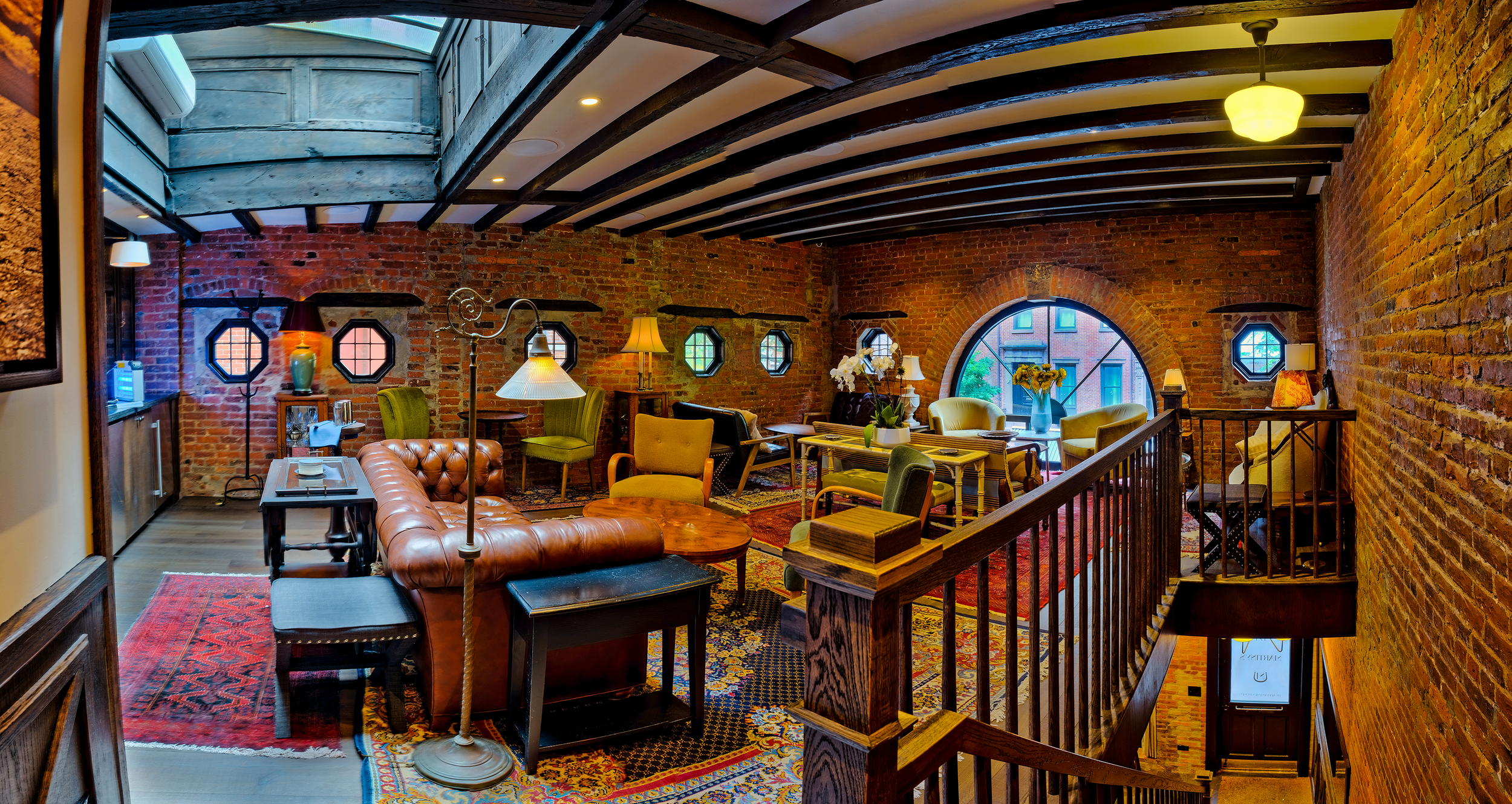
Moody and soulful with industrial-vintage design, exposed historic elements, deep hues, plaids, and a lively communal lobby atmosphere.