Uchiko Austin
Uchiko Austin occupies a converted house on North Lamar that has become one of the city's most closely watched Japanese-inspired dining addresses. A sibling to the original Uchi, the restaurant has tracked Austin's evolution from regional curiosity to a city with genuine national dining ambition. The kitchen works a format that sits between precise omakase discipline and a more accessible sharing-plates approach.
 Discover on Pearl
Pearl is the En Primeur Club membership app — saves, bookings, and concierge access live there. Same editors, same standards.
- Address
- 4200 N Lamar Blvd, Austin, TX 78756
- Phone
- +1 512 916 4808
- Website
- uchiko.uchirestaurants.com
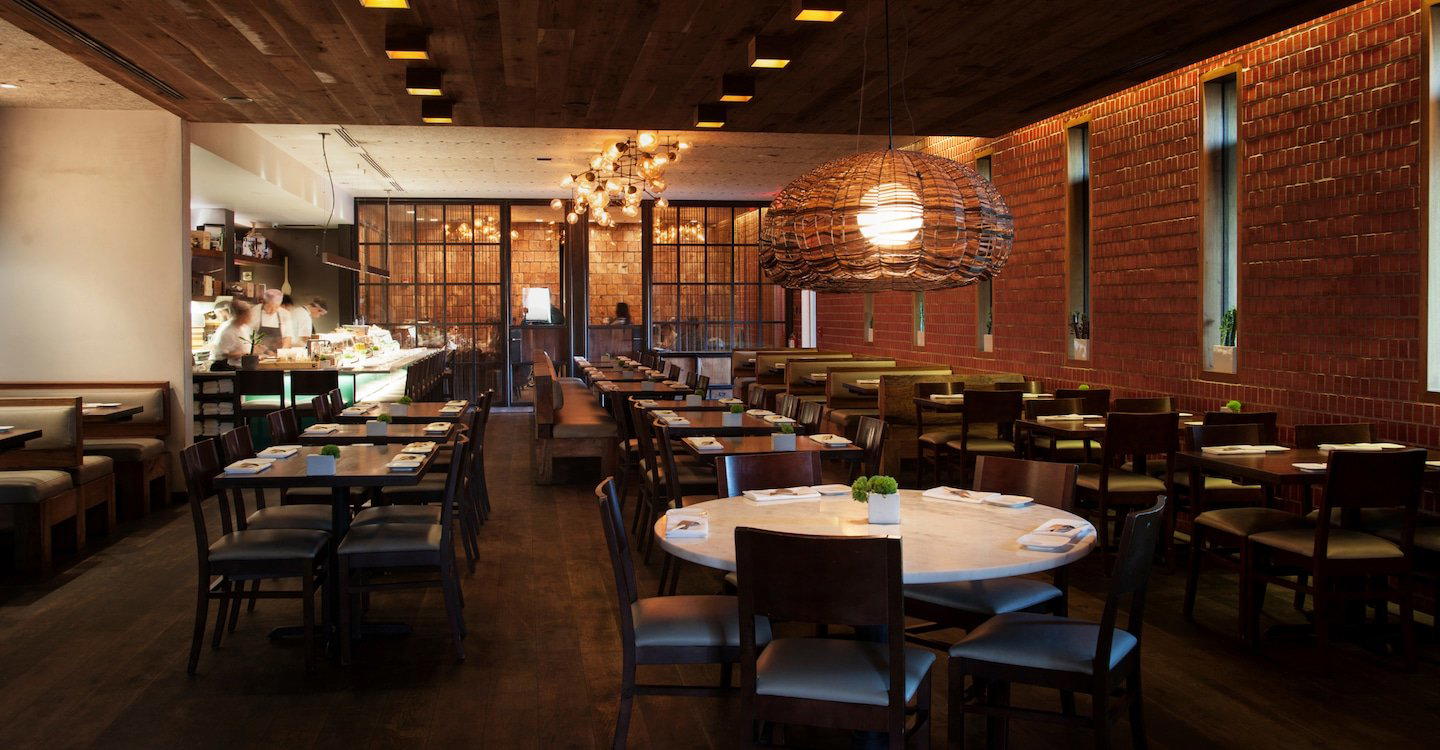
North Lamar's Shifting Dining Register
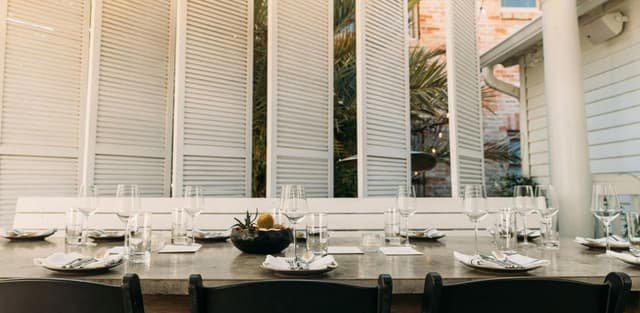
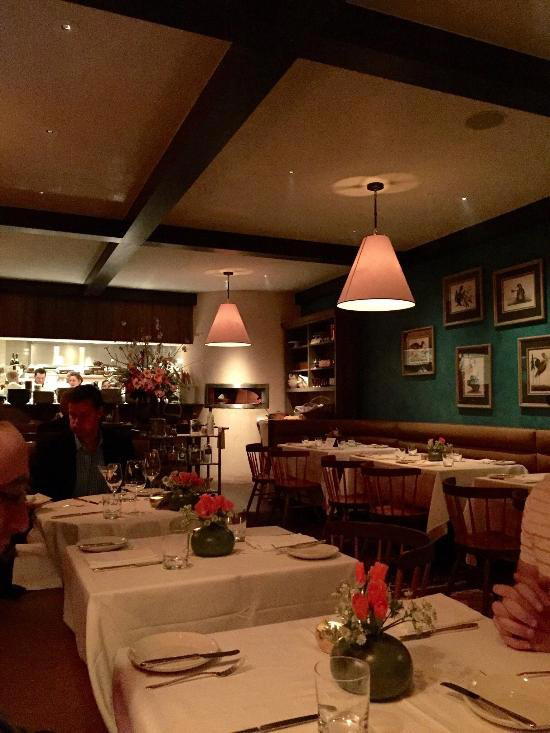
The stretch of North Lamar Boulevard around the 4200 block has followed a familiar arc in Austin's recent development: mid-century residential stock converted into restaurants with enough design credibility to attract a self-conscious dining public. Within that context, Uchiko sits at the more deliberate end of the spectrum. Where many conversions on the corridor lean into salvaged-wood warmth as a default aesthetic, this address has maintained a quieter restraint that signals its ambitions sit with the food rather than the room's theatrics.
That positioning matters because Austin's Japanese-influenced dining scene has grown considerably more competitive over the past decade. What was once a relatively thin category of options has broadened to include omakase counters, izakaya-format rooms, and fast-casual ramen operations, all competing for different slices of the same general interest in Japanese technique. Uchiko occupies the upper-middle register of that spectrum: more flexible in format than a strict omakase, more precise in execution than the broader izakaya category.
The Evolution of a Format
Uchiko's relationship to its sibling restaurant, Uchi, is worth understanding as a context for how the venue has been positioned over time rather than as a founding story. When the second address opened on North Lamar, the implicit brief was differentiation: same Japanese-influenced foundation, different creative latitude. In practice, that has meant a menu that moves further from traditional Japanese reference points and incorporates more lateral culinary influences while keeping Japanese technique as the underlying grammar.
That creative latitude has widened as Austin's dining public has become more internationally literate. A menu that felt adventurous in its early years now reads as a logical expression of where serious American restaurants with Japanese foundations have generally arrived: a fluency with fermentation, a preference for clean acid over richness, and a willingness to put vegetable preparations at the same table as fish-forward courses. The kitchen's current direction reflects that evolution rather than a single dramatic reinvention.
This pattern is not specific to Austin. Across the American restaurant landscape, the Japanese-influenced fine-casual format has matured from novelty to category. Venues operating in this space now compete on consistency and depth of technique rather than the initial surprise of the format itself. Uchiko's longevity in Austin's market is an indicator of how well the kitchen has held technical standards through several cycles of local competition.
Where It Sits in the Austin Dining Conversation
Austin's premium dining tier has compressed upward in price and ambition since roughly 2015, driven by population growth, an influx of food-media attention, and the arrival of national restaurant groups testing Texas concepts. Within that shift, independently operated venues with genuine culinary depth have had to work harder to maintain relevance against better-capitalized competitors.
Uchiko has managed that transition more successfully than several of its contemporaries from the same era. Part of that is category positioning: Japanese-influenced technique has proved durable in ways that some trend-driven Austin formats have not. Part of it is the sharing-plates format, which allows the kitchen to rotate dishes in response to seasonal availability without the structural commitment of a fixed tasting menu. That flexibility is a practical advantage in a city with strong year-round produce supply from the Hill Country and Gulf Coast protein sources that shift with season.
For a broader map of where Austin's drinking culture intersects with its dining ambitions, the bar program at Nickel City represents one axis of the city's no-pretense approach, while Aba Austin and 2500 E 6th St map different points on the cocktail-forward dining spectrum. Uchiko's bar program occupies a more considered position within its category, with Japanese spirits and sake references that extend the kitchen's thematic coherence into the glass. See our full Austin restaurants guide for a wider map of the city's current dining options.
Technique and Seasonal Timing
The sharing-plates format means the menu reads differently depending on when you visit. Late spring and early autumn tend to be the most rewarding windows in Austin's culinary calendar, when local produce is at its most varied and the kitchen has more to work with beyond the reliable Gulf seafood that anchors the menu year-round. Summer heat compresses certain local growing windows, which shifts the kitchen's sourcing toward protein-forward plates. Winter brings a quieter, more focused menu that tends to highlight fermentation and aged preparations.
This seasonal rhythm is consistent with how comparable Japanese-influenced restaurants across American cities have structured their menus. At venues like Kumiko in Chicago, the integration of Japanese technique with local seasonal supply has become a defining characteristic of the format. The same logic applies in Pacific markets: Bar Leather Apron in Honolulu demonstrates how Japanese craft references translate into a local hospitality idiom. Uchiko operates in that same conceptual space, translating Japanese precision into a Central Texas context.
The comparison extends further along the Gulf Coast and into the broader South. Julep in Houston and Jewel of the South in New Orleans represent the depth of craft ambition that now characterizes the southern tier of American premium hospitality. In this company, Uchiko reads as one of the Austin addresses that has maintained its technical standards over a sustained period rather than peaking and drifting.
For readers tracking how Japanese-influenced programs have evolved in other major American markets, Superbueno in New York City, ABV in San Francisco, and The Parlour in Frankfurt on the Main each map a different regional interpretation of the precision-driven hospitality ethos that venues like Uchiko helped establish in their respective cities. Antone's Nightclub marks the opposite end of Austin's hospitality register, a reminder that the city's identity remains genuinely plural.
Know Before You Go
- Address: 4200 N Lamar Blvd, Austin, TX 78756
- Neighbourhood: North Loop / North Lamar corridor
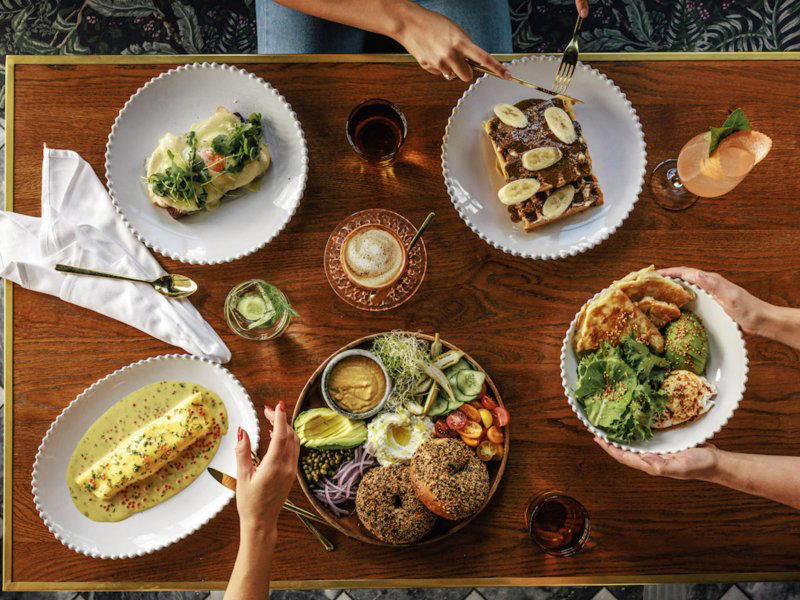
- Format: Japanese-influenced sharing plates; suitable for groups of two to six
- Reservations: Strongly advisable, particularly Thursday through Saturday evenings; check the venue website directly for current availability
- Leading season: Late spring and early autumn offer the broadest seasonal menu range
- Drinks program: Japanese spirits, sake, and a cocktail list that extends the kitchen's thematic approach
- Parking: Street parking available on N Lamar; lot access adjacent to the venue
Peers You’d Cross-Shop
Comparable venues nearby, for context on price, style, and recognition.
| Venue | Cuisine | Price | Notes |
|---|---|---|---|
| Uchiko AustinThis venue — the venue you are viewing | cocktail_bar | $$$ | |
| The Dead Rabbit, Austin | pub | $$$ | Congress Ave District |
| IYKYK | speakeasy | $$$ | East Side |
| Cheer Up Charlies | cocktail_bar | $$ | Red River District |
| WU Chow - Downtown | cocktail_bar | $$$ | Warehouse District |
| Batch Craft Beer & Kolaches | beer_bar | $$ | RMMA |
Continue exploring
More in Austin
Bars in Austin
Browse all →
Restaurants in Austin
Browse all →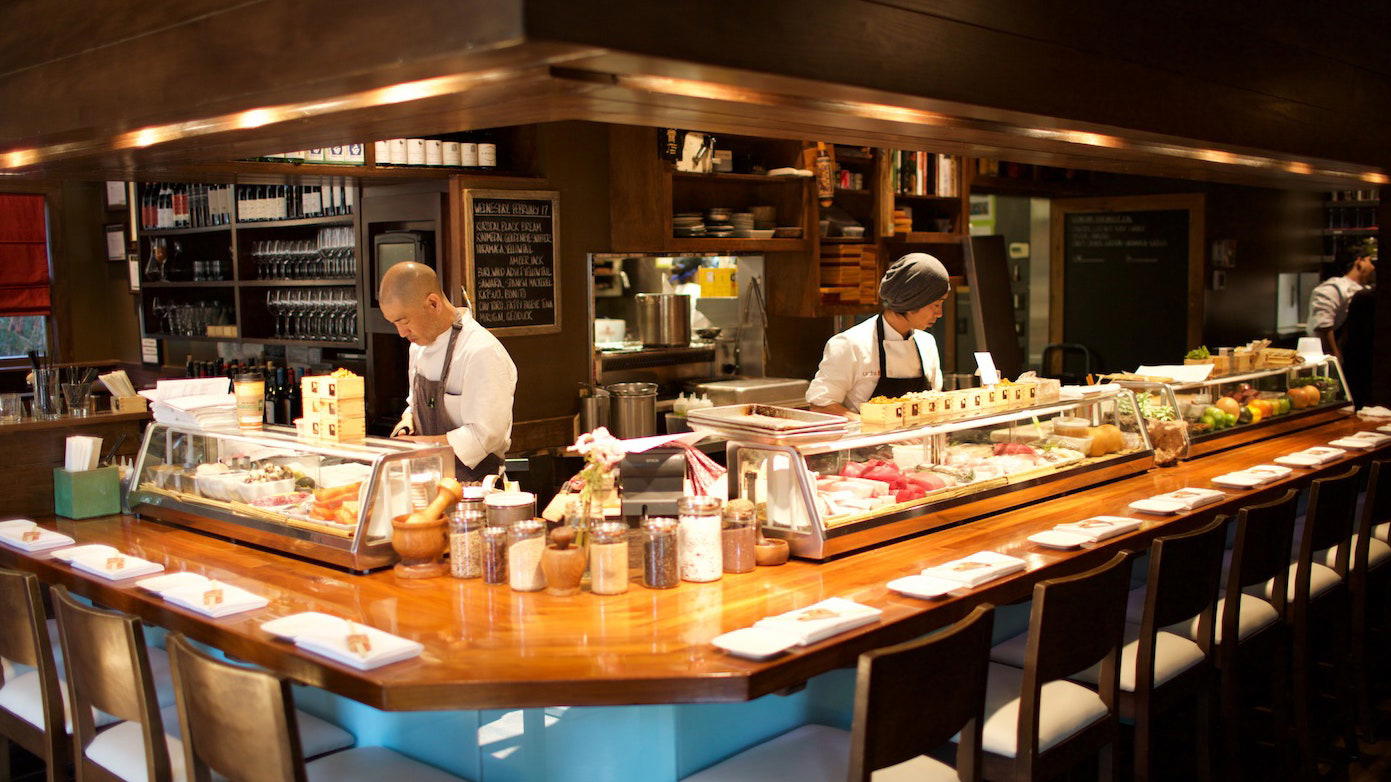
Hotels in Austin
Browse all →


At a Glance
- Elegant
- Modern
- Cozy
- Sophisticated
- Date Night
- Special Occasion
- Group Outing
- Design Destination
- Lounge Seating
- Booth Seating
- Craft Cocktails
- Sake
- Zero Proof
- Low Abv
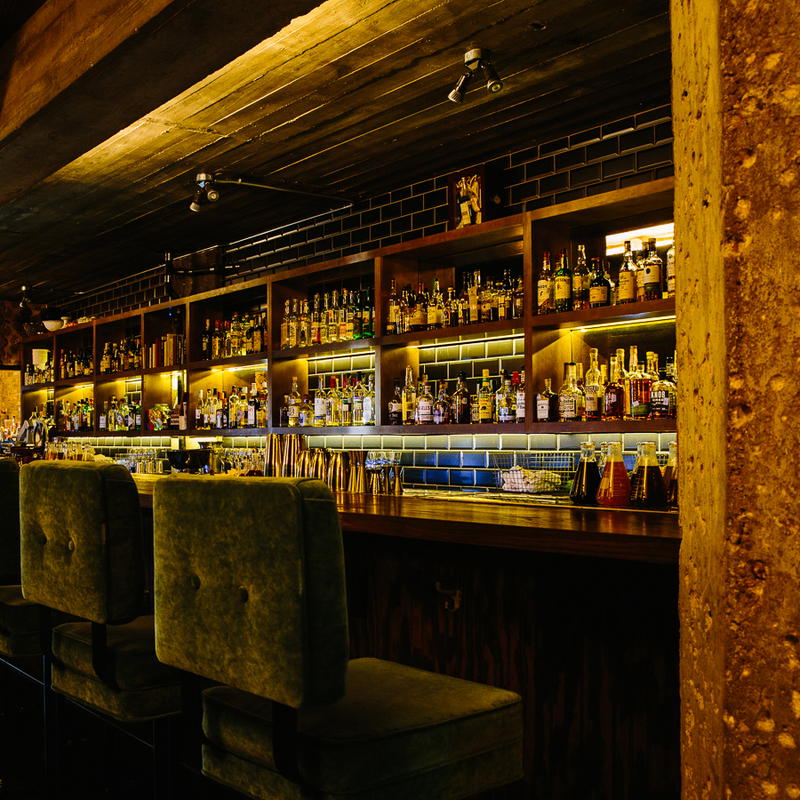
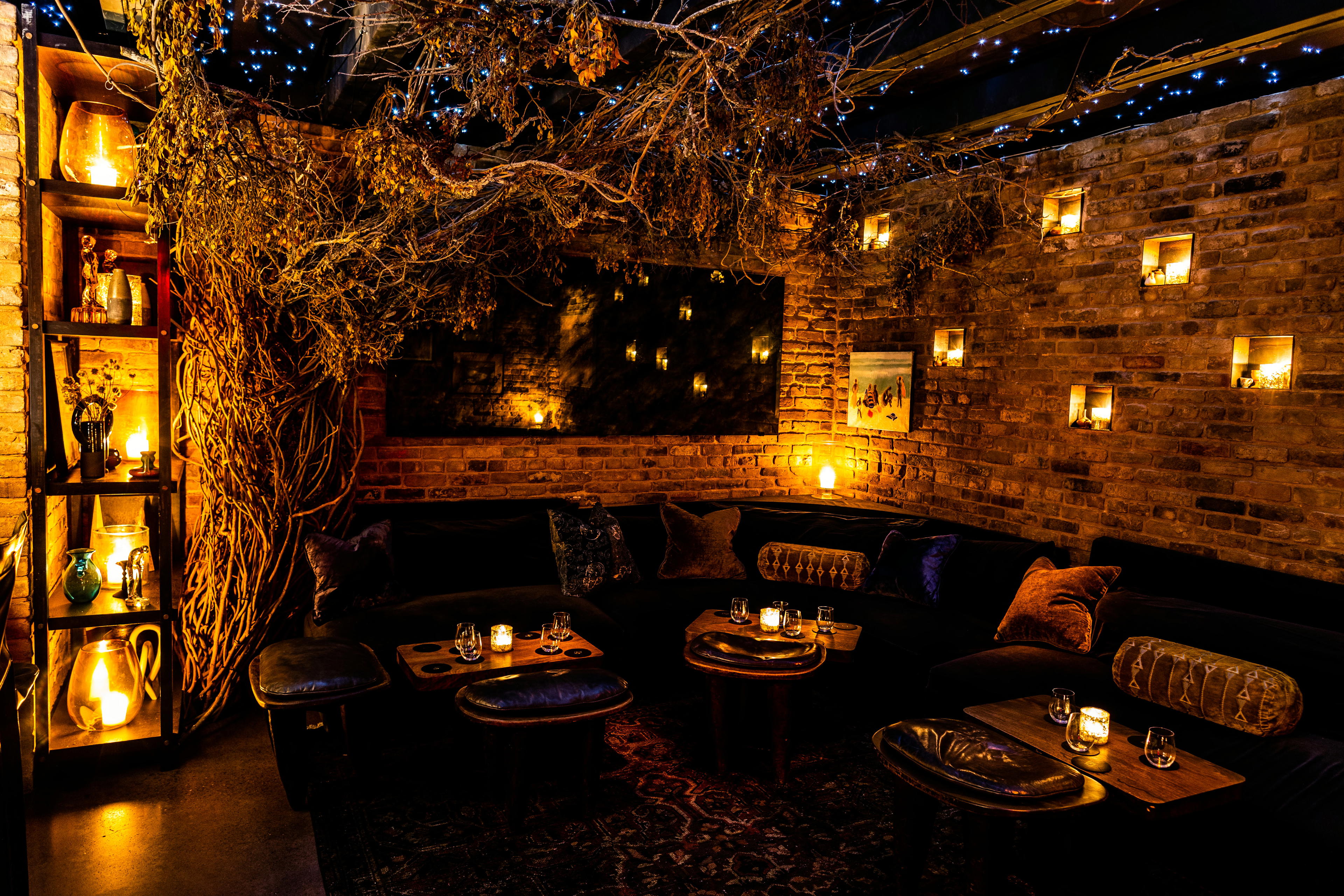
Warm farmhouse aesthetic with crafted materials and energetic atmosphere.