The Dead Rabbit, Austin
The Dead Rabbit's Austin outpost lands on East 6th Street, bringing the New York original's Irish pub-meets-craft cocktail format to one of Texas's most competitive bar corridors. Located at 204 E 6th St, the venue sits inside a stretch defined by late-night volume and competing cocktail ambition. Expect the layered menu architecture and historical drink research that built the brand's international reputation.
Pearl is the En Primeur Club membership app — saves, bookings, and concierge access live there. Same editors, same standards.
- Address
- 204 E 6th St, Austin, TX 78701
- Phone
- +1 737 530 8830
- Website
- thedeadrabbittx.com
- Directions
- Get directions
 Saves & bookings on Pearl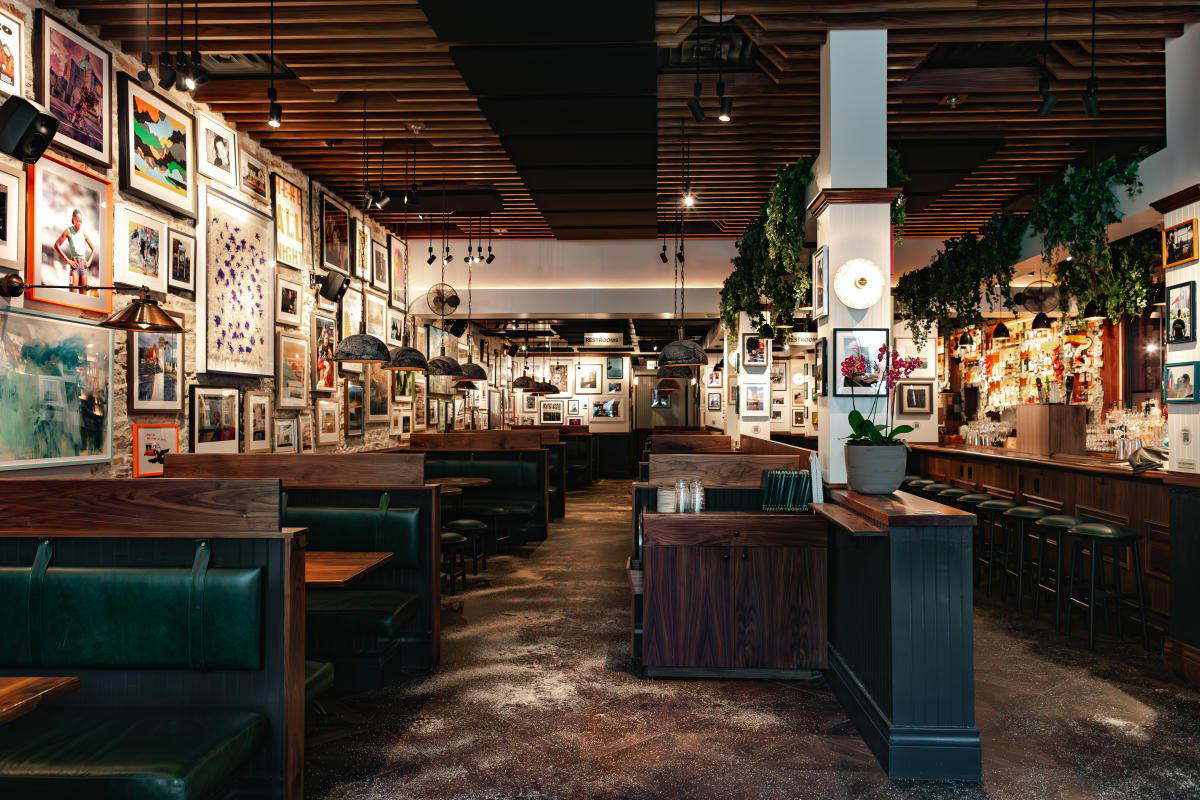
East 6th and the Weight of a Name
Arriving on East 6th Street in Austin, the sensory register is immediate: the corridor hums with foot traffic from early evening onward, neon reflects off wet pavement after summer storms, and the competition for attention is relentless. Into this environment, The Dead Rabbit has planted itself at 204 E 6th St, a deliberate choice given that this block sits at the intersection of Austin's most concentrated late-night bar culture and a growing appetite for technically serious cocktail programs. The address alone signals intent. This is not a quiet side-street experiment; it is a direct entry into among the more contested drinking corridors in the South.
The Dead Rabbit name carries documented weight. The original New York location earned recognition across the industry's most credible ranking systems, and that pedigree travels with the brand to Austin. For a city whose bar scene has matured significantly over the past decade, the arrival of a concept with that kind of institutional history creates a specific kind of pressure: the room has to live up to a reputation built thousands of miles away, inside a market that already has strong local contenders across multiple formats.
Austin's Cocktail Corridor and Where This Venue Fits
East 6th Street has undergone a gradual but legible shift. What was once a strip defined almost entirely by high-volume bar formats and cover bands has developed pockets of genuine craft ambition. Nickel City holds a reliable position in Austin's mid-range cocktail conversation, and 2500 E 6th St represents the kind of format experimentation that the corridor now accommodates. The Dead Rabbit at 204 E 6th sits inside this evolution, representing a third current: the nationally branded craft bar importing an established identity rather than building one from scratch locally.
This is a model with precedent elsewhere. Across the United States, bars with strong flagship reputations have expanded into secondary markets, and the results vary based on whether the physical environment and local programming can carry the original's editorial weight. Comparisons to Jewel of the South in New Orleans or Kumiko in Chicago are instructive: both of those venues built reputations through deep local rootedness and culinary-grade ingredient sourcing. The Dead Rabbit Austin arrives with a different starting position, one defined by brand recognition rather than grassroots scene-building, and the question for visitors is how that translates to the physical experience at this specific address.
The Sustainability Angle: Ingredient Ethics in a Craft Bar Context
The broader shift in serious cocktail programming, across cities from ABV in San Francisco to Bar Leather Apron in Honolulu, has moved decisively toward ethical sourcing, waste reduction, and ingredient transparency. Bars operating at the premium end of the market now face scrutiny not just on what is in the glass but on how it was produced and what was discarded in the process. Citrus yields, spent grain, surplus produce from kitchen programs, and the carbon footprint of imported spirits have all entered the conversation in ways that would have seemed marginal a decade ago.
For a venue like The Dead Rabbit Austin, which inherits a brand identity built on historical research and layered Irish-American drinking culture, the sustainability question becomes particularly textured. The original format's commitment to detailed menu research and ingredient specificity creates a natural framework for sourcing discipline. Whether that discipline extends to waste-reduction protocols, local ingredient partnerships, or supplier transparency at the Austin location is something the venue's operational choices will determine over time. What is clear from the wider category trend is that cocktail bars operating in the upper tier of any market are increasingly expected to articulate those choices, not simply to perform craft through technique.
Austin's food and beverage culture has shown genuine appetite for this kind of accountability. The farm-to-table framework that reshaped the city's restaurant scene over the past fifteen years has begun migrating into its bar programs, with local distilleries, Texas-grown citrus, and low-intervention spirits all finding placement on menus that previously defaulted to major national brands. A venue arriving with the Dead Rabbit's level of brand recognition has the platform to advance that conversation meaningfully, or to sidestep it in favor of format replication. The choice matters to a local audience that is increasingly alert to the difference.
Peer Context: Placing Austin Against Other Markets
The national cocktail bar tier that The Dead Rabbit occupies in New York has equivalents in other cities, and those equivalents are useful reference points for understanding what the Austin location is calibrating against. Superbueno in New York City demonstrates how ingredient-forward programming can carry a strong point of view without replicating a heritage format. Julep in Houston shows how a Southern city with its own drinking culture can sustain a cocktail bar with genuine editorial identity. Aba Austin and Antone's Nightclub illustrate Austin's own range: from polished Mediterranean hospitality to deep-rooted music venue culture.
Further afield, The Parlour in Frankfurt on the Main represents the European version of the same challenge: how a serious cocktail program maintains identity inside a city with an established and opinionated drinking culture. The Dead Rabbit Austin enters that same kind of environment, one where the locals have strong existing loyalties and where a new entrant's credibility is earned through consistency rather than assumed through brand heritage.
Cost and Credentials
Comparable venues nearby, for context on price, style, and recognition.
| Venue | Cuisine | Price | Notes |
|---|---|---|---|
| The Dead Rabbit, AustinThis venue — the venue you are viewing | Congress Ave District, pub | $$$ | Not listed |
| Soto | Not listed | $$$ | Zilker, sake_bar |
| Justine's | Not listed | $$$ | Govalle, cocktail_bar |
| Speakeasy | Downtown, speakeasy | $$$ | Not listed |
| Rosie's Wine Bar | Not listed | $$$ | Old West Austin, wine_bar |
| APT 115 | Not listed | $$$ | East Austin, wine_bar |
Continue exploring
More in Austin
Bars in Austin
Browse all →
Restaurants in Austin
Browse all →
Hotels in Austin
Browse all →
At a Glance
- Lively
- Well Known
- Elegant
- Energetic
- Date Night
- Late Night
- Group Outing
- Casual Hangout
- Live Music
- Historic Building
- Seated Bar
- Standing Room
- Booth Seating
- Classic Cocktails
- Craft Cocktails
- Whiskey
Current opening hours
- Monday
- 12 PM–1 AM
- Tuesday
- 12 PM–2 AM
- Wednesday
- 12 PM–2 AM
- Thursday
- 12 PM–2 AM
- Friday
- 12 PM–2 AM
- Saturday
- 11 AM–2 AM
- Sunday
- 11 AM–1 AM
Hours can change for holidays and private events. Last verified .
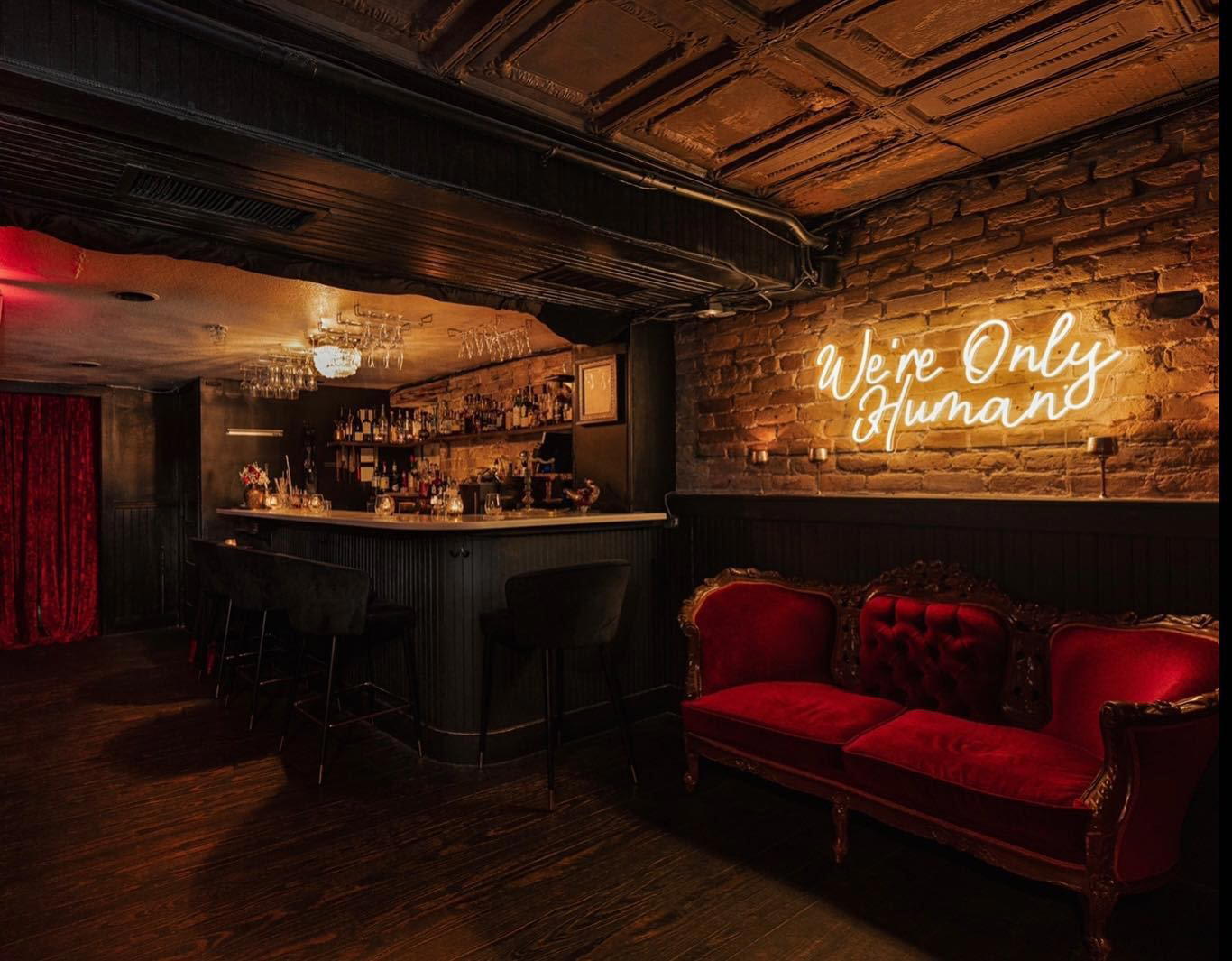
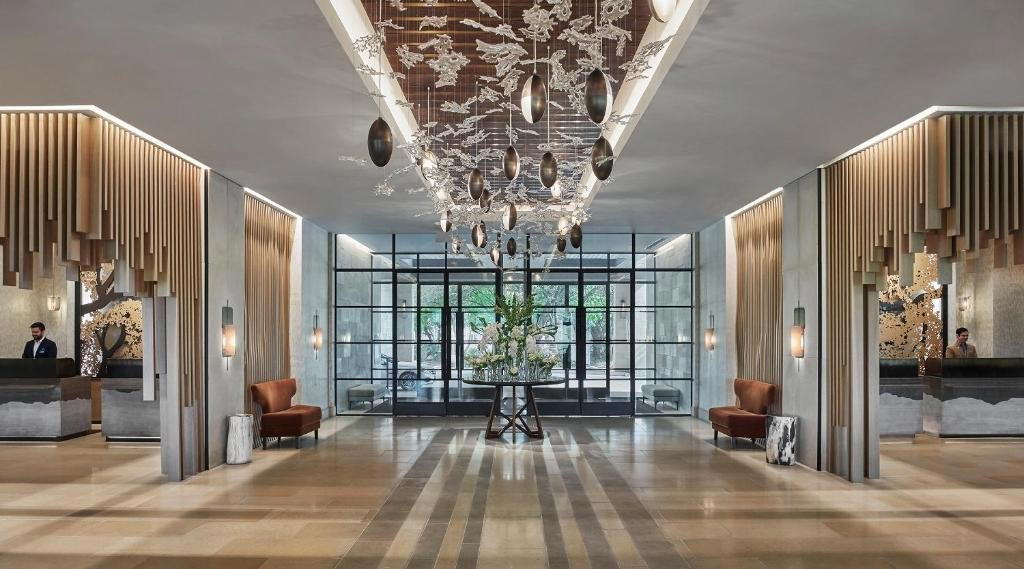
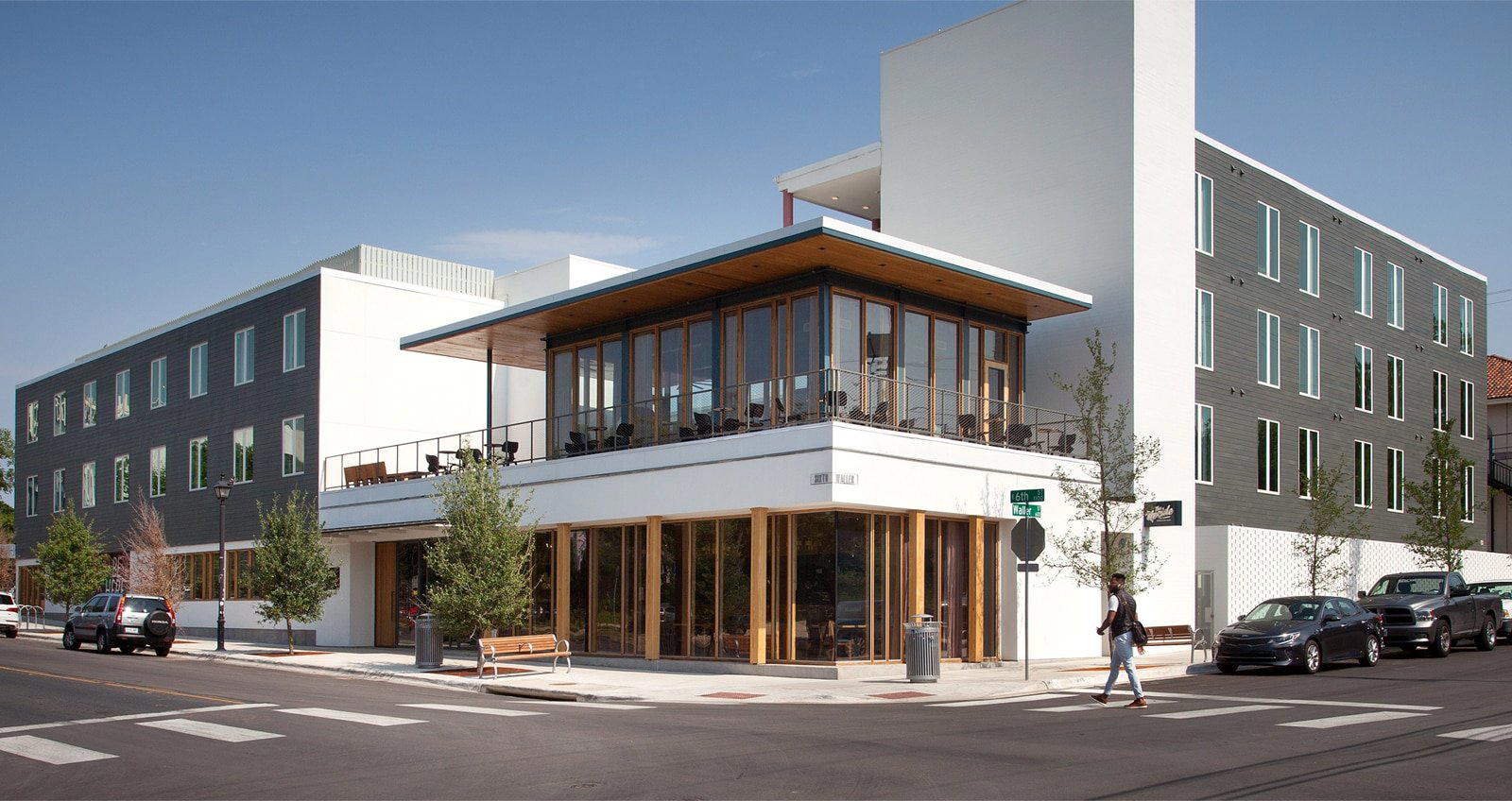
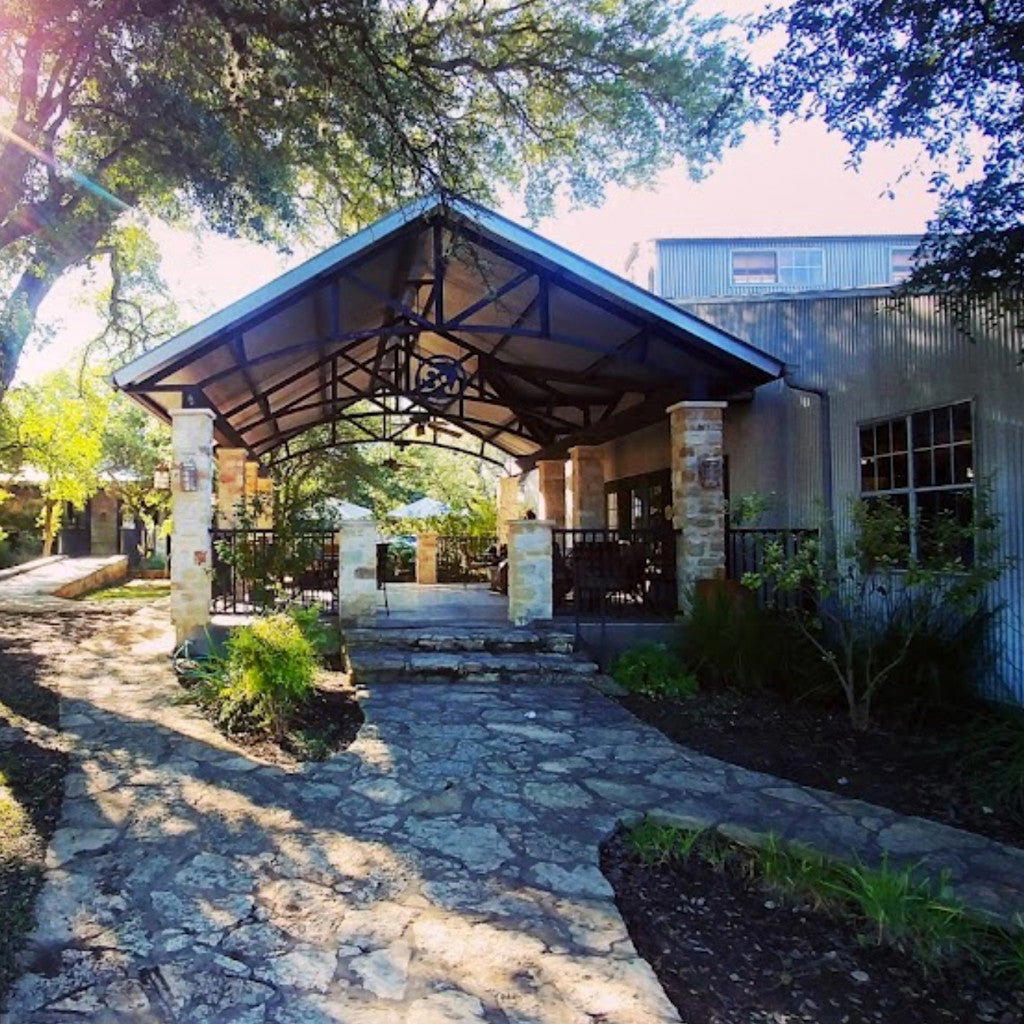
Elegant modern industrial space with modern Irish art, warm and lively atmosphere that intensifies with crowds.