Antone's Nightclub
Antone's Nightclub on East 5th Street sits inside Austin's live music history as one of the venues that helped define the city's blues identity over decades. The room draws a cross-section of locals and touring act devotees who treat it as a working music club rather than a heritage attraction. Expect a no-frills floor, serious sound, and a crowd that came to listen.

Pearl is the En Primeur Club membership app, where members save venues, book tables and use the concierge.
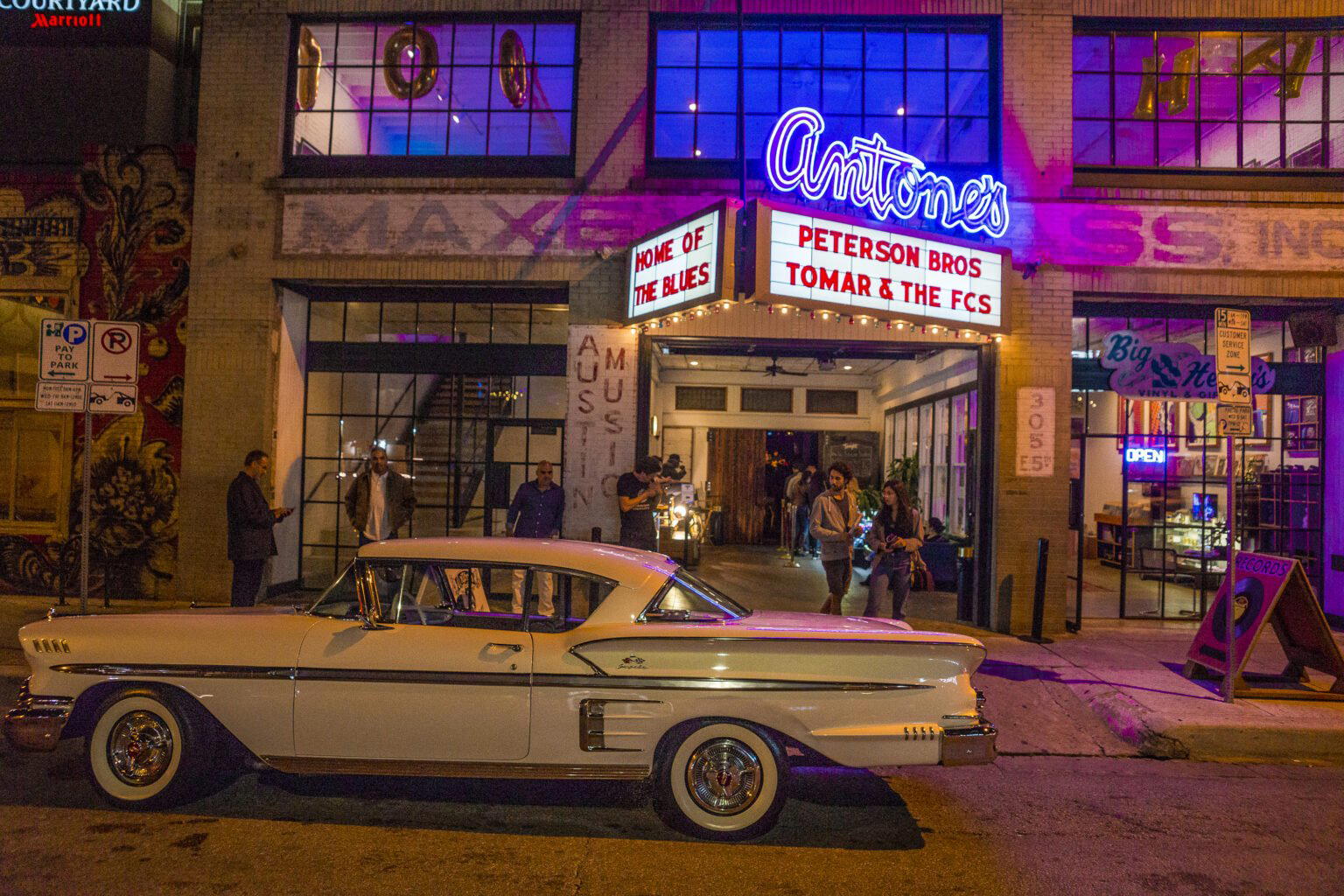
East 5th and the Weight of Austin's Blues Tradition
Austin's reputation as a live music city gets repeated so often that the claim has nearly lost its edge. What sharpens it again is standing on East 5th Street on a weeknight and hearing a full band push through the walls of Antone's Nightclub. The venue occupies 305 E 5th St. a short walk from the denser bar clusters of Sixth Street, and the address alone carries a specific gravity in Texas music circles. The blues tradition Antone's helped establish in Austin from its founding decades ago has shaped how the city thinks about its own musical identity, the club became a proving ground for the genre in a city more often associated with country and Americana crossover.
That history is not the kind that gets framed behind glass. The room functions as a working club, which means the sightlines, the sound system, and the floor layout serve the performance before they serve the photograph. In a moment when live music venues in most American cities have been hollowed out and replaced with listening bars that prioritize aesthetic over acoustics, a room that holds its original purpose carries weight.
Where Antone's Sits in Austin's Nightlife Architecture
Austin's bar and nightclub scene has fractured into distinct tiers over the past decade. On one side sit the cocktail programs, venues like Nickel City and APT 115 that compete on menu depth and technique. On another side sit the high-volume Sixth Street operations built around throughput and late-night energy. Antone's occupies a third tier: the heritage live music room where the draw is the bill, not the back bar. 2500 E 6th St and Aba Austin each represent the cocktail-forward end of the East Side. Antone's represents something older and less interested in that conversation.
That positioning is not a limitation. The clubs that survive in American cities by doing one thing without apology tend to accumulate the kind of loyalty that a rotating menu or a rebrand cannot manufacture. The Roosevelt Room and the Eden Cocktail Room both stake their identities on program depth and presentation. Antone's stakes its identity on what happens on the stage, and the two approaches draw different rooms on the same night.
The Bar in a Music-First Room
In venues where the stage is the primary object of attention, the bar functions differently than it does in a dedicated cocktail space. The drink program at a live music room like Antone's operates under a different logic: speed, accessibility, and price points that allow a crowd to settle in for a two-set night without running up a bill that competes with the ticket. That is a legitimate and underappreciated discipline. The bartenders at high-volume music clubs manage crowd flow and pacing in ways that a fourteen-seat counter program does not have to reckon with.
Across the broader American bar scene, the venues doing the most technically ambitious cocktail work, places like Kumiko in Chicago, Jewel of the South in New Orleans, or Bar Leather Apron in Honolulu, operate at a pace and scale that is structurally incompatible with a 300-capacity room mid-show. Julep in Houston, Superbueno in New York City, and ABV in San Francisco each prioritize deliberate, program-led drinking experiences. The Parlour in Frankfurt on the Main operates on similar principles in a European context. Antone's is not in that competitive set, and it does not need to be. The bar here exists to support what is happening on stage, and measuring it against a destination cocktail program misreads the room entirely.
Planning Your Visit
Antone's Nightclub sits at 305 E 5th St. in the broader Sixth Street corridor of downtown Austin, making it walkable from most central hotels and accessible by rideshare from nearly anywhere in the city. Show nights vary by booking, so checking the venue's calendar in advance is the only reliable method for timing a visit. Ticket availability depends on the touring act, with local and regional blues bills often accessible day-of while nationally recognized names sell out well ahead. The room's capacity and layout mean that arriving early for standing-floor shows gives you real positioning advantage. For a broader read on how Antone's fits into Austin's wider food and drink scene, the EP Club Austin guide covers the full range of options across the city.
A Quick Peer Check
| Venue | Cuisine | Price | Awards |
|---|---|---|---|
| Antone's NightclubThis venue (the venue you are viewing) | Not listed | $20–30 | Not listed |
| The Roosevelt Room | Not listed | $50–100 | Pinnacle Guide 1 Pin · Top 500 Bars Best Bars #305 |
| Nickel City | Not listed | $20–30 | World's 50 Best #96 · Top 500 Bars Best Bars #433 |
| Flourish Plant Shop & Wine Bar | Wine bar/light bites | $20–30 | Star Wine List |
Continue exploring
More in Austin
Bars in Austin
All bars in Austin →
Restaurants in Austin
All restaurants in Austin →
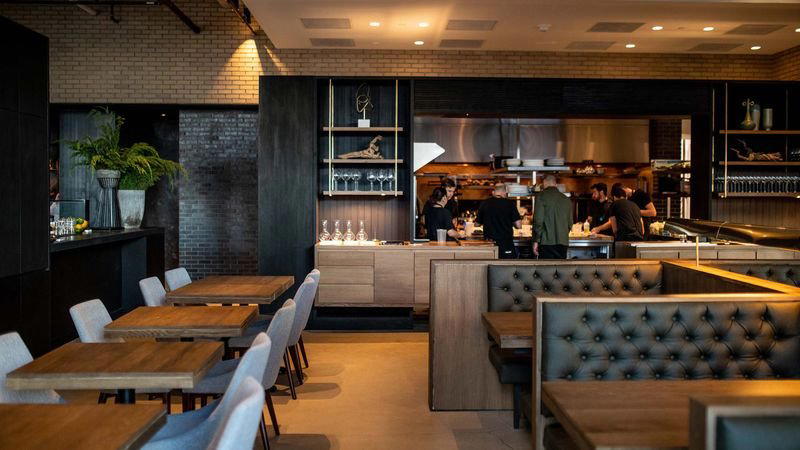
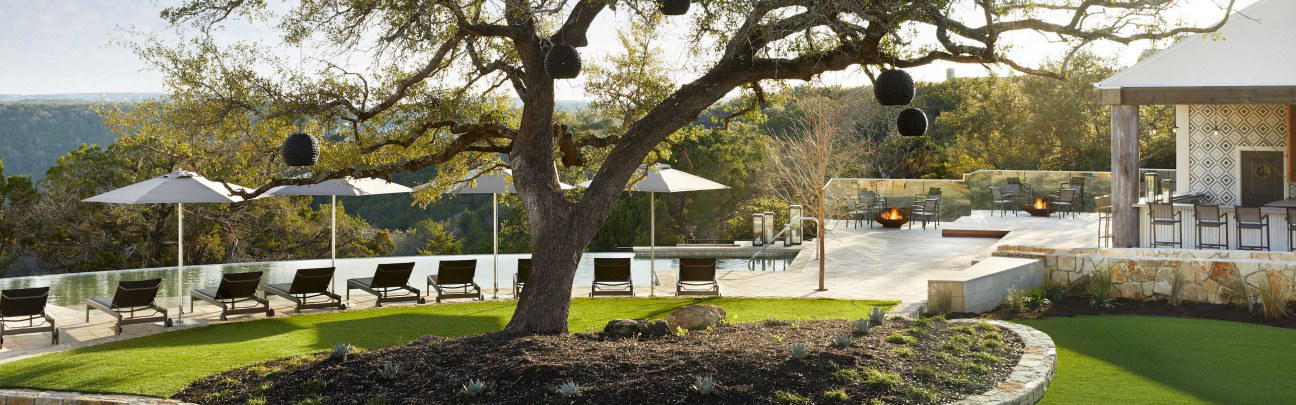
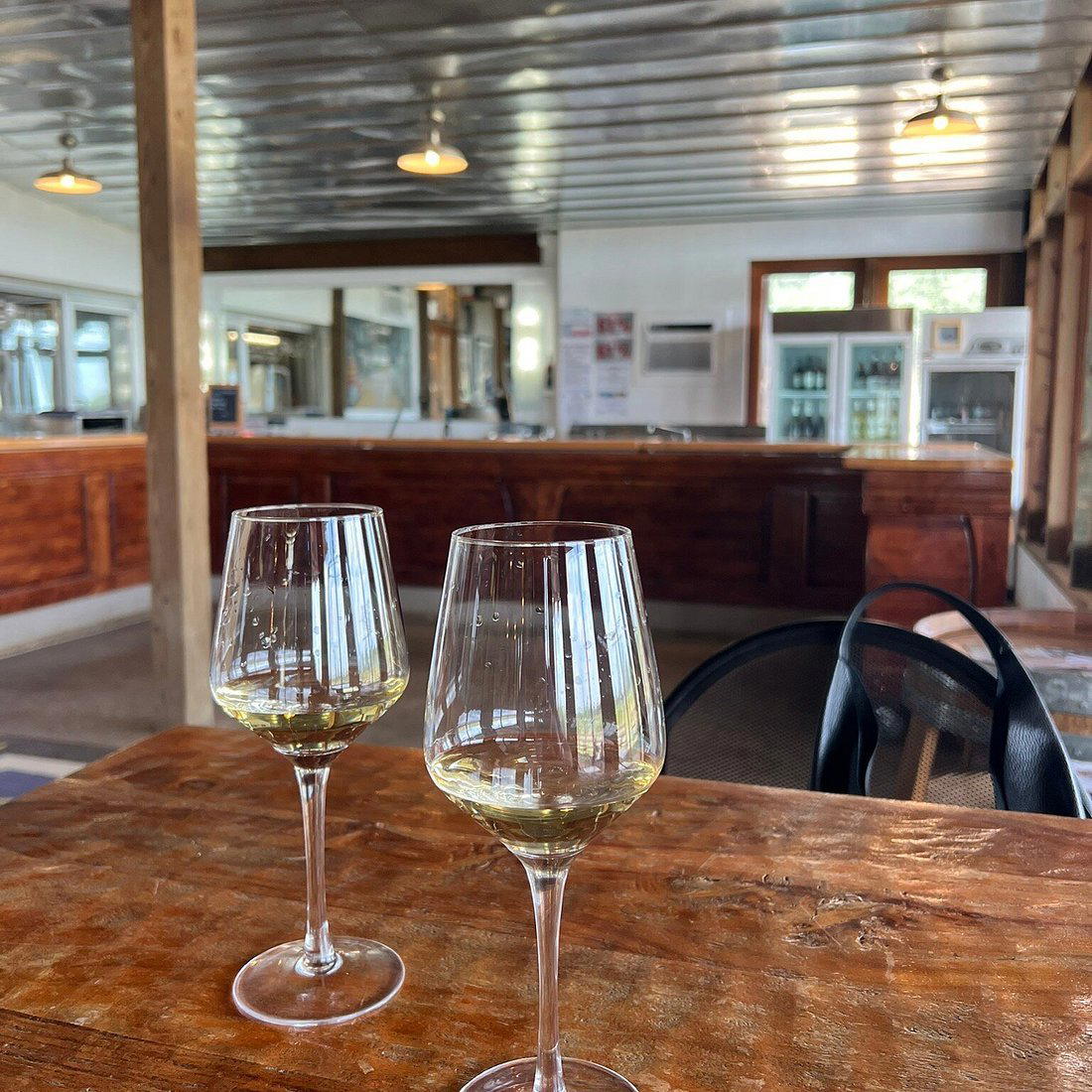
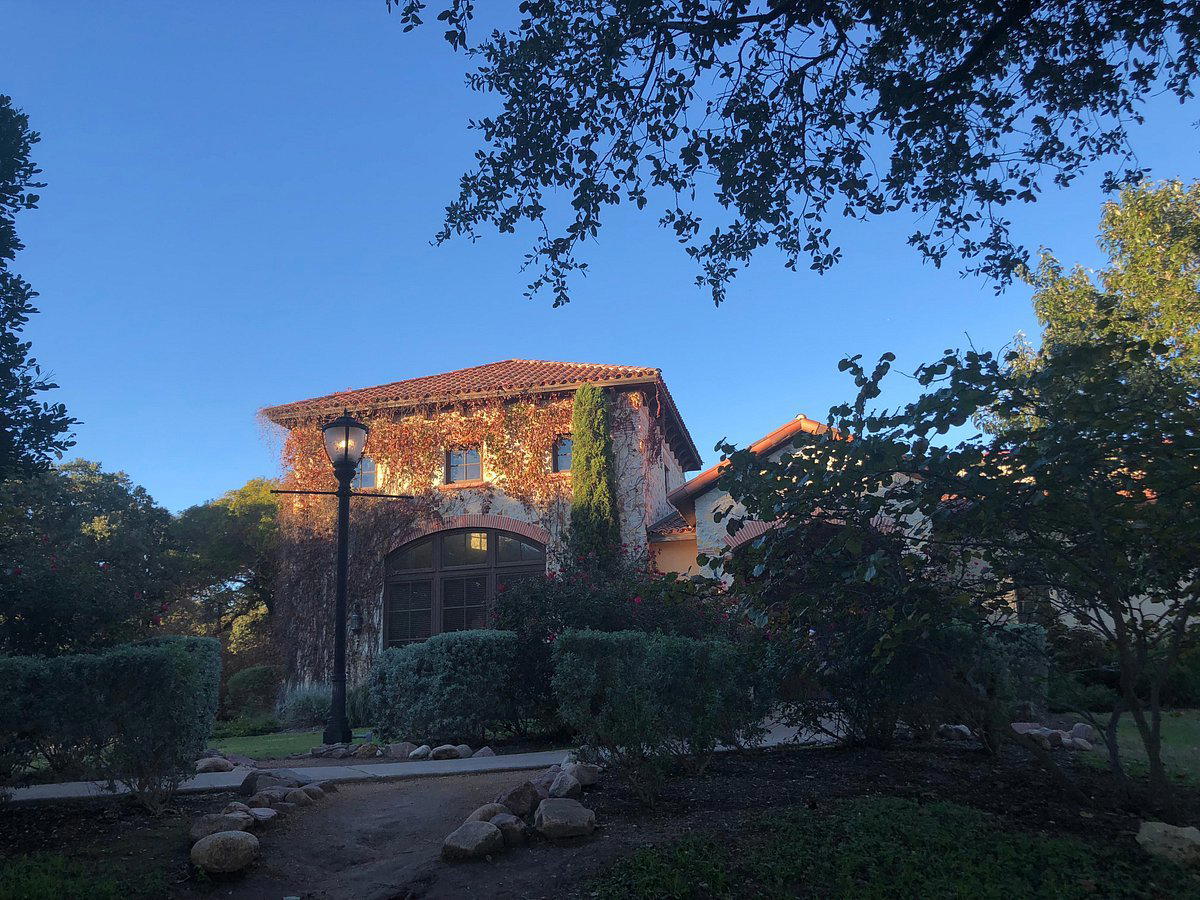
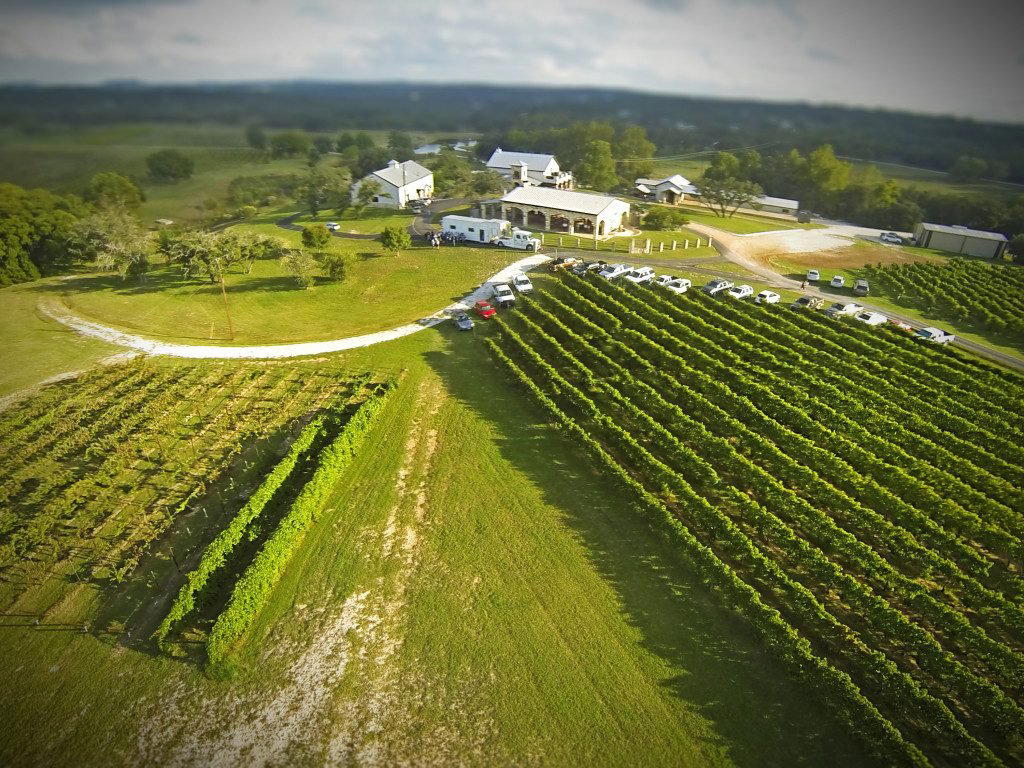
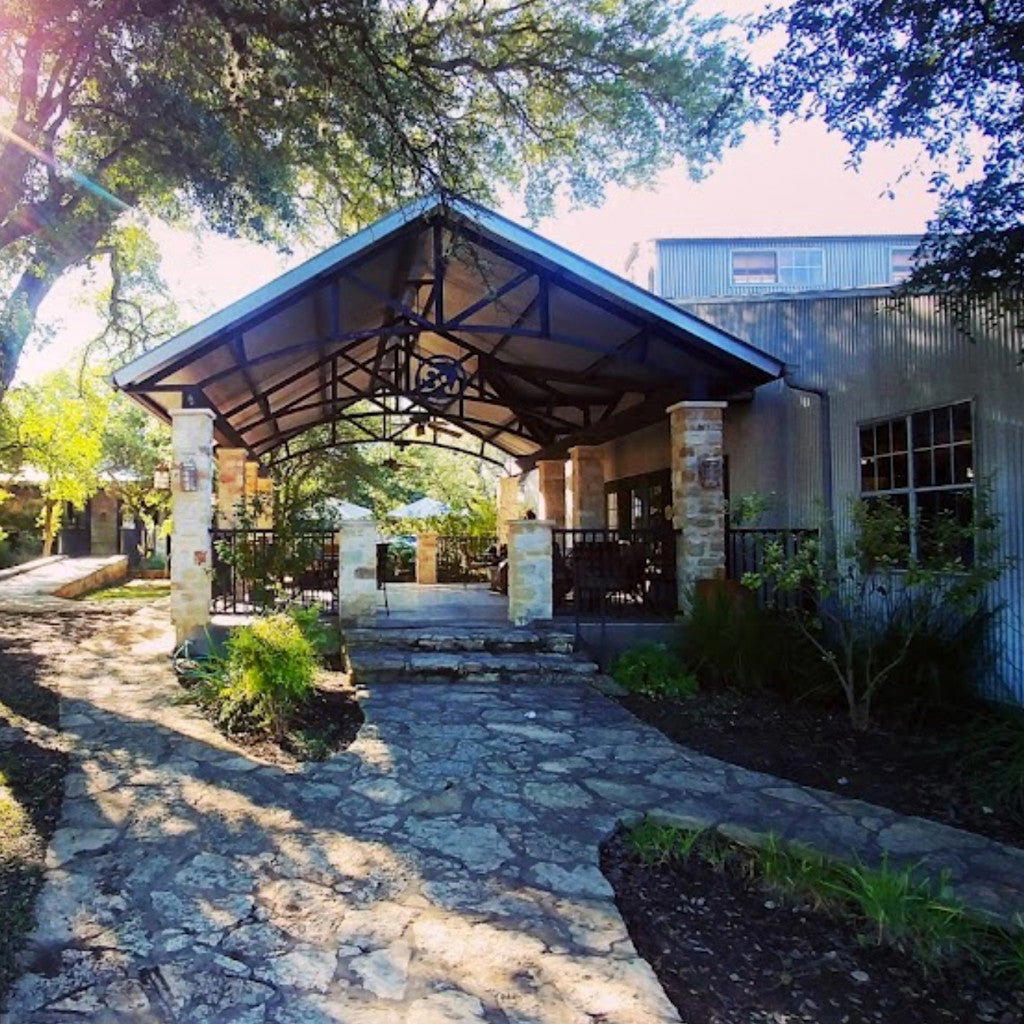
Antone's Nightclub
The drinks
- Classic cocktails
Signature drinks: Ice Queen Twist, Muddy’s Bloody.
Details
- Well Known
- Lively
- Energetic
- Classic
- Late Night
- Group Outing
- Casual Hangout
- Live Music
- Historic Building
- Standing Room
- Lounge Seating
- Classic Cocktails
Current opening hours
- Monday
- 12 PM–12 AM
- Tuesday
- 12 PM–12 AM
- Wednesday
- 12 PM–12 AM
- Thursday
- 12 PM–12 AM
- Friday
- 12 PM–12 AM
- Saturday
- 12 PM–12 AM
- Sunday
- 12 PM–12 AM
Hours can change for holidays and private events. Hours as of .
Authentic no-frills atmosphere centered on powerful live music performances with a historic blues vibe.