Tsuke Edomae
Tsuke Edomae brings the austere discipline of Edo-style sushi to Austin's Mueller district, operating in a format where the counter, the silence, and the sequence are as deliberate as the fish. In a city where Japanese dining has historically skewed toward casual, this address represents a different register entirely, one where the meal is structured, the pacing is unhurried, and the tradition doing the work is centuries old.

Pearl is the En Primeur Club membership app, where members save venues, book tables and use the concierge.
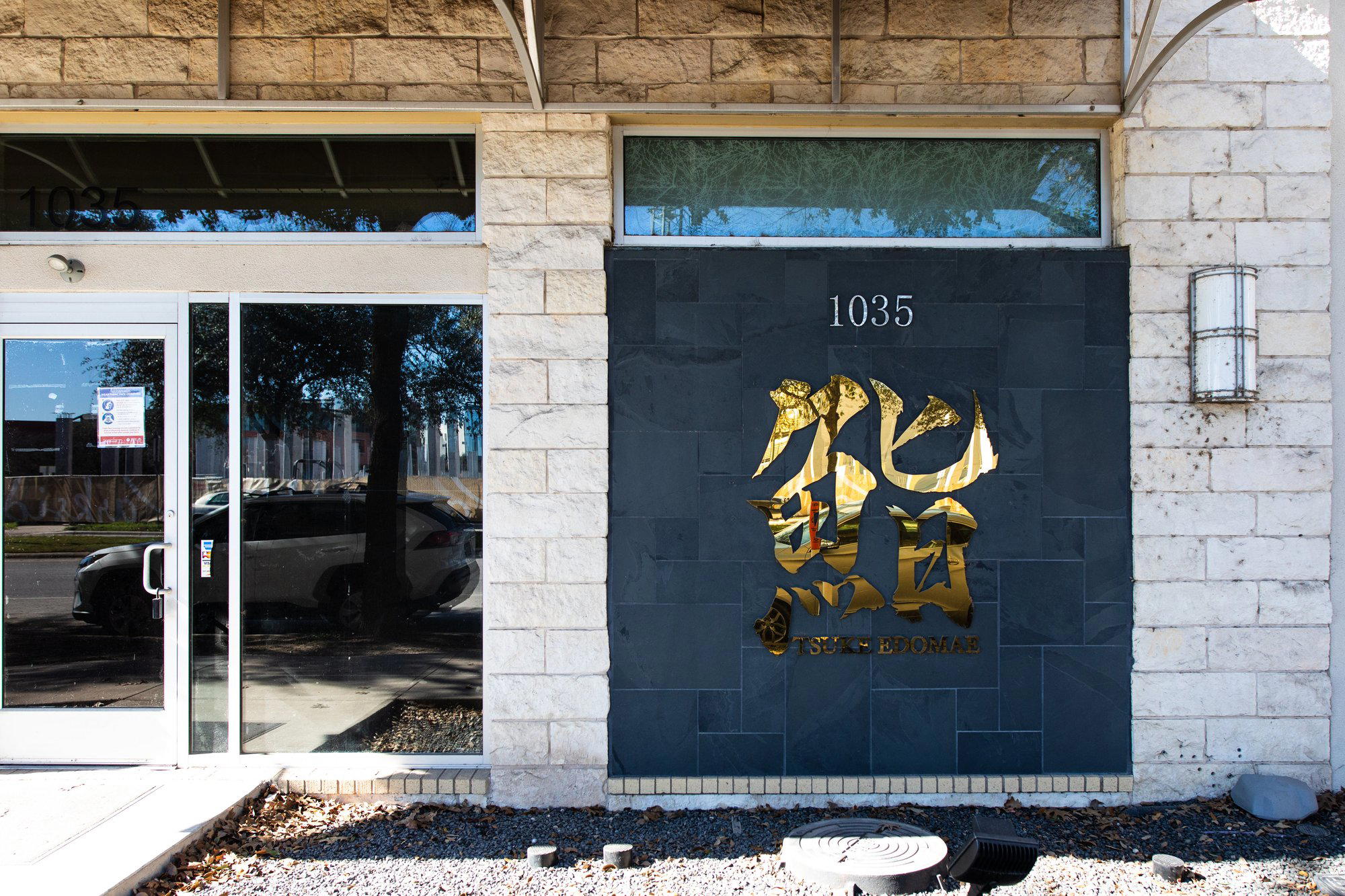
The Room Before the First Piece
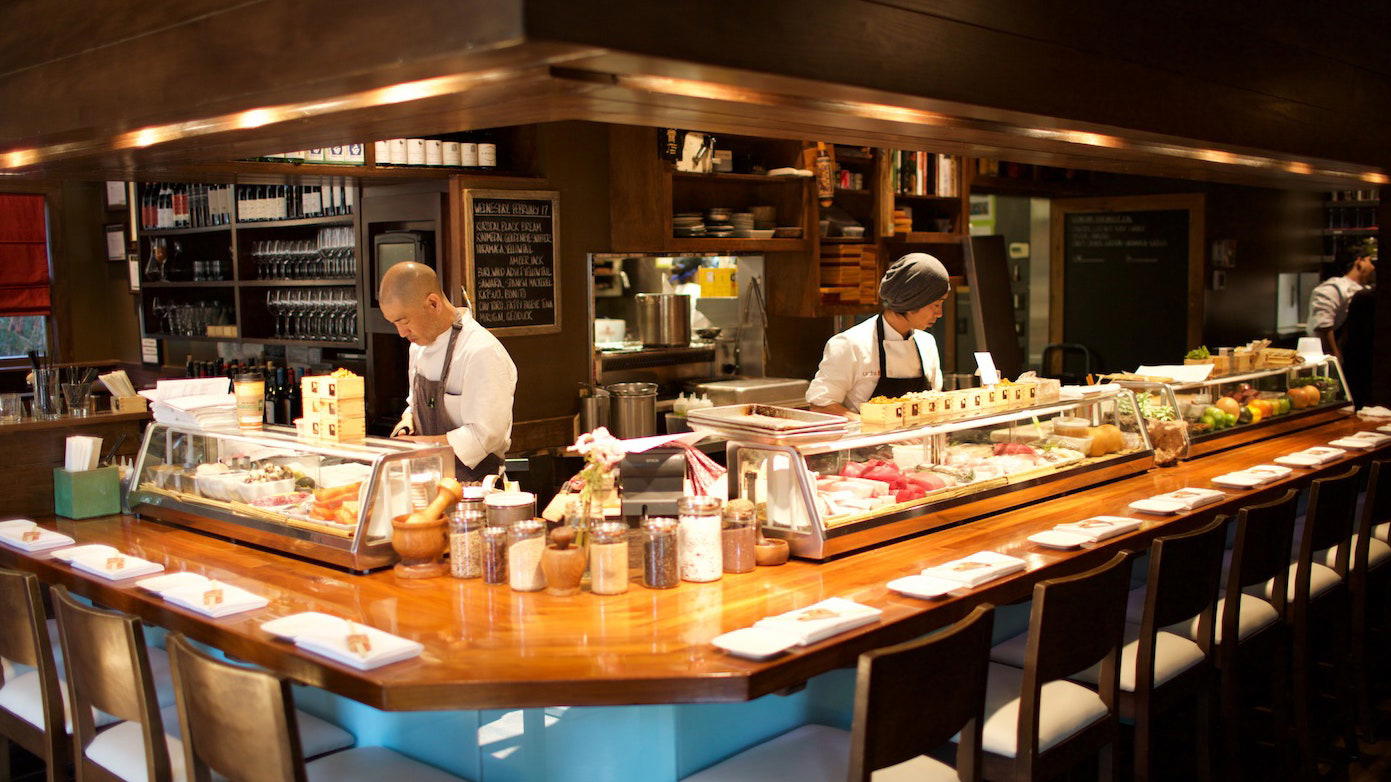
There is a particular quality of stillness inside a serious omakase counter that no amount of ambient restaurant noise can replicate. The sightlines are short. The chef works in front of you rather than behind a wall. The wood of the counter, the temperature of the room, the smell of vinegared rice hitting the air, these details arrive before any food does, and they establish the contract between diner and kitchen. Tsuke Edomae, at 4600 Mueller Blvd in Austin's Mueller neighborhood, operates inside that tradition. The name itself is a compound signal: tsuke refers to the marinated preparation technique central to Edo-mae sushi, and Edomae designates the style of sushi developed in old Edo (present-day Tokyo) where fish were cured, aged, and seasoned rather than served simply raw.
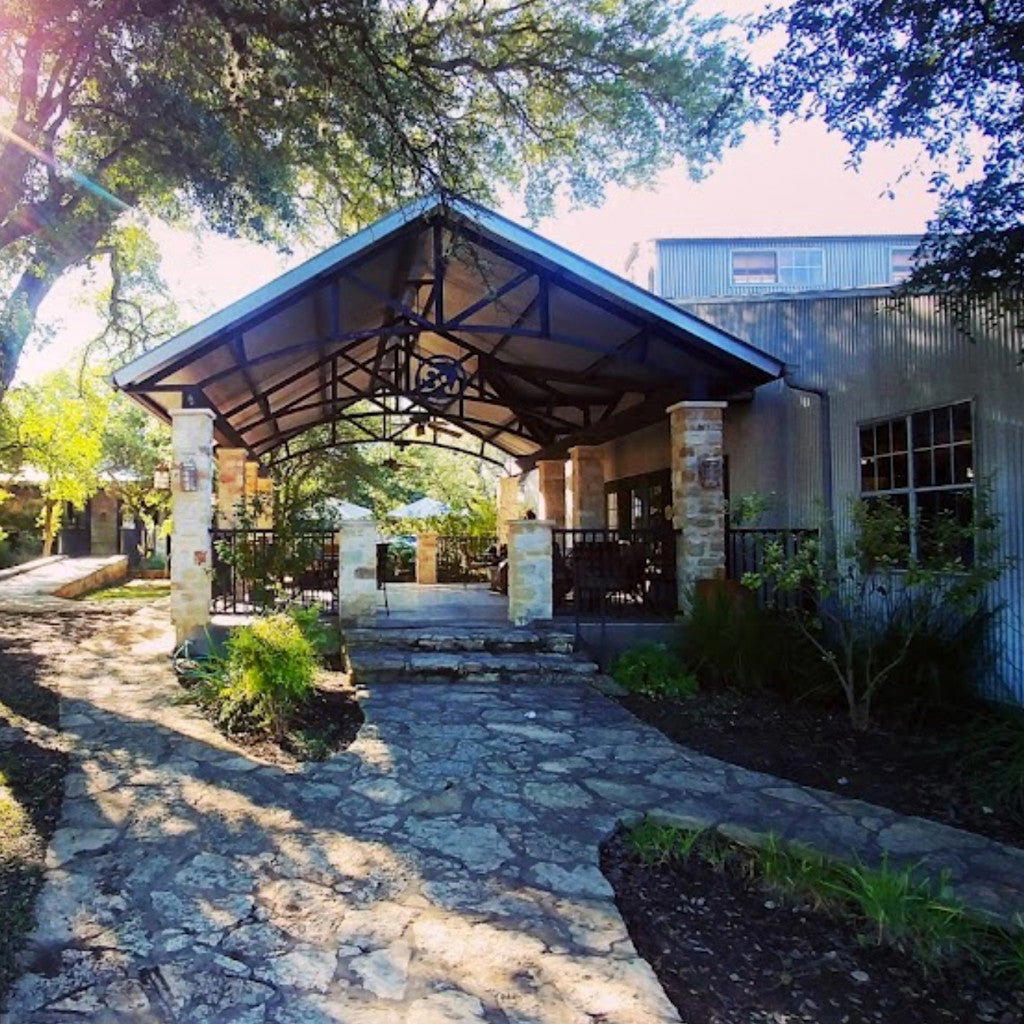
Mueller is an unusual address for this kind of restaurant. The neighborhood, built on the former site of Austin's Robert Mueller Municipal Airport, is a planned urban district east of the university corridor, residential in texture, with wide sidewalks and a mixture of local retail and food concepts that skew toward the everyday. A counter-format sushi operation here is a deliberate departure from the Sixth Street axis or the South Congress cluster where Austin's more visible dining energy concentrates. That distance is part of the experience: you go specifically, you arrive intentionally, and the format does not allow for casual drop-ins.
Edo-Mae in Texas: What the Tradition Actually Means
Edomae sushi is one of the most misunderstood categories in American Japanese dining. The term is frequently applied to any high-end omakase counter, but its technical meaning is specific. Developed in the Edo period as a street food made from fish from Tokyo Bay, the style depended on preservation and curing techniques because refrigeration did not exist. Fish were marinated in soy (zuke), simmered in sweetened broth (tsume), salted, vinegared, or aged to develop flavor rather than simply sliced and presented. That foundation of technique, not just sourcing, is what separates an Edomae counter from a generic omakase experience.
In the American market, the premium omakase segment has bifurcated sharply. One cohort aligns with the Californian model: a emphasis on imported Japanese fish, a neutral rice, and a presentation language borrowed from kaiseki. The other, smaller cohort applies the older Edo-mae curing and conditioning techniques that require more time, more craft knowledge, and a willingness to accept that the dish is the preparation, not the raw ingredient. Tsuke Edomae's name places it firmly in that second cohort, and in Austin, that positioning is rare. The city's Japanese dining scene has grown considerably over the past decade, but Edomae-specific counters remain a narrow category.
Austin's Omakase Tier and Where This Fits
Austin's upper tier of Japanese restaurants has expanded as the city's population and income base have grown. The demand signal exists: premium dining reservations across the city compress quickly, and the market that once supported only a handful of serious Japanese counters now sustains more. That said, the Edomae-specific format, counter seating, sequential service, curing-forward technique, remains underrepresented relative to cities like New York, Los Angeles, or Chicago, where the category has developed peer sets of five or more dedicated houses.
For reference on what the format looks like when it reaches its highest expression, Kumiko in Chicago demonstrates how a technically serious Japanese program can anchor itself to a specific culinary lineage and build a reputation in a city that is not traditionally associated with the cuisine. Similarly, Bar Leather Apron in Honolulu shows how geography and a specific cultural inheritance can shape a concept's identity in ways that separate it from national templates. Tsuke Edomae operates in Austin with a similar logic: the specificity of its name is a claim about technique, not just aesthetic.
Austin's broader dining ecosystem offers strong context for a visit. The Mueller district sits close enough to the city's east side bar culture, including Nickel City and 2500 E 6th St, that an evening could reasonably begin or end with a drink in a different register. For something with more Mediterranean character, Aba Austin operates in a contrasting mode. And for those who want live music after a quiet counter meal, Antone's Nightclub sits within the broader city fabric. The contrast between the stillness of a sushi counter and the noise of Austin's music venues is not incidental; it is one of the more pleasurable urban juxtapositions the city offers.
Readers building a longer Texas itinerary might also consider Julep in Houston, or branch further to Jewel of the South in New Orleans, Superbueno in New York City, ABV in San Francisco, or The Parlour in Frankfurt on the Main for comparison across the broader field of focused, format-specific hospitality concepts.
The Sensory Logic of the Counter
Omakase dining in the Edomae tradition is structured around a sensory arc that begins before the first course. The physical counter creates proximity: a diner can observe the preparation, smell the rice seasoning, hear the compression of a nigiri being formed. These are not incidental sensory details, they are part of the information the format is designed to communicate. A piece of zuke tuna, marinated in soy, arrives with a depth of color and a density of flavor that differs categorically from a simple slice of the same fish. The difference is technique made visible, and the counter format exists specifically to make it legible.
The curing and conditioning steps that define Edomae practice also affect texture in ways that a room-temperature encounter makes clear. Aged fish develops a different surface character. Vinegared rice in the Edomae style tends to be firmer, warmer, and more aggressively seasoned than the neutral base common in California-influenced counters. These are preferences built into the tradition, not accidents of execution, and they produce a sensory experience that rewards attention rather than simply rewarding appetite.
Planning Your Visit
Tsuke Edomae is located at 4600 Mueller Blvd #1035, Austin, TX 78723. Given the format, counter seating, sequential service, a meal structure that depends on pacing, advance reservations are strongly advisable. Counter-format sushi operations at this level of specificity typically run at low capacity, and seats fill through direct booking or reservation platforms rather than walk-in availability. Arriving without a reservation at a dedicated omakase counter is rarely practical regardless of city. Dress: Smart casual is appropriate for the format. Budget: Edomae-specific omakase in this tier typically runs at the upper end of Austin's restaurant price range; confirm current pricing at booking.
For a wider view of the city's dining options, our full Austin restaurants guide covers the range from casual east-side spots to the city's more serious counter-format destinations.
Where It Fits
A quick peer list to put this venue’s basics in context.
| Venue | Cuisine | Price | Awards |
|---|---|---|---|
| Tsuke EdomaeThis venue (the venue you are viewing) | Not listed | $100–150 | Not listed |
| The Roosevelt Room | Not listed | $50–100 | Pinnacle Guide 1 Pin · Top 500 Bars Best Bars #305 |
| Nickel City | Not listed | $20–30 | World's 50 Best #96 · Top 500 Bars Best Bars #433 |
| Flourish Plant Shop & Wine Bar | Wine bar/light bites | $20–30 | Star Wine List |
Continue exploring
More in Austin
Bars in Austin
All bars in Austin →
Restaurants in Austin
All restaurants in Austin →
Details
- Intimate
- Minimalist
- Elegant
- Date Night
- Special Occasion
- Design Destination
- Counter Only
- Sake
Quiet, reserved, minimalist sushi counter with a zen-inspired, bare-bones atmosphere.