Tora Ramen
Tora Ramen occupies a suite address at 1601 19th St in Denver's Lower Downtown, placing it within a neighborhood corridor where craft cocktail bars and contemporary dining rooms have steadily redefined the city's eating and drinking identity. The ramen format, broth-forward, counter-friendly, and built around repetition and refinement, sits as a distinctive counterpoint to the area's broader New American scene.
Pearl is the En Primeur Club membership app — saves, bookings, and concierge access live there. Same editors, same standards.
- Address
- 1601 19th St suite 150, Denver, CO 80202
- Phone
- +1 720 512 7809
- Website
- milepostzero.com
- Directions
- Get directions
 Saves & bookings on Pearl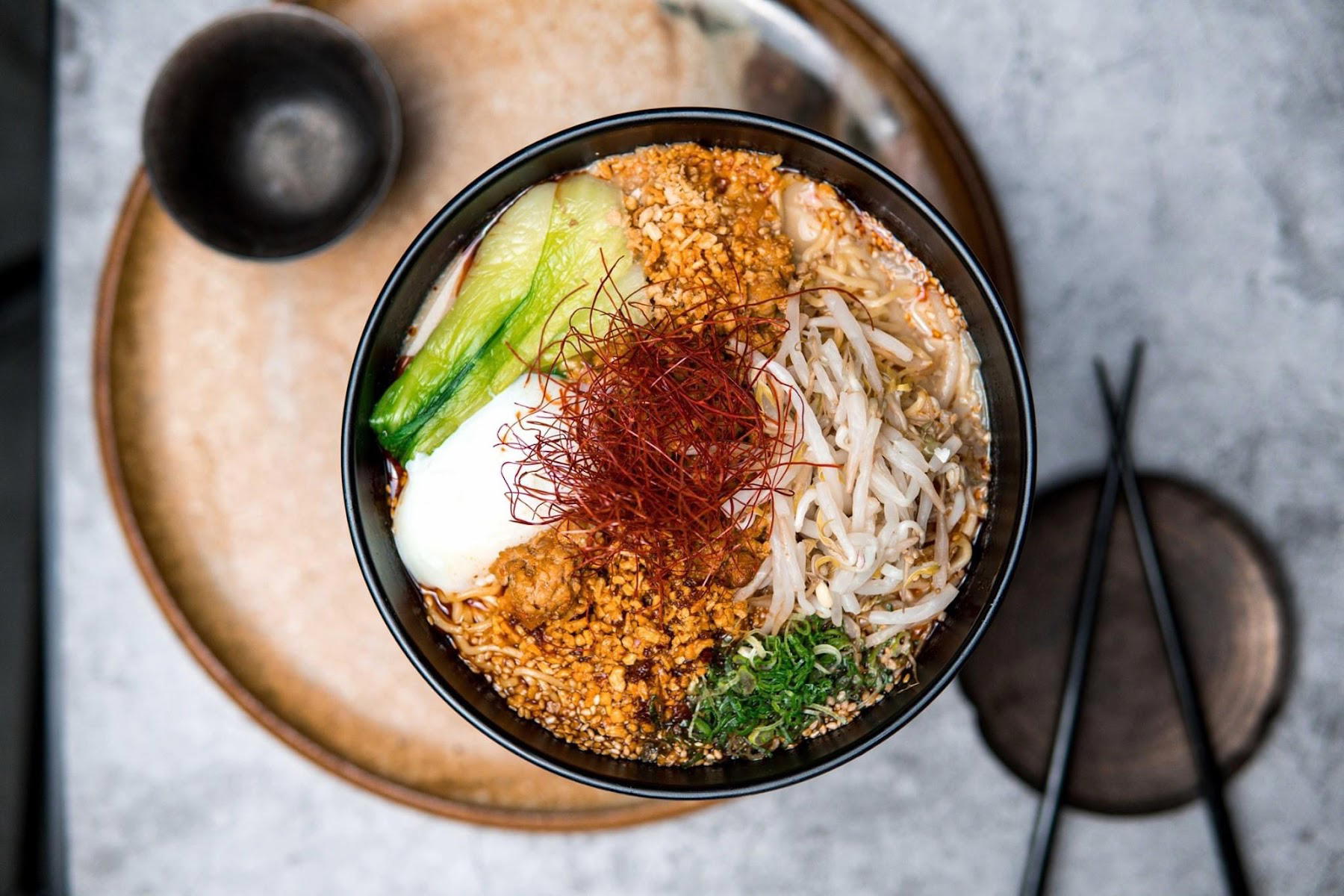
Ramen in the LoDo Grid: What the Format Demands
Denver's Lower Downtown has spent the better part of a decade sorting itself into a legible dining map. The blocks around 19th Street carry a particular density: craft cocktail programs at places like Death & Co (Denver) and Williams & Graham have anchored the area's reputation for technically serious drinking, and the restaurant tier around them has followed suit. Into this context, a ramen shop occupies an interesting position. The format has its own logic, it rewards patience, repetition, and a willingness to sit close to strangers, and it asks something different of both the space and the diner than the tasting-menu or small-plates idiom that dominates the neighborhood's premium tier.
Tora Ramen sits at 1601 19th St, Suite 150, in exactly this zone. The suite designation is itself a spatial signal: not a ground-floor street presence but a slot within a larger commercial structure, the kind of address that places a restaurant in deliberate proximity to office workers, after-work foot traffic, and the LoDo hotel-and-entertainment corridor. That context shapes who eats here and when, and it shapes the pace the room needs to hold.
The Physical Container
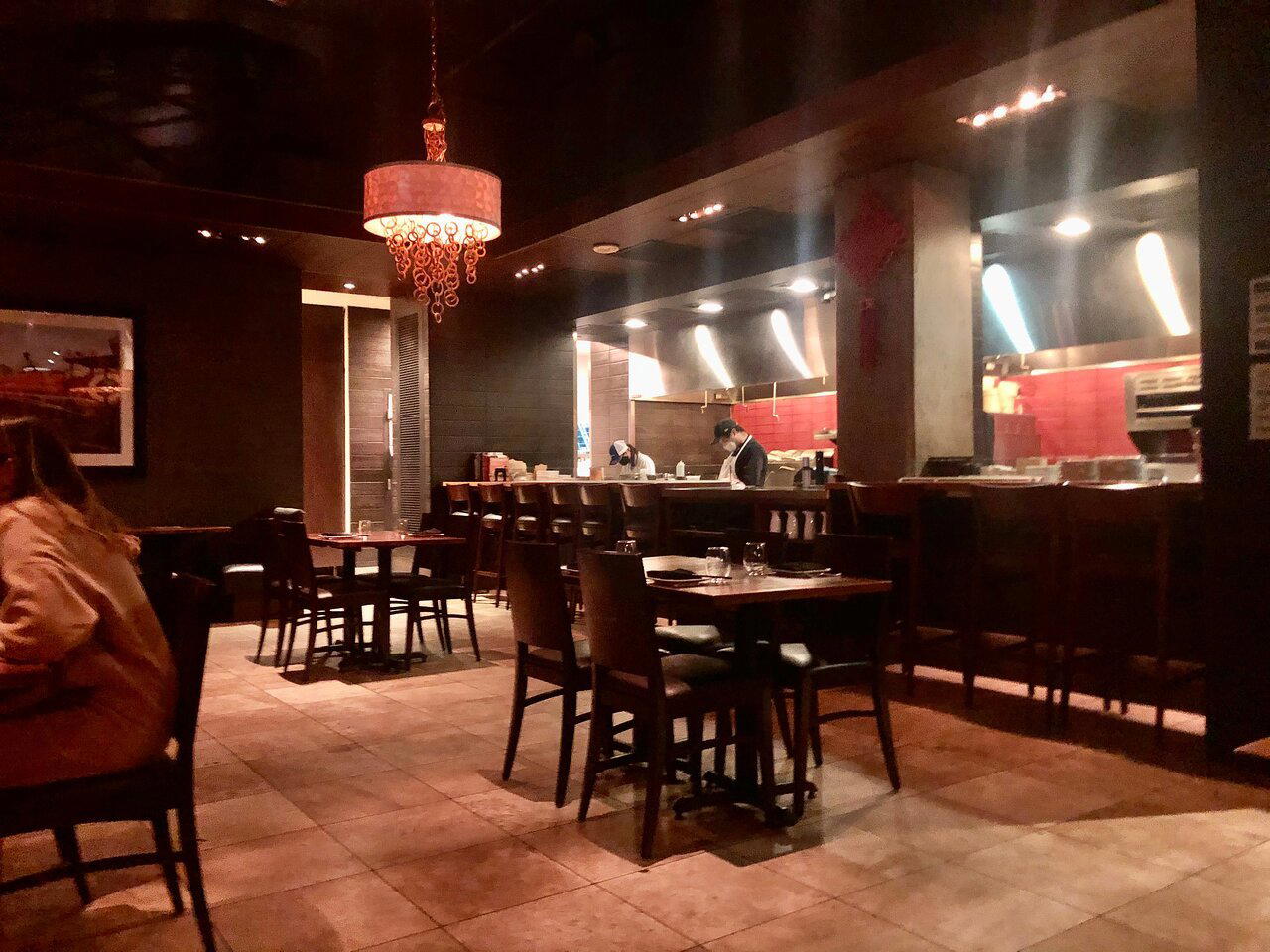
Ramen as a format has always been defined by its physical economy. The original Japanese counter model, a tight arc of seats facing a pass, a kitchen visible just behind, is a deliberate constraint. It concentrates attention on the bowl arriving in front of you and removes the architectural noise that distract in a fuller dining room. American interpretations of the format have handled this in varying ways: some expand into larger, louder spaces and lose the focus; others retain a stripped-back spatial discipline that keeps the eating itself primary.
At the 19th Street address, the suite-within-a-building layout positions Tora Ramen within a larger built environment rather than as a freestanding structure. This is a common Denver pattern in the LoDo and RiNo corridors, where ground-floor retail and food concepts share footprints with residential or commercial upper floors. The practical effect is that the interior becomes the primary spatial argument, what the room does with its allocation of space, seating arrangement, and light matters more when the exterior provides no independent identity. A well-designed ramen space in this format uses counter seating and open kitchen sightlines to compress the distance between cook and diner, making the process visible rather than hidden. Whether Tora Ramen executes this compression in the traditional counter idiom or opts for a table-heavy layout that accommodates larger groups is the kind of spatial choice that tells you what the operators prioritize: throughput and accessibility, or the focused solo-and-pair dining culture that ramen counters do leading.
Ramen's Place in Denver's Broader Bowl Culture
Ramen has been one of the more durably popular Japanese imports in American dining over the past fifteen years, and Denver has not been immune to that pattern. The city's Japanese food presence spans a range from fast-casual tonkotsu shops to more deliberate broth programs where the kitchen's hours of stock work are the primary product. That range matters because it determines what a given ramen address is actually competing with. A counter in LoDo prices and positions against a different audience than a strip-mall shop in Aurora or a pan-Asian casual chain.
The LoDo address places Tora Ramen in the company of Denver venues that attract a post-work and weekend-exploration crowd: people who are also choosing between a cocktail bar like Yacht Club, a bar with a table-tennis format like Ace Eat Serve, or a small-plates room with European leanings. In that competitive set, ramen's appeal is partly its price-to-satisfaction ratio and partly the speed of the format: a bowl arrives faster than most tasting menus and costs less than most cocktail-forward dinners. For Denver's dining audience, which skews active and experience-oriented, a well-executed ramen stop functions as a pre- or post-activity meal as much as a destination in itself.
What the Broth Format Requires
Ramen's quality floor and ceiling are both set by time. A tonkotsu base requires a rolling boil over many hours to render collagen into the milky, viscous stock that defines the style; a shoyu or shio broth demands more delicate stock management and cleaner ingredient sourcing. Either way, the kitchen's commitment to broth production is the primary signal of seriousness, and it's the thing that separates a ramen shop operating at a craft level from one executing a serviceable version of the format. In American cities, the latter category is larger. The former is a smaller, more specific group, and the cities where that group has critical mass, New York, Los Angeles, San Francisco, Chicago, have trained a traveling audience that notices the difference.
Denver's ramen tier is still developing relative to those markets. That creates space for an operator who takes the broth work seriously to hold a position without the level of competition that makes differentiation harder in larger cities. It also means that the design and spatial choices matter more than they might elsewhere: in a less crowded category, the room can be part of the pitch in a way that a Tokyo counter, operating in a market with dozens of serious competitors on the same street, cannot afford to let it be.
Drinking Around the Bowl
The drink question at a ramen counter is less complicated than at many Denver restaurants, but it rewards attention. Cold Japanese lager is the canonical pairing, Sapporo, Asahi, or Kirin each cut through fat and salt in the way the format benefits from, and a well-chosen sake, particularly a junmai or junmai ginjo, complements a lighter shio or shoyu broth without competing with it. In the LoDo corridor, where cocktail culture is well-represented at bars like Williams & Graham and Death & Co, there is a temptation to approach every menu through the lens of complex mixed drinks. At a ramen counter, that instinct is worth resisting: the bowl is already a layered drink of its own, and the leading accompaniment is usually something cold and clean that refreshes rather than competes. Across serious cocktail cities from Honolulu's Bar Leather Apron to Chicago's Kumiko, bartenders will tell you the same thing: know when simplicity serves the food.
Know Before You Go
Address: 1601 19th St, Suite 150, Denver, CO 80202
Neighborhood: Lower Downtown (LoDo)
Format: Ramen; suite location within a larger building
Nearby: Death & Co, Williams & Graham, Yacht Club
More Denver: See our full Denver restaurants guide for context on the broader LoDo and RiNo dining scene.
Reputation First
Comparable venues nearby, for context on price, style, and recognition.
| Venue | Cuisine | Price | Notes |
|---|---|---|---|
| Tora RamenThis venue — the venue you are viewing | Bar | $$ | Not listed |
| BurnDown | rooftop_bar | $$ | Washington Park West |
| Queensberry Coffee | Bar | $$ | Highland |
| Neighbor's Wine Bar | wine_bar | $$ | South Park Hill |
| Colorado Sake Co. | sake_bar | $$ | Curtis Park |
| Globe Hall Live Music and BBQ | dive_bar | $$ | Globeville |
Continue exploring
More in Denver
Bars in Denver
Browse all →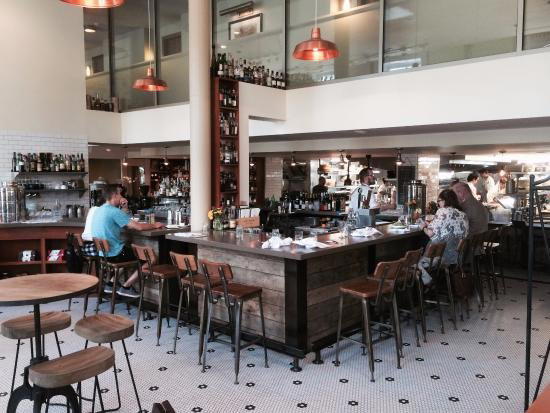
Restaurants in Denver
Browse all →
Hotels in Denver
Browse all →
Wineries in Denver
Browse all →
At a Glance
- Trendy
- Lively
- Casual Hangout
- Communal Tables
Current opening hours
- Monday
- 11 AM–9 PM
- Tuesday
- 11 AM–9 PM
- Wednesday
- 11 AM–9 PM
- Thursday
- 11 AM–9 PM
- Friday
- 11 AM–10 PM
- Saturday
- 11 AM–10 PM
- Sunday
- 11 AM–9 PM
Hours can change for holidays and private events. Last verified .
Casual and energetic food hall atmosphere with friendly service.