Globe Hall Live Music and BBQ
Globe Hall at 4483 Logan St in Denver's Globeville neighborhood occupies the intersection of live music and smoked barbecue in a way that few venues in the city attempt at scale. The format draws a cross-section of Denver's music and food communities under one roof, making it a reference point for understanding how the city's independent venue culture operates outside the RiNo and Capitol Hill corridors.
Pearl is the En Primeur Club membership app — saves, bookings, and concierge access live there. Same editors, same standards.
- Address
- 4483 Logan St, Denver, CO 80216
- Phone
- +1 303 296 1003
- Website
- globehall.com
- Directions
- Get directions
 Saves & bookings on Pearl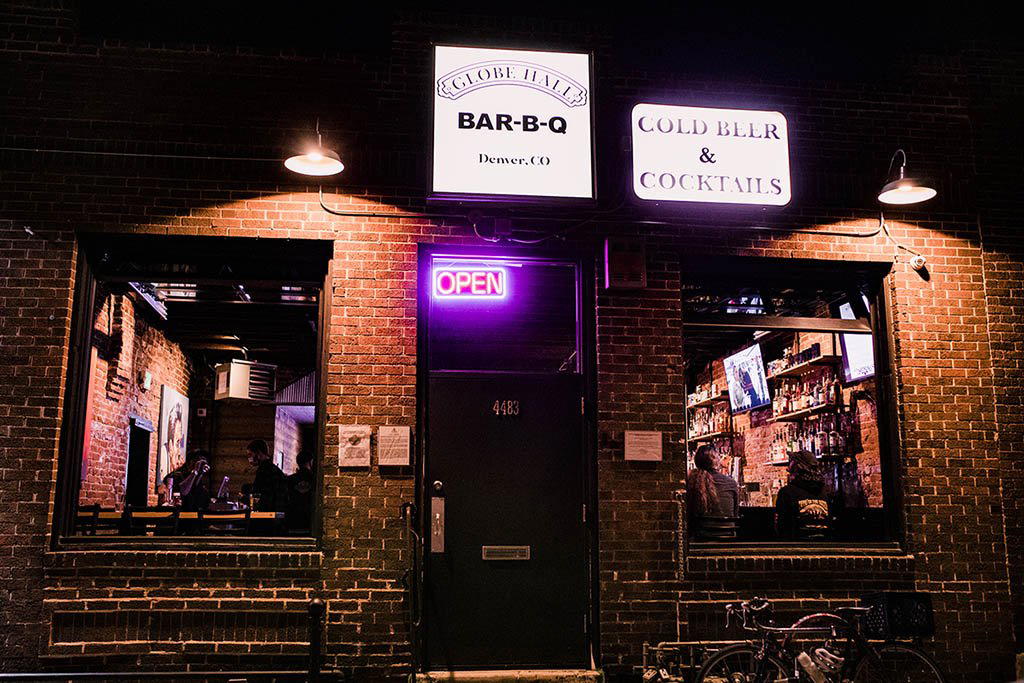
Where the Smoke Meets the Stage: Denver's Globeville Venue Belt
Denver's independent music venue scene has long operated in tension with the city's accelerating development pressure. As RiNo's warehouse district gentrified and Lower Downtown filled with hospitality groups importing national concepts, a quieter cluster of neighborhood-rooted venues held their ground in the corridors north of downtown. Globe Hall, on Logan Street in Globeville, belongs to that cluster: a converted space where live music programming and wood-fired barbecue occupy the same building without either element being treated as the side act.
The combination is less common than it sounds. Most Denver venues treat food as concession-level obligation, and most barbecue operations have little interest in managing a ticketed events calendar. Globe Hall's format, where the pit and the stage receive roughly equal operational attention, places it in a distinct tier of what might be called the working-class music hall tradition, a format with deep American roots that Denver has historically underserved relative to cities like Austin or Nashville.
Barbecue as Anchor, Not Afterthought
The sustainability dimension of a barbecue program is worth examining directly, because wood-fired cooking is both among the more energy-intensive and among the more waste-conscious formats in American cooking when run thoughtfully. Whole-animal and whole-cut approaches, which are standard in serious barbecue operations, generate less trim waste than à la carte protein programs. The commitment to using the full animal, shoulder, ribs, brisket, and the less glamorous cuts that appear in sausages and burnt ends, reflects a structural efficiency that sustainability-focused dining programs elsewhere tend to achieve through more self-conscious sourcing language.
Denver's barbecue scene has grown considerably in the past decade, with operations like Globe Hall competing in a category that now includes dedicated pitmasters drawing regional recognition. The venue model, where a consistent barbecue program serves both pre-show diners and walk-in neighborhood traffic, creates a different kind of food operation than a standalone restaurant: volume and timing discipline matter more than tasting-menu refinement, and the menu has to hold across a wide window of service. That operational constraint, when met well, tends to produce honest cooking rather than precious cooking.
The Live Music Format and Its Neighborhood Logic
Globeville is one of Denver's older industrial neighborhoods, historically underrepresented in the city's food and entertainment coverage relative to its geographic proximity to downtown. The neighborhood sits north of the Platte River industrial corridor, and Logan Street itself runs through a stretch of the city where warehouses, light manufacturing, and residential blocks still coexist. A venue of Globe Hall's type, independent, locally operated, programming regional and national touring acts across genres, functions as neighborhood infrastructure in a way that a restaurant alone does not.
Live music venues in Denver operate across a tiered capacity structure that shapes how they program and price. The largest rooms, the Mission Ballroom, the Fillmore, the Ogden, handle major touring acts at ticket prices that reflect their scale. Mid-tier rooms like Globe Hall occupy a programming sweet spot: large enough to attract regional draw acts and smaller national touring artists, intimate enough that the room dynamics remain in the performer's favor. This tier is where most of Denver's musically interesting nights happen, and it is the tier most vulnerable to real estate pressure and rising operating costs.
For context on how Denver's independent drinking and hospitality culture operates at this level, venues like Yacht Club and Ace Eat Serve show how food-and-activity combinations work in the city's mid-tier entertainment space. Globe Hall's barbecue-plus-music format is a parallel model applied to a different set of priorities.
Denver's Bar Scene and the Cocktail Conversation
Denver's cocktail program culture has matured substantially. Venues like Death & Co (Denver) and Williams & Graham represent the technical-program tier of the city's bar scene, with sourcing depth and menu architecture that put them in conversation with programs at Kumiko in Chicago, Bar Leather Apron in Honolulu, and ABV in San Francisco. Internationally, the same shift toward transparent, ingredient-led programming is visible at The Parlour in Frankfurt on the Main and spirit-forward formats like Jewel of the South in New Orleans, Julep in Houston, and Superbueno in New York City.
Globe Hall operates in a different register from those cocktail-forward programs. The bar at a live music venue functions primarily as a volume operation, optimized for speed, crowd management, and accessibility of choice. Draft beer, bourbon, and approachable cocktails dominate the ordering pattern at venues in this format, and Globe Hall's bar reflects those priorities. The absence of a craft cocktail identity is not a gap so much as a deliberate positioning within the venue's overall format.
Sustainability as Operating Practice, Not Marketing Position
Across American food and hospitality, sustainability claims have become so common that they have lost much of their signal value. What distinguishes venues that actually reduce environmental impact from those that position around it is operational specificity: local protein sourcing with named ranches, composting programs with documented diversion rates, energy sourcing from renewable providers, waste-stream management for the high-volume wood ash generated by a working pit. Whether Globe Hall has formalized any of these practices is not on public record, but the barbecue format itself, whole-animal, wood-fired, neighborhood-serving, has a lower-waste structural logic than many more self-consciously sustainable dining formats.
Know Before You Go
Know Before You Go
- Address: 4483 Logan St, Denver, CO 80216
- Neighborhood: Globeville, north of downtown Denver
- Format: Live music venue with in-house barbecue program
- Booking: Walk in for barbecue when no event is scheduled
- Phone / Website: Check local listings for current contact details
- Practical note: Show nights affect kitchen timing and seating availability.
Comparison Snapshot
Comparable venues nearby, for context on price, style, and recognition.
| Venue | Cuisine | Price | Notes |
|---|---|---|---|
| Globe Hall Live Music and BBQThis venue — the venue you are viewing | dive_bar | $$ | Not listed |
| Bar Dough | cocktail_bar | $$ | Highland |
| The Infinite Monkey Theorem | wine_bar | $$ | Curtis Park |
| Cana Wine Bar | wine_bar | $$ | Rosedale |
| City O' City | cocktail_bar | $$ | Capitol Hill |
Continue exploring
More in Denver
Bars in Denver
Browse all →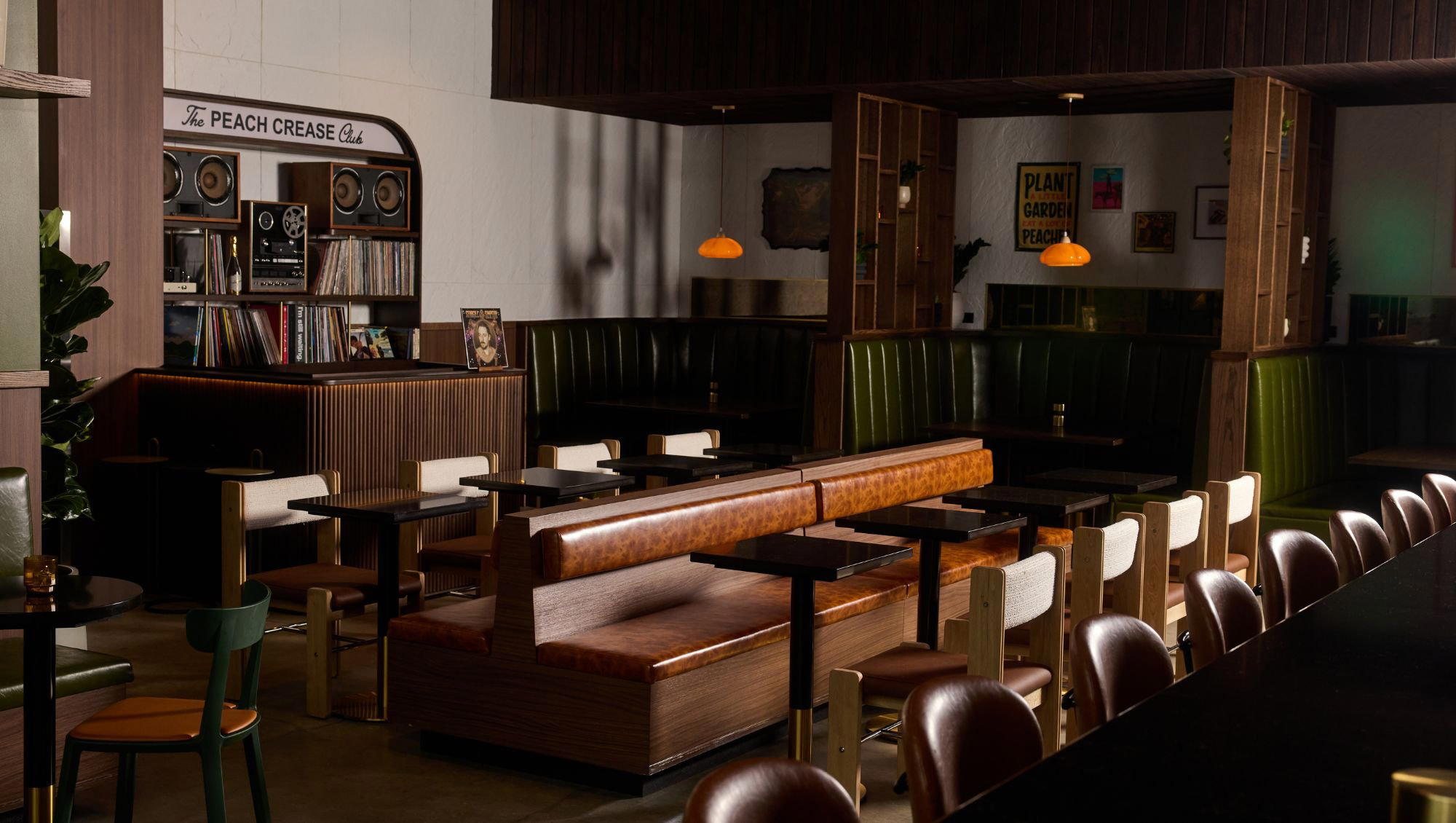
Restaurants in Denver
Browse all →
Hotels in Denver
Browse all →


At a Glance
- Lively
- Rustic
- Energetic
- Group Outing
- Casual Hangout
- Live Music
- Standing Room
- Outdoor Terrace
- Craft Beer
Current opening hours
- Monday
- Closed
- Tuesday
- Closed
- Wednesday
- Closed
- Thursday
- 5 PM–12 AM
- Friday
- 5 PM–1 AM
- Saturday
- 5 PM–1 AM
- Sunday
- 4–10 PM
Hours can change for holidays and private events. Last verified .
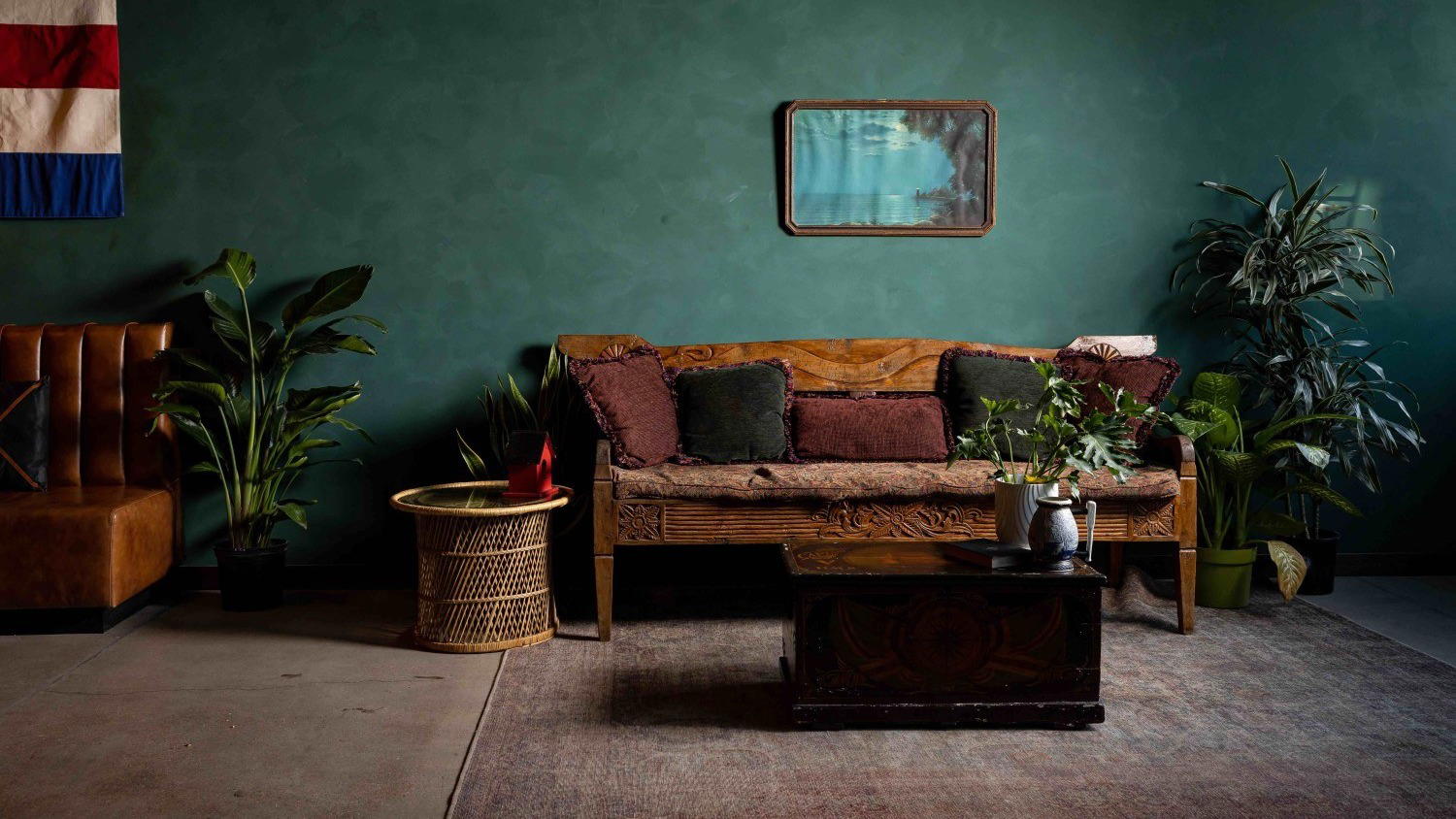
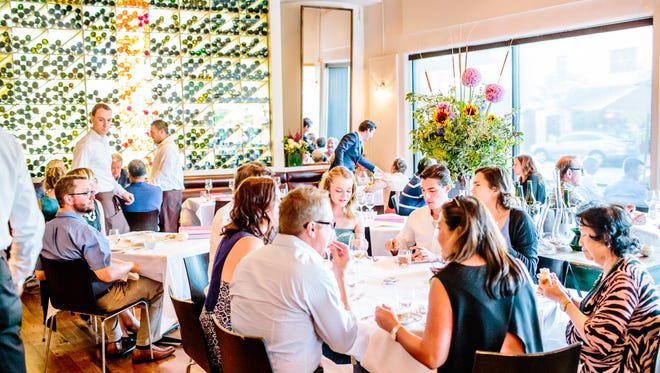
Dark, divey atmosphere with a laid-back, hip vibe enhanced by a large outdoor patio.