Colorado Sake Co.
Colorado Sake Co. on Larimer Street is Denver's dedicated sake producer and tasting room, occupying a niche in the city's drink scene that sits well apart from its craft beer and cocktail neighbors. The menu is structured around the brewery's own output, making it one of the few places in the American interior where sake production and consumption happen under the same roof. For anyone tracing how Japanese brewing traditions are taking root in unexpected American cities, this is a considered stop.
Pearl is the En Primeur Club membership app — saves, bookings, and concierge access live there. Same editors, same standards.
- Address
- 3559 Larimer St, Denver, CO 80205
- Phone
- +1 720 449 6963
- Website
- coloradosakeco.com
- Directions
- Get directions
 Saves & bookings on Pearl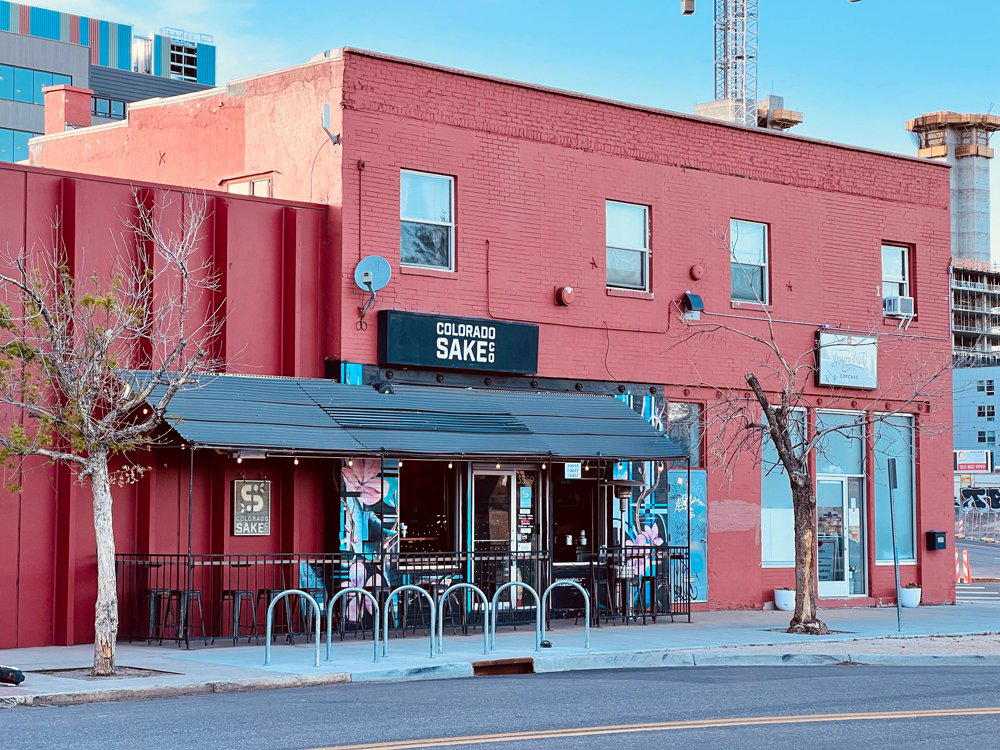
Sake Brewing in the American Interior
Denver's drink scene is weighted heavily toward craft beer and ambitious cocktail bars. The city has produced nationally recognized programs at places like Death & Co (Denver) and Williams & Graham, and its bar culture trends toward technical confidence and ingredient sourcing. Against that backdrop, Colorado Sake Co. occupies a genuinely different position: a sake brewery and tasting room on Larimer Street.
The address, 3559 Larimer St in the RiNo corridor, places it within one of Denver's most concentrated blocks of independent food and drink operations. RiNo has absorbed breweries, wine bars, and cocktail lounges at a pace that has made it one of the more competitive drinking neighborhoods in the Mountain West. For a sake producer to operate here, rather than in a coastal Japanese-American community with an established sake-drinking base, signals something about how American consumer curiosity around fermented rice drinks has broadened beyond its traditional geographic pockets.
What the Menu Architecture Reveals
In sake-focused venues, the menu structure tends to tell you more about the producer's ambitions than any single pour. A tasting room that organizes its offerings strictly by style, junmai, ginjo, nigori, signals educational intent, positioning the guest as a student of the category. A menu organized by flavor profile or food pairing signals something more hospitality-forward, less classroom, more table. How a brewery-tasting room resolves that tension says a great deal about who it thinks is walking through the door.
Colorado Sake Co.'s position as an in-house brewery means the menu is necessarily anchored to its own production. That creates a tighter, more focused list than a bar or restaurant that can cherry-pick from importers and distributors. The constraint is also the argument: if you're here, you're engaging with what this specific producer is making, not a curated tour of Japanese prefectures. For guests accustomed to the breadth of a Japanese sake import list, this is a different kind of exercise. For guests new to sake, it has the advantage of coherence, fewer choices, each one with a direct line back to the production happening on-site.
That production-to-glass proximity is rare outside of Japan and a handful of American coastal cities. Bars that specialize in Japanese spirits and fermented drinks in other American cities, Kumiko in Chicago is a notable reference point, tend to build their sake programs from import relationships rather than in-house brewing. Colorado Sake Co. sits in a smaller category: the American sake brewery with a tasting room that functions as both the production facility and the primary point of sale.
Denver's Broader Drinking Context
Understanding the bar requires some sense of where it fits within Denver's wider spectrum of drinking venues. At the cocktail end of the spectrum, the city runs from the neighborhood-bar warmth of Yacht Club to the technically ambitious programming at Ace Eat Serve. The sake tasting room format doesn't compete with any of these directly. It serves a guest who wants to understand a specific drink category through the lens of American production, which is a narrower brief than the typical cocktail bar's offer.
Nationally, the American sake brewing movement has been clustered in California and the Pacific Northwest, where Japanese-American communities and proximity to suitable water sources created favorable conditions early. The emergence of a sake producer in Colorado, at altitude and far from the traditional production geography, is part of a broader pattern in which American craft producers are testing the limits of where traditional fermentation traditions can be transplanted. The results in Colorado's case are the direct subject of the tasting room's menu.
For a broader view of how craft drink venues are evolving in unexpected American cities, comparison points include ABV in San Francisco, which built its reputation on Japanese whisky and imported spirits, and Julep in Houston, which rooted itself in a specific regional tradition. The bar is doing something adjacent but distinct: rooting a non-American tradition in a specific American place and asking guests to evaluate what that transplantation produces.
Planning Your Visit
The bar is located at 3559 Larimer St in Denver's RiNo neighborhood, walkable from several of the area's other independent venues. Reservations are recommended, particularly for group visits or any tasting events the brewery may schedule around production cycles. Hours run Monday through Thursday from 5 to 9 PM, Friday from 4 to 11 PM, Saturday from 12 to 11 PM, and the venue is closed Sunday. Price per person is about $35.
The tasting room format generally works well approached without time pressure. Sake flights at brewery tasting rooms reward slow engagement, the differences between styles become clearer over the course of a sitting than in a quick pour. If your Denver itinerary includes cocktail-forward stops like Death & Co or Williams & Graham, the bar makes logical sense as a different register of the same broader interest in craft production and category depth.
For reference points in how sake and Japanese-influenced drink programs operate in other American cities, Bar Leather Apron in Honolulu brings Japanese precision to cocktail format in a Pacific context, while Superbueno in New York City and Jewel of the South in New Orleans illustrate how regional specificity shapes drink menus in ways that sake-focused venues are beginning to replicate. The Parlour in Frankfurt on the Main offers a European comparison point for how specialty drink formats build programming around a single category with depth.
Awards and Standing
Comparable venues nearby, for context on price, style, and recognition.
| Venue | Cuisine | Price | Notes |
|---|---|---|---|
| Colorado Sake Co.This venue — the venue you are viewing | sake_bar | $$ | Not listed |
| TOKIO | sake_bar | $$ | Five Points |
| Cart-Driver RiNo | wine_bar | $$ | Curtis Park |
| Fort Greene | cocktail_bar | $$ | Globeville |
| El Patio | rooftop_bar | $$ | LoDo |
| Queensberry Coffee | Bar | $$ | Highland |
Continue exploring
More in Denver
Bars in Denver
Browse all →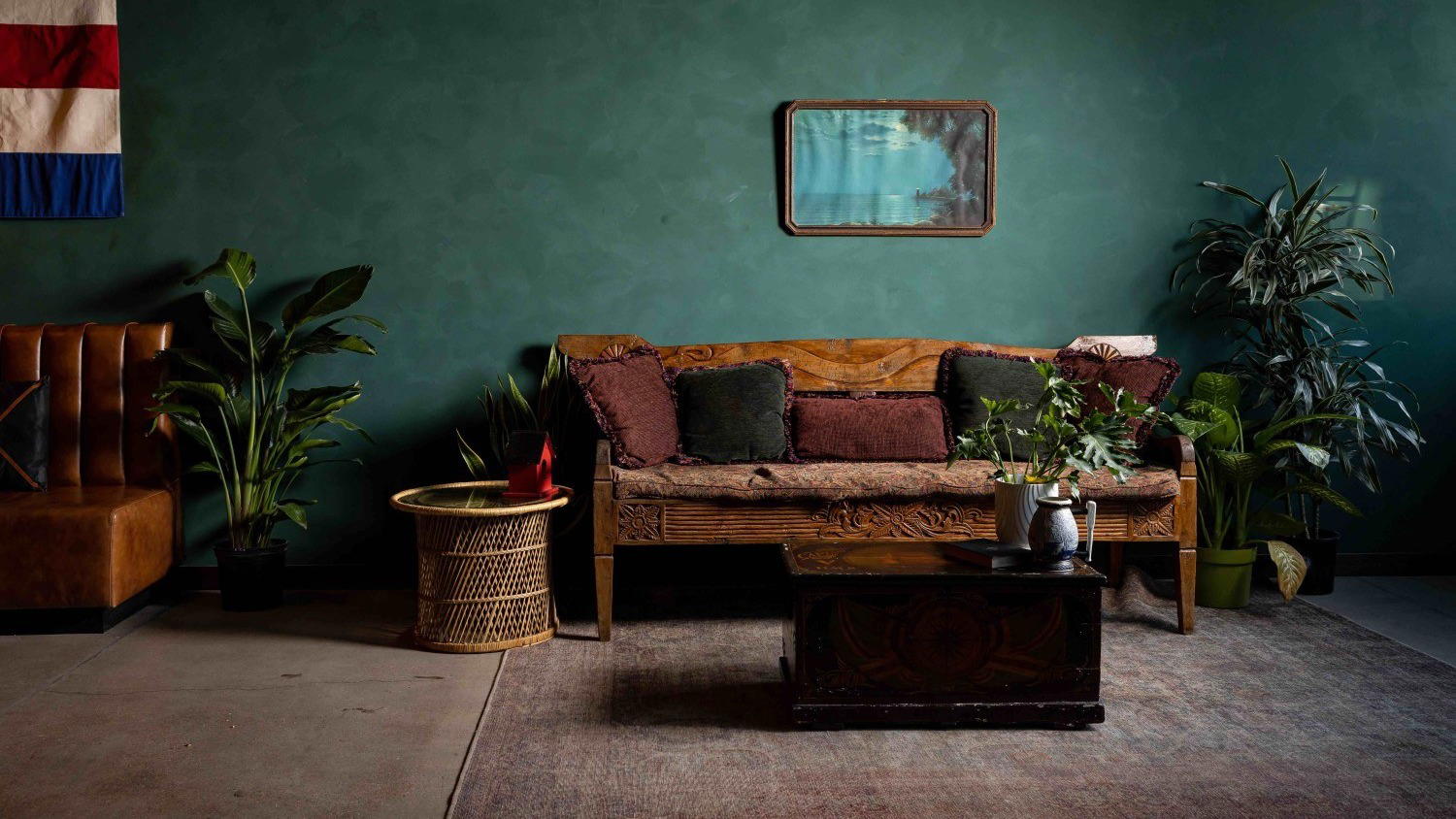
Restaurants in Denver
Browse all →
Hotels in Denver
Browse all →
Wineries in Denver
Browse all →
At a Glance
- Trendy
- Cozy
- Modern
- Intimate
- Date Night
- Group Outing
- Casual Hangout
- Celebration
- Live Music
- Design Destination
- Standalone
- Seated Bar
- Lounge Seating
- Sake
- Craft Cocktails
Current opening hours
- Monday
- 5–9 PM
- Tuesday
- 5–9 PM
- Wednesday
- 5–9 PM
- Thursday
- 5–9 PM
- Friday
- 4–11 PM
- Saturday
- 12–11 PM
- Sunday
- Closed
Hours can change for holidays and private events. Last verified .
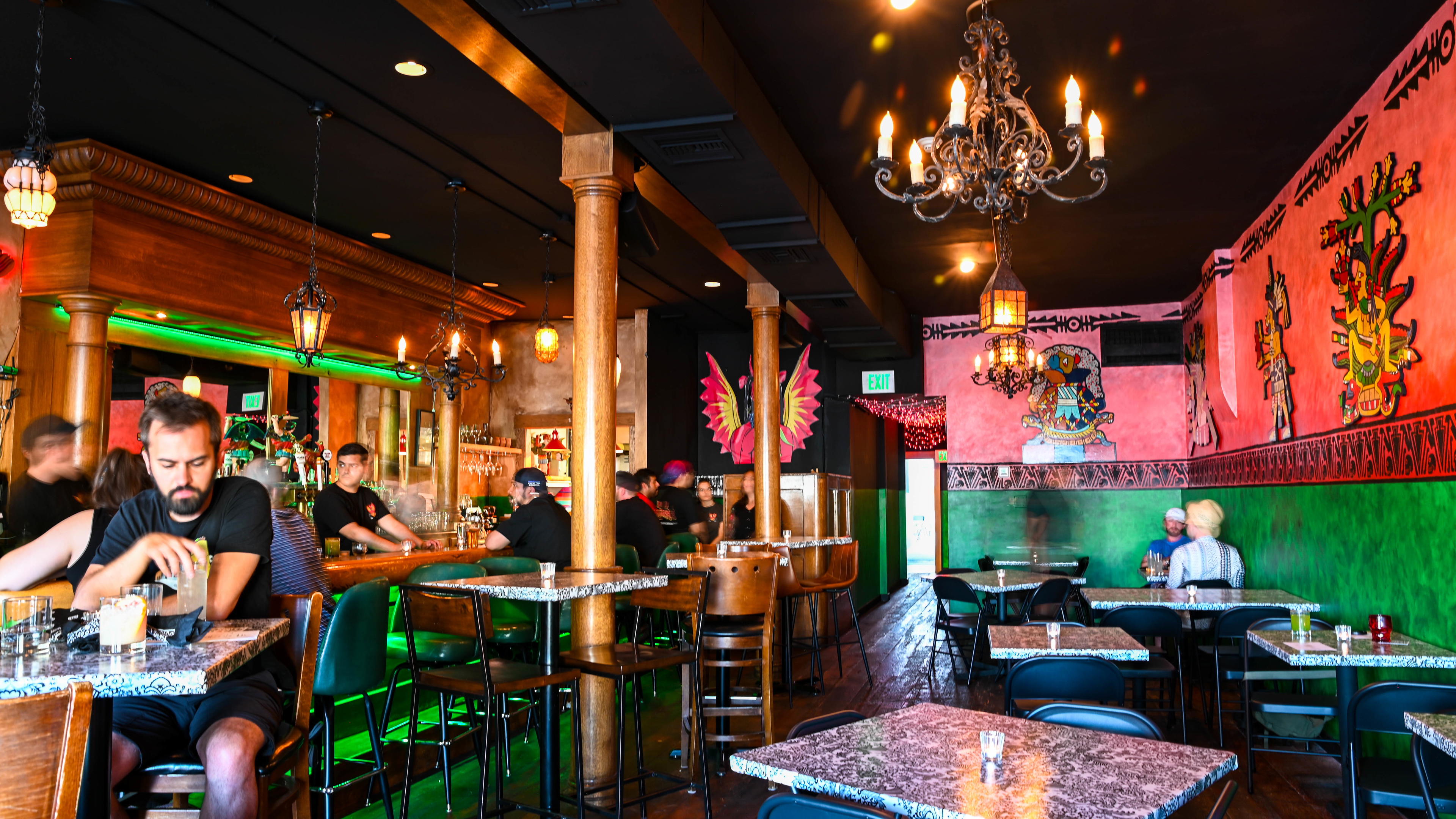
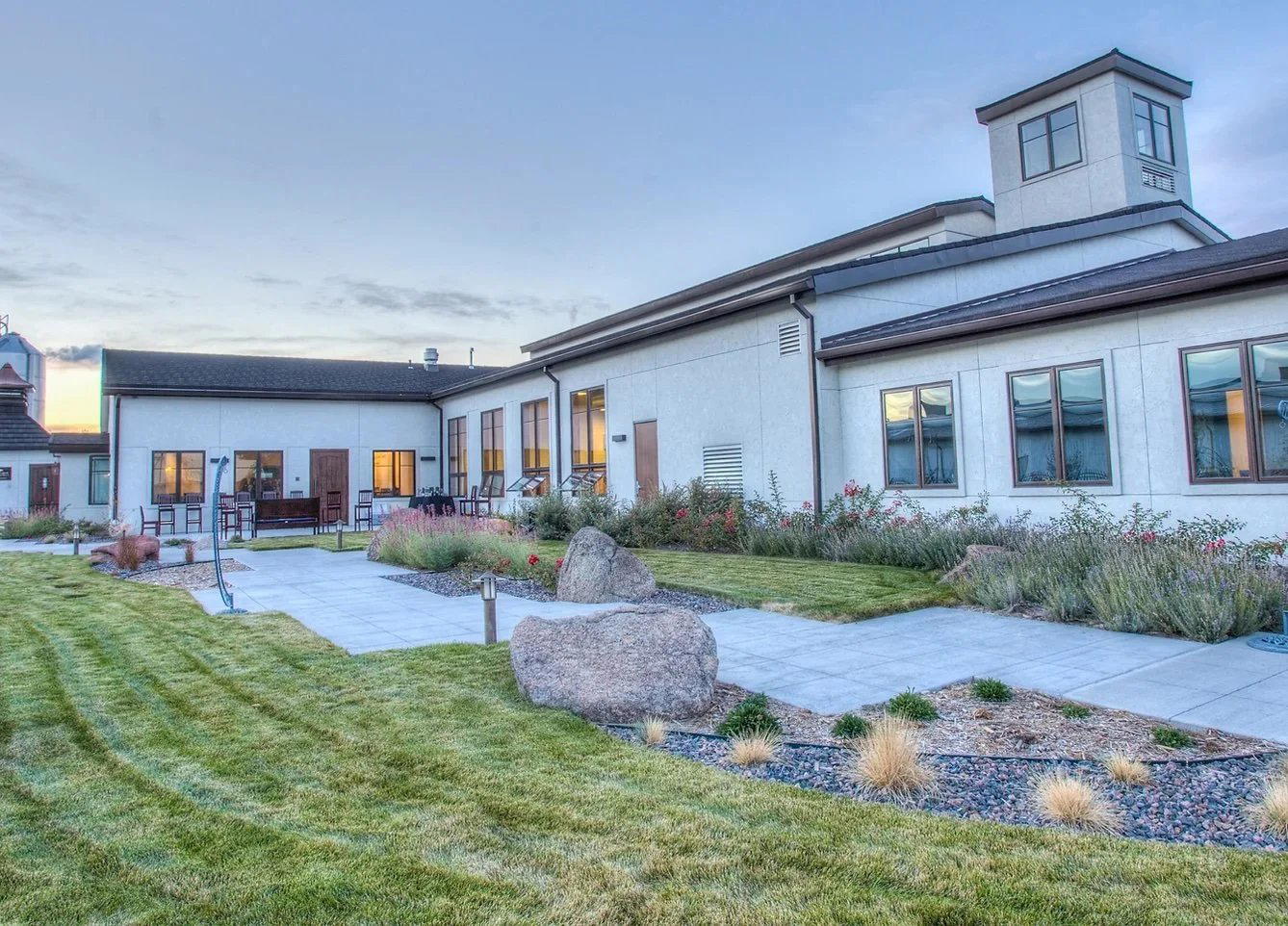
Cozy tasting room with intimate atmosphere, smooth jazz lighting on Thursday nights, and lively entertainment spaces for comedy and events.