
World's 50 Best #44
A Swanston Street institution that earned a place at #44 on the World's 50 Best Bars list in 2009, The Toff in Town occupies Melbourne's live-music-meets-cocktail-bar niche with staying power.

Pearl is the En Primeur Club membership app, where members save venues, book tables and use the concierge.
Second Floor, Long Memory: Melbourne's Cocktail-Bar Tradition and Where The Toff Fits
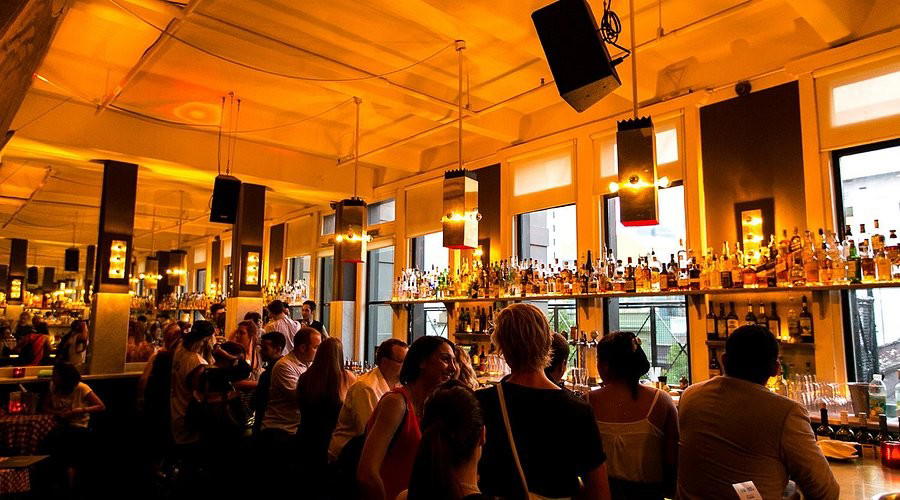
Melbourne's bar scene has always operated on vertical geography. The city's leading rooms tend to sit above street level, behind unmarked doors, or below pavement grade, and the decision to place a bar on a second floor carries a specific set of signals: you are not here by accident, you made a choice. The Toff in Town, on the second floor of 252 Swanston Street, belongs to that tradition. The climb from street level is brief, but it functions as a filter. The pedestrian noise of one of the city's busiest retail corridors fades, and what replaces it is a room with its own interior logic.
That logic has proved durable. In 2009, The Toff appeared at number 44 on the World's 50 Best Bars list, a placement that put Melbourne's bar culture in an international conversation it had been building toward for most of that decade. The timing matters as context: 2009 was early in the global cocktail renaissance, before the proliferation of bar awards programmes and before every capital city had a Negroni-focused basement operation.
To understand what The Toff represents, it helps to map the cohort it operates alongside. Melbourne's serious cocktail bars have branched in several directions over the past fifteen years. 1806 built its identity around cocktail history and a menu structured by era. Above Board occupies the standing-room-only, eight-person counter format that treats bartending as performance in the strictest sense. Black Pearl in Fitzroy has accumulated years of international recognition as a high-volume operation that never sacrifices technique for throughput. Byrdi has pushed the local-ingredients brief further than almost any other room in the country, building a programme around native Australian botanicals and fermentation.
The Toff's position in this field is that of the venue with the longest international timestamp. Where some of its peers have collected more recent accolades, The Toff's 2009 World's 50 Best citation pre-dates most of the current award infrastructure. That is not a criticism, it is a structural observation about where the bar sits in Melbourne's bar history. It entered the international conversation before that conversation had the vocabulary it has now.
Local Ingredients and the Global Technique Question
One of the more productive tensions in Australian bar culture over the past decade has been between imported method and domestic material. Bartenders trained on classic European and American frameworks, spirit-forward stirred drinks, citrus-acid structures, bitters hierarchies, began encountering an ingredient set that those frameworks were not built around. Native finger lime, lemon myrtle, wattleseed, and Dorrigo pepper do not slot neatly into a Sour template or a Highball riff without adjustment. The bars that have navigated this most interestingly, like Byrdi, have treated the tension as generative rather than problematic.
For a bar of The Toff's vintage, the question of how aggressively it pursues that local-ingredient brief is part of what defines its contemporary identity. The bar's 2009 recognition came during a period when global technique was itself the point, when the craft cocktail movement was still establishing that precision and provenance mattered at all. The subsequent shift in Australian bars toward native botanicals and terroir-driven programmes represents a second wave that The Toff has watched from a position of prior establishment. Whether it has absorbed that wave or held to the template that earned its original recognition is a question the room itself answers.
The Swanston Street Location as Urban Context
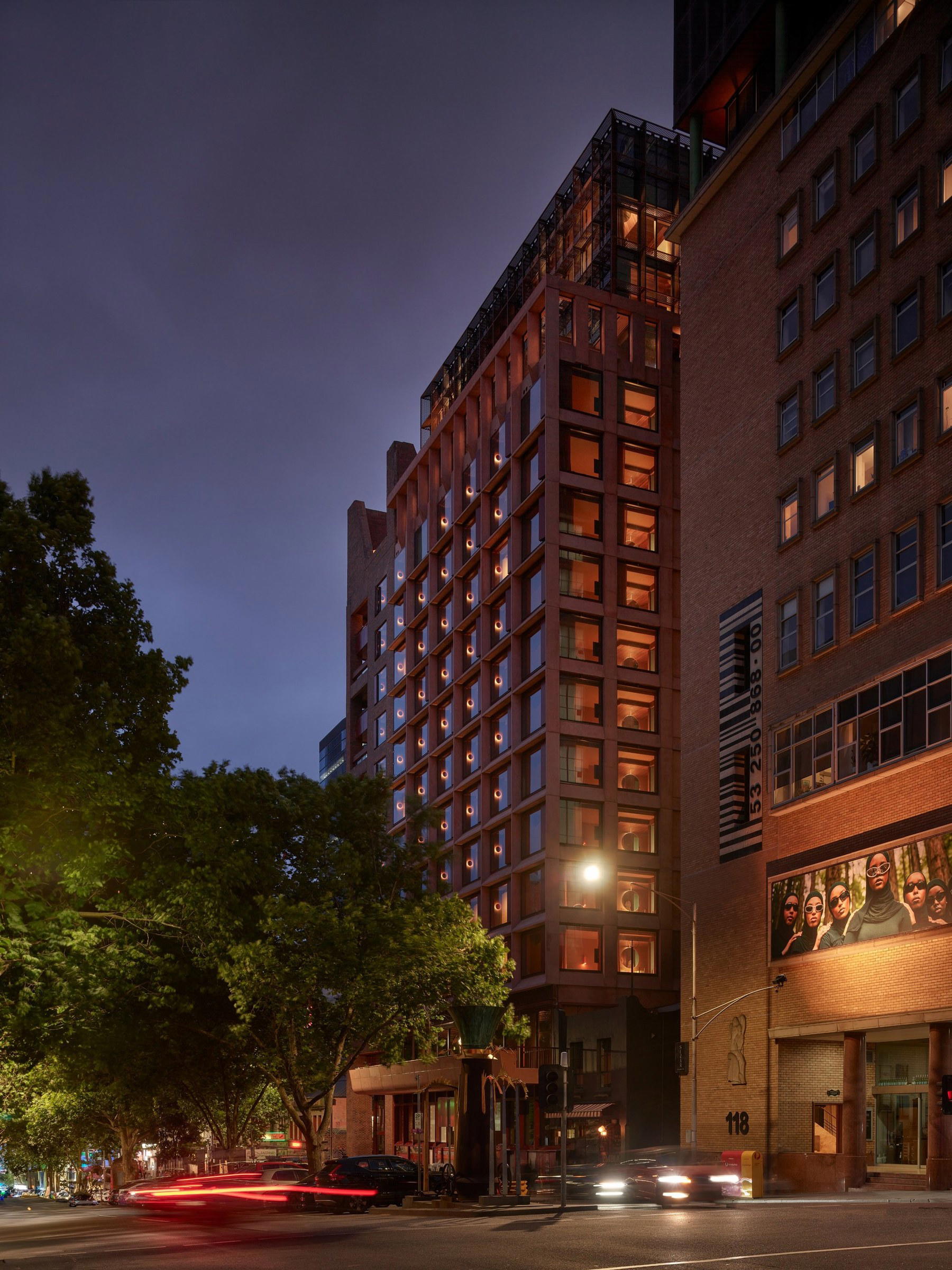
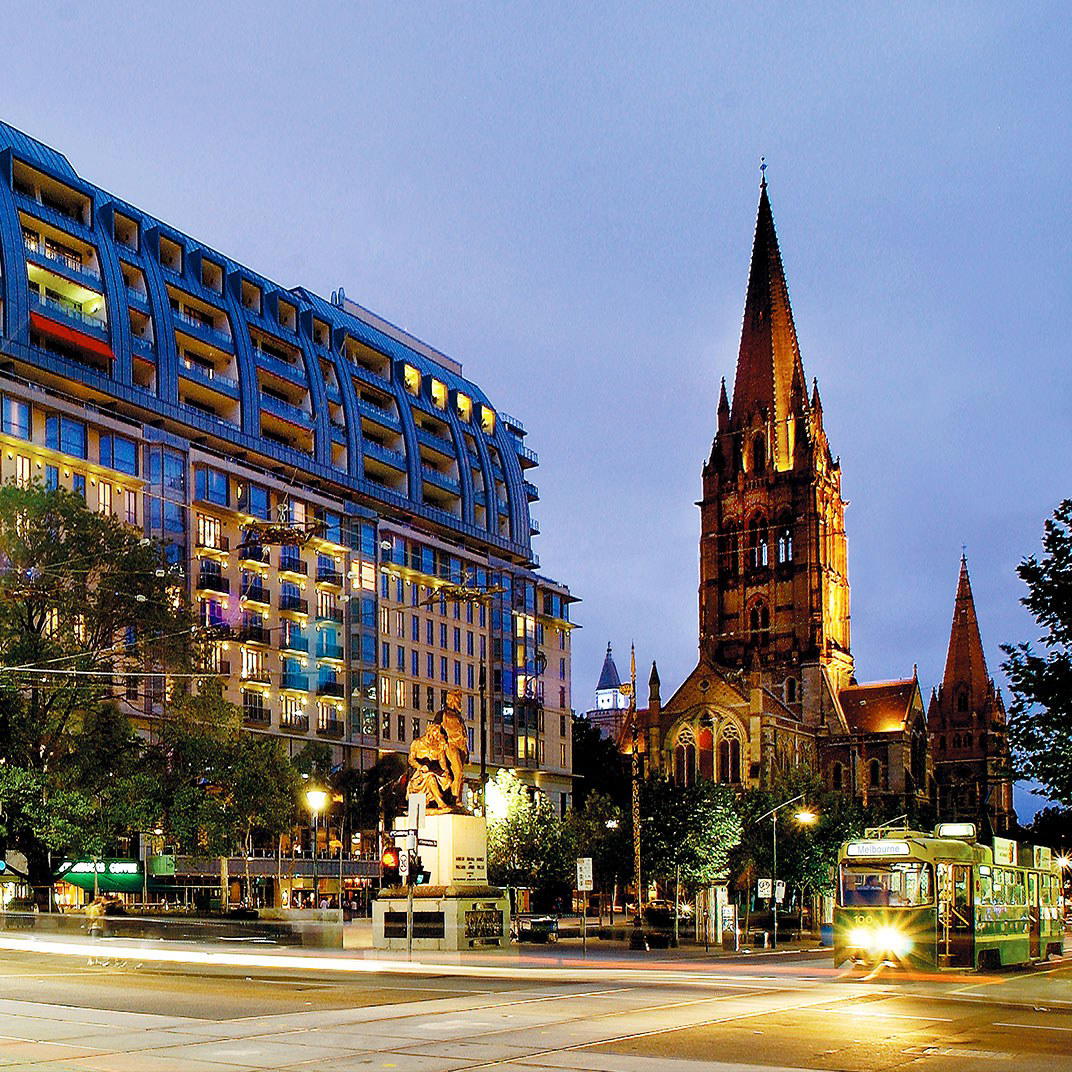
Swanston Street bisects the CBD in a way that makes it simultaneously central and difficult to romanticise. It is a tram corridor, a student thoroughfare, a retail spine. The addresses along it tend toward the functional. The Toff's second-floor placement is therefore a deliberate piece of urban positioning: the bar exists above the street's noise rather than within it, which creates the sensory separation that better rooms in Melbourne use to establish mood.
For visitors to the city, the address is convenient without being the sort of destination that requires planning. It sits within walking distance of the hotel corridor along Collins Street and is accessible from Flinders Street station without navigating the inner suburbs. Those planning a broader Melbourne bar evening might consider The Toff as an early stop before moving toward the denser cocktail concentration of Fitzroy, where Black Pearl and the surrounding bar scene operate later and with a different energy.
Across the Australian Bar Circuit
The pattern of internationally recognised bars emerging from Australian cities has become consistent enough to read as a structural feature rather than an anomaly. Cantina OK! in Sydney demonstrated that a small-format, spirits-led room could achieve recognition without scale. Bowery Bar in Brisbane and La Cache à Vín in Spring Hill reflect how Queensland's bar culture has developed its own serious tier. Further west, Whipper Snapper Distillery in East Perth represents the production-led bar model, where the distillery itself is the credential. Internationally, Bar Leather Apron in Honolulu shows how the serious-cocktail format has travelled across the Pacific. The Toff predates most of these as a marker on the international map, and its longevity across the full arc of that development is its most observable characteristic.
Planning a Visit
The bar sits on the second floor of 252 Swanston Street, Melbourne, with the entrance accessible from street level on one of the city's main pedestrian and tram corridors. Without current published hours or a booking system to reference, the practical guidance that applies to most CBD bars of this type holds: Friday and Saturday evenings draw the heaviest traffic, and arriving before 9pm tends to mean easier access to the bar itself rather than a crowded floor. For a fuller picture of where The Toff sits within Melbourne's broader hospitality offering, the EP Club Melbourne guide maps the city's bars, restaurants, and hotels against each other. Visitors who have also spent time at Fratelli Paradiso in Potts Point or Blu Bar on 36 in The Rocks will find The Toff occupies a different register, less about panoramic spectacle and more about the specific Melbourne mode of room-making: interior-focused, historically aware, and operating on the assumption that the people in the room chose to be there.
Comparable Spots, Quickly
Comparable venues nearby, for context on price, style, and recognition.
| Venue | Cuisine | Price | Awards | Notes |
|---|---|---|---|---|
| The ToffThis venue (the venue you are viewing) | lounge | $20–30 | World's 50 Best #44 | Not listed |
| Melbourne Supper Club | wine_bar | $50–100 | World's 50 Best #41 | Melbourne |
| 1806 | cocktail_bar | $20–30 | World's 50 Best #34 | Melbourne |
| The Everleigh | Bar | Not listed | World's 50 Best #25 | Fitzroy |
| Caretaker's Cottage | cocktail_bar | $20–30 | World's 50 Best #19 · Top 500 Bars Best Bars #47 | Melbourne |
Recognition history
Dated appearances from independent guides and award organizations, with the underlying list record or original source where available.
World's 50 Best Bars #44
World's 50 Best
Continue exploring
More in Melbourne
Bars in Melbourne
All bars in Melbourne →
Restaurants in Melbourne
All restaurants in Melbourne →
The Toff
The drinks
- Craft cocktails
- Classic cocktails
Signature drinks: Twisted Sister, Shiraz Sangria.
Details
- Lively
- Trendy
- Intimate
- Energetic
- Date Night
- Late Night
- Group Outing
- Live Music
- Historic Building
- Booth Seating
- Lounge Seating
- Seated Bar
- Classic Cocktails
- Craft Cocktails
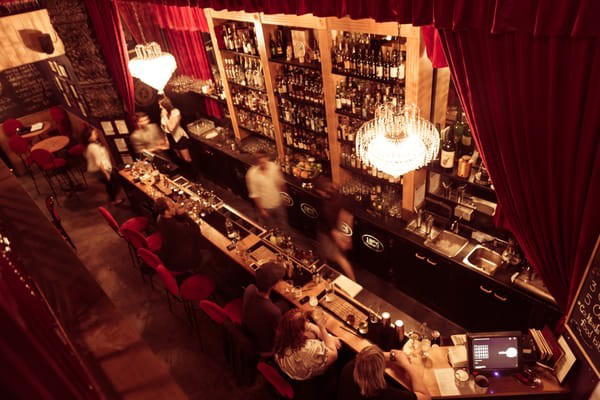
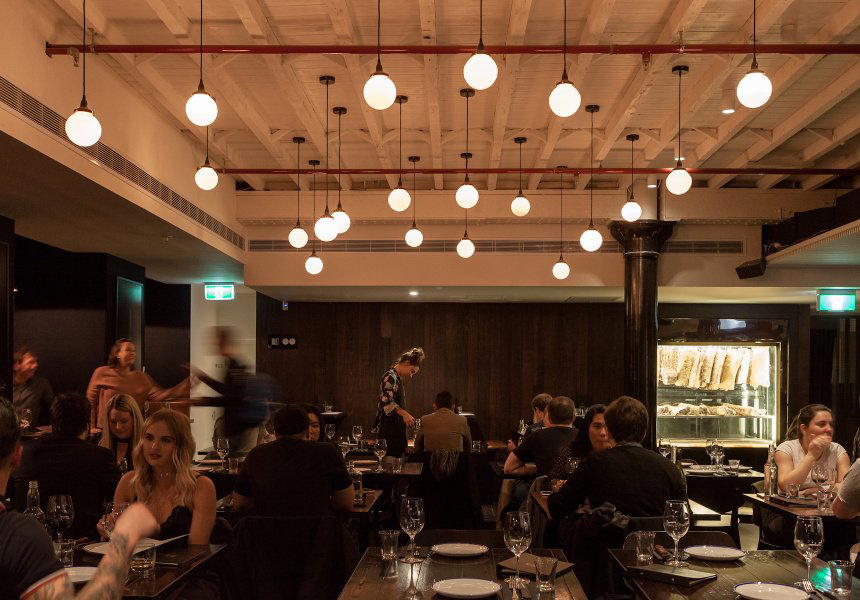
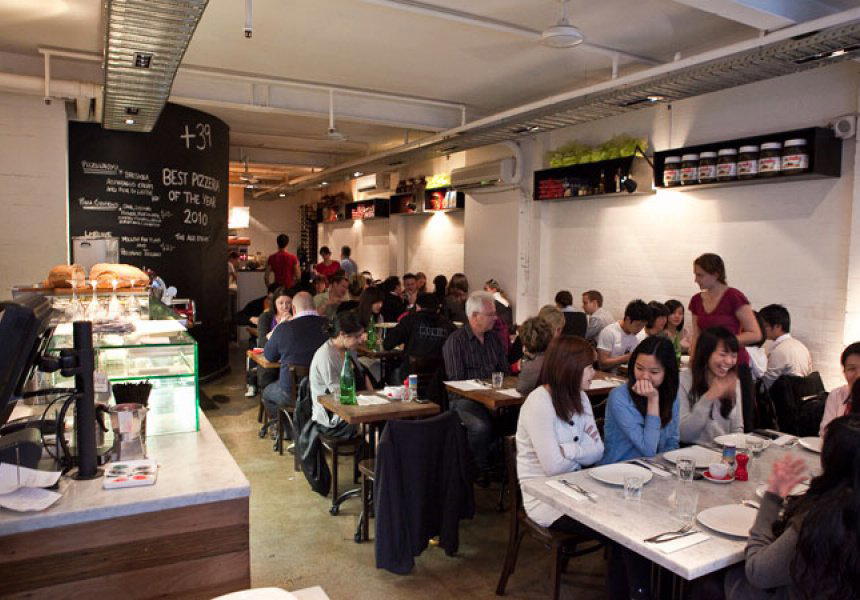
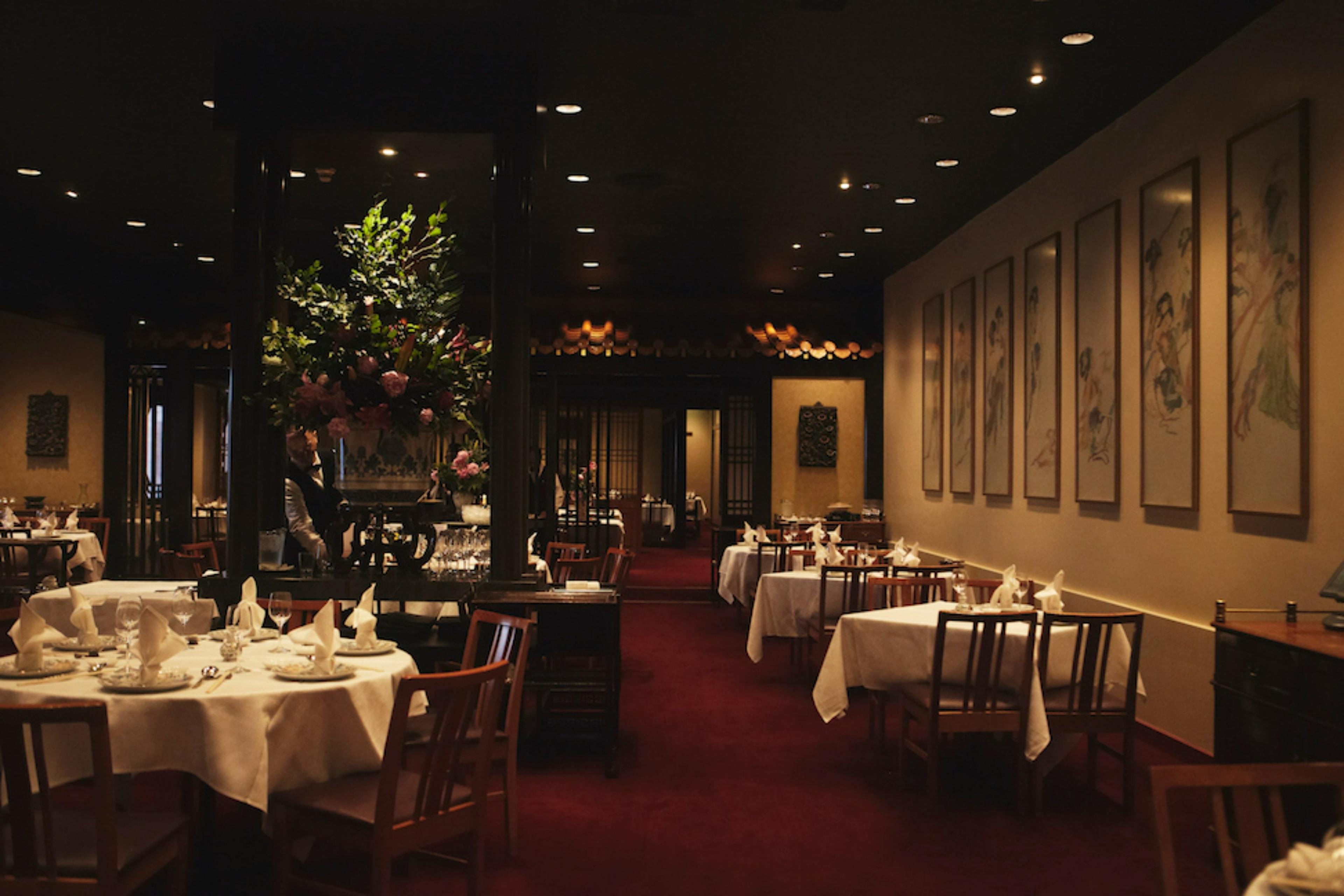
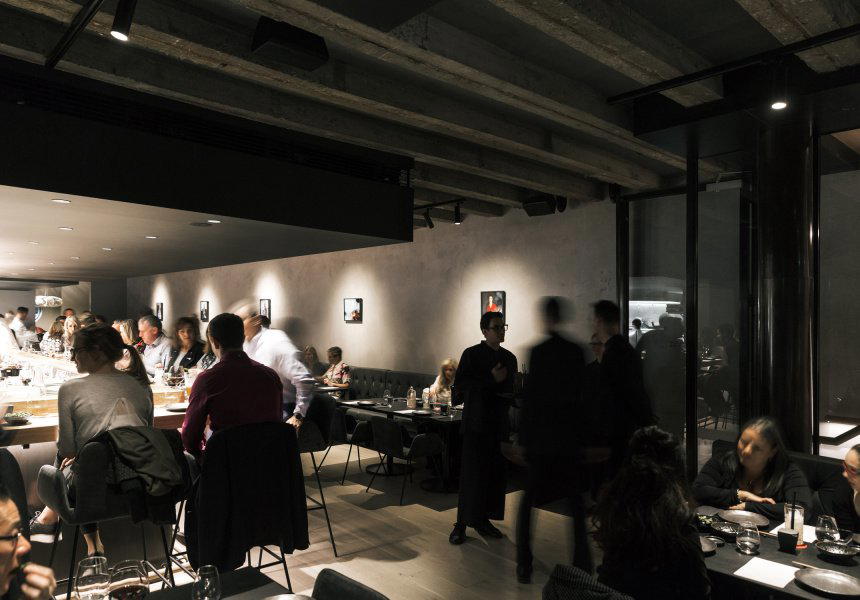
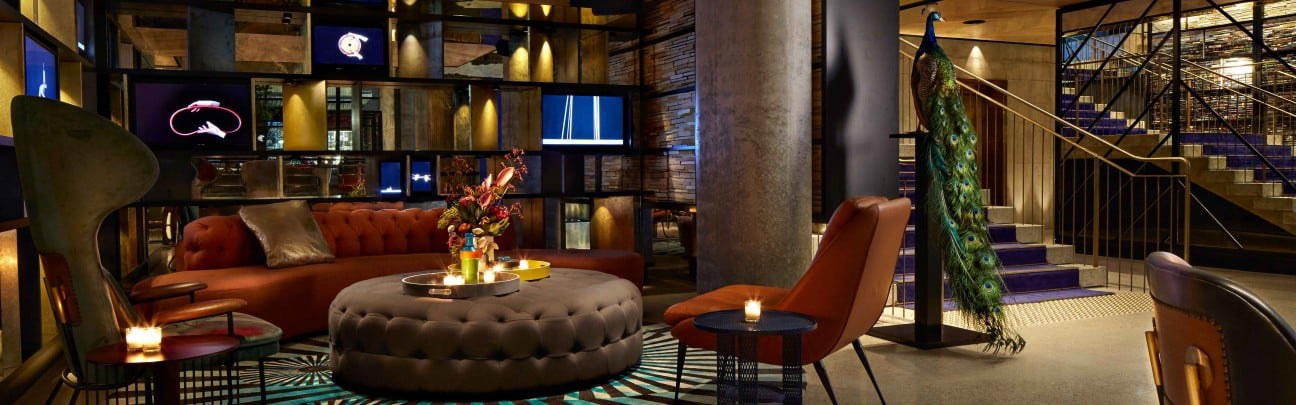
Dim lighting with a vibey, decadent atmosphere featuring cosy private booths, red-curtained rooms, and pulsing energy from music and crowds.