Google: 4.6 · 123 reviews

Housed within the Westbury Hotel on Balfe Street, The Sidecar is Dublin's Art Deco hotel bar where tableside Martinis and story-driven cocktails anchor a considered drinks program. The setting balances period elegance with modern hospitality, making it one of the city's more deliberate cocktail destinations. An address for those who treat the bar counter as seriously as the dining room.
 Discover on Pearl
Pearl is the En Primeur Club membership app — saves, bookings, and concierge access live there. Same editors, same standards.
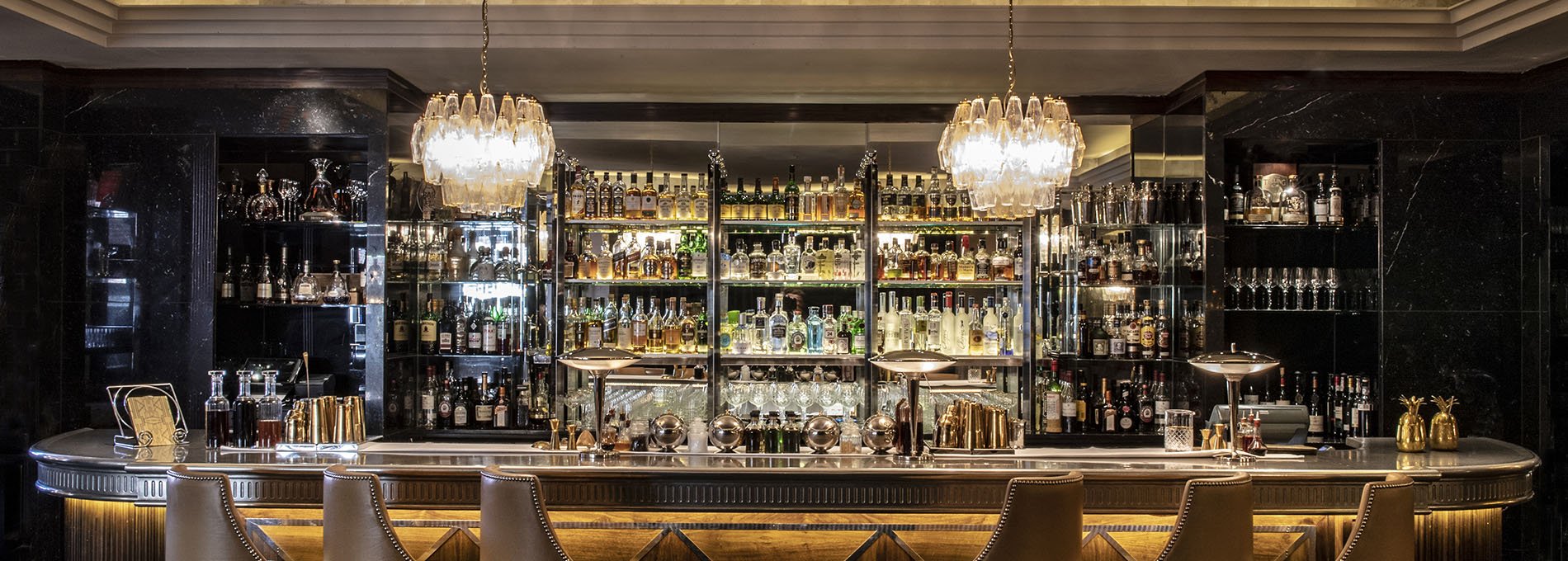
A Different Kind of Dublin Evening
Dublin's hotel bar tradition has always sat apart from the pub circuit. Where the pub absorbs and disperses, the hotel bar concentrates: a specific kind of unhurried attention, a dress code implied if not enforced, and a drinks program with something to prove. The Sidecar, located within the Westbury Hotel on Balfe Street in the heart of the city, occupies that tier of the Dublin drinking scene where the glass and the room are both taken seriously.
Grafton Street's retail corridor gives way to Balfe Street almost without announcement, but the shift in register is immediate. The Westbury has been a fixture of Dublin's premium hospitality offer since the 1980s, and The Sidecar reflects the hotel's successive efforts to keep its bar relevant as the city's cocktail culture matured around it. Art Deco detailing anchors the interior visually, but the program has moved forward: story-driven cocktails and a deliberate connection to Dublin's heritage signal a bar that has done more than redecorate.
How the Bar Format Has Shifted
The evolution of hotel bars in Dublin mirrors a broader pattern visible across European capital cities. For most of the 1990s and early 2000s, hotel bars in this city operated as adjuncts to accommodation, places guests used out of convenience rather than destination drinkers sought out on principle. The arrival of serious independent cocktail programs at venues like Bar 1661 changed the standard of reference. Suddenly a hotel bar had to justify itself on drinks terms rather than location alone.
The Sidecar's current direction reflects that recalibration. The tableside Martini service, a format that requires both technical confidence and front-of-house discipline to execute without tipping into theatre, is a deliberate positioning choice. It places The Sidecar in a peer set defined less by hotel affiliation and more by the kind of precision-led cocktail programs found at venues like Bar Leather Apron in Honolulu, where ritual and craft are the product rather than the backdrop.
Heritage framing is another signal of where the bar has moved. Story-driven cocktails that reference Dublin's history are not a nostalgic indulgence; they reflect a broader shift in premium bar programming toward place-specificity. The leading version of this approach creates drinks that could not plausibly exist anywhere else. Ireland's cocktail bars have been working through this question with increasing sophistication. Bar 1661 built its entire identity around Irish spirits and historical depth. A Fianco takes a different route through Italian aperitivo culture transplanted to a Dublin setting. The Sidecar operates from inside a hotel, which gives it a different kind of institutional weight to work with.
The Room and What It Signals
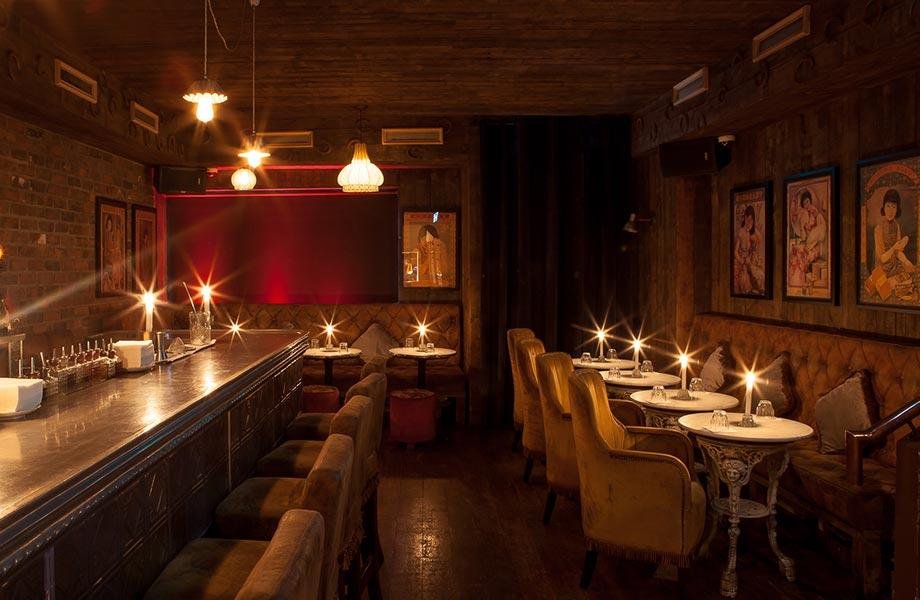
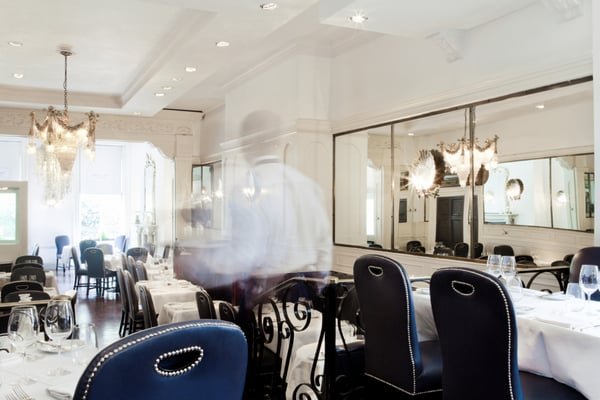
Art Deco as a design language carries specific associations: geometric precision, luxury materials, a formality that stops short of intimidation. In a bar context, it tends to produce spaces that reward slowing down. The Sidecar uses that register deliberately, and it aligns with the tableside service model. You do not rush a Martini made at the table. The room and the drinks program reinforce each other.
That coherence separates The Sidecar from hotel bars that layer cocktail ambitions onto spaces designed for an earlier era of hospitality. Across Ireland, a handful of properties have managed this alignment successfully. Lough Eske Castle in Donegal achieves something similar through a different architectural inheritance. Arthur Mayne's Pharmacy in Cork draws on a specific historical identity to anchor its drinks offer. The underlying logic is the same: when the physical space and the program speak the same language, the experience gains weight.
Dublin's broader bar scene has diversified significantly over the past decade. The independent contingent, including Bar Pez and Bison Bar and BBQ, covers a range of formats and price points that would have seemed implausible in 2010. Against that context, a hotel bar's point of difference has become the combination of physical setting and service standard rather than drinks novelty alone. The Sidecar's Art Deco room and tableside ritual deliver on both counts.
Drinking Well Here
The Martini is the obvious starting point, and at a bar that has made tableside preparation central to its identity, ordering it is a reasonable way to assess how seriously the program is executed. The mechanics of a tableside Martini, temperature control, dilution timing, glassware management, are easier to get wrong than the format suggests. When done with precision, the ritual adds something that a bar-poured drink cannot fully replicate.
Beyond the Martini, the story-driven cocktail format means that the menu should function as an argument rather than a list. Each drink, at least in theory, positions itself within a broader narrative about Dublin or Irish heritage. This approach works leading when the narrative connection informs the ingredient choice rather than appearing as annotation after the fact. Visitors planning to spend time with the menu rather than defaulting to a house classic will find more to engage with here than at a conventional hotel bar.
For those exploring the wider Irish drinks scene independently, 64 Wine in Glasthule offers a different angle on considered drinking south of the city, while Pig's Lane in Killarney and Prim's Bookshop in Kinsale demonstrate how far the craft bar format has distributed itself beyond Dublin. Baba'de in Baltimore represents another corner of that regional picture.
Planning Your Visit
The Sidecar sits within the Westbury Hotel on Balfe Street, a short walk from Grafton Street and accessible from most central Dublin points without requiring planning. The hotel's position in the Grafton Quarter means it operates at the intersection of the city's retail, cultural, and hospitality zones, which makes it a natural anchor for an evening that might begin elsewhere. Seasonal considerations are worth factoring in: the bar draws on Dublin's heritage identity, and the city's festival calendar, from winter cultural programming through to the busier summer visitor months, affects the ambient register of the Westbury considerably. Early weekday evenings offer the most space and service attention for those treating the Martini program as the main event rather than a prelude to dinner.
For a fuller map of where The Sidecar sits within Dublin's current drinking scene, our full Dublin restaurants and bars guide covers the city's key venues by neighbourhood and format.
Local Peer Set
Comparable options at a glance, pulled from our tracked venues.
| Venue | Cuisine | Price | Notes |
|---|---|---|---|
| The Sidecar | This venue | ||
| Blind Pig Speakeasy Lounge | |||
| A Fianco | |||
| Bar 1661 | |||
| Bar Pez | |||
| Ely Wine Bar |
Continue exploring
More in Dublin
Bars in Dublin
Browse all →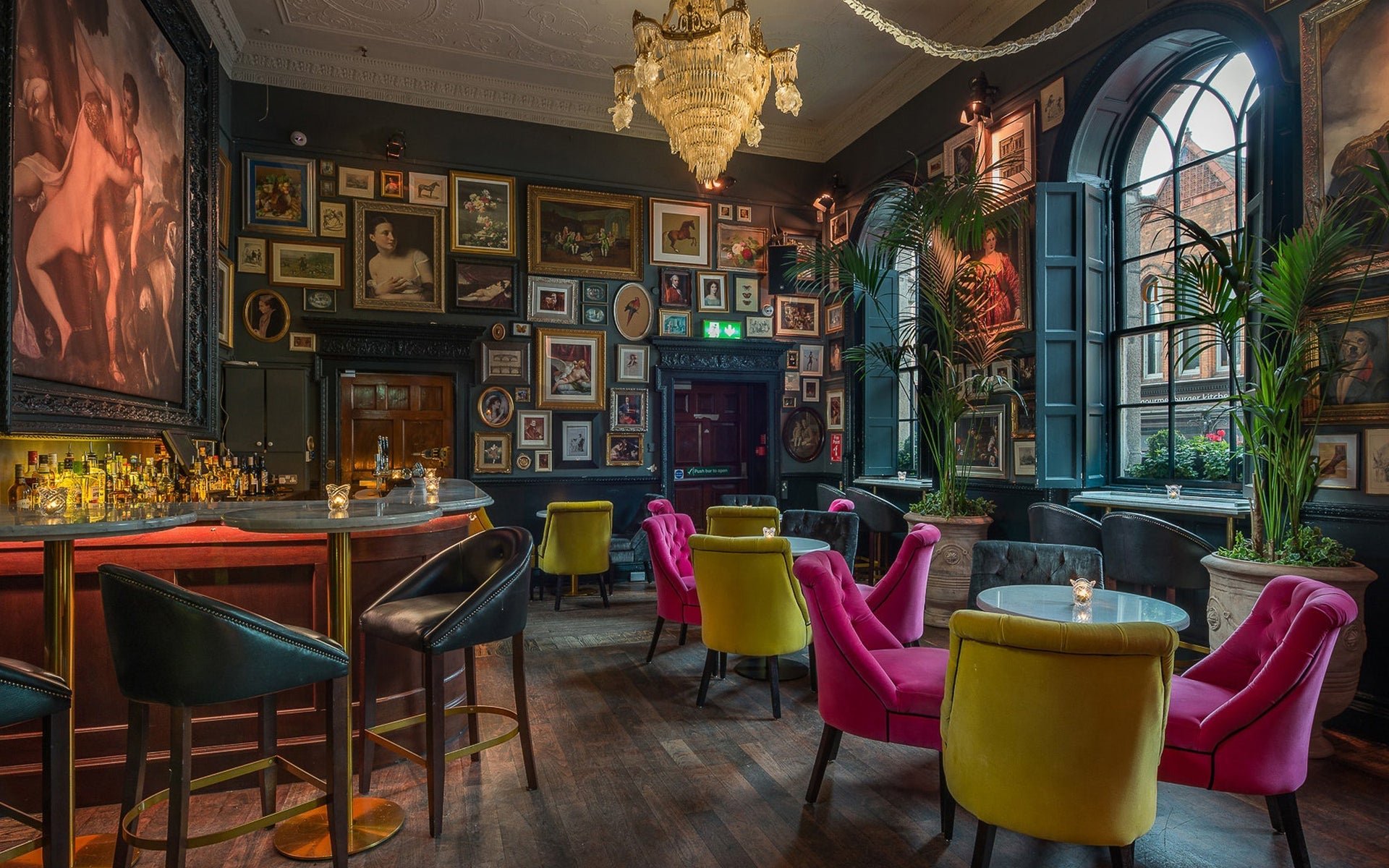
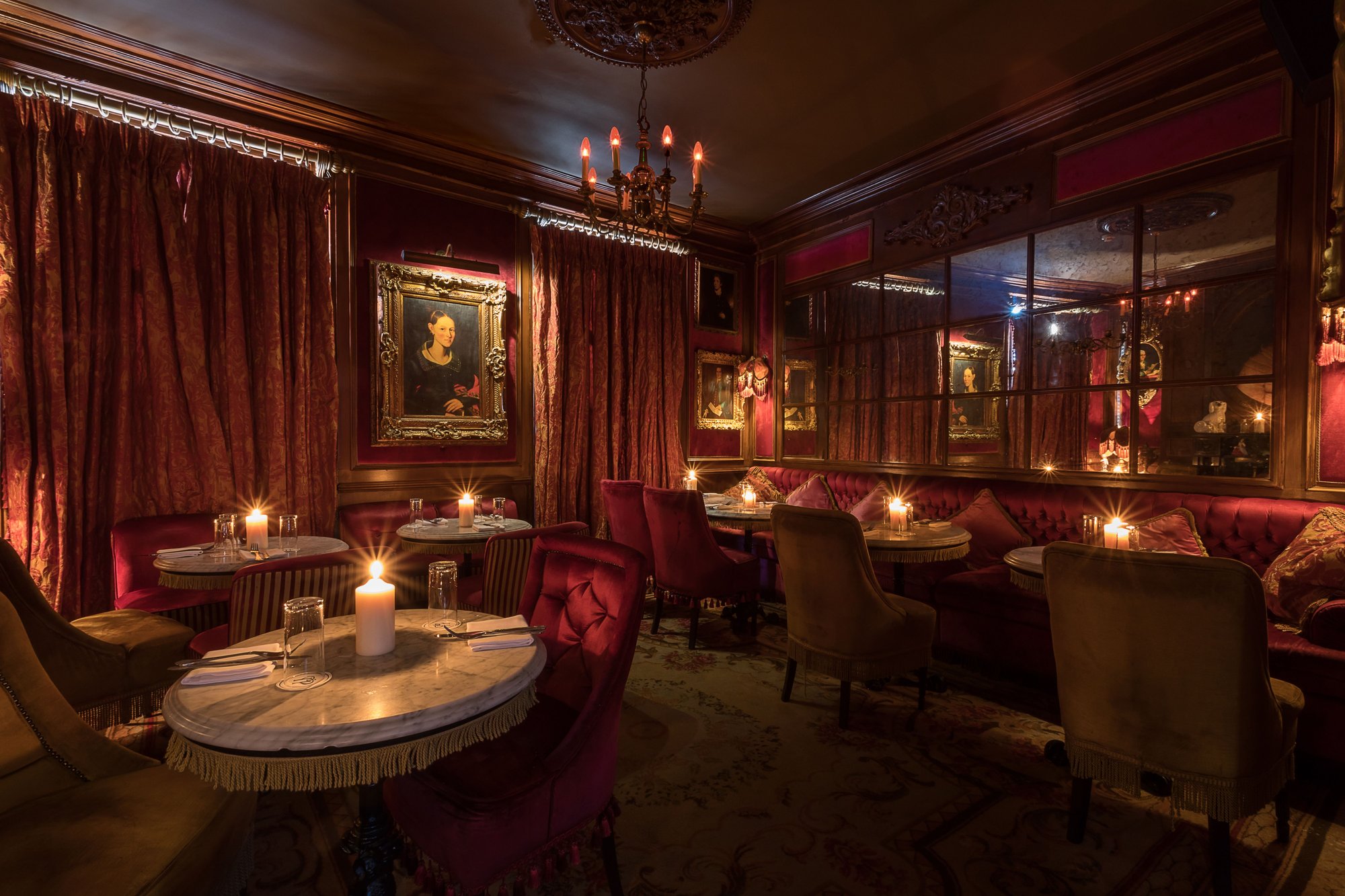
Restaurants in Dublin
Browse all →
Hotels in Dublin
Browse all →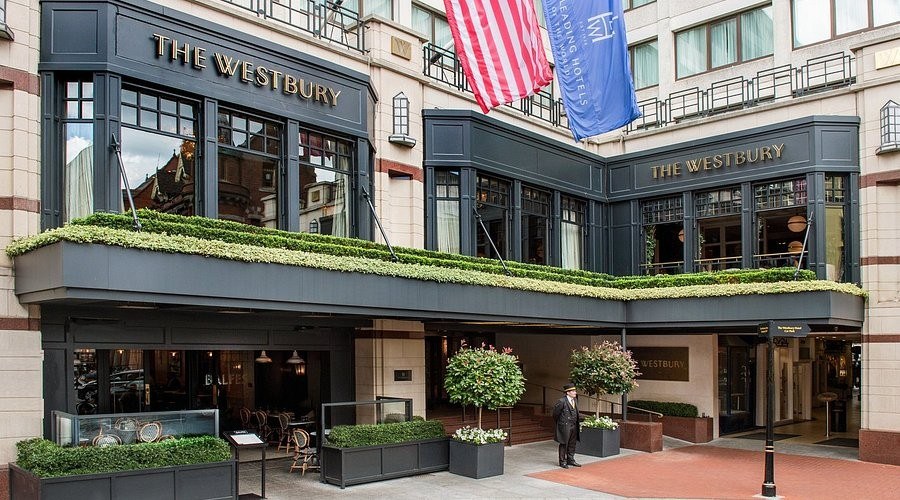
At a Glance
- Elegant
- Cozy
- Sophisticated
- Intimate
- Classic
- Date Night
- Special Occasion
- Celebration
- Hotel Bar
- Seated Bar
- Lounge Seating
- Craft Cocktails
- Classic Cocktails
Beautifully lit with flattering golden lighting, cozy and enveloping Art Deco atmosphere.