The Mercury Lounge
The Mercury Lounge on East Houston Street occupies a specific corner of the Lower East Side's live music and late-night drinking culture — a room where the energy runs high by 10 p.m. and the bar crowd overlaps comfortably with the concert crowd. Its address places it at the centre of a neighbourhood that has shaped New York's independent music scene for decades, making it a reference point for the city's less-polished, more purposeful nightlife.
Pearl is the En Primeur Club membership app — saves, bookings, and concierge access live there. Same editors, same standards.
- Address
- 217 E Houston St, New York, NY 10002
- Phone
- +1 212 260 4700
- Website
- mercuryeastpresents.com
- Directions
- Get directions
 Saves & bookings on Pearl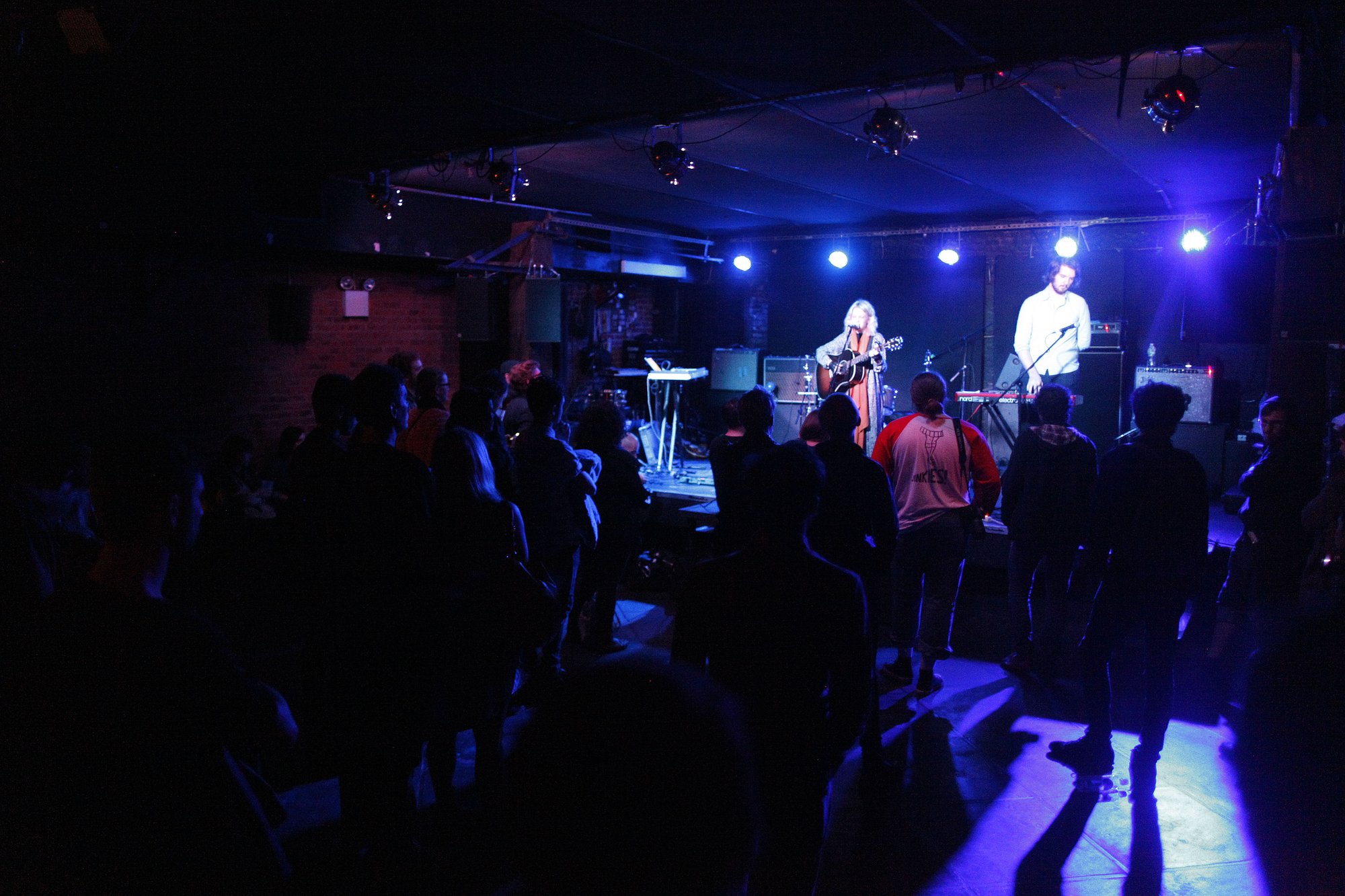
A Room That Earns Its Reputation Through Use
East Houston Street moves differently from the rest of the Lower East Side. The blocks between Orchard and Avenue A carry a particular kind of nightlife energy — not the curated cocktail-bar quiet of the blocks to the north, and not the tourist-density of the Bowery further west. At 217 E Houston, The Mercury Lounge has occupied this stretch long enough to become part of the neighbourhood's architectural memory. The room itself is the argument: a front bar area that fills early, a back stage that has hosted a remarkable run of acts across indie, punk, and alternative genres since the venue opened in the early 1990s.
New York's live music venues divide into two broad categories: the seated theatres that manage crowds from a distance, and the standing rooms where the audience presses toward the stage. The Mercury Lounge belongs firmly in the second category, and the experience it offers is built around that proximity. Capacity is deliberately limited, which means the room works as an intimate counterpoint to the larger Manhattan venues — Bowery Ballroom, Terminal 5, Brooklyn Steel, that sit further up the booking ladder. Acts that play Mercury are often at an inflection point in their career, or are choosing the room for reasons of scale and feel rather than necessity.
The Ritual of a Mercury Lounge Night
The pattern of a night here has a logic to it. The front bar opens before the show, and the ritual is to arrive early enough to claim space and settle into the room before the back fills. The bar itself functions as a conventional rock-venue bar, accessible, unpretentious, priced for a neighbourhood that still maintains some resistance to the premiumisation creeping in from SoHo and the West Village. Drinks here are not the story; the room is.
Doors typically open around an hour before the listed showtime, and the transition from bar crowd to concert crowd happens gradually rather than all at once. By the time the headliner takes the stage, the back room has compressed to the point where the acoustic experience becomes physical. Sound carries differently in a 250-to-300-capacity room than it does in a 1,500-seat hall, and the Mercury's dimensions are calibrated, partly by design, partly by decades of use, to that specific register of loud-but-legible.
This is where the dining-and-drinking ritual diverges from the cocktail-bar model that has come to define much of Manhattan's premium nightlife. At venues like Angel's Share or Attaboy NYC, the evening is structured around the drink as the primary object of attention, the menu, the technique, the conversation with the bartender. At the Mercury, the drink is infrastructure. You are there for something else, and the bar exists to serve that larger purpose without interrupting it.
Where It Sits in the Lower East Side's Drinking Scene
The Lower East Side has developed into one of the more interesting intersections of bar culture in New York, partly because the neighbourhood has resisted full gentrification at the street level even as rents have risen. Bars on the LES operate across a wide tonal range. Amor y Amargo, a few blocks away, represents the serious-spirits end of the spectrum, bitters-focused, detail-oriented, quiet enough to discuss what you're drinking. Superbueno plays in a brighter, higher-energy register. The Mercury sits outside that cocktail continuum entirely, its identity rooted in music programming rather than drinks philosophy.
That distinction matters when you're mapping a night out. The Mercury is not a venue you go to because of what's behind the bar; you go because of what's on the stage. This positions it differently from the growing cohort of technically ambitious cocktail programs in the city and in peer markets, bars like Kumiko in Chicago, ABV in San Francisco, or Allegory in Washington, D.C., where the drink program is itself the editorial statement. For that style of bar experience, New York has no shortage of options. The Mercury operates on a different premise.
The Live Music Context
Independent live music venues in major American cities have faced sustained pressure from rising rents, licensing complexity, and the economics of streaming-era touring. New York has lost a significant number of small-to-mid-size rooms over the past two decades. The Mercury Lounge's continued operation on East Houston, in a neighbourhood where commercial rents have climbed steadily, is itself a data point about the venue's booking track record and its relationship with the local scene.
Venues at this scale draw comparisons to rooms like Jewel of the South in New Orleans or Julep in Houston in the sense that they occupy a niche that is both specific and durable, rooms that have built an audience through consistency rather than reinvention. The Mercury's programming history puts it in a different category from any cocktail bar, but the underlying principle is the same: a format with clear identity, maintained over time, earns a kind of institutional credibility that newer venues have to work considerably harder to approximate.
For international visitors calibrating their expectations against peer venues in other cities, the comparison is instructive. Bar Leather Apron in Honolulu and The Parlour in Frankfurt on the Main both represent formats where the space and its character do the primary work, and the drinks program supports rather than leads. The Mercury takes that logic further: the stage, not the bar, is the primary object.
Planning Your Visit
Know Before You Go
- Address: 217 E Houston St, New York, NY 10002
- Neighbourhood: Lower East Side, Manhattan
- Format: Live music venue with front bar and back concert room
- Booking: Show tickets typically purchased in advance through the venue's ticketing page; bar area may be accessible without a ticket on quieter nights
- Timing: Arrive 45-60 minutes before listed showtime to secure a position in the room and order at the bar without congestion
- Getting There: F train to 2nd Avenue (one block); J/M/Z to Essex Street (five-minute walk); street parking is difficult on weekends
- Context: Part of the same East Houston nightlife corridor as Pianos and other LES live music rooms, plan the night around the show schedule rather than walk-in availability
For a broader sense of how the Mercury fits into New York's nightlife and dining geography, see our full New York City guide.
Continue exploring
More in New York City
Bars in New York City
Browse all →
Restaurants in New York City
Browse all →
Hotels in New York City
Browse all →




At a Glance
- Well Known
- Energetic
- Intimate
- Classic
- Group Outing
- Casual Hangout
- Special Occasion
- Live Music
- Historic Building
- Standalone
- Standing Room
- Lounge Seating
- Booth Seating
- Classic Cocktails
- Craft Beer
No-frills rock and roll presentation with intimate 250-person capacity, crystal clear sound system, and superb sightlines creating an up-close performer experience.
Know Before You Go
- Getting there
- 217 E Houston St, New York, NY 10002