Kazumi Omakase
Kazumi Omakase on West 8th Street brings the counter-dining tradition of Japanese omakase to Greenwich Village, where the format's disciplined sequencing and chef-directed pacing stand apart from the neighbourhood's broader casual dining scene. The address sits at a junction between the West Village and NYU's academic corridor, making it an outlier in both geography and format among lower Manhattan's dining options.
Pearl is the En Primeur Club membership app — saves, bookings, and concierge access live there. Same editors, same standards.
- Address
- 31 W 8th St, New York, NY 10011
- Phone
- +1 212 849 2722
- Website
- kazuminy.com
- Directions
- Get directions
 Saves & bookings on Pearl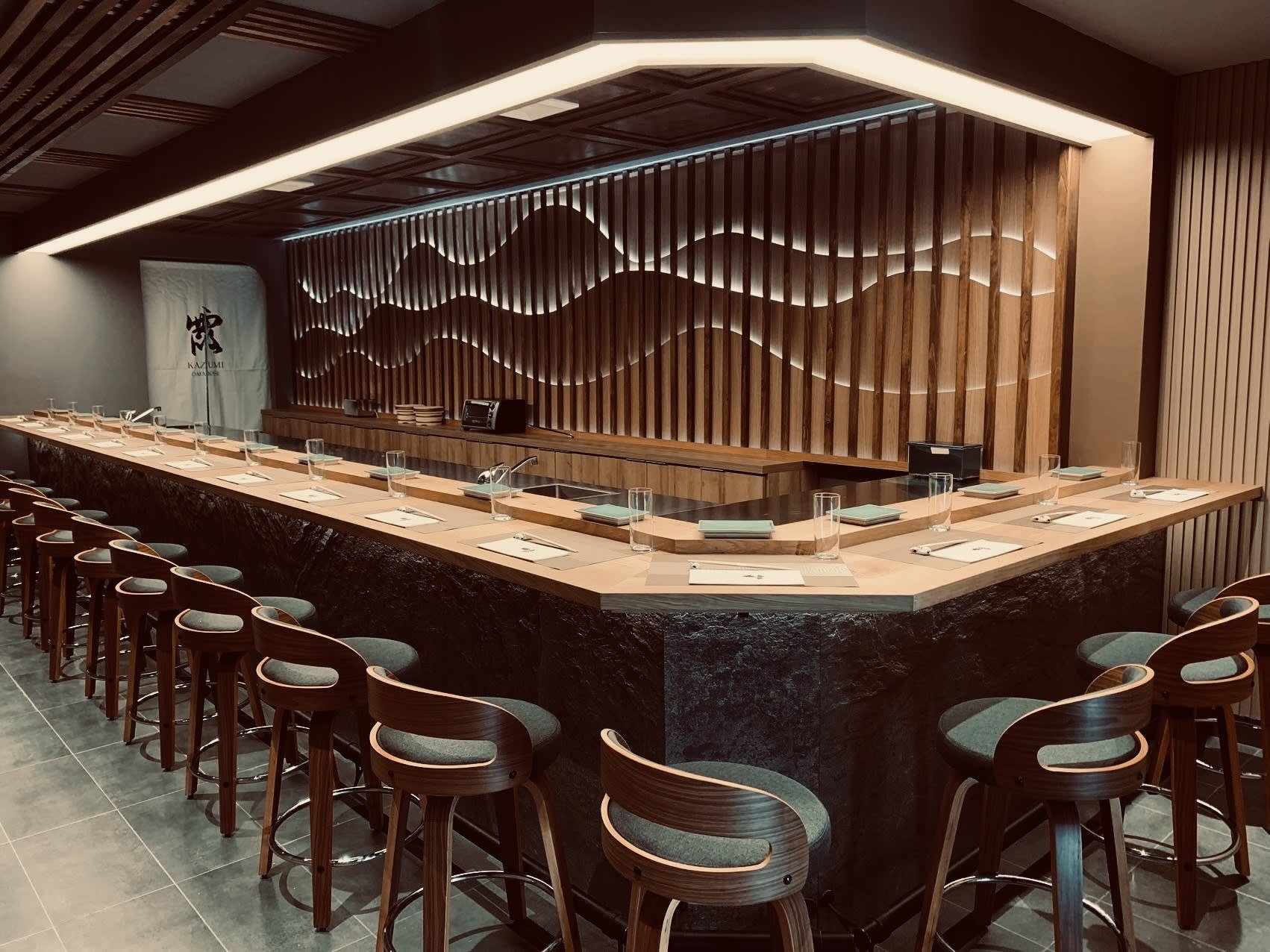
Counter Dining in Greenwich Village: Where Omakase Meets Downtown New York
West 8th Street in Greenwich Village occupies an odd position in New York's dining geography. The block sits between the polished restaurant rows of the West Village to the west and the university-adjacent casual dining of the NYU corridor to the east, a stretch that has historically tilted toward convenience over ceremony. Omakase, as a format, runs against that current. The chef-directed, sequenced counter meal demands a different tempo from both guest and kitchen, one built on trust rather than menu selection. Kazumi Omakase at 31 W 8th St places it in deliberate contrast to its immediate surroundings.
The omakase format arrived in American cities as a transplant from Japan's counter-dining tradition, where the relationship between itamae and guest is the organising principle of the meal. In Tokyo, those counters are neighbourhood institutions as much as destination restaurants, the eight or twelve seats filled by regulars and serious visitors in roughly equal measure. New York absorbed the format differently. Midtown and the Upper East Side received it first, framing omakase as occasion dining at premium price points. Downtown followed, with the format gradually dispersing into neighbourhoods where it sits alongside wine bars, ramen counters, and natural-wine-focused bistros. Greenwich Village, with its density of independent operators, is a plausible home for a counter with a distinct point of view.
The Cultural Architecture of Omakase
To understand what Kazumi Omakase is offering, it helps to understand what omakase actually means structurally. The word translates roughly as "I leave it to you", a phrase of deference from guest to chef that defines the format's logic. The kitchen controls sequence, portion, and pacing. There is no menu to study, no dish to cross-reference against a neighbour's order. The meal is a single narrative authored by the kitchen, and the guest's role is attentive reception rather than active selection.
In Japan, that structure produces meals calibrated over years to a specific aesthetic, a chef's sense of seasoning, temperature, and progression refined through repetition at a single counter. The leading sushi omakase in Tokyo's Ginza district treat each service as a rehearsed performance. New York's omakase scene has drawn from that tradition while adapting it to a market that values accessibility alongside precision. The result is a tier of counters spread across price points and neighbourhoods, each positioning against peers rather than against a fixed Japanese standard.
Downtown New York's version of that tier now includes counters in the East Village, Tribeca, and the West Village, each occupying a slightly different position on the spectrum between casual and ceremony. Kazumi Omakase's West 8th Street address places it in the Greenwich Village bracket of that group, where foot traffic is mixed and the dining public includes both destination-seekers and neighbourhood regulars.
Seasonal Timing and the Logic of Counter Dining
Omakase menus respond to ingredient availability more directly than à la carte formats, because the chef has full control over what appears on the counter. Autumn and winter bring the fish and shellfish that Japanese culinary tradition prizes most highly, fatty tuna from cold North Atlantic and Pacific waters, uni from the northern Japanese coastlines, and the kinds of aged preparations that require consistent cold-room conditions. Spring shifts the emphasis toward lighter fish and the first warm-water species. That seasonal rhythm is built into the format, not imposed on top of it, which means the experience at any omakase counter changes meaningfully across the year.
For visitors planning around that cycle, late autumn through early spring is when the counter format tends to deliver its most concentrated version of what makes it compelling. In Manhattan, counters at this tier of specificity typically book out two to four weeks in advance, sometimes more during the holiday season.
Planning a Visit: Address, Access, and What to Expect
The bar is at 31 W 8th St, New York, NY 10011, in Greenwich Village. The location is accessible from multiple subway lines, the A, C, E, B, D, F, and M trains all stop within a short walk at West 4th Street-Washington Square, making this one of the better-connected omakase addresses in lower Manhattan. The neighbourhood itself offers a range of options for drinks before or after the counter experience. The downtown bar scene is worth considering as part of the evening's structure: venues like Amor y Amargo and Angel's Share in the East Village operate with a similar level of format discipline, and Attaboy NYC on the Lower East Side runs a no-menu, bartender-directed service that mirrors omakase's trust-based structure in cocktail form. For something with a more playful register before settling into the counter's pace, Superbueno in the East Village offers a different kind of concentrated bar experience.
For those mapping the omakase format against comparable counter-driven experiences in other American cities, it is worth noting that the trust-based, specialist-format model has taken root well beyond New York. Kumiko in Chicago applies a similar logic to Japanese-inflected cocktails, while Bar Leather Apron in Honolulu operates within a Japanese-American cultural context that gives its counter format added resonance. Elsewhere, Jewel of the South in New Orleans, Julep in Houston, ABV in San Francisco, and Allegory in Washington, D.C. each represent the specialist-format tier in their respective cities, where host or bartender credentials and booking depth matter more than scale. Internationally, The Parlour in Frankfurt on the Main reflects how the format has translated across Atlantic contexts.
Peers You’d Cross-Shop
Comparable venues nearby, for context on price, style, and recognition.
| Venue | Cuisine | Price | Notes |
|---|---|---|---|
| Kazumi OmakaseThis venue — the venue you are viewing | sake_bar | $$ | Not listed |
| Partners Coffee West Village | Bar | $$ | West Village |
| Bar Pisellino | cocktail_bar | $$ | West Village |
| Lavender Lake | cocktail_bar | $$ | Williamsburg |
| The Jeffrey Craft Beer & Bites | beer_bar | $$ | Upper East Side-Lenox Hill-Roosevelt Island |
| dear friend books | lounge | $$ | Bedford-Stuyvesant (West) |
Continue exploring
More in New York City
Bars in New York City
Browse all →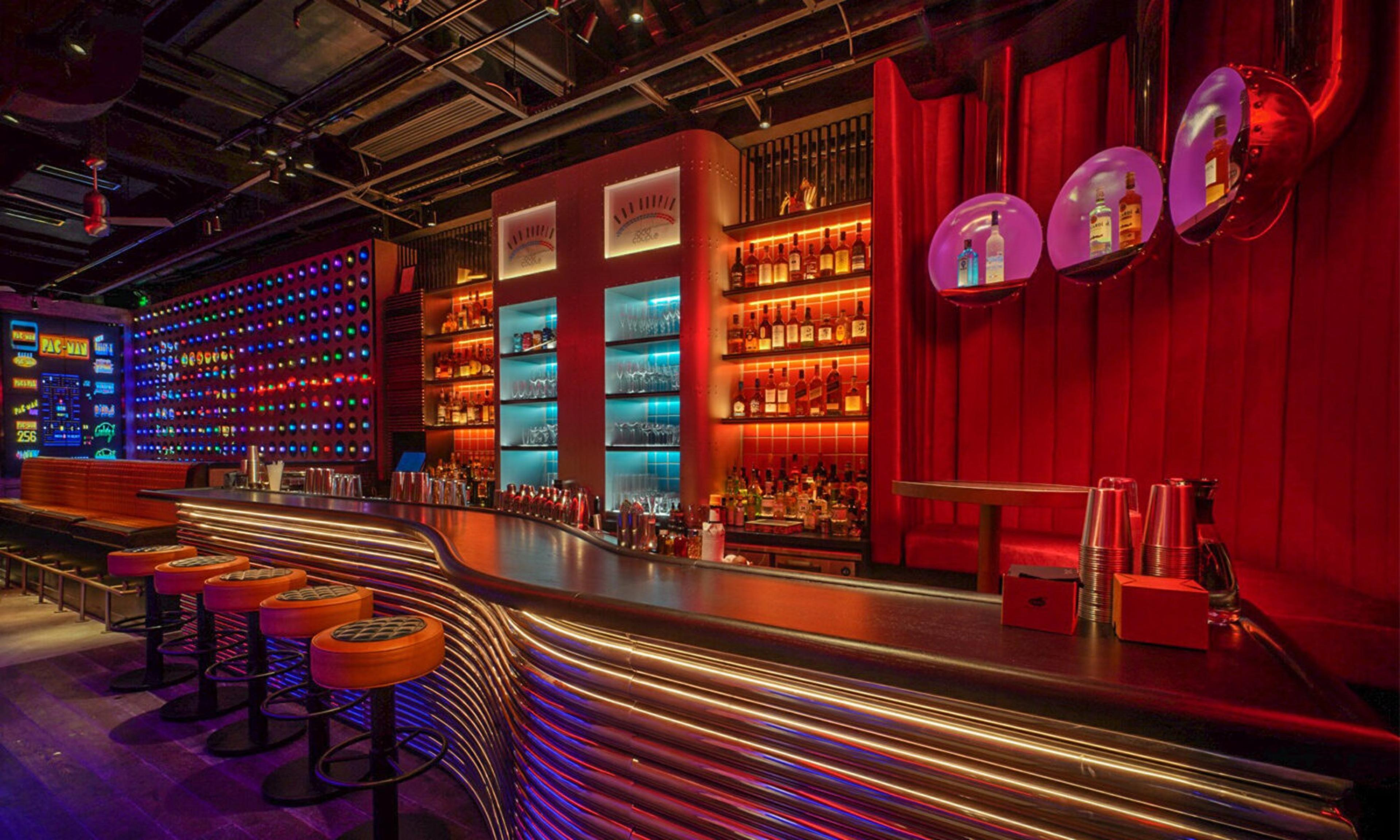
Restaurants in New York City
Browse all →
Hotels in New York City
Browse all →

Wineries in New York City
Browse all →


At a Glance
- Intimate
- Quiet
- Elegant
- Minimalist
- Date Night
- Solo
- Special Occasion
- Standalone
- Counter Only
- Sake
Current opening hours
- Monday
- 5–10 PM
- Tuesday
- 5–10 PM
- Wednesday
- 5–10 PM
- Thursday
- 5–10 PM
- Friday
- 5–11 PM
- Saturday
- 1–11 PM
- Sunday
- 1–10 PM
Hours can change for holidays and private events. Last verified .
Tranquil, minimalist setting with attentive service; outdated Top 40 hits soundtrack creates a casual yet focused dining environment.