Have & Meyer
Have & Meyer occupies a corner of Williamsburg's Havemeyer Street that sits closer to the neighborhood's pre-gentrification grain than its post-2010 cocktail bar wave. The address alone signals something about positioning: this is Brooklyn drinking culture at a remove from Manhattan's technical showmanship, with sourcing and place as the editorial spine of the program.
Pearl is the En Primeur Club membership app — saves, bookings, and concierge access live there. Same editors, same standards.
- Address
- 103 Havemeyer St, Brooklyn, NY 11211
- Phone
- +1 718 419 0722
- Website
- haveandmeyer.com
- Directions
- Get directions
 Saves & bookings on Pearl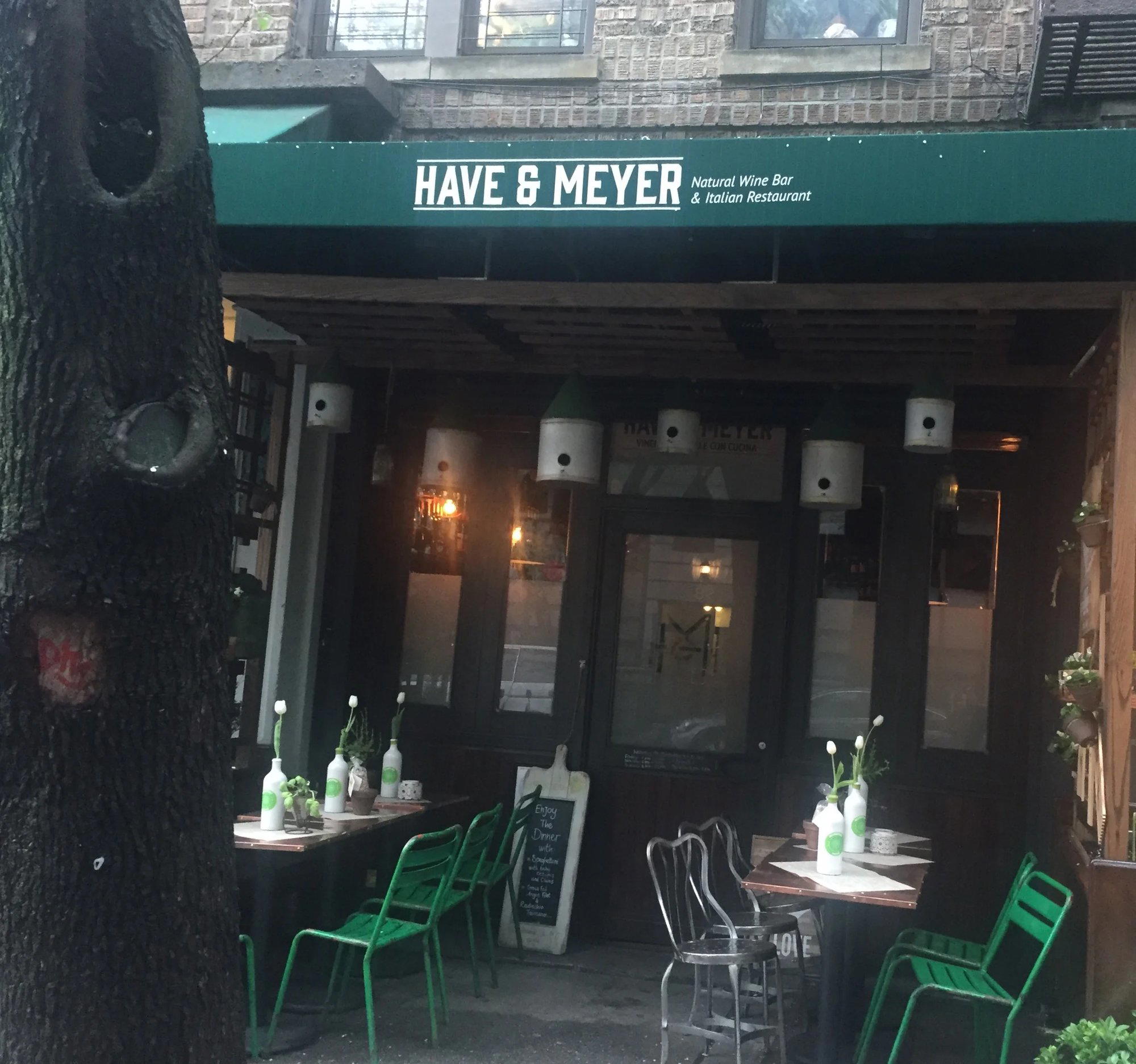
Havemeyer Street runs through a stretch of Williamsburg that has always carried an industrial weight beneath its residential surface. The street names in this pocket of Brooklyn trace back to the Havemeyer sugar refinery dynasty, a reminder that the neighborhood's identity was built on commodity, trade, and the movement of raw materials long before it became a destination for bars and restaurants. Have & Meyer, at 103 Havemeyer St, arrives in that context with an address that is itself a kind of argument about where a bar should be and what it should care about.
Where Williamsburg Drinking Sits Right Now
Brooklyn's cocktail bar scene has fractured into recognizable tiers over the past decade. The borough's most-discussed addresses now split between high-concept technical programs, neighborhood corner bars that have quietly sharpened their lists, and a smaller cohort of ingredient-led venues where provenance is the program. The last category is the most interesting and the least marketed. These are bars where the sourcing conversation that fine dining normalized in the 2010s has found its way into spirits, modifiers, and the produce that shows up in seasonal syrups and infusions. Have & Meyer operates in that register, in a part of Brooklyn that retains enough neighborhood texture to make the positioning feel earned rather than constructed.
For comparison, Manhattan's approach to the same sourcing impulse tends toward the decorative. Bars like Amor y Amargo have built their identity around a specific product category (bitters and amaro) with genuine depth, while Angel's Share represents the long-running Japanese-influenced precision school. Attaboy NYC works in a guest-first improvised format that keeps sourcing implicit. Each of these approaches reflects a different theory of what a bar's core competency should be. The ingredient-sourcing frame is its own distinct position within that spread.
The Case for Sourcing as Structure
The argument for building a bar program around ingredient provenance is not sentimental. It is logistical and editorial. When sourcing is the spine of the menu, the list changes with supply, which forces seasonal discipline. It also creates a natural hierarchy of producers, regions, and harvest cycles that gives the bar a genuine reason to communicate with its guests beyond the usual format of spirit-forward or citrus-forward categorizations. In New York, this approach has precedent in the city's better farm-to-table restaurant programs, but bars have been slower to apply it with the same rigor.
Outside New York, the model has worked in cities where the sourcing culture already runs deep. Kumiko in Chicago has demonstrated that a bar built around Japanese whisky and precise seasonal ingredients can hold critical attention for years. ABV in San Francisco operates in a city where ingredient sourcing carries cultural weight across the whole hospitality sector. Jewel of the South in New Orleans anchors its program in historical recipe research, which is a different kind of sourcing fidelity. Julep in Houston and Allegory in Washington, D.C. both demonstrate that the ingredient-led framework travels across American bar culture when executed with consistency. Even internationally, Bar Leather Apron in Honolulu and The Parlour in Frankfurt on the Main have shown that a bar built around careful sourcing and format discipline can compete in markets where the category is mature.
Have & Meyer's Williamsburg address puts it in a neighborhood that already has a working relationship with that kind of sourcing culture, through its restaurant scene, its farmers market infrastructure, and its proximity to the Brooklyn Navy Yard food production corridor. The bar does not need to import the concept from Manhattan.
Williamsburg as Context, Not Backdrop
The blocks around Havemeyer Street sit south of the Bedford Avenue retail corridor, closer to the BQE than to the waterfront development that has reshaped Williamsburg's northern edge. The character here is less curated. Bodegas and auto shops still operate alongside coffee shops and wine bars. For a bar that takes sourcing seriously, that mix of use matters: it signals a customer base that has not fully traded neighborhood utility for lifestyle signaling, and it sets a different baseline for what authenticity means in the room.
The comparison to Superbueno is instructive. Superbueno operates on the northern end of the neighborhood's cocktail map, in a format that foregrounds Latin spirits and flavor with an explicit energy. Have & Meyer sits in a quieter register, on a block that demands a bar earn its presence through quality rather than foot traffic. That is a harder position to hold and a more durable one when it works.
What Ingredient Sourcing Actually Looks Like in Practice
For bars that build around provenance, the sourcing story shows up in specific, testable ways: spirits from small-production distilleries with named provenance, fresh juice programs that specify variety and sometimes farm, house-made infusions tied to seasonal availability, and modifier selections that go beyond the standard back-bar category defaults. The menu length tends to be shorter because the seasonal constraint is real, not decorative. The staff conversation about the list tends to be more specific because the sourcing detail gives them something concrete to communicate.
This format asks more of the guest than a conventional bar. It rewards people who ask questions and penalizes those who want a familiar brand poured quickly. In Williamsburg, that tradeoff has worked across multiple restaurant formats for over a decade. The question for any new bar in this model is whether the program is deep enough to sustain the premise beyond the first season, and whether the room has enough character to make the sourcing conversation feel like discovery rather than homework.
Planning Your Visit
Know Before You Go
- Address: 103 Havemeyer St, Brooklyn, NY 11211
- Neighborhood: South Williamsburg, Brooklyn
- Getting there: The J and M trains stop at Marcy Avenue, approximately a five-minute walk. The L train at Lorimer Street or Bedford Avenue adds another five to eight minutes on foot through the neighborhood.
- Hours: Not confirmed at time of publication.
- Reservations: Booking availability and policy not confirmed. Walk-in capacity unknown.
- Price range: Not published. As a reference point, comparable ingredient-led Brooklyn bars typically run cocktails in the $16 to $22 range.
- The venue is leading located via map search on the Havemeyer Street address.
For a fuller picture of where Have & Meyer sits within New York's drinking and dining culture, see our full New York City restaurants guide, which maps the city's current bar and restaurant scene by neighborhood and format.
Continue exploring
More in New York City
Bars in New York City
Browse all →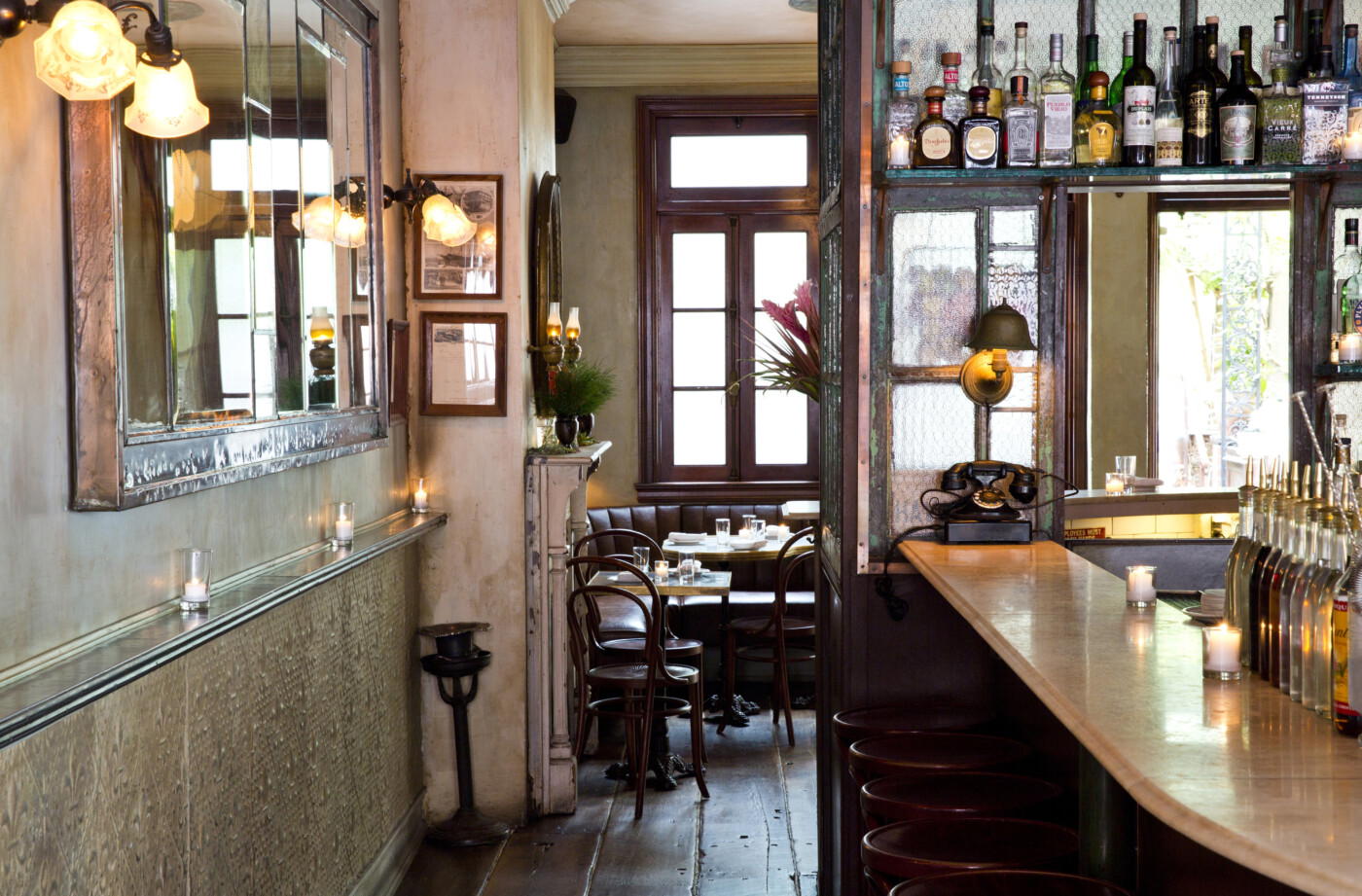
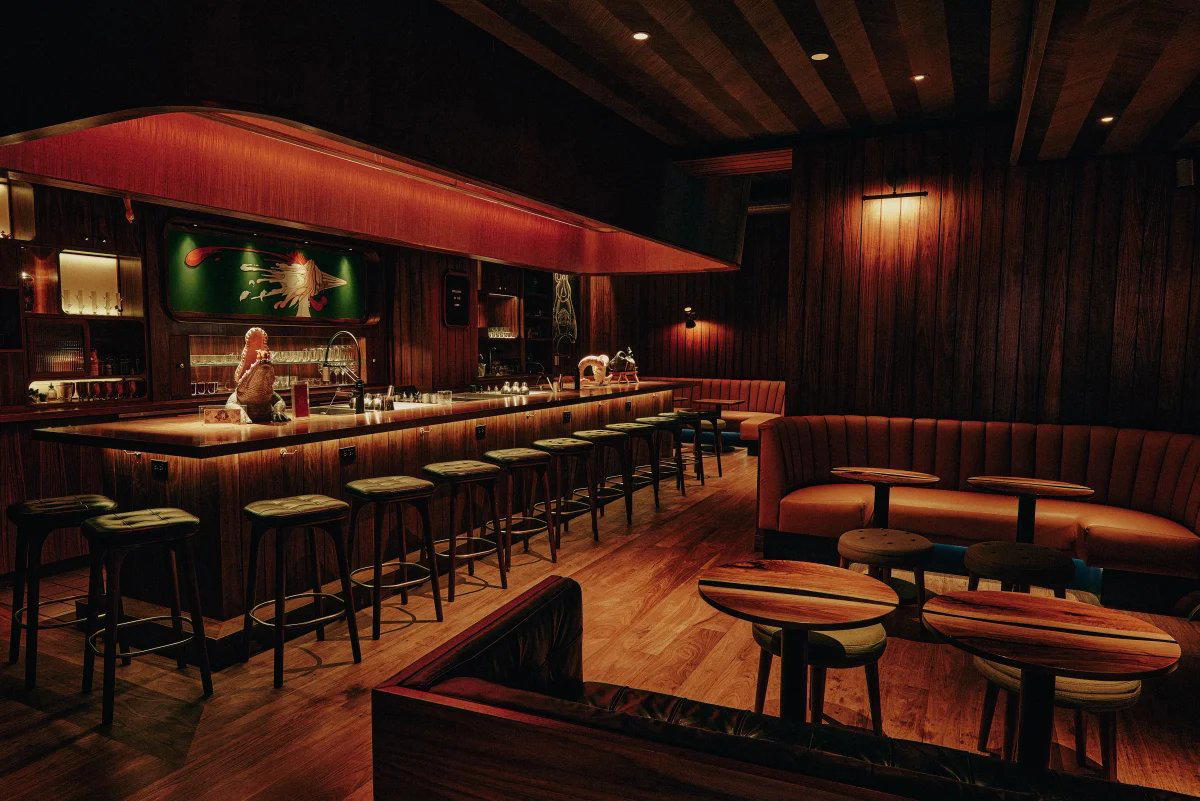
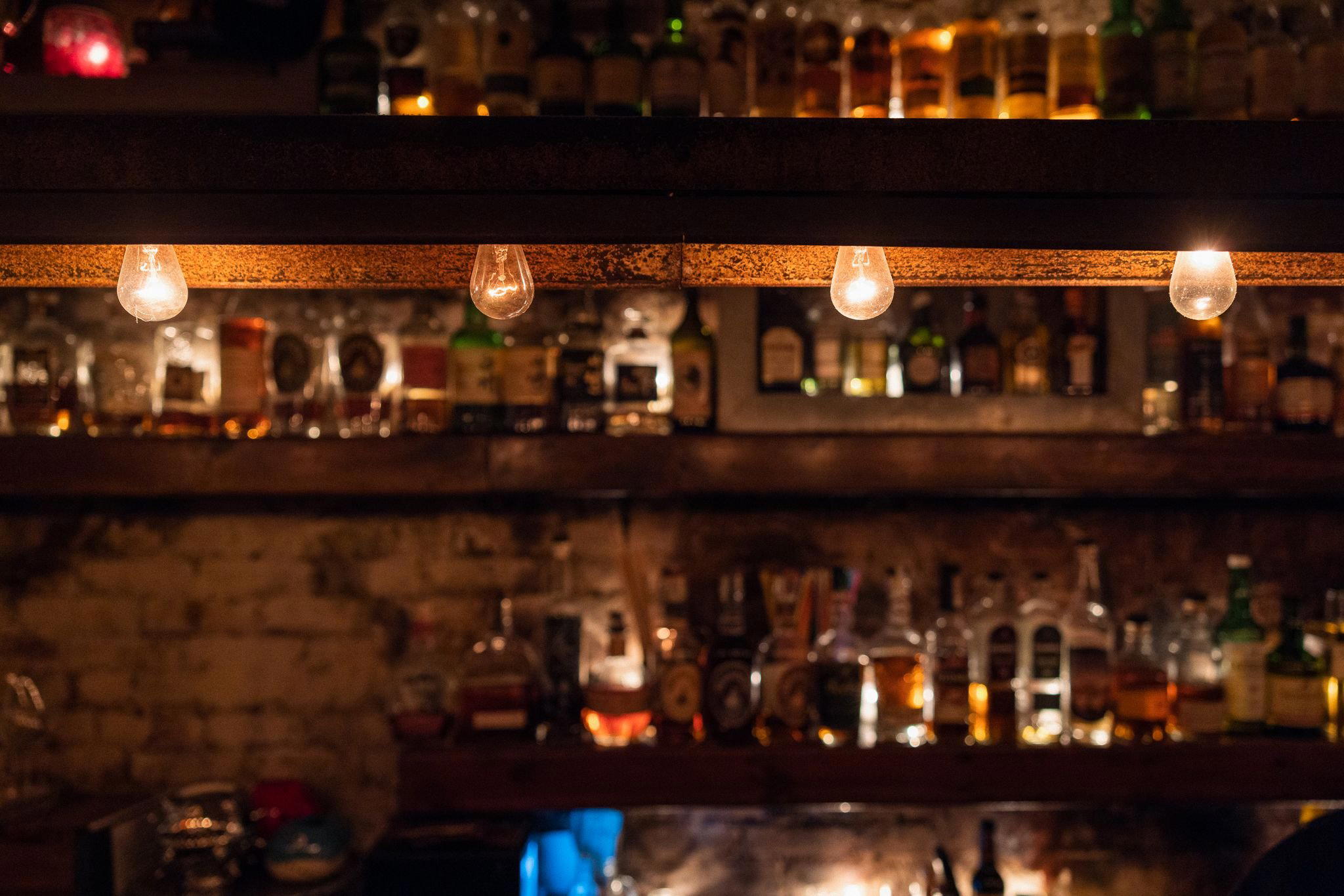
Restaurants in New York City
Browse all →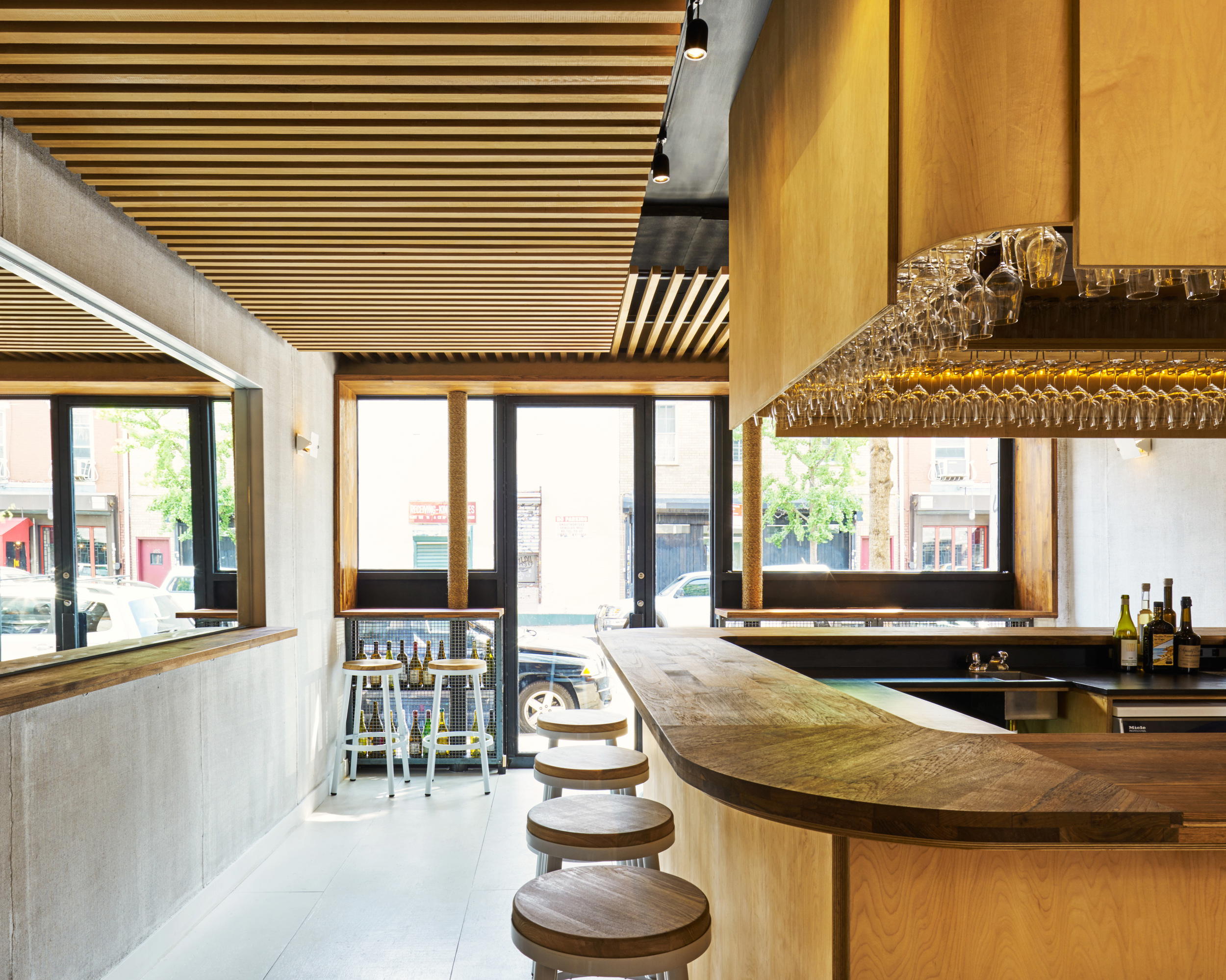
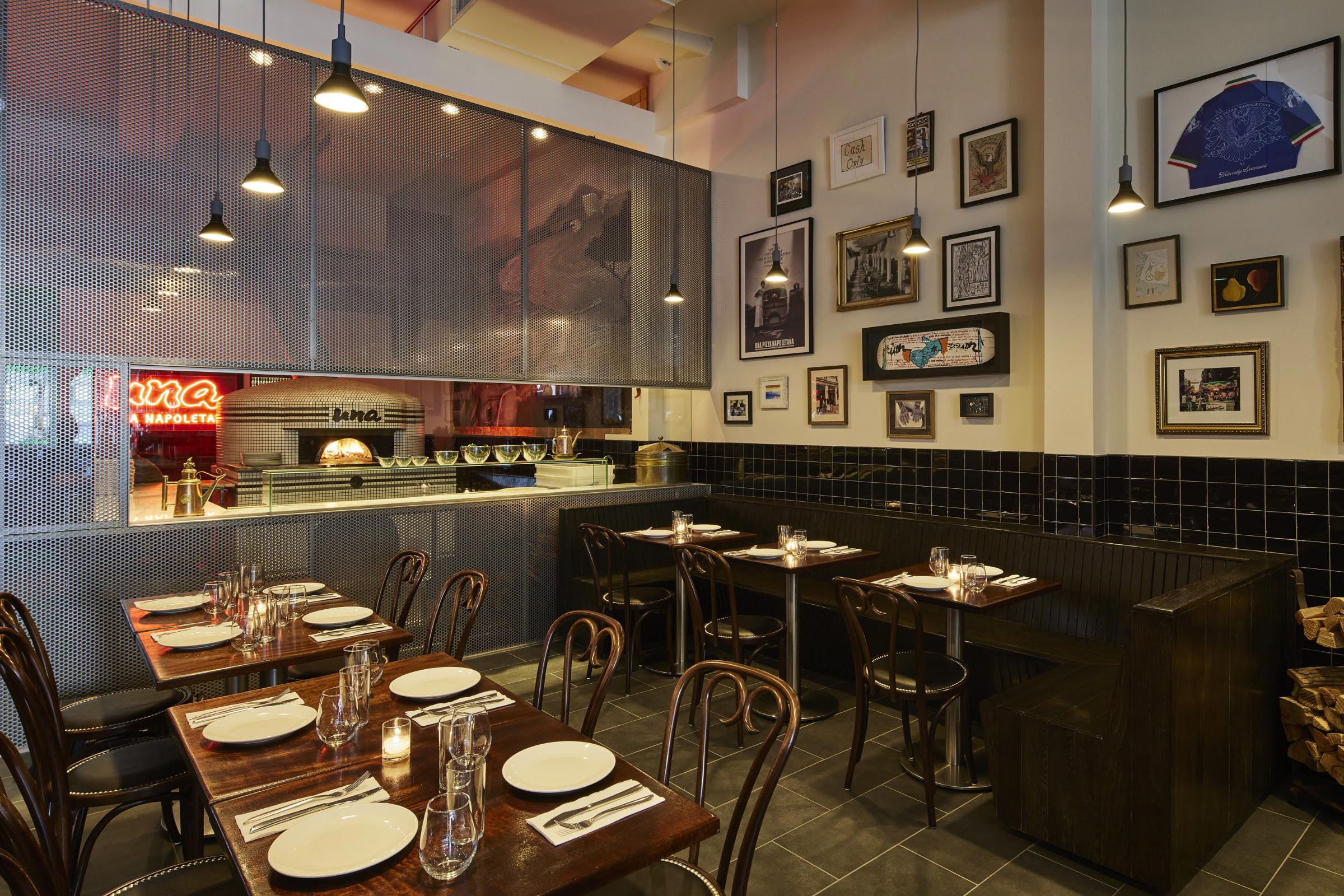
Hotels in New York City
Browse all →






At a Glance
- Cozy
- Trendy
- Romantic
- Elegant
- Date Night
- Celebration
- Special Occasion
- Private Event
- Casual Hangout
- Standalone
- Design Destination
- Seated Bar
- Lounge Seating
- Outdoor Terrace
- Private Rooms
- Natural Wine
- Conventional Wine
- Craft Cocktails
Current opening hours
- Monday
- 5–11 PM
- Tuesday
- 5–11 PM
- Wednesday
- 5–11 PM
- Thursday
- 5–11 PM
- Friday
- 5–11:30 PM
- Saturday
- 12:30–11:30 PM
- Sunday
- 12:30–11 PM
Hours can change for holidays and private events. Last verified .
Cozy and charming with exposed brick walls lined with wine bottles, old photographs, and mini chalkboards; dark and energetic atmosphere with upbeat American music.
Know Before You Go
- Getting there
- 103 Havemeyer St, Brooklyn, NY 11211