Sloane's
Sloane's occupies the second floor of a SoHo address on Thompson Street, positioning itself within one of New York's most concentrated pockets of serious drinking culture. The bar's editorial appeal lies in how its food programme relates to the drinks list, a pairing discipline that separates considered bar operations from venues where food is an afterthought.
Pearl is the En Primeur Club membership app — saves, bookings, and concierge access live there. Same editors, same standards.
- Address
- 58 Thompson St Second Floor, New York, NY 10012
- Phone
- +1 929 526 3330
- Website
- sloanes.nyc
- Directions
- Get directions
 Saves & bookings on Pearl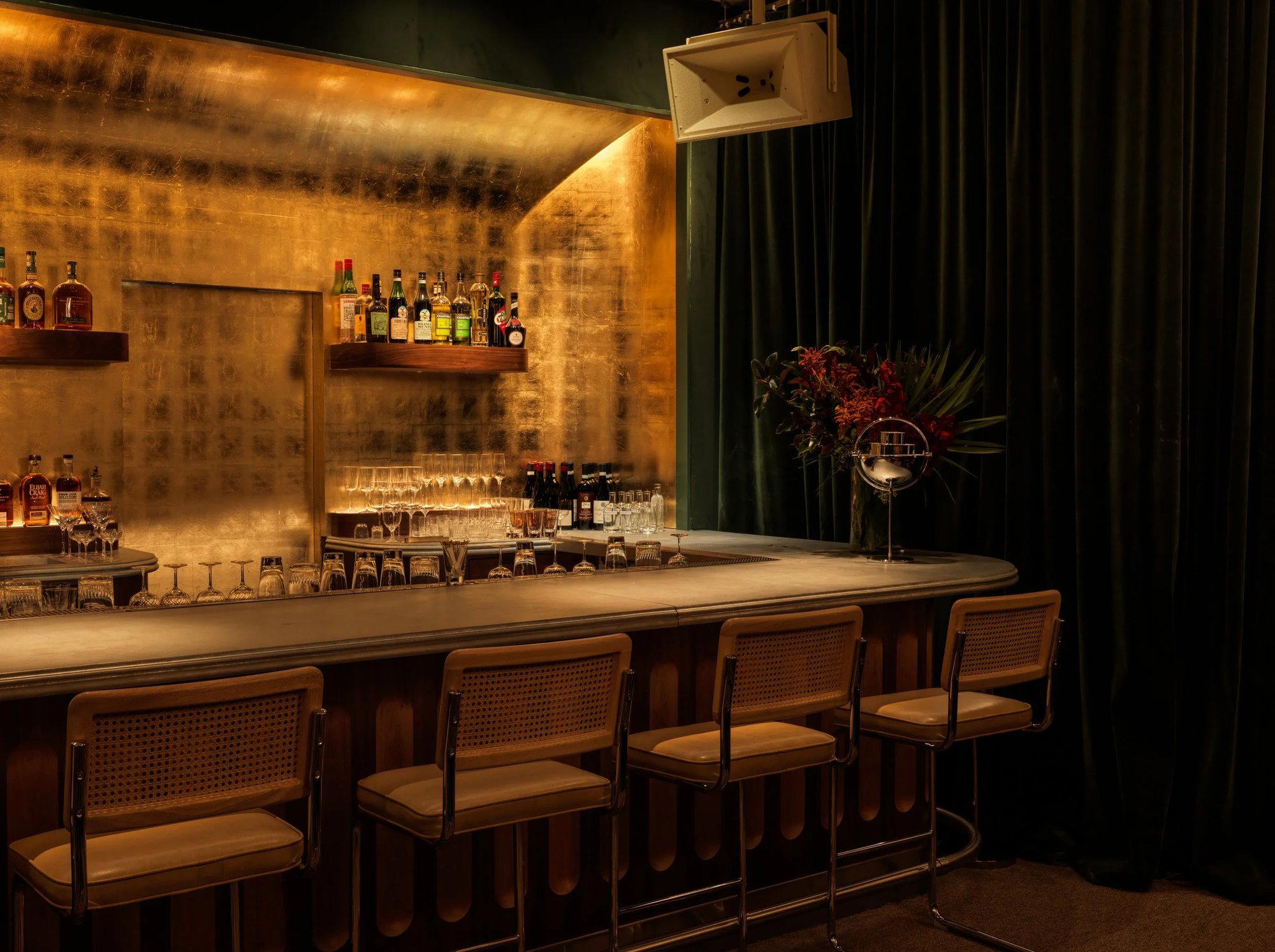
A Second-Floor Address in a Neighbourhood That Takes Drinking Seriously
SoHo's drinking culture has shifted considerably over the past two decades. What was once a neighbourhood defined by after-gallery wine bars and tourist-facing cocktail lounges has developed a more considered tier of operators, where the relationship between the glass and the plate receives genuine attention. Sloane's, situated on the second floor at 58 Thompson Street, operates in that upper register of the neighbourhood's bar scene, where the editorial question is not simply what's in the drink, but what arrives alongside it.
The second-floor placement is not incidental. Across New York, some of the city's most focused drinking experiences have migrated upstairs: Angel's Share in the East Village built its reputation on exactly this kind of remove from street-level noise. Elevation, literal or otherwise, tends to filter the room. Guests who climb a flight of stairs have usually already made a decision about the kind of evening they want.
The Pairing Discipline: When Bar Food Is the Point
Across the United States, the most ambitious bar programmes have been rethinking their food offer not as a revenue supplement but as a structural element of the drinking experience. Kumiko in Chicago built its reputation in part on Japanese-inflected bar snacks that function as flavour companions to its spirit-forward menu. Jewel of the South in New Orleans anchors its cocktail list in Creole culinary tradition, using food and drink as two expressions of the same regional argument. ABV in San Francisco made the food-and-drink pairing central to its identity from the outset, running a kitchen programme alongside its cocktail list rather than subordinating one to the other.
Sloane's operates within that same tradition of intentional pairing. In a city as competitive as New York, where Attaboy NYC has set a high bar for guest-driven cocktail culture and Amor y Amargo has made bitters-forward drinking into a disciplined editorial position, a bar that does not think carefully about what the food is doing on the table tends to get overtaken quickly. The venues that last are those where the kitchen and the bar communicate.
The logic of food-and-drink pairing at a serious bar level is fundamentally about contrast and reinforcement. A fat-rich bar snack cuts through the tannin of an aged spirit. An acidic preparation opens up a floral aperitif. A salty, umami-forward bite transforms the perception of a spirit-forward cocktail, making the alcohol register differently on the palate. These are not decorative choices; they are compositional ones, and they require the kitchen to understand the drinks list as a flavour document, not simply a beverage menu.
Positioning Within the New York Bar Scene
New York's cocktail culture has moved through several distinct phases. The early-2000s revival of classic technique, the hidden-door speakeasy period, the ingredient-driven farm-to-glass moment, and more recently a return to precision and editorial restraint. Superbueno represents one trajectory of that evolution, applying Latin spirits and flavour logic to a format rooted in neighbourhood hospitality. Amor y Amargo took a different route entirely, building a programme around a single category of ingredient and making that constraint the identity.
Sloane's, at its Thompson Street address, occupies a SoHo that sits at the intersection of several different spending categories. The neighbourhood draws international visitors, downtown creative professionals, and a local resident base with a higher-than-average tolerance for quality and a lower-than-average tolerance for mediocrity. A bar on the second floor of a SoHo building is not making a casual bet; it is assuming a guest who has arrived with intention.
That guest profile aligns with what the most considered bar programmes across the country have been building toward. Bar Leather Apron in Honolulu demonstrates that serious cocktail culture does not require a coastal metropolis, but it does require a guest willing to pay attention. Julep in Houston built a similar constituency around a focused spirits argument. Allegory in Washington, D.C. proved that the food-adjacent cocktail format could anchor a hotel bar without becoming subservient to the hotel's other priorities. The Parlour in Frankfurt on the Main shows how the same bar-kitchen pairing discipline translates across markets when the editorial commitment is clear.
In all of these cases, the bar's identity is not built on a single signature technique or a famous face behind the counter. It is built on the coherence of the overall offer, and that coherence includes what happens when food and drink meet on the same table.
What to Know Before You Go
Sloane's is located at 58 Thompson Street, second floor, in SoHo, Manhattan. The second-floor positioning means walk-in visibility is lower than street-level competitors; knowing the address in advance is practical rather than optional. SoHo remains one of the more accessible neighbourhoods by subway, with the Spring Street station on the C and E lines placing guests within a short walk of Thompson Street.
For context on the broader New York City drinking and dining scene, EP Club's full New York City restaurants guide maps the city's most considered options across categories and neighbourhoods.
Quick reference: 58 Thompson Street, Second Floor, SoHo, New York, NY 10012.
Continue exploring
More in New York City
Bars in New York City
Browse all →
Restaurants in New York City
Browse all →
Hotels in New York City
Browse all →





At a Glance
- Elegant
- Intimate
- Sophisticated
- Romantic
- Date Night
- After Work
- Special Occasion
- Celebration
- Hotel Bar
- Design Destination
- Live Music
- Seated Bar
- Lounge Seating
- Booth Seating
- Craft Cocktails
- Classic Cocktails
Current opening hours
- Monday
- 5 PM–12 AM
- Tuesday
- 5 PM–12 AM
- Wednesday
- 5 PM–12 AM
- Thursday
- 5 PM–2 AM
- Friday
- 5 PM–2 AM
- Saturday
- 5 PM–2 AM
- Sunday
- 5 PM–12 AM
Hours can change for holidays and private events. Last verified .
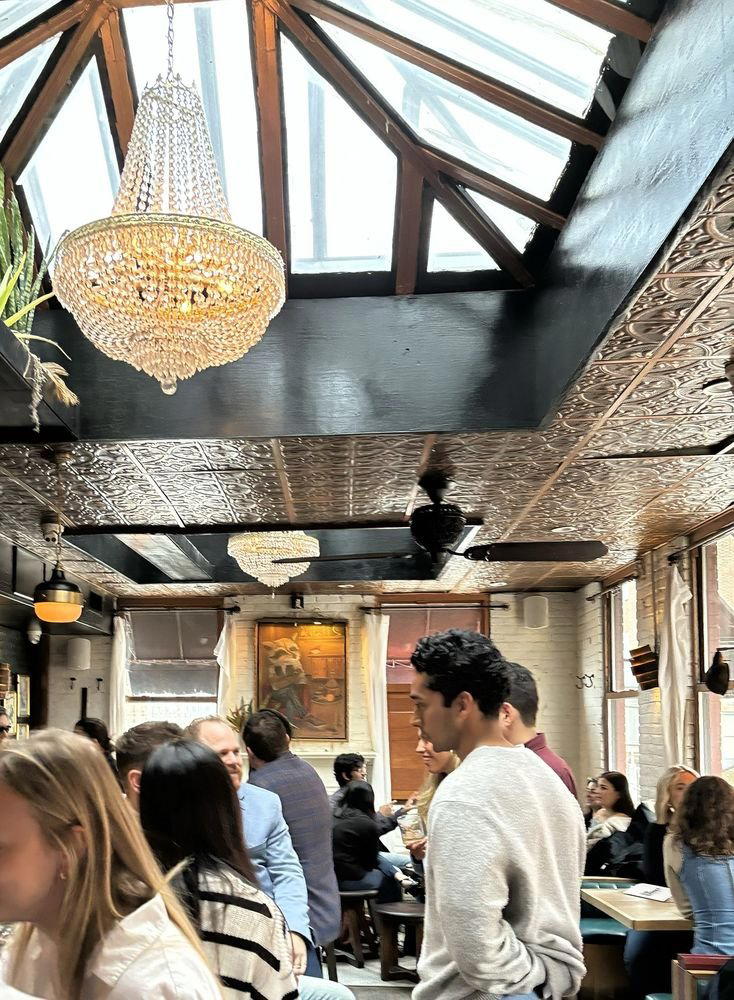
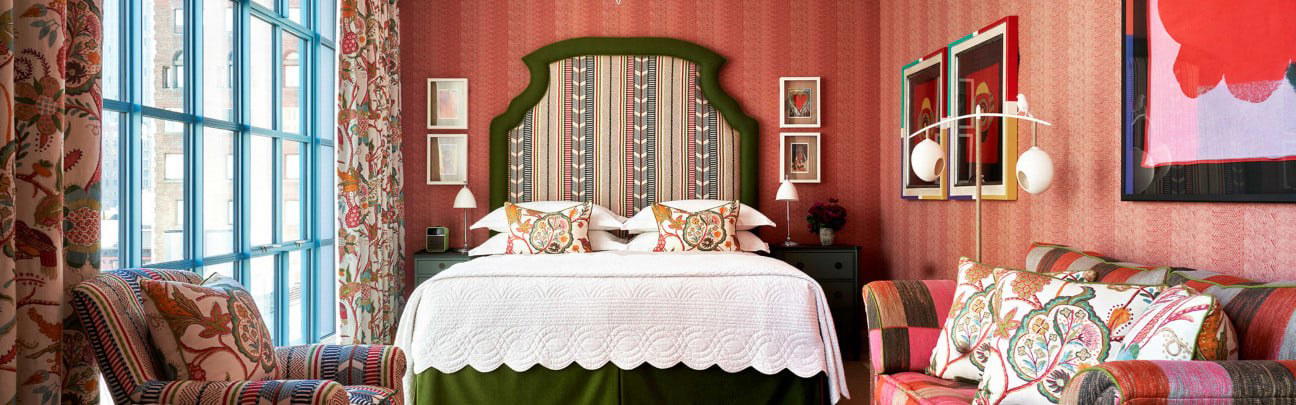
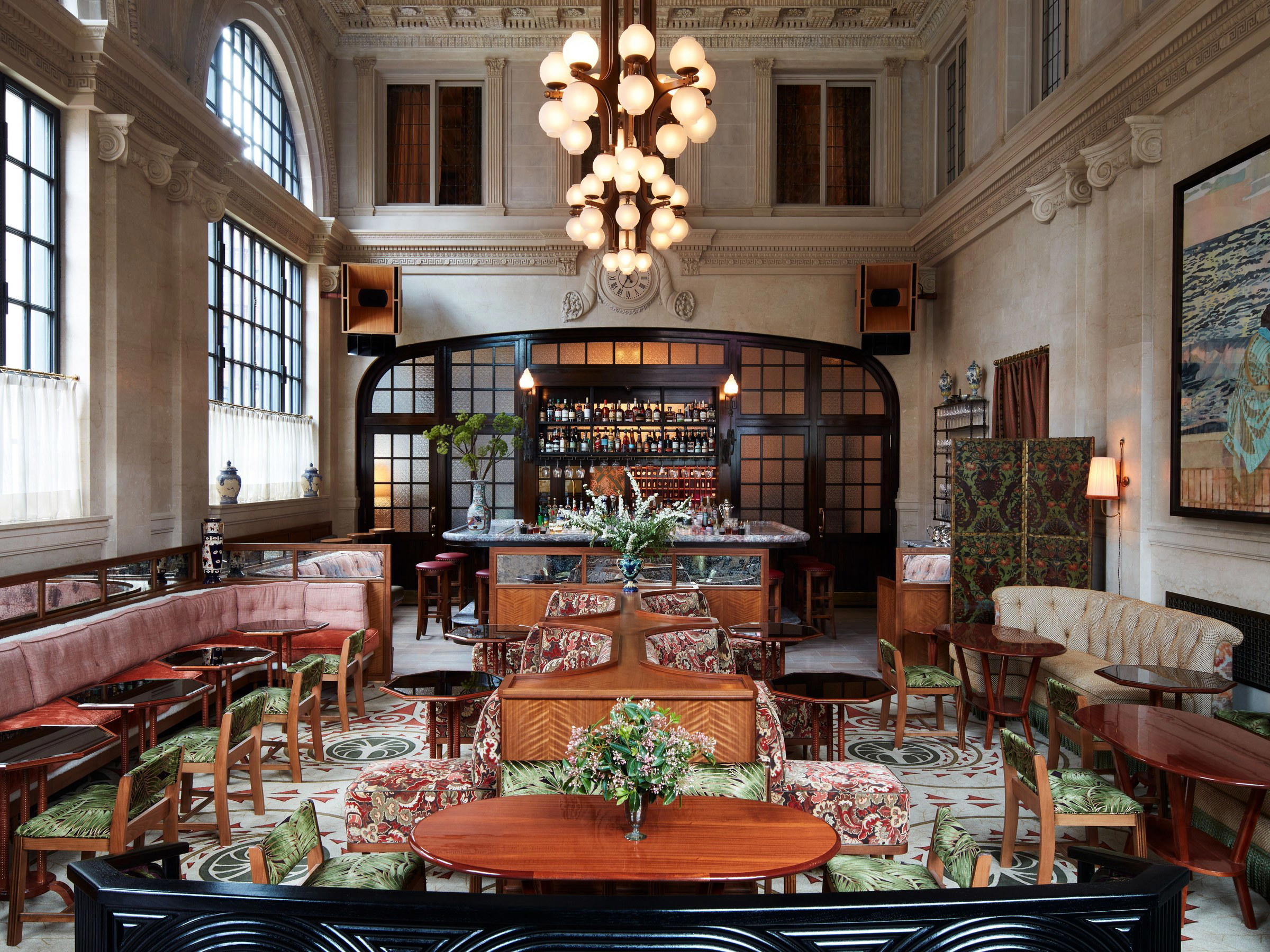
Intimate and glamorous with sultry jazz, glittering chandeliers, emerald velvet walls, and jewel-toned rugs creating a serene, cocoon-like retreat with vintage luxury aesthetic.
Know Before You Go
- Getting there
- 58 Thompson St Second Floor, New York, NY 10012