Tasca Pete occupies a narrow address on Rua Angelina Vidal in Mouraria, slotting into Lisbon's tradition of small neighbourhood tascas where the room is close, the wine is poured without ceremony, and the food follows the logic of the market rather than the menu. It sits in the tier of genuinely local dining that the city's restaurant scene has always produced quietly alongside its more visible export-facing addresses.
Pearl is the En Primeur Club membership app — saves, bookings, and concierge access live there. Same editors, same standards.
- Address
- R. Angelina Vidal 24A, 1170-113 Lisboa, Portugal
- Website
- letsumai.com
- Directions
- Get directions
 Saves & bookings on Pearl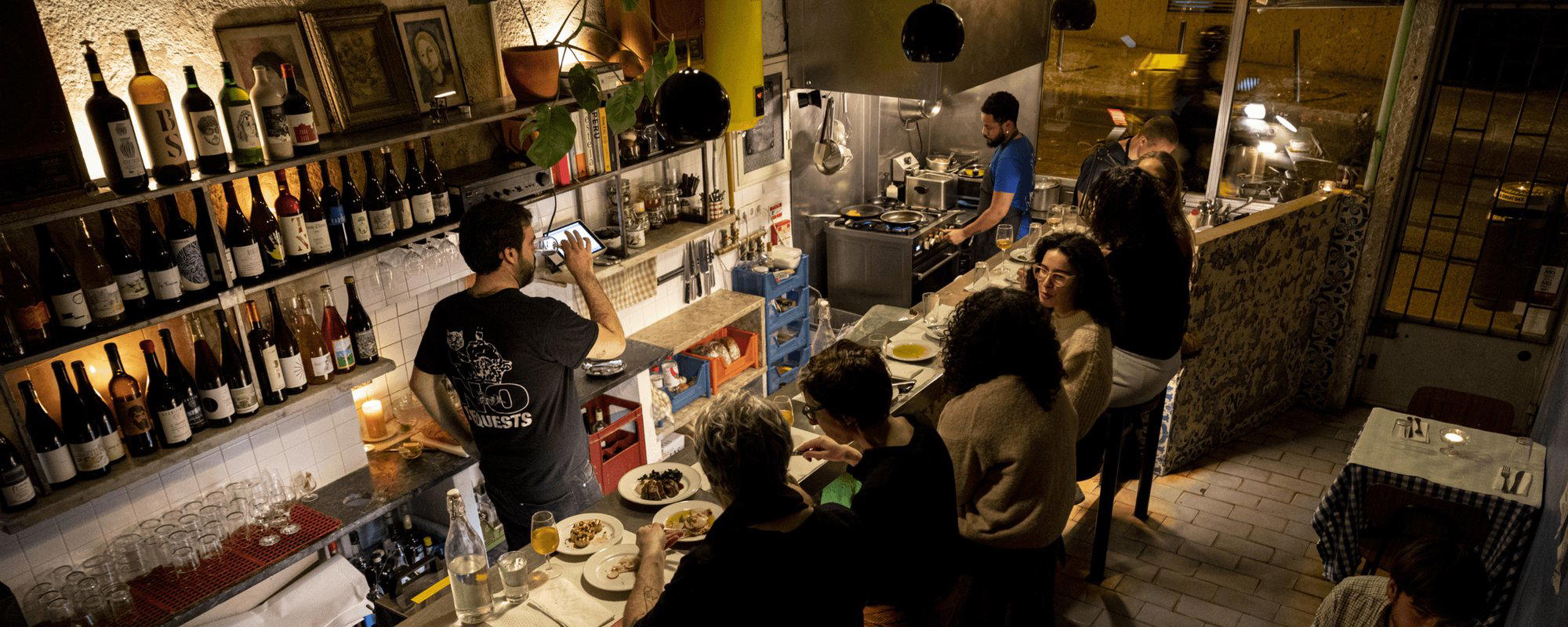
The Room on Rua Angelina Vidal
Mouraria is not a neighbourhood that announces itself. The streets above Martim Moniz are narrow, the buildings lean toward each other at upper floors, and the fado that once defined the quarter still surfaces unexpectedly from open windows and courtyard doorways. It is in this part of Lisbon, rather than along the tourist corridors of Bairro Alto or Príncipe Real, that the city's tasca tradition has survived most intact. Small rooms, marble-topped tables, hand-written daily menus, wine from unlabelled ceramic jugs: the format has not changed because the audience that sustains it has not changed. Tasca Pete, on Rua Angelina Vidal, belongs to this lineage.
Approaching the address at number 24A, the scale is immediately apparent. Tasca-format dining in Lisbon is structurally different from the more open-plan restaurants that have proliferated in the western neighbourhoods over the last decade. These are rooms built for proximity, for conversation at adjacent tables that becomes inevitable, for a relationship between the person behind the counter and the person ordering that is too close to ignore. That dynamic, where front-of-house is less a formal role and more a continuous improvised negotiation between kitchen and guest, defines how a place like this functions on a daily basis.
A Format Built on Collaboration, Not Ceremony
The tasca model, at its most coherent, works because of what it demands from every person involved in running it. The kitchen is small enough that communication is constant. Whoever takes the orders and pours the wine is also, necessarily, the person translating what the kitchen has that day into something a table of newcomers can navigate. There is no buffer of a printed menu to hide behind, no sommelier station at a remove from the floor. In this format, the team dynamic is the product. When it works, the interaction between the cook's output, the host's reading of the table, and the selection of wine or house pour feels coordinated without appearing rehearsed.
This is where Lisbon's neighbourhood dining tradition differs most sharply from the city's growing tier of polished, internationally-oriented restaurants. At those addresses, collaboration is structured and legible: the kitchen brigade, the dedicated sommelier, the floor manager with a tablet. At a tasca, the same functions exist but collapse into fewer people across a shorter distance. The result, when the personnel are skilled and aligned, is a kind of spontaneous fluency that more formal formats rarely achieve.
Tasca Dining in the Lisbon Context
Lisbon's dining scene has split, over the past decade, into two largely separate tracks. One runs through the Michelin-visible restaurants and the new-wave bistros of Santos and Príncipe Real, places that draw international food press and price against European peer cities. The other continues through the tascas, cervejarias, and marisqueiras of older neighbourhoods, where the competitive set is entirely local and the reference points are Portuguese rather than pan-European. Tasca Pete operates on the second track, in a neighbourhood where that track still has density and character.
For comparison, the seafood tradition plays out differently at places like A Marisqueira do Lis, where the format shifts toward a more dedicated marisqueira setup. The ginjinha tradition that anchors Lisbon's oldest drinking culture has its clearest expression at A Ginjinha, the Rossio counter that has poured the cherry liqueur since the nineteenth century. And at the other end of the register, Lisbon's cocktail bar scene has developed addresses like Red Frog and the wine-focused A Cabreira, which occupy a completely different social and pricing tier. Tasca Pete sits apart from all of these, in the quieter middle of the city's dining fabric.
Portugal's regional dining character also surfaces differently depending on where you encounter it. Venda Velha in Funchal reflects Madeiran cooking traditions, while Epicur Wine Boutique & Food in Faro represents the Algarve's more wine-forward approach to casual dining. Base Porto in Porto shows how the northern city has developed its own casual dining character distinct from Lisbon. The tasca format in Mouraria is specifically a Lisbon product, shaped by the neighbourhood's density, its long history of working-class dining, and its current position as one of the few central areas where that history is still materially present.
What to Expect When You Arrive
Practically, Rua Angelina Vidal is reachable on foot from the Green Line at Intendente or from Martim Moniz, both within a ten-minute walk. The neighbourhood rewards arriving with enough time to orient yourself before sitting down: the streets around Mouraria have a logic that becomes readable once you have walked them once. Given the tasca format, booking ahead is advisable for weekday evenings and is close to necessary on Friday and Saturday nights, when the neighbourhood draws a local crowd that fills small rooms quickly. Tables at addresses in this format typically turn once, and lingering over a second carafe of wine is generally accommodated rather than discouraged.
For those exploring beyond Lisbon, the contrast is instructive. Coastal addresses like Bar do Guincho in Alcabideche and Bar e Duna da Cresmina in Cascais e Estoril offer the Atlantic context that Lisbon's inland tascas do not, and Estoril carries a different register altogether. The Lisbon day-trip circuit along the Estoril coast and back through Sintra is well-established, and it places Mouraria's neighbourhood dining in sharper relief when you return: the village-scale intimacy of a small room in the old city is its own argument.
Further afield, Bar Leather Apron in Honolulu represents how the intimate-counter format translates into a Pacific context, which is useful context for understanding what is specific to Lisbon's version of it.
Nearby-ish Comparables
Comparable venues nearby, for context on price, style, and recognition.
| Venue | Cuisine | Price | Notes |
|---|---|---|---|
| Tasca PeteThis venue — the venue you are viewing | wine_bar | $$ | Not listed |
| R. do Comércio 32 | hotel_bar | $$ | Rossio |
| Maria Caxuxa | cocktail_bar | $$ | Chiado |
| 111 Vinhos | wine_bar | $$ | Estefania |
| A Cabreira | Bar | $$ | Mouraria |
| Botequim | pub | $$ | Mouraria |
Continue exploring
More in Lisbon
Bars in Lisbon
Browse all →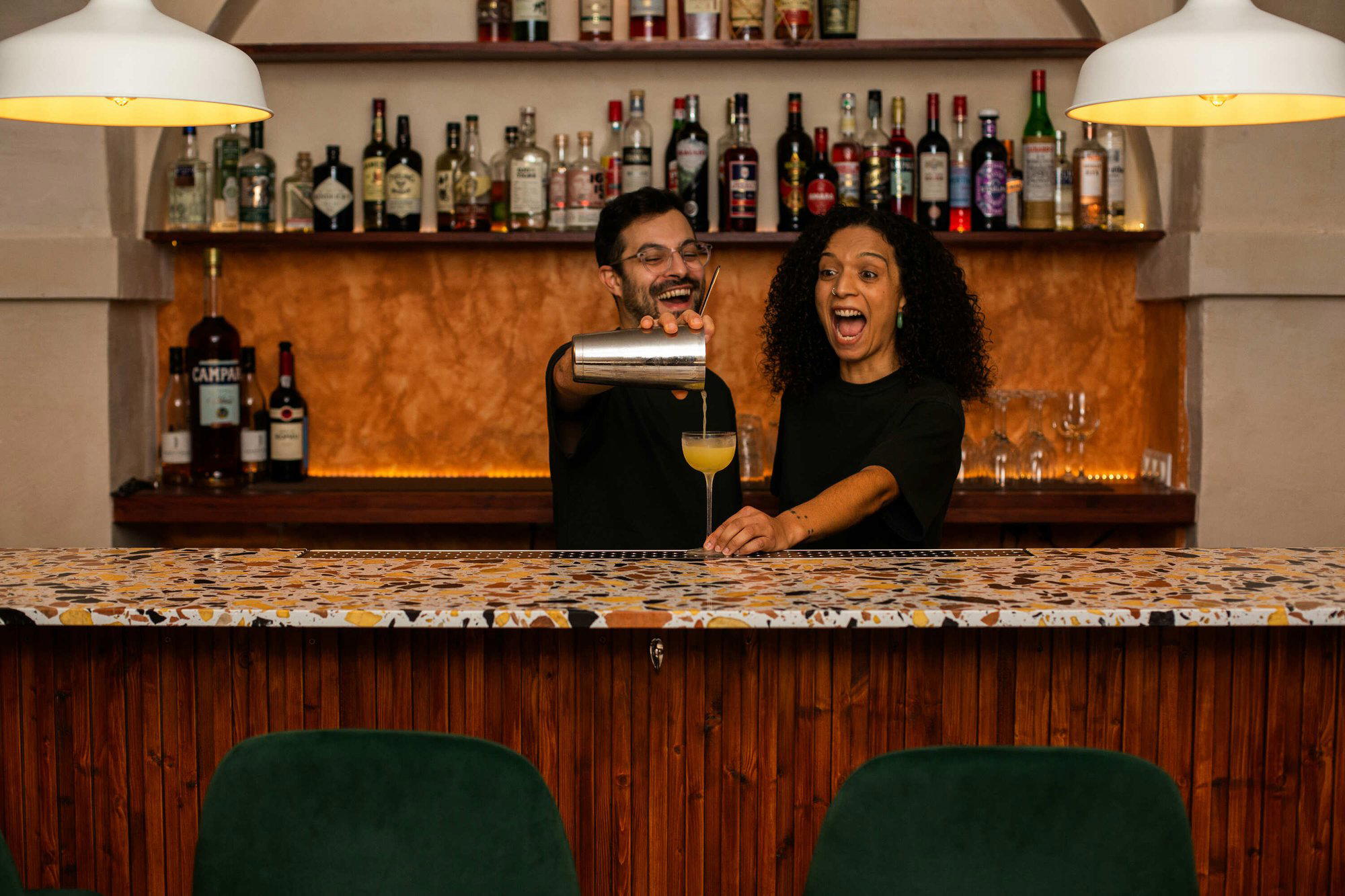
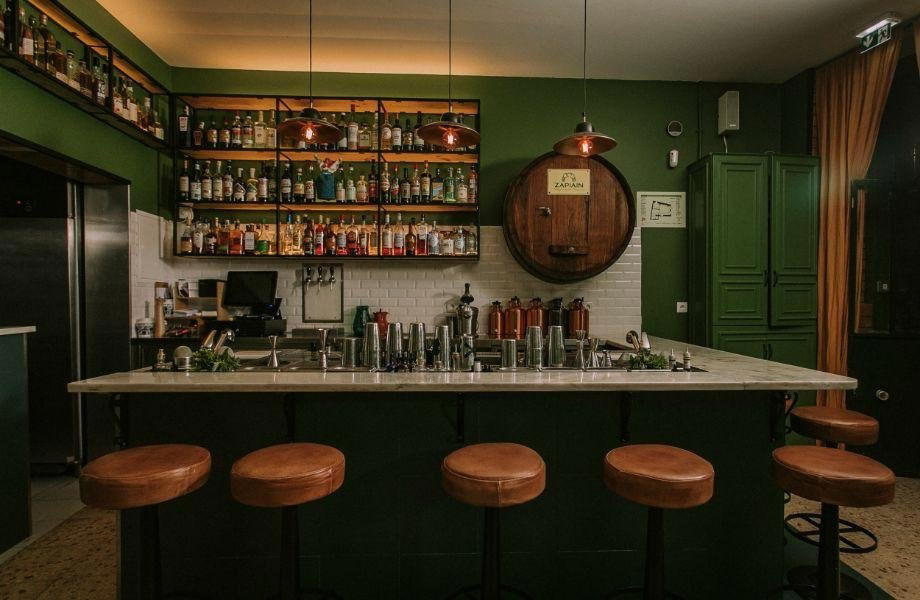
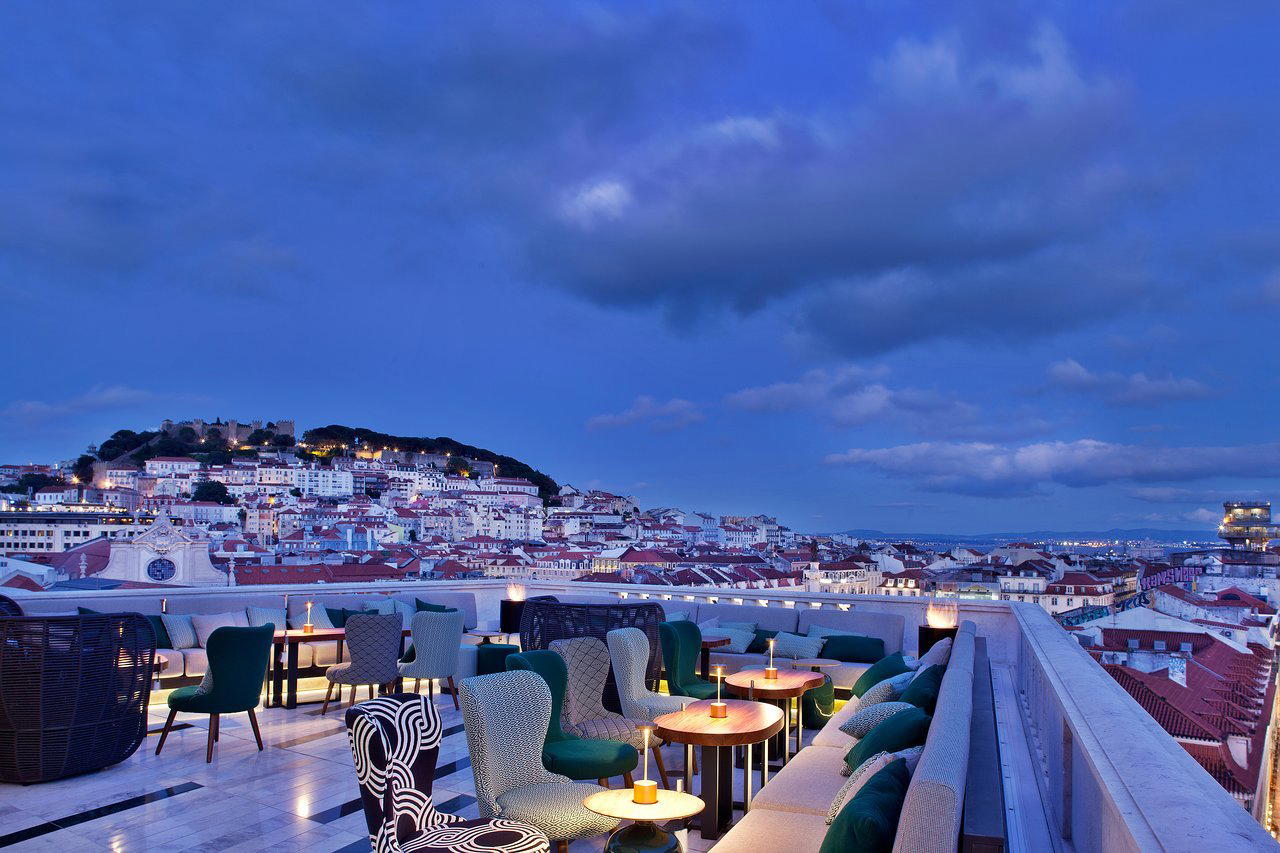
Restaurants in Lisbon
Browse all →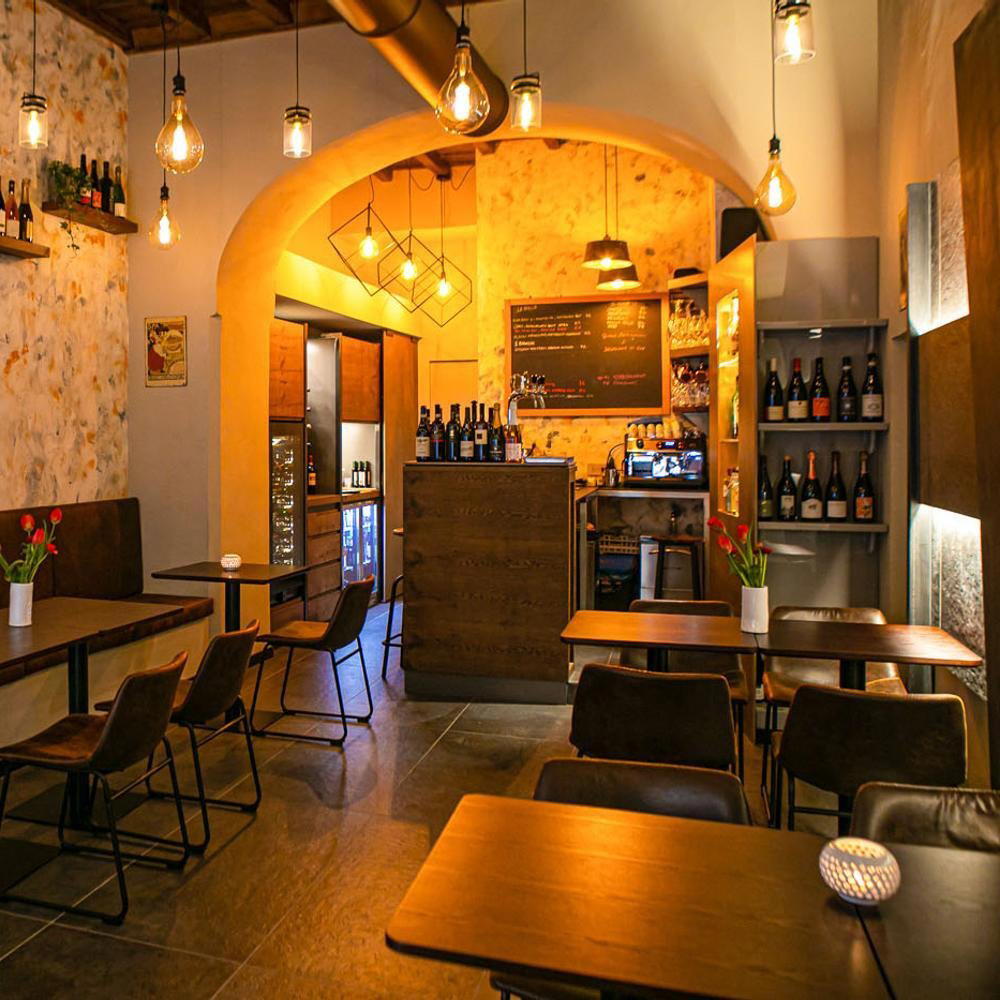
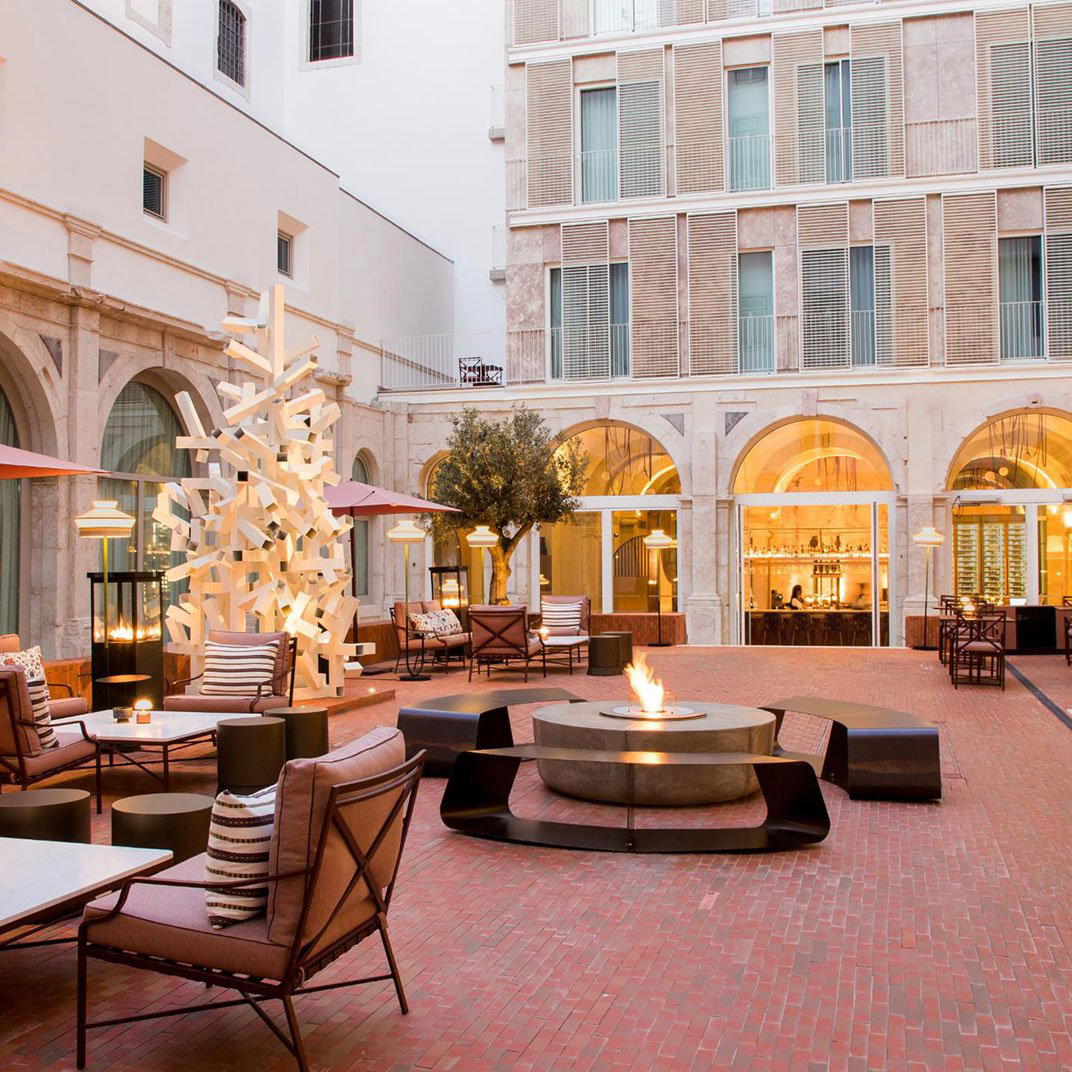
Hotels in Lisbon
Browse all →

At a Glance
- Cozy
- Intimate
- Casual Hangout
- Date Night
- Standalone
- Seated Bar
- Counter Only
- Natural Wine
Current opening hours
- Monday
- Closed
- Tuesday
- Closed
- Wednesday
- 6 PM–12 AM
- Thursday
- 6 PM–12 AM
- Friday
- 6 PM–12 AM
- Saturday
- 6 PM–12 AM
- Sunday
- Closed
Hours can change for holidays and private events. Last verified .
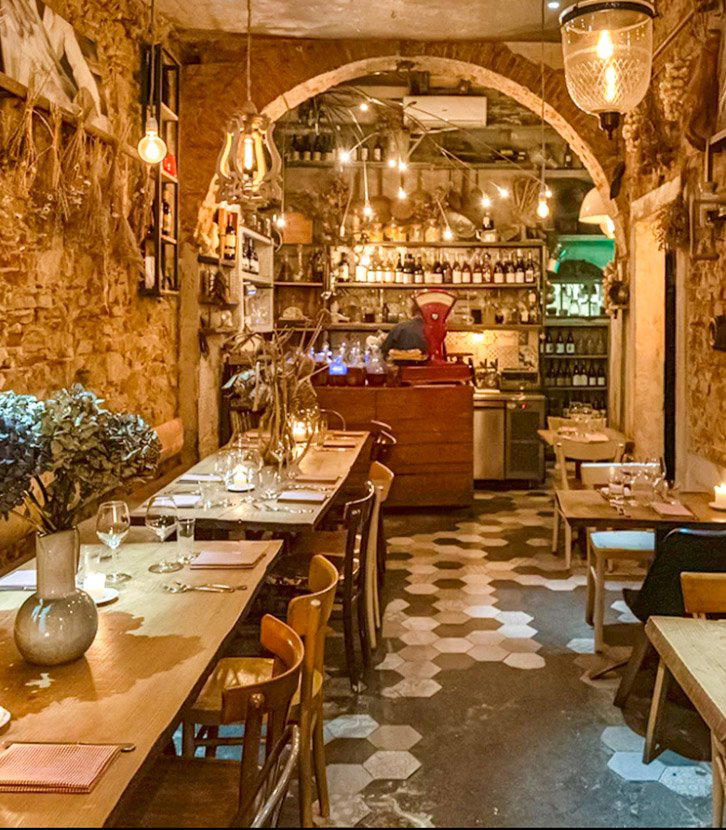
Cozy and relaxed atmosphere with exposed brick, simple wooden tables, traditional tiles, aluminum counter, and soft ambient music.