A neighbourhood botequim on Largo da Graça, this Graça-district bar operates in the tradition of Lisbon's casual drinking houses: wine poured without ceremony, conversation that stretches across the afternoon, and an address that residents return to rather than tourists discover. The daytime crowd and evening crowd occupy the same room but inhabit entirely different versions of it.
Pearl is the En Primeur Club membership app — saves, bookings, and concierge access live there. Same editors, same standards.
- Address
- Largo da Graça 79, 1170-165 Lisboa, Portugal
- Phone
- +351 21 888 8511
- Website
- tripadvisor.pt
- Directions
- Get directions
 Saves & bookings on Pearl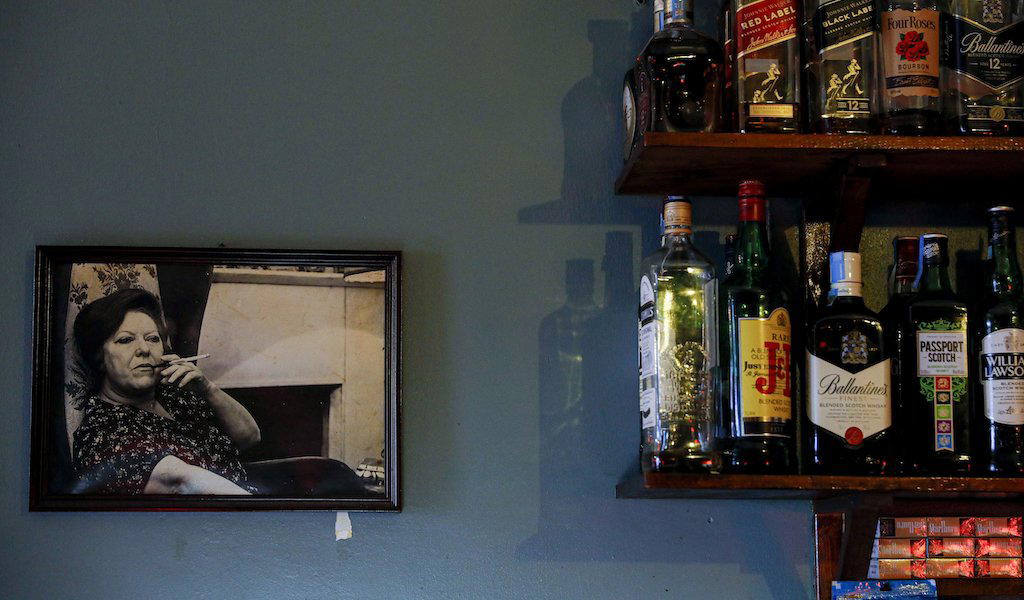
Largo da Graça and the Botequim Tradition
Graça sits above the Alfama grid on one of Lisbon's older residential plateaus, and Largo da Graça, a wide, sun-worn square with a church at one end and a miradouro logic to its open views, functions as a neighbourhood gathering point rather than a tourist stop. The bars and botequins around it serve the people who live within walking distance, and Botequim at number 79 belongs to that pattern. Understanding what it is requires understanding what a botequim actually means in Lisbon: not a cocktail bar, not a wine bar in the European capital-city sense, but a drinking house rooted in the working-class tavern tradition, where wine comes by the glass or the carafe and the room's character is determined more by who's in it than by any designed atmosphere.
That tradition is distinct from the sleeker drinking culture operating further west in Bairro Alto or Príncipe Real, where venues like Red Frog anchor Lisbon's technical cocktail scene, or from the older ginjinha bars in the Baixa that have become reference points for visitors. The botequim format resists those comparisons. It has its own internal logic, one that becomes most legible when you think about how daytime and evening use of the same space produce two completely different versions of the same address.
The Daytime Version
Lunch-hour and afternoon use at a Graça botequim tends toward the functional end of Portuguese drinking culture. A glass of vinho verde or a regional tinto ordered alongside a simple plate, the pace unhurried, the clientele drawing from the neighbourhood's older residential population. The square outside Largo da Graça operates as an extension of the interior in warmer months, with chairs and the general latitude that defines how Lisboetas treat time in the middle of the day. This is the version of a botequim that doesn't perform itself for an audience: it simply exists as infrastructure for a neighbourhood that has been here longer than most of the city's current tourist circuits.
Daytime also tends to be the better-value hour at addresses like this. Wine by the glass or carafe in a neighbourhood botequim sits well below the pricing of any bar in a more trafficked district, and the simplicity of the food offer, where it exists, matches that register.
After Dark in Graça
The evening shift at a botequim is a different proposition. In Graça, as the light drops and the residential population starts to mix with younger Lisboetas who have moved into the neighbourhood over the past decade, the room's social temperature rises. The botequim format doesn't have a DJ or a cocktail program to signal the transition, it relies on density and conversation. By later evening on a Thursday or Friday, the Largo da Graça area accumulates the kind of informal foot traffic that characterises Lisbon's drinking culture at its most unrehearsed: people moving between addresses, stopping to talk outside, the square serving as a hub rather than a destination.
That pattern places Botequim in a comparable set that includes other neighbourhood tavern addresses rather than the more constructed bar formats elsewhere in the city. Bars like A Cabreira or the old-city reference point of A Ginjinha each operate with their own specific format logic, but they share with Botequim the quality of having a character that comes from continuity of use rather than from design choices. The evening at a botequim rewards patience over arrival strategy: the room finds its own register, and trying to engineer the experience against that tends to miss the point.
Graça in the Wider Portuguese Drinking Context
In Porto, neighbourhood bars like Base Porto reflect a different regional tempo. Further south, the Algarve produces its own leisure-bar register at addresses like Epicur Wine Boutique and Food in Faro, while the Estoril coast west of Lisbon carries a different kind of formality at places like Estoril and the coastal bars at Bar do Guincho in Alcabideche and Bar e Duna da Cresmina in Cascais e Estoril. On Madeira, Venda Velha in Funchal occupies a similar neighbourhood-anchor role in its own city context.
What that comparison clarifies is how the Lisbon botequim sits within a national drinking culture that still sustains unglamorous, functional drinking houses as a parallel track to the more internationally visible wine bar and cocktail formats. Graça, because it gentrified later and more incompletely than Bairro Alto or Mouraria, has retained more of that infrastructure than most central Lisbon neighbourhoods. Botequim at Largo da Graça 79 is part of what makes the area worth walking to rather than past.
Planning Your Visit
Botequim sits on Largo da Graça 79 in the Graça neighbourhood, reachable by tram 28 to the Graça stop or on foot from the Alfama via a steep but short climb. The Largo is the destination, and the square itself has the quality of a neighbourhood that rewards arriving without a schedule. Botequim is walk-in friendly. Open daily, with hours that run from 11AM to 2AM on most days and from 6PM to 2AM on Wednesday and Thursday. Dress code is casual.
Cuisine and Awards Snapshot
Comparable venues nearby, for context on price, style, and recognition.
| Venue | Cuisine | Price | Notes |
|---|---|---|---|
| BotequimThis venue — the venue you are viewing | pub | $$ | Not listed |
| Tasca Pete | wine_bar | $$ | Estefania |
| Bar Alimentar | cocktail_bar | $$ | Mercês |
| Dois Corvos Marvila Taproom | beer_bar | $$ | Marvila |
| Casa da Tia Helena | pub | $$ | Castelo |
| Toca da Raposa | cocktail_bar | $$ | Baixa |
Continue exploring
More in Lisbon
Bars in Lisbon
Browse all →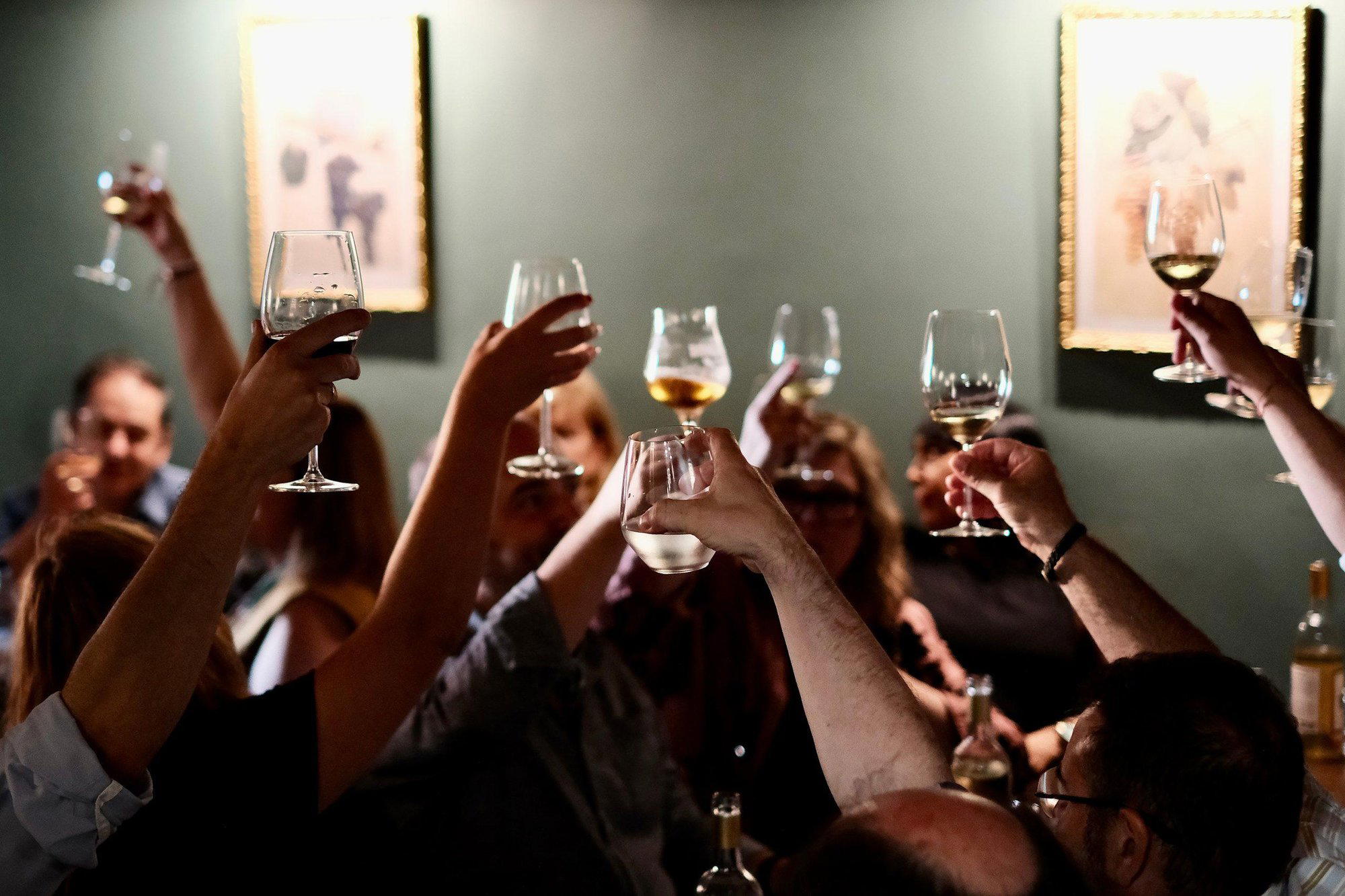
Restaurants in Lisbon
Browse all →
Hotels in Lisbon
Browse all →

At a Glance
- Cozy
- Retro
- Bohemian
- Intimate
- Casual Hangout
- Late Night
- Live Music
- Historic Building
- Lounge Seating
- Craft Beer
- Street Scene
Current opening hours
- Monday
- 11 AM–2 AM
- Tuesday
- 11 AM–2 AM
- Wednesday
- 6 PM–2 AM
- Thursday
- 6 PM–2 AM
- Friday
- 11 AM–2 AM
- Saturday
- 11 AM–2 AM
- Sunday
- 11 AM–2 AM
Hours can change for holidays and private events. Last verified .
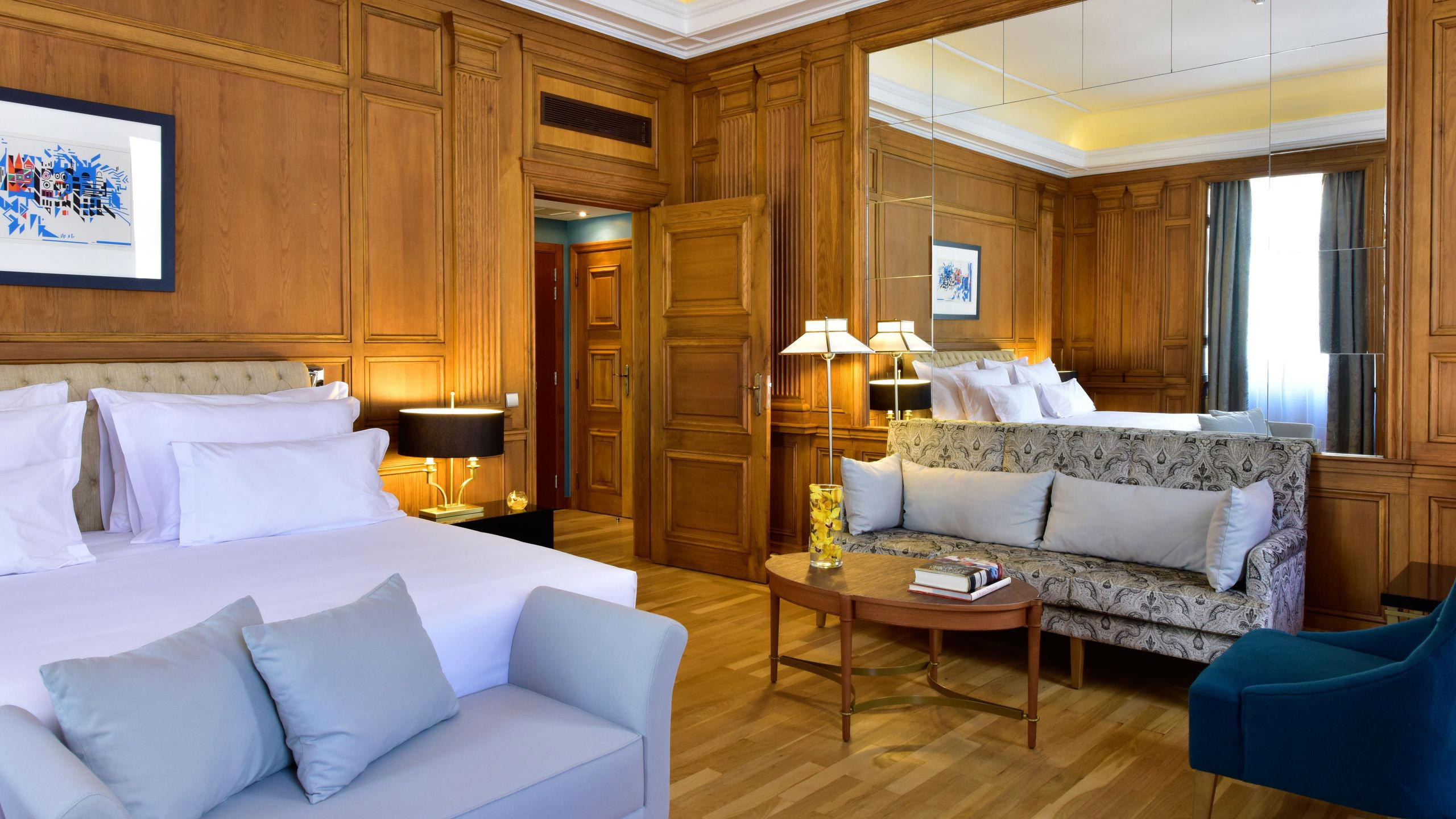
Cozy and inviting with vintage furniture, old books, records, and a warm retro vibe.