Sushi Lin L.E.S
Sushi Lin L.E.S occupies a specific corner of the Lower East Side's increasingly serious dining scene, where the neighbourhood's long history of cheap eats and late-night culture has given way to focused, counter-driven formats. Positioned on Rivington Street, it draws the kind of crowd that treats a Tuesday dinner reservation with the same planning discipline as a weekend outing.
- Address
- 151 Rivington St, New York, NY 10002
- Phone
- +1 646 882 0152
- Website
- sushilinny.com
- Directions
- Get directions
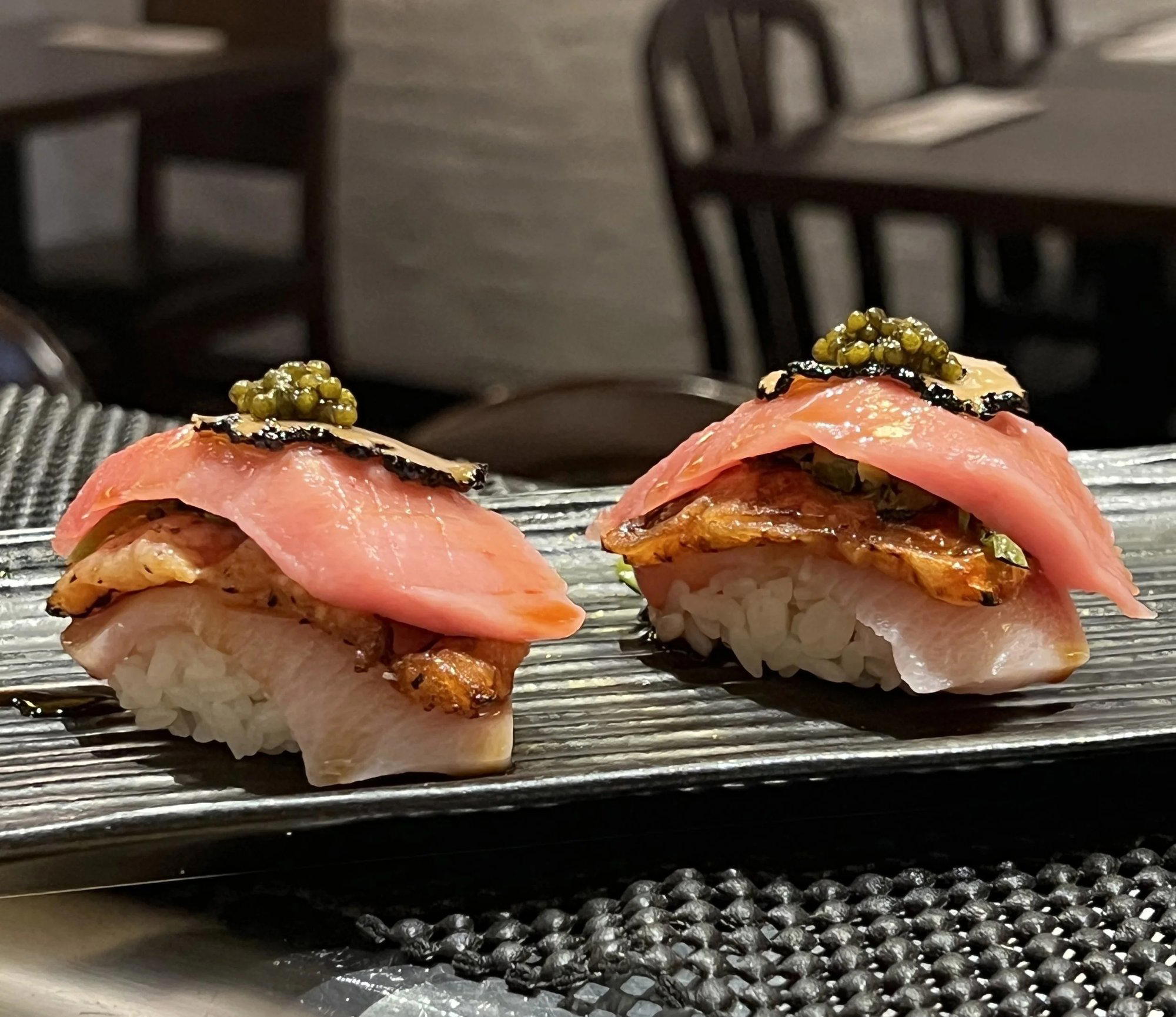
Where the Lower East Side's Dining Shift Gets Specific
The Lower East Side has been rewriting its dining identity for the better part of a decade. The trajectory is clear: the tenement-era economy of bialys and pickled everything has layered over with a generation of focused, technically serious restaurants that treat the neighbourhood's low-overhead rents as an opportunity to do something concentrated rather than sprawling. Sushi Lin L.E.S, at 151 Rivington Street, sits inside that shift. The address alone signals intent: Rivington is one of those LES corridors where a ramen counter, a natural wine shop, and a cocktail bar you had to know about in 2019 can occupy the same block. Putting a sushi operation here is a statement about who the audience is and what they already know how to order.
The Counter Format in Manhattan's Outer Dining Rings
Manhattan's serious sushi market is heavily concentrated in Midtown and the upper reaches of the West Village, where omakase counters operate at price points that function as self-selection mechanisms. The format that migrated outward into neighbourhoods like the LES tends to be more approachable in posture without necessarily compromising on sourcing or technique. This is the tier Sushi Lin occupies: counter-forward, deliberately sized, and positioned against the downtown dining crowd rather than expense-account Midtown. That positioning matters because it changes everything from the pace of service to the soundtrack. A counter on Rivington is not trying to replicate the hushed ceremony of a Ginza-lineage room in Midtown. It is doing something that belongs to its specific address.
For useful comparison, the LES sushi scene operates in a different competitive register than, say, the craft cocktail bars that have defined the neighbourhood's after-dinner hours. Places like Attaboy NYC and Amor y Amargo have built reputations on a similar principle: serious technical work delivered without the formality of the venues that first established the category. The discipline travels across formats. The LES has a palate for this kind of operation, and that crowd knows how to be a good guest at a counter.
The Craft Behind the Counter
The editorial angle for any counter-format sushi operation is the person controlling the temperature, the cut, and the pace. The counter is inherently a stage for craft, not a backdrop for it. Unlike a full dining room where the kitchen is a black box, the sushi bar puts the practitioner's decisions in plain view: the pressure applied to a rice ball, the angle of a knife on fish, the sequence of a progression from lighter to richer flavors. These are choices with consequences, and they are visible to anyone sitting close enough to pay attention. The hospitality model that works here is one where the person behind the bar reads the table, not just the ticket. That requires a different kind of attentiveness than table service, and the rooms that get it right tend to build the kind of word-of-mouth that keeps counters booked without relying on press cycles.
The parallel holds for the bar world's leading counter operations. Kumiko in Chicago has built its reputation on a similar model of behind-the-bar craft made visible and legible to the guest. Bar Leather Apron in Honolulu operates in the same register. The common thread is not the specific product category but the format logic: small, counter-forward, practitioner-visible, guest-attentive. When it works, the counter becomes a conversation rather than a transaction.
The LES Context for a First Visit
Anyone arriving at Sushi Lin from outside the neighbourhood should understand what the LES is now versus what it was. The stretch of Rivington between Ludlow and Essex sits in a pocket where the old Jewish immigrant infrastructure and the 2000s indie-rock bar culture have both mostly faded, replaced by a denser mix of food-forward small operators and the residential population that supports them. The foot traffic on a Thursday evening is younger and more local than what you find on the tourist-mapped blocks of the West Village or the SoHo shopping corridor. That matters for context: this is a neighbourhood crowd that has opinions about its local spots, and a sushi counter that earns their repeat business is doing something right at the source level.
For those building a full evening around the area, the cocktail infrastructure on the LES and its immediate neighbours is serious. Superbueno on the LES offers a technically grounded spirits program with a distinctly downtown energy. Angel's Share, a few blocks north in the East Village, remains one of the more quietly rigorous bar programs in the city.
For reference, the national bar scene shows how counter-craft operations have taken root across cities: Jewel of the South in New Orleans, Julep in Houston, ABV in San Francisco, Allegory in Washington, D.C., and The Parlour in Frankfurt on the Main all operate on a similar premise: a practitioner-visible format, a deliberate guest count, and a program built for depth rather than volume. Sushi Lin, as a counter operation in a neighbourhood that rewards exactly this posture, fits the same pattern in its own category.
Planning a Visit
151 Rivington Street places Sushi Lin on a well-connected LES block: the Delancey/Essex Street subway station (F, M, J, Z lines) is within a short walk, making it accessible from both Midtown and Brooklyn without requiring a car. The neighbourhood has limited parking at dinner hours, so public transit or a car service is the practical default. Reservations were essential. The Rivington Street block is active from early evening, and the surrounding restaurant and bar density means arriving a few minutes early to get oriented is a better strategy than arriving pressed for time.
The Quick Read
Comparable venues nearby, for context on price, style, and recognition.
| Venue | Cuisine | Price | Notes |
|---|---|---|---|
| Sushi Lin L.E.SThis venue — the venue you are viewing | Not listed | $$$ | Not listed |
| Soho KTV | Flushing-Willets Point, lounge | $$$ | Not listed |
| JIMMY | Not listed | $$$ | SoHo-Little Italy-Hudson Square, rooftop_bar |
| The Skylark - Rooftop Bar | Not listed | $$$ | Midtown-Times Square, rooftop_bar |
| Jac's on Bond | Not listed | $$$ | Greenwich Village, cocktail_bar |
| Temple Bar | Not listed | $$$ | Greenwich Village, cocktail_bar |
Continue exploring
More in New York City
Bars in New York City
Browse all →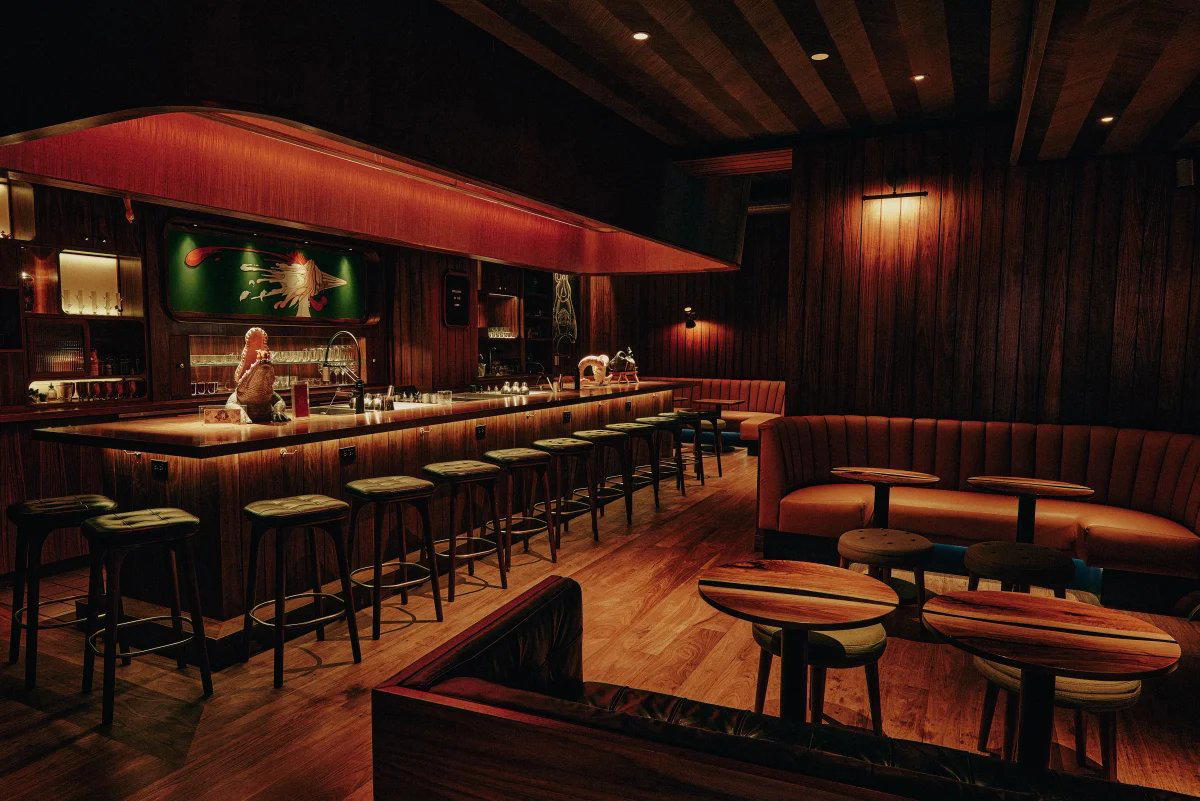
Restaurants in New York City
Browse all →
Hotels in New York City
Browse all →







At a Glance
- Trendy
- Intimate
- Modern
- Date Night
- Special Occasion
- Speakeasy
- Seated Bar
- Counter Only
- Craft Cocktails
Intimate and sophisticated with a focus on the mixology performance.