Stone & Soil

A Star Wine List–recognised bar on East 28th Street, Stone & Soil operates at the intersection of Japanese hospitality principles and sustainability-led cocktail craft. The programme draws on omotenashi service philosophy and brings a considered, low-waste approach to a Midtown South address that functions as a genuine neighbourhood anchor rather than a destination showcase.
Pearl is the En Primeur Club membership app — saves, bookings, and concierge access live there. Same editors, same standards.
- Address
- 124 E 28th St, New York, NY 10016
- Website
- stoneandsoil.nyc
- Directions
- Get directions
 Saves & bookings on Pearl
Midtown South's Quiet Shift Toward Intentional Drinking
East 28th Street sits in a stretch of Manhattan that rarely generates cocktail column inches. The blocks between Madison Square Park and Murray Hill have long played second fiddle to the Lower East Side's high-concept bars and the West Village's polished neighbourhood rooms. That dynamic has been shifting quietly over the past several years, as a handful of addresses in Midtown South have begun attracting serious drinkers who have grown tired of the theatrics further downtown. Stone & Soil, at 124 East 28th Street, is the clearest example of that shift on this particular block.
The bar's programme sits at an unusual intersection: Japanese-leaning cocktail craft fused with an omotenashi service model and a sustainability framework. That combination is not common in New York. For context, comparable programmes appear in cities with stronger Japanese hospitality influence on their drinking culture: Bar Leather Apron in Honolulu operates on similar principles, and Kumiko in Chicago has built a nationally recognised programme around Japanese spirits and care-focused service. Stone & Soil occupies that same philosophical territory in New York.
The Regulars and the Room
Bars that work as neighbourhood anchors rather than destination showcases tend to develop a specific rhythm. The crowd arrives in waves tied to the surrounding blocks rather than to reservation windows or social media announcements. Stone & Soil draws from a catchment that includes the tech and media offices scattered through Midtown South, the residential buildings between Park and Lexington, and a contingent of service industry workers from the broader area who have identified the bar as a place where the hospitality extends to them as much as to any other guest. That last group is a reliable indicator of a room that actually delivers on its omotenashi premise rather than simply invoking the term.
In New York's cocktail geography, bars that hold this kind of local trust tend to be insulated from the boom-and-bust cycle that affects trend-driven concepts. Amor y Amargo on East 6th Street has maintained its neighbourhood footing for years by being genuinely useful to regulars rather than performing exclusivity. Attaboy NYC on Eldridge Street built its reputation through a no-menu format that rewards repeat visits. Stone & Soil's approach — grounded in service philosophy rather than concept novelty — positions it for similar longevity within its own patch of the city.
A Programme Built on Philosophy Rather Than Trend
The sustainability framework running through Stone & Soil's programme reflects a broader movement in serious cocktail bars away from extractive ingredient sourcing and toward closed-loop preparation. New York bars that have committed to this direction include Superbueno, which applies similar rigour to a Latin-influenced menu, and Angel's Share, which has long operated within a philosophy of restraint that aligns with low-waste values even if it predates the explicit sustainability conversation. Nationally, bars like ABV in San Francisco, Jewel of the South in New Orleans, Julep in Houston, and Allegory in Washington, D.C. have demonstrated that a values-led framework deepens rather than limits a cocktail programme when executed with genuine intent. Internationally, The Parlour in Frankfurt on the Main represents how this approach translates across different drinking cultures.
Stone & Soil's recognition from Star Wine List in 2026 signals something specific: the programme is being evaluated not only within cocktail culture but within the broader beverage press that covers wine and spirits with editorial rigour. Star Wine List recognition tends to go to programmes where the beverage selection reflects depth of knowledge and curation rather than breadth of inventory. For a bar operating on Japanese hospitality principles, that credential is coherent, omotenashi in a beverage context tends to mean fewer, better choices served with full attention rather than a maximalist list requiring a sommelier's guidance to interpret.
Placing Stone & Soil in New York's Current Cocktail Tier
New York's cocktail scene in the mid-2020s has stratified along lines that have less to do with price or prestige and more to do with what a bar is actually trying to do for the people who walk in. At one end sit high-production theatrical experiences, often in hotel lobbies or multi-concept dining complexes. At the other sit rooms where the programme is the entire point, the service is the product, and the regulars are the community rather than the backdrop. Stone & Soil sits clearly in the second category, and within that category, the Japanese hospitality framework gives it a specific identity that separates it from bars that achieve warmth through informality alone.
The East 28th Street address matters here. Midtown South is not a cocktail destination neighbourhood in the way that the Lower East Side or the West Village are marketed to out-of-town visitors. That works in the bar's favour. The crowd is drawn by the bar rather than by the neighbourhood's reputation, which means the room's identity is self-generated rather than borrowed from surrounding cultural capital. Bars that survive on that basis in New York tend to be the ones worth seeking out specifically, rather than happening upon. For a fuller picture of how Stone & Soil fits into the city's drinking culture, see our full New York City restaurants guide.
Planning Your Visit
Stone & Soil is located at 124 East 28th Street in Manhattan's Midtown South. The Star Wine List recognition (2026) provides the clearest external benchmark for the programme's quality tier. Given the neighbourhood's working character rather than nightlife identity, the bar tends to function as an early-evening destination as much as a late-night one, though specific hours should be confirmed directly before visiting.
Quick reference: 124 E 28th St, New York, NY 10016, Star Wine List recognised (2026), Japanese-leaning cocktails, omotenashi service, sustainability programme.
How Stone & Soil New York City compares with similar nearby venues.
| Venue | Cuisine | Awards |
|---|---|---|
| Stone & Soil | Japanese-leaning cocktails; sustainability/omotenashi | Star Wine List (2026) |
| Seed Library | Cutting-edge cocktails | Not listed |
Recognition history
Dated appearances from independent guides and award organizations, with the underlying list record or original source where available.
Star Wine List
Star Wine List
Continue exploring
More in New York City
Bars in New York City
Browse all →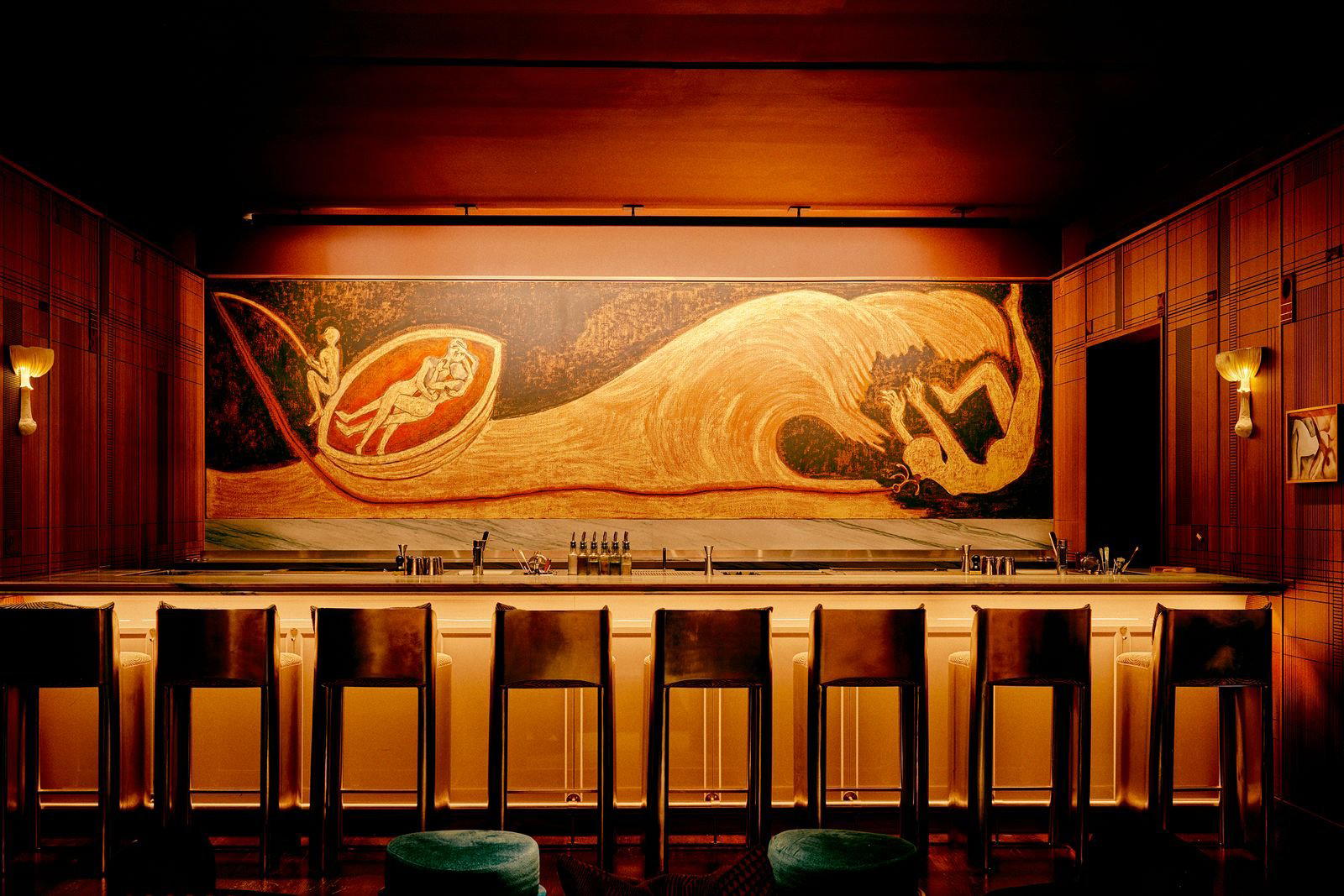
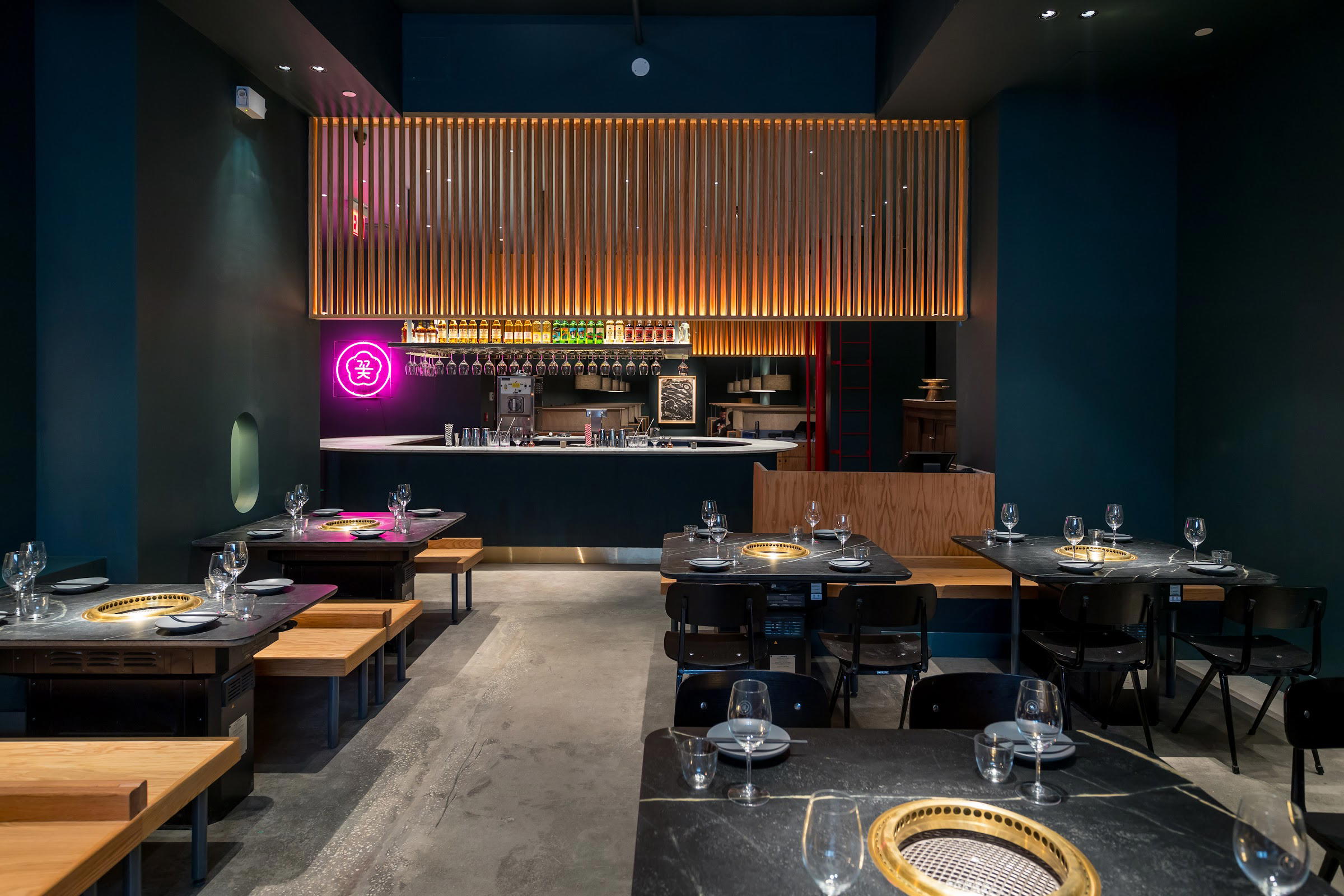
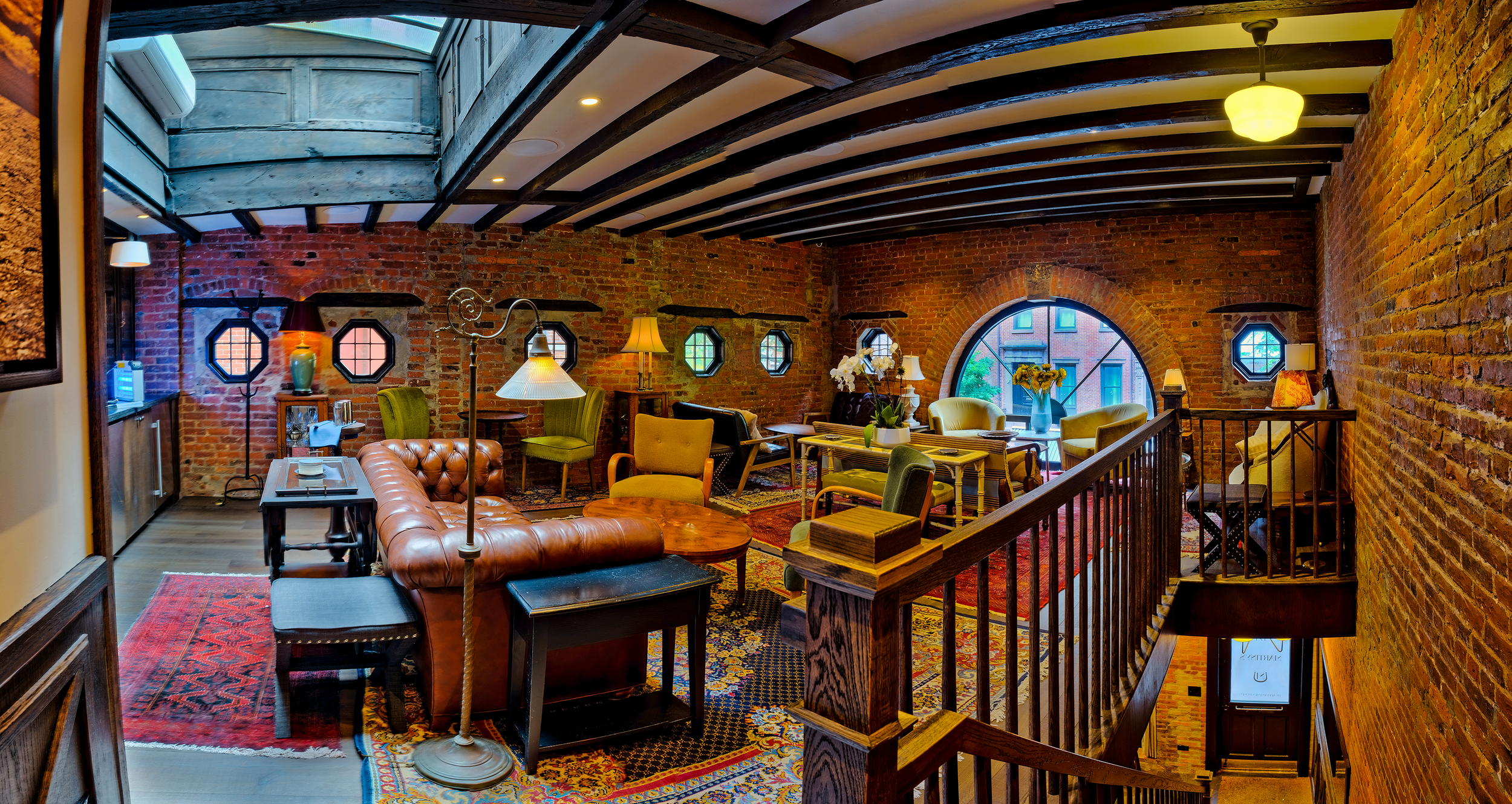
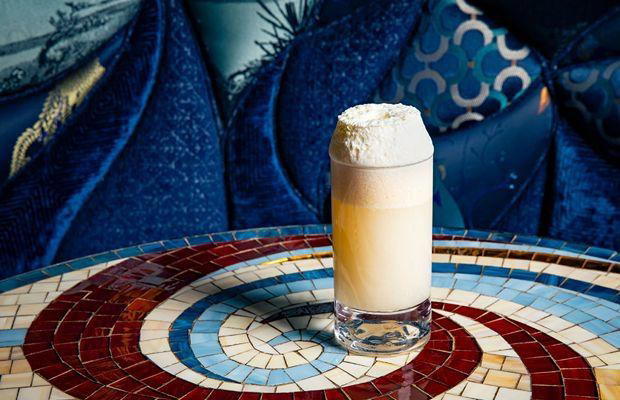
Restaurants in New York City
Browse all →
Hotels in New York City
Browse all →






At a Glance
- Intimate
- Minimalist
- Cozy
- Sophisticated
- Date Night
- Hotel Bar
- Seated Bar
- Craft Cocktails
Current opening hours
- Monday
- Closed
- Tuesday
- 5 PM–12 AM
- Wednesday
- 5 PM–12 AM
- Thursday
- 5 PM–12 AM
- Friday
- 5 PM–1 AM
- Saturday
- 5 PM–1 AM
- Sunday
- Closed
Hours can change for holidays and private events. Last verified .
Calm and grounded Japandi-style space with natural materials, recycled wood, leather, hand-applied finishes, and sculptural clay installations creating a tactile, minimalist environment.
Know Before You Go
- Getting there
- 124 E 28th St, New York, NY 10016